
民营经济

Search documents
国家发展改革委召开民营企业座谈会 就做好明年经济工作听取意见建议
Zheng Quan Ri Bao Wang· 2025-12-26 13:06
Group 1 - The National Development and Reform Commission (NDRC) held a meeting to gather opinions from private enterprises regarding economic work for the upcoming year, focusing on various sectors including home appliances, automotive parts, agricultural processing, education technology, and biomedicine [1] - Private enterprise leaders analyzed the opportunities and challenges their industries will face in the coming year, expressing their commitment to adapt to changing circumstances and contribute to high-quality economic development [1] - Suggestions were made for the government to enhance support for innovation and financing for private enterprises, optimize the implementation of "two new" policies, strengthen oversight of special government funds, and expedite the clearance of overdue payments to businesses [1] Group 2 - The NDRC emphasized the importance of macro policies that resonate with enterprises, aiming to address issues and improve the business environment through categorized responses and tailored solutions [2] - The NDRC encouraged enterprises to maintain confidence in development, recognize challenges, and leverage potential for growth, while committing to expand domestic demand, enhance innovation, and deepen reform and opening-up [2] - Continuous communication between the government and enterprises will be prioritized to promote the healthy development of the private economy [2]
国家发改委主任郑栅洁主持召开民营企业座谈会,就做好明年经济工作听取意见建议
Xin Lang Cai Jing· 2025-12-26 12:43
Core Viewpoint - The National Development and Reform Commission (NDRC) is actively engaging with private enterprises to gather insights and suggestions for economic work in the upcoming year, emphasizing the importance of supporting innovation and financing for these businesses [1][4]. Group 1: Meeting Overview - The meeting was chaired by NDRC Director Zheng Zhaojie, focusing on implementing the decisions from the Central Economic Work Conference and gathering opinions from private enterprises on economic work for the next year [1][4]. - Representatives from various sectors, including home appliances, automotive parts manufacturing, agricultural product processing, educational information technology, and biomedicine, participated in the discussion [1][4]. Group 2: Industry Insights - Business leaders analyzed the opportunities and challenges their industries will face in the coming year, expressing a commitment to adapt to changing circumstances and seize development opportunities to contribute to high-quality economic growth [1][4]. - Suggestions were made for the government to enhance support for innovation and entrepreneurship in private enterprises, optimize the implementation of "two new" policies, strengthen oversight of government special funds, and expedite the clearance of overdue payments to businesses [1][4]. Group 3: Government Response - Director Zheng Zhaojie emphasized the need for macro policies to resonate with enterprises, aiming to help them solve problems and improve the development environment [2][5]. - He assured that issues raised would be categorized for resolution, with broad policy solutions for general concerns and individual coordination for specific cases [2][5]. - The NDRC aims to continue promoting domestic demand, enhance independent innovation, deepen reform and opening up, and stimulate the momentum for high-quality development [2][5].
河南如何陪民企穿越周期|何以“豫”时俱进
Sou Hu Cai Jing· 2025-12-26 09:55
Group 1 - The recent trial operation of the new store by Pang Donglai in Xinxiang has attracted significant attention, alongside the opening of the first store by Mixue Ice City in the United States [1][3] - The rapid growth of private enterprises in Henan reflects the vitality of the province's private economy, which is crucial for integrating into the national market and building a modern industrial system [3][5] - The threshold for entering the top 100 private enterprises in Henan has increased from approximately 2.569 billion yuan in 2021 to about 3.29 billion yuan this year, marking an increase of over 20% [6] Group 2 - The number of private economic entities in Henan has surpassed 11 million, which is nearly 50% more than the total number of market entities at the end of the 13th Five-Year Plan [6][7] - The increase in individual businesses by nearly 2.5 million indicates a healthy and active market environment, showcasing a competitive landscape that adheres to the principle of survival of the fittest [6][10] - The resilience of Henan's private economy is attributed to both external factors, such as the business environment, and internal factors, including the entrepreneurial spirit of successive generations of Henan merchants [10][11] Group 3 - The provincial government has made efforts to optimize the business environment, including initiatives like dining with entrepreneurs and implementing innovative mechanisms for feedback [10][11] - Entrepreneurs in Henan, whether local like Pang Donglai or internationally recognized like Mixue Ice City, have evolved from grassroots origins to significant enterprises, demonstrating market insight and steadfastness [11][12] - The government aims to provide more opportunities for private enterprises by creating a conducive business environment and focusing on future industries such as intelligent manufacturing and quantum technology [14][15]


架起政企“连心桥”,赋能民企“快发展”
Xin Lang Cai Jing· 2025-12-25 18:25
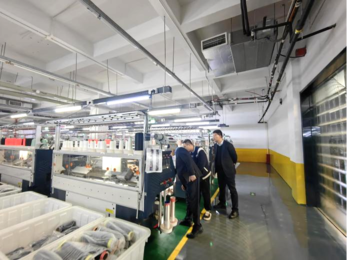
(来源:中华工商时报) 转自:中华工商时报 "工商联搭台让我们拿到500万元信用贷款,解了扩产燃眉之急。"洛阳某装备制造企业负责人说。这位 企业负责人所说的"工商联搭台"就是由洛阳市工商联打造的金融服务平台,针对民营企业"融资难、融 资贵"的问题,联合金融机构助力82家企业获得信用贷款超5亿元。同时,与民生、招商等银行签订战略 合作协议,推广供应链金融新模式。 近年来,河南省洛阳市坚持和落实"两个毫不动摇""三个没有变""两个健康",用好"政策引领、服务护 航、创新驱动、生态筑基"四个抓手,让民营企业信心更足、包袱更轻、腰杆更硬。2025年前三季度, 民营经济贡献全市50%左右税收、62%地区生产总值、74%技术合同成交额、83%新增城镇劳动就业、 96%企业数量……河洛大地民营经济活力涌动,发展脉动强劲。 2025年,洛阳市工商联锚定"建强中原城市群副中心城市"目标,以"两个健康"为核心,以一系列务实创 新的举措,精准服务"自己人",以实际行动架起政企"连心桥",助力民营经济破浪前行,交出了一份亮 点纷呈的年度答卷。 思想铸魂,培育新时代洛商力量 "以前觉得办企业就是做好经营,现在明白跟着政策走、扛牢社会责 ...
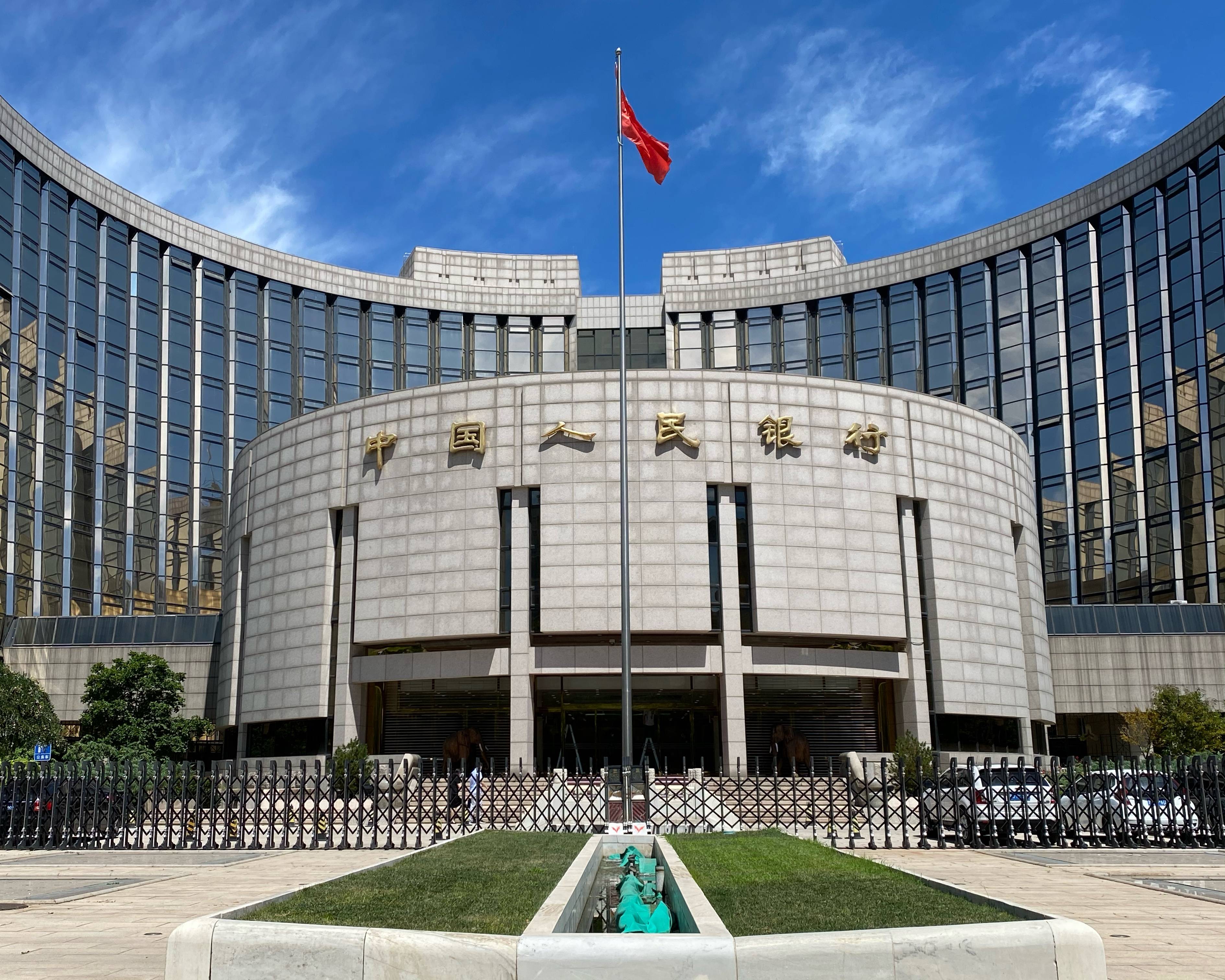
中国人民银行:要继续实施适度宽松的货币政策
Sou Hu Cai Jing· 2025-12-24 12:02
Core Viewpoint - The People's Bank of China (PBOC) aims to continue implementing a moderately accommodative monetary policy, enhancing counter-cyclical and cross-cyclical adjustments to support stable economic growth and reasonable price recovery [1][4]. Group 1: Monetary Policy Implementation - The PBOC's monetary policy committee recently held a meeting to discuss the main ideas for the next phase of monetary policy, emphasizing the integration of incremental and stock policies [4]. - The meeting suggested using various tools to strengthen monetary policy regulation, ensuring liquidity remains ample and aligning money supply growth with economic growth and price level expectations [5]. Group 2: Financial Support and Structural Policies - The meeting highlighted the importance of effectively implementing various structural monetary policy tools to support key areas such as domestic demand expansion, technological innovation, and small and micro enterprises [5]. - The PBOC plans to utilize securities, funds, and insurance company swap facilities, as well as stock repurchase and refinancing, to maintain capital market stability [5]. Group 3: Domestic Economic Focus - The PBOC intends to prioritize strengthening the domestic economic cycle, balancing total supply and demand, and enhancing the forward-looking, targeted, and coordinated nature of macro policies [5]. - The focus will be on expanding domestic demand, optimizing supply, and continuously consolidating and expanding the momentum of stable economic growth [5].
平时生活里,还真得有个“晋江”
Xin Hua Wang· 2025-12-24 10:37
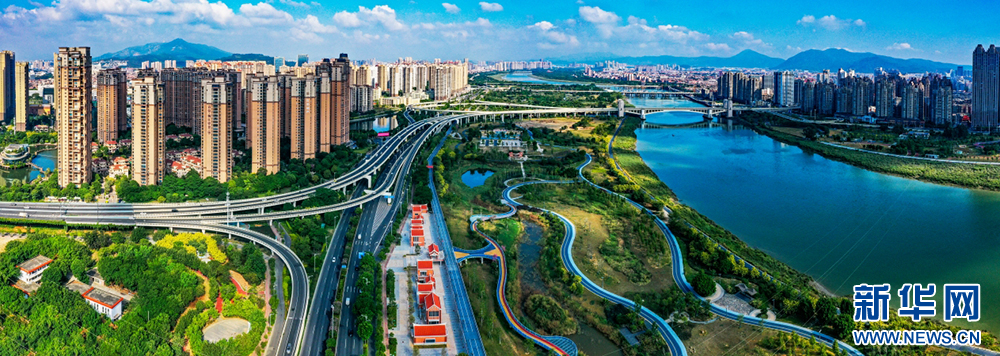
Group 1 - The 2025 China Private Economy and Listed Companies Development Conference is being held in Jinjiang, highlighting the city's significant presence in daily life and its economic contributions [1][36]. - Jinjiang is known for its diverse manufacturing capabilities, producing well-known brands in apparel and footwear, such as 361°, K-Boxing, and Anta [4][5][19]. - The city has developed a strong industrial base, including integrated circuits, smart equipment, and healthcare products, showcasing its advancement in technology and innovation [16][21]. Group 2 - Jinjiang's economy ranks third nationally in terms of comprehensive development strength among county-level economies, indicating its robust economic performance [21]. - The city has a rich cultural heritage and is recognized for its tourism potential, with historical sites and traditional music contributing to its cultural landscape [30][32][33]. - Jinjiang's residents are characterized by a resilient spirit, shaped by their historical relationship with the sea, which has fostered a culture of adaptability and inclusiveness [25].

厦门国际银行泉州分行:精准滴灌民营经济 彰显侨乡金融特色
Cai Fu Zai Xian· 2025-12-24 04:53
Core Viewpoint - The Xiamen International Bank Quanzhou Branch is actively supporting the high-quality development of the private economy in Quanzhou through targeted financial services and strategic initiatives, aligning with local government policies and focusing on key industries and sectors [1][2]. Group 1: Financial Support for Private Economy - The bank has implemented 15 financial support measures for the private economy in Quanzhou, focusing on industries such as textiles, footwear, and intelligent manufacturing to facilitate technology upgrades and expansion for local enterprises [2]. - A specialized working group has been established to create tailored credit strategies and guidelines for key industries, ensuring precise financial support for leading enterprises and significant projects [2]. - As of November 2025, the bank has provided financial relief of 2.07 million yuan to 86 enterprises, addressing issues of financing difficulties and high costs [2]. Group 2: Diverse Financial Services - The bank has introduced the "Science and Technology Loan" product, offering up to 30 million yuan in unsecured loans to qualified small and micro enterprises, resulting in a year-on-year growth of over 70% in technology finance loans by November 2025 [3]. - Green finance initiatives have been launched, including a carbon footprint loan evaluation system, with green finance loans increasing by over 15% since the beginning of the year [3]. - The bank has developed the "Sea Silk Food Rhythm Loan" to meet the diverse financial needs of small and micro enterprises and individual businesses, enhancing financial accessibility [3]. Group 3: Digital and Elderly Financial Services - The bank is advancing its digital transformation by enhancing financial technology applications, exemplified by the "Cross-border e-Station" platform that supports online cross-border transactions for overseas Chinese businesses [6]. - Financial products tailored for the elderly demographic have been introduced, focusing on stable investment returns and comprehensive protection of their rights [6]. Group 4: Overseas Chinese Financial Services - The bank has established a strong brand in overseas Chinese finance, with a total business volume nearing 4 billion yuan and over 700 overseas Chinese clients as of November 2025 [8]. - Special loan rate discounts and fee waivers for overseas Chinese clients have been implemented, along with a one-stop financial service for overseas Chinese businesses [8]. - The bank collaborates with other financial institutions to create a cross-border financial cooperation platform, supporting overseas Chinese investments in Quanzhou [8]. Group 5: Future Development Goals - The bank aims to continue its commitment to serving the private economy in Quanzhou, focusing on innovation in products and services to support local industries and contribute to the development of Quanzhou as a "21st Century Maritime Silk Road City" [10].
向新而歌 续写“晋江经验”奋进华章——写在2025中国民营经济与上市公司发展大会开幕之际
Xin Hua Wang· 2025-12-23 09:42
Core Viewpoint - The upcoming 2025 China Private Economy and Listed Companies Development Conference in Jinjiang, Fujian, highlights the significance of the "Jinjiang Experience" in driving the growth of the private economy and its integration with capital markets [1][2]. Group 1: Economic Growth and Contributions - Jinjiang has over 110,000 private enterprises and 53 listed companies, with the private economy contributing more than 95% to local GDP, tax revenue, employment, and R&D investment [4][5]. - The GDP of Jinjiang is projected to grow from 271.47 billion yuan in 2020 to 364.75 billion yuan in 2024, with an average annual growth rate of 6.6% [5]. - Per capita GDP is expected to rise from 126,900 yuan in 2020 to 174,900 yuan in 2024 [5]. Group 2: Quality and Innovation - Jinjiang has launched the "Jin Xin Jin Li" business service brand, streamlining enterprise registration processes to as little as 5 working hours [6]. - The disposable income for urban and rural residents is projected to reach 57,672 yuan in 2024, a 28.7% increase from 2020 [6]. - The "Jinjiang Experience" has been recognized in central government documents, transitioning from a local model to a national example [6]. Group 3: Innovation and Development - The conference will focus on innovation-driven high-quality development and capital empowerment for new productive forces [9]. - The integration of traditional industries with modern technology is emphasized, with initiatives like "Jinjiang Manufacturing" evolving into "Jinjiang Intelligent Manufacturing" [7][8]. - The collaboration between entrepreneurs and scientists is seen as a key to overcoming technological challenges in specific sectors [8]. Group 4: Capital Market and Corporate Growth - Jinjiang has nurtured 53 listed companies with a total market value exceeding 450 billion yuan, ranking among the top in county-level regions nationwide [10]. - The listed companies in Jinjiang cover traditional sectors like footwear and textiles, as well as emerging industries such as integrated circuits and biomedicine [12]. - The upcoming conference will feature over 100 listed companies discussing topics like corporate governance and value management, providing valuable insights for sustainable development [12]. Group 5: Future Outlook - The private economy in Jinjiang is described as a vibrant forest, with a focus on inheriting the essence of the "Jinjiang Experience" for future growth [13]. - The integration of entrepreneurial spirit and scientific wisdom is expected to address industrial challenges and foster a comprehensive innovation ecosystem [13].
东岳集团董事长张建宏续任中国民营经济研究会第六届理事会副会长
Qi Lu Wan Bao· 2025-12-23 04:12
Group 1 - The sixth member conference of the China Private Economy Research Association was held in Beijing, focusing on new opportunities and paths for the development of the private economy [1] - Gao Yulong, Vice Chairman of the National Committee of the Chinese People's Political Consultative Conference, emphasized the importance of adhering to the correct political direction and deepening research on modern industrial systems and business civilization [1] - Zhang Jianhong was re-elected as the Vice President of the sixth council of the China Private Economy Research Association, with a term from December 2025 to December 2030 [1][2] Group 2 - Li Zhaoqian, former President of the fifth council, delivered a work report, and Yang Youxing was elected as the new President of the sixth council [2] - Zhang Jianhong shared insights on achieving green, low-carbon, and high-quality development in the private economy, highlighting the importance of aligning corporate goals with national strategic needs [3] - The association aims to leverage its platform advantages to promote high-quality and sustainable development of the private economy by showcasing successful case studies [3]
“三头象” 新豫商 新气象——2025河南经济热词观察之二
He Nan Ri Bao· 2025-12-22 23:48
Core Insights - The article highlights the emergence of three notable companies from Henan, referred to as the "Three Elephants": Pop Mart, Pang Donglai, and Mixue Ice City, symbolizing the vitality of Henan's private economy and the entrepreneurial spirit of its business community [1][6]. Group 1: Company Highlights - Pop Mart leverages emotional value through blind boxes, creating a sense of ritual around small daily joys, which aligns with the growing trend of emotional consumption [2]. - Pang Donglai is characterized by its customer-centric approach, providing thoughtful amenities such as magnifying glasses for elderly customers and clear product labeling, which has contributed to its popularity [2]. - Mixue Ice City resonates with young consumers through its catchy theme song and relatable marketing, promising free drinks to foster community connection and consumer respect [2]. Group 2: Economic Environment - Henan has implemented a series of supportive policies aimed at enhancing the business environment, resulting in over 11 million private economic entities, which account for approximately 96% of the total, with key economic indicators showing growth rates surpassing the national average [4]. - The newly revised "Henan Province Optimizing Business Environment Regulations" provides legal support to stimulate market vitality, allowing private entrepreneurs to thrive in various sectors, including modern agriculture and cultural tourism [4]. - The private sector in Henan is recognized as a strong engine for technological innovation, contributing significantly to the province's economic transformation and growth, with companies adapting to digital transitions and exploring new markets [4]. Group 3: Future Outlook - There is an optimistic expectation for the future of Henan's private economy, with hopes for more entrepreneurs to lead in niche markets and for companies to innovate and break through in the evolving economic landscape [5][6].