碳中和

Search documents
中国碳中和(01372)发布年度业绩,股东应占亏损745万港元
智通财经网· 2025-09-30 13:25
Group 1 - The company reported total revenue of HKD 579 million for the fiscal year ending June 30, 2025, with a loss attributable to shareholders of HKD 7.45 million, resulting in a loss per share of HKD 0.0132 [1] - The company plans to innovate in the new energy sector by developing an integrated business model that includes solar power, charging, storage, operation, and management [1] - The company aims to actively engage in the recycling of used batteries through its subsidiary, Henan Rebright New Energy Recycling Co., which has been included in the Ministry of Industry and Information Technology's whitelist for comprehensive utilization of waste batteries [1] Group 2 - The company is leveraging blockchain and artificial intelligence technologies to develop an integrated online and offline platform for lithium resource utilization, embracing digital technology in the new energy sector [1]
9月30日每日研选丨下一轮行情引擎?机构“押注”新能源
Shang Hai Zheng Quan Bao· 2025-09-30 11:38
Group 1: Wind Power Industry - The wind power industry is entering a performance realization period, with expectations for comprehensive performance release in the second half of the year [1] - The industry is anticipated to enter a new upward cycle during the "14th Five-Year Plan" period, driven by offshore wind power, export markets, and onshore wind power [1] - Key factors expected to catalyze growth by 2025 include the initiation of deep-sea offshore wind power, accelerated exports, and recovery in wind turbine profitability [1] - Focus is recommended on leading companies in segments such as pipe piles, submarine cables, wind turbines, and components during this new cycle [1] Group 2: Energy Storage and Hydrogen Industry - Independent energy storage market growth is supported by domestic policies, with strong demand in Europe and emerging markets for household storage [1] - The hydrogen energy sector is experiencing reduced financing difficulties and increased government support for new technology development, accelerating the entire hydrogen industry chain [1] - The large-scale energy storage demand is expected to exceed expectations, with a projected growth rate of around 30% over the next two years [2] Group 3: Lithium Battery Industry - The lithium battery downstream demand is showing strong continuation, driven by both domestic and overseas energy storage needs and the booming electric vehicle market [1] - There is a significant increase in procurement willingness and order volume from terminal enterprises, with a strong sentiment for price increases in the market [1] - The solid-state battery technology is advancing, with several automakers planning to adopt solid-state batteries around 2027, indicating a faster industrialization process [3] Group 4: Renewable Energy Development - The renewable energy sector, primarily wind and solar power, is projected to have nearly 2 billion kilowatts of new capacity from 2025 to 2035 [4] - The construction of large wind and solar bases is accelerating, with steady progress in deep-sea wind power and distributed wind power [4] - The industry is expected to achieve long-term growth driven by the goals of "carbon peak and carbon neutrality" [4]
2025绿色发展年度致敬评选
Feng Huang Wang Cai Jing· 2025-09-30 10:07
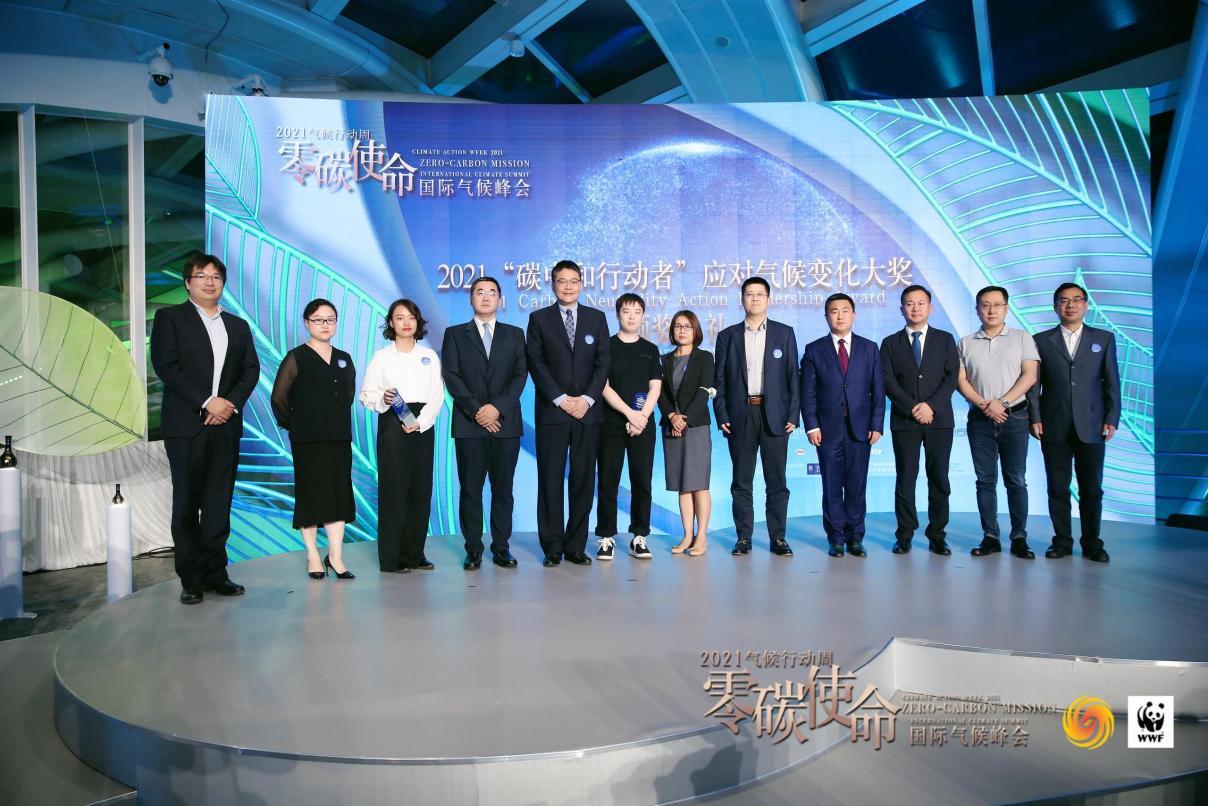
Core Viewpoint - The "2025 Green Development Annual Tribute" aims to recognize and promote corporate efforts in sustainable development and ESG practices, coinciding with significant milestones in global climate governance and China's carbon neutrality goals [1][3]. Group 1: Event Overview - The event marks the 10th anniversary of the Paris Agreement and the 5th anniversary of China's dual carbon goals, highlighting the urgency of low-carbon economic development and green transformation [1]. - The selection process will culminate in an award ceremony on October 23, 2025, during the "2025 Zero Carbon Mission International Climate Summit" in Beijing [3][4]. Group 2: Award Categories - Three authoritative lists will be published: 1. The "Top 100 ESG Rating of China-Funded HK-Listed Companies" to showcase outstanding ESG practices in the capital market [2][6]. 2. The "Top Ten Key Clean Technologies" focusing on breakthroughs in carbon neutrality [2][6]. 3. The "International Infrastructure ESG Management Pioneer Projects" recognizing exemplary ESG practices in global infrastructure [2][7]. - Four honorary titles will be awarded, including "Annual International Sustainable Development Pioneer" and "ESG Annual Action Breakthrough Pioneer," aimed at setting industry benchmarks [2][8]. Group 3: Evaluation Process - The evaluation will involve a combination of expert assessments and ESG ratings from China Chengxin Green Finance, ensuring objectivity and reliability [3][11]. - The assessment criteria will consider various dimensions of ESG performance, including environmental, social, and governance aspects [7][13]. Group 4: Participation and Submission - Companies interested in participating must submit an ESG report and a case application form by October 10, 2025 [4][5]. - The evaluation will be based on a weighted scoring system, with expert reviews accounting for 40%, ESG ratings for 30%, and project evaluation results for 30% [11].

中国2035年新NDC目标公布 企业应该做好什么准备?
2 1 Shi Ji Jing Ji Bao Dao· 2025-09-30 09:50
Core Points - China has announced a new round of Nationally Determined Contributions (NDC) aiming for a 7% to 10% reduction in greenhouse gas emissions by 2035 compared to peak levels, with specific targets for renewable energy and carbon markets [1][3] - The new NDC represents a historic shift from intensity control to total emissions reduction, covering all greenhouse gases and reflecting a commitment to global climate goals [3][4] Group 1: NDC Goals and Targets - By 2035, non-fossil energy consumption should account for over 30% of total energy consumption, with wind and solar power capacity reaching over six times the 2020 levels, targeting 360 million kilowatts [1][6] - Forest stock should exceed 24 billion cubic meters, and new energy vehicles should become the mainstream of new vehicle sales [1][9] - The national carbon trading market will cover major high-emission industries, contributing to the establishment of a climate-resilient society [1][9] Group 2: Industry Implications - Companies are seen as essential units in achieving the NDC goals, needing to assess their carbon emissions and identify reduction opportunities [2][10] - The energy sector, particularly electricity generation, is responsible for a significant portion of emissions, necessitating a transition to renewable energy sources [4][6] - The wind and solar sectors must increase installed capacity significantly, with a need for a 200% increase in renewable energy installations to meet the targets [7][8] Group 3: Corporate Strategies - Companies must shift from passive compliance to proactive transformation, integrating low-carbon principles into their entire supply chain [10][11] - For instance, Didi has developed a carbon management tool to track emissions from its ride-hailing services and aims to increase the share of electric vehicles in its fleet [11][12] - The wind power industry is encouraged to focus on high-quality development and innovation, moving towards integrated applications and enhancing resource utilization [12]
中国2035年新NDC目标公布,企业应该做好什么准备?
2 1 Shi Ji Jing Ji Bao Dao· 2025-09-30 09:35
Group 1: New NDC Goals - China's new Nationally Determined Contribution (NDC) targets a 7%-10% reduction in greenhouse gas emissions from peak levels by 2035, with a focus on achieving better results [1][2] - Specific goals include non-fossil energy consumption exceeding 30% of total energy consumption, wind and solar power capacity reaching 360 million kilowatts, and significant increases in forest carbon storage [1][3] Group 2: Corporate Responsibilities - Companies are seen as essential units in carbon reduction efforts, needing to assess their carbon emissions and implement effective reduction measures [2][5] - The transition from intensity control to total emissions reduction marks a historic shift in China's NDC approach [2][3] Group 3: Renewable Energy Development - The renewable energy sector, particularly wind and solar, is crucial for achieving the 2035 NDC goals, with a need for a 200% increase in installed capacity [6][7] - As of the end of 2024, China's wind and solar power capacity is expected to reach approximately 1.4 billion kilowatts, necessitating an additional 2.2 billion kilowatts by 2035 [7] Group 4: Carbon Management and Data - Establishing a comprehensive and transparent greenhouse gas emissions data system is critical for precise emissions reduction [5][9] - Companies like Didi are implementing carbon management tools to track emissions and identify reduction opportunities [10] Group 5: Industry Collaboration and Innovation - The wind power industry is encouraged to focus on high-quality development and innovative business models to enhance competitiveness and efficiency [11] - Cross-industry innovations, such as exploring hydrogen energy, are also being pursued to expand emission reduction pathways [10]

欧美日都重视降碳 侧重各有不同
Zhong Guo Qi Che Bao Wang· 2025-09-30 07:52
Core Insights - China has become the world's largest automobile exporter, with significant changes in the nature of exports and imports, particularly concerning carbon emissions and regulations [1] - The global focus on carbon emissions is driven by international agreements like the Paris Agreement and various national strategies, including China's dual carbon goals and the EU's carbon footprint regulations [1] Group 1: EU Regulations - The EU has implemented a battery regulation that mandates carbon footprint assessments for battery products, effective from 2023, which includes lifecycle carbon footprint calculations [4] - The regulation categorizes batteries into five types, each with specific requirements, and prohibits the sale of products exceeding carbon footprint limits in the EU market [4] Group 2: Japan's Policies - Japan has introduced a carbon footprint disclosure policy for power batteries, requiring manufacturers to disclose carbon emissions to qualify for government subsidies [6] - This phased approach aims to align with EU regulations, facilitating the sale of Japanese vehicles in the EU market [6] Group 3: US Legislation - The US Clean Competition Act imposes carbon fees on high-emission goods, including potential future inclusion of the battery industry, which could impact production costs [7][8] - The act aims to create a competitive advantage for cleaner products and encourage global carbon reduction efforts [7] Group 4: CBAM Mechanism - The EU's Carbon Border Adjustment Mechanism (CBAM) will require importers to report carbon emissions and potentially pay for emissions exceeding EU quotas starting in 2026 [9][10] - CBAM aims to equalize carbon costs between imported goods and local products, reducing carbon leakage and ensuring fair competition [9] Group 5: Industry Implications - The battery industry faces challenges due to diverse regulations across regions, which may complicate compliance for Chinese automobile exports [8][11] - The increasing focus on carbon footprint management in the battery sector may lead to future carbon tariffs, impacting cross-border manufacturing costs [11]

新能源板块延续涨势,储能电池ETF(159566)半日获近6000万份净申购
Mei Ri Jing Ji Xin Wen· 2025-09-30 06:58
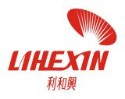
Group 1 - The E Fund New Energy ETF tracks the China Securities New Energy Index, which covers the entire new energy industry chain, including lithium batteries, photovoltaics, wind power, hydropower, and nuclear power [1] - As of the midday close, the index increased by 1.9% with a rolling market rate of 56.5 times, and it has an estimated value of 89.09 since its inception [1] - The Storage Battery ETF tracks the National Securities New Energy Battery Index, focusing on the energy storage sector, consisting of 50 companies involved in battery manufacturing, energy storage inverters, and system integration [1] - The index for the Storage Battery ETF rose by 1.4% with a rolling market rate of 35.0 times, and it has an estimated increase of 86.6% since its inception, indicating potential benefits from future energy development opportunities [1]
利和兴股价跌5.11%,鹏华基金旗下1只基金位居十大流通股东,持有266.62万股浮亏损失418.6万元
Xin Lang Cai Jing· 2025-09-30 05:35
Group 1 - The core point of the news is that Lihexing's stock price dropped by 5.11% to 29.18 CNY per share, with a trading volume of 1.704 billion CNY and a turnover rate of 29.03%, resulting in a total market capitalization of 6.821 billion CNY [1] - Lihexing, established on January 9, 2006, and listed on June 29, 2021, is based in Longhua District, Shenzhen, Guangdong Province, and specializes in the research, production, and sales of automation and intelligent equipment [1] - The company's main business revenue composition includes: intelligent manufacturing equipment (43.58%), electronic components (31.43%), specialized accessories (23.82%), and others (1.16%) [1] Group 2 - Among the top ten circulating shareholders of Lihexing, Penghua Fund's carbon neutrality theme mixed fund A (016530) reduced its holdings by 2.3173 million shares in the second quarter, now holding 2.6662 million shares, accounting for 1.41% of circulating shares [2] - The estimated floating loss for Penghua Fund's carbon neutrality theme mixed fund A today is approximately 4.186 million CNY [2] - The fund, established on May 5, 2023, has a latest scale of 2.08 billion CNY, with a year-to-date return of 112.74% and a one-year return of 185.13%, ranking 30th out of 8167 and 16th out of 8010 in its category, respectively [2]
驱动绿色能源与智能制造变革
Qi Lu Wan Bao· 2025-09-30 04:00
Core Viewpoint - Yantai Zhenghai Magnetic Materials Co., Ltd. plays a dual role as a "converter" and "innovation engine" in China's rare earth permanent magnet industry chain, driving innovation and transformation across multiple downstream sectors [1][2]. Group 1: Company Role in Industry - The company serves as a "core pillar" in the midstream manufacturing of the industry chain, converting strategic rare earth resources into high-performance neodymium-iron-boron permanent magnet materials, ensuring stable and efficient application of national strategic resources in modern industry and green economy [1]. - In 2024, the company was recognized by the Ministry of Industry and Information Technology as the "National Manufacturing Champion" for neodymium-iron-boron permanent magnets in the new energy vehicle sector [1]. Group 2: Technological Innovation - The company is a leader in technological innovation, having established an independent intellectual property system and developed three core technologies: "oxygen-free process," "fine crystal process," and "grain boundary diffusion technology," which significantly reduce the use of heavy rare earths and enhance overall product performance [2]. Group 3: Future Development Opportunities - Shandong province, as an industrial and economic powerhouse, has significant advantages for developing rare earth functional materials, including a major light rare earth resource base, strong downstream market demand in sectors like home appliance manufacturing and automotive industry, and favorable policy windows from the national "carbon peak and carbon neutrality" strategy [2]. - The company aims to seize these opportunities and continue driving innovation to support the green and intelligent transformation of manufacturing in Shandong province and across the nation [2].

行业聚焦:全球双离合变速箱油市场头部企业份额调研(附Top10 厂商名单)
QYResearch· 2025-09-30 03:34
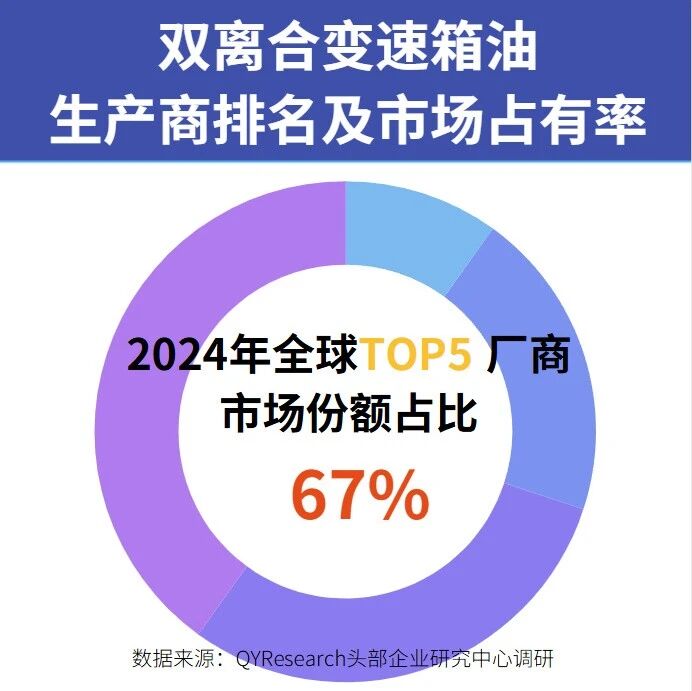
Core Viewpoint - The article discusses the growing demand for dual-clutch transmission fluid (DCTF) driven by the increasing penetration of dual-clutch transmissions in vehicles, alongside stringent fuel economy and carbon emission regulations globally [2][9]. Global Trends and Driving Factors - The market for dual-clutch transmission fluid is expanding due to the superior thermal management capabilities of dual-clutch transmissions, which enhances their market penetration [2]. - Stringent global fuel economy and carbon emission regulations are pushing for high-performance, low-viscosity DCTF products, leading to technological advancements and market growth [2]. - The global market for dual-clutch transmission fluid is projected to reach USD 703 million by 2031, with a compound annual growth rate (CAGR) of 3.2% in the coming years [2]. Competitive Landscape - The dual-clutch transmission fluid market is highly concentrated, dominated by major players such as ExxonMobil, Shell, and TotalEnergies, which hold approximately 67% of the market share [6][9]. - The leading companies leverage strong R&D capabilities and established relationships with major automotive manufacturers, creating significant technical barriers to entry for new competitors [2][9]. Product Segmentation - Wet dual-clutch transmission fluid is the dominant product type, accounting for about 70% of the market share [8][9]. - The market is segmented into various applications, including passenger vehicles and commercial vehicles [13]. Opportunities and Challenges - The rapid growth of hybrid vehicles, which often utilize dual-clutch technology, presents a significant opportunity for the dual-clutch transmission fluid market [11]. - Challenges include the impact of electric vehicles on traditional transmission markets, which may limit long-term demand growth [10]. - High-quality requirements for DCT fluids lead to substantial R&D and certification costs, posing barriers for new entrants [10]. Industry Development Insights - The increasing awareness of vehicle maintenance and the growing automotive ownership in emerging markets like Asia-Pacific are expected to drive stable growth in the aftermarket for dual-clutch transmission fluid [11].