即时零售

Search documents
淘宝闪购500亿直补用户与商家 即时零售战场在线下
Jing Ji Guan Cha Wang· 2025-07-04 03:05
Core Viewpoint - Alibaba's Taobao Flash Purchase has launched a 500 billion yuan subsidy plan to stimulate consumer spending and support merchants in the instant retail market [2][3] Group 1: Subsidy Strategy - Taobao Flash Purchase will implement a "direct subsidy" plan over the next 12 months, with a total subsidy scale of 500 billion yuan [2] - The platform aims to enhance consumer engagement by offering large red envelopes, free order cards, and official subsidized products [2] - Merchants will receive various subsidies, including store, product, and delivery subsidies, to ensure profit margins and promote business growth [2] Group 2: Market Performance - Taobao Flash Purchase has achieved a daily order volume exceeding 60 million, with a punctuality rate of 96% [3] - Retail orders have seen a year-on-year growth of 179%, with some brands experiencing over 10 times growth in order volume [3] - The initial day of the subsidy saw 589 retail brands doubling their daily order volume compared to the launch date [3] Group 3: Competitive Landscape - The instant retail market is characterized by intense competition, with platforms like Meituan, Ele.me, and JD.com also engaging in aggressive subsidy strategies [2][6] - Meituan's daily order volume exceeds 90 million, while JD.com has surpassed 25 million [6] - The competition has led to increased pressure on merchants, who are compelled to participate in subsidy schemes [5] Group 4: Long-term Implications - The effectiveness of Taobao Flash Purchase's subsidy strategy will be evaluated based on merchant retention rates, user repurchase rates, and market share changes [3][7] - The strategy is seen as a defensive measure against low-price competition, aiming to reduce operational costs for merchants [6] - Future success will depend on converting subsidy advantages into enhanced digital operational capabilities for merchants [7]



都要做超级APP,美团、京东、淘宝长得越来越像
Sou Hu Cai Jing· 2025-07-04 02:50
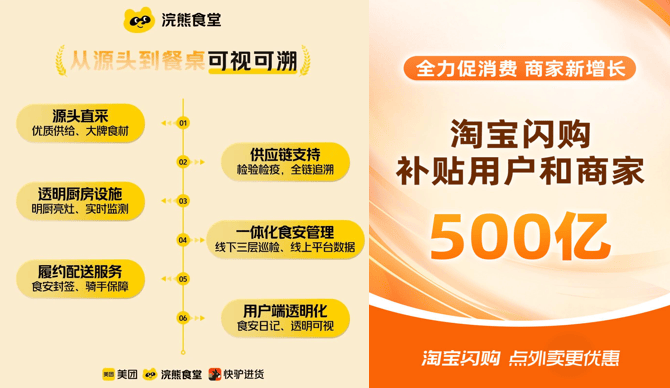
Group 1 - Meituan announced plans to establish 1,200 "Raccoon Canteens" over three years, focusing on quality dining and addressing the pain points of ghost kitchens [1] - Taobao followed suit by announcing a direct subsidy of 50 billion yuan to consumers and merchants through Taobao Flash Purchase within 12 months [3] - The competition in the food delivery sector has intensified, with major players like Meituan, JD, and Alibaba vying for dominance in the instant retail market [3][25] Group 2 - The recent actions of major companies indicate a strategic intent to create a super app that encompasses various services, including dining, shopping, and travel [11][12] - The food delivery market is characterized by high frequency and low profit margins, making it a critical entry point for user engagement [7][8] - JD's entry into the food delivery market aims to drive traffic to its main app, with 40% of food delivery users also purchasing products from JD's e-commerce platform [8] Group 3 - The integration of Ele.me and Fliggy into Alibaba's e-commerce group reflects a strategic restructuring to enhance the capabilities of Taobao and create a super app [14][16] - The competition for user retention and growth is becoming increasingly challenging as the market shifts towards super apps that consolidate multiple services [19][23] - Instant retail is identified as a key battleground for major e-commerce platforms, with the market expected to grow significantly in the coming years [28][29] Group 4 - The ongoing subsidy wars have led to a temporary surge in user engagement, but concerns remain about the sustainability of such growth without profitability [24] - New players like Duoduo and Douyin are also entering the instant retail space, indicating that the competition is far from over [30][33] - The evolution of the retail landscape has seen three major transformations, with instant retail being the latest and most critical phase [26][28]


阿里电商终于有救了!这次是淘宝闪购
Sou Hu Cai Jing· 2025-07-04 01:14
Core Insights - Alibaba's dominance in the Chinese e-commerce market has significantly declined from over 80% in 2013-2014 to a projected 33% in 2024, with competitors like Pinduoduo and Douyin gaining market share [2][4] - Pinduoduo's innovative "social裂变" model and Douyin's algorithm-driven "货找人" approach have effectively challenged Alibaba's traditional e-commerce strategies [3][4] - The introduction of AI-driven e-commerce and the launch of Taobao Flash Sale are Alibaba's strategic responses to regain market share [6][8] Market Dynamics - Pinduoduo's market share has risen to 19% and Douyin's to 18% by 2024, while JD.com holds 17% [4] - Pinduoduo's active buyer count reached 900 million, narrowing the gap with Alibaba's 915 million users [3][4] - In lower-tier markets, Pinduoduo maintained a 52% order share during the 2025 618 shopping festival, indicating strong competitive positioning [3] Strategic Initiatives - Alibaba's AI e-commerce aims to enhance service efficiency and user experience through personalized recommendations and 24/7 customer support [6][7] - Taobao Flash Sale achieved over 10 million daily orders within six days of launch, with a peak of 60 million orders on July 2, 2023 [7][8] - The Flash Sale initiative includes a substantial 50 billion yuan subsidy plan to attract consumers and support merchants [8] Competitive Landscape - Instant retail is gaining traction, with a projected market size of 1.5 trillion yuan by 2025, growing at a rate of over 40% annually [9] - Meituan's Flash Sale is a significant competitor, capturing 35% of the instant retail market with a daily order volume exceeding 10 million [10] - The success of Taobao Flash Sale in retaining users post-subsidy will be crucial for Alibaba's overall e-commerce recovery [10][11]

港股异动 | 阿里巴巴-W(09988)跌近4% 外卖及闪购业务投资增加 高盛下调公司盈测及目标价
智通财经网· 2025-07-03 05:48
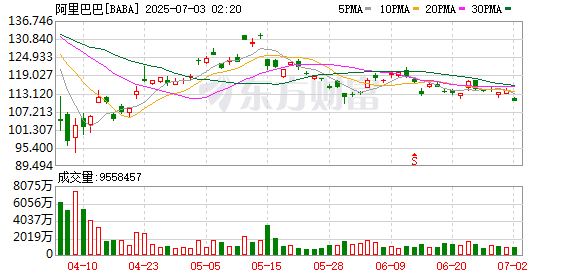
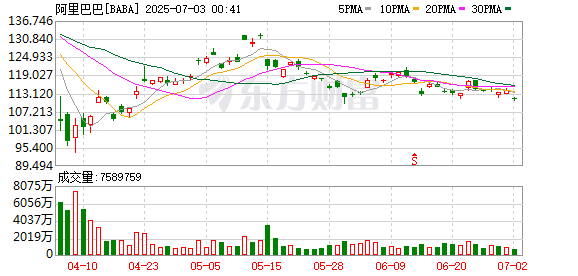
Group 1 - Alibaba's stock price fell nearly 4%, closing at HKD 105.3 with a trading volume of HKD 10.828 billion [1] - Taobao Flash announced a platform subsidy of HKD 50 billion over the next 12 months, with daily orders exceeding 60 million [1] - The order structure of Taobao Flash has expanded to all categories, with non-tea beverages accounting for 75% of orders [1] Group 2 - Goldman Sachs reported a 16% decline in Alibaba's US stock price over the past month, highlighting investor concerns regarding strategic restructuring and competition in instant retail [2] - Despite strong business momentum, Goldman Sachs lowered its earnings per share forecast for Alibaba for fiscal years 2026 to 2028 by 4% to 13%, while raising revenue forecasts by 2% to 4% [2] - The target price for Alibaba's US stock was reduced from USD 159 to USD 150, and the target price for its H-shares was lowered from HKD 154 to HKD 146 [2]
淘宝闪购祭出500亿补贴,打工人盯上罗森、全家“羊毛”
3 6 Ke· 2025-07-02 23:33
Core Insights - The perception of online shopping speed has changed, with consumers feeling that delivery times have slowed despite actual improvements in logistics efficiency [1][2] - Major platforms are heavily investing in instant retail, with significant subsidies and promotional activities aimed at enhancing consumer experience and stimulating demand [2][3] Industry Trends - Instant retail is rapidly becoming a central battleground for major e-commerce players, with platforms like Meituan and JD.com reporting substantial growth in their instant retail segments [3][5] - The daily order volume in China's instant retail market has surged from approximately 100 million to 160 million in just three months [4] Consumer Behavior - Consumers are increasingly favoring instant retail options over traditional e-commerce, leading to a decline in the appeal of major shopping festivals like Double Eleven and 618 [11][18] - The 2024 618 sales event saw a 7% decline in total sales compared to the previous year, indicating a shift in consumer purchasing habits towards immediate gratification rather than bulk buying [13][18] Competitive Landscape - Major platforms are adopting aggressive strategies to capture market share in instant retail, with significant subsidies and promotional offers to attract consumers [2][10] - The competition is intensifying, with platforms like Taobao, JD.com, and Meituan expanding their instant retail offerings and enhancing delivery capabilities [20][21] Future Outlook - The instant retail sector is projected to continue growing, with estimates suggesting it could exceed 2 trillion yuan by 2030, driven by a growing user base and evolving consumer preferences [10][18] - Traditional e-commerce events may transform into instant retail showcases, reflecting the changing dynamics of consumer shopping behavior [18][19]
阿里年内二度整合电商板块 传统电商拥抱线下拓展增长空间
Zheng Quan Shi Bao· 2025-07-02 18:20
Core Insights - Alibaba is integrating Ele.me and Fliggy into its China e-commerce business group, marking a strategic shift towards a comprehensive consumer service platform [2][3][4] - The integration aims to enhance consumer experience by providing better discounts and convenience, while also exploring new business models for brands and merchants [2][5] - The move reflects Alibaba's redefinition of e-commerce as its core business, emphasizing the importance of local life services and instant retail [5][6] Group 1: Business Integration - The merger of Ele.me and Fliggy follows the upgrade of the instant retail service "Xiaoshida" to "Taobao Flash Purchase," indicating Alibaba's deepening focus on instant retail and local life sectors [3][4] - Taobao Flash Purchase has seen rapid growth, achieving over 40 million daily orders within a month of its launch, with a 97% on-time delivery rate [4] - The establishment of a new e-commerce business group under Alibaba aims to consolidate various e-commerce operations, enhancing synergy across platforms [4][6] Group 2: Market Strategy - The integration is seen as a proactive strategy to strengthen Alibaba's competitive edge in the instant retail and local life markets, rather than a reactive measure [5][9] - Industry experts suggest that the merger will create a "super app" that connects online and offline shopping experiences, allowing consumers to access a wide range of services from a single platform [6][9] - The shift towards integrating food delivery and travel services with e-commerce is expected to enhance user engagement and brand loyalty [6][9] Group 3: Competitive Landscape - Other e-commerce platforms, such as JD.com and Meituan, are also expanding into the food delivery and instant retail sectors, indicating a broader trend in the industry [7][8] - The competition is intensifying as companies seek to break down traditional e-commerce boundaries and explore new growth opportunities [8][9] - The integration of various services is anticipated to provide traditional e-commerce platforms with new user traffic and revenue streams, enhancing their overall market position [9]
淘宝闪购500亿元补贴破局行业“内卷” 创新平台模式
Zheng Quan Ri Bao· 2025-07-02 16:41
Core Insights - Alibaba Group is launching a 50 billion yuan subsidy plan for its Taobao Flash Sale platform to boost merchant profits and stimulate business growth within 12 months [1][3] - The initiative signifies a new round of resource investment in the instant retail sector, aiming to integrate online traffic with offline service industries [1][2] Group 1: Market Dynamics - Since its launch in May, Taobao Flash Sale has surpassed 60 million daily orders, contributing to a significant increase in China's instant retail market from approximately 100 million to 160 million daily orders [2] - The platform has enhanced user engagement, leading to record user numbers and activity during the Tmall 618 shopping festival, with double-digit growth in purchasing users [2][4] Group 2: Strategic Integration - Taobao Flash Sale is a core component of Alibaba's "big consumption platform" strategy, integrating resources from Taobao, Tmall, Ele.me, and Fliggy to create a comprehensive consumer experience [2][4] - The platform is transitioning from a pure e-commerce model to a hybrid model that combines online and offline services, enhancing its market position [2][4] Group 3: Ecosystem Development - The subsidy strategy employs a "platform direct subsidy" model, allowing merchants to avoid price competition and fostering a sustainable business ecosystem [5] - This approach aims to alleviate the "involution" phenomenon in the industry, encouraging merchants to focus on service and product quality, ultimately improving consumer experience [5] - The 50 billion yuan investment is seen as a critical step towards building a healthy industry ecosystem, promoting collaboration among platforms, merchants, and consumers [5]
商战了3个月,“即时零售”到底是什么东西?
吴晓波频道· 2025-07-02 15:45
Core Viewpoint - The article discusses the rapid growth and transformation of the instant retail market in China, driven by advancements in logistics, technology, and changing consumer demands, with a projected market size of 1.5 trillion yuan by 2025 and potential growth to 2-3.6 trillion yuan by 2030 [7]. Group 1: Market Dynamics - Instant retail encompasses a wide range of products, from fresh produce to electronics, emphasizing the convenience of home delivery [4][3]. - Major players like Meituan, Alibaba, and JD.com are heavily investing in market share, with aggressive promotional strategies and significant subsidies [5]. - The competition is reshaping the consumer market, focusing on efficiency in delivery and logistics [8]. Group 2: Infrastructure Development - The "15-minute convenient living circle" initiative aims to meet daily needs within a short walking distance, with over 4,321 such circles established, covering approximately 107 million residents [12][13]. - Local governments are implementing cold chain logistics policies to enhance the supply chain for perishable goods, with subsidies for cold storage and transportation [14]. - By 2025, policies will ensure logistics centers in every county and express delivery stations in villages, increasing rural market accessibility [15]. Group 3: Technological Advancements - The integration of technologies like drones, autonomous driving, and AI scheduling is expected to lower supply chain and delivery costs, enhancing overall efficiency [18]. - Post-pandemic consumer behavior shows a heightened willingness to pay for immediate delivery, particularly among younger demographics [19]. Group 4: Competitive Landscape - The competition is primarily among three giants: Meituan, Alibaba (Ele.me), and JD.com, each leveraging their logistics capabilities to gain an edge [29]. - Meituan focuses on local life services with a vast network of over 6 million delivery personnel, while JD.com emphasizes quality and reliability through its self-built logistics [30][31]. - Alibaba combines its extensive user base with a robust delivery network, but faces challenges in operational efficiency and market penetration in rural areas [33]. Group 5: Future Outlook - The article suggests that the future of instant retail will be defined by the ability to deliver products quickly and efficiently, particularly in lower-tier markets [34]. - Meituan's "Lightning Warehouse" model aims for rapid urban coverage, while JD.com's "Shared Warehouse" focuses on quality and cost efficiency [36]. - Long-term success will depend on the integration of AI and other technologies, creating significant barriers to entry for new competitors [38].

竞争对手转型、多多买菜爆单 社区团购还有未来吗
Bei Jing Shang Bao· 2025-07-02 13:40
Core Insights - After Meituan adjusted its community group buying business, Duoduo Maicai experienced a surge in order volume, indicating a shift in market dynamics [1][5] - The community group buying landscape has narrowed down to Duoduo Maicai as the leading player, following the strategic changes of competitors [5][10] Group 1: Order Volume Surge - Duoduo Maicai's order volume has increased significantly, with reports of daily orders exceeding 100, compared to less than 50 previously [5] - Some warehouses are facing overwhelming order volumes, leading to urgent recruitment of sorting staff and drivers, with salaries ranging from 1,800 to 8,000 yuan [5][6] - The pressure on warehouses is evident, as sorting staff are now processing 5,000 to 6,000 items per day, up from the usual 2,000 to 3,000 [5][6] Group 2: Market Adaptation - The shift in competition has led to changes in how group leaders and suppliers operate, with many adapting to the new market conditions [6][7] - Group leaders are leveraging their social networks to drive sales, with some transitioning to Duoduo Maicai due to better commission structures and incentives [6][7] - Suppliers are also adjusting their strategies, with some converting unsold fresh products into frozen goods to align with Duoduo Maicai's low-price model [7][8] Group 3: Competitive Landscape - The community group buying sector has seen a consolidation, with Meituan focusing on instant retail and reducing its community group buying footprint [10] - Meituan is expanding its flash warehouse model in lower-tier cities, aiming to compete with Duoduo Maicai's self-pickup model by offering quick delivery of high-margin products [10][11] - Duoduo Maicai is also exploring delivery options in first-tier cities, indicating a strategic shift to enhance its service offerings [11][12] Group 4: Business Model Dynamics - The competition between self-pickup and home delivery models is intensifying, with each model catering to different consumer preferences based on location and shopping habits [11][12] - The cost structure of home delivery is higher than that of self-pickup, which allows for more efficient inventory management [12] - Despite the end of the "hundred group war," the community group buying model remains viable, focusing on balancing cost, service, and efficiency [12]

淘宝闪购宣布500亿补贴,专家解读:打破“内卷”竞争,促进服务消费
Xin Lang Ke Ji· 2025-07-02 12:36
Core Insights - Taobao Flash Sale announced a 50 billion yuan platform subsidy to enhance consumer benefits and support merchants [2][6] - The initiative aims to reduce operational burdens on merchants while promoting sustainable growth in the industry [2][7] - The rapid growth of Taobao Flash Sale reflects a significant shift in the instant retail market, with daily orders skyrocketing from zero to 60 million within a short period [3][4] Consumer Benefits - The 50 billion yuan subsidy will be distributed through large red envelopes, free order cards, and official price subsidies to consumers [2][6] - The platform aims to lower decision-making barriers and increase purchase frequency among consumers [6][7] - Taobao Flash Sale's model integrates e-commerce pricing with instant delivery, enhancing consumer experience [3][5] Merchant Support - The subsidy program includes store subsidies, product subsidies, delivery subsidies, and commission reductions to alleviate merchant costs [2][6] - The platform empowers brand merchants with operational autonomy, allowing them to manage pricing and marketing independently [6][7] - This approach aims to restore profit margins for merchants and foster a healthier competitive environment [7][8] Market Dynamics - The instant retail market in China has seen explosive growth, with daily order volumes increasing from approximately 100 million to 160 million [2][3] - Non-beverage orders now account for 75% of total orders, indicating a significant shift in consumer preferences [4][6] - The integration of e-commerce and service industries through Taobao Flash Sale is creating new consumption scenarios and opportunities for merchants [7][8] Strategic Implications - The 50 billion yuan investment is a strategic move by Alibaba to reinforce its position in the consumer market and combat "involution" in competition [2][7] - The initiative is expected to stimulate service consumption and enhance overall market vitality [6][7] - The competition landscape is evolving, with a focus on delivering greater value to consumers and sustainable growth for merchants [8][9]