
人的全面发展

Search documents
明年财政将促进居民就业增收
Xin Lang Cai Jing· 2025-12-28 17:21
Core Viewpoint - The Central Economic Work Conference emphasizes the continuation of a more proactive fiscal policy to support economic growth and social development in 2025 [1][2]. Group 1: Fiscal Policy Achievements - The Ministry of Finance reported that in 2025, fiscal departments will effectively implement the decisions of the central government, leading to significant achievements in fiscal work that support the completion of annual economic and social development goals [2][3]. - Fiscal policy serves as a crucial macroeconomic tool, enhancing total demand and directing structural adjustments, with a focus on high-quality development and increased investment in basic research [3][6]. Group 2: Future Fiscal Focus - In 2025, the government plans to expand the fiscal expenditure framework, optimize government bond tools, and enhance the effectiveness of transfer payments to support local financial autonomy [4][5]. - Key tasks for the upcoming year include promoting domestic demand, supporting technological and industrial innovation, and advancing urban-rural integration and regional collaboration [4][5]. Group 3: Strengthening Fiscal Management - The conference highlighted the need for comprehensive fiscal management improvements, emphasizing the importance of integrating top-down and bottom-up approaches in fiscal management trials [7][8]. - The focus will be on resource coordination, zero-based budgeting, and strengthening departmental responsibilities to enhance the effectiveness of fiscal policies and fund utilization [7][8].
投资于人,投给谁、怎么投?
Jing Ji Wang· 2025-12-16 06:23
Core Viewpoint - The "15th Five-Year Plan" emphasizes the integration of investments in both material and human resources, highlighting the importance of investing in people for high-quality development [1][2]. Group 1: Investment in People - Investment in people is essential for high-quality development, reflecting the unity of development goals and methods [2]. - The plan aims to transform the demographic advantage into a talent resource advantage necessary for high-quality development [2][4]. - The focus of investment is on meeting the people's aspirations for a better life, addressing various dimensions of social needs [4]. Group 2: Implementation Framework - The "15th Five-Year Plan" outlines a multi-dimensional and full-cycle implementation framework for investing in people [5]. - Investments must target the enhancement of human capital quality to adapt to profound industrial changes, emphasizing the need for high-quality talent and innovative workers [6]. - The plan stresses the cultivation of various types of talent, including strategic scientists and skilled workers, aligning individual growth with national strategic needs [6][7]. Group 3: Lifelong Investment - Investment in people should span the entire life cycle, focusing on equitable and inclusive principles [8]. - The plan aims to reduce the costs of childbirth, upbringing, and education, alleviating family pressures and ensuring fair opportunities for all [8]. - It also addresses urban-rural disparities in public services and development opportunities, promoting a friendly society for the elderly [8]. Group 4: Cultural and Spiritual Investment - Investment in people includes nurturing the spiritual dimension, aiming for a balance between material wealth and spiritual richness [9]. - The plan seeks to enrich public cultural services and promote core socialist values, fostering a positive and harmonious social atmosphere [9]. - This investment is seen as crucial for the comprehensive development of individuals and society, contributing to national rejuvenation [9].

以系统思维引领陕西实现六个更大突破、争做西部示范
Shan Xi Ri Bao· 2025-12-14 23:16
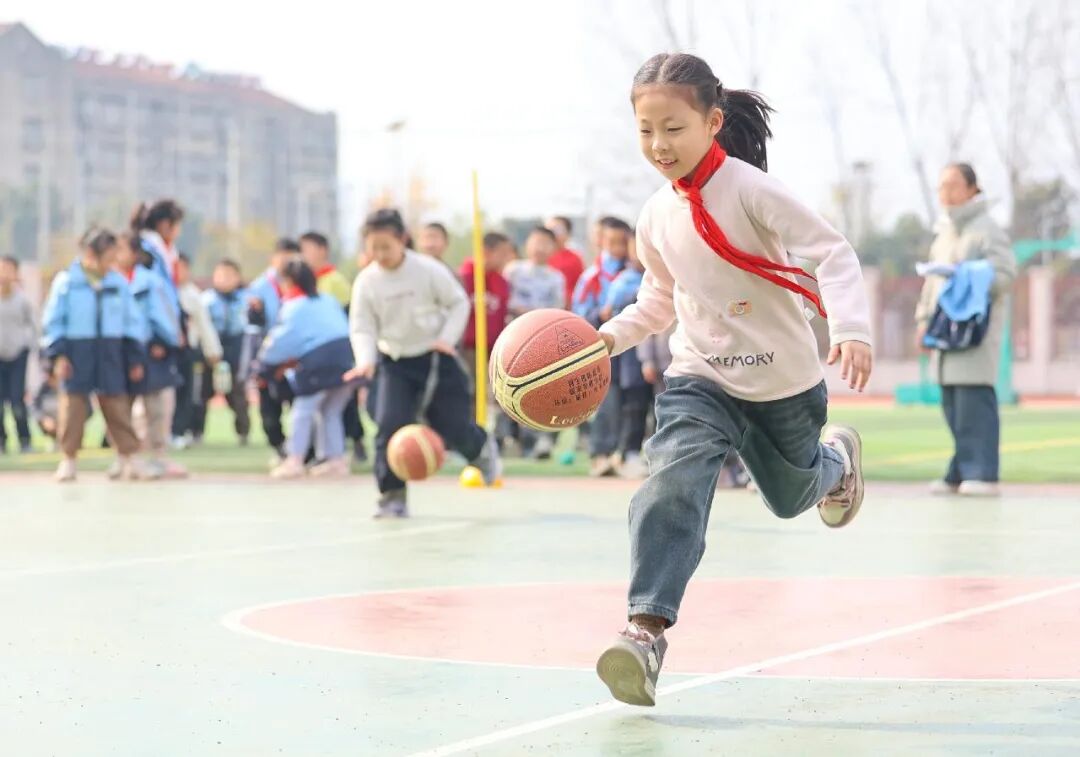
Core Viewpoint - The article discusses the recently approved "Suggestions for the 15th Five-Year Plan" by the Shaanxi Provincial Committee, emphasizing the need for innovation-driven high-quality development and the establishment of Shaanxi as a demonstration area in the western region of China [1] Group 1: Development Goals - The 15th Five-Year Plan aims to achieve breakthroughs in six key areas, focusing on high-quality development and benefiting the local population [1] - The plan is aligned with President Xi Jinping's directives and aims to address the needs of the nation and the aspirations of the people [1] Group 2: Economic Strategy - The strategy emphasizes a balance between quality and scale, aiming for economic growth that supports employment and regional strength while enhancing innovation and industrial advantages [2] - The plan highlights the importance of leveraging national policies and local resources to create a synergistic effect for development [2] Group 3: Regional Development - The plan recognizes the distinct characteristics of Shaanxi's three regions (Guanzhong, Northern Shaanxi, and Southern Shaanxi) and advocates for tailored policies to maximize regional advantages [3] - Guanzhong will focus on innovation, Northern Shaanxi on energy, and Southern Shaanxi on ecological priorities to create a complementary economic structure [3] Group 4: Modernization - The plan stresses the integration of material and human modernization, aiming for equitable distribution of development benefits to the local population [4] - It emphasizes the need for policies that not only consider economic factors but also prioritize social welfare and public needs [4] Group 5: Income Distribution - The plan addresses income disparity and aims to enhance income distribution measures to ensure steady growth in residents' income [6] - It proposes initiatives to develop county economies and improve skills training to increase employment and income opportunities [6] Group 6: Quality of Life - The plan aims to enhance the quality of life and personal development opportunities for residents, moving beyond mere economic growth [7] - It focuses on improving cultural services and social security systems to address pressing public concerns in education, healthcare, and social welfare [7]
专访丨于春海:为什么提出“投资于人”
Sou Hu Cai Jing· 2025-12-10 10:57
Core Viewpoint - "Investment in people" is a crucial aspect of China's development strategy, emphasizing the allocation of resources towards education, healthcare, and social welfare to enhance human capital and drive high-quality economic growth [1][3][11]. Summary by Sections Investment in People vs. Investment in Material - "Investment in people" refers to directing more fiscal resources towards areas that enhance individual capabilities and welfare, contrasting with "investment in material," which focuses on physical assets and infrastructure [1][2]. - The return on "investment in material" has significantly decreased from 2008 to 2023, indicating a need for a shift towards human-centered investments [2][3]. Economic Growth and Domestic Demand - China's domestic consumption accounts for approximately 39% of GDP, while capital formation is around 41%, highlighting a need for improved interaction between consumption and investment [4][5]. - "Investment in people" aims to address the mismatch in domestic supply and demand, enhancing the quality of life and driving economic growth [5][6]. Areas of Focus for Investment in People - Key areas for "investment in people" include education, healthcare, cultural services, and environmental improvements, which are essential for enhancing overall human development [7][8]. - The shift towards "investment in people" also encompasses the need for a modern industrial system and technological self-reliance to support high-quality development [8][11]. Measuring Investment Effectiveness - Unlike "investment in material," which has clear metrics for evaluation, the effectiveness of "investment in people" requires a broader, more qualitative assessment that considers social and economic dimensions [9][10]. - A comprehensive evaluation framework is necessary to assess the long-term impacts of "investment in people" on societal development [10][12]. Unique Characteristics of China's Investment in People - China's approach to "investment in people" transcends mere welfare considerations, focusing on enhancing human capabilities and addressing systemic issues in various sectors [11][12]. - The emphasis on human-centered development reflects a commitment to improving both material and spiritual well-being, distinguishing China's strategy from other countries [12][13]. Long-term Considerations and Implementation - "Investment in people" should be integrated into the broader context of China's modernization efforts, addressing both immediate challenges and long-term goals [14][15]. - Effective implementation requires a balance between market forces and government intervention to foster a conducive environment for human development [16].
学习规划建议每日问答|怎样理解投资于物和投资于人紧密结合
Sou Hu Cai Jing· 2025-12-08 03:58
Group 1 - The core viewpoint emphasizes the integration of investment in physical assets and human capital as a means to enhance development momentum, expand domestic demand, and promote comprehensive human development [1] - Investment in physical assets has played a crucial role in China's rapid economic growth, contributing to the accumulation of physical capital, enhancement of production capacity, and improvement of public service levels [1][2] - There is significant potential for further investment in physical assets, particularly in key industries and technological advancements, as China's per capita capital stock remains low compared to developed countries [2] Group 2 - The importance and urgency of investing in human capital are increasingly recognized, as the economy shifts from capital-intensive to talent-intensive growth, necessitating greater investment in education, healthcare, and skills training [3] - Enhancing the income distribution system and promoting equal access to basic public services are essential for improving human capital investment and ensuring a high-quality life for all citizens [4] - Establishing a long-term mechanism for human capital investment, including optimizing fiscal responsibilities and encouraging various stakeholders to invest in human development, is critical for sustainable economic growth [4]
坚持投资于物和投资于人紧密结合
Jing Ji Ri Bao· 2025-11-15 01:01
Core Viewpoint - The essence of Chinese-style modernization is the modernization of people, which requires a close integration of investment in material and investment in people [1][2] Group 1 - The "15th Five-Year Plan" emphasizes the need to combine investment in material and investment in people, highlighting the importance of expanding domestic demand as a strategic foundation [2] - The plan aims to enhance the quality of life for the people by improving the supply of quality products and services, thereby supporting the overall development of society [2] - The focus is on creating a comprehensive population service system that addresses various life stages, including marriage, childbirth, education, employment, healthcare, housing, and elderly care [2]
何立峰发表署名文章
财联社· 2025-11-10 23:23
Core Viewpoint - The article emphasizes the importance of developing new quality productivity tailored to local conditions, as outlined in the 15th Five-Year Plan, to promote high-quality development and modernization in China [2][3]. Group 1: Significance of Developing New Quality Productivity - Understanding the significance of developing new quality productivity is crucial for enhancing social productivity and achieving modernization [3]. - Historical trends show that the development of new quality productivity has historically led to significant advancements in social productivity, with each technological revolution marking a leap in productivity levels [4]. - The development of new quality productivity reflects the advantages of the socialist system, enabling faster and better productivity growth compared to capitalist systems [5]. Group 2: Tasks and Measures for Implementation - Strengthening technological innovation is identified as the core driver for developing new quality productivity, with a focus on original and disruptive innovations [7]. - Optimizing and upgrading industrial structures is a primary pathway for developing new quality productivity, emphasizing the transformation of traditional industries and the cultivation of emerging industries [8]. - Promoting a comprehensive green transition in economic and social development is essential, with a focus on resource efficiency and cleaner production processes [9]. - Building a strong domestic market is fundamental, leveraging the scale of the market to support the development of new quality productivity [10]. - Advancing common prosperity and comprehensive human development is a key value orientation, ensuring that technological progress benefits all citizens [11]. - Establishing production relations that align with new quality productivity is necessary for institutional support [12]. Group 3: Basic Requirements for Development - A unified national strategy is essential for coordinating major productivity layouts and addressing the relationship between reform and development [13]. - Leveraging regional comparative advantages is important, encouraging localities to identify their roles in the national development framework [14]. - Tailored policies for different industries are necessary, focusing on key sectors that drive long-term economic growth [15]. - Strengthening the role of enterprises as the main force in technological innovation and productivity development is critical [16]. - Expanding high-level openness is vital for optimizing resource allocation and enhancing market space for new quality productivity [16].

对话张占斌:如何理解“十五五”对“人”的强调
Jing Ji Guan Cha Bao· 2025-10-25 03:05
Core Viewpoint - The "15th Five-Year Plan" period is crucial for solidifying the foundation of socialist modernization and serves as a pivotal link between the first centenary goal and the second centenary vision of national rejuvenation [1][5]. Summary by Sections Strategic Positioning - The "15th Five-Year Plan" emphasizes the importance of the real economy, stating that economic development should focus on the real economy and maintain a reasonable proportion of manufacturing [2][11]. - The plan aims to promote comprehensive human development and integrate investments in both material and human resources, highlighting a people-centered approach to governance [2][12]. Historical Functions - The "15th Five-Year Plan" serves three historical functions: facilitating domestic transformation, concluding major reform tasks, and aligning with global rule adjustments [5][6]. - It acts as a critical "relay station" in the "two-step" strategy for modernization, connecting the "14th Five-Year Plan" and the "16th Five-Year Plan" [3][4]. Policy Coordination - The plan will promote deep integration between the digital economy and the real economy, focusing on building a modern industrial system while ensuring coordinated development across various sectors [6][7]. - It emphasizes the need for a high-level market economy and the establishment of a unified national market [6]. New Quality Productivity - The "15th Five-Year Plan" will prioritize the development of new quality productivity, enhancing technological innovation support policies and increasing basic research investment [6][8]. - It aims to leverage data as a new production factor to foster and expand new quality productivity [6]. Emphasis on Human Development - The plan places unprecedented importance on human development, integrating it into the macroeconomic framework as a core infrastructure alongside traditional sectors like transportation and technology [12][13]. - It establishes a quantifiable reform loop addressing the entire lifecycle of individuals, from birth to retirement, ensuring that the aspirations for a better life are measurable and accountable [13][14]. - The plan aims to convert demographic dividends into quality dividends, enhancing the sense of gain among the populace and embedding the principle of "people first" into governance processes [14].
中国人生科学学会 2025 年学术年会在京召开
Ren Min Wang· 2025-09-29 11:42
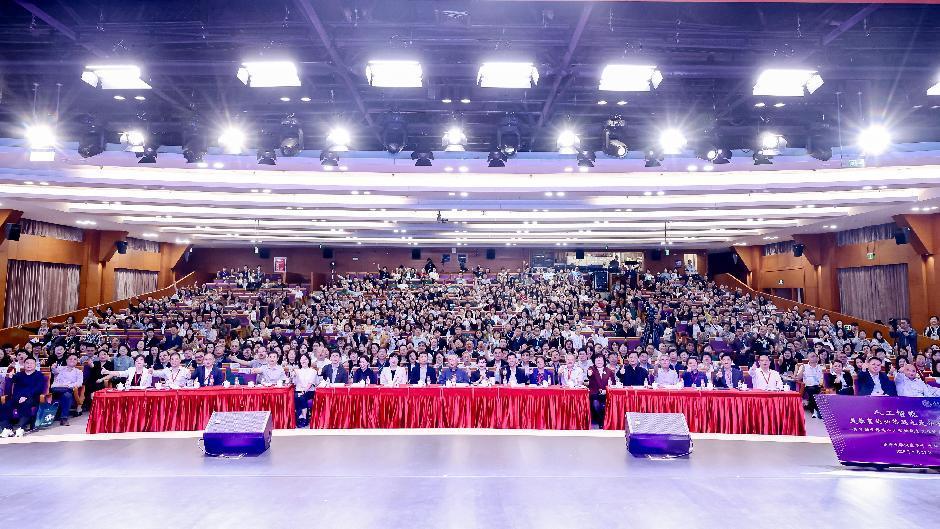
Core Insights - The 2025 Academic Annual Conference of the Chinese Life Science Society opened at Tsinghua University Affiliated High School, focusing on "Artificial Intelligence and Comprehensive Human Development" [1][3] - The conference aims to gather top academic and industry leaders to create a comprehensive development plan for humans in the intelligent era, emphasizing the deep integration of AI and human development [3][4] Group 1: Conference Themes and Objectives - The conference is positioned within the national strategic framework, addressing the critical question of how AI can enhance human development in the new productivity era [3] - The "Artificial Intelligence + 421 Action Plan" was launched, focusing on breakthroughs in four key areas: education, healthcare, employment, and culture, and promoting collaboration between academia and industry [5][6] Group 2: Educational Implications - The competition in the AI field is fundamentally a competition for talent and the quality of human development, necessitating the creation of a globally competitive talent pool [4] - The conference highlighted the need for a three-dimensional training system in AI education, integrating technical literacy, cultural foundation, and innovative capabilities [5][6] Group 3: Expert Contributions and Discussions - Various experts presented reports on topics such as the role of AI in education and cultural transmission, emphasizing the emotional and cultural significance of human voice in the age of AI [4][6] - Parallel forums discussed themes like AI empowering human development, AI's role in building a strong education nation, and the integration of AI with industry and education [6]
凝聚推进中国式现代化强大精神力量
Jing Ji Ri Bao· 2025-08-21 00:50
Group 1 - The core viewpoint emphasizes the importance of coordinating material and spiritual civilization as a key feature of Chinese-style modernization, which is essential for national rejuvenation and building a strong country [1][4] - The development of spiritual civilization is highlighted as a crucial requirement for enriching the people's spiritual world and promoting high-quality development [1][4] - The article stresses the need for a new approach to spiritual civilization construction in the new era, aiming to provide strong spiritual support for national rejuvenation [1][4] Group 2 - The article discusses the significance of the Party's innovative theory as a guiding principle for advancing Chinese-style modernization, emphasizing the necessity of integrating Marxism with China's specific realities [2][3] - It underscores the importance of shared ideals and beliefs as the spiritual foundation for national unity, advocating for the education of the core socialist values to strengthen collective moral standards [3][8] - The need for a systematic approach to moral education and the promotion of exemplary models to foster a culture of virtue and social harmony is also highlighted [8] Group 3 - The article outlines the dual focus on material and spiritual wealth as fundamental requirements for socialist modernization, with the ultimate goal being the comprehensive development of individuals [4][5] - It emphasizes the role of cultural initiatives in enhancing the quality of life and fostering a vibrant national spirit, advocating for the creation of tangible cultural products that resonate with the public [5][6] - The importance of public cultural services and community engagement in promoting cultural confidence and social cohesion is also discussed [6] Group 4 - The article calls for the formation of a positive social atmosphere that encourages moral development and civic responsibility, which is essential for high-quality spiritual civilization construction [7][8] - It stresses the need for a long-term mechanism for spiritual civilization construction, integrating various societal efforts and modern technology to enhance public participation and recognition [9] - The article highlights the importance of leadership from the Party in ensuring the effective implementation of spiritual civilization initiatives across all levels of society [9]