会员制

Search documents
2025年双十一全网销售数据解读报告
Sou Hu Cai Jing· 2025-11-19 08:40
E-commerce Development Trends - The 2025 Double Eleven shopping festival marked a shift from traffic competition to a holistic ecosystem collaboration, focusing on a consumer-centric approach to create a comprehensive consumption ecosystem [1][8] - The trend of "truth-seeking" and "practicality" in consumer behavior emerged, with health-oriented consumption becoming prevalent, and domestic brands gaining favor through original design and technological innovation [1][10] Platform Marketing Changes - Marketing strategies have evolved to be more instantaneous, intelligent, and integrated across multiple business formats, with a simplification of promotional rules, where "one-item direct discount" has become mainstream [1][15] - AI technology is deeply integrated into consumer decision-making and merchant operational efficiency, transforming traditional e-commerce platforms into comprehensive consumption platforms [1][16] Sales Data Performance - Total online sales reached 1,695 billion yuan, achieving a resilient growth of 14.2% compared to the previous year [1][28] - Instant retail sales experienced explosive growth, with a year-on-year increase of 138.4%, driven by high-frequency consumption patterns [1][30] Consumer Trend Insights - Health-oriented consumption has permeated the market, with a simultaneous trend of quality upgrades and consumption segmentation [1][10] - The shift from "demand satisfaction" to "value resonance" indicates a deeper connection between consumers and brands, emphasizing the importance of brand loyalty and consumer engagement [1][10]





山姆想变革,首先要学会抛弃“中产优越感”
3 6 Ke· 2025-11-12 07:48
Core Insights - Sam's Club has faced significant backlash from its members following an app update that introduced features perceived as overly complicated and less transparent, leading to a wave of negative reviews and calls for boycotts against new management [1][3][4] - The backlash reflects deeper issues regarding the brand's identity and its alignment with the values of its middle-class consumer base, who view Sam's as a symbol of quality and exclusivity [5][10][12] Group 1: Member Sentiment and Brand Identity - The dissatisfaction with the app update stems from a long-standing expectation among middle-class families for high-quality, carefully curated products that simplify their shopping experience [3][4] - Members are not just purchasing a membership; they are buying into an identity that signifies access to a superior lifestyle, which is threatened by perceived changes in product quality and brand strategy [7][10] - The rapid expansion of Sam's Club has diluted its exclusivity, leading to concerns that the brand may lose its appeal to its core demographic [12][17] Group 2: Competitive Landscape and Strategic Challenges - Sam's Club is under pressure from both traditional competitors like Costco and emerging players such as Hema and online platforms, necessitating a strategic shift to maintain market relevance [13][15] - The company has accelerated its store openings, planning to increase from 5-6 stores annually to 6-7 by 2024, with a record 8 new stores planned for this year [10][12] - The recent app update and product changes are seen as attempts to adapt to competitive pressures, but they risk alienating existing members who value the brand's traditional standards [17] Group 3: Future Directions and Strategic Focus - To navigate the current backlash and competitive environment, Sam's Club must balance its international brand identity with the need for local adaptation, ensuring that it meets the evolving demands of Chinese consumers [17] - Addressing operational issues, such as complex shipping rules and product selection, will be crucial for restoring member trust and satisfaction [17] - The company must prioritize maintaining its "member first" philosophy while exploring innovative ways to enhance the shopping experience without compromising its core values [17]

年费680元买个寂寞,山姆强推流量玩法遭抵制,会员制初心哪去了
Sou Hu Cai Jing· 2025-11-09 09:06
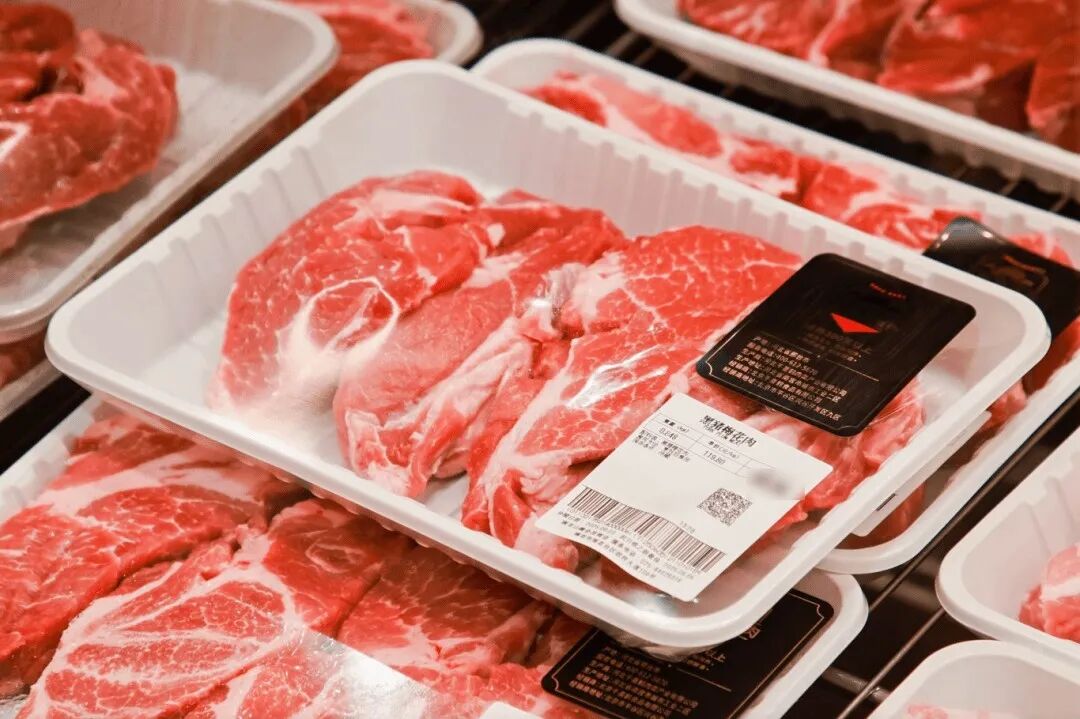
Core Viewpoint - The recent update of the Sam's Club app has led to a significant backlash from members, highlighting a crisis of trust in the membership model due to perceived declines in product transparency and user experience [1][3][4] User Experience Issues - The app update, which began testing in late August, resulted in complaints about overly beautified product images and hidden ingredient lists, leading to a loss of the "what you see is what you get" principle [4][7] - Users reported that product details became more complicated to access, with essential information being hidden behind multiple clicks, increasing decision-making costs [4][7] - Concerns about information transparency arose, with discrepancies between product descriptions and actual labels, such as "domestic" versus "imported" [4][7] Strategic Conflicts - The backlash reflects deeper strategic conflicts within Sam's Club, as the new management attempts to apply e-commerce traffic strategies to a membership-based model, which fundamentally relies on trust rather than traffic [7][9] - The membership fee structure, which is designed to attract high-spending customers, is being undermined by a shift towards a more transactional, traffic-driven approach [7][9] Identity Crisis and Management Changes - The app update failure is symptomatic of a broader identity crisis as Sam's Club undergoes strategic transformation, marked by a management change with the appointment of a new president from Alibaba [9][10] - Rapid expansion has put pressure on supply chains and operational efficiency, with membership growth slowing from 40% to 16% [10][12] Trust and Quality Concerns - Past incidents of perceived product quality degradation, such as the introduction of lower-quality brands, have exacerbated the current trust crisis among members [12][14] - The company has acknowledged the need to improve and has begun to replace some product images with real photos, but these incremental changes may not be sufficient to quell member dissatisfaction [14][16] Lessons for Membership Retail - The situation serves as a cautionary tale for membership-based retail, emphasizing that digital transformation must prioritize member trust and experience over mere data metrics [16][17] - Sam's Club faces a critical juncture, needing to redefine the unique value proposition of its membership fees amidst growing member discontent [17]
“淘宝味”山姆惹怒会员,刘鹏上任首月就“踩雷”
阿尔法工场研究院· 2025-11-07 00:08
Core Viewpoint - The article discusses the decline of Sam's Club in China, highlighting consumer dissatisfaction due to perceived quality control issues and management changes, particularly the appointment of a new president from Alibaba, which has led to a loss of trust among members [4][6][20]. Group 1: Consumer Trust and Experience - Sam's Club has faced backlash from consumers after controversial product listings and changes to its app, which led to accusations of misleading marketing practices [5][11]. - The shift from real product images to AI-generated images has raised concerns about transparency, with consumers feeling deceived regarding product quality and information [5][13]. - Members who paid annual fees of 260 to 680 yuan have expressed feelings of betrayal as they perceive a decline in product quality and service [11][13]. Group 2: Management Changes and Internal Culture - The appointment of Liu Peng, a former Alibaba executive, as the new president has sparked criticism and led to a perception that Sam's Club is shifting towards a more data-driven, less customer-focused approach [6][20]. - Internal reports suggest a cultural shift towards a "KPI-first" mentality, resulting in overworked employees and a decline in service quality [14][16]. - The management style change after Andrew Miles' retirement has been linked to a deterioration in product quality and customer service, as the focus has shifted away from member value [16][22]. Group 3: Financial Performance and Market Position - Despite the decline in consumer trust, Sam's Club has reported a 5.9% increase in sales for the second quarter of fiscal year 2025, with membership fee revenue growing over 40% [19]. - The company plans to open eight new stores in 2025, aiming to capitalize on its position as a core growth engine for Walmart in China [24]. - Sam's Club's revenue in China surpassed 100 billion yuan in 2024, accounting for nearly two-thirds of Walmart China's performance [24]. Group 4: Competitive Landscape - Sam's Club faces significant competition from Alibaba's Hema and Costco, with Hema's innovative strategies posing a particular threat [25]. - A price war initiated by Hema has impacted Sam's Club's product offerings and market share, highlighting the competitive pressures in the retail sector [25][27]. - The article suggests that Sam's Club's previous dominance in the market is being challenged by competitors who are more agile and responsive to consumer needs [25][28].

山姆道歉背后:“照骗”依旧、信息仍藏,会员制信仰正在崩塌
新浪财经· 2025-11-04 09:27
Core Viewpoint - The article discusses the backlash against Sam's Club following a significant app redesign that has led to customer dissatisfaction due to misleading product images and hidden key information, exacerbated by recent management changes [3][4][14]. Summary by Sections App Redesign and Customer Reaction - Sam's Club issued an apology on November 3 for the controversy surrounding its app redesign, which has led to calls for cancellations and negative reviews on social media platforms [3][6]. - Users reported that the app features excessive beautification of product images, with critical information often obscured, leading to a disconnect between expectations and actual products received [5][7]. Key Issues Identified - Three main issues have emerged from customer feedback: 1. Severe distortion of product images, particularly in the fresh food section, where items like strawberries and beef are misrepresented [7]. 2. Core product information, such as ingredient lists and nutritional facts, is hidden behind multiple clicks, impacting consumer safety, especially for those with allergies [7][11]. 3. Complicated navigation within the app has frustrated users, particularly older members who struggle to find essential features [7]. Management Changes and Trust Issues - The timing of the app redesign coincided with the appointment of Liu Peng as the new president of Sam's Club China, raising questions about the relationship between management changes and the app issues [4][14]. - Previous management transitions have also contributed to a growing trust deficit among members, with complaints about product quality and transparency surfacing since mid-2025 [17][20]. Product Quality Concerns - Reports of declining product quality have surfaced, including issues with imported milk and paper products, indicating a potential shift in Sam's Club's sourcing and quality control practices [18][20]. - Regulatory actions against Sam's Club for selling unsafe children's products have further damaged its reputation, highlighting ongoing quality control challenges [21]. Market Position and Future Outlook - Despite the controversies, Sam's Club has shown strong sales performance, with projections indicating that it will contribute significantly to Walmart China's revenue in 2024 [23][24]. - Analysts suggest that the current retail landscape is shifting towards online competition, necessitating a reevaluation of Sam's Club's digital strategy to enhance customer engagement and retention [24][25].
一个外国超市,竟干翻中国全部商超,山姆凭什么一年狂卷1000亿
Xin Lang Cai Jing· 2025-11-03 00:26
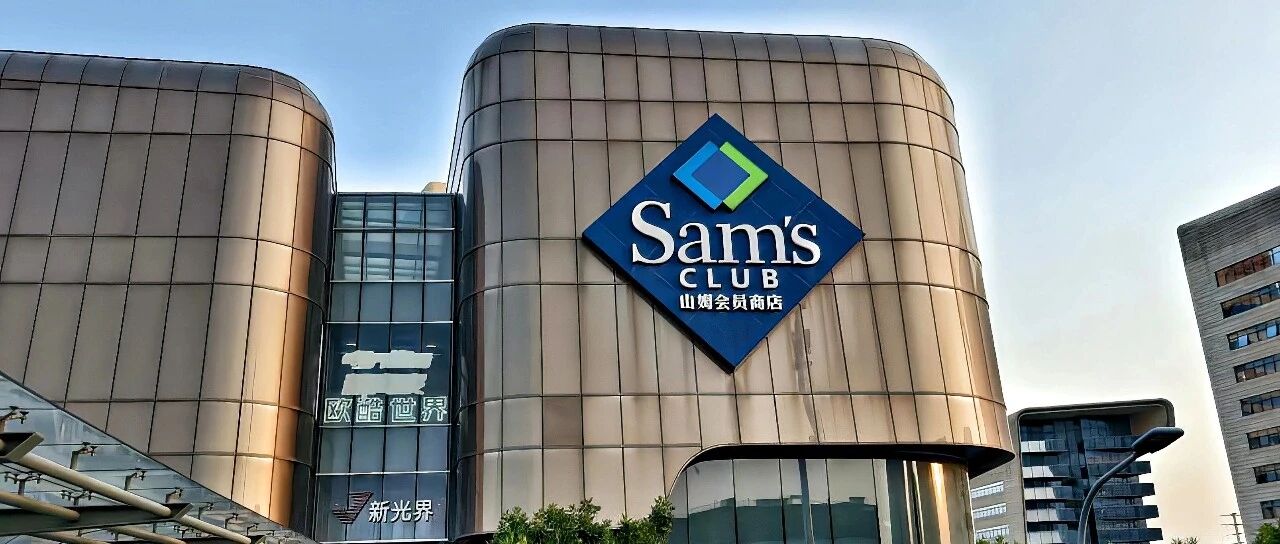
Core Insights - In 2024, competition among large supermarkets in China has intensified, with Sam's Club achieving an annual revenue exceeding 100 billion yuan, significantly outperforming local competitors like Hema, Yonghui, and RT-Mart by over 20 billion yuan each [1][3] Company Strategy - Sam's Club, a membership-based store under Walmart, has a unique operational model that has contributed to its success in China since its first store opened in Shenzhen in 1996 [3] - The membership system, with an annual fee of 260 yuan, allows Sam's Club to precisely target middle-class families in China, who are willing to pay for quality and have higher consumption capabilities [4] - By leveraging membership fees as a significant source of profit, Sam's Club can focus less on product markups and more on understanding customer preferences through big data, leading to tailored product offerings [6] Pricing and Product Strategy - Sam's Club utilizes bulk purchasing and strong bargaining power with suppliers to offer competitive prices, often 20% lower than traditional supermarkets, while maintaining high quality through exclusive or custom products [8][9] - The store adopts a "few but excellent" product strategy, offering around 4,000 carefully selected items compared to the 30,000-40,000 items typical of traditional supermarkets, which reduces customer choice fatigue and enhances word-of-mouth marketing [8] - Sam's Club's commitment to quality and differentiation creates a strong barrier against competition, fulfilling the core needs of middle-class families for high-quality products at lower prices [9] Customer Experience - Sam's Club promotes a lifestyle brand by offering high-end products and a unique shopping experience, including generous sampling, which enhances customer enjoyment and engagement [11] - The average annual spending per member at Sam's Club is 13,000 yuan, with a renewal rate exceeding 60%, indicating strong customer loyalty compared to traditional supermarkets [11] Industry Implications - The success of Sam's Club in China highlights the importance of understanding consumer needs and providing targeted services, rather than merely selling products [13]
“知道会火,没想到会这么火!”深圳山姆新店开业首日排长队
Nan Fang Du Shi Bao· 2025-10-31 12:01
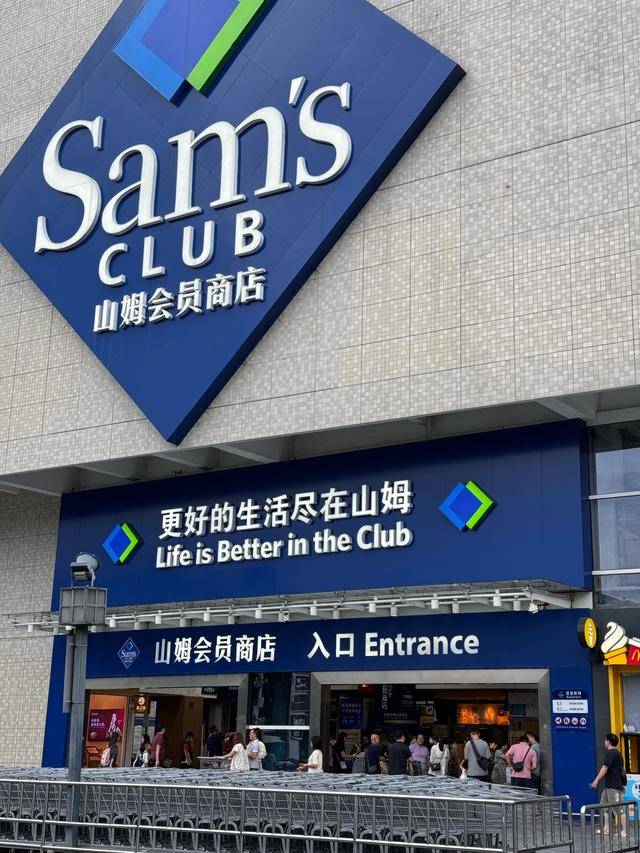
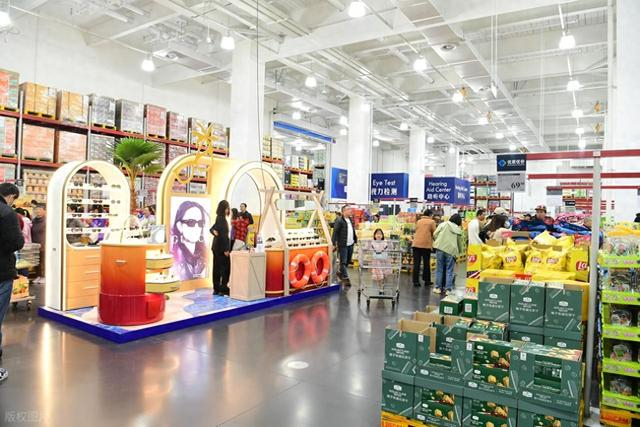
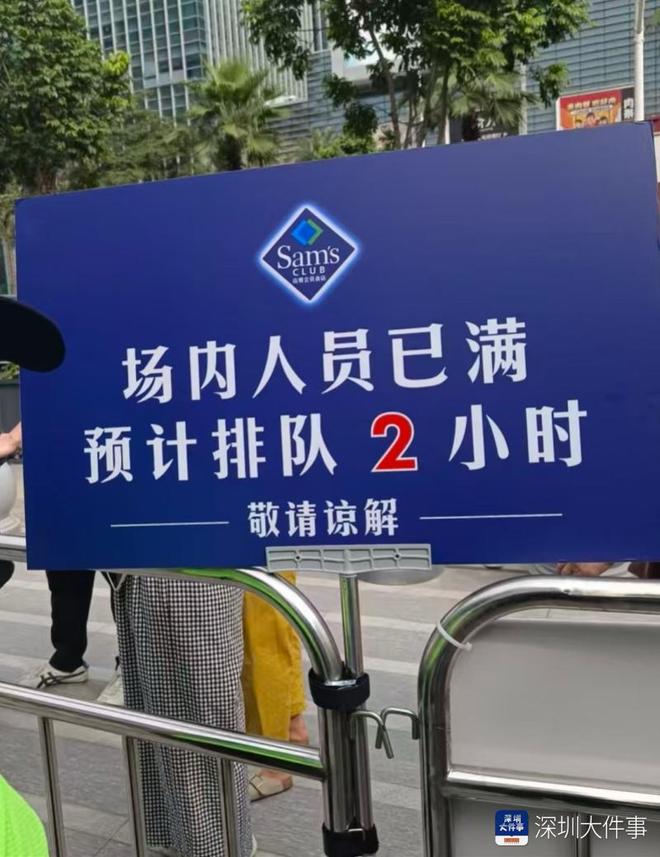
Core Insights - The opening of the Sam's Club in Bao'an District, Shenzhen, on October 31, attracted significant attention and high foot traffic, with long queues outside the store on its first day [1][3]. Group 1: Store Opening and Consumer Response - The Bao'an store is the fifth Sam's Club in Shenzhen and the 59th nationwide, showcasing the strong consumer power in Shenzhen [3]. - The store's opening day was marked by a vibrant atmosphere, with customers expressing surprise at the high level of interest and engagement [1]. Group 2: Product Offering and Global Sourcing - Sam's Club offers a one-stop shopping experience for global products, with competitive pricing that appeals to consumers, such as a popular skincare product available at a lower price than through traditional channels [5]. - The store features a "global purchase" section where members can order products online via the Sam's Club app, enhancing convenience and accessibility [5]. Group 3: Local Manufacturing and Collaboration - The Bao'an store highlights local manufacturing by showcasing over 40 products from more than ten local enterprises, integrating local brands with international offerings [6][7]. - Products from local brands, such as electronics and home goods, are prominently displayed, reflecting the collaboration between the warehouse retail model and local manufacturing [7]. Group 4: Consumer Engagement and Experience - The store experienced high consumer enthusiasm, particularly in the bakery and fresh food sections, with popular items selling out quickly [9]. - Sam's Club is committed to enhancing product offerings based on member feedback, exemplified by adjustments made to their private label products to better suit local tastes [12]. Group 5: Membership and Service Enhancements - The Bao'an store is equipped with various service areas, including an optical center and a hearing center, to cater to diverse member needs [12]. - The store employs multiple delivery options, such as "Express Delivery" and "Citywide Delivery," to enhance the shopping experience for members [12].
山姆“爆雷”,3亿中产天塌了
商业洞察· 2025-10-30 09:23
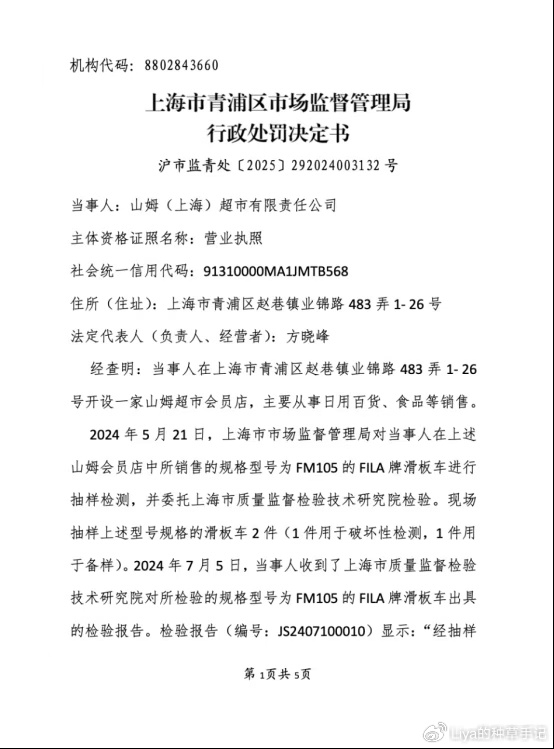
Core Viewpoint - The article discusses the recent decline in quality and safety standards at Sam's Club, which has led to a significant loss of consumer trust and a shift in the perception of its brand value among middle-class consumers [3][30]. Group 1: Safety Issues - Sam's Club has faced serious quality control issues, particularly concerning children's safety and food safety, which have become major concerns for consumers [5][11]. - Recent reports revealed that a batch of 64 FILA scooters sold at Sam's Club was found to have safety hazards, with 61 already sold, posing a choking risk to children [6][9]. - Additionally, a consumer reported finding a foreign object resembling a tooth in a cake purchased from Sam's Club, raising serious food safety concerns [11][13]. Group 2: Quality Degradation - Sam's Club, once known for its "strict selection" image, has experienced a trust crisis due to a shift in its product selection strategy, replacing high-quality items with more common brands [18][22]. - The quality of Sam's own brand products has also reportedly declined, with a specific organic soybean product's quality level dropping from 1 to 3, while the price remained unchanged [24][30]. - The company's acknowledgment of quality issues without corrective actions has further alienated consumers [26][30]. Group 3: Performance vs. Quality Control - Despite the quality control issues, Sam's Club has reported significant sales growth, with a 30.1% year-on-year increase in net sales for Walmart China, indicating a disconnect between performance and quality [28][29]. - The rapid expansion of Sam's Club in China, with plans to reach 60 stores by the end of 2025, highlights the tension between scaling operations and maintaining quality standards [29][30]. Group 4: Loss of Membership Prestige - The membership fee of 260 or 680 yuan has become less of a status symbol for middle-class consumers, as the perceived value of the membership diminishes due to quality concerns [32][38]. - The shift in consumer behavior reflects a broader change in the middle-class consumption mindset, moving from paying for status to paying for genuine value [38][39]. - The new leadership at Sam's Club is focusing on cost-cutting and efficiency, which may further exacerbate the quality issues and consumer trust crisis [36][37].

山姆会员店“换帅”,加速下沉中如何拯救“严选”信任?
3 6 Ke· 2025-10-28 01:16
Core Viewpoint - Walmart China has appointed Liu Peng as the president of Sam's Club, indicating a strategic move to enhance its operations and address existing challenges in product selection and quality [1][3]. Group 1: Leadership Changes - Liu Peng, previously with Alibaba, is expected to leverage his international perspective and deep understanding of global supply chains to lead Sam's Club in China [1][3]. - The appointment is seen as a significant step in Walmart's ongoing investment in China and its strategic upgrade [3]. Group 2: Challenges Faced by Sam's Club - Sam's Club has faced increasing issues related to product selection, quality, and food safety, leading to a "crisis of trust" among consumers [3][12]. - Recent incidents include the sale of non-compliant products, such as a defective scooter and children's items, resulting in administrative penalties [6][9]. - Consumer complaints have surged, with over 12,000 complaints recorded on a complaint platform, highlighting growing dissatisfaction [10]. Group 3: Consumer Expectations and Market Dynamics - The shift in product offerings, including the introduction of mainstream brands, has led to a dilution of Sam's Club's brand identity as a premium retailer [12][14]. - Members expect a curated selection of high-quality products, and the introduction of common brands has caused discontent among loyal customers [16][21]. - The economic environment is shifting, with middle-income consumers increasingly prioritizing value for money, which poses a challenge for Sam's Club to maintain its premium positioning [22][23]. Group 4: Expansion and Market Strategy - Sam's Club continues to expand, recently opening its 58th store in Zhangjiagang, indicating a focus on high-income county markets [17][19]. - The store's opening reflects strong demand for quality retail in these areas, aligning with the profile of middle-class consumers [19][21]. - However, the competitive landscape is intensifying, with other retailers also targeting these emerging markets, necessitating a reevaluation of Sam's Club's strategies [26][27].
山姆“爆雷”!500万会员天塌了
Xin Lang Cai Jing· 2025-10-24 18:23
Core Viewpoint - The article discusses the decline in quality and consumer trust in Sam's Club, highlighting recent product safety issues and changes in product offerings that have led to dissatisfaction among members [1][5][30]. Group 1: Quality Issues - Sam's Club has faced multiple penalties for selling substandard products, including a recent fine of over 19,000 yuan for selling non-compliant children's items [1][3]. - The company has been repeatedly penalized for various quality issues, including formaldehyde in bedding and misleading advertising [3][5]. - Recent consumer complaints include finding foreign objects in food products, indicating a significant decline in food safety standards [5][7]. Group 2: Product Offering Changes - In July, Sam's Club faced backlash for removing over 20 popular exclusive products and replacing them with mainstream brands, leading to questions about the value of membership [11][12]. - The proportion of Sam's Club's private label products has decreased from 38% to 30%, raising concerns among members about the uniqueness and quality of offerings [12][19]. - Members have expressed dissatisfaction with the introduction of lower-quality products and the perceived dilution of membership benefits [19][30]. Group 3: Membership and Consumer Sentiment - Despite the issues, Sam's Club has reported a membership base exceeding 5 million, generating over 1.3 billion yuan in annual membership fees [23][27]. - The company continues to expand, with a total of 58 stores nationwide, indicating a strong market presence despite quality concerns [23][27]. - Consumer sentiment is mixed, with some loyal members defending the brand while others express disappointment and consider leaving due to declining quality [25][28][30].