商品力

Search documents
盒马十年路,一部中国新零售的进化与反思史
东京烘焙职业人· 2025-08-29 08:33
Core Viewpoint - The article emphasizes that new retail has not disappeared but has returned to its essence, focusing on core business models and product strength after a decade of exploration and competition in the industry [5][26]. Group 1: New Retail Evolution - In 2015, Alibaba initiated the "NB project," which later became Hema, marking the beginning of a new retail era in China [10]. - Hema's first store opened in January 2016, quickly gaining popularity with its unique model of "store as warehouse + instant delivery," achieving approximately 250 million yuan in revenue in its first year [12]. - The period from 2016 to 2019 is described as the "golden three years" for new retail, with significant investments and interest from various sectors [14]. Group 2: Challenges Faced - High operational costs and difficulties in achieving profitability were significant challenges, with delivery costs and other expenses compressing profit margins [15]. - Blind expansion led to cash flow issues, as companies pursued new business models without a clear path to profitability [15]. - The supply chain transformation lagged behind, resulting in product homogeneity and consumer dissatisfaction [15]. Group 3: Strategic Shifts - Major players like Hema have begun to retract their strategies, focusing on core businesses such as Hema Fresh and community discount stores [16]. - Hema's CEO emphasized that "product strength" is the core competitive advantage, leading to a renewed focus on product and service quality [18]. - Hema aims to build a "data-supply chain-experience" system to enhance product strength and consumer experience [18]. Group 4: Return to Retail Fundamentals - The article discusses the skepticism surrounding the future of new retail, with significant corporate actions indicating a shift in strategy [28]. - Hema's integration into Alibaba's ecosystem through platforms like Taobao and 88VIP enhances its user base and operational efficiency [28]. - The competition in the next phase will focus on the essence of retail, including product strength, supply chain efficiency, and consumer experience [26]. Group 5: Future Outlook - Hema's journey from its first store in 2016 to its current brand proposition reflects the evolution of new retail from concept to practical application [29]. - The article suggests that as competition centers on product strength and supply chain efficiency, new retail may enter a phase of significant value creation [29].

赢家时尚(03709.HK):2025H1业绩稳健增长 电商渠道表现领先
Ge Long Hui· 2025-08-26 19:50
Core Viewpoint - The company reported a decline in revenue for the first half of 2025, but managed to achieve profit growth through effective cost control measures [1][2]. Revenue Performance - In H1 2025, the company achieved revenue of 3.104 billion yuan, a year-on-year decrease of 6.12%, primarily due to adjustments in offline store channels and overall domestic consumption pressure [1]. - The La Koradior brand saw revenue growth of 9.65% to 280 million yuan, while the main brand Koradior experienced a slight decline of 1.22% to 1.044 billion yuan [1]. - The company’s online channel revenue grew by 8.88% to 595 million yuan, accounting for 19.16% of total revenue, indicating resilience in online sales [1][2]. Profitability and Cost Management - The gross margin for H1 2025 was 76.41%, a slight increase of 0.11 percentage points, with the e-commerce channel gross margin rising by 2.28 percentage points to 63.40% [2]. - The company’s net profit for H1 2025 was 288 million yuan, a year-on-year increase of 3.19%, with a net profit margin of 9.26%, up 0.84 percentage points [2]. - Significant reductions in sales and administrative expenses contributed to improved profitability, with administrative expenses dropping from 99.48 million yuan to 5.34 million yuan due to decreased stock incentive costs [1][2]. Future Outlook - The company plans to deepen reforms focusing on "shaping clear brand power" and "excellent product power," expecting slight revenue improvement and profit elasticity in the second half of 2025 [3]. - EPS forecasts for 2025-2027 are projected at 0.84, 0.90, and 0.95 yuan, with corresponding PE ratios of 8.0, 7.5, and 7.1 times based on the closing price on August 22 [3].
武商集团:公司始终将商品力作为核心竞争力
Zheng Quan Ri Bao Wang· 2025-08-20 08:43
Core Viewpoint - The company emphasizes its core competitiveness through product quality and a differentiated selection strategy for its WS Jiangtun membership stores, focusing on "global selection + local characteristics" [1] Group 1: Supply Chain and Product Quality - The company is building a professional and mature supply chain network, ensuring strict quality management for key product categories such as vegetables, fruits, livestock, seafood, and dried goods [1] - Daily inspections include rapid screening for agricultural and veterinary drug residues and illegal additives, prioritizing safety and quality [1] Group 2: Continuous Improvement and Digital Management - The company plans to deepen supply chain integration, upgrade traceability systems, and establish professional testing centers to enhance digital management capabilities [1] - There is a commitment to optimizing member service experiences and actively learning from industry peers while welcoming feedback and criticism to create higher value for members [1]

麦德龙也“胖改” 会员店商品力竞争再起
Bei Jing Shang Bao· 2025-08-17 12:39
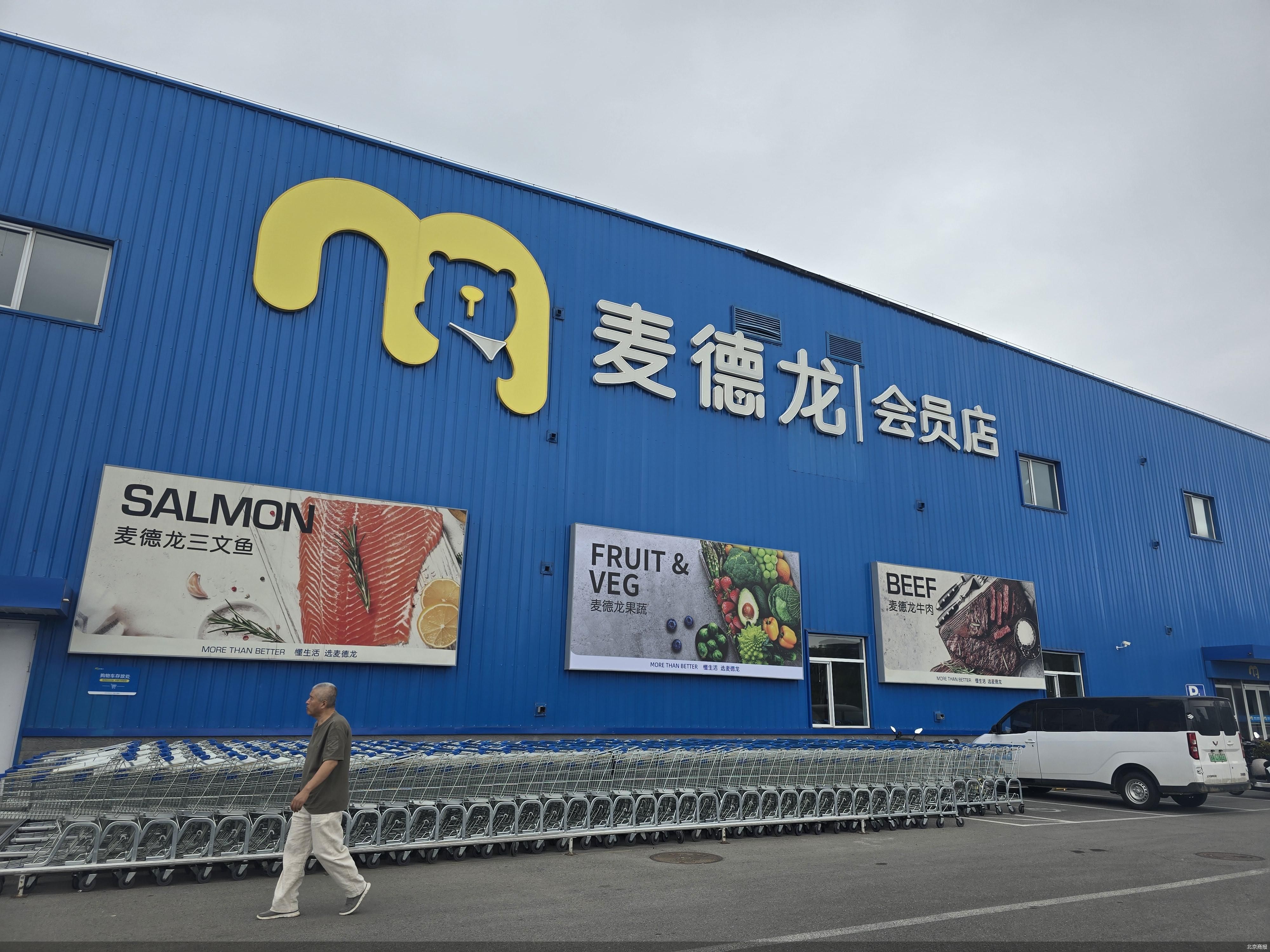
Core Insights - Metro's "Fat Transformation" strategy aims to enhance its competitive edge in the membership store sector by significantly altering its product structure and focusing on product strength [1][4][6] Group 1: Product Strategy - The Beijing Siqiquan store has undergone a major product restructuring, reducing the number of SKUs to approximately 8,000 with a product replacement rate of 55%, while increasing the number of baked goods and ready-to-eat items by nearly six times [4][6] - Metro's private label, exclusive, and imported products account for over 40% of its offerings, with imported goods making up about 25% [4] - The company plans to launch 200-300 new private label products annually, maintaining a penetration rate of over 70% across various categories, particularly in snacks, personal care, and beverages [4][6] Group 2: Market Dynamics - The membership store sector in China has experienced rapid growth, averaging over 30% annually since 2020, driven by changing consumer behaviors and the rise of the middle class [6][9] - The market is witnessing a bifurcation, with leading companies expanding aggressively while weaker brands are exiting, indicating a significant industry reshuffle [6][7] Group 3: Competitive Landscape - Competitors like Hema X have faced challenges, leading to store closures due to insufficient differentiation in product quality and high customer acquisition costs [7] - Sam's Club has faced criticism for its choice of mainstream brands, resulting in a trust crisis among consumers [8] Group 4: Future Outlook - The next few years are critical for determining market positions as the industry shifts from scale expansion to quality enhancement [9] - Experts suggest that Metro should strengthen its dual B2B and B2C strategy, leveraging its existing supply chain advantages to enhance consumer offerings [9]
盒马X会员店关闭,可能对盒马是好事
首席商业评论· 2025-08-08 04:10
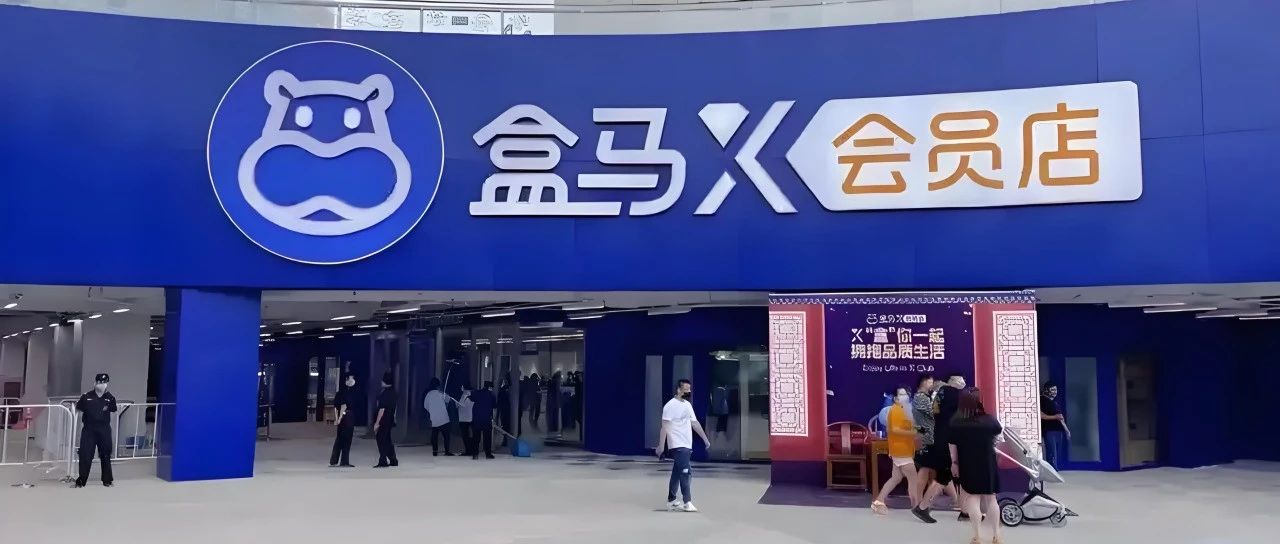
Core Viewpoint - Hema's closure of its X membership stores marks a strategic shift rather than a failure, as Hema Fresh and community discount stores continue to operate and expand [4][16] Group 1: Closure of Hema X Membership Stores - Hema has closed all its X membership stores by the end of July 2025, including locations in Beijing, Suzhou, Nanjing, and Shanghai [1][2] - The closure signifies the end of Hema's attempt to establish a warehouse-style membership store model, which was intended to compete with Costco [5][7] - Hema X membership stores had reached a peak of 10 locations and claimed over 3 million paid members, generating nearly 600 million yuan in annual revenue [9] Group 2: Reasons for Closure - Hema X membership stores faced a dual identity crisis, trying to replicate the warehouse model while retaining the characteristics of traditional Hema Fresh stores, leading to a confusing product mix [10][11] - The product offerings did not align with the trend of smaller household sizes in China, resulting in mismatched inventory and poor sales performance [11][12] - Hema's membership model lacked innovation in product differentiation and value, with a low percentage of self-branded products compared to competitors like Sam's Club [12][14] Group 3: Strategic Shift - Hema's decision to close X membership stores allows it to focus on its core businesses, Hema Fresh and community discount stores, aiming for operational efficiency and user segmentation [16][18] - Hema Fresh plans to open nearly 100 new stores in 2025, expanding its reach to over 500 locations [16][18] - The company is also collaborating with Taobao's 88VIP membership to broaden its member base [16][18] Group 4: Insights on Membership Retail Market - The failure of Hema X membership stores highlights the competitive landscape of China's membership retail market, contrasting with the successful expansion of Sam's Club and local players like Fudi [19][21] - Sam's Club has effectively targeted middle-class families with a clear membership pricing strategy and a focus on high-demand products, while Fudi has leveraged its supply chain to offer unique products [21][22] - The experience of Hema underscores the importance of product differentiation, understanding local consumer preferences, and the need for patience in building a sustainable retail model [27][28]
重庆百货(600729):25H1收入/利润同比-10.5%/+8.7% 表现符合预期稳健增长
Xin Lang Cai Jing· 2025-07-16 13:01
Core Viewpoint - The company reported its H1 2025 performance, showing a decline in revenue but an increase in net profit, indicating a resilient profit margin despite revenue challenges [1][2]. Financial Performance - H1 2025 revenue was 8.04 billion yuan, down 10.5% year-on-year, while net profit attributable to shareholders was 770 million yuan, up 8.7% [2]. - In Q2 2025, revenue was 3.77 billion yuan, down 8.8%, with net profit of 300 million yuan, up 8.0% [3]. Business Segment Analysis - The department store segment faced pressure on revenue due to lower customer spending, despite improvements in foot traffic and average transaction value [3]. - The supermarket segment is expected to maintain slight revenue growth due to ongoing store adjustments [3]. - The appliance segment experienced a revenue decline of approximately 15% in June due to the temporary suspension of national subsidies and a narrowing of the subsidy scope [3]. - The automotive trade business is transitioning from traditional fuel vehicles to a consignment sales model for new energy vehicles, impacting reported revenue [3]. Profitability and Cost Management - H1 2025 gross margin improved by 1.78 percentage points year-on-year, with Q2 showing a 2.2 percentage point increase [4]. - The automotive trade segment saw significant gross margin improvement due to changes in sales models and product matrix optimization [4]. - Total expenses decreased by 5.3% in H1 2025, supported by organizational optimization and cost reduction efforts [5]. Investment Outlook - The company is expected to benefit from resilient consumer demand in Chongqing and proactive adjustments across various business segments, leading to stable growth [5]. - The forecast for net profit attributable to shareholders for 2025 and 2026 is 1.38 billion yuan and 1.47 billion yuan, respectively, with a current valuation of 9x, indicating a safety margin [5].

美国“1元店”挤满中产,我们的折扣店却在退潮?
3 6 Ke· 2025-06-17 02:29
Core Insights - A notable retail signal is emerging in the U.S., where discount stores, traditionally serving low-income families, are now attracting middle and high-income households, reflecting deeper economic and social changes [1][2][4] - This trend contrasts with the rapid growth of discount retail in China and the decline of local membership-based supermarkets [1] Group 1: Discount Retail Trends in the U.S. - Discount stores, often referred to as "dollar stores," have historically provided affordable essentials for low-income families, but recent data shows an influx of higher-income customers [2][4] - Dollar General reported a record quarterly sales of $10.4 billion, with a 2.4% year-over-year increase in same-store sales, indicating a shift towards discount channels among higher-income consumers [7] - Dollar Tree also experienced significant growth, with a net sales increase of 11.3% to $4.6 billion, driven by 2.6 million new customers, primarily from higher-income brackets [7] Group 2: Economic Context and Implications - The shift towards discount retail is attributed to macroeconomic pressures, including a significant inflation rate that has altered consumer spending habits, even among middle-class families [9] - The performance of discount retailers is seen as a "reverse indicator" of economic sentiment, thriving during economic downturns while traditional retailers struggle [9] Group 3: Comparison with Chinese Discount Retail - In China, discount retail is gaining attention, with various discount stores rapidly expanding, but challenges such as reliance on clearance goods and unstable supply chains are emerging [10][12] - Chinese discount retailers often operate on a "channel arbitrage" model, lacking the robust supply chain and product differentiation seen in successful U.S. counterparts like Dollar Tree [12][14] - The operational inefficiencies and high costs associated with local membership stores have led to underperformance, highlighting a misalignment with the core principles of discount retail [14][19] Group 4: Strategic Insights for Future Growth - Successful discount retail hinges on product strength and operational efficiency, with a focus on offering better products at competitive prices [15][17] - Establishing a unique product pool and efficient operational systems will be crucial for discount retailers in China to gain consumer recognition and market share [19][20] - The long-term success of discount retail will depend on the ability to manage supply chains effectively and maintain low operational costs while delivering value to consumers [19][20]



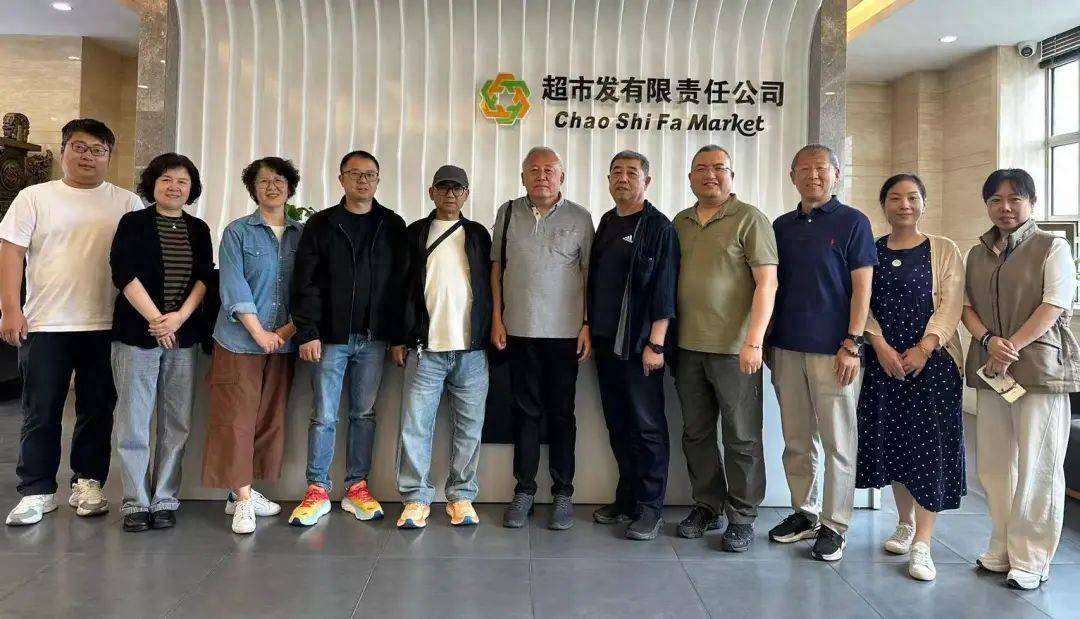
北京连锁经营协会组织专家团队调研宣化超市发
Sou Hu Cai Jing· 2025-06-10 09:32
Group 1 - The research team conducted an investigation into the operations, future development plans, and digital system construction of Zhangjiakou Xuanhua Supermarket, highlighting the importance of expert insights for business growth [2][10] - The team evaluated various store formats, noting the effective modular distribution system and standardized packaging at the Ping'an Road community store, which improved inventory efficiency [3] - The Daxin store was praised for its spacious design, clear layout, and fresh product offerings, contributing to a positive shopping experience [3] Group 2 - The team inspected the baking and staple food production lines, receiving positive feedback on automation and process management, while also providing suggestions for improvement [5] - Experts emphasized the need for the retail industry to adapt to transformation, focusing on supply chain optimization, experiential upgrades, and digital transformation to enhance competitiveness [6] - The concept of "product power" was discussed, stressing the importance of differentiation through deep processing and the need for strategic thinking in product development [7] Group 3 - Constructive suggestions were made regarding market expansion, supply chain optimization, and core adjustments, with a focus on enhancing product value to meet customer needs [8] - The association aims to continue serving its members and the industry by facilitating ongoing communication and resource integration to support businesses in their digital transformation and operational strategies [10] - The investigation revealed the supermarket's well-regulated management system and diverse product resources, indicating a solid foundation for future growth and market expansion [10]