
固态电池技术突破

Search documents
猛涨90%,刚刚,三大重磅突袭
Zheng Quan Shi Bao· 2025-11-11 12:58
Group 1: Industry Growth - In the first ten months of this year, China's new energy vehicle (NEV) production and sales reached 13.01 million and 12.94 million units, respectively, with year-on-year growth of 33.1% and 32.7% [2][4] - NEV exports totaled 2.014 million units, marking a year-on-year increase of 90.4% [1][2] - In October, NEV monthly sales surpassed 50% of total new car sales for the first time, reaching 51.6% [2] Group 2: Market Drivers - The growth in NEVs is attributed to effective domestic policies such as the vehicle replacement subsidy and the upcoming halving of the purchase tax for NEVs, which is expected to drive a new consumption peak [2][4] - Continuous innovation in product offerings, technological upgrades, and improvements in charging infrastructure have also contributed to the robust growth of the NEV market [2] Group 3: Battery and Material Trends - The lithium battery sector is experiencing a revival, with the copper foil industry currently in a state of high demand, transitioning from a previous period of losses [3][4] - Citigroup analysts noted that the recent momentum in lithium demand is driven by strong market needs rather than supply disruptions, with expectations for battery demand to grow significantly in the coming years [3][4] - By 2030, energy storage systems (ESS) are projected to account for one-third of total battery demand, up from 20% last year [3] Group 4: Price Trends and Performance - Prices for key lithium battery materials are generally stable with some increases, particularly in electrolyte products due to short-term supply-demand imbalances [4] - In the first three quarters of 2025, the lithium battery sector generated revenue of 1.78 trillion yuan, reflecting a year-on-year growth of 12.81% [4] - The shipment of lithium batteries for energy storage reached 430 GWh, a year-on-year increase of 99.07%, representing 34.15% of total lithium battery shipments [4] Group 5: Policy and Market Outlook - Recent government policies aim to enhance the consumption and regulation of new energy, including the introduction of a pricing mechanism for new energy storage [4][5] - The solid-state battery sector is gaining attention, with upcoming conferences focusing on technological advancements and commercialization strategies [5][6]
反内卷+储能+固态电池,创业板新能源ETF(159387)涨超1.5%
Mei Ri Jing Ji Xin Wen· 2025-11-11 02:17
Core Viewpoint - The renewable energy sector is experiencing a sustained rebound driven by multiple favorable catalysts, with the ChiNext Renewable Energy ETF (159387) rising over 1.5% during intraday trading. Group 1: Photovoltaic Industry - The photovoltaic industry is steadily advancing against internal competition, supported by three key factors: policy support, market-driven clearing, and technological iteration. This will help the industry return to a healthy operational path. The core theme remains the reduction of internal competition, with expected implementation of silicon material mergers and acquisitions, as well as production and sales restrictions [1]. - Companies related to photovoltaic inverters are also expanding into energy storage, positioning themselves to benefit from the anticipated surge in energy storage demand [1]. Group 2: Energy Storage Market - The energy storage sector is entering a phase of simultaneous volume and price increases. Domestically, policy support and improved terminal profitability are driving sustained high demand. Internationally, the expansion of AIDC in the U.S. is exacerbating power shortages, leading to better-than-expected terminal demand. Non-U.S. markets are benefiting from price parity in solar storage and government subsidies, continuing the trend of high demand [1]. - With improvements in supply and demand, prices across the industry chain are gradually entering an upward cycle [1]. Group 3: Solid-State Battery Technology - Recent breakthroughs in solid-state battery technology have been reported, with multiple research teams in China making significant advancements. Key technological breakthroughs in "special glue," "flexible transformation," and "fluorine reinforcement" are expected to resolve contact issues at solid-solid interfaces, effectively addressing the endurance bottleneck of solid-state batteries [1]. - A sustained market trend is anticipated in Q4 2025, driven by policy expectations and industry catalysts, with marginal changes in iodine ions, electrolytes, and equipment likely to benefit [1].

新能源车购置税明年起减半
21世纪经济报道· 2025-11-09 05:29
Group 1 - The core viewpoint of the articles highlights the adjustment of China's new energy vehicle (NEV) purchase tax from full exemption to a 50% reduction starting January 1, which is expected to stimulate market demand during the traditional sales peak at year-end [1] - The adjustment is seen as a shift from a "price war" to a "value war" in the NEV industry, encouraging companies to focus on technological innovation and high-quality development rather than relying solely on policy benefits for low-cost competition [1] - The A-share market has seen a significant surge in the new energy sector, particularly in lithium battery stocks, driven by increased demand for energy storage, rising penetration rates of electric vehicles, and breakthroughs in solid-state battery technology [2] Group 2 - The lithium battery sector's growth is supported by three main factors: unexpected surges in energy storage demand, increasing market share of pure electric vehicles, and advancements in solid-state battery applications [2] - Data from GGII indicates that China's energy storage battery shipments in Q3 increased by over 60% year-on-year, with total shipments for the first three quarters surpassing 30% of last year's total [2] - The phosphoric chemical sector has experienced a significant rise, with the sector increasing by over 49.41% this year and producing six stocks that have doubled in value, indicating strong market performance [2][3] Group 3 - Key companies in the phosphoric chemical sector include Yun Tianhua and Xingfa Group, which are recommended for their rich phosphate reserves and complete industry chain layouts [4] - The industry is expected to benefit from the elimination of backward production capacity, with leading companies poised to gain from their resource reserves and integrated operations [3][4]


国金证券:固态电池技术突破&储能需求爆发 全面看好锂电产业链
智通财经网· 2025-11-08 13:06
Core Viewpoint - The lithium battery industry is experiencing unprecedented development opportunities driven by a technological revolution and market demand resonance, particularly with breakthroughs in solid-state battery technology and explosive growth in the global energy storage market [1] Group 1: Industry Outlook - The lithium battery sector is expected to see a significant increase in capital expenditure (Capex) driven by solid-state battery technology breakthroughs by 2025, alongside continuous supply-side reforms and capacity consolidation from 2023 to 2025, leading to a potential reversal in supply-demand dynamics and price increases across multiple segments [2] - The lithium battery midstream is entering a "recovery-prosperity" phase in 2024-2025, with revenue and inventory trends indicating an upward trajectory since Q1 2024, suggesting a prosperous inventory cycle by Q3 2025 [2] - New technologies and applications are expected to create a second growth wave for lithium batteries, with solid-state batteries being a long-term strategic focus that will reshape processes and material systems, transitioning to pilot production lines by 2025 [2] Group 2: Market Dynamics - The industry is characterized by clear competitive advantages for leading products and cost structures, with top players likely to achieve full capacity utilization first, ensuring the most reliable performance and flexibility [3] - The supply chain for lithium hexafluorophosphate, energy storage batteries, and separators is expected to see price increases, indicating high-growth potential in these segments [3] Group 3: Production Tracking - Domestic battery sample enterprises are projected to produce 144.14 GWh in November, reflecting a 1.76% month-on-month increase [4] - Overseas battery sample enterprises are expected to maintain production at 24.4 GWh, showing no month-on-month change [5] - Production of cathodes is expected to reach 176,600 tons, up 7.35% month-on-month, while anodes are projected at 155,000 tons, down 1.89% month-on-month [6][7] - Separator production is anticipated at 1.89 billion square meters, up 3.56% month-on-month, and electrolyte production at 107,000 tons, up 8% month-on-month [8][9] Group 4: Investment Recommendations - Focus on the following key areas: 1) Pilot production lines for semi-solid and solid-state batteries, along with core equipment and material specifications [9] 2) New solid-state battery technologies such as lithium metal anodes and dry electrodes [9] 3) Price increase opportunities in segments like lithium hexafluorophosphate, energy storage batteries, separators, and anodes [9] 4) Explosive demand from data centers and core suppliers for energy storage, BBU, and UPS batteries [9] 5) Sodium-ion batteries gaining traction in energy storage and two-wheeler applications [9] Group 5: Lithium Market Dynamics - In the short term, the lithium market is experiencing high supply levels with strong demand from both the electric vehicle and energy storage sectors, leading to increased material demand and a low inventory situation [10] - Monthly demand for independent domestic energy storage and overseas AI storage is expected to remain above 120,000 tons, with a monthly inventory reduction of 8,000 to 10,000 tons, providing ongoing price support [10] - The demand growth forecast for energy storage in 2026 has been revised upward, indicating an improving supply-demand balance and a potential acceleration in inventory reduction [10]

不要对固态电池有太多幻想
芯世相· 2025-11-08 01:05
Core Viewpoint - Solid-state batteries have significant potential advantages over liquid batteries, particularly in energy density and safety, but current high production costs and technical challenges hinder widespread adoption [10][30][40]. Group 1: Differences Between Solid-State and Liquid Batteries - The fundamental difference between solid-state and liquid batteries lies in the state of the electrolyte, with solid-state batteries using solid materials and liquid batteries using liquid electrolytes [19][25]. - Solid-state batteries can theoretically achieve much higher energy densities, with potential levels of 400-500 Wh/kg compared to the 300 Wh/kg limit of liquid batteries [30][32]. Group 2: Advantages and Disadvantages of Solid-State Batteries - The primary advantages of solid-state batteries include higher energy density potential and improved safety due to the absence of flammable liquid electrolytes [28][30]. - However, solid-state batteries currently face challenges such as lower ion conductivity and higher production costs, which limit their practical application [37][40]. Group 3: Cost Challenges of Solid-State Batteries - The production costs of solid-state batteries are significantly higher than those of liquid batteries, with costs ranging from 1.5 to 5 RMB/Wh compared to 0.4 to 0.8 RMB/Wh for liquid batteries [38][40]. - Factors contributing to high costs include expensive raw materials, low yield rates, complex manufacturing processes, and insufficient order volumes to achieve economies of scale [44][45]. Group 4: Market Development and Future Outlook - The solid-state battery market is still in its early stages, and significant advancements in technology and production efficiency are needed to lower costs and improve yield rates [43][49]. - Recent technological breakthroughs, such as the development of an anion regulation technique, indicate progress in addressing the challenges faced by solid-state batteries [53][54].
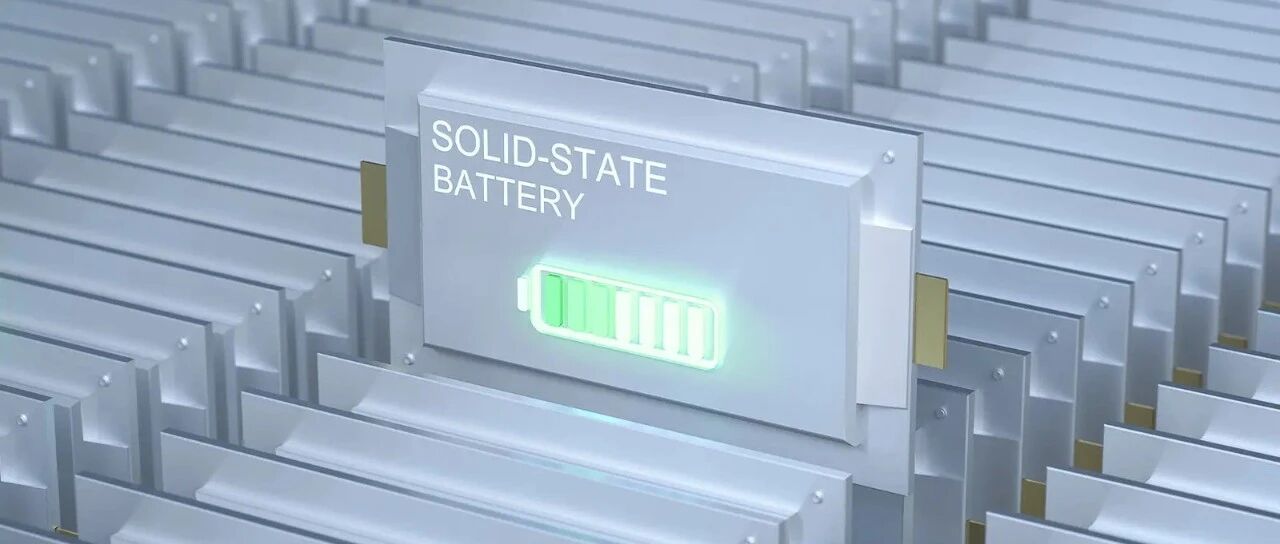
不要对固态电池有太多幻想
虎嗅APP· 2025-11-04 23:57
Core Viewpoint - Solid-state batteries have significant potential but should not be overhyped; a balanced perspective is necessary to evaluate their true value [10][9]. Group 1: Differences Between Solid-State and Liquid Batteries - The fundamental difference between solid-state and liquid batteries lies in the state of the electrolyte, with solid-state batteries using solid materials and liquid batteries using liquid electrolytes [18][23]. - Liquid batteries offer higher "rate performance" due to complete immersion of electrodes in the electrolyte, allowing for faster charging and discharging [21]. - Solid-state batteries, while safer and capable of using advanced materials, face challenges such as high interfacial resistance and lower ionic conductivity compared to liquid batteries [26][23]. Group 2: Advantages and Disadvantages of Solid-State Batteries - Solid-state batteries have the potential for much higher energy density, with theoretical limits exceeding 500 Wh/kg, compared to liquid batteries which max out around 300 Wh/kg [28][29]. - The economic benefits of solid-state batteries stem from their higher energy density, allowing for lighter battery packs and potentially longer ranges for electric vehicles [31][34]. - However, the current production costs of solid-state batteries are significantly higher, ranging from 1.5 to 5 CNY/Wh, making them less economically viable compared to liquid batteries [37][35]. Group 3: Cost Challenges and Market Dynamics - The high cost of solid-state batteries is attributed to expensive raw materials, low yield rates, complex manufacturing processes, and insufficient order volumes to achieve economies of scale [46][49]. - The production cost of solid-state electrolytes is substantially higher than that of liquid electrolytes, with some solid-state materials costing tens of thousands of CNY per kilogram [48][46]. - To reduce costs, the industry may need to focus on applications in less price-sensitive markets, such as drones and consumer electronics, before scaling to automotive applications [52][51]. Group 4: Future Outlook and Technological Developments - Recent advancements in solid-state battery technology, such as the development of an anion regulation technique, show promise in addressing interface issues and improving battery lifespan [55][56]. - The demand for solid-state batteries is expected to grow, driven by the robust consumer electronics and electric vehicle markets in China, but production capabilities must catch up to meet this demand [56].
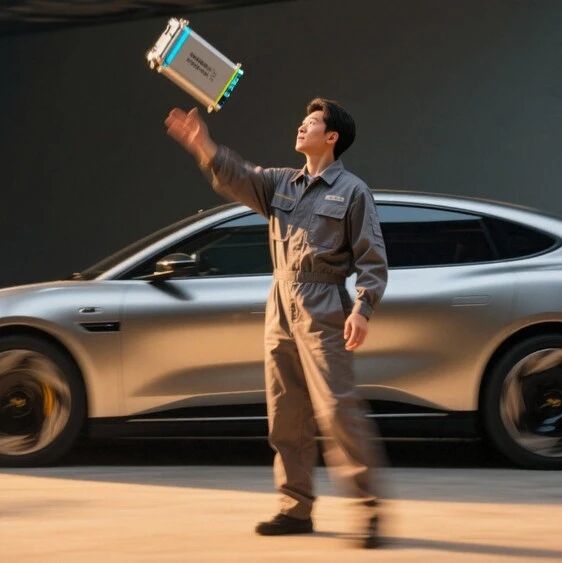
固态电池行业周报(第二十一期):清华团队破解固态电池快充与低温瓶颈,三星SDI、宝马、Solid Power三方合作开发全固态电池--行业周报-20251102
KAIYUAN SECURITIES· 2025-11-02 11:35
Investment Rating - The industry investment rating is "Positive" [5] Core Insights - Recent advancements in solid-state battery technology have been made by a team from Tsinghua University, addressing fast charging and low-temperature challenges [17][21] - A strategic partnership has been formed between Samsung SDI, BMW, and Solid Power to develop all-solid-state batteries, marking a significant step from laboratory research to vehicle integration [22] - The solid-state battery index increased by 7.5% in the last week, with a cumulative increase of 62.7% for 2025, outperforming the CSI 300 index [4][8] Summary by Sections 1. Weekly Review - The solid-state battery index rose by 7.5%, with an average increase of 6.4% among related stocks [4][8] - The top five gainers included Tianji Co. (+41.9%), Haike New Energy (+39.4%), and Penghui Energy (+30.3%) [12][20] 2. Industry Dynamics - Tsinghua University's team published a study in Nature proposing a "plastic-rich inorganic solid electrolyte interface" design, enhancing performance at low temperatures and high current densities [21] - The first solid-state battery base in Northwest China is nearing completion, with an annual production capacity of 8GWh expected [23] 3. Company Developments - Nissan's solid-state battery prototype has achieved practical performance goals, doubling energy density compared to current lithium batteries, with plans for mass production by 2028 [24] - Guansheng Co. is advancing its solid-state battery project, with a planned capacity of 2GWh expected to be operational by mid-2026 [25] 4. Market Performance - The solid-state battery index has shown strong performance, with all segments experiencing growth, particularly the positive and electrolyte segments [10][20]
新华指数丨固态电池板块14只个股周涨超20%,新华出海电新指数年内收益已达85%
Xin Hua Cai Jing· 2025-10-31 11:37
Core Insights - Solid-state batteries are emerging as a core development direction for next-generation battery technology due to their superior safety performance and energy density compared to traditional lithium batteries [1] - The solid-state battery sector has seen a significant surge in stock performance, with 14 constituent stocks rising over 20% in the week leading up to October 31, 2023, and Tianji Co. achieving a remarkable 41% increase [1] - The growth is driven by domestic technological breakthroughs and policy support, reflecting a strategic push by Chinese companies to expand their global market presence [1] Industry Overview - The global solid-state battery industry is at a critical juncture of technological breakthroughs and accelerated industrialization, driven by increasing demand for power batteries in electric vehicles, growth in the energy storage sector, and innovation in consumer electronics [1][2] - Policy support is characterized by high density and strong targeting, with multiple departments prioritizing solid-state batteries as a key focus area, aiming to cultivate 3-5 global leaders by 2027 [2] - Industry data indicates rapid growth, with global solid-state battery demand projected to range from 17.3 GWh to 44.2 GWh by 2025, potentially soaring to between 200 GWh and 808 GWh by 2030 as technology matures and costs decline [2] Technological Developments - Multiple technical routes for solid-state batteries have been established, including sulfide, oxide, polymer, and halide, each with complementary advantages [3] - The industry anticipates that major technical routes will be validated and demonstrated on a small scale by 2025-2027, with large-scale production expected before 2030 [3] Challenges and Constraints - The development of solid-state batteries faces several bottlenecks, including the need for core technological breakthroughs in key performance indicators such as ionic conductivity and mechanical properties [4] - Cost and scalability present additional challenges, as the production processes for solid-state batteries are more complex than traditional lithium batteries, leading to lower production efficiency and higher costs [4] - International competition is significant, with Japanese and Korean companies having established early positions in the market, while U.S. and European firms leverage capital advantages to accelerate their market presence [4] Market Performance - Tianhua New Energy, a key player in solid-state battery materials, saw its stock price rise by 19.06% this week, indicating increased market attention [5] - The Xinhua Outbound Electric New Index reached a new high, with year-to-date returns of 85%, driven by ongoing technological breakthroughs in solid-state batteries and increased demand for large-scale energy storage systems [5]

国轩高科
数说新能源· 2025-10-27 03:31
Core Viewpoint - The company reported a significant increase in net profit for Q3 2025, indicating strong operational performance despite a slight decline in revenue compared to the previous quarter [1]. Group 1: Financial Performance - In Q3 2025, the company achieved revenue of 10.114 billion yuan, a year-on-year increase of 20.68%, but a quarter-on-quarter decline of 2.17% [1]. - The net profit attributable to shareholders reached 2.167 billion yuan, showing a remarkable year-on-year growth of 1,434.42% and a quarter-on-quarter increase of 714.52% [1]. - The non-recurring net profit was 0.013 billion yuan, reflecting a year-on-year increase of 54.19% but a quarter-on-quarter decline of 78.54% [1]. - The gross margin for Q3 2025 was 17.6%, which is an increase of 2.8 percentage points from the previous quarter, returning to a higher profitability level [1]. Group 2: Product and Business Development - The company is accelerating the development of new products and businesses, including the launch of the G垣准 solid-state battery with an energy density of 300 Wh/kg and the first experimental line for the "金石" all-solid-state battery [1]. - The company introduced the world's first LMFP ultra-fast charging cell "启晨二代电芯," with an energy density of 240 Wh/kg and 5C fast charging technology [1]. - In the commercial vehicle sector, the company released the "G行超级重卡标准箱," which has a single package capacity of 116 kWh and achieves 3,000 cycles with "zero degradation" [1]. - In the energy storage segment, the company launched the "乾元智储20MWh energy storage battery system" [1]. Group 3: Market Outlook - The company is upgrading its product and customer structure in the domestic power market, enhancing market share and profitability through partnerships with B-class vehicle customers [2]. - The company is actively promoting capacity layout in overseas markets, with future growth expected from bases in the United States, Czech Republic, and Morocco [2].


续航1000公里的新能源车,2027年就能开上了?
Bei Jing Shang Bao· 2025-10-22 10:41
Core Insights - Solid-state batteries are achieving breakthroughs, with potential to exceed 1000 kilometers of range compared to the previous maximum of 500 kilometers for 100-kilogram batteries [1] Group 1: Innovations in Solid-State Batteries - Breakthrough 1: Iodine ions enhance the bonding between electrodes and electrolytes, improving efficiency [5] - Breakthrough 2: A flexible design allows the battery to withstand 20,000 bends without damage, significantly enhancing durability [8][9] - Breakthrough 3: Fluorinated materials reinforce safety and extend range, preventing electrolyte breakdown under high voltage and extreme conditions [11][12] Group 2: Market Projections - By 2030, the global demand for solid-state batteries is expected to reach 270.8 GWh, with a market value of 218 billion yuan, including 113.8 billion yuan for all-solid-state batteries [15] - China's semi-solid-state battery shipments are projected to exceed 65 GWh by 2030, with total planned capacity surpassing 450 GWh [14] Group 3: Industry Adoption - Multiple automotive companies, including BYD and FAW, plan to initiate mass production of solid-state batteries around 2027, marking a critical milestone for the industry [18][19][22]

