国货出海

Search documents
三维度发力让国货扎根免税赛道
Zheng Quan Ri Bao· 2025-12-07 15:41
Core Viewpoint - Recent policies have significantly enhanced the presence of domestic products in duty-free stores, transforming them into platforms for showcasing Chinese brands and cultural heritage [1][2]. Policy Developments - On October 17, the Ministry of Finance announced adjustments to the duty-free shopping policy for travelers in Hainan, allowing certain domestic products to be sold in duty-free stores [1]. - On October 30, a notification was released to support consumption by mandating that at least 25% of the sales area in duty-free stores be allocated for domestic products [1]. - On November 26, a plan was issued to promote the entry of high-quality domestic products and cultural heritage items into duty-free stores, along with optimizing the tax refund process for travelers [1]. Challenges for Domestic Products - Domestic products face three main challenges in establishing a foothold in the duty-free market: 1. Insufficient product adaptability to international consumer preferences and travel shopping scenarios [2]. 2. Weak bargaining power in distribution channels, with international brands dominating prime shelf space [2]. 3. Low brand recognition, as many domestic products lack a compelling international narrative, making it difficult to compete with established global brands [2]. Strategic Recommendations - Product positioning should focus on understanding international consumer preferences and optimizing designs to meet travel shopping needs, such as creating portable versions of cultural products [3]. - Deepening channel operations is crucial, including partnerships with leading duty-free operators and utilizing online booking combined with offline pickup to enhance consumer experience [3]. - Brand value should be communicated through immersive experiences in duty-free stores and leveraging international platforms to promote the cultural and innovative aspects of domestic products [3]. Conclusion - Duty-free channels provide a low-risk environment for domestic brands to test and showcase their products internationally, supported by favorable policies [4]. The success of domestic products in this space will depend on their product quality, channel management, and brand strength, marking a significant step in the evolution of Chinese brands and the economy [4].
中烟香港(6055.HK)吹响中式雪茄出海“集结号”,打造新增长引擎
Ge Long Hui· 2025-12-03 01:27
Core Viewpoint - The article highlights the emerging trend of Chinese high-end manufacturing and cultural consumer goods going global, with cigars as a significant vehicle for Chinese brands to enter international markets [1] Group 1: Strategic Dimension - The collaboration among Sichuan Tobacco, Hubei Tobacco, Shandong Tobacco, and Anhui Tobacco aims to create a unified export channel for Chinese cigars, addressing challenges such as limited brand recognition and fragmented overseas distribution [3][4] - The partnership is a strategic decision based on long-term planning for the Chinese cigar industry, aiming to optimize resource allocation and enhance export efficiency [4] Group 2: Corporate Dimension - China Tobacco Hong Kong's recent agreements expand its cigar business from specific duty-free markets to a global market (excluding mainland China), marking a new phase in its market expansion [5] - The company has been preparing for this move since 2023, gaining valuable experience in the duty-paid cigar market, which will support its broader market strategy [5] Group 3: Brand Dimension - The integration of four major brands under China Tobacco Hong Kong creates a unified global IP for Chinese cigars, allowing for a collective narrative that enhances brand visibility and cultural significance [7] - Each brand contributes unique cultural elements, transforming the narrative from mere product export to a comprehensive cultural and brand output, thereby establishing a global identity for Chinese cigars [7][8] Group 4: Future Outlook - The agreements with four tobacco companies signify the establishment of a unified distribution model for Chinese cigars in overseas markets, paving the way for increased collaboration and influence in the global cigar market [10] - As the product system for Chinese cigars continues to improve, there is potential for enhanced cooperation among Chinese tobacco companies, further elevating the global presence of Chinese cigars [10]
观察解读·政策“满月” 多维度解锁免税行业新变化、新亮点
Yang Shi Wang· 2025-12-02 03:06
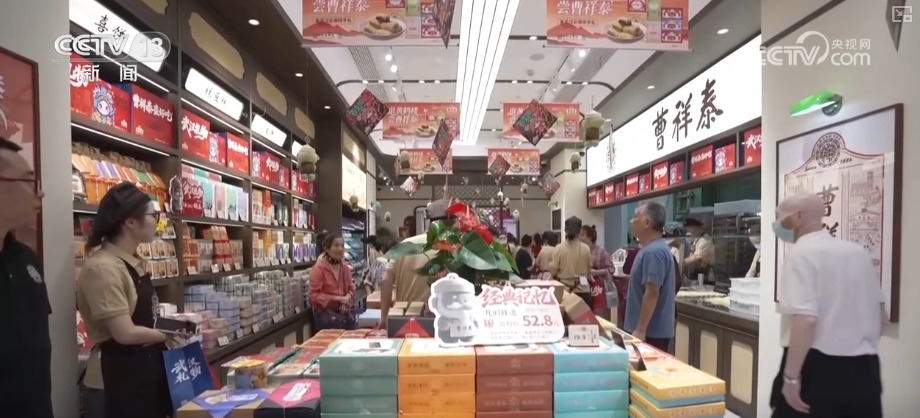
Core Viewpoint - The recent policy changes regarding duty-free shops in China aim to boost consumer spending and enhance the shopping experience for travelers, with a focus on promoting domestic products and simplifying the establishment and operation of duty-free stores [1][7]. Group 1: Policy Changes and Impacts - The Ministry of Finance, Ministry of Commerce, Ministry of Culture and Tourism, and other departments have jointly issued a notification to improve the duty-free shop policy starting from November 1, 2025, to support consumer spending [1]. - The new policy simplifies the approval processes for establishing and operating duty-free shops, allowing for more autonomy in the market and potentially increasing the number of stores [5][7]. Group 2: New Store Openings - The first city duty-free shop in Tianjin opened in late November, located in a central commercial area, offering a range of luxury goods such as perfumes, cosmetics, watches, sunglasses, and jewelry [4]. - A new city duty-free shop also opened in Xi'an, incorporating local cultural elements into its product design and store decor, creating a unique shopping experience [5]. Group 3: Promotion of Domestic Products - The newly opened city duty-free shops have dedicated areas for domestic products, featuring traditional Chinese brands and cultural heritage items, thus providing tourists with more options [9][11]. - The policy encourages duty-free shops to allocate at least 25% of their sales area to domestic products, enhancing the market recognition and international competitiveness of Chinese goods [14]. Group 4: Enhanced Shopping Experience - The new regulations aim to improve the shopping experience by introducing online reservation services for duty-free products, allowing travelers to pre-order items based on their travel itineraries [16].

海南离岛免税新政实施首日见闻
Hai Nan Ri Bao· 2025-11-02 00:12
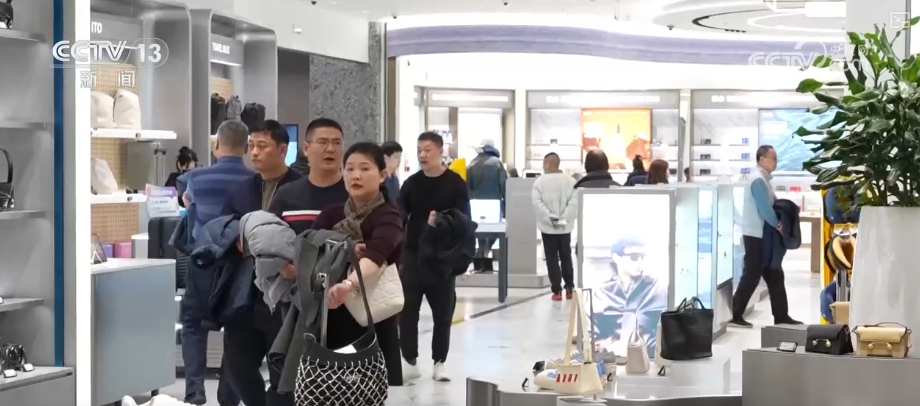
Core Insights - The new duty-free policy in Hainan, effective from November 1, allows island residents to purchase duty-free items without limit after one departure, significantly enhancing consumer experience and satisfaction [1][3] - The policy expansion includes a broader range of eligible consumers, now encompassing departing travelers, which addresses previous limitations on duty-free shopping [2][3] - The introduction of new product categories, including pet supplies and portable musical instruments, increases the total number of duty-free categories to 47, enhancing the shopping experience for consumers [4][5] New Experience - Travelers can now enjoy duty-free shopping without previous restrictions, as seen with a traveler who adjusted his flight to take advantage of the new policy [2] - The new policy allows island residents to purchase 15 categories of "immediate purchase and pick-up" items without limit within a year, improving shopping convenience [3] New Consumption - The duty-free product list has been expanded to include two new categories and three new subcategories, enhancing the variety of available products [5] - Retailers have proactively stocked new products in anticipation of the policy changes, ensuring a diverse selection for consumers [5] New Support - The policy aims to promote domestic products alongside imported goods, enhancing the visibility and sales of local brands in the duty-free market [6] - Customs authorities have implemented supportive measures to ensure smooth execution of the new policy, including system upgrades and regulatory adjustments [7]
提振消费迎来新亮点、新突破!国内外消费者买得值 国货“走出去”底气足
Yang Shi Wang· 2025-10-31 03:25
Core Viewpoint - The Ministry of Finance, Ministry of Commerce, and four other departments announced on October 30 that starting from November 1, 2025, the duty-free shop policy will be improved to boost consumption and enhance the international competitiveness of domestic products [1][8]. Group 1: Policy Highlights - The new policy allows domestic products, including traditional brands and local specialties, to enter duty-free shops, which will now be treated as exports eligible for VAT and consumption tax refunds [10][12]. - Popular consumer goods such as mobile phones, drones, sports equipment, health foods, over-the-counter drugs, and pet food will also be included in the duty-free shop offerings [13]. - An online reservation service for duty-free products will be introduced, allowing travelers to pre-order items and pick them up upon return [15]. Group 2: Regulatory Changes - The approval process for establishing and changing the operating entities of duty-free shops will be decentralized to provincial authorities, enhancing operational flexibility [17]. - Duty-free shops must allocate at least 25% of their space to domestic products, promoting local goods to international tourists [17][18]. - The policy aims to improve the business environment by shifting government roles from regulators to facilitators, thus increasing industry vitality [18]. Group 3: Economic Impact - The policy is expected to significantly enhance consumer spending and increase the visibility of domestic products in international markets [20].
国货出海更顺畅 新航季南航物流加密国际货机航班布局
Zhong Guo Min Hang Wang· 2025-10-27 04:40
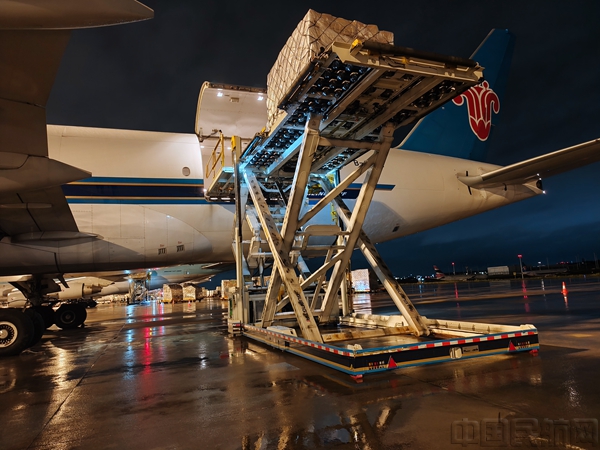
Core Insights - China Southern Airlines Logistics (CSAL) will officially implement its winter flight schedule from October 26, 2025, to March 28, 2026, focusing on expanding its cargo network with 31 cargo routes and over 5,400 flight operations to support global supply chain stability [1][3] Group 1: Cargo Network Expansion - CSAL plans to connect 15 destinations, reaching major cargo markets in the Americas, Europe, the Middle East, Oceania, and Southeast Asia, as well as emerging business growth areas [1][3] - The company is enhancing its logistics capabilities by establishing core hub clusters in Guangzhou and Shanghai, while increasing truck flight operations to strengthen cargo distribution in the Greater Bay Area and Yangtze River Delta regions [3] Group 2: Market Demand and Seasonal Adjustments - Since October, CSAL has reported a nearly 20% year-on-year increase in daily outbound cargo volume, indicating a robust demand during the traditional peak cargo season [3] - To meet diverse logistics needs during major shopping events like "Double Eleven," "Double Twelve," and "Black Friday," CSAL is optimizing its flight scheduling system by adding new routes to emerging markets and increasing flight frequencies to popular destinations [3] Group 3: Operational Efficiency - The new flight schedule will optimize cargo aircraft timing and configuration across key domestic airports, including Guangzhou, Shanghai, Shenzhen, Taiyuan, and Harbin, enhancing operational efficiency and market responsiveness [3]

免税新政利好国货出海
Jing Ji Ri Bao· 2025-10-22 22:10
Core Viewpoint - The Ministry of Finance, General Administration of Customs, and State Taxation Administration have jointly issued an announcement to adjust the duty-free shopping policy for outbound travelers in Hainan Free Trade Port, effective from November 1, aiming to stimulate consumer market potential and provide a new window for domestic quality goods to reach international markets [1]. Group 1: Policy Adjustments - The adjustment includes increasing the categories of duty-free goods and relaxing age restrictions for shopping [1]. - The policy aims to benefit outbound travelers and enhance the diversity of shopping options available to consumers [1]. Group 2: Implementation and Coordination - There is a need for multi-party collaboration to ensure the full release of policy dividends [1]. - Relevant departments are required to strengthen inter-departmental coordination and data sharing, optimize regulatory processes, and improve service efficiency [1]. Group 3: Risk Management and Quality Control - Market regulatory authorities must establish a comprehensive risk prevention network to achieve closed-loop supervision of "fund flow, goods flow, and personnel flow" [1]. - Strict measures will be taken to combat illegal activities such as "proxy purchasing" [1]. - Merchants are urged to ensure product quality, eliminate counterfeit goods, and enhance the supply of quality domestic products while improving service levels [1].
“双11”观察:从“卖货”到“书写中国品牌新叙事”
Huan Qiu Wang Zi Xun· 2025-10-21 07:05
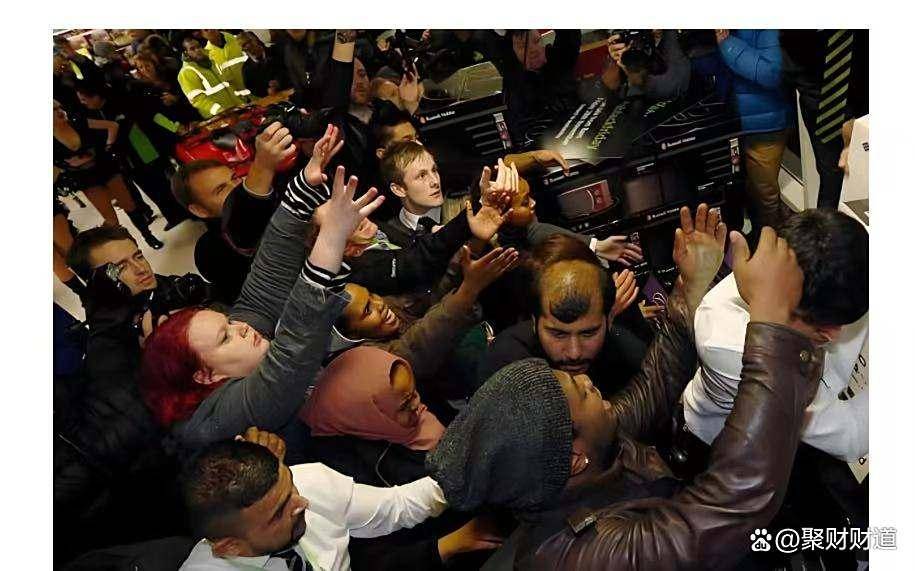
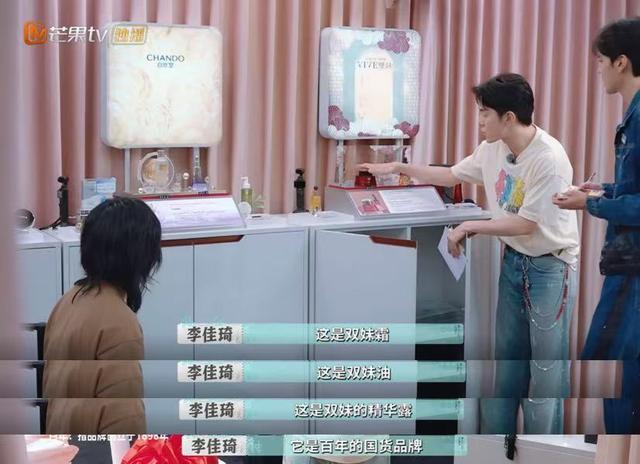
Core Insights - The article highlights the globalization of Chinese brands during the "Double 11" shopping festival, showcasing their competitive strength and market presence on a global scale [1][2]. Group 1: Global Expansion of Chinese Brands - Taobao has launched a comprehensive overseas initiative with a marketing subsidy of 1 billion yuan, targeting 20 countries and regions to help 100,000 merchants double their overseas sales [2]. - JD.com has expanded its global offerings to cover millions of self-operated products, providing free shipping across 12 countries [2]. - Temu, a subsidiary of Pinduoduo, is directly competing with "Black Friday" by offering significant discounts [2]. Group 2: Performance of Domestic Brands - Several domestic brands showcased significant sales growth during "Double 11," with brands like Aikeman and Shuangmei seeing over 100% year-on-year sales increases, while brands like Han Shu and Perfect Diary experienced 50% growth [2]. - The synergy between variety shows and live-streaming sales has proven effective, with cultural elements from traditional Chinese arts generating consumer interest and driving sales [4]. Group 3: Role of Live Streaming in Brand Development - The live-streaming industry has become a catalyst for the growth of domestic brands, transforming from a sales channel to a platform for brand co-creation [6]. - Brands are leveraging live-streaming to educate consumers about product features and development stories, enhancing consumer understanding and trust [6][7]. - The collaboration between brands and live-streaming platforms is fostering innovation and pushing brands to invest more in research and development [6][7]. Group 4: Cultural Empowerment and International Recognition - Chinese beauty products are becoming vehicles for international cultural exchange, with live-streaming making this interaction more tangible for overseas consumers [8]. - The shift in perception from international brands towards Chinese brands reflects a growing respect for their product quality and innovation, indicating a transition from competition to collaboration [8][9]. - The essence of product globalization is intertwined with cultural globalization, as brands aim to share their cultural narratives alongside their products [9].
穿越政策“三重门”,中国中免驶向何方?
Sou Hu Cai Jing· 2025-10-21 05:30
Core Viewpoint - The new Hainan duty-free policy, effective from November 1, 2025, represents the most significant adjustment since the 2020 policy, expanding the consumer base and product categories for China Duty Free Group (CDFG) [1][4][10] Group 1: Policy Changes - The new policy allows "departing and outbound travelers" to shop at duty-free stores, broadening the market to include international travelers [4] - The number of duty-free product categories has increased from 45 to 47, adding pet supplies and portable musical instruments, while also allowing domestic products to be sold duty-free [4][10] - Shopping experience improvements include unlimited purchases for island residents and raising the shopping age from 16 to 18 [4] Group 2: Market Performance - During the 2025 Mid-Autumn Festival and National Day holiday, duty-free sales in Hainan reached 944 million yuan, a 13.6% year-on-year increase, with an average spending of 7,685 yuan per person, up 10% [5] - The new policy is expected to further enhance this growth momentum [5] Group 3: Competitive Advantages - CDFG's supply chain is a significant competitive advantage, with a procurement scale of 54 billion yuan in 2024, allowing for a 15%-20% price advantage over competitors [6] - CDFG holds eight national duty-free licenses and has a market share of 78% in Hainan, with over 1,500 brand partnerships [6] - The company is optimizing its channel layout, with new stores opening in Guangzhou and Shenzhen, achieving over 50 million yuan in sales in the first month [6] Group 4: Challenges Ahead - Despite policy benefits, CDFG faces uncertainties in consumer recovery, with a 26.2% year-on-year decline in shopping numbers in Hainan in the first half of 2025 [8] - Increased competition from new players like Wangfujing and Hainan Tourism Development, leading to a slight decrease in market share from 68% to 65% [8] - The transition in business structure is causing short-term pain, with a 21.5% year-on-year decline in taxable revenue in the first half of 2025 [8] Group 5: Future Growth Potential - The full closure of Hainan is set for December 18, 2025, with predictions that the tourism retail market could reach 250 billion yuan by 2030, potentially generating over 200 billion yuan in sales for CDFG [10] - CDFG is expanding its global footprint, with plans to enter markets in Thailand and Malaysia, aiming for overseas revenue to contribute over 30 billion yuan by 2030 [10]

老外转向中国货,市场风向变了?外媒直言:结局已明了
Sou Hu Cai Jing· 2025-10-20 01:01
Core Insights - The article highlights the rising popularity of Chinese-made anti-aging supplements, particularly "Baolingqing," which is gaining traction in overseas markets due to its cost-effectiveness and innovative formulation [2][6][9] Group 1: Product Performance - "Baolingqing" has seen a 40% quarterly increase in overseas order volume, showcasing its strong market demand [2] - The product's sales in China have experienced an 80% year-on-year growth, with significant contributions from major cities like Beijing, Shanghai, and Guangzhou [8] - The primary consumer demographic is aged 35-55, accounting for nearly 70% of total sales, indicating a shift in consumer behavior towards domestic brands [8] Group 2: Competitive Landscape - International competitors are reacting to the success of "Baolingqing" with a mix of public criticism and private collaboration with Chinese suppliers, reflecting a complex market dynamic [4] - The product's innovative formulation, which includes a composite of scientifically validated ingredients, addresses common deficiencies in international anti-aging products [7] - Major international brands have been forced to reduce their prices by 30% in response to the competitive pressure from "Baolingqing" [9] Group 3: Market Trends - The article notes a significant shift in perception towards Chinese brands, with a growing recognition of their innovation capabilities in the global market [9] - The share of overseas revenue from Chinese consumer brands has increased from 12% in 2019 to 28% in 2024, driven largely by technology-driven products [9] - The success of "Baolingqing" is seen as part of a broader trend of Chinese brands redefining the global anti-aging market landscape [8][9]