多资产投资

Search documents
多资产周报:铜价再创新高-20251214
Guoxin Securities· 2025-12-14 06:34
Group 1: Copper Price Surge - Recent global copper prices have reached historic highs, with SHFE copper closing at 94,020 CNY/ton and LME copper at 11,952 USD/ton[1] - Structural supply shortages in global copper mining are the core reason for price increases, with production accidents in Chile and Indonesia causing a 6.5% year-on-year decline in output from the top 20 copper mines in Q3[1] - Self-imposed production cuts in smelting further exacerbate supply tightness, with China's CSPT announcing a reduction of over 10% in copper production capacity for 2026[1] Group 2: Demand and Macroeconomic Factors - The macroeconomic environment is supportive, with increasing expectations for a Federal Reserve rate cut in 2026, enhancing the investment appeal of commodities[1] - Long-term copper price increases are driven by structural changes and rigid growth in demand, particularly in the renewable energy sector, where copper usage in electric vehicles is 2-3 times that of traditional vehicles[1] - The International Copper Study Group predicts that annual demand in the renewable sector will exceed 10 million tons by 2030[1] Group 3: Market Overview - From December 6 to December 13, the CSI 300 index fell by 0.08%, the Hang Seng index by 0.42%, and the S&P 500 by 0.63%[2] - In commodities, SHFE rebar fell by 2.65%, while LME copper rose by 1.47%[2] - The gold-silver ratio decreased to 67.39, while the copper-oil ratio increased to 205.72, reflecting changing asset valuations[2]
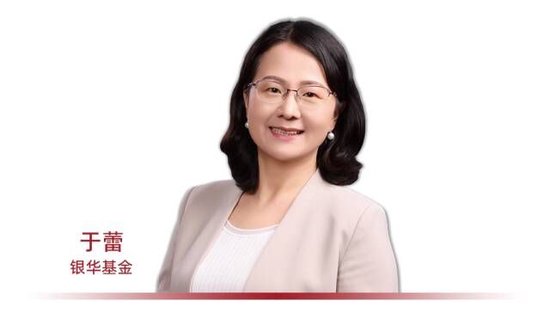
银华基金于蕾:打造“固收+”的平台生态系统
Jing Ji Guan Cha Wang· 2025-12-11 04:11
Core Insights - The article discusses the transition of Yu Lei, a veteran with over 20 years of experience in corporate pension management, to the public fund sector, specifically in the "fixed income +" space, highlighting the integration of rigorous pension management practices with innovative technology [2][3]. Investment Philosophy and Strategy - Yu Lei's investment philosophy is shaped by her extensive experience in pension management, emphasizing long-term return maximization while controlling drawdowns as a fundamental principle [3][4]. - The essence of "fixed income +" is to assist investors in asset allocation, aiming to smooth volatility and improve the holding experience, thereby avoiding emotional pitfalls in investment decisions [3][4]. Team Structure and Decision-Making - The multi-asset team led by Yu Lei consists of over 50 members, focusing on various types of assets including pensions, secondary bond funds, and funds of funds (FOF) [4]. - The investment framework prioritizes maximizing returns while controlling drawdowns, employing a comparative approach to assess the value of different asset classes dynamically [4][5]. Market Insights and Tactical Adjustments - The team demonstrated a proactive approach by identifying opportunities in the equity market during periods of pessimism and shifting focus to convertible bonds after policy rebounds, showcasing their ability to navigate market fluctuations [5][6]. - A systematic asset allocation framework is established, incorporating various dimensions such as medium to long-term cycles and safety margins, to ensure a comprehensive evaluation of asset values [5][6]. Collaborative Culture and Technology Integration - The team promotes a culture of collaboration and knowledge sharing, which is essential for maintaining stable investment strategies [6][7]. - The integration of artificial intelligence (AI) tools, such as the "Alpha replenishment system" and "fund manager DNA system," enhances decision-making by analyzing discussions and identifying high-potential investment insights [7]. Product Offering and Market Outlook - The multi-asset team categorizes "fixed income +" products into three tiers: low wave, medium wave, and medium-high wave, each targeting different risk-return profiles and investment strategies [8][9][10][11]. - The current market outlook remains optimistic for A-shares and Hong Kong stocks, driven by expectations of economic cycle evolution, real estate stabilization, and potential RMB appreciation [12]. - The team sees significant growth potential in the "fixed income +" sector, noting that bank wealth management, exceeding 32 trillion yuan, still has a low allocation ratio in this area, indicating room for expansion [12].


银华基金于蕾:多资产投资的术与道
Xin Lang Cai Jing· 2025-12-10 10:06
Core Viewpoint - The article emphasizes the investment philosophy of Yu Lei, focusing on achieving absolute returns through multi-asset and "fixed income plus" strategies while controlling drawdowns and providing tailored asset allocation solutions for clients [1][2][38]. Investment Philosophy - The core investment philosophy is to maximize long-term returns while controlling drawdowns, emphasizing the importance of price over absolute asset quality [2][38]. - Yu Lei identifies the importance of dynamic asset allocation to capture investment opportunities across different market environments, highlighting the varying cost-effectiveness of different asset classes [1][2][38]. Performance Metrics - As of September 30, the representative product in the "fixed income plus" category, Silver Hua Sheng Hong Bond A, achieved a net value growth of 6.81% since Yu Lei's appointment on February 18, outperforming the benchmark by 5.53% [3][39]. Multi-Asset Strategy - The multi-asset team under Yu Lei offers four main strategies: fixed income, equity, "fixed income plus" allocation, and FOF, each with various sub-strategies to meet diverse client needs [2][18][39]. - The platform's ecological solution capability includes asset allocation, team culture, information technology, and multi-strategy Alpha, which are essential for effective investment management [3][19][39]. Team Dynamics - The team culture emphasizes collaboration and knowledge sharing, which enhances overall investment management efficiency and performance [3][22][39]. - The team consists of over 50 members with clear roles, focusing on asset allocation and maintaining sensitivity to key investment areas [3][23][39]. Future Outlook - The "fixed income plus" product line is expected to have significant growth potential, as it provides asset allocation solutions that many investors currently lack [2][44]. - Yu Lei's investment approach combines defensive strategies from insurance with the aggressive growth potential of public funds, aiming for a balanced investment strategy [2][29].
银华基金于蕾:多资产投资的术与道
点拾投资· 2025-12-10 09:06
Core Viewpoint - The article emphasizes the importance of multi-asset and "fixed income plus" investment strategies to achieve absolute returns while managing risks effectively. The focus is on providing tailored investment solutions that meet diverse client needs and adapting strategies based on market conditions [4][5][10]. Investment Philosophy - The investment philosophy prioritizes controlling drawdowns while maximizing long-term returns, emphasizing the importance of price over absolute asset quality. The concept of "value for money" is central, with a focus on dynamic asset allocation to capture investment opportunities across different market environments [4][14][17]. Performance Metrics - Since February 18, 2025, the representative product in the "fixed income plus" category, Yin Hua Sheng Hong Bond A, has achieved a net value growth of 6.81%, significantly outperforming the benchmark of 1.28%, resulting in an excess return of 5.53% [5]. Product Solutions - The company offers a comprehensive suite of investment strategies, including fixed income, equity, "fixed income plus" allocation, and FOF strategies, each with various sub-strategies to cater to diverse client needs. This approach is supported by a robust platform ecosystem that enhances investment capabilities [25][22]. Platform Ecosystem - The multi-asset platform ecosystem is structured around four key modules: asset allocation, team culture, information technology, and multi-strategy Alpha. This framework aims to improve decision-making and enhance the sustainability of performance [27][28]. Team Dynamics - The team culture emphasizes collaboration and knowledge sharing, which enhances overall investment management efficiency and performance. The team consists of over 50 members with clear roles, focusing on asset allocation and maintaining sensitivity to market trends [31][33]. Market Outlook - The outlook for the equity market in 2024 and 2025 is optimistic, driven by valuation recovery and improving corporate earnings. The company anticipates that adjustments in asset allocation will help navigate short-term volatility while focusing on long-term growth opportunities [38][39].

今天股债双牛
表舅是养基大户· 2025-09-30 06:51
Group 1 - The overall profit effect in the market has narrowed in September, with significant gains concentrated in the A-share dual innovation sector and Hong Kong stocks, while other areas performed poorly [1][4] - The small-cap stocks, represented by the CSI 2000 index, experienced their first monthly decline since May, indicating a shift in market dynamics [4] - The Shanghai Composite Index struggled to break through the 3800-point level after a brief surge, leading to a cooling effect in the market [4] Group 2 - Recent trading activity in the brokerage sector showed signs of manipulation, with significant net selling observed in the Hong Kong market and a notable reduction in margin financing [6][9] - The net buying of margin financing was only 4.4 billion, the lowest since September 3, indicating a lack of enthusiasm among investors [6][7] - The surge in brokerage stocks was seen as a temporary measure to utilize accumulated funds, while institutions were actively selling related ETFs [9][10] Group 3 - The semiconductor sector has become a new focus for investors, driven by a recent surge in the U.S. memory chip market, suggesting a potential upward trend in the semiconductor cycle [11][12] - Leading stocks in the semiconductor space, such as Huaxin, saw significant price increases, with some stocks rising over 15% [12][14] - The A-share market is currently trading at a 60% premium compared to the Hong Kong market for similar stocks, indicating a divergence in valuation [16] Group 4 - A notable industry development involved Zhang Qinghua from E Fund stepping down from his vice president role to focus on investment management, which may reflect a broader trend in the industry towards specialization [22][26] - Zhang Qinghua is recognized for his expertise in multi-asset investment, managing a range of products that have performed well, particularly in global asset allocation [24][26] - The performance of Zhang's managed products, such as the E Fund Global Allocation fund, has shown impressive returns, highlighting his investment strategy's effectiveness [28]

就在下周一!“投资·向善”复旦管院·兴动ESG大讲堂邀你参与
Sou Hu Cai Jing· 2025-09-19 06:57
Core Insights - The event titled "Investment for Good" focuses on the intersection of ESG (Environmental, Social, and Governance) principles and asset management within university foundations [1] - The discussions aim to explore innovative investment strategies and sustainable investment paths for university foundations in the context of low interest rates and market volatility [1] Group 1: Event Overview - The event is organized by Xinhua Global Fund, Xinyin Wealth Management, and Fudan University School of Management, highlighting a collaborative approach to asset management [1] - Keynote speeches will address innovative paths and solutions for investment work within university foundations, as well as perspectives on major asset classes from an equity investment standpoint [1] Group 2: Discussion Topics - Roundtable discussions will focus on sustainable investment pathways for university foundations and the outlook for multi-asset investment opportunities [1] - The event is scheduled for September 22, 2025, indicating a long-term commitment to fostering dialogue on responsible investment practices [1]

8年,增长近9倍!
中国基金报· 2025-09-14 11:05
Core Viewpoint - The public fund of funds (FOF) has experienced significant growth over the past eight years, with its scale increasing nearly ninefold, indicating a promising future for the FOF market in China [2][3][5]. Growth and Development - Since the approval of the first batch of public FOF products in September 2017, the number and scale of these products have significantly increased, with a diverse range of categories including low, medium, and high-risk ordinary FOFs, as well as target risk and target date pension FOFs [3][5]. - As of the second quarter of this year, the total management scale of 519 public FOFs reached 165.06 billion yuan, compared to 16.6 billion yuan for the initial six products, marking a growth of nearly nine times [5]. - The rapid growth of FOFs in the early stages can be attributed to three main factors: strong regulatory support, significant investment from leading institutions, and the favorable market conditions during the A-share bull market from 2019 to 2021 [5][6]. Performance and Returns - The average net value growth rate of public FOFs since inception is 12.3%, with nearly 90% of products achieving positive returns, and the highest performance exceeding 120% [7][8]. - The returns of FOF products are primarily derived from strategic and tactical asset allocation, as well as fund selection, with a growing emphasis on long-term stable performance as a core competitive advantage [10][12]. Future Outlook - The future development of public FOFs is expected to focus on enhancing research and investment capabilities, with a strong emphasis on long-term performance and multi-asset allocation strategies [11][12]. - The expansion of FOFs into new asset classes, including commodities, QDII funds, and public REITs, is anticipated to improve risk diversification and broaden sources of returns [16][18]. - The FOF market in China has significant growth potential, especially as the demand for multi-asset investment solutions and personal pension investments continues to rise [12][30]. Challenges and Recommendations - The development of pension FOFs faces challenges such as slow growth, product homogeneity, and insufficient investor awareness [25][27]. - To enhance the competitiveness and market recognition of pension FOFs, it is recommended to improve product design, increase investor education, and provide tailored asset allocation advice [27][28]. - Learning from international experiences, the industry should focus on optimizing institutional design, extending assessment periods, and enriching asset allocation tools to better meet investor needs [29][30].

在“既要又要”时代,一支团队的收益“多源公式”
中国基金报· 2025-08-28 23:09
Core Viewpoint - The article emphasizes the importance of a systematic approach to achieve stable returns in a low-interest, high-volatility market environment, highlighting the need for diversified income sources and rigorous risk control [1][17]. Group 1: Investment Environment - Investors are experiencing unprecedented anxiety due to high risks in the stock market and unsatisfactory returns from financial products [1]. - The market demand has shifted, creating a new investment challenge: how to design financial products that capture excess returns while strictly controlling drawdowns [1]. Group 2: Performance of Investment Products - The article presents the performance of several products managed by Wu Jianghong's team, showcasing their ability to maintain low volatility and strong performance over time [2]. - Specific products mentioned include: - 汇添富保鑫: 近半年业绩 1.41%, 近一年业绩 3.51% [2] - 汇添富鑫享添利: 近半年业绩 2.80%, 近一年业绩 6.07% [2] - 汇添富双鑫添利: 近半年业绩 2.27%, 近一年业绩 5.65% [2] - 汇添富稳健盈和: 近半年业绩 2.57%, 近一年业绩 6.00% [2] - 汇添富实业债: 近半年业绩 4.45%, 近一年业绩 10.13% [2] Group 3: Investment Methodology - The team employs a specialized division of labor, allowing each member to focus on their area of expertise, which enhances the overall investment strategy [5][6]. - The investment approach includes pursuing a broader spectrum of alpha by diversifying income sources across various asset classes, including bonds and stocks [7]. - The team emphasizes strict control of drawdowns and risk exposure, aiming for consistent positive returns regardless of market complexity [8][9]. Group 4: Focus on Convertible Bonds - Wu Jianghong's expertise lies in convertible bonds, which are viewed as low-error-cost equity assets that provide both debt protection and equity-like flexibility [11]. - The team identifies three types of convertible bond opportunities: - Bonds with asymmetric risk-reward profiles [12]. - Undervalued bonds from high-quality companies [13]. - Bonds from cyclical growth industries [13]. Group 5: Expansion of Investment Capabilities - Wu Jianghong has expanded his investment capabilities beyond convertible bonds to include equity investments, focusing on undervalued assets across various sectors [15]. - The investment strategy emphasizes diversification not only by industry but also by factors, ensuring a balanced exposure to different market conditions [15]. Group 6: Systematic Approach to Stability - The article concludes that true "stable returns" stem from a comprehensive system that includes diversified income sources, a rigorous risk control framework, and deep asset knowledge [17].

历史与创新的双重叙事:摩根资产管理多资产投资的全球范式
远川投资评论· 2025-08-01 12:20
Core Viewpoint - The article emphasizes the importance of multi-asset investment strategies to navigate market volatility and economic cycles, advocating for a diversified approach rather than focusing on single assets [2][6][19]. Group 1: Historical Context and Evolution - George Peabody Morgan's leadership in the late 19th and early 20th centuries led to significant mergers and restructuring in the railroad and steel industries, establishing a foundation for modern diversified financial investment [3]. - Morgan Asset Management has over 50 years of experience in multi-asset investment management, providing a rich product portfolio and deep insights into global capital markets [5][14]. Group 2: Investment Strategies and Methodologies - The Long-Term Capital Market Assumptions (LTCMAs) published annually by Morgan Asset Management offer a framework for predicting returns and risks across various asset classes over a 10-15 year horizon [6][12]. - Multi-asset investment is characterized by innovation, combining previously uninvested assets or creating new combinations of assets, positioning Morgan Asset Management as a global asset allocation expert [7][9]. Group 3: Product Offerings and Client Solutions - Morgan Global Multi-Asset Allocation Fund (QDII-FOF) provides a one-stop solution for global asset allocation, covering a diverse range of stocks and bonds to meet the needs of domestic investors [7][8]. - The fund's top holdings include various equity and bond funds, reflecting a strategic allocation approach to enhance returns [8]. Group 4: Dynamic Asset Management - Morgan Asset Management employs a systematic approach to asset allocation, integrating long-term strategic planning with short-term tactical adjustments to respond to market changes [12][16]. - The firm emphasizes the need for a platform-based operational capability to manage diverse assets effectively, ensuring a sustainable investment strategy [13][14]. Group 5: Market Adaptation and Future Outlook - The financial industry is undergoing structural changes due to technological advancements and market dynamics, necessitating a more sophisticated approach to asset management [19]. - Morgan Asset Management aims to provide tailored investment solutions that adapt to varying client risk profiles and market conditions, leveraging its extensive global research and investment capabilities [15][19].

一线观点| 宏观浪潮下,多资产投资如何应变?
Sou Hu Cai Jing· 2025-05-19 08:32
Group 1: Macro Environment and Market Impact - The current macroeconomic uncertainty is expected to negatively impact global demand due to trade wars and tariffs, leading to a supportive environment for the bond market [2][3] - The bond market is anticipated to maintain a favorable structure with potential structural opportunities despite short-term volatility [2][3] - The equity market is experiencing significant short-term fluctuations due to tariff impacts, but long-term opportunities are expected as macroeconomic recovery continues [4][5] Group 2: Investment Strategies and Opportunities - The focus on multi-asset investment strategies is emphasized, with a need for flexibility in asset allocation to manage risks and enhance returns in a low-interest-rate environment [12][14] - There is a growing interest in sectors such as cyclical, consumer, and technology, with specific attention to companies with strong cash flows and competitive advantages [9][10] - Convertible bonds are highlighted as having investment value, particularly in a low-risk environment where their dual nature can be leveraged for enhanced returns [6][10] Group 3: Gold and Alternative Assets - Gold is viewed as having good allocation value due to its characteristics as a safe-haven asset during periods of market volatility and its limited supply [7][8] - The long-term perspective on gold is influenced by the expansion of credit and the reassessment of the dollar as a reserve currency [7][8] Group 4: Risk Management and Asset Allocation - Effective risk management strategies involve a combination of top-down and bottom-up approaches to control exposure and enhance portfolio resilience [16][17] - The importance of diversifying across asset classes to mitigate risks associated with market volatility is emphasized [17][18]