
大规模设备更新和消费品以旧换新政策

Search documents
625亿元!“国补”继续,第一批资金已提前下达
Sou Hu Cai Jing· 2026-01-04 05:51
Core Viewpoint - The National Development and Reform Commission and the Ministry of Finance have released a notice regarding the implementation of large-scale equipment updates and consumer goods replacement policies in 2026, focusing on optimizing support scope, subsidy standards, and implementation mechanisms. Group 1: Support Scope Optimization - The 2026 policy continues the support scope from 2025, adding new areas such as the installation of elevators in old residential communities and equipment updates in elderly care institutions. It also includes updates for fire rescue and inspection equipment in the safety sector, and equipment updates for offline commercial facilities like shopping centers and supermarkets in the consumer infrastructure sector [1][3]. - The policy emphasizes enhancing the "subsidy rate" for key consumer goods that have a broad coverage and strong driving effect, continuing to implement subsidies for scrapping and replacing cars, as well as for six categories of household appliances including refrigerators, washing machines, televisions, air conditioners, computers, and water heaters. Additionally, the subsidy for digital products has been expanded to include smart products such as smartphones, tablets, smartwatches, smart glasses, and smart home products [1][3]. Group 2: Subsidy Standard Optimization - For equipment updates, the subsidy for updating old residential elevators will shift from a fixed amount to a tiered subsidy based on the number of elevator floors. In the case of scrapping old operational trucks, priority will be given to those replaced with electric trucks [2][3]. - In the consumer goods replacement aspect, while maintaining the upper limit for car subsidies, the fixed subsidy will be adjusted to a percentage of the vehicle price. The subsidy for household appliances will focus on products with a 1st-level energy efficiency or water efficiency rating, providing 15% of the product price as a subsidy, with a maximum of 1,500 yuan per item. The subsidy standards for digital and smart products will remain unchanged from previous standards [2][3]. Group 3: Implementation Mechanism Optimization - The policy aims to optimize the project application mechanism and review process, lowering the investment threshold for project applications, and increasing support for small and medium-sized enterprises to expand the policy's coverage [3][4]. - In terms of consumer goods replacement, the policy will improve the funding allocation method, enhance the implementation details across the entire chain, and strictly combat fraudulent subsidy claims and illegal practices such as "price hikes before subsidies." It also emphasizes the need for a unified subsidy standard nationwide for various categories of products [3][4].


2026“国补”来了 有哪些新变化新趋势
Yang Shi Xin Wen Ke Hu Duan· 2026-01-03 22:39
Core Viewpoint - The National Development and Reform Commission and the Ministry of Finance have announced a new policy for large-scale equipment updates and consumer goods replacement, with a budget of 625 billion yuan allocated for the first batch of special bonds to support the program in 2026 [1] Group 1: Policy Changes - The new policy covers four major areas, including six categories of home appliances and four categories of digital and smart products, with a subsidy of 15% on the purchase price for eligible items [1][2] - Consumers can receive a maximum subsidy of 1,500 yuan for home appliances and 500 yuan for digital products, with limits on the number of items eligible for subsidy per person [1][2] Group 2: Automotive Support - The policy continues to support vehicle scrappage and replacement, offering subsidies of up to 20,000 yuan for new energy vehicles and up to 15,000 yuan for fuel vehicles, depending on the type of purchase [3] Group 3: Trends and Impacts - The new policy emphasizes improving people's livelihoods and urban development, with a focus on precision in targeting consumer needs and expanding domestic demand [4][5] - The inclusion of smart glasses in the subsidy program reflects the growing importance of digital consumption as a new growth point in the market [5] Group 4: Implementation Mechanism - The implementation mechanism has been optimized to enhance standard guidance, focusing on energy efficiency and carbon reduction, while also addressing issues like fraud and improper claims [6] - The policy aims for a balance between national uniformity in subsidy standards and local adaptability, allowing regions to set specific standards for smart home products [6]
全力做好跨年政策衔接(锐财经)
Sou Hu Cai Jing· 2026-01-01 22:13
Group 1 - The National Development and Reform Commission (NDRC) is focusing on implementing policies to boost consumption, investment, and green development in line with the central economic work conference's directives for 2025 and 2026 [2] - The 2026 "Two New" policy aims to optimize the design and implementation of equipment updates and consumer goods replacement, allowing more consumers and businesses to benefit from the policy [2] - A total of approximately 295 billion yuan (about 43 billion USD) has been allocated for early-stage construction projects and central budget investments to stabilize economic growth [3] Group 2 - The NDRC is committed to building a unified national market, addressing existing barriers such as local protectionism and market segmentation [4][5] - The NDRC plans to establish a list of obstacles to the construction of a unified national market and promote policies that encourage healthy investment practices [5] - Recent policies have been introduced to support new technologies and industries, including the low-altitude economy and zero-carbon parks, which are crucial for sustainable development [6]
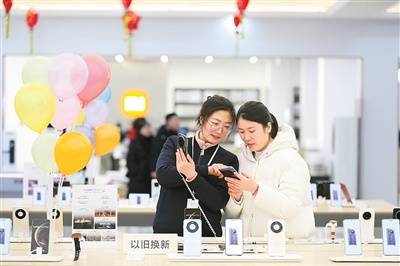
扩大支持范围,细化补贴标准,完善实施机制—— “两新”政策优化升级促内需
Jing Ji Ri Bao· 2026-01-01 22:13
Core Viewpoint - The National Development and Reform Commission and the Ministry of Finance have issued a notice to implement large-scale equipment updates and a consumer goods replacement policy in 2026, aiming to optimize support scope, subsidy standards, and implementation mechanisms for the "Two New" policies [1][2]. Group 1: Equipment Updates - The 2026 policy will continue to support the areas established in 2025, with new additions including the installation of elevators in old residential communities, equipment updates in elderly care institutions, and enhancements in firefighting and rescue facilities [1][2]. - The subsidy for updating residential elevators will shift from a fixed amount to a tiered subsidy based on the number of elevator floors [2]. - The policy prioritizes the replacement of old operational trucks with electric vehicles and adjusts subsidies for household appliances to focus on energy-efficient products [2]. Group 2: Consumer Goods Replacement - The policy continues to support the replacement of old cars and household appliances, specifically targeting six categories: refrigerators, washing machines, televisions, air conditioners, computers, and water heaters [1]. - The subsidy for household appliances will be set at 15% of the product price, with a maximum subsidy of 1,500 yuan per item [2]. - The scope of digital product subsidies has been expanded to include smartphones, tablets, smartwatches, smart glasses, and smart home products [1]. Group 3: Implementation and Oversight - The notice emphasizes the need for clear funding channels, standardized fund usage, and enhanced supervision to ensure effective implementation of the policies [2]. - It includes measures to optimize project application mechanisms and reduce investment thresholds, particularly to support small and medium-sized enterprises [2]. - The policy aims to establish a unified subsidy standard nationwide for vehicle scrapping, replacement, and the six categories of household appliances and four categories of digital products [2][3].
注意!一批新规,今起施行!每一条都能帮你省钱
Xin Lang Cai Jing· 2026-01-01 11:31
Group 1 - The National Development and Reform Commission and the Ministry of Finance announced a policy for large-scale equipment updates and consumer goods replacement in 2026, focusing on various sectors including public welfare, safety, and consumer infrastructure [1] - The policy includes subsidies for the replacement of old vehicles and household appliances, specifically targeting six categories such as refrigerators, washing machines, televisions, air conditioners, computers, and water heaters [1] - The scope of the new digital product subsidy has been expanded to include smartphones, tablets, smartwatches, smart glasses, and smart home products, including those designed for elderly care [1] Group 2 - The Ministry of Finance and the State Taxation Administration issued a notice regarding the value-added tax policy for personal housing sales, effective January 1, 2026, imposing a 3% tax on properties sold within two years of purchase and exempting those sold after two years [3] - For housing provident fund loans issued before May 8, 2025, the interest rate will be reduced by 0.25 percentage points starting January 1, 2026, with new rates set for first and second home loans [5] - A joint notice from the National Development and Reform Commission, the Ministry of Education, and the Ministry of Finance outlines the kindergarten fee policy effective January 1, 2026, establishing government-guided pricing for non-profit kindergartens and market-regulated pricing for for-profit institutions [6] Group 3 - The Ministry of Finance, the State Taxation Administration, and the Ministry of Industry and Information Technology announced a continuation and optimization of the tax exemption policy for new energy vehicles, reducing the vehicle purchase tax by half for purchases made between January 1, 2026, and December 31, 2027, with a maximum tax reduction of 15,000 yuan per vehicle [8] - The policy specifies that new energy vehicles must meet certain technical requirements to qualify for tax exemptions, including a minimum electric driving range for plug-in hybrid vehicles [8]
2026年国补首单诞生!广州消费者零点开抢,手机立省500元
第一财经· 2026-01-01 09:35
Core Viewpoint - The article discusses the launch of the national subsidy policy in 2026, which has sparked consumer enthusiasm for upgrading electronic devices and home appliances, as evidenced by early sales on January 1, 2026 [4]. Group 1: National Subsidy Policy - The national subsidy policy officially started on January 1, 2026, allowing consumers to receive significant discounts on various electronic products and home appliances [3]. - Consumers can receive a subsidy of 15% on the purchase price of eligible products, with a maximum subsidy of 500 yuan for personal electronics and 1500 yuan for home appliances [4]. - The policy aims to enhance consumer convenience, particularly in rural areas, by increasing offline retail presence and guiding online channels to rural markets [5]. Group 2: Impact on Consumer Behavior - The subsidy policy has led to a surge in consumer purchases, with many opting to buy products immediately after the policy's launch [4]. - For instance, a consumer purchased a smartphone originally priced at 5999 yuan, benefiting from a 500 yuan subsidy, highlighting the attractiveness of the new policy [3]. - In 2025, orders from rural areas on platforms like JD.com increased by 64%, indicating a positive response to the subsidy initiative [5]. Group 3: Company Response - JD.com has committed to supporting the national subsidy initiative, having invested nearly 30 billion yuan in 2025 to promote rural consumption and economic growth [5]. - The company plans to continue increasing its investment in the subsidy program for rural areas in 2026, aiming to enhance consumer satisfaction and market confidence [5].

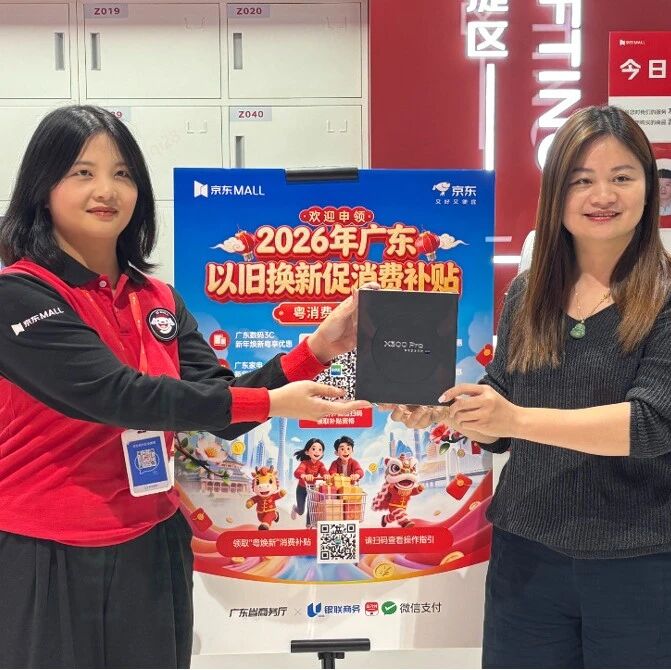
2026年新增智能产品补贴!最新汽车“国补”细则来啦→
Xin Lang Cai Jing· 2026-01-01 05:25
Core Viewpoint - The National Development and Reform Commission and the Ministry of Finance have issued a notice regarding the implementation of large-scale equipment updates and consumer goods replacement policies in 2026, optimizing the support scope, subsidy standards, and implementation mechanisms for the "Two New" policy [1] Group 1: Optimization of Support Scope - The support scope for equipment updates will generally continue from 2025, while the consumer goods replacement policy will focus resources on key consumer goods with strong coverage and driving effects [2] - The policy will enhance support for the installation of elevators in old residential areas, equipment updates in elderly care institutions, and updates of safety equipment such as firefighting and inspection devices [3] Group 2: Optimization of Subsidy Standards - The subsidy for updating old residential elevators will shift from a fixed amount to a tiered subsidy based on the number of elevator floors [2] - The subsidy for scrapping old operational trucks will prioritize updates to electric trucks, while maintaining the upper limit for automobile subsidies, adjusting the fixed subsidy to a percentage of the vehicle price [3] Group 3: Implementation Mechanism - The project application mechanism and review process for equipment updates will be optimized to lower the investment threshold for applications, increasing support for small and medium-sized enterprises [2] - The policy will implement a unified subsidy standard nationwide for automobile scrapping and replacement, six categories of household appliances, and four categories of digital and smart products [4] Group 4: Specifics for Automobile Subsidies - The 2026 automobile scrapping and replacement subsidy details include a maximum subsidy of 20,000 yuan for scrapping and 15,000 yuan for replacement, with a 30-working-day period for subsidy disbursement [5] - Eligibility for scrapping subsidies is defined by the registration date of the old vehicle, with specific cut-off dates for gasoline, diesel, and new energy vehicles [6]
【新华解读】精准发力!2026年“两新”政策优化支持范围、补贴标准、实施机制
Xin Hua Cai Jing· 2025-12-31 11:53
Core Viewpoint - The 2026 "Two New" policy aims to optimize support for equipment updates and consumer goods replacement, focusing on small and medium-sized enterprises, green transformation, and new technologies and products [1][2]. Group 1: Support Scope Optimization - The 2026 policy extends the support scope from 2025, adding elevator installations in old residential areas and equipment updates in elderly care institutions, as well as enhancing safety-related equipment updates [2][3]. - The policy emphasizes investment in key consumer goods with high coverage and strong driving effects, continuing subsidies for vehicle scrapping and replacement, and focusing on six categories of household appliances [2][3]. - The expansion of digital product subsidies to include smart products indicates increased support for new technologies and applications [3]. Group 2: Subsidy Standard Optimization - The policy adjusts the subsidy for old residential elevator updates to a tiered system based on the number of floors, and prioritizes electric vehicle updates in the scrapping subsidy [4]. - The subsidy for household appliances is adjusted to support energy-efficient products, with a maximum subsidy of 1,500 yuan per item, while vehicle subsidies are now based on vehicle price ratios [4]. - This adjustment aims to reduce low-level price competition and encourage higher quality offerings from manufacturers [4]. Group 3: Implementation Mechanism Optimization - The 2026 policy will streamline project application processes and lower investment thresholds to better support small and medium-sized enterprises [5][6]. - It includes strict measures against fraudulent activities and ensures a unified subsidy standard across the country to prevent market segmentation [7][8]. - Local governments are encouraged to determine their own subsidy categories and standards within the national framework, promoting regional market competitiveness [8]. Group 4: Circular Economy and Market Confidence - The policy includes measures to enhance recycling and circular economy initiatives, aiming to stabilize market expectations and boost industry confidence [8]. - The first batch of 625 billion yuan in long-term special government bonds has been allocated to support the consumer goods replacement program [8].
625亿元!2026年第一批“国补”资金来了 补哪些、怎么补?
Mei Ri Jing Ji Xin Wen· 2025-12-31 08:47
12月31日,国家发展改革委召开12月份新闻发布会。 国家发展改革委政策研究室副主任、委新闻发言人李超介绍,12月29日,国家发展改革委牵头印发《关于2026年实施大 规模设备更新和消费品以旧换新政策的通知》。2026年的"两新"政策进一步优化了制度设计和实施方式。 中央经济工作会议明确提出,要优化"两新"政策实施。按照党中央和国务院决策部署,在制定2026年"两新"政策过程中, 相关部门系统总结前期政策实施情况,广泛听取各方意见,充分评估发掘"两新"政策在扩大内需、带动就业、改善民生 等方面的潜力,将投资于物和投资于人紧密结合,重点在设备更新政策惠及面、支持绿色低碳智能产品推广应用、资金 使用监管等方面进行了优化。 继续实施汽车报废更新和汽车置换更新补贴 李超介绍,对于2026年"两新"政策,一是优化支持范围。设备更新方面,在总体延续今年支持范围的基础上,主要增加 了三个方面的更新补贴。民生领域增加老旧小区加装电梯、养老机构设备更新。安全领域增加消防救援、检验检测设备 更新。消费基础设施方面,增加商业综合体、购物中心、百货店、大型超市等线下消费商业设施的设备更新。 消费品以旧换新方面,进一步集中资源,着力提 ...
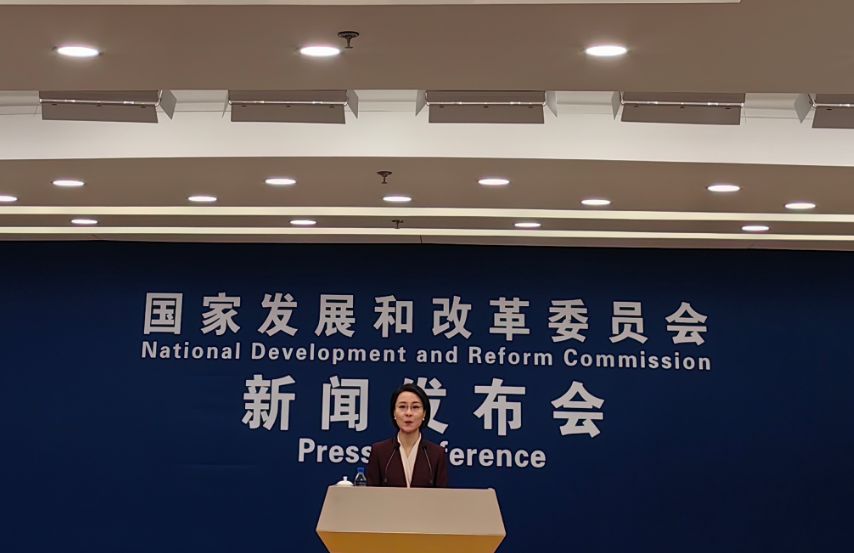
扩大支持范围、细化补贴标准、完善实施机制—— “两新”政策优化升级促内需
Zhong Guo Jing Ji Wang· 2025-12-31 06:46
Core Viewpoint - The National Development and Reform Commission and the Ministry of Finance have issued a notice to implement large-scale equipment updates and a trade-in policy for consumer goods in 2026, aiming to optimize support for investment, consumption, and social welfare [1] Group 1: Policy Implementation - The 2026 policy will expand the support scope to include the installation of elevators in old residential areas, equipment updates in elderly care institutions, and improvements in firefighting and rescue facilities [1] - The first batch of 625 billion yuan in special bonds to support the trade-in policy has been allocated in advance to meet consumer demand during peak seasons [1] Group 2: Consumer Goods Focus - The trade-in policy will continue to support the replacement of old cars and focus on six categories of home appliances: refrigerators, washing machines, televisions, air conditioners, computers, and water heaters [1] - The subsidy for digital products has been expanded to include smart devices such as smartphones, tablets, smartwatches, smart glasses, and smart home products [1] Group 3: Subsidy Structure - The policy introduces differentiated subsidy standards to enhance the "subsidy rate" for key consumer goods and increase support for green transformation [2] - Subsidies for old elevators will shift from fixed amounts to tiered subsidies based on the number of floors, while car subsidies will be adjusted to a percentage of the vehicle price [2] - The subsidy for household appliances will be set at 15% of the product price for energy-efficient or water-efficient items, with a maximum subsidy of 1,500 yuan per item [2] Group 4: Funding and Oversight - The notice emphasizes optimizing project application mechanisms and lowering investment thresholds to support small and medium-sized enterprises [3] - It also includes measures to combat fraudulent claims and ensure uniform subsidy standards across the country for various consumer goods [3] - The National Development and Reform Commission will coordinate with relevant departments to ensure effective implementation and monitoring of the policy [4]