开放创新

Search documents
当开放成为共识,创新的边界正在被重新定义
Sou Hu Cai Jing· 2025-11-19 13:05
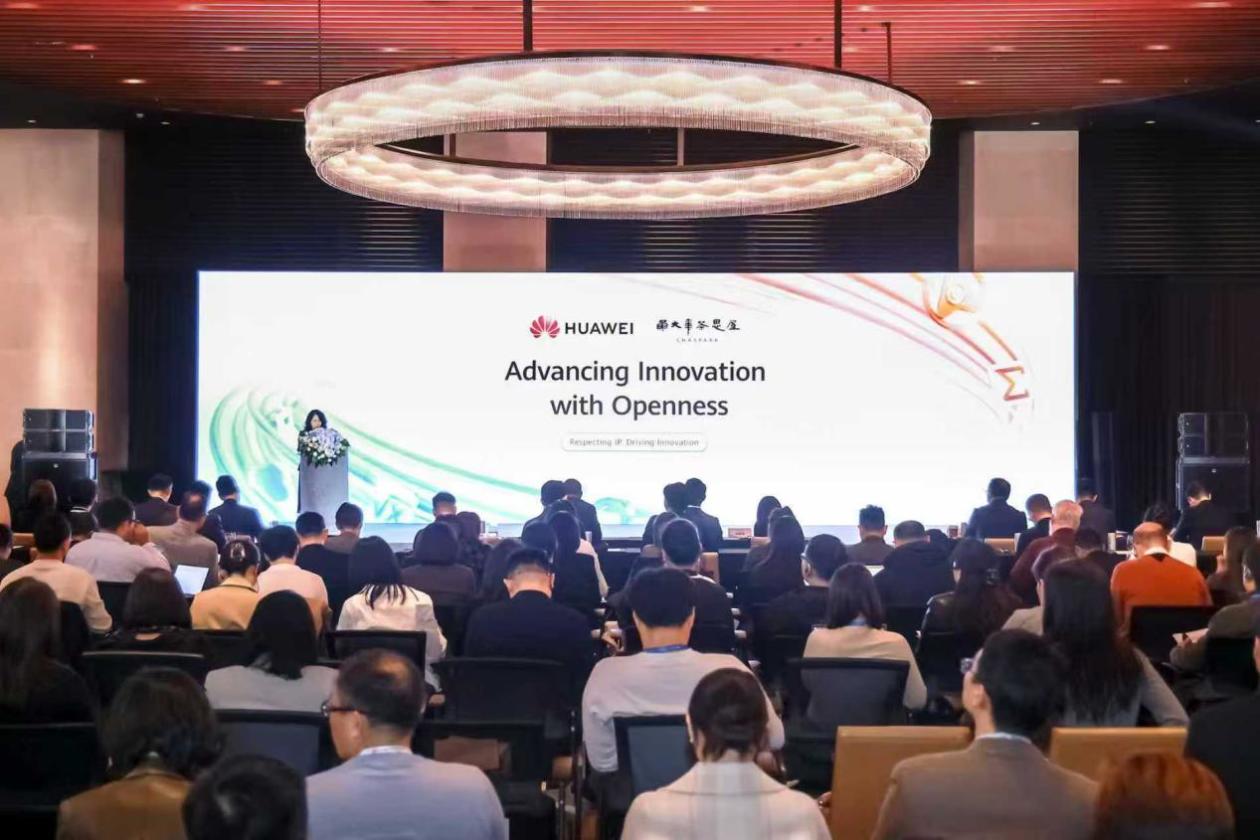
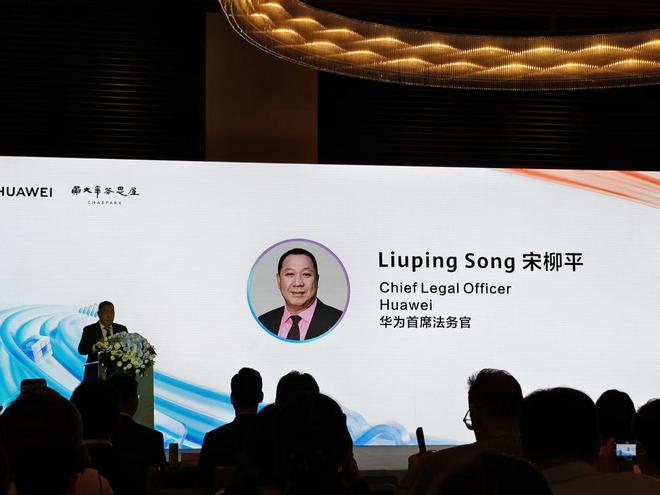
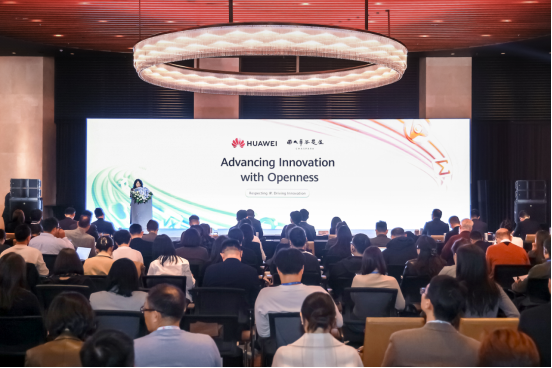
Core Insights - The core theme of the forum is "Open Drives Innovation," emphasizing the shift from competition to collaboration in the realm of intellectual property and innovation [1][10][12] Group 1: Forum Overview - The sixth Huawei Innovation and Intellectual Property Forum gathered representatives from various international organizations and companies to discuss the role of intellectual property in fostering collaborative innovation [1][2] - Huawei's Chief Legal Officer, Song Liuping, highlighted that the essence of intellectual property is not exclusivity but rather the orderly and efficient dissemination of innovative results [2][4] Group 2: Huawei's Contributions - As of the end of 2024, Huawei has obtained over 150,000 valid patents globally, with R&D investment exceeding 20% of annual revenue, totaling over 1.2 trillion yuan in the past decade [4][7] - The forum showcased Huawei's "Top Ten Inventions" for 2024, which include significant technological advancements such as the Scale Up ultra-large-scale computing platform and the HarmonyOS full-stack architecture [4][6] Group 3: Knowledge Sharing and Collaboration - The upgraded "Chasi Patents" platform was introduced, enhancing patent search and analysis capabilities, thereby accelerating knowledge flow and innovation [6][9] - Huawei's commitment to open innovation is reflected in its extensive participation in global ICT standards and its collaboration with international licensing platforms, generating over $630 million in patent licensing revenue in 2024 [8][9] Group 4: Open Innovation Strategy - Huawei's strategy emphasizes that knowledge sharing enhances social value rather than diminishing rights, promoting a cycle where patent protection leads to commercial returns that fund further R&D [9][10] - The forum underscored the importance of establishing standardized interfaces and shared platforms to make innovation more efficient and inclusive [10][12] Group 5: Future Implications - The discussions at the forum suggest that open innovation is becoming a dominant theme in global technological collaboration, with the potential to significantly enhance cross-industry integration [10][12] - The evolving landscape of technology, including AI and quantum computing, presents challenges in establishing sustainable cooperation mechanisms, highlighting the need for intellectual property to serve as a bridge rather than a barrier [10][12]

华为年度创新答卷:15万件专利背后的开放密码
Huan Qiu Wang· 2025-11-19 04:31
Core Insights - Huawei's sixth Innovation and Intellectual Property Forum emphasized the importance of open collaboration and intellectual property protection in driving technological innovation and social development [1][3] - The forum aimed to address how substantial R&D investments can create sustainable business models, the role of patents as either a "moat" or a "toll booth," and the future of innovation in uncharted technological territories [3][5] R&D Investment - Huawei maintains a rigorous commitment to R&D, investing over 10% of its sales revenue annually, with this figure exceeding 20% in the past four years [5] - In 2024, Huawei's R&D expenditure reached 179.7 billion RMB, accounting for 20.8% of total sales revenue, and over the past decade, cumulative R&D expenses surpassed 1.249 trillion RMB [5] - Huawei has ranked among the top six global companies in R&D investment for eight consecutive years, alongside major tech firms like Alphabet, Apple, Samsung, and Intel [5] Intellectual Property Achievements - As of the end of 2024, Huawei holds over 150,000 valid patents globally, with more than 50,000 in China and approximately 29,000 in the U.S. [6] - Huawei's international patent applications under the Patent Cooperation Treaty (PCT) reached 6,600 in 2024, maintaining its position as the top global user since 2014 [6] - The company's patents cover critical areas such as 5G, Wi-Fi, and multimedia, with over 2.7 billion 5G devices and 1.2 billion consumer electronics having received Huawei's patent licenses [6] Knowledge Property Operations - Huawei follows the FRAND (Fair, Reasonable, and Non-Discriminatory) principle in its patent operations, generating approximately $630 million in patent licensing revenue in 2024 [7] - The company has signed 233 patent licensing agreements to date, with 22 new agreements in 2024, including partnerships with industry giants like Nokia, Ericsson, Amazon, and Samsung [7] - Huawei's approach reflects a commitment to fostering a collaborative knowledge ecosystem, as highlighted by industry leaders at the forum [7] Innovation Highlights - The forum showcased the sixth "Top Ten Inventions," focusing on core technologies that can create new products and significant value across six cutting-edge fields [10] - Innovations in computing include a dual-engine AI computing platform and advancements in the HarmonyOS ecosystem, which has surpassed 1 billion devices [10][11] - Breakthroughs in storage and communication technologies are enhancing the digital economy's infrastructure, with new SSDs achieving a fourfold increase in capacity density [11] Open Innovation Commitment - Huawei's dedication to open innovation is evident in its contributions to global standards and open-source projects, with over 10,000 new technical proposals submitted in 2024 [12] - The company launched the "Chasi Patent" public service project to provide free patent query services to global researchers, enhancing knowledge sharing [12] - Huawei's collaborative approach aims to build a positive business ecosystem and promote the value flow of intellectual property, as emphasized by industry experts [13]
开放驱动创新 华为近十年研发投入超1.2万亿元 20万件专利已惠及全球创新
Shen Zhen Shang Bao· 2025-11-13 16:46
Core Insights - In 2024, global corporate R&D spending reached $1.3 trillion, with China emerging as a leader in intellectual property and global innovation ecosystems [1] - Huawei hosted the "6th Innovation and Intellectual Property Forum" in Beijing, emphasizing innovation, openness, and respect as key themes [1][2] - The World Intellectual Property Organization (WIPO) reported that China ranked 10th in the Global Innovation Index for the first time, with Shenzhen-Hong Kong-Guangzhou innovation cluster topping the global rankings [2] Group 1: Huawei's R&D Investment - Huawei has consistently invested over 20% of its annual revenue into R&D over the past five years, with R&D expenses exceeding RMB 170 billion in 2024, accounting for 20.8% of total sales [3] - Cumulatively, Huawei has invested over RMB 1.2 trillion in R&D over the past decade [3] - Huawei led the world in international patent applications under the Patent Cooperation Treaty (PCT) in 2024, with 6,600 applications filed [3] Group 2: Intellectual Property Contributions - Huawei holds over 150,000 valid patents globally and has made over 200,000 patents available to the public for free use [4] - In 2024, Huawei published a record 37,000 new patents and contributed over 10,000 technical proposals to domestic and international standards organizations [5] - The "Chasi Patent" tool launched by Huawei has received over 2 million visits, providing a user-friendly patent search service for global researchers [6] Group 3: Collaboration and Licensing - Huawei's patent licensing revenue for 2024 is approximately $630 million, while the total paid in licensing fees historically is three times the cumulative licensing income [7] - Over 2.7 billion 5G devices and 1.2 billion consumer electronic devices have received patent licenses from Huawei [9] - Huawei has signed 233 patent licensing agreements, with 95% achieved through negotiation and mediation [10]
以开放促创新,华为“十大发明”背后的知识产权力量
Feng Huang Wang· 2025-11-13 14:49
Core Insights - Innovation is not an individual capability but a consensus formed within the industrial ecosystem, with China's technological strength becoming a significant driver in the global innovation wave [1] - Intellectual property (IP) is emerging as a key variable influencing industrial patterns, serving as a bridge connecting innovators, supply chains, and global markets [1] - Huawei's commitment to open innovation is evident in its substantial R&D investments, totaling over 1.24 trillion yuan in the past decade, with 179.7 billion yuan allocated in 2024 alone, representing 20.8% of its sales revenue [1][2] - The number of valid invention patents in China reached 5.689 million by the end of 2024, marking a 14.0% year-on-year increase [1] Huawei's Innovation and IP Strategy - Huawei's sixth "Top Ten Inventions" event showcased significant technological breakthroughs and emphasized the importance of open collaboration [1][3] - The company holds over 150,000 valid patents globally, covering key areas such as communication, computing, operating systems, and intelligent driving [2][3] - Huawei promotes technology sharing and ecosystem collaboration through patent licensing, standard co-construction, and open-source cooperation [2] Key Technological Innovations - The sixth "Top Ten Inventions" includes advancements in computing architecture, communication networks, operating systems, optical interconnection, storage technology, green energy, and intelligent driving [4] - The Scale-Up ultra-large-scale super-node computing platform aims to address long-standing communication efficiency bottlenecks in AI computing clusters [5] - The Harmony full-stack architecture enhances system fluidity and security through hardware-software collaboration, improving user experience and data control [5] Impact of Innovations - The innovations presented are designed to be replicable within the industry, allowing for broader adoption and integration into various supply chains [6] - Huawei has made over 200,000 patents available in the public domain for free use, further promoting innovation [6] - The "Chasi Patent" section on Huawei's website has seen over 2 million visits, facilitating access to patent resources for industry partners and research institutions [6] Specific Innovations and Their Applications - The Ascend 384 super-node, supported by eight key patents, represents a breakthrough in computing architecture, enabling high-speed interconnection and low-latency collaboration among AI processors [7][9] - Innovations such as the intelligent dynamic power supply patent address challenges in AI training load fluctuations, enhancing power distribution efficiency [9] - The system of interconnected patents creates a comprehensive innovation loop, ensuring stability and scalability in industrial environments [9] Conclusion - Huawei's innovation trajectory over the past decade has been characterized by a stable and continuous rhythm, treating patents as integral parts of the technology system rather than barriers [10] - The concept of "openness" has evolved to encompass a long-term attitude of respecting knowledge, collaboration, and the complexity of technology [10] - Huawei's ongoing efforts in patent licensing, open-source communities, and standard contributions reflect a commitment to fostering an ecosystem of shared innovation [10]
华为2024年专利许可收入超6亿美元,公开专利3.7万件
Nan Fang Du Shi Bao· 2025-11-12 10:25
Core Insights - Huawei held its sixth Innovation and Intellectual Property Forum on November 11, focusing on the theme of "Open Innovation" and the importance of intellectual property in driving technological advancement and societal development [1][3] Group 1: Intellectual Property and Innovation - Huawei's Chief Legal Officer emphasized that open innovation is crucial for societal progress and is part of Huawei's core values, highlighting the company's commitment to protecting its own intellectual property while respecting others' rights [1] - In 2024, Huawei's patent licensing revenue is projected to be approximately $630 million, with historical patent licensing fees paid being three times the cumulative licensing income [3] - Huawei has consistently ranked first in the number of international patent applications under the Patent Cooperation Treaty (PCT) since 2014, with 6,600 PCT applications expected in 2024 [3] Group 2: Research and Development Investment - Huawei's R&D expenditure for 2024 is set at 179.7 billion yuan, accounting for 20.8% of total revenue, with expectations to exceed 200 billion yuan in 2025 [3] - Over the past decade, Huawei has invested more than 1,249 billion yuan in R&D, which supports the generation of innovative outcomes [3] - The sixth "Top Ten Inventions" awards highlighted key innovations in areas such as computing and the Harmony operating system, showcasing Huawei's focus on future-oriented technologies [3] Group 3: Patent Licensing and Ecosystem - By the end of 2024, over 2.7 billion 5G devices, 1.2 billion consumer electronics, and 3.2 billion multimedia devices will have received patent licenses from Huawei [4] - 48 Fortune Global 500 companies have directly or indirectly obtained licensing from Huawei, indicating the company's significant role in the global patent ecosystem [4] - The Vice President of Huawei's Intellectual Property Department stated the company's commitment to promoting technology openness through various means, including software open-source and standard contributions [3][4] Group 4: Future Outlook - Huawei aims to enhance the innovation and intellectual property environment through collaboration with industry partners, fostering a supportive atmosphere for intellectual property protection and mutual industry development [4]
华为公布“十大发明”,涉及算力、存储等技术
新华网财经· 2025-11-12 01:29
Core Viewpoint - Open innovation and intellectual property protection are not opposing forces but rather dual drivers of technological advancement, as stated by Huawei's Chief Legal Officer Song Liuping during the sixth Innovation and Intellectual Property Forum [2]. Group 1: Huawei's Innovations and Achievements - Huawei announced the results of the sixth "Top Ten Inventions" awards, recognizing key technological advancements in areas such as computing, HarmonyOS, and storage since 2015 [4]. - The sixth "Top Ten Inventions" includes: - Scale-up ultra-large-scale supernode computing platform, enabling flexible resource allocation and parallel processing [5]. - Harmony full-stack architecture innovation, enhancing user experience through seamless integration of software and hardware [6]. - New folding form factors, including the world's first commercial triple-fold smartphone and a foldable PC [7]. - Short-distance optical interconnection, improving reliability by 3 times and operational efficiency by 40% [8]. - Next-generation high-capacity SSD, achieving a fourfold increase in storage density and significant performance improvements [10]. - GigaGreen RAN, leading the industry in energy efficiency and user experience [11]. - New paradigm for assisted driving based on real-time environmental awareness [12]. - Ascend affinity mathematical reasoning acceleration, optimizing performance for large model inference [13]. - F5G-A 10G optical access technology, leading the industry in performance and reliability [14]. - Red Maple original color imaging technology, enhancing mobile photography accuracy [15]. Group 2: Intellectual Property and Research Investments - In 2024, Huawei is set to disclose a record 37,000 new patents, with an estimated patent licensing revenue of approximately $630 million [15]. - Huawei holds over 150,000 valid authorized patents globally and has been the top applicant for PCT international patents for ten consecutive years, with 6,600 applications in 2024 [15]. - Huawei's patent licensing technology is deeply embedded in the global smart terminal ecosystem, with over 2.7 billion 5G devices and 1.2 billion Wi-Fi devices receiving Huawei's patent licenses [16]. - The company has contributed over 10,000 new technical proposals to domestic and international standard organizations and published over 1,000 academic papers in 2024 [15]. - Huawei's R&D investment has reached a cumulative total of 1.249 trillion RMB over the past decade, with 2024 R&D expenses projected at 179.7 billion RMB, accounting for 20.8% of annual revenue [18].

华为知识产权部长:研发团队捷报频传,尽最大努力对外开放
Guan Cha Zhe Wang· 2025-11-12 01:28
Core Viewpoint - Huawei emphasizes the importance of open innovation and intellectual property protection to drive technological advancement and societal development, showcasing its significant R&D investments and achievements in the field of patents and technology [1][3][9]. R&D Investment - Huawei has consistently invested over 20% of its annual sales revenue into R&D, with expenditures exceeding RMB 170 billion in 2024, representing 20.8% of total sales [1]. - Over the past decade, Huawei's cumulative R&D investment has surpassed RMB 1.2 trillion, ranking sixth globally in R&D spending according to the 2024 EU Industrial R&D Investment Scoreboard [1]. Intellectual Property Achievements - In 2024, Huawei publicly disclosed a record 37,000 new patents, contributing over 10,000 technical proposals to domestic and international standards organizations, and publishing more than 1,000 academic papers [5]. - As of the end of 2024, Huawei holds over 150,000 valid patents globally, with more than 50,000 in China, approximately 29,000 in the U.S., and around 19,000 in Europe [5]. Patent Licensing Revenue - Huawei's patent licensing revenue reached a historical high of $630 million in 2024, marking an increase from $560 million in 2022 [6]. - Cumulatively, Huawei's patent licensing revenue over the past decade is estimated to exceed $4 billion, despite having paid approximately $12 billion in licensing fees to others [6][7]. Open Source and Collaboration - Huawei promotes open-source initiatives, with over 8,100 contributors in the OpenHarmony community submitting more than 10 million lines of new open-source code in the past year [3]. - The company has launched various open-source and hardware projects, including the CANN computing framework and the Cangjie programming language, aiming to provide developers with comprehensive tools and support [3]. Industry Collaboration - Huawei has signed 233 patent licensing agreements, with 95% achieved through negotiation and mediation, collaborating with major international firms like Nokia, Ericsson, Amazon, and Samsung [9]. - The company advocates for a balanced intellectual property strategy, emphasizing the importance of both incentivizing innovation and facilitating application [7][9]. Public Access to Patents - Over 200,000 Huawei patents have entered the public domain for free use, and the company has launched a patent query tool to assist global researchers [9][10]. - The "Chasi Patent" project has received over 2 million visits since its launch, reflecting its positive reception among the research community [10].

华为知识产权部长:研发捷报频传,尽最大努力对外开放
Guan Cha Zhe Wang· 2025-11-12 01:26
Core Insights - Huawei emphasizes the importance of open innovation and knowledge protection in driving technological advancement and societal development [1][3][10] R&D Investment - Huawei has invested over 20% of its annual sales revenue in R&D for the past five years, with R&D expenses exceeding RMB 170 billion in 2024, accounting for 20.8% of total sales [1][4] - Cumulatively, Huawei has invested over RMB 1.2 trillion in R&D over the past decade, ranking 6th globally in R&D spending according to the 2024 EU Industry R&D Scoreboard [1][4] Open Source and Collaboration - Huawei's open-source initiatives include the HarmonyOS and Euler operating systems, aimed at enhancing technology efficiency and reducing costs for developers and partners [3][4] - The OpenHarmony community has seen over 8,100 contributors and more than 10 million lines of new open-source code submitted in the past year [4] Patent and Licensing Strategy - In 2024, Huawei publicly disclosed a record 37,000 new patents, with over 150,000 valid patents globally, making it the largest patent holder in China [6][10] - Huawei's patent licensing revenue reached a historical high of $630 million in 2024, with cumulative licensing revenue over the past decade potentially exceeding $4 billion [6][7] Industry Contributions - Huawei has signed 233 patent licensing agreements, with 95% achieved through negotiation, and has contributed significantly to standards in cellular communication and multimedia technologies [10] - The company has paid significantly more in licensing fees than it has received, with cumulative payments exceeding $12 billion [8] Public Engagement and Tools - Huawei launched the "Chasi Patent" tool to provide free access to patent data for researchers, which has received over 2 million visits since its launch [11] - The tool has been upgraded to include features like semantic search and AI summaries, enhancing its utility for the research community [11] Future Outlook - Huawei aims to foster an environment of open collaboration and innovation, emphasizing the importance of protecting intellectual property while driving industry growth [11]
华为公布“十大发明” 涉及算力、存储等技术
Shang Hai Zheng Quan Bao· 2025-11-11 16:11
Core Viewpoint - Open innovation and intellectual property protection are complementary forces driving technological advancement, as stated by Huawei's Chief Legal Officer Song Liuping during the sixth Innovation and Intellectual Property Forum [1]. Group 1: Innovation and Patent Developments - Huawei disclosed its latest advancements in patent publication and commercialization, highlighting a record of 37,000 new patents in 2024 [14]. - The company has over 150,000 valid authorized patents globally by the end of 2024, maintaining its position as the top applicant for international patents for ten consecutive years [14]. - Huawei's patent licensing revenue is projected to be approximately $630 million in 2024, with historical patent licensing fees paid being three times the cumulative licensing income [14]. Group 2: Key Innovations Announced - The sixth "Top Ten Inventions" results were announced, showcasing significant technological advancements in areas such as computing, Harmony OS, and storage [3]. - Innovations include: - Scale-up ultra-large-scale supernode computing platform, enabling flexible resource allocation for AI processors [4]. - Harmony OS full-stack architecture, enhancing user experience through seamless integration and security [5]. - The world's first commercial triple-fold smartphone and foldable PC, showcasing breakthroughs in design and functionality [6]. - Short-distance optical interconnection technology, improving reliability and efficiency in computing clusters [7][8]. - Next-generation high-capacity SSDs, achieving a fourfold increase in storage density and significant performance improvements [9]. - GigaGreen RAN technology, leading the industry in energy efficiency and user experience [10]. - A new paradigm for assisted driving, utilizing real-time environmental awareness for enhanced navigation [11]. - Ascend-friendly mathematical reasoning acceleration, optimizing performance for large model inference [12]. - 50G PON technology, marking a significant advancement in access network systems [13]. - Red Maple original color imaging technology, enhancing mobile photography accuracy [14]. Group 3: Commitment to Open Innovation - Huawei emphasizes the importance of open innovation as a driving force for social development and technological progress, aligning with its core values [17]. - The company has contributed over 10,000 new technical proposals to domestic and international standard organizations and published over 1,000 academic papers in 2024 [14]. - Huawei's "Chasi Patent" initiative provides free patent query services to global researchers, enhancing accessibility to intellectual property information [17]. Group 4: Research and Development Investment - Huawei has invested a total of 1.249 trillion RMB in R&D over the past decade, with R&D expenses for 2024 reaching 179.7 billion RMB, accounting for 20.8% of total revenue [17]. - In the first half of 2025, R&D investment is projected to be 96.95 billion RMB, representing 22.7% of revenue, with a year-on-year growth of 9.04% [17].
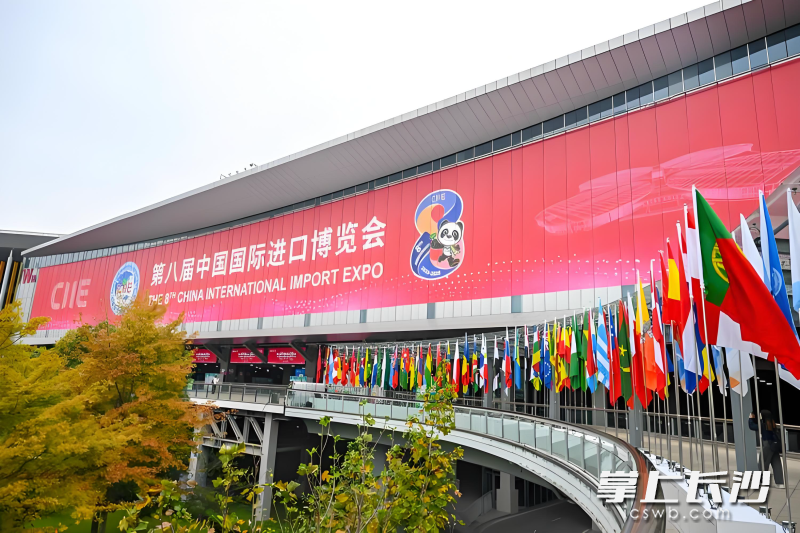
进博八载之约 长沙开放更“进”一步
Chang Sha Wan Bao· 2025-11-11 10:34
Core Points - The 8th China International Import Expo took place from November 5 to 10, showcasing a commitment to international trade and cooperation [1][3] - Changsha sent over 800 professional attendees to the expo, emphasizing its dedication to open innovation and global resource integration [3][16] - Notable companies like Metro, Fosun Pharma, and Volkswagen participated, highlighting their long-term engagement with the expo and Changsha's high-level opening policies [3][5] Group 1: Participation and Engagement - Changsha has consistently participated in the expo for eight years, demonstrating a strong commitment to procurement, project negotiations, and cultural exchanges [3][5] - Metro showcased 130 globally selected products, which are available in its stores nationwide, illustrating the direct impact of the expo on local consumers [3][5] - Fosun Pharma introduced a new particle therapy system, showcasing innovation in cancer treatment technology [3][10] Group 2: Innovation and Technology - Changsha's representation at the expo highlighted its technological advancements, with companies like SANY showcasing leading products in the construction machinery sector [7][10] - The introduction of new products, such as the AI-powered hearing aid by Kefu Medical, reflects the city's focus on cutting-edge innovation [10][12] - The collaboration between Toyota and Minmetals on a new energy storage system demonstrates the integration of international capital and technology [10][12] Group 3: Cultural and Economic Development - The expo served as a platform for showcasing traditional and modern cultural elements from Changsha, including local handicrafts and traditional medicine [12][14] - Changsha's new tea brand, Ningji, is expanding internationally, indicating the city's growing influence in the global beverage market [14][16] - The signing of 12 key projects during the expo highlights Changsha's strategic focus on smart manufacturing, cross-border trade, and AI capabilities [16][18] Group 4: Open Economy and Trade Growth - Changsha's import and export volume is projected to grow at an average rate of 4.3% from 2021 to 2024, with significant increases in trade with Africa [18] - The city has attracted nearly three-quarters of the province's actual foreign investment, showcasing its strong economic environment [18] - The establishment of various promotional and matchmaking events during the expo aims to enhance cooperation and attract high-quality goods and services to Changsha [16][18]