战略自主性

Search documents
北溪破坏行动背后真凶曝光,欧洲 170 亿援助打水漂,民众彻底怒了
Sou Hu Cai Jing· 2025-11-16 12:45
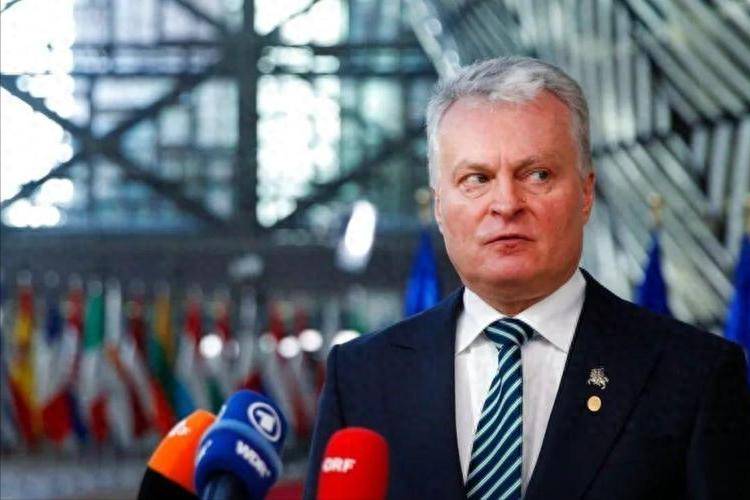
Core Insights - The investigation into the Nord Stream pipeline explosion has identified a Ukrainian diver as a suspect, which could challenge Europe's existing stance on the Russia-Ukraine conflict [1] - The findings contrast sharply with earlier narratives that suggested Western involvement, prompting a reevaluation of the incident's truth across European nations [1] Group 1: Political Pressure in Germany - The German government, as a direct victim of the Nord Stream incident, is facing significant domestic political pressure, with opposition parties criticizing the ruling coalition's ongoing support for Ukraine amid rising energy prices [3] - There is a growing call within Germany to reassess the scale of aid to Ukraine, reflecting similar sentiments in other European countries where discussions about "stopping funding the war in Ukraine" are gaining traction [3] Group 2: Dilemma in European Support for Ukraine - Europe is caught in a dilemma regarding support for Ukraine; halting aid could lead to a short-term Russian military victory, while continued support imposes high economic costs on Europe [5] - Ukraine's military spending has exceeded 50% of its GDP, and its fiscal situation is unsustainable, complicating Europe's ability to provide further assistance amidst its own economic challenges [5] - Some European politicians have proposed using Russian assets in Europe or issuing joint bonds to fund aid, but legal and political obstacles hinder these proposals, as seen with Belgium's opposition [5] Group 3: Geopolitical Implications - The aid to Ukraine has evolved into a critical factor affecting European internal unity and strategic autonomy, especially as the U.S. shifts its approach to funding Ukraine through NATO arms sales [7] - Germany's political climate is pivotal; a reduction in aid from Germany could destabilize the entire European support framework for Ukraine [7] Group 4: Historical Context and Future Outlook - Historically, Europe played a leading role in mediating the Russia-Ukraine issue through agreements like the Minsk Accords, but U.S. involvement has diminished Europe's negotiating power [9] - For Europe to regain control, it must balance support for Ukraine with its own interests, a challenging task given internal divisions over energy and fiscal policies [9] - In the short term, Europe may have to choose between anti-war sentiments and strategic security, while the long-term outcome of the conflict may be dictated by U.S. and Russian actions if Europe fails to unify [11] - The investigation's results are seen as a potential catalyst for significant changes in European aid policies towards Ukraine [11] Group 5: Energy Prices and Decision-Making - As winter approaches, rising energy prices and anti-war sentiments may intensify, directly influencing government decisions across Europe regarding the Ukraine crisis [12] - The ability of Europe to navigate security and autonomy amidst great power competition remains uncertain [12]

大的要来了,泽连斯基给欧洲划下2029年死线,可笑的是谁在替谁卖命还没搞清楚
Sou Hu Cai Jing· 2025-11-15 18:11
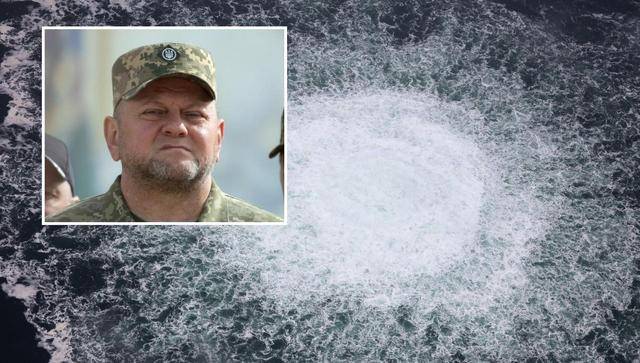
Core Viewpoint - Ukrainian President Zelensky's assertion that Europe must prepare for a potential Russian offensive by 2029 serves as both a warning and a strategic maneuver to secure continued support from European nations [1][3][9] Group 1: Strategic Messaging - Zelensky's rhetoric taps into deep-seated fears among Europeans regarding Russian aggression, framing the situation as a dire warning rather than a mere request for aid [3][5] - The timeline of "2029" is strategically chosen to create a sense of urgency and anxiety, compelling European leaders to act [3][5] - This approach reflects a shift from traditional appeals for assistance to a more aggressive form of "fear marketing," where the threat of Russia is used to extract financial and military support from Europe [3][5][6] Group 2: European Response - European leaders, including officials from Germany and Poland, have echoed the sentiment of a potential conflict with Russia within five years, aligning with Zelensky's narrative [5][6] - The mutual reinforcement of fear between Ukraine and European politicians creates a closed loop where both parties benefit: Ukraine secures aid while European leaders consolidate power and justify unpopular policies [5][7] - The narrative that aiding Ukraine is an investment in European security helps to deflect public scrutiny regarding rising costs and internal economic pressures [6][7] Group 3: Strategic Autonomy - The situation illustrates a troubling dynamic where Ukraine, rather than Europe, appears to dictate the terms of engagement and response to Russian threats [9][10] - Europe's strategic autonomy is compromised as it finds itself increasingly reliant on Ukraine's framing of the crisis, rather than establishing its own independent security agenda [10][11] - The real danger lies not in external threats from Russia, but in Europe's inability to assert its own strategic direction amidst internal chaos and external manipulation [11][12] Group 4: Future Considerations - European leaders must confront the challenge of breaking free from this cycle of dependency and fear, and develop a sustainable security policy that reflects their own interests [12] - The pressing question for Europe is how to reclaim its strategic independence and avoid being further ensnared in a narrative designed to perpetuate crisis [12]
自断臂膀!德国主动拆除能源支柱,如今工业正被动挨打
Sou Hu Cai Jing· 2025-11-07 10:58
Core Points - The demolition of the cooling towers at Gundremmingen Nuclear Power Plant marks the end of Germany's nuclear energy era, which previously supplied a quarter of Bavaria's electricity [3] - Germany's decision to phase out nuclear energy was influenced by historical events, including the Chernobyl and Fukushima disasters, leading to significant public debate and opposition [5][6] - The transition away from nuclear energy has resulted in increased energy costs and reliance on imports, particularly from France and the Czech Republic, which still utilize nuclear power [6][8] Energy Policy and Economic Impact - Germany's energy policy has led to a significant increase in renewable energy generation, currently accounting for 59.4% to 62.7% of total energy production, but this is hampered by weather dependency and stability issues [8] - The high energy costs have prompted many German companies to relocate operations abroad, with notable investments from BASF in China and expansions by BMW and Volkswagen [8] - German households are facing a 31% increase in energy expenditures compared to 2021, reflecting the broader economic impact of the energy transition [8] International Relations and Trade - Germany's energy strategy has created contradictions, as it seeks to reduce reliance on stable energy sources while simultaneously importing nuclear-generated electricity from neighboring countries [6][11] - The country is experiencing a paradox in its "de-risking" strategy towards China, as it remains economically dependent on Chinese supply chains despite political rhetoric advocating for reduced reliance [13][14] - The internal discord within Germany's ruling coalition regarding foreign policy, particularly towards China, has led to inconsistent diplomatic actions, undermining the country's international standing [13][16]

欧债危机有哪些痛的领悟?如何应对全球变局?对话希腊前财长
Sou Hu Cai Jing· 2025-10-25 22:30
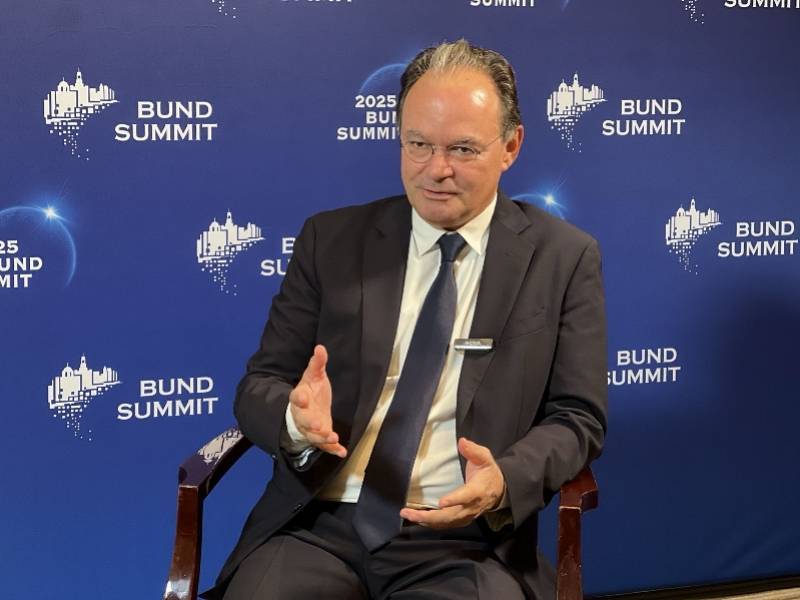
Core Insights - The article discusses the lessons learned from the Greek debt crisis, emphasizing the importance of crisis awareness in the face of global uncertainties [1][4][6]. Group 1: Economic Context and Crisis Management - Greece's fiscal deficit and debt-to-GDP ratio reached 12.7% and 113% respectively at the onset of the debt crisis, leading to a loss of trust from European partners and markets [1][4]. - The Greek government had to seek loans from the EU and the IMF to avoid default, which came with stringent fiscal adjustment requirements that have left Greece struggling to recover fully [1][4][6]. - The crisis highlighted that the stability of an economic system is contingent upon its weakest link, as Greece was the most vulnerable part of the Eurozone at that time [6][7]. Group 2: Lessons and Strategic Insights - Key lessons from the crisis include the necessity for timely decision-making in response to economic realities, as delaying actions can lead to dire consequences [6][7]. - The article stresses the importance of international cooperation to prevent future crises, noting that a high debt-to-GDP ratio does not always predict market reactions [7]. - The concept of "de-risking" is discussed, indicating that it should not equate to complete separation from trade and investment relationships, as this could be detrimental to both parties involved [8][9]. Group 3: Future Outlook and Geopolitical Considerations - The article suggests that Europe should continue to foster trade and investment cooperation with China, especially in light of the geopolitical landscape [8][9]. - It emphasizes the need for Europe to maintain strategic autonomy in emerging fields such as technology and artificial intelligence while acting as a bridge between major geopolitical players [8][9].
扛不住了!第1个对华妥协的美国盟友出现,特朗普被打脸
Sou Hu Cai Jing· 2025-10-24 05:07
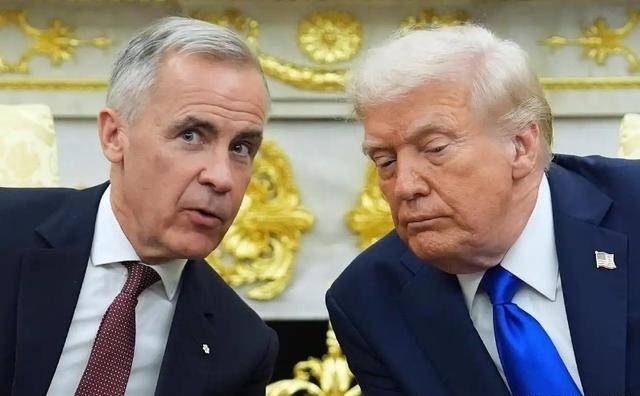
Core Points - The article discusses Canada's independent response to U.S. tariffs and China's retaliatory measures, highlighting its strategic autonomy in trade relations [1][2][3][5][7][10]. Group 1: U.S. Tariffs and Canadian Response - Since the strategic standoff between the U.S. and China, the U.S. has attempted to pressure China by excluding its products from global supply chains, implementing high tariffs on imports from various countries, including a 50% tariff on Canadian steel and aluminum [1]. - In response to U.S. pressure, Canada announced a 25% additional tax on steel and aluminum products containing Chinese components, alongside a 100% tariff on electric vehicles from China [1][2]. Group 2: China's Retaliation - China retaliated against Canada by imposing 100% tariffs on canola oil, oilseed meal, and peas, and a 25% tariff on seafood and pork, significantly impacting Canada's agricultural sector [2]. - Canada, being the largest canola exporter globally, faced severe economic consequences, with canola exports to China projected to reach approximately $3.63 billion in 2024, accounting for over half of its total agricultural exports [2]. Group 3: Diplomatic Efforts and Trade Negotiations - In light of the dual pressures from the U.S. and China, Canadian officials have been visiting China to address the canola trade dispute, which is crucial for the stability of Canada's agricultural economy [2][10]. - Canadian Prime Minister Carney met with President Trump to discuss trade barriers and tariffs, but did not make explicit commitments to strengthen North American trade restrictions [3]. Group 4: Tariff Adjustments and Industry Reactions - Canada announced a tariff exemption for certain steel and aluminum products that cannot be produced domestically, aimed at stabilizing supply chains, with specific details to be released later [3][5]. - The Canadian Steel and Aluminum Association expressed dissatisfaction with the exemptions, arguing that they could undermine the competitiveness of domestic producers [5][7]. Group 5: Strategic Autonomy and Future Outlook - Canada's actions reflect a pragmatic and independent economic policy, seeking to balance its interests amid U.S.-China tensions, while also negotiating tariff arrangements with the U.S. [7][10]. - The bilateral trade between Canada and China reached CAD 117.44 billion in 2024, indicating Canada's strategic moves may serve as a bellwether for increased autonomy among allies in the global trade landscape [7].
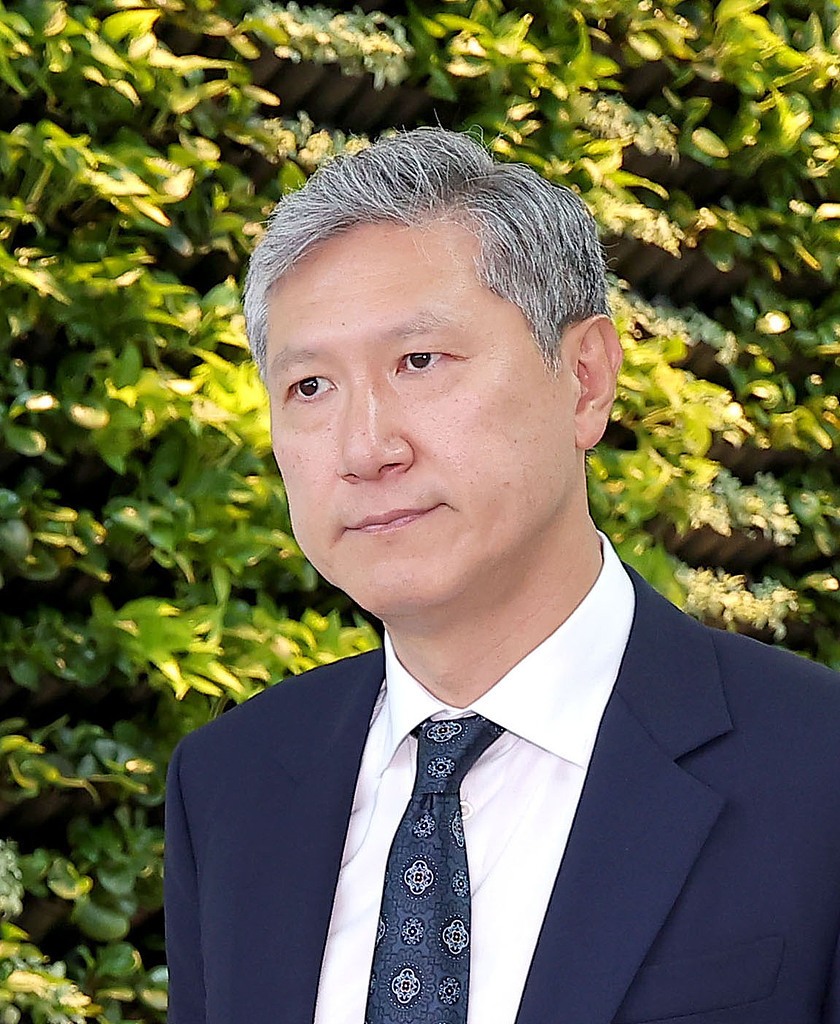
获任韩国驻华大使,韩前总统卢泰愚之子卢载宪赴华履新
Huan Qiu Shi Bao· 2025-10-16 22:43
Core Points - The appointment of Ryu Jae-hyun as the new South Korean ambassador to China is seen as a significant move to repair and stabilize South Korea-China relations under the new government led by Lee Jae-myung [1][4] - Ryu Jae-hyun's background as the son of former President Roh Tae-woo and his involvement in the establishment of diplomatic ties between South Korea and China highlight the importance of this appointment in the context of ongoing geopolitical tensions [3][4] - The new ambassador faces multiple diplomatic challenges, including balancing relations with the United States while restoring communication with China, particularly in sensitive areas like semiconductor and rare earth supply chains [4][5] Summary by Sections Appointment and Significance - Ryu Jae-hyun has been appointed to fill a 9-month vacancy in the South Korean ambassador position in China, signaling a shift in diplomatic strategy [1] - His appointment is viewed as a pragmatic approach to enhance diplomatic relations amid great power competition [3][4] Diplomatic Challenges - Ryu Jae-hyun is expected to address the cooling of South Korea-China relations that occurred during the previous administration and is tasked with restoring communication channels [4] - The new ambassador's role includes coordinating visits from Chinese leaders and engaging in discussions on critical economic issues [4] Economic and Public Sentiment Issues - Ryu Jae-hyun will focus on ensuring the security of South Korean supply chains in key areas such as rare earth materials, which are vital for the economy [4] - He also faces the challenge of managing domestic anti-China sentiment, particularly in light of recent allegations regarding Chinese interference in South Korean elections [5] - The South Korean government aims to strengthen public diplomacy and civil exchanges to counteract negative perceptions and enhance mutual trust [5]
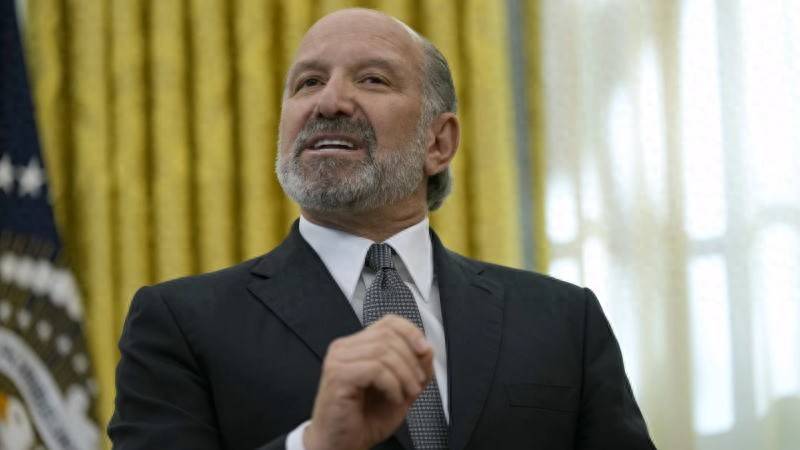
美国商务部长称:印度会在一两个月内就关税问题向美国道歉
Sou Hu Cai Jing· 2025-09-10 10:49
Core Viewpoint - The U.S. is exerting significant pressure on India, demanding it withdraw from BRICS and cease purchasing Russian oil, threatening a 50% tariff if it does not comply [1][5][15] Group 1: U.S. Pressure on India - U.S. Commerce Secretary Lighthizer has labeled India as a "vowel between Russia and China," demanding India stop acting as a bridge between the two nations [3] - The Trump administration has implemented a 50% punitive tariff on India, specifically targeting its purchases of Russian oil, which has put immense pressure on Indian exporters [5] - The U.S. Treasury Secretary has indicated that the issue extends beyond Russian oil, describing it as a "complex relationship" [5] Group 2: India's Response - In response to U.S. pressure, Modi has canceled plans to attend the UN General Assembly, opting for the Foreign Minister to represent India instead, signaling a firm stance against external pressure [8] - India's Finance Minister has publicly stated that the country will continue purchasing Russian oil due to its economic benefits, indicating that India will not sacrifice its economic interests to appease the U.S. [11] - Modi's recent attendance at the Shanghai Cooperation Organization summit and friendly exchanges with Chinese and Russian leaders suggest a shift in India's diplomatic posture towards a more multilateral approach [13] Group 3: Strategic Implications - India's oil purchases from Russia have surged from less than 2% pre-conflict to 40%, reflecting a strategic adjustment in response to global energy market fluctuations [9] - The tension in U.S.-India relations may inadvertently push India closer to BRICS and the Shanghai Cooperation Organization, potentially accelerating the process of global multipolarity [15] - India's approach reflects a desire to maintain strategic autonomy and balance between major powers, indicating a complex and evolving international relationship landscape [17][19]
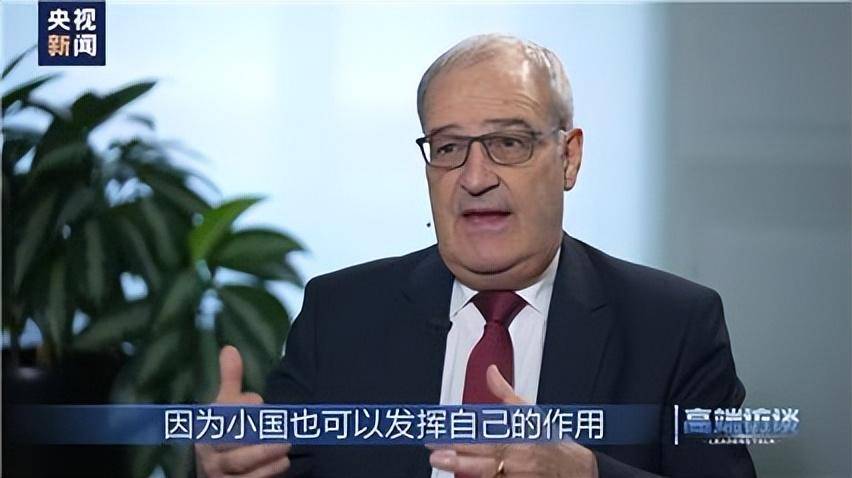
谁能想到,第一个倒下的不是乌克兰,而是百年中立的瑞士?
Sou Hu Cai Jing· 2025-08-29 23:07
Core Insights - The prolonged Russia-Ukraine conflict has unexpectedly destabilized Switzerland, a country known for its "permanent neutrality" and financial security [2][11]. Financial Sector Impact - Over the past three years, the total private wealth in the Swiss banking system has evaporated by an astonishing $480 billion, equivalent to half of Switzerland's GDP [5]. - The Swiss National Bank was forced to announce its sixth interest rate cut in August 2025, reducing rates by 25 basis points, indicating a significant financial strain [5]. Trade and Industry Challenges - The U.S. imposed punitive tariffs of up to 39% on Swiss key industries, including watches, machinery, and chocolate, which is more than double the tariffs on the EU [7]. - In 2023, Swiss watch exports reached 20 billion Swiss francs, but the new tariffs led to a sharp decline in orders, resulting in layoffs in factories [7]. Reputation and Trust Erosion - UBS faced severe repercussions in 2025 after being accused of aiding Russian oligarchs in laundering $1.2 billion, leading to a rapid transfer of $120 billion in assets from its private banking division [9]. - The signing of a financial data exchange agreement with the U.S. in June 2024 effectively dismantled Switzerland's century-old banking secrecy, which had attracted global wealth [13]. Political and Strategic Missteps - Switzerland's decision to abandon its 207-year-old neutrality by freezing $8.23 billion in Russian assets in alignment with the EU marked a significant shift in its international stance [11]. - The Swiss government underestimated the political ramifications of aligning with Western powers during the Russia-Ukraine conflict, leading to a rapid collapse of trust that took over two centuries to build [15][21]. Broader Implications - The situation in Switzerland reflects a broader philosophical question regarding the balance between principles and interests, with the country prioritizing short-term political alignment over long-term core values [29]. - The decline of Switzerland's neutrality has prompted other traditionally neutral countries to reconsider their foreign policies, indicating a shift in the global political landscape [21][34].
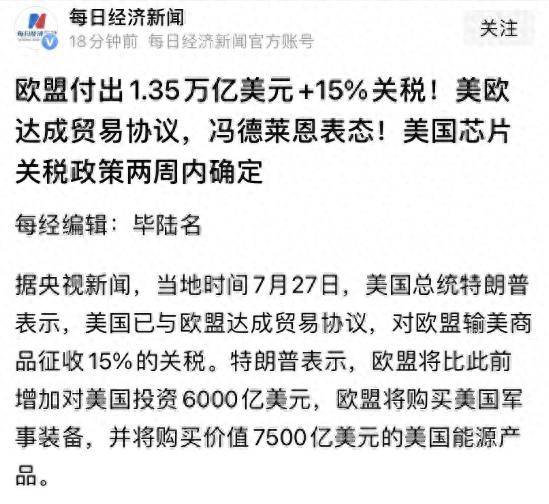
美欧达成史上最大贸易协议,欧洲吃亏吗?或反思为何当初不学中国
Sou Hu Cai Jing· 2025-07-28 07:28
Group 1 - The core point of the article is that the US and EU have reached a trade agreement that lowers tariffs on automobiles and other goods to 15%, which is half of the previously threatened 30% [1][2] - The EU's investment and purchase of US products will reach $135 million as part of the agreement [5][9] - The agreement is described as potentially the largest trade agreement in history, with US-EU trade accounting for 44% of global trade [2] Group 2 - The EU has made concessions to reach this agreement, which may lead to European funds flowing to the US instead of supporting local industries [7] - The EU's increased purchase of US energy products could reduce reliance on Russian energy but may increase dependence on the US, raising concerns about energy security [7] - Some key areas, such as tariffs on steel, aluminum, chips, and spirits, remain undetermined, leaving EU exports in these sectors facing uncertainty [11] Group 3 - Criticism has emerged regarding the agreement being imbalanced and potentially detrimental to European interests, with concerns about the high tariff levels being unsustainable in the long term [12][25] - The EU's complex political structure and differing national interests may hinder its ability to respond effectively to US pressure in trade negotiations [14][21] - In contrast, China has adopted a long-term strategic approach in trade negotiations, focusing on multilateral cooperation and reducing reliance on single markets [15][17][23] Group 4 - The article suggests that Europe may have missed opportunities to learn from China's trade strategies, which emphasize economic independence and strategic autonomy [19][21] - The EU's reliance on the US market and its challenges in forming a unified trade strategy highlight vulnerabilities in its trade negotiations [25]
冯德莱恩刚走就亮剑!千亿关税砸向美国,中方划红线后欧总算醒悟
Sou Hu Cai Jing· 2025-07-26 03:01
Group 1 - The EU is preparing a countermeasure plan against the US, indicating a shift in trade dynamics and a response to the US's unilateral tariff increases [1][9][14] - The EU's countermeasure includes a list targeting €100 billion worth of US goods, significantly higher than previous plans, signaling a stronger stance against US trade policies [9][14] - Germany's exports to the US are substantial, with €157.9 billion in 2024, making the country particularly vulnerable to US tariffs, which has prompted a more aggressive response from German officials [5][9] Group 2 - The EU's core demands from China include lifting rare earth export controls, halting energy trade with Russia, and addressing overcapacity issues, which clash with China's red lines [3][7] - Despite political tensions, practical cooperation between the EU and China is ongoing, with negotiations on electric vehicle subsidies and rare earth trade [3][7] - The EU's dependency on China for rare earths is significant, with 78% of its supply coming from China, highlighting the complexity of the EU's position in the trade landscape [7][9] Group 3 - The EU is increasingly viewing China as an independent partner rather than a subordinate in the context of US-China relations, reflecting a strategic shift in its foreign policy [3][14] - A survey indicates that 67% of German companies plan to increase investments in China, showcasing a growing interest in the Chinese market as a counterbalance to US pressures [9][14] - The trade relationship between the EU and China is projected to reach a record high of $847 billion in 2024, demonstrating the importance of this partnership for both sides [9][14]