抗衰老

Search documents
2025年中国NMN行业研究报告
艾瑞咨询· 2026-02-01 00:05
Core Viewpoint - NMN (β-Nicotinamide Mononucleotide) is gaining attention in the global health industry for its potential in anti-aging, DNA repair, and metabolic regulation, with significant advancements in regulatory approval and market potential expected by 2025 [1][2]. Industry Development - The NMN industry has evolved from laboratory research to commercial application, with major markets like the US, Japan, Canada, and Australia recognizing its legal status through various regulatory pathways [1][2]. - China is currently the largest producer of NMN raw materials, with leading companies building competitive barriers through technological innovation and industry chain layout [2]. NMN Definition and Function - NMN is a direct precursor of NAD+ (Nicotinamide Adenine Dinucleotide), crucial for delaying aging and enhancing physiological functions [3][4]. - Supplementing NMN can quickly elevate NAD+ levels in the body, playing a vital role in anti-aging, cardiovascular health, and metabolic improvement [4][6]. Synthesis Pathways - NMN supplementation shows significant advantages in NAD+ synthesis pathways compared to other precursors, with the highest conversion efficiency and no known adverse reactions [6][7]. Natural Sources and Supplementation - Natural food sources of NMN are limited, making NMN supplements, which can provide up to 300 times the dietary intake, more effective for achieving beneficial doses [8]. Synthesis Technology - The NMN synthesis process has shifted from chemical methods to fully enzymatic methods, focusing on high purity, safety, and environmental sustainability [10][12]. - Leading companies are innovating in full enzymatic synthesis and patenting technologies to create competitive advantages [12]. Market Trends and Demand - The aging population and increasing anti-aging awareness among younger demographics are driving demand for NMN products, with the market expected to grow significantly [19][21]. - The NMN market in China is projected to exceed 3 billion yuan by 2025, with applications expanding beyond health supplements and cosmetics into areas like pet nutrition and agricultural technology [28][24]. Application Areas - NMN is primarily used in health supplements (90% market share) and cosmetics (10-20% market share), with potential future applications in pet nutrition, medical health, and agricultural technology [24][28]. - The Chinese health supplement market is expected to surpass 430 billion yuan by 2025, indicating substantial growth potential for NMN products [40]. Sales Channels - NMN products are mainly sold through cross-border e-commerce and private channels, with cross-border platforms accounting for 60-70% of market share [35]. Regulatory Environment - The regulatory landscape for NMN is evolving, with significant progress in China towards legalizing NMN as a health supplement, which could reshape the market dynamics [17][61]. - The "blue hat" certification for health supplements in China represents the highest standard for product safety and compliance, which could significantly impact market structure if achieved [37]. Challenges and Opportunities - The NMN industry faces challenges such as exaggerated claims, lack of consumer awareness, and technological iterations, necessitating a focus on compliance and innovation to unlock market potential [61][63]. - Companies are encouraged to innovate their business models and extend their value chains to enhance competitiveness and market presence [66].


以岭药业20260126
2026-01-26 15:54
Summary of Yiling Pharmaceutical Conference Call Company Overview - Yiling Pharmaceutical focuses on traditional Chinese medicine (TCM) while actively expanding into chemical drugs, biological drugs, and health sectors, particularly in cardiovascular and respiratory diseases [2][3] Core Insights and Arguments - **Revenue Growth**: In 2025, Yiling achieved a significant turnaround with total revenue estimated between 1.2 to 1.3 billion yuan, despite a slight dip in Q4 profits due to concentrated expense recognition [3] - **Strategic Focus**: The company will continue to prioritize TCM while expanding into chemical and biological drugs, particularly in traditional areas like cardiovascular and respiratory diseases, and emerging fields such as anti-aging [3] - **R&D Investment**: Over half of the R&D budget is allocated to TCM, with the remainder split between chemical, biological drugs, and health products [3] - **Product Pipeline**: Yiling has a robust pipeline in various therapeutic areas, including a complete product chain for cardiovascular diseases and plans to launch 8 to 10 products for respiratory diseases [5][14] Industry Dynamics - **Basic Drug Directory Adjustments**: Anticipated changes in the basic drug directory are expected to encourage innovation, particularly for TCM products suitable for primary healthcare and pediatric medications [4][13] - **Market Growth Projections**: The cardiovascular market is projected to grow at 5-10% annually, while respiratory products like Lianhua Qingwen are expected to see annual growth of 5-10% [10][14] Key Developments - **Chemical and Biological Drugs**: Yiling has established a mature CDMO business, with the first new chemical drug, Ibuprofen, approved and several others in late-stage clinical trials [6][9] - **Endocrine Disease Products**: The company is expanding its product offerings in endocrine diseases, including treatments for diabetes complications [7] - **Supply Chain Management**: Yiling plans to expand its medicinal herb planting bases from 50 to 100 to enhance self-sufficiency and mitigate price fluctuations [12] Financial Performance and Strategy - **Profitability Focus**: The company has shifted its strategy to emphasize profitability and cash flow, resulting in improved gross margins and reduced inventory levels [4][26] - **Future Growth**: If new products are successfully launched, secondary products could see growth rates of 30-50% [11] Additional Insights - **Digital Transformation**: Yiling is enhancing its digital capabilities, including e-commerce strategies and smart manufacturing initiatives, to improve market reach and operational efficiency [22][24] - **Market Concentration**: The increasing concentration in the retail market is seen as beneficial for leading industrial companies like Yiling, allowing them to leverage a broad product line [23] Conclusion Yiling Pharmaceutical is strategically positioned for growth through its focus on TCM, innovative product development, and enhanced operational efficiency. The company is adapting to market changes and consumer needs while maintaining a strong emphasis on profitability and cash flow management.

AI医疗,未来10年最大风口!顶级风投展望2026,十大趋势颠覆医疗保健!
Xin Lang Cai Jing· 2026-01-26 13:25
Core Insights - Breyer Capital predicts that the intersection of AI and healthcare/life sciences will be the most lucrative investment opportunity in the next ten to twenty years [3] - The article emphasizes the transformative impact of AI on healthcare, highlighting five key insights, including the emergence of weight loss drugs, in vivo therapies, and anti-aging technologies driven by technology [5] Group 1: Market Trends - The healthcare technology sector is expected to undergo significant consolidation, with 2026 being a pivotal year for mergers and acquisitions in the private equity market [6] - In 2025, healthcare technology investments grew by 35% year-on-year to $14.2 billion, but over 40% of this capital was concentrated in a few mega-rounds, indicating a trend of capital concentration rather than broad recovery [7] - M&A activity surged by over 60%, while the IPO window remained largely closed [7] Group 2: AI in Clinical Applications - Clinical AI is redefining medical paradigms by shifting diagnostics from subjective, discrete judgments to objective, continuous quantitative monitoring [12] - AI is extracting new quantifiable signals from various data sources, pushing healthcare from discrete events to continuous physiological states [15] - The ACCESS payment model, set to launch in 2026, will incentivize continuous monitoring capabilities achieved through clinical AI [54] Group 3: AI in Drug Development - 2026 is anticipated to be a landmark year for AI in drug development, marking the emergence of new business models [17] - Traditional binary models of either developing drug assets or selling AI tools are breaking down, leading to more diverse transaction forms [17] - A core challenge remains in determining the value return for AI contributions in successful drug launches, especially given the high costs associated with drug development [55][56] Group 4: Weight Loss Drug Market - The GLP-1 drug market is evolving from a dual-monopoly of injectables to a competitive landscape with multiple forms and pathways [57] - The market is shifting from a supply-constrained state to one driven by efficacy, convenience, and price [60] - By 2035, the market size is projected to approach $180 billion, necessitating precise matching of therapies to patient types [61][62] Group 5: In Vivo Therapies - In vivo delivery is disrupting traditional ex vivo cell and gene therapies, allowing patients to become their own "production facilities" for drugs [65] - Recent significant transactions indicate that in vivo therapies are maturing, with the potential for scalable manufacturing [68] Group 6: Anti-Aging Research - The field of aging biology is gaining prominence in biomedicine, with major pharmaceutical companies investing heavily in this area [32][69] - Regulatory frameworks have yet to catch up with scientific advancements, particularly regarding the classification of aging as a disease [69] Group 7: Clinical Trials Transformation - Clinical trials are expected to undergo substantial changes in 2026, with a shift in how animal models and trial designs are approached [34] - The FDA's guidance on Bayesian statistical methods could lead to smaller, more efficient trials [70] Group 8: Preventive Healthcare - The trend towards consumer-centered preventive healthcare is accelerating, driven by demographic changes and rising user expectations [73] - Companies in preventive health must transition from providing mere information to building clinical infrastructures to capture long-term health value [74] Group 9: AI Development in Healthcare - The role of healthcare professionals is shifting from end-users to developers of software, with the emergence of Vibe Coding lowering barriers to software creation [75][78] - A wave of micro-applications is expected to arise, focusing on specific pain points in healthcare [78] Group 10: Autonomous Systems in Healthcare - Autonomous systems are moving from concept to real deployment in healthcare services and life sciences research [80] - The introduction of AI systems for automatic prescription renewals marks a significant shift towards decentralization in healthcare [81]
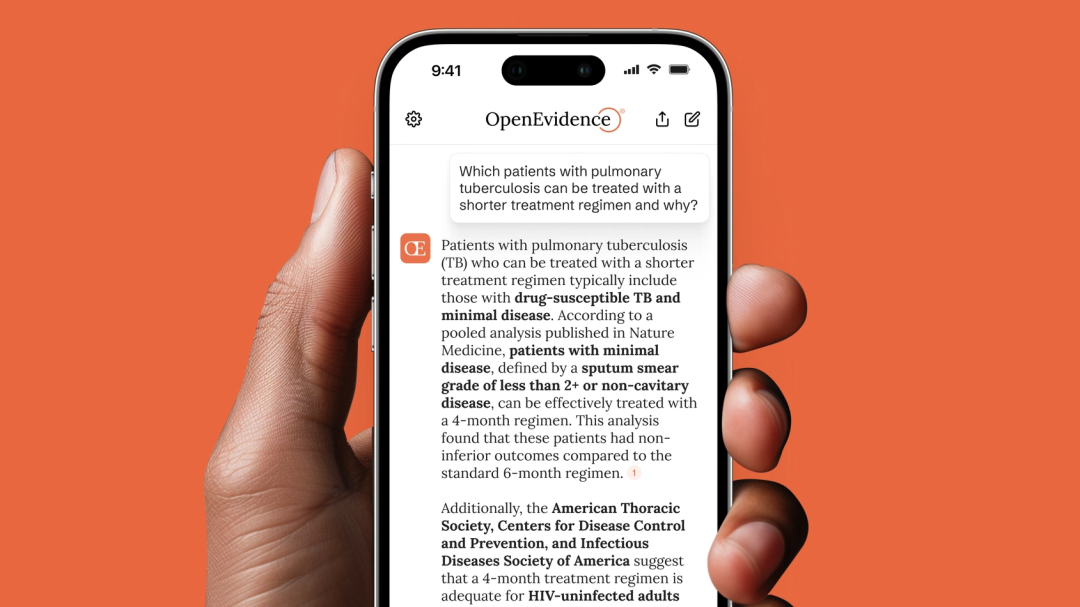
60多年历史的降糖“老药”能减重、抗衰?医生紧急提醒
Xin Lang Cai Jing· 2026-01-26 03:34
Core Viewpoint - Metformin, a long-established diabetes medication, is often referred to as a "miracle drug" due to its potential benefits beyond blood sugar control, including weight loss, anti-aging effects, and possible anti-cancer properties [1][2][3][4]. Summary by Sections Metformin's Primary Use - Metformin has been used for over 60 years as a first-line oral medication for type 2 diabetes, effectively lowering blood sugar levels by reducing liver glucose output and improving insulin resistance, with an average reduction in glycated hemoglobin of 1.0% to 1.5% [2][4]. Additional Benefits - Recent studies suggest that metformin may provide additional benefits, such as weight loss of approximately 3 kg in overweight or obese diabetic patients through appetite suppression and increased satiety, although it is not a weight loss drug [2][3]. - Metformin may reduce the risk of cardiovascular events like myocardial infarction and stroke by about 27%, potentially due to its effects on insulin resistance, inflammation, and endothelial function [3]. - In metabolic syndrome management, metformin can improve insulin resistance and may assist with lipid levels and fatty liver disease [3]. - Some observational studies indicate that metformin use in diabetic patients may lower the risk of certain cancers, such as breast and colorectal cancer, although it is not a standard cancer treatment [3]. - There are indications that metformin might reduce the incidence of age-related diseases, but the mechanisms and long-term safety are not fully understood [3]. Safety and Usage Guidelines - Metformin is considered a relatively safe and effective medication, but it should not be viewed as a "miracle drug." Its use must be based on clear medical indications and under professional guidance [4]. - Common side effects include gastrointestinal discomfort and vitamin B12 deficiency, which can lead to anemia or neuropathy if not monitored [6]. - Metformin is primarily indicated for type 2 diabetes, type 1 diabetes, polycystic ovary syndrome with insulin resistance, and high-risk diabetic populations [5].
Nature Metabolism:NAD+补充剂哪家强?
生物世界· 2026-01-21 04:28
Core Viewpoint - The article discusses a study comparing the effectiveness of three NAD+ supplements: Nicotinamide (Nam), Nicotinamide Riboside (NR), and Nicotinamide Mononucleotide (NMN), highlighting that NR and NMN significantly increase NAD+ levels in humans, while Nam does not show a significant difference compared to a placebo [2][3][9]. Group 1: Study Overview - The study was conducted by Nestlé Health Science and published in Nature Metabolism, focusing on the differential impacts of the three NAD+ boosters on human circulatory NAD+ levels and microbial metabolism [2][3][9]. - A total of 65 healthy participants were randomly assigned to four groups, receiving either NR (1000mg), NMN (1000mg), Nam (500mg), or a placebo for 14 days [9]. Group 2: Results - NR and NMN resulted in a doubling of NAD+ levels in participants, with increases of 49.4μM and 43.1μM respectively, while the Nam group showed no significant difference compared to the placebo group [9]. - The study indicates that the effectiveness of NR and NMN is due to their conversion to nicotinic acid (NA) by gut microbiota, leading to a sustained increase in NAD+ levels [11][12]. Group 3: Mechanism of Action - NR and NMN require gut microbiota for their metabolism, which ensures a gradual and stable increase in NAD+ levels, while Nam is rapidly absorbed, leading to transient effects [11][12]. - The research also highlights that NR and NMN not only enhance NAD+ levels but also promote the growth of beneficial gut bacteria and increase the production of short-chain fatty acids (SCFAs), suggesting dual health benefits [15]. Group 4: Implications for Supplementation - The findings suggest that NR and NMN are superior choices for NAD+ supplementation, emphasizing the need for long-term use to achieve stable effects [15]. - The study underscores the importance of gut microbiota in nutrient metabolism and suggests that personalized supplementation strategies for specific populations, such as the elderly or those with gut dysbiosis, warrant further exploration [15].

2025年中国NMN行业研究报告
艾瑞咨询· 2026-01-21 00:07
Core Viewpoint - NMN (β-Nicotinamide Mononucleotide) is gaining attention in the global health industry for its potential anti-aging benefits and metabolic regulation, with significant regulatory advancements expected by 2025 [1][2]. Industry Overview - The NMN industry has transitioned from laboratory research to commercial viability, with major markets like the US, Japan, Canada, and Australia recognizing its legal status [1][2]. - China is currently the largest producer of NMN raw materials, with a focus on technological innovation and regulatory compliance as key drivers for industry growth [2]. NMN Definition and Function - NMN is a direct precursor to NAD+ (Nicotinamide Adenine Dinucleotide), crucial for various biological functions including energy metabolism and DNA repair [3][4]. - Supplementing NMN can enhance NAD+ levels, which decline with age, thereby playing a role in anti-aging and improving cardiovascular health [4][6]. Synthesis Pathways - NMN supplementation is more efficient than other NAD+ synthesis pathways, with no known adverse effects, making it a promising option for clinical applications [6][7]. Market Dynamics - The global NMN market is projected to exceed 30 billion yuan by 2025, driven by increasing demand from aging populations and younger consumers seeking anti-aging solutions [28]. - NMN's primary applications are in health supplements (90% market share) and cosmetics (10-20% market share), with potential expansion into pet nutrition and agricultural technology [24][28]. Regulatory Environment - The regulatory landscape for NMN is evolving, with significant milestones achieved in various countries, including China’s approval process for NMN as a health supplement [17][18]. - The "blue hat" certification in China represents the highest standard for NMN products, indicating safety and compliance [37]. Technological Innovations - Advances in synthesis methods, particularly the full enzyme method, are enhancing NMN production efficiency and purity, while also reducing costs [10][12]. - Innovations in delivery technologies are improving the bioavailability of NMN, ensuring better absorption and efficacy [22]. Competitive Landscape - Leading companies in the NMN sector are focusing on patenting innovative synthesis methods and expanding their product lines to establish competitive advantages [12][32]. - Companies like Gene Harbor and Kangying Hongmei are at the forefront of NMN production, leveraging technological advancements to enhance market presence [12][32]. Future Prospects - The NMN industry is expected to see significant growth as regulatory barriers are lowered and consumer awareness increases, particularly in the health and beauty sectors [44][51]. - The potential for NMN to penetrate new markets, such as pet nutrition and agricultural applications, presents additional growth opportunities [53][56].

抖音30+她经济:三类品牌抢走欧莱雅们的生意
3 6 Ke· 2026-01-20 00:28
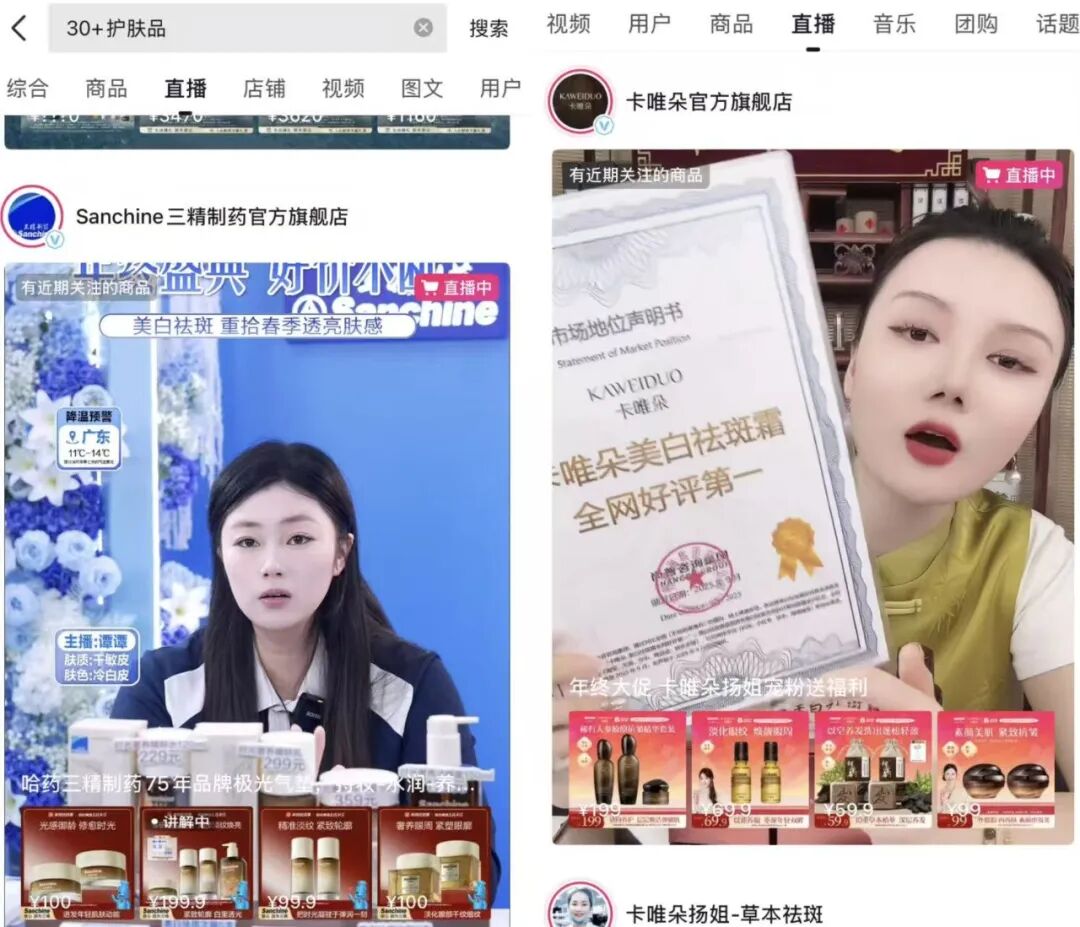
Core Insights - The article discusses the competitive landscape of the beauty market on Douyin, highlighting that L'Oréal has fallen out of the top ten rankings, while lesser-known brands are rapidly gaining market share [1][3] - The rise of brands targeting the 30+ demographic, particularly middle-aged women, is identified as a significant growth driver in the cosmetics industry [3][7] Market Trends - The 30+ age group accounts for nearly 90% of skincare consumption on Douyin, with the 31-40 age bracket being the largest segment at 35.05% [7] - The skincare needs of this demographic focus on anti-aging, spot removal, and medical beauty recovery, indicating a mature consumer decision-making ability and willingness to pay [9][47] Brand Performance - New brands like MEICHIC and Aiposa have entered the market and achieved significant sales, with MEICHIC's flagship product, a 99 yuan luxury cream, becoming a bestseller [10][12] - Pharmaceutical brands such as Mayinglong and Sanjing Pharmaceutical are also performing well in the eye cream category, with Mayinglong ranking third in the top five eye creams [13][39] Emerging Brands and Strategies - A variety of new brands are emerging, focusing on the 30+ demographic and achieving monthly GMV of over 10 million yuan, with some surpassing 100 million yuan [20][22] - These brands employ different strategies, including leveraging founder IPs, offering affordable luxury products, and utilizing targeted marketing to address specific consumer pain points [23][24] Competitive Landscape - Three main strategies are identified among brands targeting the 30+ demographic: 1. Brands using founder IPs and affordable luxury products to attract middle-aged consumers [24][29] 2. Korean brands positioning themselves as high-end skincare options, often utilizing celebrity endorsements [32][34] 3. Pharmaceutical and white-label brands focusing on eye care products, leveraging scientific credibility and targeted marketing [37][39] Consumer Insights - The demand for anti-aging products is becoming a necessity rather than an option, driven by the economic empowerment and health consciousness of the 30+ demographic [47][54] - The anti-aging market in China is projected to reach 178.6 billion yuan by 2030, indicating substantial growth potential [47] Challenges and Considerations - Despite the rapid rise of these brands, their growth heavily relies on high-frequency live streaming and significant advertising investments, raising concerns about sustainability [55] - Transitioning from a focus on explosive sales to long-term brand value will require improvements in research and development, user engagement, and quality control [55]

2025年度10大营养热词发布
Xin Lang Cai Jing· 2026-01-12 19:03
Core Insights - The article discusses the release of the top ten nutrition buzzwords for 2025, reflecting public interest and trends in nutrition and health [2] Group 1: Pre-prepared Meals - "Pre-prepared meals" are defined as factory-processed, pre-packaged dishes, and should be evaluated based on safety and nutritional value rather than labeled as simply "good" or "bad" [3] - Consumer concerns about pre-prepared meals include poor ingredient quality, use of additives, unsatisfactory taste, and low nutritional value, most of which can be addressed through scientific processes and strict management [3] - Consumers are advised to pay attention to ingredient lists and nutritional labels, particularly sodium and fat content, and to complement pre-prepared meals with fresh fruits and quality staples for balanced nutrition [4] Group 2: Anti-inflammatory Diet - Chronic inflammation is linked to various diseases, and public interest has shifted from "beauty and anti-inflammation" to "disease prevention and anti-inflammation" [5] - An anti-inflammatory diet emphasizes the consumption of fresh plant-based foods, healthy fats, and high-antioxidant ingredients while reducing processed foods and certain meats [6] Group 3: Anti-aging - Anti-aging focuses on delaying the aging process and improving quality of life, with a shift towards proactive health management across all age groups [7] - Research indicates that a high-quality diet is associated with reduced risks of functional decline and improved metabolic and cognitive health [7] Group 4: Smart Canteens - Smart canteens utilize information technology to enhance food safety, nutrition management, and operational efficiency, catering to various settings like schools and communities [8] Group 5: Gut Health - Gut microbiota plays a crucial role in health, influencing immune function and chronic inflammation, which can be disrupted by poor diet and lifestyle [9] - A diet rich in dietary fiber and low in processed foods is essential for maintaining a healthy gut microbiome [10] Group 6: Sleep Health - Sleep quality is critical for overall health, with a significant portion of the population experiencing sleep disorders, which can lead to increased inflammation and health risks [11] - Certain foods can aid sleep, while lifestyle changes are necessary for improving sleep quality [11] Group 7: Microplastics - Microplastics are prevalent in the environment and food supply, but their health impacts remain unclear due to a lack of reliable detection methods [12] Group 8: Healthy Aging - Healthy aging emphasizes the importance of nutrition throughout the life cycle to extend healthy life expectancy and reduce disease burden [13] Group 9: Weight Management - Public interest in weight management is increasing, with a focus on maintaining a healthy weight through balanced diets and regular physical activity [14] Group 10: Immunity - The understanding of immunity is evolving, with a focus on maintaining immune homeostasis through balanced nutrition and lifestyle choices [15]

香港中文大学重磅发现:GLP-1不只是减肥药,它可能正在“系统性逆转衰老”
GLP1减重宝典· 2026-01-09 13:06
Core Viewpoint - The recent research indicates that GLP-1 receptor agonists have potential beyond weight management and metabolic improvement, showing systemic anti-aging effects at the molecular level in aged mice, which could redefine the long-term value and boundaries of GLP-1 drugs [4][5]. Group 1: Research Findings - Long-term, low-dose GLP-1 receptor agonist intervention in aged mice resulted in significant changes in gene expression related to aging, reversal of DNA methylation abnormalities, and a trend towards youthful metabolic states [5]. - The observed anti-aging effects were not solely due to reduced appetite or weight loss, suggesting an independent biological mechanism at play [5]. - The changes were primarily noted in high-energy, aging-prone tissues such as the hypothalamus, cortex, hippocampus, heart, skeletal muscle, adipose tissue, and immune cells, indicating a more youthful biological state in treated aged mice [5]. Group 2: Mechanism Insights - The hypothalamus plays a crucial role in mediating the systemic anti-aging effects of GLP-1, indicating a "brain-body axis" that influences the aging process [8]. - The action trajectory of GLP-1 at the multi-omics level is similar to that of mTOR inhibition, suggesting that GLP-1's health benefits may arise from overlapping underlying pathways, positioning it as a potential platform for health intervention beyond single disease treatment [8]. Group 3: Industry Implications - The indications for GLP-1 drugs are expanding from obesity and diabetes to cardiovascular, neurodegenerative diseases, and "healthy aging," significantly extending the lifecycle of the patient population [9]. - The valuation logic for companies involved in GLP-1 production may fundamentally change, as these drugs could become central to anti-aging and long-term health management rather than just weight management tools [9]. - The research highlights a shift in the pharmaceutical industry's perception of aging as an intervenable process, with GLP-1 drugs entering core discussions on health span and longevity [9].

2025年中国NMN行业研究报告
艾瑞咨询· 2026-01-09 00:05
Core Viewpoint - NMN (β-Nicotinamide Mononucleotide) is gaining global attention in the health industry for its potential anti-aging, DNA repair, and metabolic regulation benefits, with significant regulatory advancements expected by 2025 [1][2]. Industry Development - The NMN industry has evolved from laboratory research to commercial applications, with major markets like the US, Japan, Canada, and Australia recognizing its legal status through various regulatory pathways [1][2]. - China is currently the largest producer of NMN raw materials, with leading companies building competitive barriers through technological innovation and industry chain layout [2][19]. Regulatory Environment - The global regulatory landscape for NMN is shifting from strict restrictions to cautious openness, with significant milestones achieved in countries like Japan, Canada, the US, and Australia [17][18]. - In China, NMN has been approved as a new cosmetic ingredient and is on the path to becoming a recognized health food, with the National Market Supervision Administration listing it for health food approval in April 2025 [17][18]. Market Demand - The aging population in China is driving the "silver economy," with projections indicating that the elderly population will grow from 320 million to 390 million between 2025 and 2030, creating a substantial market for anti-aging products [19]. - The younger generation, particularly those born in the 1990s, is increasingly aware of anti-aging needs, further boosting market demand for NMN products [19]. Technological Advancements - Innovations in synthesis, quality testing, and delivery methods are driving the NMN industry forward, with full enzyme methods significantly enhancing production efficiency and reducing costs [21][22]. - The transition from chemical synthesis to full enzyme methods is leading to higher purity and environmental sustainability in NMN production [10][12]. Application Areas - NMN is primarily used in health supplements and cosmetics, with the health supplement market accounting for nearly 90% of its applications, including anti-aging and immune support products [24][28]. - Future applications are expected to expand into pet nutrition, medical health, and agricultural technology, opening new growth avenues for the industry [24][28]. Market Size and Growth - The NMN market in China is projected to exceed 3 billion yuan by 2025, driven by increasing regulatory clarity and expanding applications in various sectors [28][32]. - The market has been growing steadily since 2020, with significant penetration into health supplements and cosmetics [28][32]. Sales Channels - NMN products are primarily sold through cross-border e-commerce and private channels, with cross-border e-commerce accounting for 60% to 70% of market share [35][34]. - Brand private channels are also showing strong performance, capturing about 30% of the market share [35]. Certification and Standards - The "blue hat" certification for health foods in China represents the highest standard for NMN products, indicating safety and compliance [37]. - Achieving this certification could significantly reshape the market landscape for NMN products in China [37]. Future Prospects - The NMN industry is poised for growth, with regulatory breakthroughs expected to enhance market opportunities, particularly in the cosmetics sector [51]. - The potential for NMN in pet nutrition, medical health, and agricultural technology is also being explored, indicating a broadening of its application scope [53][56][58].