抱团出海

Search documents
非洲16国企业代表赴浙“取经” 双向奔赴织就“数字丝路”
Zhong Guo Xin Wen Wang· 2025-09-20 22:17
Core Viewpoint - The event highlighted the importance of collaboration between African and Chinese businesses, emphasizing that the "Silk Road" is not just a trade route but also a pathway for ideas, innovation, and partnerships [1]. Group 1: Event Overview - The procurement matchmaking event took place from September 18 to 20 in Jinhua, Zhejiang, with representatives from 16 African countries exploring cooperation opportunities with Chinese companies [1]. - The event featured visits to various companies, including the Pulse Chain Group and Zhejiang Runfeng Health Technology Co., showcasing the potential for collaboration [1]. Group 2: Business Insights - The Pulse Chain Group's chairman compared traditional foreign trade to a slow train, while e-commerce is likened to a high-speed train, underscoring the need for collective efforts in international trade [1]. - The digital platform developed by Pulse Chain Group integrates production, channels, and service resources, attracting 447 factories, 100 distributors, and 125 brands [1]. Group 3: Market Potential - A representative from Zimbabwe noted the potential of the Chinese market after selling out his honey and beeswax products at the event, indicating strong demand [2]. - The Yiwu International Trade City, known as the "world supermarket," features over 75,000 stalls and more than 2.1 million products, impressing African business representatives [2]. Group 4: Cooperation Agreements - Multiple cooperation projects were established during the event, including a procurement agreement worth approximately $32 million for electric tools between Zhejiang Huichuang Industrial Co. and a Nigerian company [3]. - The event also facilitated service agreements between Chinese e-commerce companies and businesses from Ethiopia, Gabon, and Madagascar, focusing on international business consulting and trade matching [3]. Group 5: Future Outlook - The event organizers emphasized the need for unity and collaboration to achieve mutual benefits, with plans to continue building high-quality trade platforms and enhancing legal service support for sustainable trade relations [3].
从单打独斗到集体出海,新消费品牌掀起一场"中国潮流"风暴
Sou Hu Cai Jing· 2025-08-28 18:07
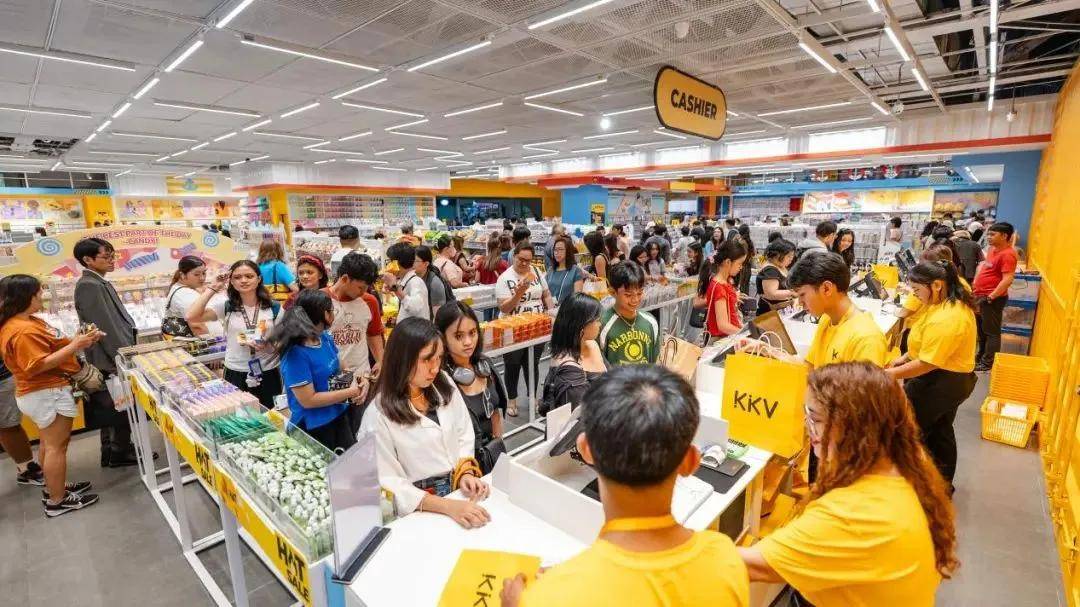
Core Insights - A new wave of Chinese brands is rapidly expanding in Southeast Asia, driven by a collective approach to market entry, contrasting with the previous individualistic strategies [3][4][9] - The success of brands like KKV and Mixue Ice City highlights the effectiveness of this "group army" strategy, allowing for shared resources and reduced entry barriers [4][10][16] Group 1: Market Dynamics - Southeast Asia is experiencing a "new consumption boom," with Chinese brands redefining market rules through collective efforts [3][4] - The region's young population, with a median age below 30, presents significant consumer potential, as these individuals are more open to new brands and products [21][23] - Cultural similarities, particularly in areas with large Chinese communities, lower the adaptation costs for Chinese brands entering these markets [23][24] Group 2: Brand Success Stories - Mixue Ice City has opened nearly 5,000 stores in Southeast Asia within two years, showcasing a rapid expansion strategy that resonates with local consumers [4][6] - Bubble Mart's LABUBU character has gained popularity in Thailand, indicating a shift in local consumer habits towards Chinese trendy products [6][8] - Brands like KKV are facilitating the entry of over 100 Chinese brands into Southeast Asia, significantly increasing their market presence and sales [9][10] Group 3: Innovative Business Models - KKV's model includes zero entry fees and comprehensive support for product certification and logistics, making it easier for brands to enter the market [10][16] - The establishment of a unified certification service and shared marketing strategies among brands enhances operational efficiency and reduces costs [16][17] - Data-driven decision-making through KKV's retail management system allows brands to quickly adapt to consumer preferences and optimize their offerings [17] Group 4: Strategic Advantages - The RCEP agreement has facilitated trade by reducing tariffs and improving logistics, further benefiting Chinese brands in Southeast Asia [25][26] - The ongoing infrastructure development in Southeast Asia provides ample opportunities for retail brands to establish a strong presence [27] - The rise of social media and e-commerce platforms has created new marketing channels, allowing brands to engage with consumers effectively [27][28] Group 5: Future Outlook - The success of Chinese brands in Southeast Asia is seen as a stepping stone for global expansion, with plans to replicate successful models in other regions [28][36] - The anticipated growth of KKV and its associated brands could lead to a significant increase in their international market share by 2027-2028 [32] - The overall trend indicates a shift from "Made in China" to "Created in China," emphasizing cultural influence alongside commercial success [36]

中国二手车出口狂飙:从“卖车”转向“卖服务”
2 1 Shi Ji Jing Ji Bao Dao· 2025-08-27 14:59
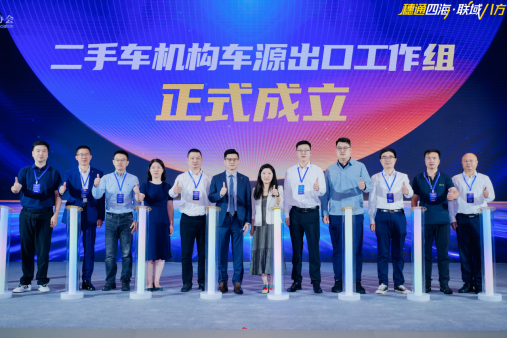
Core Insights - The Chinese used car export market is experiencing explosive growth, with exports expected to exceed 436,000 units in 2024, a year-on-year increase of 46.5% [2] - The market is currently benefiting from a combination of policy advantages and surging demand, supported by a robust supply chain and a large vehicle ownership base of over 400 million [2][4] - The industry is moving towards standardization and collaboration to address challenges such as fragmented supply sources and high costs associated with vehicle inspection and after-sales service [3][12] Market Demand and Supply - There is a significant demand for used cars in emerging markets, particularly in countries like Nigeria, Pakistan, and Indonesia, where economic growth is driving up vehicle ownership [5] - The average price of a Chinese used car is approximately 106,000 yuan, with a substantial portion being domestic brands and a high proportion of new energy vehicles [6][7] - The used car export market is projected to reach 5 million units annually within the next decade, with a target of increasing the global share of Chinese used car exports from less than 8% to 50% [6] Challenges in Exporting - The used car supply is highly fragmented, making it difficult to meet the demands of overseas buyers who often require uniformity in vehicle models [9] - Quality inconsistency and lack of transparency in vehicle conditions pose significant barriers to export, leading to increased costs for inspections and certifications [10] - After-sales service remains a critical issue, with complaints from overseas buyers regarding the lack of support and warranty fulfillment [11] Strategic Initiatives - The establishment of the "Used Car Source Export Working Group" aims to unify standards, enhance transparency, and create a comprehensive service ecosystem for used car exports [12][14] - The working group will focus on four key areas: establishing vehicle standards, promoting product standardization, ensuring transparency in vehicle conditions, and building a robust overseas service network [14] - Companies are encouraged to shift from merely selling cars to providing comprehensive services, integrating supply chains, and enhancing customer trust through reliable information [12][14]
跨境电商谋变:产业带联盟“抱团出海”,破局中东南美市场
2 1 Shi Ji Jing Ji Bao Dao· 2025-08-16 12:08
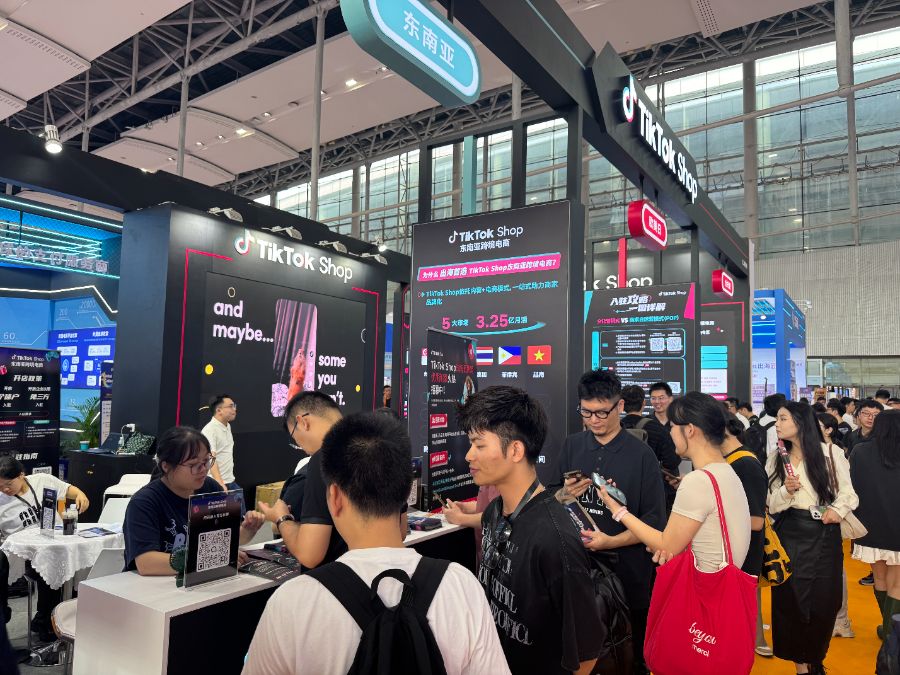
Core Insights - The 2025 China (Guangzhou) Cross-Border E-Commerce Fair highlights the growing trend of "collective overseas expansion" among various industries, with numerous industry alliances forming to enhance bargaining power and adapt to new sales channels [1][3][5] - Despite complex foreign trade conditions, cross-border e-commerce is seen as having long-term growth potential, particularly in emerging markets like the Middle East and South America, where demand for various products is increasing [3][4][12] Industry Trends - The fair showcased 18 advantageous industrial clusters, including beauty products from Guangzhou and home appliances from Foshan, which have formed alliances to create themed exhibition areas [1][3] - Companies like Paofu Media are leveraging their influence in social media to help Chinese brands and factories expand internationally through a model termed "overseas alliances" [4][5] - The development of cross-border e-commerce is viewed as evolving through three stages: from a seller's market to product-driven strategies, and now towards a more integrated approach combining manufacturing and sales capabilities [5][7] Market Opportunities - The beauty industry is increasingly focusing on brand awareness and international market expansion, with initiatives to help companies establish their brands overseas [7][12] - SHEIN's "500 City Industrial Belt Overseas Expansion Plan" aims to cover nearly 400 cities by mid-2025, promoting participation in cross-border e-commerce through numerous activities [8] - Emerging markets, particularly in Southeast Asia and Latin America, are becoming key areas for growth, with companies like Aiqishi targeting these regions for product penetration [11][12][14] Challenges and Adaptations - The ongoing U.S.-China tariff disputes and the potential end of the "small package exemption" policy pose challenges for cross-border e-commerce platforms like Temu and SHEIN [9][11] - Companies are increasingly focusing on enhancing product innovation and adapting to new market demands to maintain competitiveness in the face of changing trade policies [11][12] - The overall cost advantage of Chinese beauty products is becoming more pronounced, as global economic downturns highlight their value proposition compared to Western brands [12]
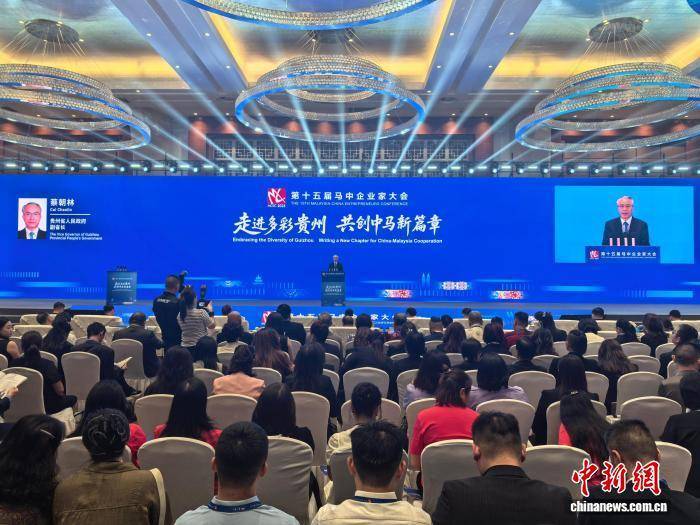
第十五届马中企业家大会启幕 各方期创造更多合作机遇
Sou Hu Cai Jing· 2025-08-12 10:14
Group 1 - The 15th Malaysia-China Entrepreneurs Conference aims to deepen cooperation between enterprises of both countries, especially small and medium-sized enterprises, to promote traditional enterprise transformation and achieve mutual benefits [3][4] - The conference adopts a rotating hosting model between China and Malaysia, serving as an important bridge for Malaysia-China economic and trade interaction [3] - The Malaysian-China Chamber of Commerce President highlighted that the period from 2026 to 2027 will be one of the most unstable and uncertain times for the global business environment, emphasizing the need for collaborative development and long-term cooperation among enterprises [3][4] Group 2 - Guizhou Province is eager to expand cooperation with Malaysia in trade, investment, and cultural tourism, aiming to create a market-oriented, rule-of-law, and international business environment [3][4] - The conference featured a launch of "Malaysia Tourism Year" and included promotional activities from various Malaysian and Guizhou organizations focusing on tourism and economic resources [5] - Recent trade data indicates significant growth in trade between Guizhou and Malaysia, with a 72.2% increase in goods trade and a 169.5% increase in service trade year-on-year for 2024, alongside a 454.3% increase in Malaysian tourist arrivals to Guizhou [5]
华立工业园:制造企业落脚海外的“工业唐人街”
3 6 Ke· 2025-08-01 10:31
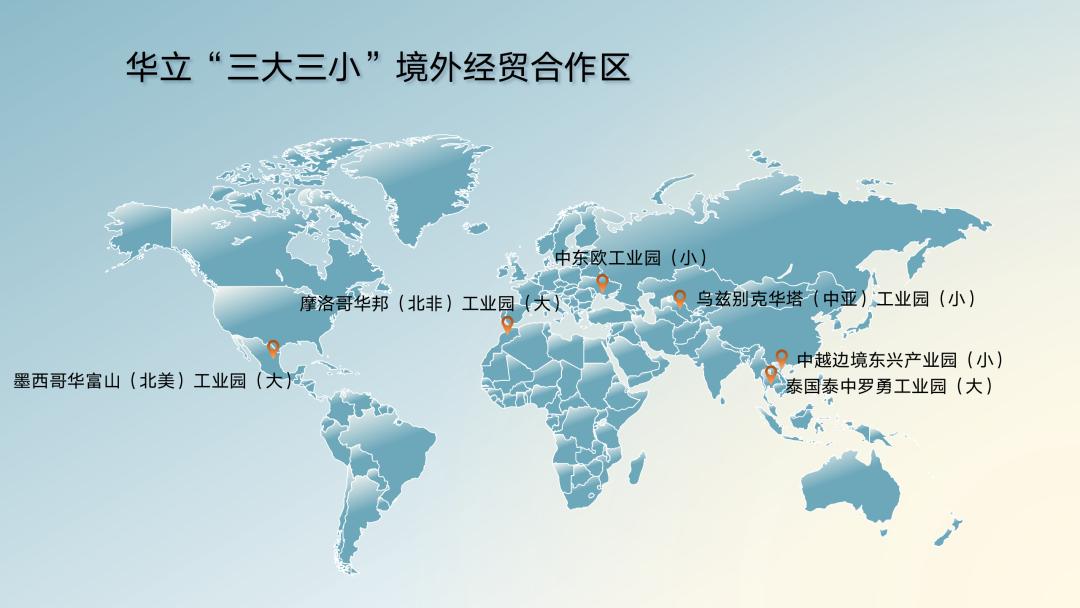
Core Insights - The article discusses the development of overseas industrial parks by Huali Group, which serves as a platform for Chinese companies to enter new markets and provides localized services to support their expansion [1][2][3] Group 1: Overview of Huali's International Expansion - Huali Group's first step into international markets began with a shift from mergers and acquisitions to greenfield investments, starting with Thailand [2][3] - The establishment of the Thai-China Rayong Industrial Park in 2005 marked a significant milestone, attracting over 400 Chinese enterprises and generating a total output value exceeding $30 billion [4][10] - Huali's strategy includes a "three large, three small" industrial park model, focusing on major markets in Southeast Asia, North America, and North Africa, while also developing smaller parks in Central Asia and Eastern Europe [5][7][8] Group 2: Strategic Partnerships and Local Adaptation - Huali's collaboration with local partners, such as the Amata Group in Thailand, has been crucial for developing industrial parks that cater to specific market needs [3][5] - The company emphasizes the importance of understanding local conditions and adapting services to meet the unique demands of each market, as seen in their approach to the Uzbekistan industrial park [8][10] - Huali's industrial parks are designed to provide comprehensive support, including assistance with regulatory processes, local partnerships, and market entry strategies for Chinese companies [10][11] Group 3: Operational Advantages and Service Model - Huali's industrial parks leverage deep local resources and experience to offer one-stop services, which are essential for the success of Chinese enterprises abroad [10][12] - The company's revenue model has evolved from traditional land leasing to generating value through comprehensive service offerings for tenant companies [11][12] - Huali aims to create a collaborative ecosystem that enhances the competitiveness of its tenants while also advocating for favorable policies from local governments [12]

居然智家(000785) - 居然智家新零售集团股份有限公司投资者关系活动记录表
2025-06-12 11:20
Group 1: Business Strategy and Development - The company aims to transform into smart home experience centers, with 20 stores upgraded by the end of March 2025 [1] - The establishment of 15 integrated experience centers has been achieved by the end of March 2025 [1] - The company has launched thousands of themed marketing activities to embrace policy benefits [1] Group 2: Digital Transformation and Innovation - The company is developing a smart招商管理 system to enhance supply-demand matching through digitalization [1] - AI design tools are being utilized to promote smart home decoration and marketing, with overseas expansions in North America and Singapore [1] - The company is focusing on four new consumption scenarios: smart living, green low-carbon living, smart elderly care, and health management [1] Group 3: International Expansion - The company is preparing to open a store in Kuala Lumpur, Malaysia, in Q3 2025 as part of its international strategy [2] - The international strategy emphasizes "industry collaboration and collective overseas expansion" [2] Group 4: Financial Management and Shareholder Communication - The company is committed to enhancing profitability and shareholder value amidst stock price fluctuations due to macroeconomic factors [2] - Various market value management tools are being employed to improve shareholder returns [2] - The company is actively communicating with investors to enhance value transmission [2] Group 5: Audit and Compliance Issues - The company is addressing audit concerns related to the actual controller's legal issues, ensuring normal operations continue [2] - Measures are being taken to eliminate the impact of the audit report's reserved opinion [2] - The company is committed to complying with legal obligations regarding information disclosure [2]

2025年第19周:跨境出海周度市场观察
艾瑞咨询· 2025-05-22 09:47
Core Insights - The article highlights the emerging opportunities for Chinese brands in the automotive aftermarket to expand internationally, particularly in Southeast Asia, the Middle East, and Europe, driven by increasing demand and technological innovation [2] - It discusses the trend of Chinese companies adopting a "group out" strategy to mitigate risks associated with globalization, emphasizing collaboration and resource sharing among enterprises [5] - The article also explores the innovative approaches of Chinese cultural IPs in global markets, showcasing successful cases like "Nezha" and the importance of creating a collaborative ecosystem around IP [6] - It outlines the strategic responses of Chinese enterprises to global challenges, focusing on compliance, risk management, and the need for a shift in mindset towards becoming rule-makers in international trade [7] Industry Environment - The Chinese automotive aftermarket is entering a golden period for brand internationalization, with exports projected to rise from 2.01 million units in 2021 to 5.86 million units by 2024, particularly in the new energy vehicle sector [2] - A new "Smart Terminal Overseas Service Innovation Alliance" has been established to enhance digital service capabilities for smart terminal exports, with expectations of reaching $250 billion in export value by 2024 [3] - The "group out" strategy is gaining traction among Chinese companies, focusing on service-oriented overseas expansion and collaborative resource sharing to build competitive advantages [5] Cultural and IP Expansion - The success of Chinese IPs like "Nezha" demonstrates the potential for cultural exports, with the film grossing over 15 billion yuan during the 2025 Spring Festival, highlighting the importance of IP-driven ecosystem development [6] - The article emphasizes the shift from product-focused strategies to creating immersive experiences and cross-industry collaborations to enhance brand recognition and cultural resonance [6] Globalization Strategies - Chinese companies are advised to adopt three key strategies in response to global challenges: "stop the bleeding" by ceasing high-risk activities, "blood production" by exploring new revenue sources, and "blood exchange" by fostering international perspectives [7] - The article stresses the importance of legal compliance and supply chain restructuring to enhance global competitiveness [7] Regional Focus - Chinese construction firms are making significant strides in the Middle East, with investments totaling several billion dollars, positioning the region as a key market for Chinese infrastructure projects [8][9] Company Dynamics - Yili's international business is projected to show results in the next five years, with a revenue target of 115.78 billion yuan in 2024 and a focus on steady growth in Southeast Asia [12] - Tencent Cloud is accelerating its international expansion in Japan, with plans to build a third data center and launch a food reservation mini-program to cater to Chinese tourists [14] - Moutai's overseas revenue is expected to reach $970 million by 2024, with a 37.53% increase in Q1 2025, as the company focuses on cultural output and quality enhancement [15] - The rapid growth of Pop Mart's overseas revenue by 480% in Q1 2025 illustrates the effectiveness of its "IP + trendy toys + experience economy" model in global markets [21]

武汉“抱团出海”开新局:一月内四支团组率队出海,全力打好外贸“突围战”
21世纪经济报道· 2025-04-24 00:26
Core Viewpoint - The article emphasizes the importance of "going global" for businesses, highlighting Wuhan's proactive approach in organizing collective overseas trade missions to enhance international market presence and secure orders [1][8]. Group 1: Overview of "Going Global" Initiatives - Wuhan has initiated a "group going global" model, organizing trade missions for local companies to various countries including Germany, Spain, and the USA, resulting in over 600 overseas client connections and a cooperation intention amount exceeding 93 million USD [1][5]. - The Wuhan government has demonstrated organized and innovative strategies to navigate the complex international trade landscape, aiming to boost local businesses' confidence in foreign trade [1][8]. Group 2: Specific Company Experiences - Yutuo Laser Equipment Co., led by Chairman Xiang Guangwu, participated in the Hannover Messe in Germany, marking their first time exhibiting as a participant, which facilitated significant face-to-face negotiations and a partnership with an Italian agent [2][3]. - The company has focused on overseas markets since its inception in 2016, capitalizing on the growing domestic demand for laser cutting and welding technologies [2]. Group 3: Trade Mission Outcomes - The trade missions included four professional exhibitions and multiple supply-demand matching meetings, resulting in 480 overseas clients being received and cooperation intentions amounting to approximately 30 million USD [5]. - Notable agreements included a 16 million USD timber import deal with a Russian company and a 500,000 USD order for vending machines in Dubai [5]. Group 4: Government Support and Services - The Wuhan government has established a comprehensive service system to support businesses during the entire process of going global, focusing on pre-exhibition, during the exhibition, and post-exhibition phases [8][10]. - The government has also set up overseas economic and trade cooperation offices to provide a network of services for companies looking to expand internationally [11][13]. Group 5: Future Plans and Goals - By 2026, Wuhan plans to establish 30 overseas economic and trade cooperation offices to create a global service network for international trade [13]. - The city aims to continue expanding its overseas initiatives, targeting key regions such as the "Belt and Road" and the EU, while focusing on industries like optoelectronics, automotive, and biomedicine [16][17].