
本土化研发

Search documents
车展观察|从放权到调价,合资品牌在中国“量身”造车
Bei Ke Cai Jing· 2025-11-24 04:29
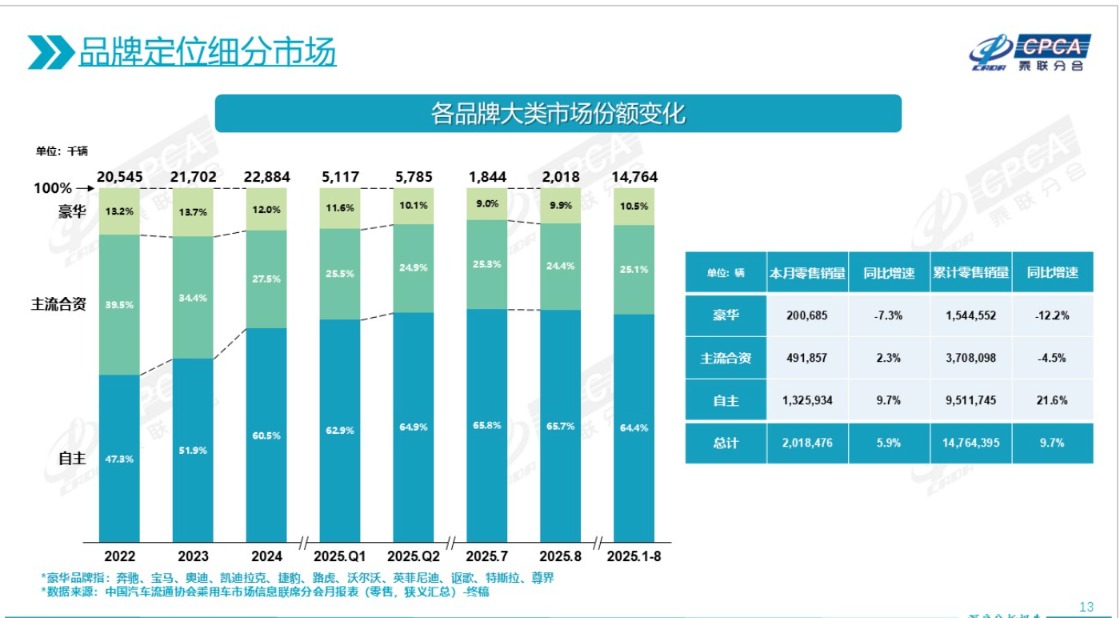
Core Insights - The Guangzhou Auto Show showcases a significant shift in the automotive industry, with 629 out of 1,085 vehicles being new energy models, indicating a strong focus on electric and hybrid vehicles [1] - Joint ventures and luxury brands are adapting to the Chinese market by localizing their research and development efforts, as evidenced by their increased market share and penetration rates in the new energy vehicle sector [2][3] Group 1: Market Trends - Domestic brands hold a 65% retail market share and a 46.7% penetration rate in new energy vehicles, prompting foreign brands to localize their strategies [2][3] - The shift from a global product strategy to a localized approach is evident, as companies recognize the need to actively engage with the Chinese market [3][16] Group 2: Strategic Changes - Companies like Dongfeng Nissan are investing over 10 billion yuan in R&D and expanding their local teams to enhance decision-making capabilities [3][5] - Toyota has implemented a "Chief Engineer in China" system, allowing local teams to make decisions without extensive approval from Japan, reflecting a commitment to local market needs [5] Group 3: Product Development - New models such as Dongfeng Nissan's N6 and Toyota's RAV4 are results of localized development, showcasing the importance of understanding local consumer preferences [3][5] - The introduction of new energy vehicles and hybrid models at the auto show highlights the industry's response to changing consumer demands [1][6] Group 4: Technological Advancements - The integration of smart technology in vehicles is becoming a key focus, with companies like SAIC Volkswagen and Dongfeng Nissan showcasing advanced features tailored to Chinese consumers [8][11] - The use of local dialect recognition and adaptive driving systems indicates a significant step towards enhancing user experience in the Chinese market [8][11] Group 5: Pricing Strategies - Many brands are adopting strategies that involve increasing product features while lowering prices to better compete with domestic brands [12][14] - The introduction of competitively priced models with enhanced features, such as the new electric CLA from Beijing Benz, signifies a shift towards more consumer-friendly pricing [14][15] Group 6: Competitive Landscape - The transformation in the automotive sector is driven by the rise of domestic brands, which has created pressure on foreign companies to innovate and adapt [16]


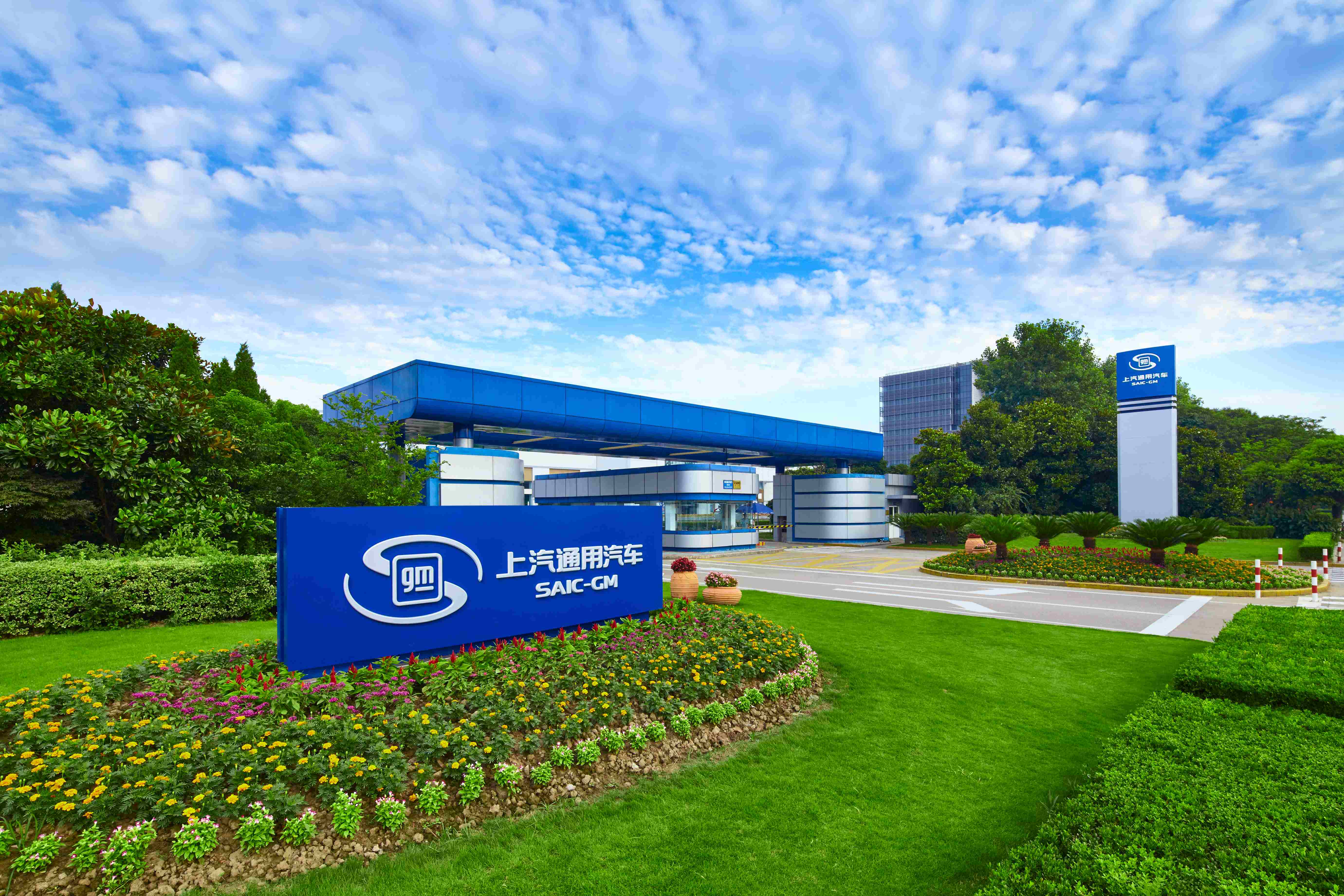
支持上汽通用加速转型发展,通用汽车始终对中国市场充满信心
Xin Hua Cai Jing· 2025-11-20 11:02
Core Viewpoint - General Motors (GM) has requested its suppliers to eliminate Chinese components from their supply chains, a decision driven by supply chain disruptions rather than a direct attack on China or specific regions [1] Group 1: Supply Chain Strategy - GM's decision to move away from reliance on the lowest-cost countries is a response to supply chain disruption risks, as stated by the Vice President of Global Purchasing and Supply Chain [1] - The company is focusing on local procurement and production, emphasizing the importance of local market needs in product development [5][6] Group 2: Collaboration with SAIC - GM is in preliminary discussions with SAIC Motor Corporation regarding the renewal of their long-term joint venture agreement, with increasing Chinese influence in product development and supply chain management [6] - The local production system has been enhanced, with over 99% of parts sourced domestically, showcasing a strong collaboration with local suppliers [6] Group 3: Market Performance - SAIC-GM has achieved over 450,000 vehicle sales from January to October this year, with 67,894 of those being new energy vehicles, leading among joint venture brands in this category [5] - The company has successfully turned around its profitability for four consecutive quarters, demonstrating resilience amid industry changes and competition [5]


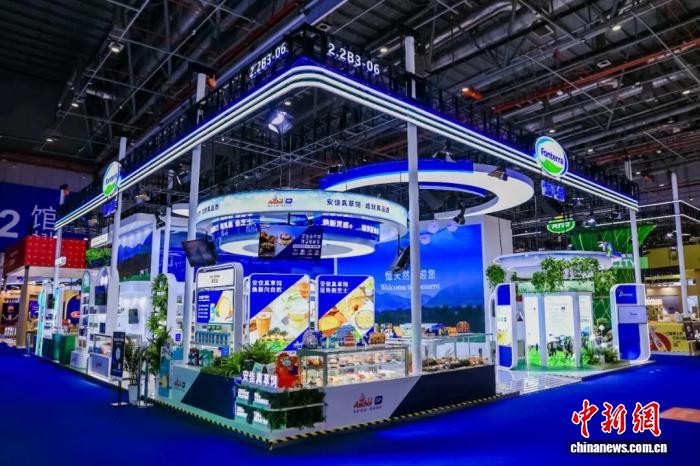
进博会消费观察| Savencia:从全球农场到中国餐桌
Jing Ji Guan Cha Bao· 2025-11-11 15:00
Core Insights - Savencia, a global food group, showcased its well-known brands at the 8th China International Import Expo, emphasizing its commitment to the Chinese market [1] Group 1: Company Development - Since entering China in the early 1990s, Savencia has developed a comprehensive brand matrix covering cheese, cream, chocolate, baking ingredients, butter, and fruit puree, catering to both high-end and everyday baking needs [2] - The company has established three subsidiaries in China, including Tianjin Banshi Food Co., Ltd., Shanghai Sinodis Food Co., Ltd., and Tianjin Kiride Food Co., Ltd., to support its operations [2] - Sinodis has set up a professional training kitchen and R&D center, training over 50,000 chefs and baking experts, and has developed a nationwide cold chain system through temperature-controlled distribution centers in major cities [2] Group 2: Product Innovation - Savencia introduced the Elle & Vire light cream FINESSE, which has a fat content reduced to 25%, catering to consumer demands for lower sugar and fat [2] - The company launched Corman pure cream (38% fat) specifically for the Chinese market, utilizing local high-quality milk sources to enhance its strategic sourcing across France, New Zealand, and China [3] Group 3: Digital Transformation - Savencia has enhanced its digital strategy with the launch of the "Sinodis Premium Purchase" mini-program, facilitating a shift from traditional supply to smart services in the Chinese catering industry [3] - The mini-program has been upgraded to include new features like "Professional Classroom," covering the entire procurement, learning, and interaction process, with an English version launched to improve international user experience [3]
(进博故事)时间就是金钱,他却愿意“花费”在进博会上
Zhong Guo Xin Wen Wang· 2025-10-29 11:57
Core Insights - Fonterra's CEO, Zhou Dehan, emphasizes the importance of the China International Import Expo (CIIE) as a platform for growth and innovation in the Chinese market [1][5] Group 1: Fonterra's Engagement at CIIE - Fonterra has consistently participated in CIIE, showcasing its commitment to the Chinese market and leveraging the expo for business opportunities [1] - The company has expanded its exhibition space and increased the number of contracts signed, reflecting the value of CIIE for Fonterra [1] - Fonterra's product offerings at CIIE include localized innovations such as Anjia cheese slices and customized dairy products for the Chinese culinary market [3][4] Group 2: Consumer Insights and Innovation - Zhou Dehan identifies "curiosity" and "value perception" as key factors driving consumer interest in Fonterra's products [3] - Chinese consumers are increasingly focused on quality over quantity, preferring high-end products that offer better value [3] - Fonterra has established six application centers and one innovation center in China to enhance its local R&D efforts, with a new center set to open in Wuhan in September 2024 [4] Group 3: Networking and Opportunities - CIIE serves as a unique networking platform, allowing Fonterra to reconnect with industry peers and explore new collaboration opportunities [5][6] - The expo is described as a "one-stop information mine" and opportunity platform for businesses seeking international expansion [5][6] - Fonterra's management team views CIIE as an essential learning experience to better understand the Chinese market and support local enterprises [6]
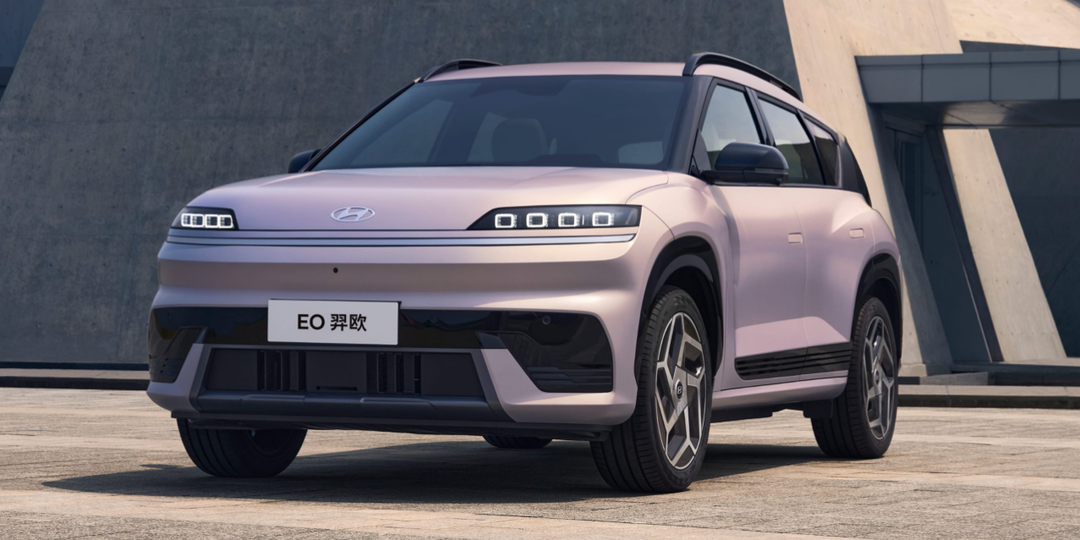
“智启2030”开篇 纯电EO羿欧揭幕北京现代合资2.0时代
Yang Zi Wan Bao Wang· 2025-10-29 07:50
Core Viewpoint - The launch of EO Yiyou marks a significant transformation for Beijing Hyundai, transitioning from traditional manufacturing to intelligent manufacturing, and represents a breakthrough for joint venture brands in the new energy competition landscape [1][2][7] Group 1: Product Launch and Strategic Importance - EO Yiyou is positioned as a key milestone in Beijing Hyundai's "Smart Start 2030 Plan," symbolizing the company's strategic shift towards electric and intelligent vehicles [1][2] - The product's introduction signifies a substantial phase in Beijing Hyundai's electric and intelligent transformation, enhancing the joint venture's competitive edge in the new energy market [2][5] Group 2: Technological Advancements - EO Yiyou utilizes the E-GMP electric platform, showcasing advanced technology that has been validated through models like IONIQ 5 and 6, establishing its competitive performance [3][11] - The vehicle integrates AI technology to optimize user experience, including features like smart cockpit and intelligent driving, reflecting a commitment to local user needs [5][12] Group 3: Brand Image and Market Positioning - The launch of EO Yiyou aims to reshape the perception of joint venture electric vehicles, moving away from the stereotype of being "generic" and establishing a reputation for reliability and high quality [3][9] - The vehicle is designed to deliver a high-quality experience at a competitive price point, reinforcing Beijing Hyundai's long-term value commitment to consumers [11][14] Group 4: Future Outlook - With the introduction of EO Yiyou, Beijing Hyundai is poised to reclaim its position in the new energy market, leveraging its strong joint venture background and technological advancements to compete effectively [7][14] - The company aims to engage consumers with a compelling combination of product strength, pricing, and user service, marking the beginning of a new era for joint venture brands in the electric vehicle sector [14]
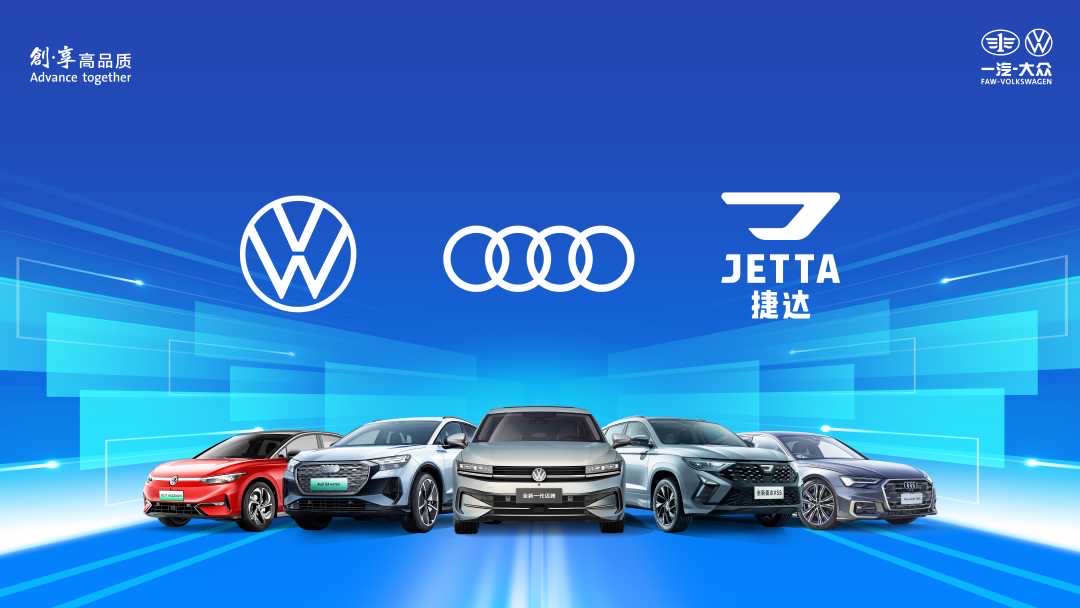
一汽-大众即将迎来第3000万辆整车下线,成为我国首家达成这一成就的乘用车企
Zhong Guo Jing Ji Wang· 2025-10-22 08:55
Core Insights - FAW-Volkswagen is set to achieve the milestone of producing its 30 millionth vehicle, becoming the first passenger car manufacturer in China to reach this achievement [1] Group 1: Company Overview - Established in 1991, FAW-Volkswagen serves as a core platform for Sino-German automotive cooperation, evolving from one brand and one model to over 30 models across three brands: Volkswagen, Audi, and Jetta [3] - The company has developed a comprehensive product matrix that covers mainstream, luxury, and economy markets, ensuring world-class quality to meet Chinese customer demands [3] - FAW-Volkswagen has embraced transformation with an open attitude, becoming a prominent benchmark in China's high-level opening-up process [3] Group 2: Economic Contribution - FAW-Volkswagen has achieved annual sales exceeding 1.6 million vehicles, contributing over 5.5 trillion yuan in revenue and more than 730 billion yuan in taxes since its establishment [5][6] - The company has created over 500,000 jobs in the upstream and downstream sectors, highlighting its role as a pillar of the national economy [6] Group 3: Industrial Impact - The company has introduced advanced global technology standards and management systems, significantly enhancing operational management levels within the Chinese automotive industry [6] - FAW-Volkswagen has established a strategic layout with six factories across five locations, driving local manufacturing upgrades and the clustering of the parts supply chain [6] - The company actively supports national green development strategies, with six factories recognized as industry-leading "waste-free factories," and two achieving near "zero carbon" status [6]
继百万订单后,海尔三筒洗衣机在广交会又获外商青睐
Jin Tou Wang· 2025-10-16 04:33
Core Insights - The 138th China Import and Export Fair showcased Haier's AI-driven washing machine, which became a focal point for attendees and attracted international buyers [1] - The Haier three-tub washing machine has demonstrated strong market performance, with nearly 200,000 units delivered since its launch in April, and close to one million orders received at the IFA exhibition in September [1][2] - The product's design and functionality are centered around user needs, featuring a unique three-tub design that allows for efficient washing of different clothing types simultaneously, saving approximately 50% of washing time [1] Product Innovation - Haier's product innovation is rooted in localized research and development, integrating resources from ten global R&D centers to meet diverse user demands [2] - The three-tub washing machine's development involved collaboration with over 100 external partners to enhance product functionality [2] - Previous models, such as the Haier X11 washing machine, have also achieved significant market success and international recognition, further establishing Haier's presence in high-end markets [2] Global Expansion - The three-tub washing machine is set to enter European and Middle Eastern markets, reinforcing Haier's global strategy [2] - Differentiated innovative products like the three-tub and X11 washing machines are expected to enhance user experience and solidify Haier's leading position in the global market [2]

中国研发中心首个成果将于明年“上车” 保时捷潘励驰:赢回中国市场是一场马拉松
Mei Ri Jing Ji Xin Wen· 2025-10-10 09:17
Core Viewpoint - Porsche's global vehicle deliveries in the first three quarters of this year reached 213,000 units, a year-on-year decline of 6%, with the Chinese market showing a significant impact on overall performance [1]. Regional Sales Performance - North America: Approximately 64,000 units sold, a year-on-year increase of 5% [1]. - Germany: Approximately 22,000 units sold, a year-on-year decrease of 16% [1]. - Europe (excluding Germany): 50,000 units sold, a year-on-year decline of 4% [1]. - China: 32,000 units sold, a year-on-year decline of 26% [1]. - Other overseas and emerging markets: 43,000 units sold, a year-on-year increase of 3% [1]. Strategic Initiatives - Porsche has designated 2025 as a year for recalibration and plans to restart its growth strategy in China in 2026 [4][7]. - The establishment of a new R&D center in China aims to enhance local product development and digital solutions tailored to Chinese consumers [5][6]. - A new generation of China-specific in-car infotainment systems is set to launch in 2024, developed by a local team in collaboration with domestic partners [5][6]. Product and Market Strategy - Porsche is adjusting its global product strategy, introducing more brand-specific internal combustion engine models while delaying some electric vehicle launches [7]. - The company plans to reduce its dealer network to around 100 by the end of 2026, focusing on optimizing operations in lower-demand areas while maintaining investment in high-demand cities [8]. Brand Engagement - Porsche is enhancing its brand presence through initiatives like a pop-up space in Shanghai, aimed at showcasing brand heritage and engaging with local consumers [8].
活力中国调研行丨在这座江苏小城,德资企业与地方“双向奔赴”
Xin Hua Wang· 2025-09-26 10:29
Core Insights - The article highlights the successful collaboration between German enterprises and the local government in Taicang, Jiangsu, showcasing over 560 German companies with investments exceeding $6 billion [1]. Group 1: Company Growth and Localization - Schaeffler, a prominent German company, has grown from a small factory with 30 employees to a major player with 19,000 employees and 6 R&D centers in China [3]. - The annual industrial output of German enterprises in Taicang exceeds 67 billion yuan, with an average output per mu of 14 million yuan, profit of 1.5 million yuan, and tax revenue of 1.1 million yuan [3]. - Schaeffler's localization strategy has led to a supply chain localization rate of over 95% for its automotive business in China [5]. Group 2: Green Transformation and Support Services - Schaeffler's Taicang base aims for 100% green energy supply in production by 2024 through solar power and green electricity procurement [5]. - The local government provides tailored services for carbon accounting and green electricity procurement, effectively reducing carbon emissions for enterprises [5]. - Taicang has established a comprehensive service system for foreign enterprises, including over 600 local companies integrated into the supply chain of German firms [6]. Group 3: Efficiency and Competitive Advantage - Project approval processes in Taicang have been streamlined, reducing application material requirements by 40% and approval times by 50% [6]. - The presence of over 20 service institutions in Taicang offers comprehensive support to German enterprises, enhancing their operational efficiency [6]. - Schaeffler's Taicang base has become its largest overseas production facility, contributing significantly to its global revenue [6].

【财经分析】中国白色家电对意大利出口“双升” 高温催生新增量空间
Xin Hua Cai Jing· 2025-08-11 18:26
Core Insights - In the first half of 2023, China's total export of home appliances reached $68.78 billion, marking a year-on-year increase of 6.2% [1] - Italy has emerged as the second largest market for Chinese white goods in the EU, following Germany, with exports exceeding $1.74 billion, a growth of 9.8% [2][3] Export Growth - The Italian home appliance market showed strong growth, with sales increasing by 2.4% and sales volume by 3.8% in Q1 2023, particularly in washing machines, dryers, dishwashers, and built-in refrigerators [2] - China became Italy's largest supplier of home appliances, with direct imports exceeding €590 million, approximately 2.7 times that of Germany [2] - Exports of home appliance parts from China to Italy also surged, totaling $362 million, a significant increase of 33.1% year-on-year [2][3] Market Dynamics - The growth in exports is partly due to Italy's status as the second largest manufacturing power in the EU and the pressure on local manufacturers from high energy costs [3] - Italian companies are increasingly importing components to maintain competitiveness, benefiting Chinese suppliers [3] Value Chain Enhancement - China's export growth is not merely about scale but also reflects an elevation in its position within the global supply chain, transitioning from a mere supplier to a provider of core components and technological solutions [4] - Chinese companies are enhancing their irreplaceability in the supply chain by mastering key components and smart control systems [4] Local Adaptation and Innovation - Leading Chinese companies, such as Haier, are establishing local R&D centers in Italy to tailor products to local market demands, enhancing brand recognition [4] - The demand for diversified and personalized home appliances is rising among overseas consumers, particularly for smart and high-quality products [5] Seasonal Demand Surge - Extreme high temperatures in Europe, particularly in Italy, have driven up demand for air conditioning units, with exports expected to exceed 90 million units for the year [7] - The ongoing transition to environmentally friendly refrigerants in Europe presents opportunities for Chinese brands to capture market share [7]