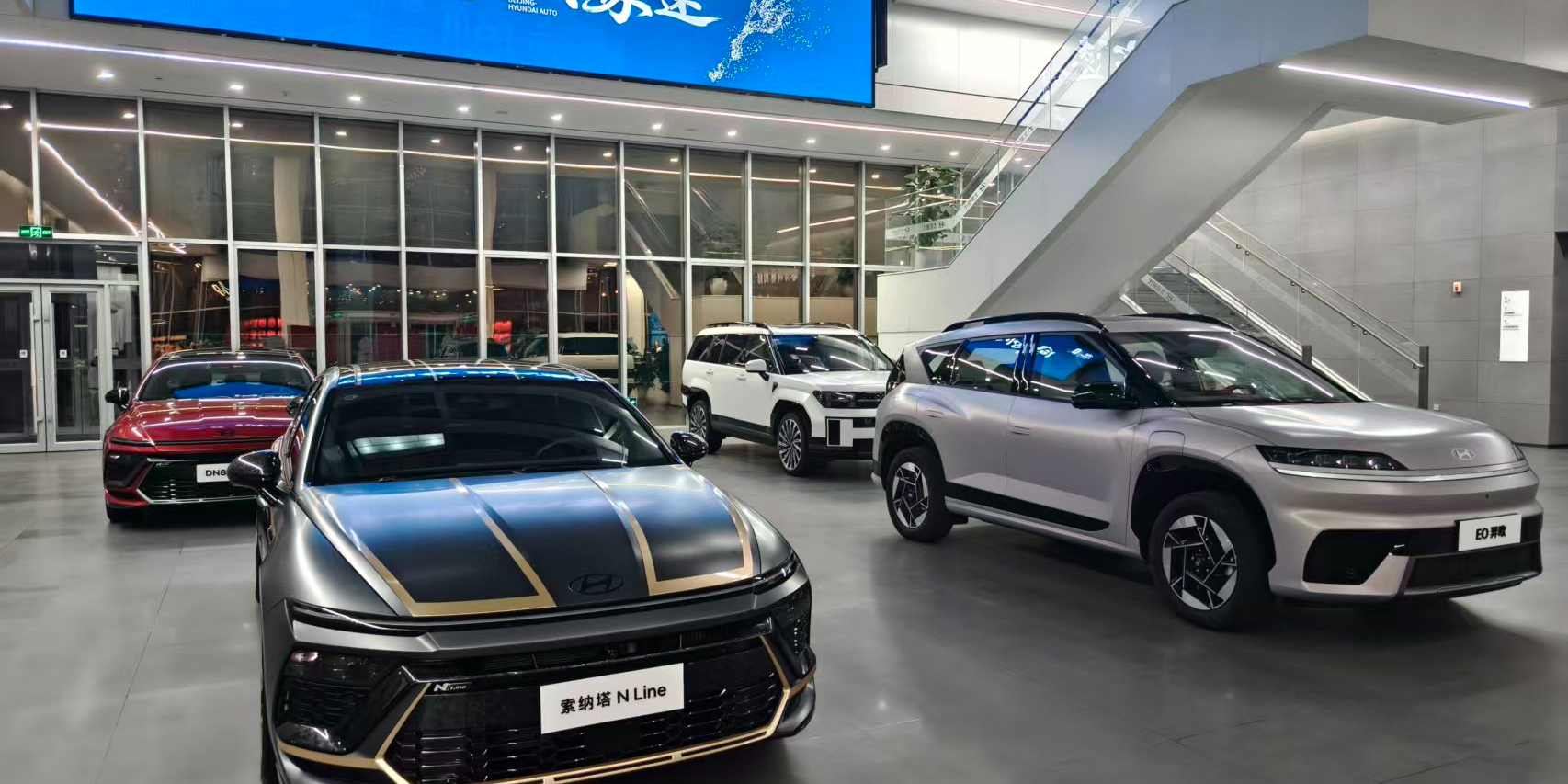
EO羿欧

Search documents
股东双方高层时隔7个月再会面,北京现代加速智电化转型
Zhong Guo Jing Ji Wang· 2026-01-16 11:44
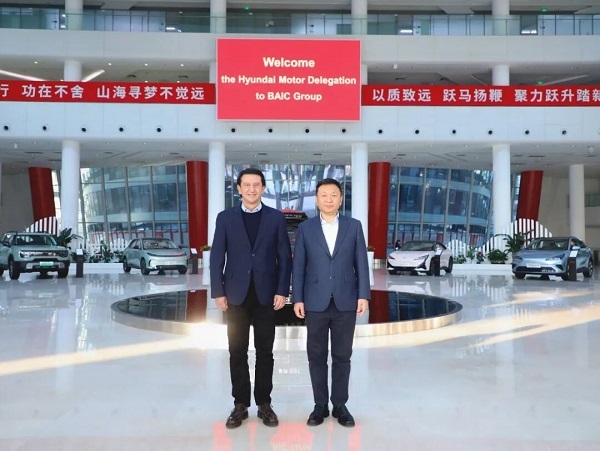
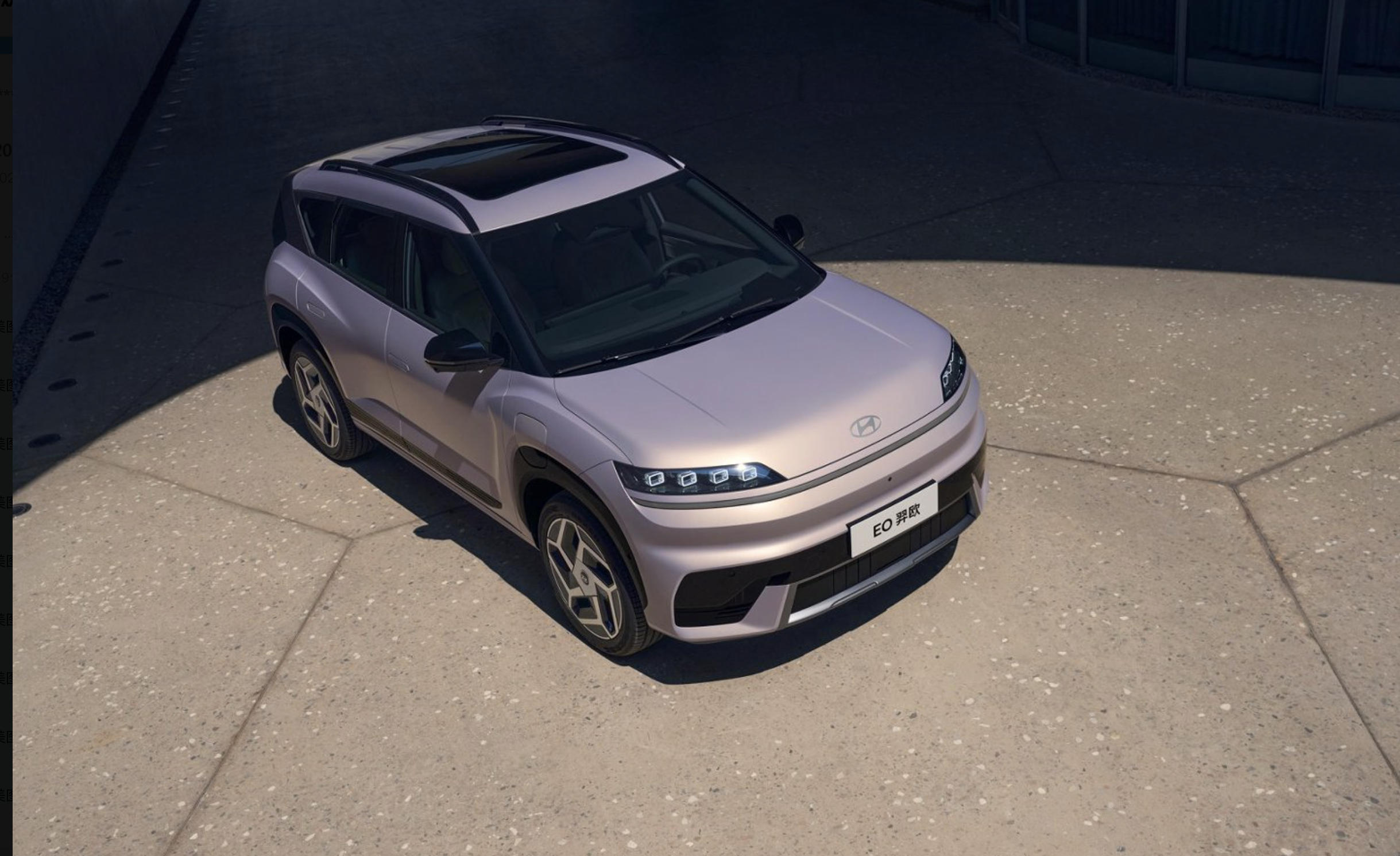
Core Viewpoint - The recent meeting between senior executives of Beijing Hyundai's shareholders reflects a commitment to deepen strategic cooperation and accelerate the company's transformation towards new energy vehicles, with a focus on enhancing support in various dimensions for its development [1][3]. Group 1: Strategic Cooperation - The meeting between BAIC Group and Hyundai Motor's CEO emphasizes the importance of the Chinese market in Hyundai's global strategy, aiming to enhance communication efficiency and support Beijing Hyundai's rapid market response [3]. - Both parties reached a consensus on providing comprehensive support, including financial investment and local talent development, to facilitate Beijing Hyundai's transition [3][4]. Group 2: Market Position and Performance - Beijing Hyundai has gained the trust of over 12 million users in 23 years, achieving a sales target of 210,000 units by 2025, with six consecutive months of positive growth [3][5]. - The company is committed to a dual-path development strategy, maintaining stable growth in its fuel vehicle business while accelerating breakthroughs in its new energy vehicle segment [5]. Group 3: Future Plans - Beijing Hyundai plans to launch 20 new models under the "Smart Start 2030 Plan" over the next 4 to 5 years, targeting annual sales of 500,000 units, with 300,000 units for the domestic market and 200,000 for export [5]. - The introduction of the EO electric SUV marks a significant step in the implementation of the "Smart Start 2030 Plan," indicating a clear path for the company's dual-fuel strategy [5].

2025坚定“反转” 北京现代多款新车“智启”2026
Yang Zi Wan Bao Wang· 2026-01-16 06:33
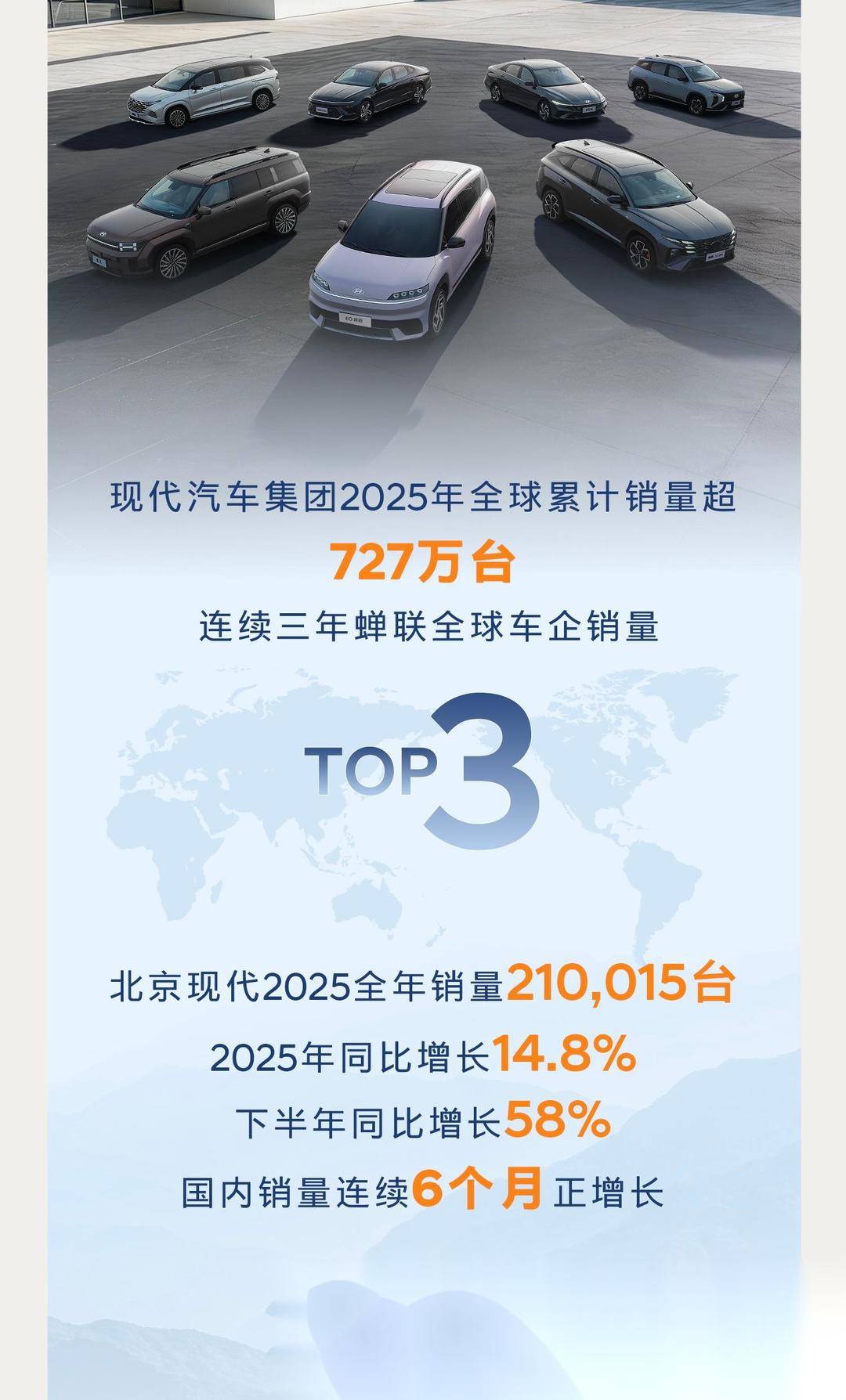
Core Insights - Beijing Hyundai achieved a sales milestone of over 210,000 units in 2025, marking a 14.8% year-on-year increase, with a remarkable 58% surge in the second half of the year [1] - The company is undergoing a strategic transformation, focusing on resilience and quality, which is beginning to show positive results [5][7] - The visit of South Korean President Yoon Suk-yeol and the signing of 15 cooperation agreements signal a stronger partnership between China and South Korea, providing a favorable environment for Beijing Hyundai [5][6] Sales Performance - The Elantra saw an 85% increase in sales in the second half of the year, exceeding 60,000 units for the year [1] - The KUSHTU recorded a 75.3% annual growth, ranking among the top five joint venture MPVs [1] - The Tucson L and Sonata, referred to as the "twin stars" of mid-range vehicles, experienced a 66% year-on-year growth in the second half [1] Strategic Initiatives - Beijing Hyundai is committed to a dual approach of fuel and electric vehicles, maintaining a strong foundation in fuel-efficient cars while gradually expanding its electric and hybrid product lines [8] - The first pure electric SUV, EO Yiou, was launched after seven years of development and extensive testing, emphasizing safety and user experience [8] - The company is focusing on enhancing product quality and service to strengthen its brand image globally [8] Future Outlook - In 2026, Beijing Hyundai plans to launch several new energy vehicles, including two key electric models that will redefine its brand image [10][11] - The company aims to implement advanced technologies, including L2+ level intelligent driving assistance systems, and enhance user experience through digital and AI technologies [11] - A significant investment of nearly $1.1 billion from Hyundai Motor is expected to support Beijing Hyundai's electric transformation [6][12]
北京现代李凤刚:2026年,还有三场硬仗要打
Xin Lang Cai Jing· 2026-01-16 00:32
Core Insights - The new general manager of Beijing Hyundai, Li Fenggang, acknowledges that the company is significantly lagging behind Hyundai's global average performance in the Chinese market [2] - Despite a total annual sales of 210,000 units, the growth is seen as a stopgap rather than a sustainable recovery, with the real test expected in 2026 [3][4] Sales Performance - In 2025, Beijing Hyundai achieved a total sales volume of 210,000 units, with a remarkable 58% year-on-year increase in the second half of the year and six consecutive months of positive growth [5] - The sales performance is attributed to a low base from the previous year, where sales fell by 35.5% to under 160,000 units, marking the largest decline among Hyundai's global markets [5] Product Strategy - The company has adjusted its product lineup, discontinuing several models while maintaining a diverse range of nine active models, including sedans, SUVs, and electric vehicles [5] - Key models such as the Elantra and the KUSHTU have shown strong sales, with the Elantra selling over 60,000 units and the KUSHTU achieving a 75.3% year-on-year increase [5] Future Challenges - Beijing Hyundai faces three critical battles to ensure its survival: marketing innovation and channel stability, product transformation, and cost efficiency [8][9] - The company plans to restore its dealer network to over 380 by 2027 and establish an exclusive service system for electric vehicles [8] New Energy Transition - The first electric platform SUV, EO Yiyou, launched in October 2024, has seen disappointing sales, with only 221 units sold in November, highlighting the pressure of transitioning to new energy vehicles [7] - In 2026, Beijing Hyundai aims to launch two new energy models with competitive specifications, including a pure electric range exceeding 600 kilometers [9] Localization and R&D - The company is enhancing its local operations by collaborating with top Chinese tech firms and expanding its R&D team in China to better adapt to local market needs [10] - The three critical battles are interconnected, focusing on how to sell, what to sell, and how to sustain operations in a rapidly changing market [10]
北汽2025年销量突破175万辆,自主品牌成增长引擎
Bei Jing Ri Bao Ke Hu Duan· 2026-01-13 10:33
Group 1 - The core objective of the company is to achieve a vehicle sales target of 1.752 million units by 2025, representing a year-on-year growth of 5.6%, with over 60% of sales coming from its own brands [1] - The company's self-owned brands have become the main growth engine, with passenger and commercial vehicles achieving collaborative growth [1] - The electric vehicle brand Arcfox has seen significant growth, with annual sales reaching 163,000 units, doubling year-on-year, and maintaining a growth rate exceeding 100% for two consecutive years [1][3] Group 2 - The company aims for high-quality development, with internationalization and new energy businesses progressing simultaneously, achieving historical highs [3] - The export volume is projected to reach 308,000 units by 2025, a year-on-year increase of 26%, outpacing the industry growth rate by 7.3 percentage points, with products covering over 130 countries and regions [3] - The company sold over 390,000 new energy vehicles in the past year, marking a 95% year-on-year increase, with significant growth in its self-owned brands [3] Group 3 - The company has made advancements in autonomous driving, with two models receiving L3-level conditional autonomous driving product approval, including one from the Arcfox brand [3] - The company has initiated large-scale road trials for L3-level autonomous driving, positioning itself competitively in the key technology race defining future mobility [3] Group 4 - Continuous innovation in the field of intelligence is reflected in the company's efforts to create "technical highlights," such as the launch of the world's first engineering liquid hydrogen heavy truck [4] - The company has successfully developed an electric vehicle drive motor rotor that challenges ultra-high speeds of 55,000 RPM [4]

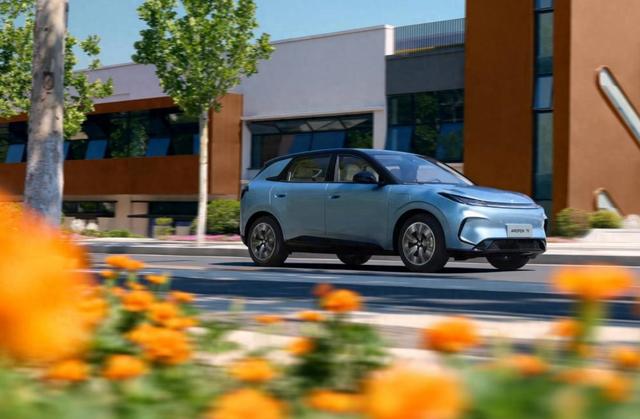
北汽集团公布2026年目标 计划实现整车销量220万辆
Zhong Guo Zhi Liang Xin Wen Wang· 2026-01-13 07:24
Group 1 - The core viewpoint of the article highlights the significant growth in sales and production for BAIC Group, particularly in the electric vehicle (EV) sector, indicating a strong market position and successful transition to new energy vehicles [2] Group 2 - BAIC Group achieved a total vehicle sales volume of 1.752 million units in 2025, representing a year-on-year increase of 5.6% [2] - The sales of self-owned brands reached 1.07 million units, accounting for 61% of total sales [2] - BAIC Arcfox sold 163,000 units, marking a remarkable year-on-year growth of 101%, with sales doubling for two consecutive years [2] - Beijing Off-road vehicles exceeded 200,000 units in sales, showing a year-on-year increase of 38% [2] - The sales of Xiangjie vehicles surpassed 10,000 units per month, while BAIC Foton achieved annual sales of over 650,000 units [2] - The company exported 308,000 vehicles, setting a historical high with a year-on-year growth of 26% [2] Group 3 - In the new energy sector, BAIC Group's sales of new energy products exceeded 390,000 units, reflecting a year-on-year increase of 95% [2] - The self-owned brands accelerated their transition to new energy, with BAIC Arcfox and Xiangjie achieving significant scale growth [2] - The proportion of new energy sales for Beijing Off-road vehicles approached 40% [2] - The sales of new energy commercial vehicles saw a substantial increase of 82.3%, with significant enhancements in product offerings and network scale [2] Group 4 - In the joint venture segment, Beijing Benz celebrated its 20th anniversary, launching the first model from the MMA platform, the all-new electric CLA [2] - Beijing Hyundai initiated the "Smart Start 2030 Plan," with the launch of its first pure electric platform SUV, EO Yiou [2]
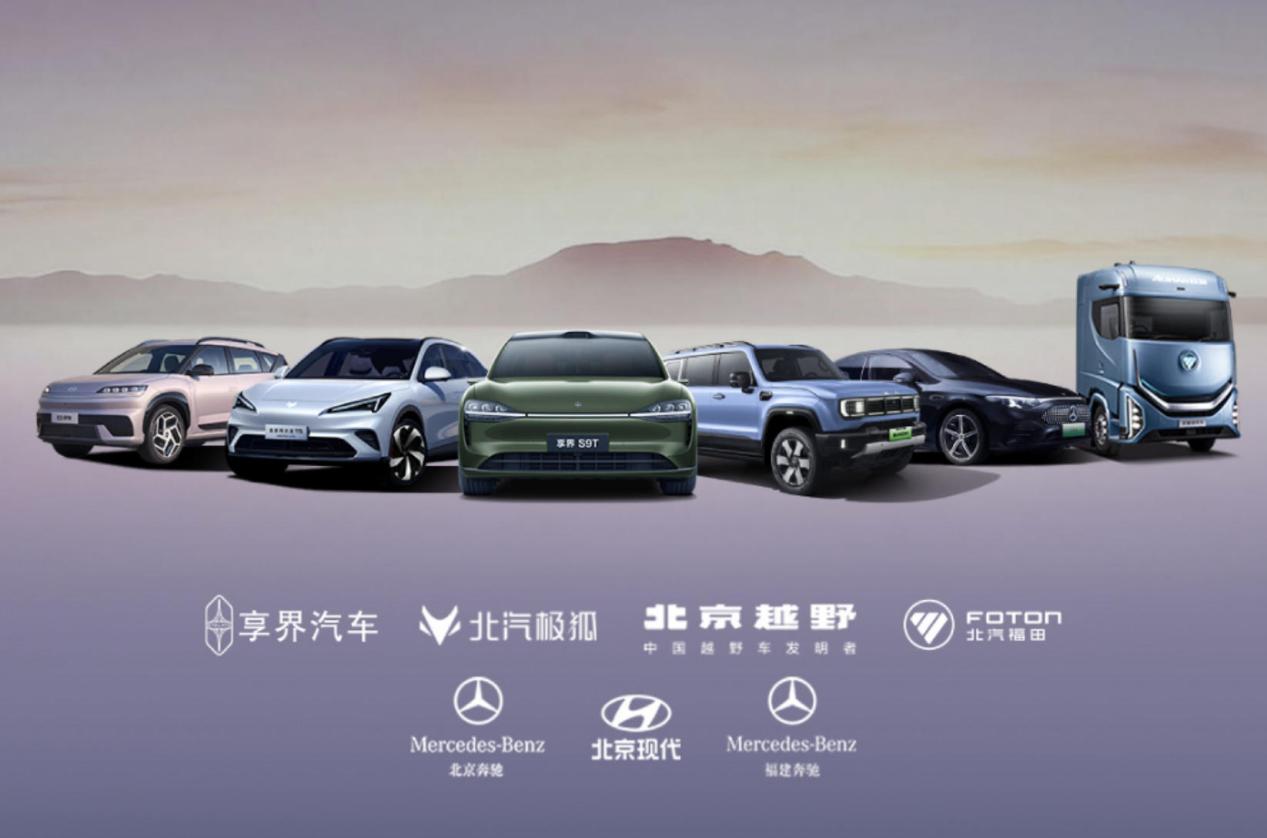
自主乘用车爆发式增长 跃升向上 北汽集团公布年度成绩单
Bei Jing Ri Bao Ke Hu Duan· 2026-01-12 07:31
Core Insights - In 2025, BAIC Group achieved a total vehicle sales of 1.752 million units, marking a year-on-year growth of 5.6%, with its self-owned brand sales reaching 1.07 million units, showcasing strong performance in new energy and international business [1][5] Group 1: Sales Performance - BAIC's self-owned passenger vehicle sales experienced explosive growth, with total sales exceeding 1.07 million units, accounting for 61% of total sales, driven by several star models [1] - BAIC Arcfox sold 163,000 units, achieving a remarkable year-on-year growth of 101%, with models like Arcfox T1 and the new Alpha T5 contributing significantly [3] - BAIC Foton maintained its position as the industry leader with over 650,000 units sold, focusing on new energy, internationalization, and heavy trucks [3][5] Group 2: International Expansion - BAIC Group's exports reached a record high of 308,000 units, representing a year-on-year increase of 26%, outpacing the industry growth rate by 7.3 percentage points [5] - The company has established a presence in over 130 countries and regions, with successful launches of new models in various international markets [5] Group 3: New Energy Development - BAIC's new energy vehicle sales surpassed 390,000 units, reflecting a year-on-year growth of 95%, with significant contributions from BAIC Arcfox and Enjoy [7] - The company is accelerating its transition to new energy, with a notable increase in the proportion of new energy vehicles in its product lineup [7][14] Group 4: Technological Innovation - BAIC Group is investing in technological innovation, focusing on core technologies such as power batteries, electric drive, intelligent cockpit, and hydrogen fuel commercial vehicles [11][14] - The company has received approval for L3 conditional autonomous driving vehicle products, marking a significant advancement in intelligent driving technology [12] Group 5: Corporate Responsibility and Community Engagement - BAIC Group is committed to enhancing its corporate image by contributing to the economic and social development of Beijing, including donations and strategic partnerships [16] - The company has engaged in various promotional activities to support the development of the western region of China [16] Group 6: Future Outlook - For 2026, BAIC Group aims to achieve total vehicle sales of 2.2 million units, reinforcing its core strategy of "one main and five transformations" to contribute to high-quality economic development [19]
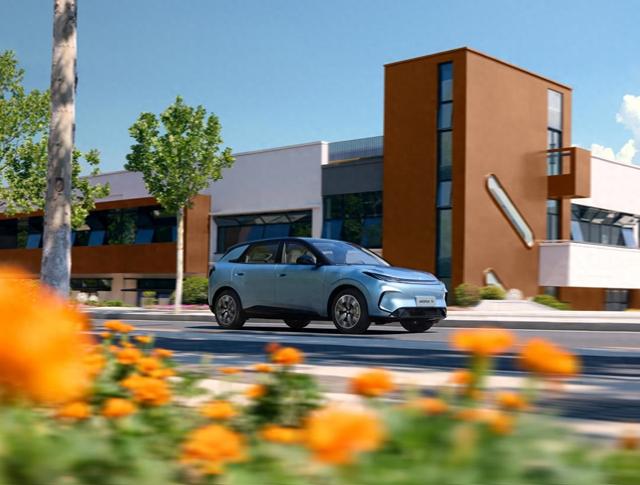
自主爆发 跃升向上,北汽集团公布年度成绩单
Zhong Guo Qi Che Bao Wang· 2026-01-12 03:07
Core Insights - In 2025, BAIC Group achieved a total vehicle sales of 1.752 million units, marking a year-on-year increase of 5.6%, with its self-owned brand sales reaching 1.07 million units, significantly outperforming the industry in both new energy and international business, setting a historical record [1] - The "Three-Year Leap Action" has initiated a structural transformation and qualitative leap for BAIC Group, entering a new development stage [1] Group 1: Sales Performance - BAIC's self-owned passenger vehicle sales experienced explosive growth, while its commercial vehicle sales maintained the industry lead, with total sales exceeding 1.07 million units, accounting for 61% of total sales [1] - BAIC Arcfox sold 163,000 units in 2025, achieving a year-on-year growth of 101%, with models like Arcfox T1 and the new Alpha T5 contributing to a monthly sales stabilization at 20,000 units [3] - Beijing Off-road vehicles sold over 200,000 units, a 38% increase year-on-year, with the BJ40 model leading the hard-core off-road sales for 11 consecutive months [3] Group 2: International Expansion - BAIC Group exported 308,000 vehicles in 2025, a historical high with a year-on-year growth of 26%, outpacing the industry by 7.3 percentage points, with a presence in over 130 countries and regions [4] - The international strategy for BAIC Foton is advancing, with significant sales growth in Africa, Europe, and Latin America, maintaining the top position in commercial vehicle exports [4] Group 3: New Energy Growth - BAIC Group's new energy vehicle sales surpassed 390,000 units in 2025, reflecting a year-on-year growth of 95%, significantly outpacing the industry average [7] - BAIC Foton's new energy commercial vehicles saw a growth of 82.3%, with a comprehensive acceleration in product and network scale [7] Group 4: Technological Innovation - BAIC Group is focusing on technological innovation, achieving significant progress in core technologies such as power batteries, electric drive, intelligent cockpit, and hydrogen fuel commercial vehicles [10] - BAIC has launched the "Beijing Automotive Yuanjing Intelligent" technology system, enhancing vehicle intelligence through shared data and collaborative multi-agent systems [10] - BAIC Foton unveiled the world's first engineering liquid hydrogen heavy truck, marking a significant achievement in the liquid hydrogen fuel heavy truck sector [12] Group 5: Corporate Responsibility and Community Engagement - BAIC Group is enhancing its corporate image by contributing to the economic and social development of Beijing, participating in significant national events, and supporting local sports teams [15] - The company has established strategic partnerships to promote its products and services, contributing to the modernization of the capital [15] Group 6: Future Outlook - For 2026, BAIC Group aims to achieve total vehicle sales of 2.2 million units, focusing on high-quality development and contributing to the modernization of China [18]
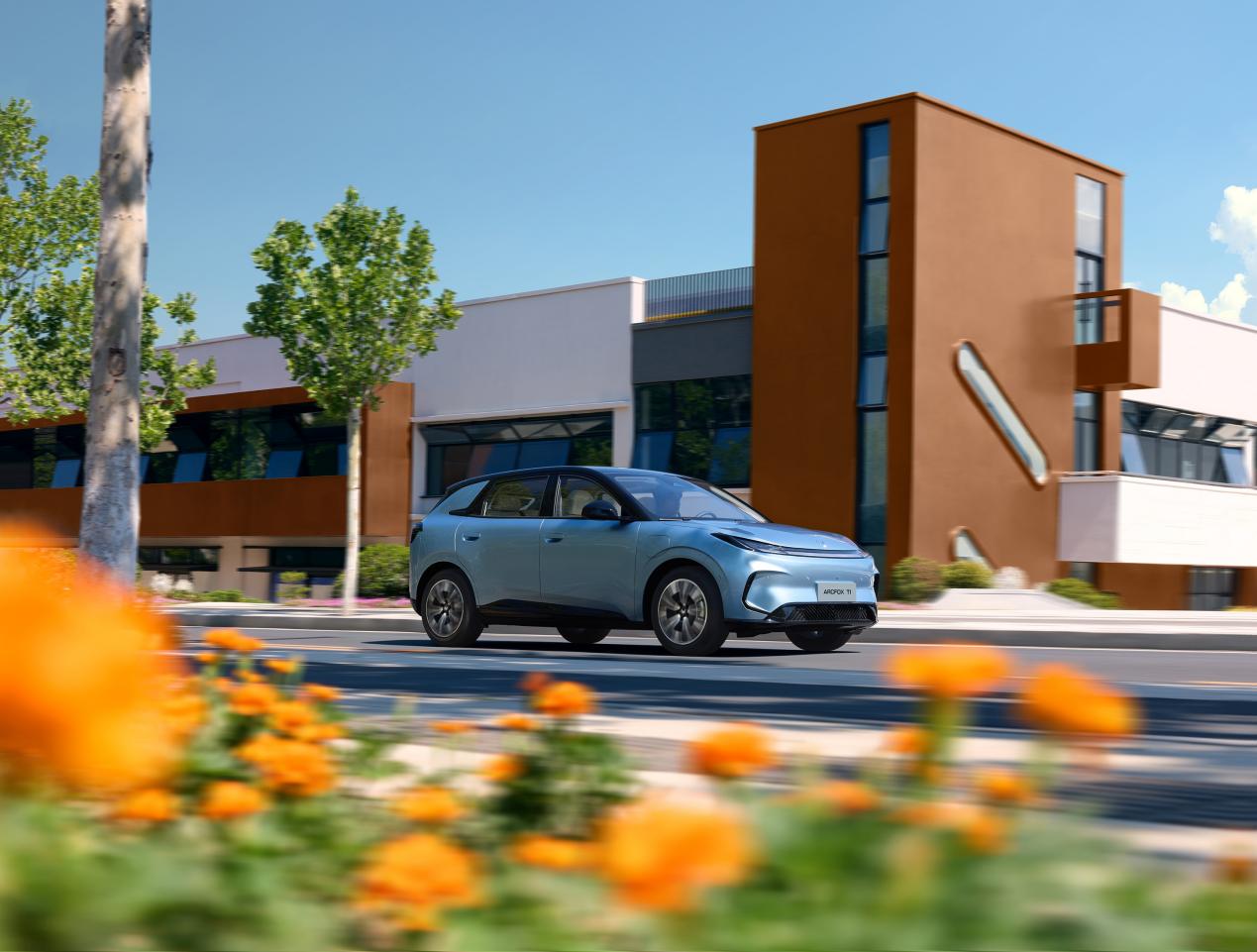
北京现代2025年销量达21万辆,未来两年进入新能源密集投放期
Jing Ji Guan Cha Wang· 2026-01-12 02:54
Core Insights - Beijing Hyundai achieved a total sales volume of 210,000 units in 2025, with domestic sales showing positive growth for six consecutive months [2] - The company’s performance is attributed to its strategic initiatives, business structure, and product quality, demonstrating resilience in a challenging automotive market [2] Strategic Initiatives - In November 2024, both shareholders of Beijing Hyundai jointly increased capital by 8 billion yuan to support the company's transformation [2] - The "Smart 2030 Plan," launched in October 2015, aims to introduce 20 new products and reach a sales target of 500,000 units within five years [2] Business Structure - Beijing Hyundai adopts a "dual fuel" strategy, maintaining a base of gasoline vehicles while launching electric vehicle products, including the EO Yiou, its first SUV based on the E-GMP electric platform [2] - The company has established a business structure focused on "domestic stability and export growth," accelerating the development of a "global export base" [2] Product Quality - The company emphasizes long-termism by implementing a comprehensive quality assurance system covering the entire lifecycle of its products, including supply chain management and user experience optimization [3] - The stable sales in 2025 set a positive precedent for advancing the "Smart 2030 Plan," with a focus on accelerating electrification and smart technology [3] Future Product Plans - From 2026 to 2027, Beijing Hyundai plans to intensively launch new energy products, including two new models under the IONIQ brand, with a focus on mid-size sedans and SUVs [3] - The company aims to cover a full range of technologies, including pure electric, hybrid, and extended-range vehicles, with electric ranges exceeding 600 kilometers [3] Intelligent Technology - By 2026, all products from Beijing Hyundai will be equipped with L2+ level intelligent driving assistance systems, upgrading to L2++ by 2027 [3] - The company is also advancing AI energy management and smart cockpit technologies [3] Global Expansion - Under the "In China, For China, To the World" strategy, Beijing Hyundai will continue to deepen the construction of its "global export base," targeting potential markets in Central and South America and Kazakhstan by 2026 [4] - The company plans to enhance brand marketing and service through digitalization and AI technology, aiming to restore its dealer network to over 380 by 2027 [4]
70.8%对3.2%!合资品牌被甩出赛道?
Zhong Guo Qi Che Bao Wang· 2025-11-18 10:52
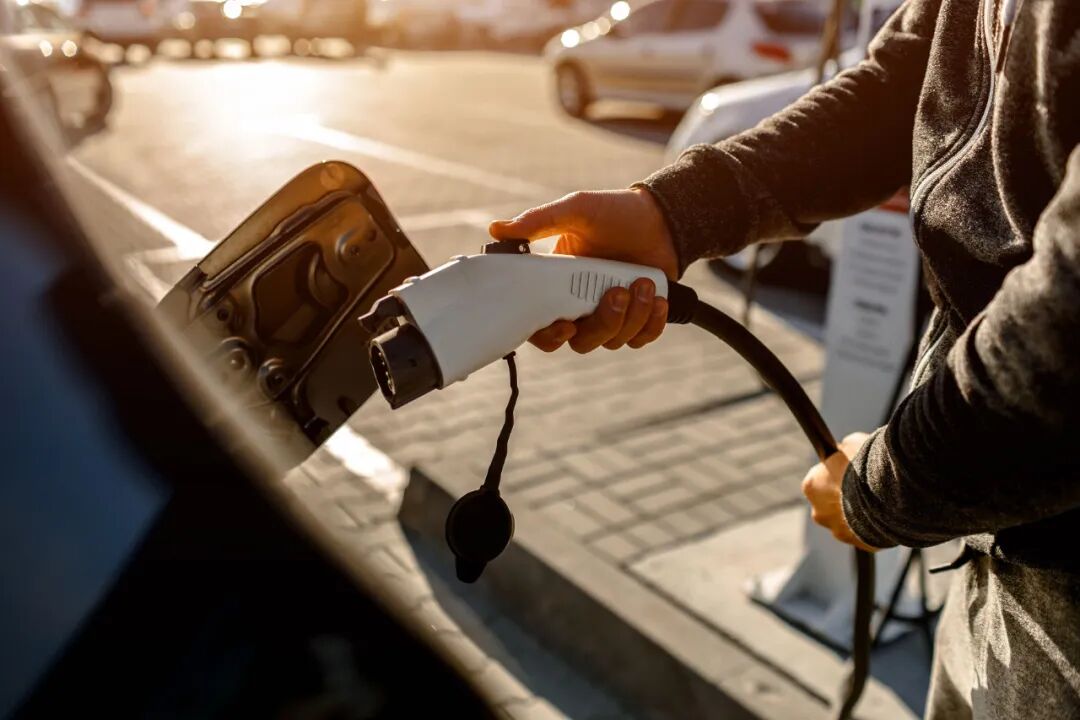
Core Insights - The Chinese electric vehicle (EV) market is experiencing a stark contrast between domestic brands and joint venture brands, with domestic brands achieving a penetration rate of 77.9% in October, while joint venture brands only reached 7% [2][3] - The market share for domestic brands stands at 70.8%, while joint venture brands hold a mere 3.2%, indicating a significant gap in the transition to electric vehicles [3] Group 1: Market Performance - In October, the total retail sales of passenger vehicles in China reached 2.242 million units, with domestic brands selling approximately 1.55 million units, of which 77.9% were EVs [2] - Joint venture brands sold around 510,000 units, with only 7% being electric vehicles, highlighting their continued reliance on traditional fuel vehicles [2] - The luxury vehicle segment also shows a shift, with 22.2% of luxury car sales being electric, indicating a growing acceptance of EVs among higher-end consumers [2] Group 2: Challenges for Joint Venture Brands - Joint venture brands face challenges due to a disconnect between product positioning, technological advancements, and the rapidly changing demands of the Chinese market [5] - Many joint venture brands are still relying on "oil-to-electric" conversion strategies, with limited dedicated electric vehicle platforms, which hampers their competitiveness [5] - The technological gap is evident, as domestic brands have made significant advancements in battery systems and smart features, while joint venture brands often depend on technology from their headquarters [5] Group 3: Strategic Shifts in Joint Venture Brands - In response to the challenges, joint venture brands are restructuring their management and product strategies to enhance their market responsiveness [7][8] - Notable changes include the appointment of local leaders in key positions, such as the first non-Japanese general manager for Toyota China, aimed at improving local decision-making [7] - Companies like Beijing Hyundai are also focusing on launching new products, with plans to introduce 20 new models by 2030, including 13 electric vehicles [8] Group 4: Future Outlook - Major automakers like General Motors, Volkswagen, and BMW are accelerating the launch of new electric models through dedicated platforms and partnerships with local companies [9] - While joint venture brands currently face slow product iterations and high costs, there is potential for improvement as local management teams become more effective and new products are introduced [9]
调整仅两月,“80”后高管李凤刚出走一汽,转投北京现代
Guo Ji Jin Rong Bao· 2025-11-11 11:57
Core Viewpoint - The appointment of Li Fenggang as the first local Chinese general manager of Beijing Hyundai marks a significant shift in the company's management structure, potentially driving its transformation and recovery in the Chinese market [1][4]. Group 1: Management Changes - On November 10, Beijing Hyundai announced the appointment of Li Fenggang, previously the general manager of FAW Fuhua, as its new general manager, representing the Korean side [1]. - This is the first time since the establishment of Beijing Hyundai in 2002 that a local Chinese talent has taken on the role of general manager, which was traditionally held by Korean representatives [1][4]. - Li Fenggang has over 20 years of experience in the automotive industry, having held various positions at FAW Volkswagen and FAW Audi before his recent appointment [1][3]. Group 2: Sales Performance and Challenges - FAW Audi experienced a sales rebound in 2023, with a 9.9% year-on-year increase to 698,200 units, but faced a significant decline of 12.5% the previous year, indicating ongoing challenges [4]. - Beijing Hyundai's sales have been in a continuous decline since 2017, with 2023 sales dropping to 157,000 units, a stark contrast to its peak sales of 1.14 million units in 2016 [5]. - The company aims to achieve a sales target of 500,000 units annually by 2030, despite its current low market share of around 1% [5][8]. Group 3: Strategic Initiatives - Beijing Hyundai launched the "Smart 2030 Plan" on October 29, which includes the introduction of nearly 20 new products over the next five years, focusing on both fuel and electric vehicles [8]. - The first product under this plan is the compact electric SUV EO Yi Ou, priced between 119,800 to 149,800 yuan, signaling a strong push into the electric vehicle market [8]. - The company also plans to establish a robust export system, targeting an annual export of 200,000 units by 2028-2030, aiming for a dual-market strategy of domestic and international sales [8].