标准化生产

Search documents
科学养殖、标准化生产加全域营销 驱动鸡肉产业链更高端、智能、绿色
Yang Shi Wang· 2025-10-08 08:26
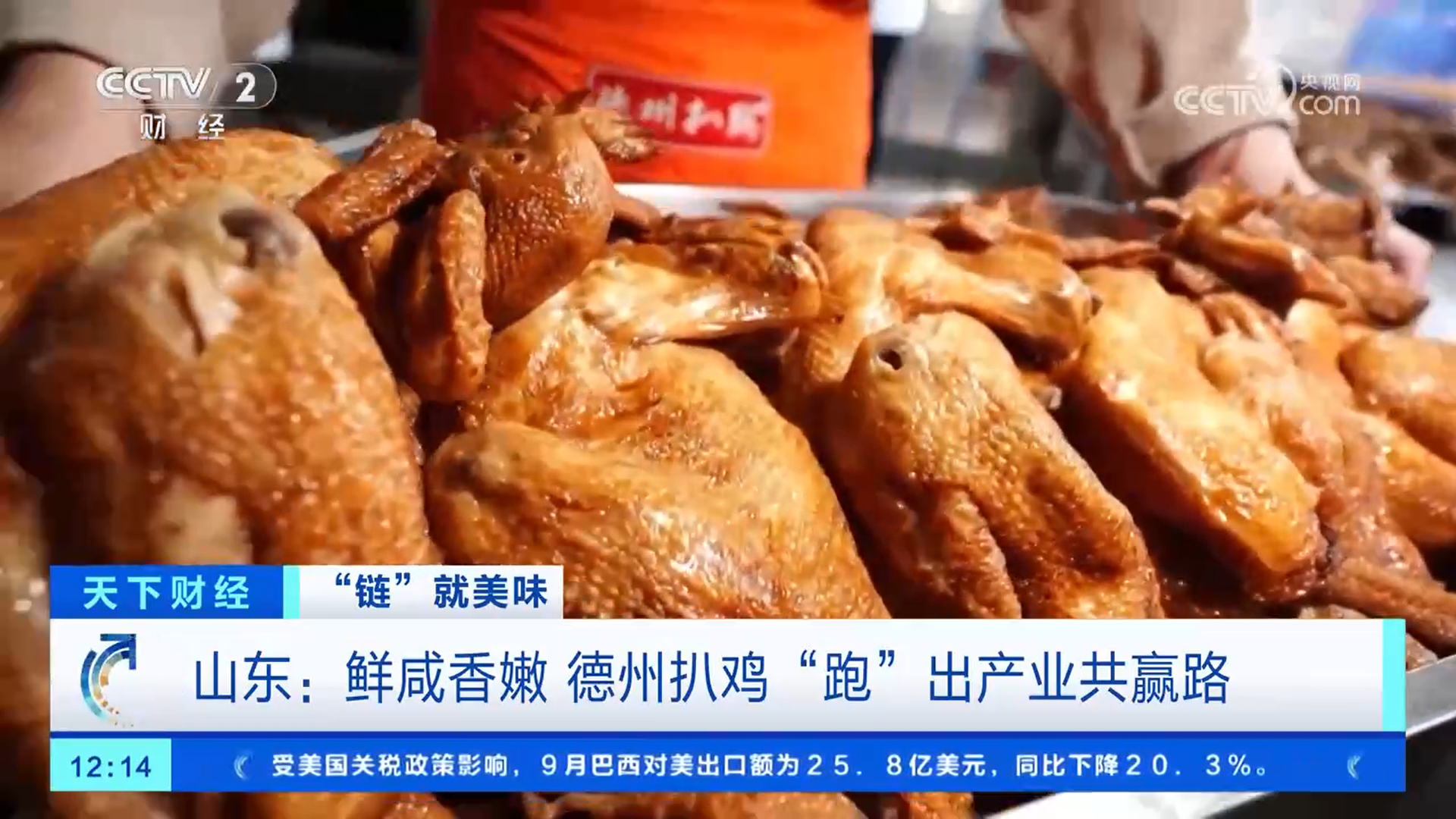
Core Insights - The chicken industry in Shandong, particularly in Dezhou, is a significant contributor to the economy, with an annual consumption of approximately 7 billion white feather chickens, making chicken the second-largest meat consumption product in China [1][8] - The production of Dezhou's famous "扒鸡" (braised chicken) is supported by a well-integrated industrial ecosystem that includes scientific breeding, standardized production, and comprehensive marketing strategies [1][3] - The industry is evolving towards high-end, intelligent, and green development, with a modern industrial system that encompasses breeding, raising, processing, cold chain logistics, and equipment [8] Industry Overview - Dezhou has a high density of "扒鸡" restaurants, with some stores selling thousands of chickens daily, indicating strong consumer demand [1][3] - The production process involves selecting high-quality chickens, typically in their prime growth stage, and utilizing smart technology to optimize production efficiency [3][8] - In 2024, Shandong's chicken stock is projected to reach 497 million, with an annual output of 2.676 billion chickens and a meat production of 3.535 million tons, accounting for 42.5% of the national slaughter volume [8] Market Dynamics - The chicken can be processed into various products, including wings, legs, and breasts, catering to diverse consumer needs, and the rise of the pet economy has opened new avenues for high-value processing [5][7] - The price range for chicken products varies significantly, with processed pet food commanding higher prices, indicating a lucrative market segment [7] - Shandong has become the leading province in pet food production, with a 235.5% increase in output during the "14th Five-Year Plan" period, further extending the value chain of the chicken industry [8]

宇树、优必选、智元领跑,人形机器人行业2025年订单与交付能力透视
3 6 Ke· 2025-08-20 07:54
Core Insights - The humanoid robot industry has seen significant order growth since 2025, shifting market focus from technology development to practical application and delivery capabilities [1][2] - There remains a gap between rapid order growth and actual delivery, with challenges related to supply chain capacity and technology maturity [1][3] - Major application scenarios for humanoid robots include industrial, guiding, research, education, and healthcare [1] Order and Market Dynamics - As of mid-2025, over 83 humanoid robot projects have been publicly disclosed in China, with a total contract value of nearly 330 million yuan, marking an increase from the previous year [2] - Leading companies such as UBTECH, Yushutech, and Zhiyuan Robot have captured 60% of the total transaction value, with Yushutech leading in the number of bids [2] - A notable contract of 124 million yuan was awarded to Yushutech and Zhiyuan Robot for humanoid biped robot manufacturing services for China Mobile [2] Commercialization and Delivery Challenges - Companies like UBTECH aim to deliver hundreds of humanoid robots this year, with expectations of increasing efficiency in industrial applications [4] - Zhiyuan Robot has achieved significant milestones, including the mass production of over 1,000 robots, with plans for thousands more in 2025 [5] - The industry is experiencing a surge in smaller contracts, with projects under 1 million yuan making up 60% of the total [3] Industry Trends and Future Outlook - The humanoid robot market is projected to see substantial growth, with global sales expected to reach 12,400 units by 2025 and 340,000 units by 2030 [13] - Companies are focusing on industrial applications first, followed by commercial and household uses, indicating a strategic approach to market entry [8] - The lack of standardization in the humanoid robot industry poses challenges for mass production and integration, which companies are actively working to address [14][15]

特色产业“链”动乡村振兴
Jing Ji Ri Bao· 2025-07-26 01:11
Group 1 - Jilin Province is a major agricultural area, contributing 10% of China's commercial grain, and is rich in resources like ginseng, deer antler, and mushrooms [1] - The transformation of resource advantages into development advantages is being pursued through high-quality development of rural specialty industries [1] - Jilin's ginseng industry is focusing on quality improvement, with companies establishing standardized planting bases to ensure product quality [1][2] Group 2 - Standardized production is crucial for ensuring the quality of local specialty products, as seen in the automated production line for mushrooms in Wangqing County [2] - The use of modern agricultural technology is helping Jilin build a distinctive industrial system, supporting farmers' income amidst low prices for bulk agricultural products [2] - Jilin is implementing a million-acre greenhouse project to enhance the production of various specialty crops and fruits [2] Group 3 - Expanding the agricultural product processing and food processing sectors is essential for better economic returns [3] - Companies are developing new products based on market demand, creating a comprehensive sales system that includes e-commerce and live-streaming sales [3] - The "five unifications" model in mushroom production is enhancing product quality and transitioning traditional agriculture to order-based agriculture [3] Group 4 - Extending the industrial chain and strengthening specialty industries are key strategies for improving agricultural quality and increasing farmer employment [4] - Jilin's agricultural companies are creating job opportunities for local residents, with significant employment numbers reported [4] - Challenges remain in the agricultural processing sector, including short industrial chains and aging equipment [4] Group 5 - Future efforts in Jilin will focus on breaking down policy barriers, fostering market entities, and enhancing brand marketing to support rural revitalization [5]
守好“老底子”味道 临平积极推动“阳光食品作坊”建设
Hang Zhou Ri Bao· 2025-07-17 03:12
Core Insights - The article highlights the transformation of small food workshops in Dinghe Village, Linping District, into standardized and brand-oriented operations, particularly focusing on the "Dinghe Zongzi Workshop" [1][2] - The initiative aims to ensure food safety and improve production conditions through personalized development plans and the implementation of the "5S" management model [1][2] Group 1: Standardization and Safety - The "Dinghe Zongzi Workshop" has adopted standardized processes for hygiene and production, leading to increased customer trust and repeat business [1] - The Linping District Market Supervision Bureau has equipped key areas of the "Yiying Gongfu Workshop" with video surveillance to create a transparent food processing environment [2] Group 2: Economic Impact - The sales revenue of the "Dinghe Zongzi Workshop" reached 670,000 yuan last year, with expectations to exceed 1.15 million yuan this year [2] - The average annual income increase for employees in the "Yiying Gongfu Workshop" is projected to exceed 20,000 yuan, while the collective operating income for Dinghe Village is expected to rise by over 800,000 yuan [2] Group 3: Future Development - The Linping District plans to continue supporting small food workshops by improving production conditions, enhancing equipment and management, and integrating local culture with rural revitalization efforts [2]
丹东草莓的成长烦恼
Jing Ji Ri Bao· 2025-06-29 22:06
Core Insights - Dandong strawberries, once a booming agricultural product, are facing challenges such as price fluctuations, quality inconsistencies, and trust issues, prompting a need for brand development and industry chain improvement [1][5][6] Market Dynamics - The price of Dandong strawberries peaked at over 100 yuan for less than 1 kg before the Spring Festival, but dropped significantly post-holiday, leading to negative perceptions and doubts about quality [2][3] - The average price of Dandong strawberries has been declining year by year, raising concerns among local farmers about the impact of counterfeit products and market saturation [5][6] Quality and Standards - Dandong strawberries are known for their large size and sweetness, attributed to improved cultivation techniques rather than the use of growth enhancers [3][4] - The region has established various standards for strawberry production, but the lack of effective enforcement and the fragmented nature of the industry hinder quality assurance [6][7] Brand Protection Efforts - Dandong's agricultural authorities are implementing measures to protect the strawberry brand, including establishing a certification and traceability system, improving quality grading standards, and enhancing anti-counterfeiting efforts [8][6] - The local government is encouraging farmers to pursue organic and green certifications, which will be prioritized for policy and financial support [8][11] Industry Transformation - Dandong strawberries are facing competition from other regions that have adopted modern cultivation techniques and diversified product offerings, prompting a need for transformation in local practices [10][11] - The industry is exploring cooperative models to enhance scale and standardization, aiming to connect small farmers with larger enterprises for better resource management [10][11] Logistics and Export - The logistics for Dandong strawberries have improved significantly, with cold chain transportation enabling rapid delivery to markets, including international destinations like Dubai [11][12] - The use of multi-modal transport solutions is enhancing the efficiency of strawberry distribution, increasing the overall capacity for shipping [12]
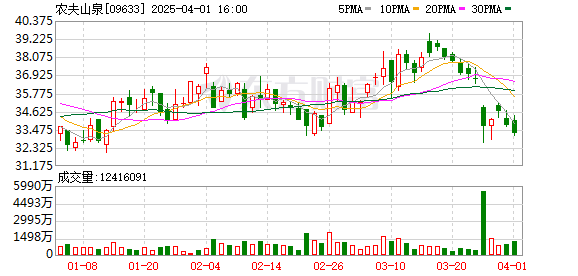
农夫山泉:“授渔”模式助力产业振兴
Xin Hua Wang· 2025-04-02 02:42
Core Insights - The article discusses the modernization of the tea industry in Yunnan, facilitated by Nongfu Spring's donation of five modern tea processing factories, which aims to enhance local livelihoods and promote industrial revitalization [1][3][5]. Group 1: Investment and Infrastructure - Nongfu Spring has invested 20 million yuan in a green tea processing factory in Yunnan, which has begun operations, marking a significant step in local industrial development [3]. - The new factories are equipped with advanced tea processing lines capable of handling 20,000 kilograms of fresh leaves per day, significantly outperforming traditional facilities [4]. Group 2: Technological Advancements - The tea processing facilities utilize automated processes for various stages, including withering, killing green, and rolling, leading to a quality improvement where the pass rate of tea quality has increased from 52% to over 90% [4]. - The introduction of digital control systems allows for precise management of temperature and pressure during processing, enhancing overall efficiency and product quality [4]. Group 3: Economic Impact - Local tea farmers have seen a 20-30% increase in the price of fresh leaves due to Nongfu Spring's involvement, which has also led to a shift from seasonal to year-round tea collection [6]. - The partnership with Nongfu Spring has resulted in local tea producers receiving guaranteed purchase agreements, thus stabilizing their income and encouraging further investment in equipment upgrades [6]. Group 4: Future Prospects - Nongfu Spring aims to replicate its successful model from Jiangxi, focusing on standardized production and market competition, which could lead to a significant transformation in the Yunnan tea industry [7]. - The company plans to invest 1 billion yuan in a beverage production base in Kunming, set to launch in 2026, which will further integrate Yunnan tea into global markets [7]. Group 5: Societal Benefits - The initiative emphasizes a people-centric approach to industrial upgrading, transforming farmers from mere participants to beneficiaries of technology and value sharing [8]. - The article highlights the potential for Yunnan tea to achieve substantial global sales, leveraging the region's natural resources and improving production standards [8].

农夫山泉投资捐建茶叶初制厂落成 助力云南茶产业转型升级
Zheng Quan Ri Bao· 2025-04-01 14:10
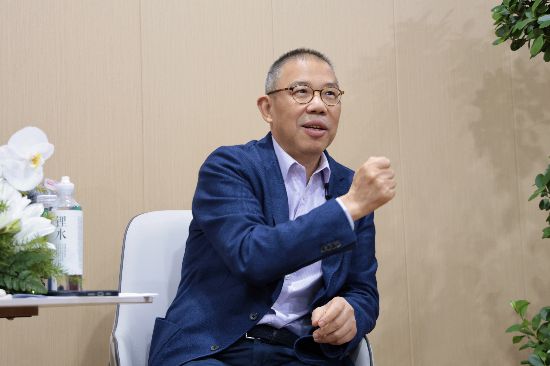
Core Viewpoint - The establishment of a tea processing factory by Nongfu Spring in Yunnan aims to enhance the industrialization and standardization of the local tea industry, addressing the growing demand for tea beverages and improving supply capabilities [1][2][3]. Group 1: Investment and Infrastructure Development - Nongfu Spring invested 20 million yuan to build a tea processing factory in Jingdong County, Yunnan, which officially commenced operations on March 31 [1]. - The company has committed over 100 million yuan to construct five modern tea processing facilities in various locations in Yunnan, each capable of processing 20,000 kilograms of fresh leaves daily, significantly exceeding the capacity of typical initial processing factories [1][2]. Group 2: Technological Advancements and Production Efficiency - The newly established factory features advanced processing equipment that automates multiple steps in tea production, enhancing quality control and production efficiency by minimizing manual handling [2][4]. - The factory's operations are designed to implement a fully digitalized control system for critical parameters, thereby stabilizing the quality of the tea produced [2][4]. Group 3: Support for Local Farmers and Economic Impact - Nongfu Spring aims to not only provide infrastructure but also to instill advanced production standards and practices among local farmers, enhancing their income and productivity [5][6]. - The company has established a detailed management model for collaborating tea gardens, implementing 118 organic standards that exceed national requirements, thus improving the overall quality of tea production [5][6]. Group 4: Strategic Vision and Market Positioning - The initiative is part of Nongfu Spring's broader strategy to upgrade the entire tea industry chain in Yunnan, focusing on increasing the added value of tea products and meeting diverse consumer demands [4][6]. - The founder of Nongfu Spring expressed that the company's efforts in Yunnan are not merely philanthropic but are also aimed at strengthening the supply chain and ensuring sustainable development for both the company and local farmers [5][6].