深度本土化

Search documents
国庆中秋,大马再掀中餐热潮!“鱼你速度”树出海标杆!
Sou Hu Wang· 2025-10-07 11:29
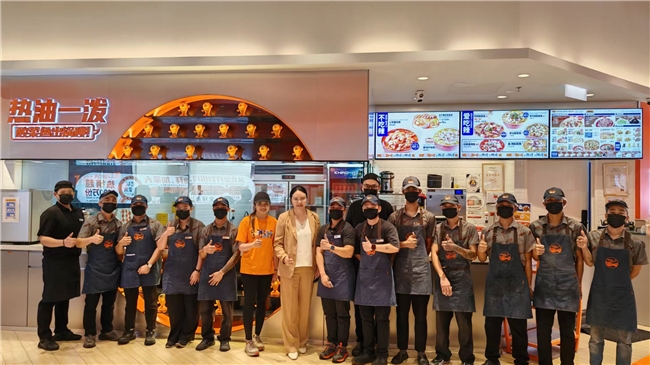
Core Insights - The article highlights the rising popularity of Chinese cuisine in Malaysia, particularly the chain "YONNY Fish You Together," which has quickly become a leading brand in the region within just six months of its establishment [1][3]. Market Potential - The Southeast Asian restaurant market is projected to exceed $100 billion by 2024, with a low restaurant density of only 15 restaurants per 10,000 people, indicating significant room for growth compared to more mature markets like the US and Japan [4]. - The Malaysian restaurant service market is expected to reach $23.95 billion by 2029, with a compound annual growth rate (CAGR) of 12.81% from 2024 to 2029, presenting a lucrative opportunity for brands like YONNY [11]. Brand Expansion Strategy - YONNY is transitioning from a "single-point trial" approach to a "regional densification" strategy, marking a significant step in its overseas expansion plans [10]. - The brand has successfully opened multiple locations in key areas such as Selangor, Kuala Lumpur, and Johor Bahru, indicating a clear strategy to establish a strong presence in Malaysia before expanding further into Southeast Asia [10]. Unique Selling Proposition - YONNY's success is attributed to its dual strategy of "Eastern aesthetics" and "deep localization," which allows it to resonate with local consumers while maintaining its core offerings [11][14]. - The brand has upgraded its English name to "YONNY" for better international appeal and has integrated Chinese cultural elements into its restaurant design to enhance customer experience [13]. Consumer Insights - Research indicates that Malaysian families prefer "shared dining," guiding YONNY in optimizing portion sizes and introducing family meal options [18]. - The brand's positioning as a go-to choice for family gatherings and social events has solidified its market presence in Malaysia [13]. Operational Insights - YONNY's management team is actively studying local consumer preferences and operational strategies to ensure effective market penetration and adaptation [15]. - The brand is focused on building a strong local talent pool to support its expansion and maintain high operational standards [14][21].

不止入乡随俗,优衣库如何以旗舰店重塑与中国城市的“对话”?
Sou Hu Cai Jing· 2025-09-26 06:41
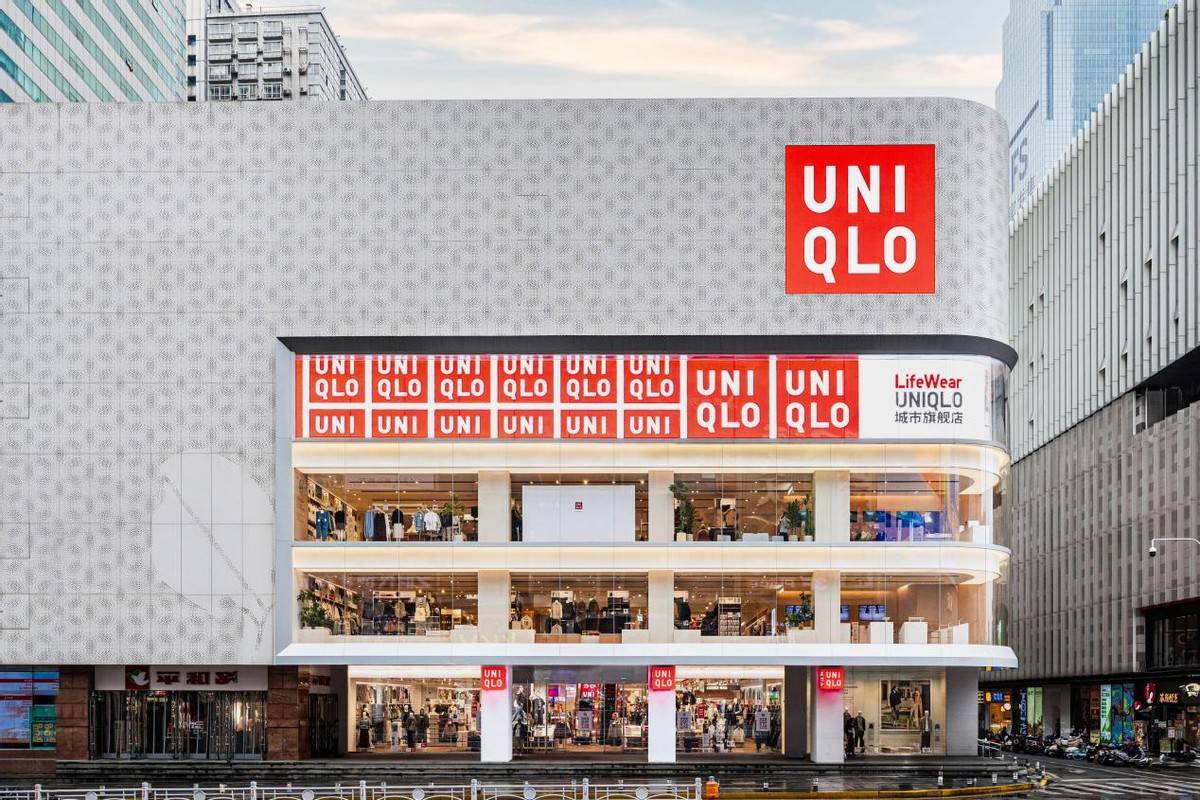
Core Insights - The article discusses Uniqlo's strategy of deep localization and individual store management in China, particularly through the opening of its first city flagship store in Changsha, which emphasizes regional culture and consumer engagement [1][3][18] Group 1: Store Concept and Design - Uniqlo's Changsha flagship store is designed as a cultural hub that reflects local identity, featuring products inspired by local symbols and daily life, such as designs based on "small crayfish" and "chili peppers" [4][6][9] - The store includes a UTme! customization workshop, allowing consumers to create personalized designs that resonate with local culture, enhancing emotional connections [6][9][14] Group 2: Cultural Engagement and Community Involvement - The flagship store serves as a platform for cultural experiences, showcasing local art, traditional crafts, and community businesses, thus transforming shopping into a cultural exploration [9][11][14] - Uniqlo's initiatives include collaborations with local artists and the introduction of a RE.UNIQLO STUDIO for clothing repair and upcycling, promoting sustainability and community engagement [11][14][18] Group 3: Product Offerings and Local Adaptation - Uniqlo tailors its product offerings to meet local climate needs, providing high-quality, affordable clothing solutions suitable for Changsha's variable weather [24][28][30] - The store features exclusive items that blend global quality with local cultural elements, ensuring that consumers can enjoy both familiarity and uniqueness in their purchases [21][30] Group 4: Brand Philosophy and Future Vision - Uniqlo's approach in Changsha exemplifies a shift from mere commercial transactions to a deeper value co-creation with the community, positioning itself as a partner in urban development [31][33] - The brand's philosophy of "LifeWear" evolves to encompass a commitment to cultural respect and community involvement, aiming to enrich consumer experiences and foster local identity [33]
利润集体大幅下滑,BBA上半年交出最“惨”财报
Jing Ji Guan Cha Bao· 2025-08-10 05:12
Core Insights - The German luxury car brands "BBA" (Mercedes-Benz, BMW, Audi) reported significant profit declines in the first half of 2025, with Mercedes-Benz's net profit dropping by 55.8%, Audi's by 37.5%, and BMW's by 29% [2][3][4] - The brands are facing dual challenges from U.S. tariffs and declining sales in the Chinese market, exacerbated by fierce competition from local luxury brands and an overall price war in China [2][3][4] Financial Performance - Mercedes-Benz's revenue fell to €66.377 billion, down 8.6%, with net profit dropping from €6.087 billion to €2.688 billion [3] - BMW's sales revenue decreased to €67 billion, also down 8%, with a net profit of €4 billion, a 29% decline [3] - Audi's revenue increased by 5.3% to €32.57 billion, but net profit fell to €1.346 billion, a 37.5% drop [3] Impact of U.S. Tariffs - The U.S. government's 25% punitive tariffs on EU-imported cars have significantly impacted BBA's profits, with Audi reporting losses exceeding €600 million due to tariffs and transformation costs [3][4] - Mercedes-Benz estimated a loss of €362 million due to the tariffs, which affected its core automotive business profit margin [3][4] Sales Decline in China - BBA's sales in China have been declining, with Mercedes-Benz's sales down 14% to 293,200 units, Audi's down 10.2% to 287,600 units, and BMW's down 15.5% to 318,000 units [4][5] - The shift towards electric and smart vehicles in China has intensified competition, with local brands gaining market share [4][5] Electric Vehicle Sales - Mercedes-Benz's electric vehicle sales fell by 14% to 87,300 units, while Audi's in China dropped by 23.5% to 7,897 units [5] - BMW's electric vehicle sales increased by 18.5% to 318,900 units globally, but it still lacks competitive products in the Chinese market [5] Adjusted Performance Expectations - Both Mercedes-Benz and Audi have lowered their full-year performance expectations due to ongoing challenges, with Audi revising its revenue forecast down to €65-70 billion [5][6] - Mercedes-Benz anticipates a return on sales of 4%-6%, down from an initial forecast of 6%-8% [5][6] Strategic Responses - BBA is increasing local production in the U.S. to mitigate tariff impacts, with Audi planning a $4.6 billion investment in a new factory [6] - In China, BBA is focusing on deep localization of technology, products, and supply chains to strengthen its market position [6][7] Product Development and Partnerships - BBA is accelerating the launch of new products, especially electric vehicles, with BMW planning to introduce over 10 new models in China by 2025 [7] - Collaborations with local suppliers for smart technology are being prioritized, with BMW partnering with Huawei and Audi also collaborating with the tech giant [7][8] Market Outlook - The luxury car market is facing a new competitive landscape, with BBA needing to adapt to the challenges posed by local brands and changing consumer preferences [9] - The era of high double-digit growth for all brands is perceived to be over, necessitating strategic adjustments for sustained development [9]
高丝披露中国市场战略:绝不退出,转守为攻
Sou Hu Cai Jing· 2025-07-31 07:53
Core Viewpoint - Kose Group firmly asserts its commitment to the Chinese market, emphasizing its strategic importance for global operations and sustainable growth [2][4]. Group 1: Strategic Shift - Kose Group's three-year strategic plan for China has transitioned from a "defensive" to an "offensive" approach, aiming for long-term development [4][5]. - The company aims to redefine high-end value and enhance brand presence in the competitive Chinese cosmetics market [9][15]. Group 2: Brand Focus and Product Strategy - Kose is focusing on three high-end series, including Decorte AQ and SEKKISEI, to strengthen brand loyalty and consumer desire [9][15]. - The Decorte AQ series has seen significant online engagement, with a 109% increase in online average transaction value and a 125% increase in sales proportion for its three major series [12][15]. Group 3: Market Adaptation and Consumer Engagement - Kose is adapting to the evolving Chinese market by emphasizing localized research and development, as well as enhancing marketing strategies to resonate with local consumers [33][39]. - The company plans to introduce new products targeting high-end segments, including a lip essence and a quantum-computed formula for a new serum [15][22]. Group 4: Channel Expansion and Consumer Base - Kose is expanding its distribution channels, particularly in lower-tier markets, with plans to open 500 new stores by the end of the year and over 2,000 in the next three years [24][27]. - The company is also focusing on digital marketing and social media to engage a broader consumer base, including younger demographics and male consumers [20][21]. Group 5: Long-term Vision and Global Strategy - Kose's long-term vision includes a compound annual growth rate of over 5% by 2030, with a focus on expanding in Southeast Asian markets and India [30][32]. - The company is committed to a localized transformation in marketing and product development to meet diverse consumer needs in China [33][41].
中国冰箱正在改写越南市场
Jin Tou Wang· 2025-07-17 03:27
Core Insights - The Vietnamese refrigerator market, previously dominated by Japanese and Korean brands, is experiencing a shift with Chinese brand Haier leading the charge [1][2] - In the first five months of 2025, the overall Vietnamese refrigerator market declined by 5.1%, while Haier's sales surged by 22%, achieving a market share of 21.9% and ranking second in the industry [1] Industry Overview - The Vietnamese refrigerator market has been characterized by a long-standing dominance of brands like Samsung, LG, and Panasonic, which have relied on technological advancements and established distribution channels [1] - The market is currently facing challenges such as slow product updates and severe homogenization, which do not meet the diverse needs of consumers [1] Company Strategy - Haier's success in Vietnam is attributed to its commitment to global branding while focusing on local market needs, including climate, dietary habits, and family structures [1] - The Haier TM700 series refrigerator exemplifies this strategy, featuring design elements tailored to tropical climates and local consumption patterns, such as dual water dispensers and ice-making modules [1] - The TM700 series also includes innovative features like dual MIGIC temperature zones for precise food storage and privacy modules for multi-generational households [1] Product Innovation - The TM700 series refrigerator has a modern aesthetic with a continuous handle and interactive breathing light, enhancing user convenience and appealing to younger consumers [2] - This product has not only achieved sales of over 50,000 units in Vietnam but has also expanded into markets across Southeast Asia, the Middle East, Africa, Australia, Europe, and South America [2] Globalization and Localization - The rise of Chinese refrigerator brands in Vietnam highlights the importance of deep localization as a foundation for successful globalization [2] - The best global products are those that deeply understand and cater to local user needs [2]

“被抛弃”的外资消费巨头
Hu Xiu· 2025-06-18 23:41
Group 1 - The era of foreign consumer brands in China is coming to an end, as evidenced by Haagen-Dazs potentially being put up for sale by General Mills and Starbucks engaging in aggressive price cuts to compete in the coffee market [4][12][47] - Haagen-Dazs is reportedly considering selling its China operations, with a potential valuation of several hundred million dollars, as the brand struggles to maintain its market position amid increasing competition and changing consumer preferences [4][6][38] - Starbucks has initiated a significant price reduction for its core products, marking its first large-scale price cut in 25 years in China, in response to fierce competition from local brands like Luckin Coffee [13][16][18] Group 2 - The decline of Haagen-Dazs and Starbucks reflects a broader trend where foreign brands are losing their premium status in the Chinese market, as consumers prioritize value for money and personalized experiences over brand prestige [8][22][24] - The competitive landscape has shifted dramatically, with local brands offering lower prices and innovative products, forcing established foreign brands to adapt or risk obsolescence [25][27][30] - The operational models of Haagen-Dazs and Starbucks, which once provided competitive advantages, are now seen as burdens in the fast-evolving Chinese market, leading to slower innovation and market responsiveness [28][34][36] Group 3 - The potential sale of Haagen-Dazs and Starbucks' operations in China is not necessarily a sign of retreat but could represent a strategic repositioning, similar to McDonald's successful transformation after its sale to a consortium in 2017 [38][41][43] - Possible buyers for these brands include investment firms looking to capitalize on their brand value and operational inefficiencies, as well as local companies that can leverage their existing supply chains and market knowledge [44][45] - The current situation underscores the necessity for foreign brands to deeply localize and innovate their business models to survive in the competitive Chinese market [47]

安波福中国及亚太区总裁杨晓明:坚定信心深耕中国市场
Zhong Guo Qi Che Bao Wang· 2025-04-27 03:05
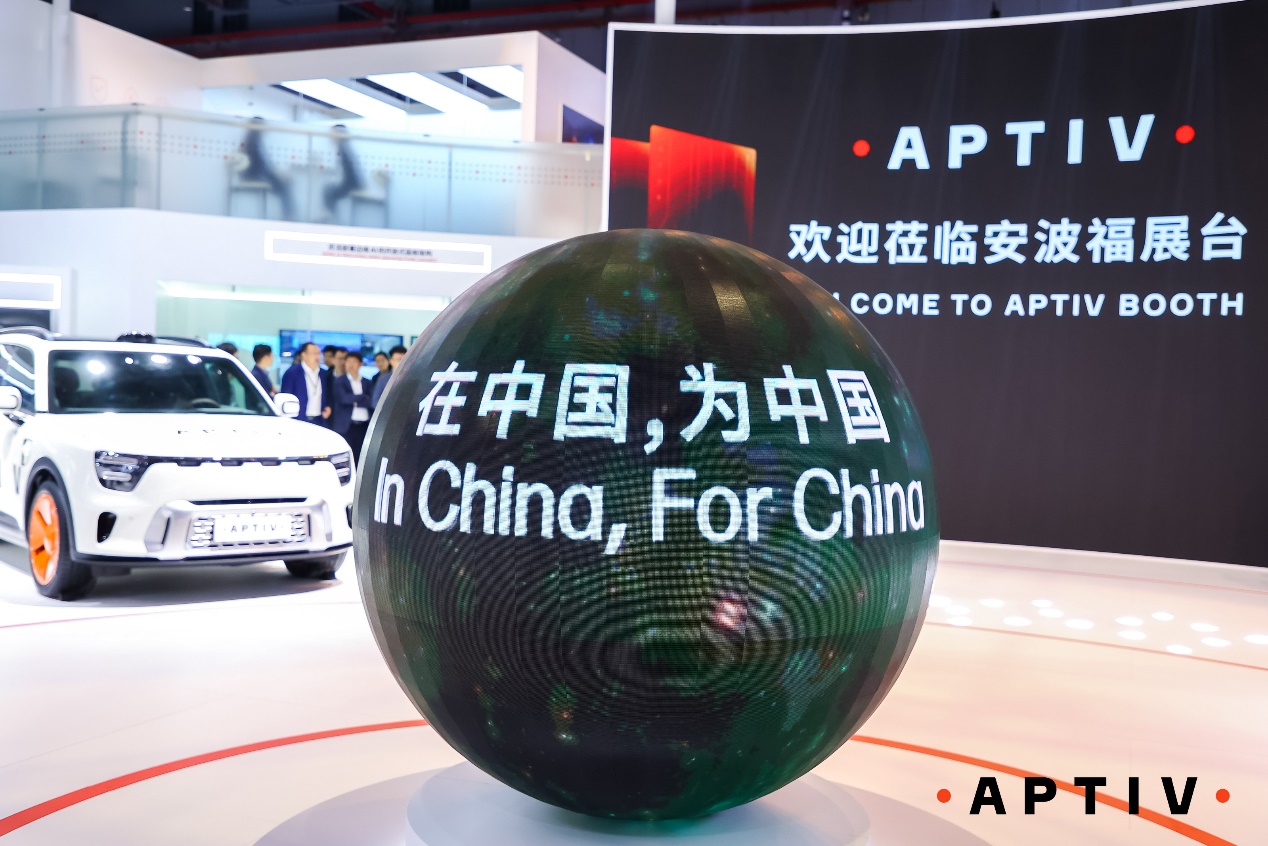
Core Insights - The 2025 Shanghai Auto Show indicates a clear trend where multinational automotive companies are embracing a "deep localization" strategy to engage with the Chinese market, focusing on collaboration with local supply chains and global layout [1] Group 1: Company Strategy - Aptiv has become a significant player in the transformation of the Chinese automotive industry, showcasing multiple localized innovative solutions at the auto show and demonstrating a commitment to deepening its localization strategy in China [3] - The President of Aptiv China and Asia Pacific emphasized the company's long-term confidence in the Chinese market and its intention to invest heavily to create a fully autonomous and controllable supply chain [5] - Aptiv has established a network of over 2,000 local suppliers in China, with a focus on increasing the localization rate of core materials, moving beyond simple production to a deeper integration within the supply chain [5] Group 2: Innovation and Development - Aptiv's strategy includes enhancing local decision-making capabilities and R&D manufacturing strength, which are crucial for maintaining competitiveness in the rapidly evolving automotive landscape [6] - The company is focusing on local innovation, particularly in the fields of smart and electric vehicles, where there is a lack of existing experience to draw from [6] - Aptiv showcased highly localized products at the auto show, including the Wind River real-time operating system and virtualization platform, which are entirely developed in China and free from foreign control [8] Group 3: Market Positioning - The company is adjusting its organizational structure to better respond to market changes, creating a unified business system for China that allows for localized decision-making across all processes [8] - Aptiv is positioned as a key player in the Chinese automotive ecosystem, facilitating domestic partners' access to the global supply chain and aiming for global coverage of its domestic supply chain by 2027 [10] - The global automotive industry is at a crossroads of technological revolution and market restructuring, with China's strategic position becoming increasingly significant for multinational companies [10]