生态化

Search documents
2025企业家博鳌论坛|企业如何链接全球?企业家这样支招!
Sou Hu Cai Jing· 2025-12-05 11:16
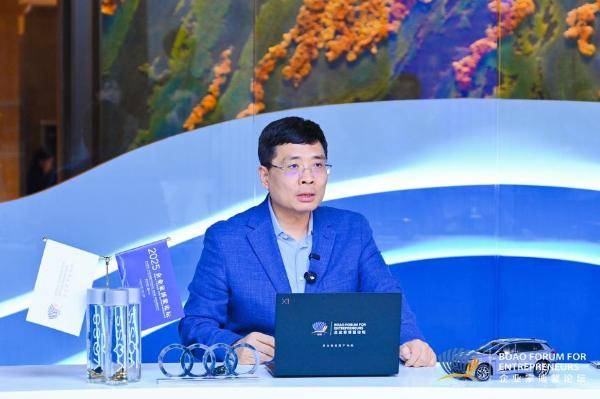
Group 1: Haier Group - Haier Group views the policy of Hainan's full island closure as a historic strategic opportunity, enabling significant cost reduction and efficiency improvement through policy dividends [2][4] - The company aims to leverage its market hub position to optimize its global layout and provide new momentum for industrial upgrades [2][4] - Haier has maintained its goal of creating a "world brand" for Chinese products, emphasizing the importance of long-term commitment and technological innovation in achieving global competitiveness [4][5] - The company has established ten major R&D centers globally and has launched over 200 original products, positioning itself as a leader in international standard formulation [5][6] Group 2: Qianji Technology - Qianji Technology sees Hainan's closure as a springboard for expanding into international markets and building a global innovation hub for the low-altitude economy [7][9] - The company plans to integrate duty-free consumption scenarios in the free trade port to create immersive cultural tourism IPs [7][9] - Qianji Technology emphasizes the need for a cross-cultural approach, combining technology and creativity to resonate with diverse audiences [9][10] Group 3: Huya - Huya identifies Hainan's full closure as a valuable policy window that aligns with its data-driven and content-exporting strategy [12][14] - The company anticipates enhanced efficiency in cross-border live streaming and esports data synchronization, facilitating smoother content distribution to global audiences [12][14] - Huya has established a comprehensive service system that supports game publishers in overseas markets, enhancing user engagement and operational efficiency [14][15] - The company advocates for deep localization and building an ecosystem of interconnected services to ensure sustainable growth in international markets [15][16]



以专业血压监测技术破局,华为WATCH D2持续领跑健康穿戴市场
Jing Ji Guan Cha Wang· 2025-11-25 23:45
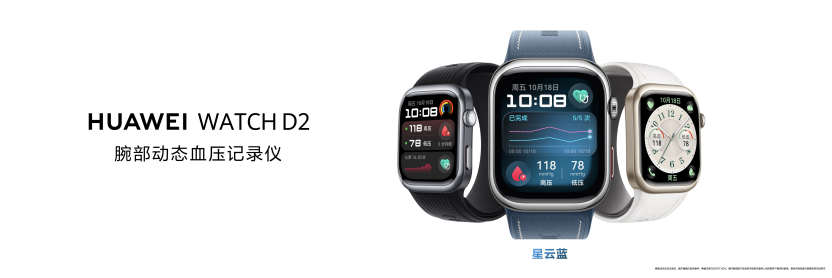
Core Insights - The wearable device market is transitioning from "functional iteration" to "value reconstruction," with a focus on professional medical-grade attributes as a new competitive focal point [1][8] - Huawei's WATCH D2, featuring "precise blood pressure monitoring," sets a benchmark for health wearables by combining aesthetic appeal with technological advancements [1][8] Market Demand - There is a significant demand for professional wearable devices due to the rigid need for daily management of hypertension, with 245 million hypertension patients in China, half of whom are unaware of their condition [4] - Traditional home blood pressure monitors are limited to "single measurements," failing to meet the dynamic monitoring needs, while medical devices are often too costly and not portable enough for the consumer market [4] Technological Edge - The core competitiveness of health wearables lies in the alignment of technical solutions with medical standards, exemplified by the WATCH D2's use of the "oscillometric method + cuff" approach, which is endorsed by global medical expert consensus [5] - The device features an innovative "integrated cuff and strap" design, enhancing user experience and measurement accuracy, while the new timed monitoring function caters to various usage scenarios [5] Certification and Trust - Trust is crucial for medical-grade wearables, and Huawei's WATCH D2 has achieved medical device certification in seven countries and regions, including China and the EU, backed by clinical validation against hospital-grade devices [7] - The combination of clinical validation and global certification helps to dispel the perception of wearables as merely entertainment devices, positioning the WATCH D2 as a serious tool for hypertension management [7] Ecosystem Development - The WATCH D2 extends from individual monitoring to a family health consumption ecosystem, offering features like post-exercise blood pressure measurement and comprehensive health data integration [11] - The ability to share health data within families through the Huawei Health app enhances user engagement and creates a "personal-family-health service" consumption loop, opening new growth opportunities for health wearables [13] Industry Implications - The upgrade of Huawei's WATCH D2 reflects a shift in the health wearable industry towards "professionalization, scenario-based applications, and ecosystem development," moving away from basic functionality to a value-driven approach focused on user health [14]
两位数“五连增”!海尔智家核心数据亮眼
Zhong Guo Zheng Quan Bao - Zhong Zheng Wang· 2025-11-25 11:57
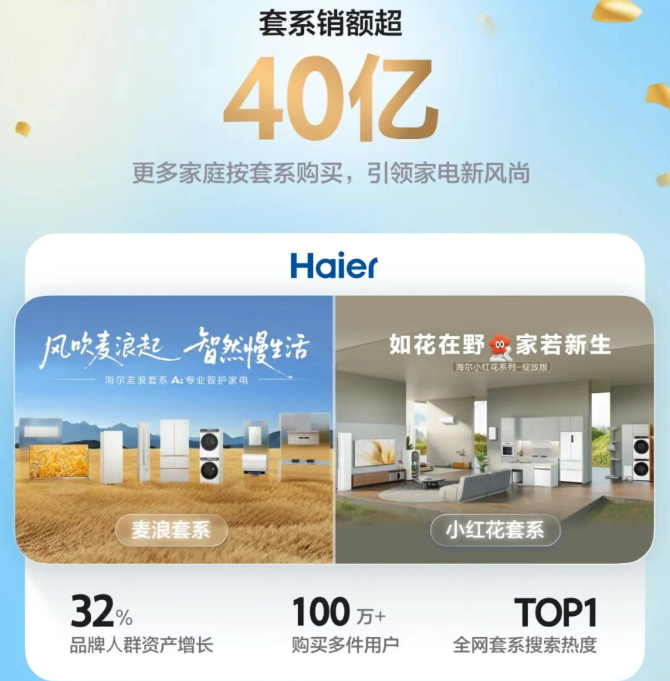
Core Insights - Haier Smart Home has achieved impressive growth, with a continuous double-digit year-on-year increase in net profit attributable to shareholders for five consecutive years [1][2] - The company has established itself as a "hardcore growth" leader in the appliance industry, successfully navigating challenges such as market saturation and rising raw material costs [2] Financial Performance - From 2021 to 2025, the year-on-year growth rates of net profit attributable to shareholders for the first three quarters were 57.68%, 17.26%, 12.71%, 15.27%, and 14.68% respectively [1][7] - The latest report indicates a 14.68% year-on-year increase in net profit for the first three quarters of 2025, surpassing revenue growth [7] Strategic Dimensions - Haier's growth is driven by five strategic dimensions: high-end, globalization, digitalization, intelligence, and ecological integration, which collectively enhance user recognition [3] - The Casarte brand, known for its differentiated technology, has become a key profit driver, with products like the zoned washing machine and oxygen-preserving refrigerator meeting high-end consumer needs [3] Globalization Efforts - Haier's globalization strategy focuses on localizing products and services, establishing R&D, production, and sales systems in key markets to serve local users effectively [3] Digital Transformation - Digital transformation plays a crucial role in enhancing operational efficiency and user experience, with initiatives like the comprehensive inventory management system and multi-channel digital operations [4] - The application of AI technology has led to innovative products that address everyday consumer pain points, contributing to significant sales during major shopping events [4][5] Market Position and Future Outlook - During the 2025 Double Eleven shopping festival, Haier's product sales exceeded 4 billion yuan, with significant contributions from specific product lines [5] - Analysts maintain a positive outlook on Haier's growth potential, citing the ongoing deepening of its high-end strategy, steady globalization, and increasing penetration of smart home solutions [7]
进博会“窗口”效应:电商全球化深度融合的新篇章
Sou Hu Cai Jing· 2025-11-10 10:15
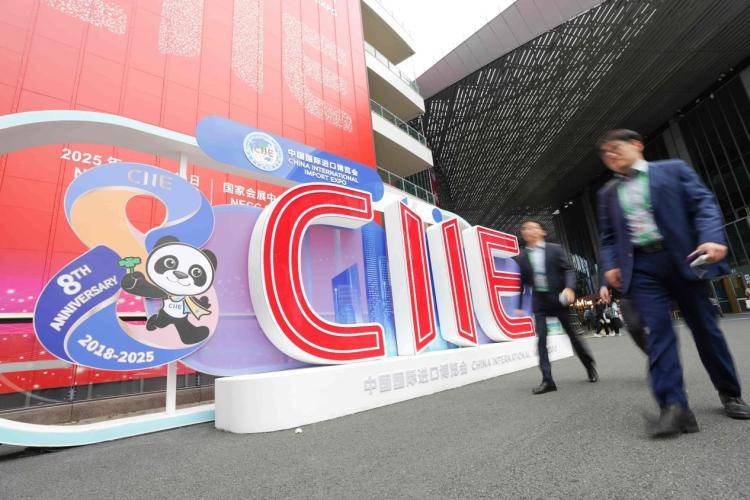
Core Insights - The 8th China International Import Expo (CIIE) emphasizes the development of cross-border e-commerce, introducing new platforms and service areas to facilitate foreign products entering the Chinese market [1][2] Group 1: Cross-Border E-Commerce Opportunities - CIIE serves as an excellent platform for cross-border e-commerce, allowing overseas brands to showcase their products and connect with Chinese consumers [2] - The introduction of cross-border e-commerce retail import methods post-expo allows brands to bypass traditional trade complexities, offering tax exemptions and simplified registration processes [2][5] - Major platforms like Tmall International, Vipshop, and Douyin E-commerce provide tailored support for international brands, facilitating quick market entry and promotional activities [3][5] Group 2: Consumer Trends and Product Insights - The expo highlights four major consumer trends: health-oriented products, niche market growth, technological integration, and experiential consumption [6][7] - Specific product categories such as medical nutrition, smart devices, and sustainable goods are gaining traction, reflecting a shift in consumer preferences towards quality and innovation [6][7] Group 3: Future of CIIE and Cross-Border E-Commerce - The integration of CIIE with cross-border e-commerce is evolving towards a digital, ecological, and globalized model, enhancing trade efficiency and consumer access [9][10] - The model aims to streamline supply chains, reduce costs, and improve responsiveness to market demands, allowing for a more direct connection between overseas brands and Chinese consumers [12]
白酒行业经销商订货模式:变革、创新与未来趋势
Sou Hu Cai Jing· 2025-10-29 08:44
Core Insights - The white liquor industry in China is undergoing significant changes in its distributor ordering model due to consumption upgrades, digitalization, and evolving market competition [2][4] Group 1: Challenges of Traditional Distributor Ordering Model - Traditional distributor ordering models face issues such as information asymmetry and inefficiency, with a 15% error rate in manual order entry leading to significant inventory losses [3][4] - The multi-tiered distribution network results in redundant channels and profit distribution complexities, causing conflicts between brand owners and distributors [3] - Low inventory turnover rates average 4.2 times per year, significantly below the industry standard of 6.8 times, leading to increased financial pressure on distributors [3] Group 2: Digital Innovation in Distributor Ordering Model - White liquor companies are adopting digital ordering platforms to enhance efficiency and collaboration, exemplified by a leading company’s implementation of a digital system that reduces delivery times from 72 hours to 12 hours [4][6] - Digital tools are transforming distributors' roles from mere "cargo handlers" to "regional operators," enhancing their operational capabilities [4][6] Group 3: Rise of New Channels - Instant retail is emerging as a new growth area, with a reported 10-fold increase in sales during promotional events, indicating a shift towards immediate consumer satisfaction [5][7] - The shift from standardized purchasing scenarios to scenario-based consumption requires companies to leverage digital tools to capture emerging consumer demands [8] Group 4: Future Trends - The distributor ordering model is expected to evolve towards greater intelligence through AI and blockchain technologies, enhancing supply chain transparency [9] - The ultimate goal of channel digitalization is to create a symbiotic ecosystem among brands, distributors, retail outlets, and consumers [9] - Globalization of the white liquor market is accelerating, necessitating adaptations to cross-border supply chains and cultural differences [9]

机构:中国消费电子行业已经形成良性的产业群
Zheng Quan Shi Bao Wang· 2025-10-23 01:43
Core Viewpoint - The consumer electronics industry is navigating challenges and opportunities in the first half of 2025, with AI emerging as the core driver of development [1] Industry Summary - Traditional categories like smartphones are entering a phase of innovation plateau, while AI hardware is experiencing explosive growth, particularly in global smart glasses shipments which have significantly increased year-on-year [1] - AIPC is gaining momentum due to the integration of specialized NPU, contributing to the overall growth of the sector [1] - The future trajectory of the consumer electronics industry is expected to deepen along the lines of intelligence, ecosystem development, and sustainability [1] Company Summary - Chinese consumer electronics companies hold a crucial position in the global supply chain, having optimized their technological foundations over years of development, establishing strong barriers through continuous innovation [1] - The industry has formed a robust ecosystem with positive interactions among companies, making it difficult to find substitutes in other countries in the short to medium term [1] - In recent years, Chinese consumer electronics firms have been enhancing their global presence, allowing them to better meet diverse regional demands and strengthening their ability to withstand geopolitical risks [1]
桃李面包:上海研发中心启用 全面开展生态化、体系化战略布局
Zhong Zheng Wang· 2025-10-17 10:41
Core Insights - The celebration of the 30th anniversary of the Taoli brand coincided with the inauguration of the Taoli Shanghai R&D Center, marking a significant milestone in industry innovation and standard upgrades [1][3] - The Chinese baking market is experiencing rapid growth, with the retail market size expected to reach 611.07 billion yuan in 2024 and surpass 850 billion yuan by 2029 [2] - Taoli Bread is recognized as a key player in promoting standardization and scalability in the industry, reflecting the transition of the Chinese food industry from "quantitative expansion" to "qualitative improvement" [2] Company Overview - Taoli Bread, originally Shenyang Taoli Food Co., Ltd., specializes in the production and sale of baked goods, including bread, pastries, and seasonal products [1] - Since its establishment in 1995, the company has expanded its operations across 24 regions in China, with 35 subsidiaries and over 280,000 retail terminals [1] - The company employs a "central factory + wholesale distribution" model, achieving significant economies of scale and cost advantages in the short-shelf-life baking sector [1] Market Trends - The baking market is witnessing three major trends: deepening consumption stratification, diversification of consumption scenarios, and enhanced cultural identity [2] - High-end baking stores are experiencing a continuous increase in sales growth rate, while mid-to-low price products maintain a stable market share [2] - The integration of traditional culture with modern craftsmanship is increasingly appealing to younger consumers, indicating a shift from "quantity competition" to "value competition" in the industry [2] Strategic Initiatives - Taoli Bread is implementing an ecological and systematic strategic layout, focusing on innovation to meet diverse consumer demands [3] - The newly opened Shanghai R&D Center aims to drive product upgrades through scientific innovation, emphasizing new processes and materials [3] - The company is optimizing its supply chain efficiency through a flexible supply chain model and digital transformation, ensuring standardized production and precise delivery [3] Industry Outlook - Experts at the event highlighted that the Chinese baking industry is entering a high-quality development phase characterized by "quality enhancement, efficiency optimization, and value co-creation" [3] - As an industry pioneer, Taoli Bread is leveraging technological innovation and systematic management to drive collaborative upgrades across the industry chain [3] - The company is contributing to breakthroughs in smart manufacturing, green low-carbon initiatives, and sustainable development within the modern food industry [3]

给大家看看,2025年用AI开会的新姿势。
数字生命卡兹克· 2025-10-15 01:33
Core Viewpoint - The article emphasizes the advancements in using Feishu (Lark) for meetings, particularly highlighting the evolution of AI-generated meeting minutes that are now more visual and integrated into a knowledge ecosystem [3][4][19]. Visualization - The new AI meeting minutes feature in Feishu allows for visual summaries and structured content, enhancing readability and clarity compared to previous text-only formats [5][9]. - The integration of visual elements, such as charts and tables, in meeting minutes significantly improves the user experience, making it easier to digest information [9][14]. - Feishu's ability to include important images and documents shared during meetings in the minutes is a notable improvement, ensuring that all relevant content is captured [14][15]. Ecosystem Integration - The introduction of the Knowledge Q&A feature in Feishu allows users to create an AI knowledge base, making it easier to retrieve information from past meetings [17][18]. - The combination of intelligent meeting minutes and the Knowledge Q&A feature transforms the way companies retain and access meeting information, turning ephemeral discussions into valuable knowledge assets [17][19]. - This integration supports a more efficient workflow, enabling users to quickly find relevant information from previous meetings without extensive searching [18][19].

九章云极COO尚明栋:算力利用率不足30%,根源在于「堆硬件」而非「重运营」丨智算想象力十人谈
雷峰网· 2025-09-02 10:09
Core Viewpoint - The cloud computing industry, particularly in intelligent computing, faces challenges such as underutilization of computing power and the inefficiencies of traditional leasing models, necessitating innovative operational strategies to optimize resource usage and costs [3][4][6]. Group 1: Industry Challenges - The average utilization rate of computing power in the industry is below 30%, leading to significant waste [3]. - The traditional bare metal leasing model locks clients into fixed time and resource boundaries, making it difficult for smaller companies to access necessary resources [3][16]. - Many companies in the industry are struggling with issues like project arbitrage and short-term profit chasing due to immature business models and regulatory environments [7]. Group 2: Operational Strategies - Computing power should be viewed as an operational service rather than a one-time product delivery, emphasizing continuous usage and consumption [4][9]. - The introduction of the "Alaya NeW" intelligent computing center operating system aims to optimize hardware management and support a diverse ecosystem, enhancing cost efficiency [6][10]. - The focus on flexible and elastic computing power services is crucial for meeting the diverse needs of clients, particularly in the context of increasing demand for AI applications [13][19]. Group 3: Market Dynamics - The competition in the intelligent computing market is intensifying, with major cloud providers needing to maintain cost competitiveness while developing robust ecosystems [23]. - The shift towards a retail model for computing power, where clients pay based on actual usage rather than fixed leases, is gaining traction [11][15]. - The demand for inference computing power is expected to grow significantly, driven by the increasing application of AI across various industries [26][27]. Group 4: Future Outlook - The intelligent computing industry is at a crossroads, with opportunities for innovation in service delivery and resource management [29]. - The evolution towards multi-modal AI applications indicates a trend towards more integrated and versatile computing solutions [28].

银行App大“瘦身”
Jin Rong Shi Bao· 2025-08-08 07:59
Core Viewpoint - The banking industry is undergoing a significant transformation in its mobile applications, with many banks opting to integrate or discontinue their apps to enhance efficiency and user experience [1][2][4]. Group 1: Current Trends in Banking Apps - Zhuhai China Resources Bank announced that its "Run Wallet App" will cease operations on October 15, 2025, with functionalities migrating to the China Resources Bank App [1]. - A trend of "thinning" is observed in the banking app sector, with multiple banks consolidating or shutting down their apps, particularly in credit card and direct banking services [2]. - The closure and integration of apps reflect the challenges and strategies banks face during digital transformation, including cost reduction, efficiency improvement, and market competition [1][2]. Group 2: Operational Insights - Each banking app requires significant investment in human resources, technology, and funding, making independent apps less viable as new credit card user growth stagnates [2]. - Consolidating apps allows banks to focus resources on core business areas, enhancing overall operational efficiency, aligning with current financial regulatory policies [2][3]. Group 3: User Experience and Future Directions - The integration of apps is expected to improve user experience by providing a one-stop service for various financial needs, reducing the complexity of managing multiple apps [3][4]. - Future banking apps are anticipated to leverage advanced technologies like big data and artificial intelligence to offer personalized financial solutions and enhance user experience [4][5]. - The trend indicates a shift towards ecological, intelligent, and differentiated banking apps, moving beyond traditional functions to create a "life + finance" ecosystem [5].