
科技兴农

Search documents
红明农场公司开展荔枝疏花保果技术培训
Xin Lang Cai Jing· 2026-02-11 03:39
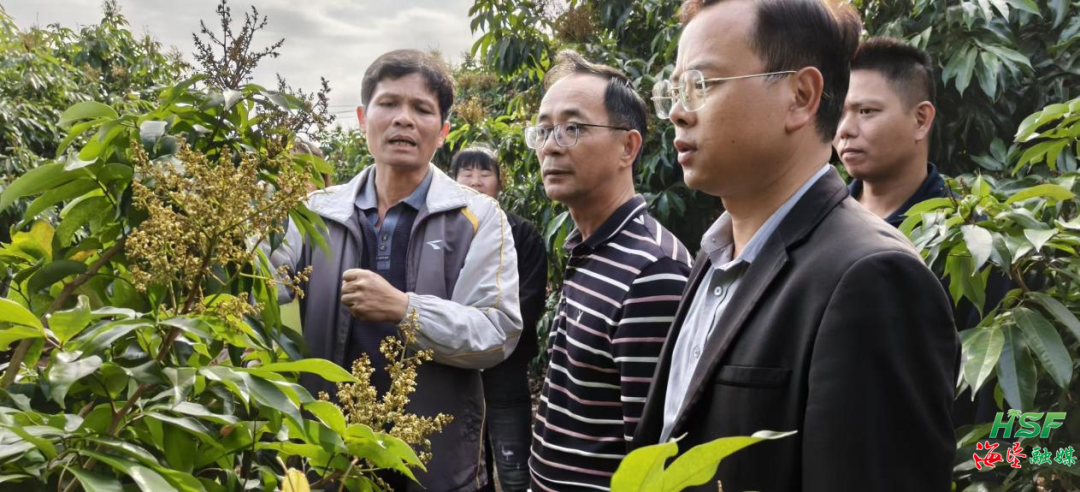
为落实海垦集团联农带农服务工作要求,切实提高职工群众的荔枝种植技术水平,2月9日,红明农场公司依托海南琼山荔枝科技小院平台,在荔海共享农 庄开展"妃子笑"荔枝疏花保果技术培训。 本次培训邀请了海口市农业技术推广中心研究员陈胜、特聘农技员周永岛两位专家,采用"理论讲解+实操演示"的模式,为职工群众解决疏花保果过程中 遇到的技术难题。 培训现场。 此次培训打破了传统"会议室授课"的固有模式,将课堂搬到田间地头,让科技服务更接地气、更有实效。红明农场公司作为联农带农的践行者,始终 以"科技兴农、产业富民"为己任,将充分发挥海南琼山荔枝科技小院的技术资源优势,构建"专家指导+基地示范"的服务体系,推动荔枝产业从"经验种 植"向"科学种植"转型,让技术红利转化为职工群众实实在在的收入。 培训现场。 声明:转载或者引用本公众号新闻,请注明来源及原作者。 图文 | 邢远源 编辑 | 伍祁榕 吴天奥 值班主任 | 卢雅楠 总值班 | 徐薇 为落实海垦集团联农带农服务工作要求,切实提高职工群众的荔枝种植技术水平,2月9日,红明农场公司依托海南琼山荔枝科技小院平台,在荔海共享农 庄开展"妃子笑"荔枝疏花保果技术培训。 本次培训邀 ...

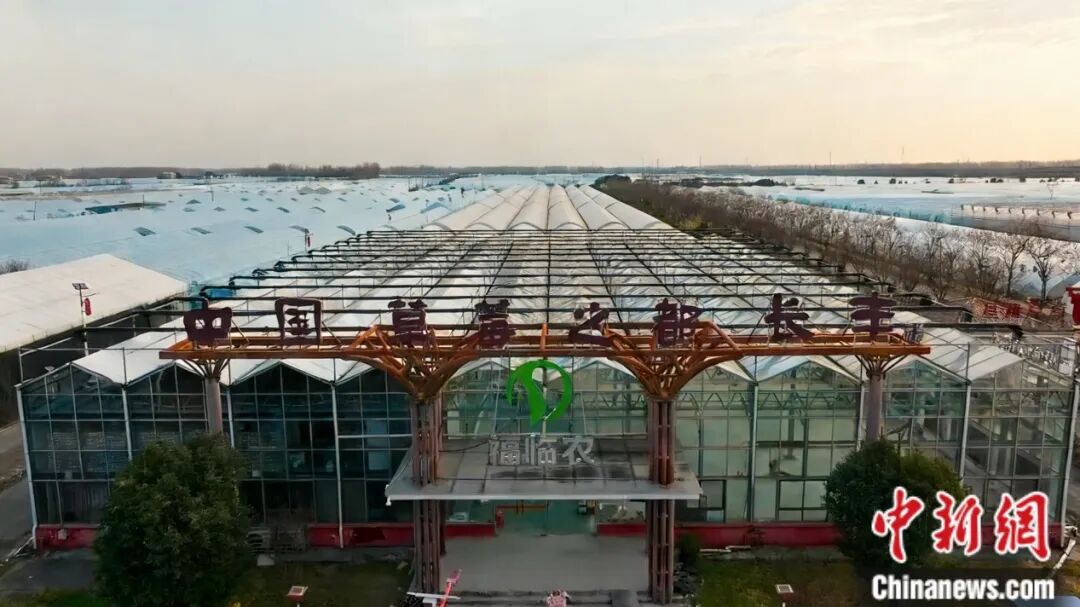
小草莓如何做成百亿大产业?安徽这座小城给出答案
Zhong Guo Xin Wen Wang· 2026-02-03 00:03
Core Viewpoint - The strawberry industry in Changfeng County, Hefei City, Anhui Province has transformed from a small-scale operation to a major industry with an annual output value exceeding 11 billion yuan, driven by diversification in strawberry varieties and modern agricultural practices [3][11]. Industry Development - Changfeng County has evolved into the leading county for facility strawberry production in China, with a significant increase in annual output value to over 11 billion yuan [3]. - The local government and associations have actively promoted the introduction and demonstration of multiple new strawberry varieties, moving away from reliance on the single "Hongyan" variety [9][11]. Variety Diversification - The introduction of various strawberry varieties such as "Bai Xue Gong Zhu," "Fen Yu," and "Hei Zhen Zhu" has enhanced consumer interest and market demand for diverse experiences [5][7]. - Farmers have shifted from focusing solely on "Hongyan" to cultivating seven to eight different varieties, leading to improved economic benefits through staggered harvesting and sales [7][11]. Technological Advancements - The strawberry cultivation process has become more technical, utilizing modern irrigation methods like drip irrigation and integrated water and fertilizer systems, which enhance water efficiency and fruit quality [15]. - The development of a "Smart Strawberry" big data platform has enabled precise management of strawberry growth through IoT monitoring, pest identification, and nutrient control [17]. Market Expansion - The value of strawberries in Changfeng is no longer limited to fresh fruit sales; new sales models such as e-commerce, community group buying, and direct supply have emerged, with online sales expected to reach 5 million orders this year [18]. - The number of enterprises with export qualifications has increased from two to ten, targeting markets in Southeast Asia, the Middle East, Japan, and South Korea [18]. Value-Added Products - The establishment of strawberry deep processing enterprises has led to the creation of products like strawberry jam, wine, and dried strawberries, enriching market options [20]. - The integration of strawberries with cultural and tourism initiatives has resulted in events like strawberry festivals and themed accommodations, attracting over 4 million tourists annually and generating nearly 500 million yuan in tourism revenue [20]. Community and Economic Impact - The formation of a strawberry industrial alliance has fostered over 80,000 industry participants, including leading enterprises and cooperative models, addressing financing challenges through innovative financial products [24]. - Initiatives such as "entrepreneurial mentors + incubation bases" have supported returning youth and college students, cultivating over 10,000 skilled growers and engaging more than 180,000 people in the strawberry industry [24].
(走进中国乡村)冬日暖棚藏“百亿春天” 长丰草莓远销海外
Zhong Guo Xin Wen Wang· 2026-02-02 04:33
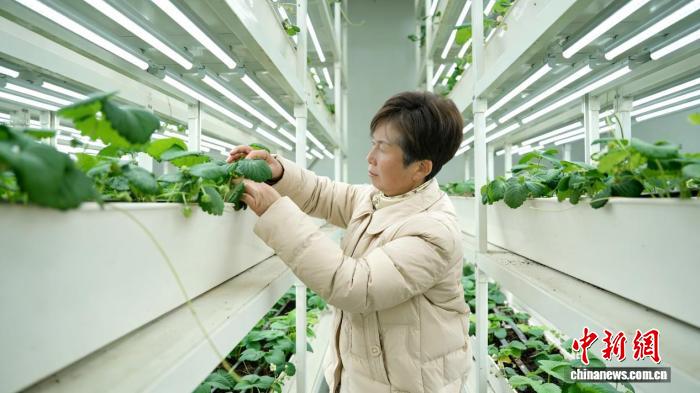
安徽省合肥市长丰县水湖镇李杨村的种植大户蒋秀芝正在查看草莓生产情况。(长丰县文旅局供图) 中新社合肥2月2日电 题:冬日暖棚藏"百亿春天" 长丰草莓远销海外 中新社记者 储玮玮 寒冬时节,安徽省合肥市长丰县水湖镇李杨村的草莓大棚里春意盎然,一颗颗饱满的草莓掩映在叶间, 种植大户蒋秀芝正挑选果实。"现在的标准高了,甜度、果型、色泽,一颗都不能含糊。"她说。 三十年前,蒋秀芝还只是守着两亩小棚、凭经验摸索的普通农妇。如今,她已成为带动全村发展的"领 头雁"。李杨村也从零星种植发展为长丰县最大的草莓种植村,拥有近600户种植户、3000亩草莓园。 转变的"钥匙"是科技。当地常常组织农技专家深入大棚,手把手传授技术。蒋秀芝从"跟着学"到"自己 钻",测糖仪、传感器成了新农具,大水漫灌变为滴灌与水肥一体化。"过去凭经验,现在数据说了 算。"她说,绿色防控技术的普及,让"摘下即食"成为长丰莓农的自信。 自己富了,不忘乡亲。蒋秀芝将技术倾囊相授,带领村民统一采购种苗肥料、对接销路。在"草莓小 镇"项目推动下,李杨村建起现代化钢架大棚和完善设施,2025年集体经济收入达384万元(人民币,下 同)。 科技的触角更深入产业核心 ...
科技改良让昌邑盐碱地变身“致富田”
Xin Hua She· 2026-01-31 07:03
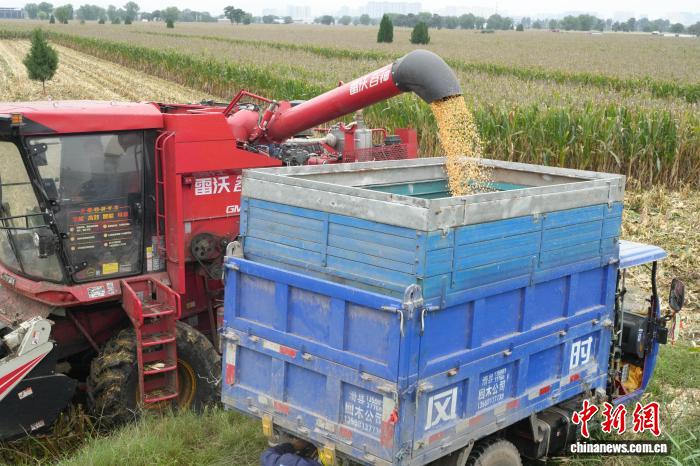
Core Viewpoint - The article highlights the successful transformation of saline-alkali land in Changyi City, Shandong Province, into productive agricultural land through innovative practices and technology, leading to increased crop yields and improved farmer incomes. Group 1: Agricultural Practices and Innovations - The Qingfu Agricultural Complex has implemented a crop rotation strategy, planting alfalfa for three years followed by cotton and then wheat and corn, utilizing salt-tolerant crops to absorb soil salinity [2] - The complex has transitioned from monoculture to integrated farming, establishing two large cattle farms with over 5,000 cattle, using crop residues as feed and manure as organic fertilizer to enhance soil quality [2][3] - The average grain yield has increased to over 2,700 jin per mu, with the soil salinity in heavily saline-alkali areas reduced from above 10‰ to below 3‰ [3] Group 2: Infrastructure and Investment - The Qingfu Agricultural Complex has invested over 200 million yuan in water management infrastructure, including a 55-kilometer water diversion pipeline to improve irrigation and reduce soil salinity [2] - The complex has acquired over 400 sets of agricultural machinery, including large tractors and smart fertilization machines, to create a fully mechanized operation system for planting, managing, and harvesting crops [3] - The complex's operational model involves shared investment from the management, village collectives, and local farmers, ensuring profit distribution that benefits over 1,600 households [3] Group 3: Economic Impact and Community Development - By 2025, the Qingfu Village is projected to generate over 2 million yuan in collective income, with per capita annual income exceeding 48,000 yuan, contributing to the economic uplift of surrounding villages [3] - The comprehensive approach to land management and community involvement has led to the successful reclamation of 158,000 mu of saline-alkali land, significantly enhancing agricultural productivity and farmer livelihoods [3]
从趴地菠菜到豫农优品 河南如何耕好农业强省“三块田”
Zhong Guo Xin Wen Wang· 2026-01-29 05:30
Core Viewpoint - The article discusses how Henan province is focusing on becoming an "agricultural strong province" by enhancing its agricultural capabilities through technology and modernization, with specific initiatives aimed at increasing grain production, modernizing agricultural practices, and improving rural construction quality [2][4][6]. Group 1: Enhancing Grain Production Capacity - Henan has prioritized "agricultural strong province" in its development goals, maintaining a grain output of over 130 billion jin for nine consecutive years, with a target of reaching 140 billion jin during the 14th Five-Year Plan [2][3]. - The province plans to implement a 10 billion jin grain production capacity enhancement project, including the construction and renovation of over 4 million mu of high-standard farmland [3]. - There are concerns regarding the mechanization quality and efficiency in peanut production, with a current mechanization rate of approximately 87.1%, and recommendations for improving disease resistance and technology platforms [3]. Group 2: Modernizing Agricultural Capabilities - Henan aims to develop smart agriculture by integrating technology, green practices, quality control, and branding, with a focus on creating an innovative agricultural ecosystem [6]. - The introduction of domestically developed agricultural machinery, such as a bundling machine that doubles efficiency and is 30% cheaper than imports, highlights the shift towards high-end smart farming [6]. - There are calls to strengthen the grassroots agricultural technology promotion system to build a skilled workforce capable of supporting modern agricultural practices [6]. Group 3: Improving Rural Construction Quality - The provincial government emphasizes enhancing rural construction quality, leveraging successful experiences from the "Ten Thousand Projects" initiative, and aims to establish 35 pilot areas and 1,000 harmonious villages [6][7]. - While infrastructure improvements have been made, there is a need for qualitative enhancements in environmental quality and architectural features, with suggestions to incorporate local cultural elements into rural development [7]. - The agricultural processing industry in Henan, with over 6,000 large-scale enterprises, presents significant market potential, and there are recommendations to strengthen policies that support employment and income stability in this sector [7].
山东累计培育全国名特优新农产品465个,新增数量持续居全国前列
Feng Huang Wang Cai Jing· 2026-01-29 00:08
下一步,山东省将继续沿着科技兴农、绿色兴农、质量兴农、品牌强农的发展路径,精耕"土特产"文 章,持续壮大名特优新农产品阵营,不断提升山东优质农产品的知名度、美誉度与市场竞争力,为全面 推进农业强省建设、谱写乡村振兴齐鲁新篇章注入强劲动力。 据了解,山东省2025年深化改革并成功构建省、市、县三级联动的名特优新农产品认定管理机制,形成 省级统筹指导、市级推进落实、县级协调服务的工作格局,全面提升全省名特优新农产品管理服务水 平。加强对重点产品现场核查与指导服务,对6个畜牧类名特优新农产品开展营养品质稳定性跟踪监测 评价,品质指标达标率保持100%。同时,组织实施全省名特优新农产品资源普查,制定专项工作方 案,系统梳理收录260余个区域特色农产品信息,全面摸清优质特色农产品资源家底,为规模提升、结 构优化与精准培育提供了科学支撑。同时,山东持续擦亮"鲁字号"金名片,组织173家企业、133个产品 参加2025年全国名特优新农产品产销对接活动,山东展区荣获"最佳组织奖",品牌影响力持续提升。 据山东省农业农村厅1月28日消息,2025年,山东省将培育名特优新农产品作为提升农业质量效益和竞 争力的重要抓手,坚持数量与 ...

人参果金果果
Xin Lang Cai Jing· 2026-01-22 22:14
Core Viewpoint - The transformation of the Shilin ginseng fruit industry exemplifies the integration of modern agricultural technology and traditional farming practices, leading to significant economic growth and modernization in Chinese agriculture [1][11]. Industry Development - The Shilin ginseng fruit industry has evolved from a small-scale farming initiative to a significant economic sector with a comprehensive output value exceeding 37 billion yuan [2][10]. - The area under cultivation has expanded from a few acres to approximately 180,000 acres by 2025, benefiting over 23,400 farmers [10]. Technological Advancements - The introduction of virus-free seedlings has replaced traditional propagation methods, significantly improving fruit quality and yield while reducing costs [4][5]. - A systematic approach to agricultural technology has been established, including the creation of a local standard for virus-free seedling production and the establishment of the "Shilin Ginseng Fruit Technology Cottage" [5][6]. Market and Branding - The industry has shifted from individual sales to a structured marketing approach, with the establishment of a brand identity and geographical indication status, enhancing market competitiveness [7][9]. - The integration of technology in production and marketing has allowed for standardized products and improved sales channels, leading to increased profitability for farmers [7][8]. Challenges and Future Outlook - Despite significant progress, challenges such as pest management and production standardization remain, necessitating ongoing improvements in quality control and regulatory frameworks [10][11]. - Future prospects include the potential development of new ginseng fruit varieties through space research, which may enhance resistance and flavor, further advancing the industry [10][11].
“齐鲁乡村之星”孙成义:杜梨花开盐碱地 科技兴农有担当
Xin Lang Cai Jing· 2026-01-22 18:09
Core Viewpoint - The article highlights the efforts of Sun Chengyi, a local expert in forestry, who has dedicated over 30 years to the research and promotion of native tree species, particularly the Duli pear, in saline-alkali land, showcasing the integration of technology and agriculture for rural development [1][7]. Group 1: Company Development - Sun Chengyi founded Wudi Rongguo Tiandi Landscape Engineering Co., Ltd. in 2017, focusing on the research, cultivation, and sales of seedlings, while also exploring the intercropping model of forestry and medicinal plants [3]. - The Duli pear base established by Sun has grown to 350 acres, making it the largest Duli pear seedling base in the province, attracting various provincial seedling salons [3]. - The company has successfully cultivated 96,000 seedlings, with 30,000 Duli pears currently available for sale, demonstrating significant demand from local forestry and nursery markets [3]. Group 2: Agricultural Innovation - Sun identified the unique value of Duli pear trees in saline-alkali soil, which can thrive in high salinity conditions, leading to the development of six patented tree varieties that meet specific growth standards [2]. - The cultivation process has been optimized, reducing the growth time for Duli pears from six years to four years, and increasing fruit size from 0.3-0.5 cm to a maximum of 2 cm [2]. - In 2020, Sun successfully introduced the cultivation of safflower, achieving an average yield of 40 kg per acre, which significantly increased local farmers' income [4]. Group 3: Community Engagement and Social Responsibility - Sun has actively contributed to local community initiatives, including the "Five Good Families" awards and providing essential supplies to elderly residents, demonstrating a commitment to social responsibility [5]. - He has offered free technical guidance to local farmers, assisting over 1,000 acres of orchards, reinforcing the importance of knowledge sharing in agricultural practices [5]. - Sun also founded a local drum team to promote cultural heritage, emphasizing the role of community engagement in enhancing rural life [6].
科技礼包送田间,春播干劲节节高!梅州市农林科学院粮油所特派员团队助农暖人心
Nan Fang Nong Cun Bao· 2026-01-21 06:47
Core Viewpoint - The "Technology Assistance for Farmers" initiative in Dazhi Town aims to enhance agricultural productivity by providing quality agricultural materials and technical guidance to local farmers, thereby supporting food security and rural revitalization efforts [3][5]. Group 1: Initiative Overview - The initiative involves the distribution of 3.5 tons of high-quality compound fertilizer and a batch of quality rice seeds to farmers, along with comprehensive technical support [3]. - The program addresses the challenges faced by local farmers in selecting production materials, ensuring a stable supply of resources for spring farming [3][5]. Group 2: Technical Support and Training - Technical personnel provide on-site guidance on agricultural production techniques, including scientific fertilization, pest control, and water management, helping farmers optimize their practices [3][5]. - Farmers express appreciation for the hands-on training, which allows them to apply scientific methods rather than relying solely on experience [3]. Group 3: Collaboration and Future Plans - The initiative reflects a strong collaboration between the technology assistance team and local support teams, focusing on understanding farmers' needs and tailoring assistance accordingly [5]. - Future plans include ongoing technical guidance and material support, targeting key local crops such as rice, navel oranges, and crispy honey tangerines, to further enhance agricultural productivity [5].
泉城沃野绘新卷:多维赋能让乡村产业旺起来
Feng Huang Wang Cai Jing· 2026-01-21 06:28
Core Viewpoint - The integration of technology in agriculture is driving rural revitalization in Jinan, with a focus on modernizing farming practices and enhancing productivity through smart agricultural techniques [1]. Group 1: Technological Advancements in Agriculture - The use of smart greenhouses in Zhangqiu District has transformed traditional watermelon farming into a modern, efficient industry, allowing for year-round production and improved quality [2][3]. - Innovations such as "hanging vine cultivation" and collaboration with agricultural research institutions have led to the introduction of high-quality watermelon varieties, enhancing market competitiveness [3]. - The establishment of a comprehensive agricultural supply chain, including processing and e-commerce, has increased the value of watermelon production and expanded market reach [4]. Group 2: Hydroponic and Smart Farming Techniques - In Laiwu District, the implementation of hydroponic systems has enabled year-round vegetable production, significantly increasing yield and reducing water usage [6][7]. - The integration of IoT technology in agricultural practices allows for real-time monitoring and management of environmental conditions, leading to improved crop quality and efficiency [7]. Group 3: Youth Engagement and Innovative Marketing - Young entrepreneurs like Yang Jie are leveraging social media and innovative marketing strategies to promote local agricultural products, such as strawberries, enhancing sales and community engagement [9][10]. - The shift from traditional farming to modern, brand-oriented approaches is attracting younger generations to agriculture, fostering new business models and community support [9][15]. Group 4: Role of Party Leadership in Agricultural Development - In Jiyang District, the integration of party leadership in agricultural initiatives has facilitated the development of facility agriculture, enhancing productivity and profitability for local farmers [16][19]. - The establishment of cooperative models led by party organizations has empowered farmers, providing them with resources and technical support to transition to modern agricultural practices [18][19].