
科技考古

Search documents
科技考古研究:良渚文化时期遗存发现中国最早杨梅古树
Xin Lang Cai Jing· 2026-01-14 12:27
Core Viewpoint - The research conducted by the Chinese Academy of Social Sciences confirms that the ancient bayberry tree remains found at the Shian site are the earliest and most definitive records of the bayberry species in China, indicating its consumption dates back to the Liangzhu culture period, several thousand years ago [1][2]. Group 1: Archaeological Findings - The Shian site is located in the Yaojiang Valley, with significant archaeological evidence including ancient rice fields covering nearly 8,000 square meters, recognized as the largest and earliest rice cultivation remains globally [3]. - The research team utilized carbon-14 dating to determine the age of the ancient tree remains, estimating them to be around 2520 BC, aligning with the Liangzhu culture period [2]. Group 2: Methodology and Significance - The study employed wood anatomy, dendrochronology, and other scientific methods to analyze the archaeological wood remains, providing insights into ancient human-plant relationships and the dating of cultural relics [6]. - The findings contribute to understanding the dietary structure and economic patterns of ancient societies, highlighting the core value of timber resources in their daily lives [6].

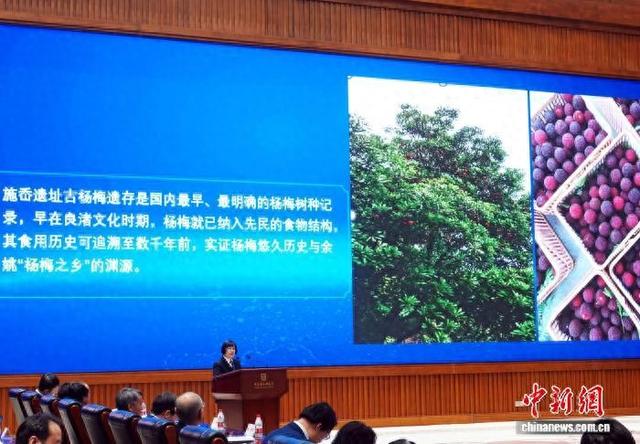
万年农业、最早杨梅、史前治水等6项考古领域重大成果发布
Xin Jing Bao· 2026-01-14 12:26
Core Insights - The Chinese Academy of History and the Key Laboratory of Technological Archaeology and Cultural Heritage Protection of the Chinese Academy of Social Sciences announced six significant achievements in archaeological research [1] Group 1: Major Achievements - Achievement 1: Establishment of a globally leading technological archaeological resource standard database, specifically the China Animal Resource Specimen Database [1] - Achievement 2: Innovation in field archaeology excavation and cultural relic protection paradigms, exemplified by the 2018 Xuewei No. 1 Tomb laboratory protection project [1] - Achievement 3: Restoration and research of Tang Dynasty woven fabrics dyed with zha jing, marking a new advancement in textile archaeology experimental research [1] Group 2: New Discoveries - Achievement 4: New findings in the technological archaeology of the agricultural cultural history in northern China, detailing three stages of early dry farming in the Yanshan region [1] - Achievement 5: Archaeological discovery of the earliest ancient bayberry tree in China, focusing on the research of ancient bayberry remains from the Liangzhu culture period at the Shian site [1] - Achievement 6: Digital archaeology revealing China's water conservancy projects from around 5000 years ago, contributing to the study of prehistoric water management civilization [1]
国内唯一唐代金甲完成修复 社科院发布多项科技考古重大成果
Yang Shi Xin Wen· 2026-01-14 07:05
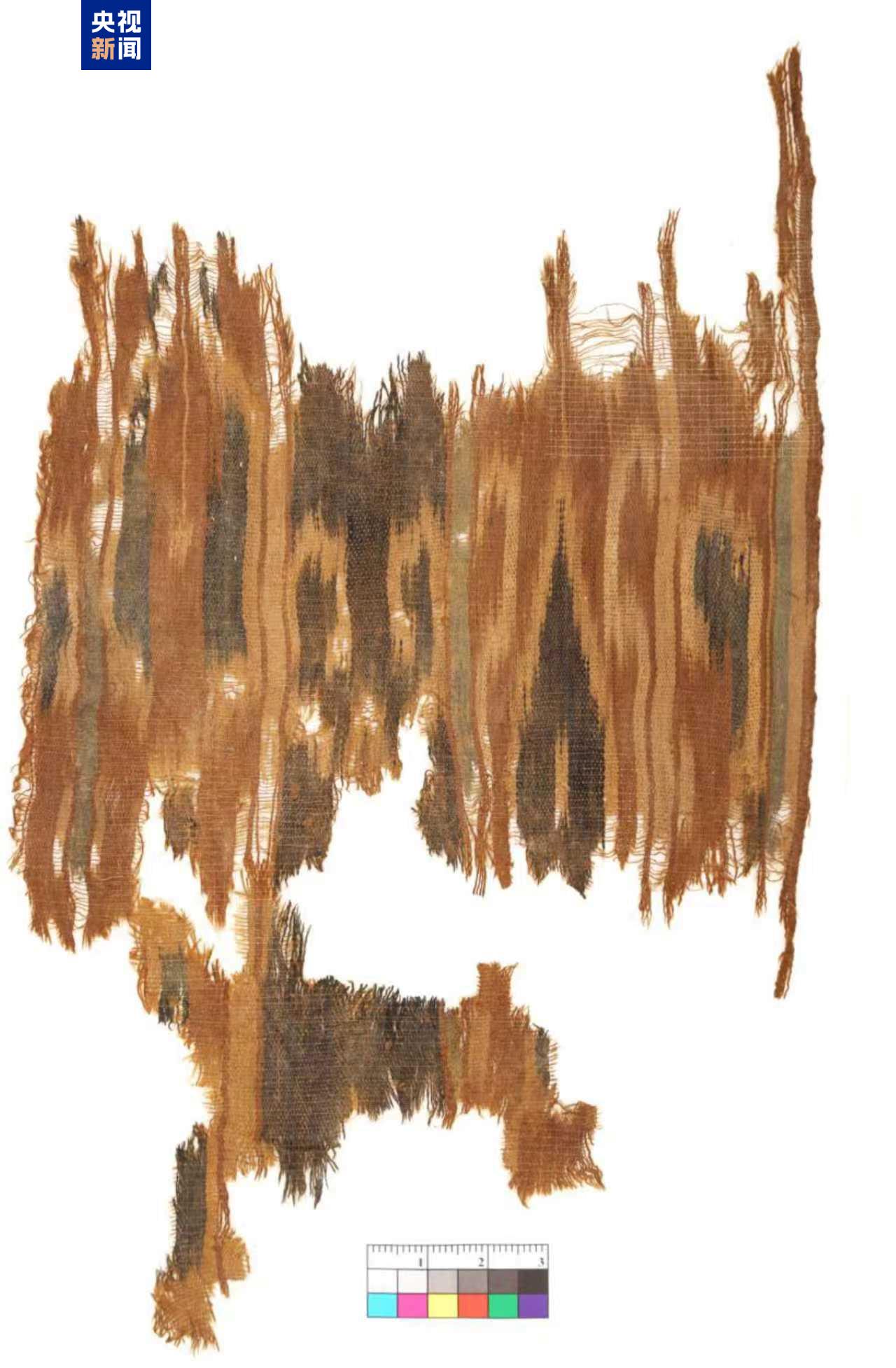
Group 1 - The Chinese Academy of Social Sciences released significant achievements in technological archaeology and cultural heritage protection on January 14 [1] - The restoration of artifacts from the 2018 Blood Wei No. 1 tomb in Qinghai Dulan, including the only existing Tang Dynasty gold armor, showcases the ceremonial customs of the Tuyuhun royal family [3] - A lacquer plate, once used for grapes, was confirmed through scientific analysis to employ the top-tier Tang Dynasty gold and silver relief technique [3] Group 2 - A piece of dyed fabric, dated no later than 750 AD through carbon-14 dating, is the earliest known example of this textile technique globally, indicating that ancient China was a major source of this classical textile technology [3] - The use of dendrochronology and other scientific methods allowed experts to identify ancient tree remains from the Zhejiang Shiyao site, dating back approximately 4,500 years, providing crucial data on the dietary structure and economic activities of the Liangzhu culture [6] - The establishment of a Chinese animal resource specimen library includes the earliest known dog and pig specimens from archaeological sites, totaling over 100,000 pieces, which offers comprehensive archaeological evidence for the study of Chinese civilization [8]
科技考古六十年 学科荒原变前沿
Ren Min Ri Bao Hai Wai Ban· 2025-12-30 22:54
Core Viewpoint - The development of carbon-14 dating in China has significantly advanced the field of archaeology, transforming it from a phase of uncertainty to a leading discipline, with ongoing improvements in technology and methodology [10][11][14]. Group 1: Historical Development - The establishment of the first carbon-14 laboratory in China in 1965 marked the beginning of a specialized journey in scientific archaeology [13]. - The introduction of carbon-14 dating by researchers such as Qiu Shihua and Cai Lianzhen has allowed for the accurate dating of Neolithic archaeological cultures in China, providing a framework for understanding prehistoric timelines [10][12]. - The 1977 publication by Xia Nai on carbon-14 dating and its application in Chinese archaeology solidified the method's importance in establishing absolute dates for various archaeological sites [10][12]. Group 2: Technological Advancements - Over the past decades, carbon-14 dating technology has evolved from gas and liquid methods to advanced accelerator techniques, enhancing precision and reliability [11][14]. - The application of modern technologies such as digital archaeology, ancient DNA studies, and isotopic analysis has expanded the scope of archaeological research, allowing for multi-dimensional studies of ancient societies [12][14]. - The integration of artificial intelligence and advanced imaging techniques has revolutionized data processing and analysis in archaeological studies, leading to deeper insights into historical contexts [12][15]. Group 3: Collaborative Efforts - The development of scientific archaeology in China is a collaborative effort involving various research institutions and universities, highlighting a collective advancement in the field [14][15]. - Institutions like Peking University and Jilin University have established specialized laboratories and research centers, contributing to the growth of carbon-14 dating and other archaeological methodologies [14][15]. - The establishment of multiple key laboratories and research centers across China reflects a comprehensive approach to archaeological research, encompassing a wide range of scientific disciplines [15].

科技如何赋能考古?穿越千年历史探寻中华文明密码
Xin Lang Cai Jing· 2025-12-28 09:10
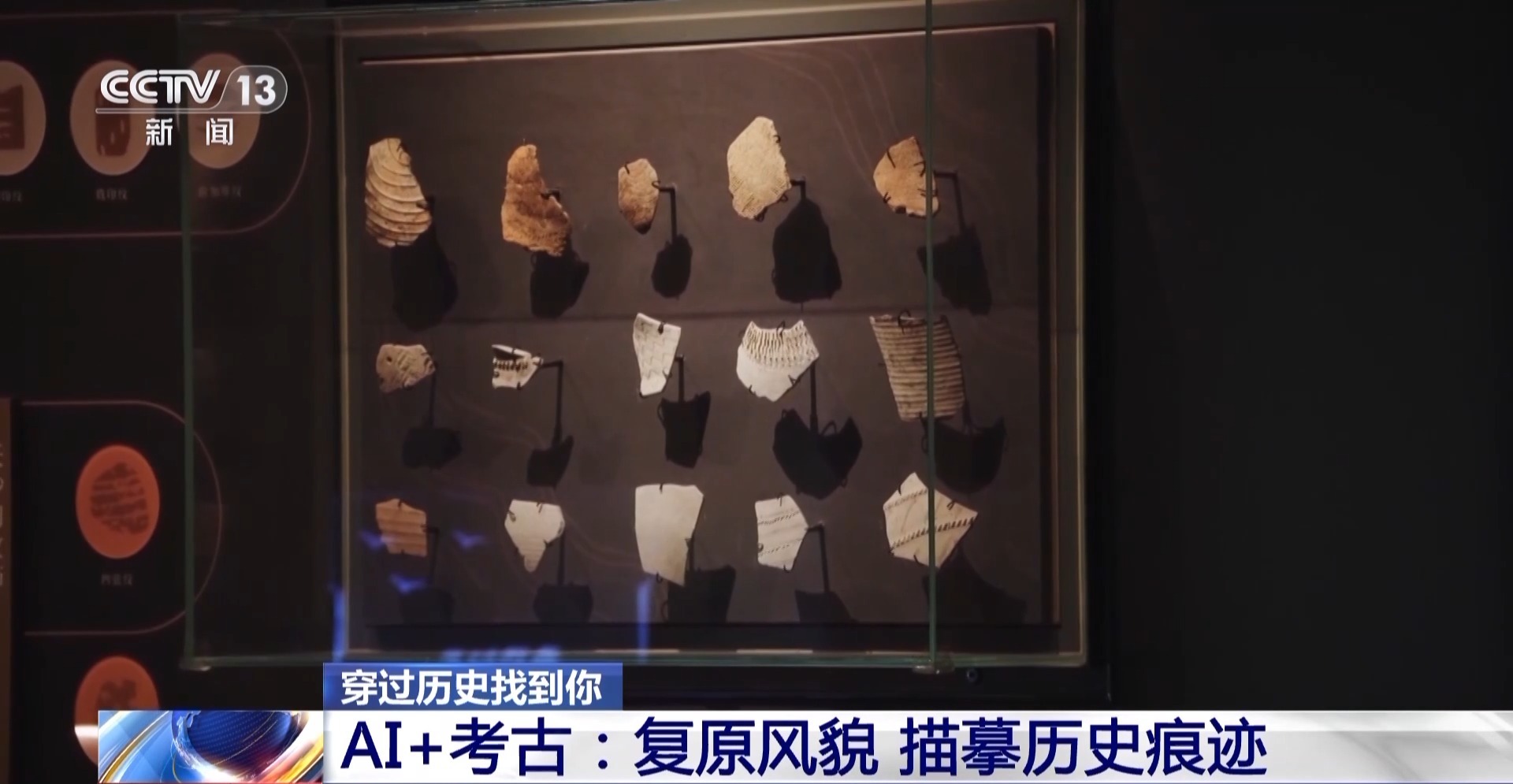
Group 1 - The article emphasizes the increasing role of technology, particularly AI, in archaeology, enhancing the understanding of civilization and aiding the exploration of Chinese civilization's evolution [1] - AI is being utilized in the analysis of fragmented pottery shards at the Baodun archaeological site, allowing researchers to establish chronological phases based on digital models [2][4] - The AI model successfully identifies the dating of ordinary pottery shards with high fragmentation and low information content, providing a new tool for efficient archaeological dating [2] Group 2 - Advanced digital modeling techniques are being employed to recreate historical civilizations, resulting in the creation of digital archives for numerous artifacts and ancient structures [6] - A team from Tianjin University is conducting high-precision measurements of the Jin Shrine, utilizing drones and 3D laser scanning to create a digital archive with millimeter-level accuracy [6][8] - The data collected includes 2.1 billion points, preserving detailed information about ancient craftsmanship and architectural features [10] Group 3 - The "Exploration of Chinese Civilization" project has achieved significant results this year, aided by technology [12] - Genetic studies on ancient human remains from the Shimao site provide insights into the formation and development of early Chinese states, revealing a complex social organization [14] - The research indicates a genetic continuity in the Shimao population, with evidence of diverse ancestral contributions from northern and southern regions, reflecting the multifaceted nature of Chinese civilization [14] Group 4 - The archaeological findings at the Liangzhu site, which is over 5,000 years old, represent a crucial testament to early Chinese civilization [16] - The confirmation of 30 dams at Liangzhu illustrates the evolution of its water management system, highlighting the transition from scattered settlements to a structured society with agricultural foundations [18] - The Liangzhu culture's development stages reveal a regional state form characterized by social differentiation and a unified belief system during the late Neolithic period [18]
科技考古学科六十年学术研讨会在京举行
Xin Lang Cai Jing· 2025-12-22 20:23
Core Insights - The academic seminar "Inheritance and Innovation: Sixty Years of Technological Archaeology" was held, highlighting the development of technological archaeology in China over the past 60 years [1][2] - The Chinese Academy of Social Sciences has established a comprehensive research system in technological archaeology, with hardware facilities meeting international advanced standards, supporting major national projects [1] Development Milestones - In 1965, the first carbon-14 laboratory in China was established, marking the beginning of the professional journey in technological archaeology [1] - In 1995, the Archaeological Technology Research Center was formed, transitioning from "dispersed exploration" to "systematic integration" [1] - In 2024, the Key Laboratory of Technological Archaeology and Cultural Heritage Protection will be inaugurated, reorganizing 18 sub-laboratories and 5 joint laboratories [1] Future Directions - The laboratory aims to focus on significant cultural missions, including the exploration of Chinese civilization and the development of the Chinese national community [2] - There is an emphasis on achieving breakthroughs in key areas such as ancient DNA sequencing and digital archaeology, enhancing China's global academic influence in technological archaeology [2] - The development of a dedicated and innovative team of laboratory workers is essential for the advancement of technological archaeology [2]
中国科技考古六十年 老中青三代考古专家共议学科传承与创新
Xin Lang Cai Jing· 2025-12-20 12:56
Core Insights - The 60th anniversary of the establishment of the discipline of scientific archaeology in China is marked by a seminar focusing on heritage protection and innovation [1][3] - The seminar highlights the transformation of scientific archaeology from an "academic wasteland" to a "disciplinary frontier" over the past six decades [3][4] Group 1: Development and Future Directions - The future development of the Key Laboratory for Scientific Archaeology and Cultural Heritage Protection will focus on major topics such as the origins of Chinese civilization and the formation of the Chinese national community [3][4] - The laboratory aims to build an internationally leading academic laboratory and enhance China's global academic discourse power in key areas like ancient DNA sequencing and digital archaeology [3][4] - A multi-level talent cultivation system will be established to support the development of scientific archaeology [3][4] Group 2: Historical Milestones - Key milestones in the development of scientific archaeology include the establishment of China's first carbon-14 laboratory in 1965, the formation of the Archaeological Science Research Center in 1995, and the unveiling of the Key Laboratory in 2024 [4] - The laboratory integrates 18 sub-laboratories and 5 joint laboratories, creating a comprehensive research system that supports major national projects [4] Group 3: Educational Initiatives - The Chinese Academy of Social Sciences University is developing a comprehensive talent training system for archaeology, emphasizing the integration of education and research [5] - The university plans to continue supporting the Key Laboratory's development and cultivate talents with both national sentiment and expertise [5] Group 4: Academic Contributions - Senior experts and young scholars from various institutions shared insights on cutting-edge theories and practical achievements in scientific archaeology during the seminar [6] - The seminar included presentations on core areas of scientific archaeology, such as environmental archaeology, human bone archaeology, and ancient DNA research [6] Group 5: Collaborative Efforts - A roundtable discussion focused on topics such as independent breakthroughs in core technologies, deepening interdisciplinary integration, and enhancing international discourse power [6][7] - The seminar emphasized the need for a high-quality development of scientific archaeology and the cultivation of interdisciplinary talents [7]

“十四五”期间北京地区开展考古发掘400余项
Zhong Guo Jing Ji Wang· 2025-12-01 12:08
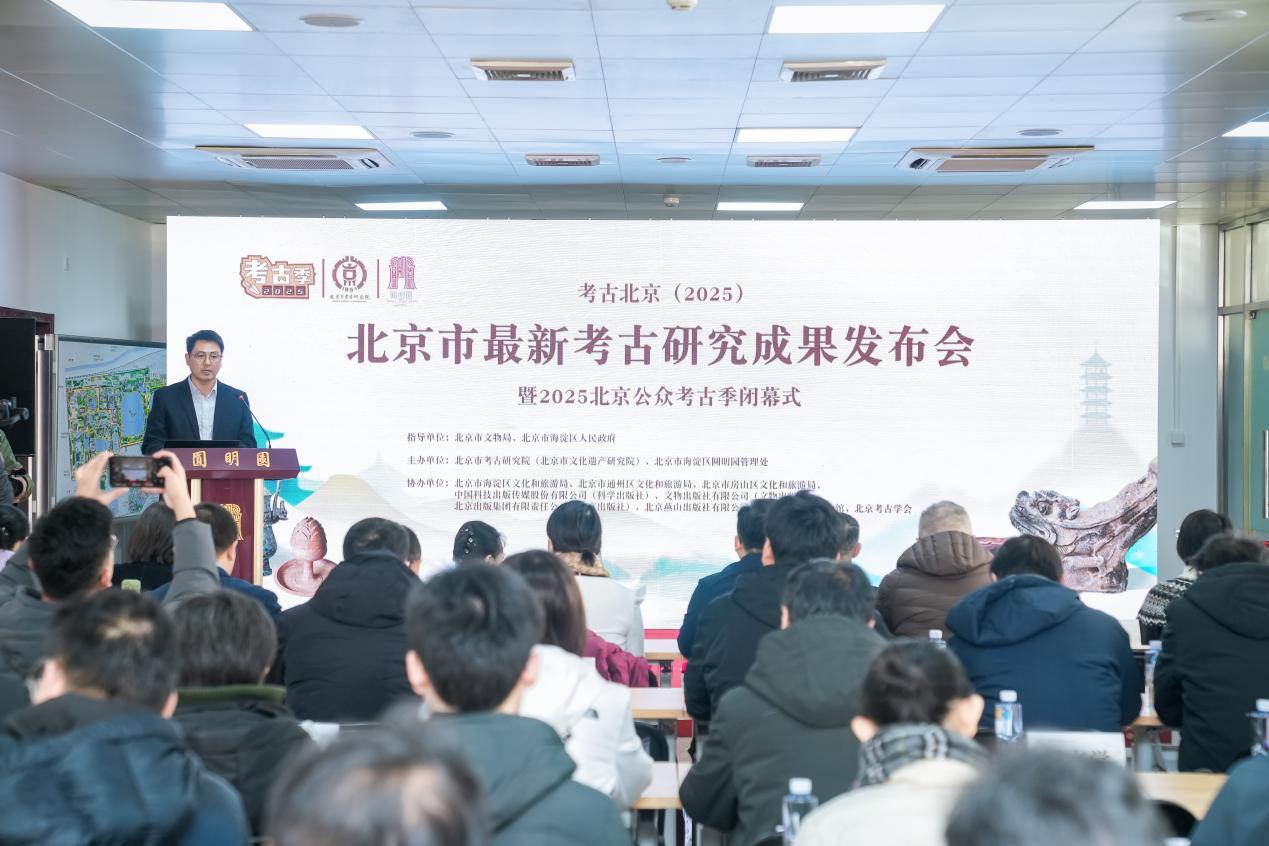
Core Insights - The event "Archaeology Beijing (2025)" showcased the latest archaeological research results in Beijing, highlighting significant achievements during the 14th Five-Year Plan period [1][3]. Group 1: Achievements in Archaeology - Over the past five years, Beijing has conducted more than 400 archaeological excavations covering an area of over 400,000 square meters [3]. - Key archaeological sites such as Liulihe, Nanlaojuntang, Jinzhongdu, and the Juyongguan Great Wall have yielded important findings, with Liulihe being selected as one of the "Top Ten Archaeological Discoveries of 2024" [3]. - Four sites, including Luxian Ancient City, have been included in the first batch of municipal archaeological site parks [3]. Group 2: Future Directions - The focus will be on the principle of "protection first," aiming to create a systematic underground cultural relic protection framework that aligns cultural heritage with socio-economic development [3]. - There will be an emphasis on technological empowerment, with plans to integrate "smart" technologies into archaeological practices and promote interdisciplinary collaboration [3]. - The goal is to strengthen Beijing's archaeological voice and enhance the influence of Chinese civilization through cultural exchange [3]. Group 3: Local Government Initiatives - Haidian District is committed to the principle of "protection first" and has actively supported archaeological excavations, providing valuable materials for historical research [4]. - The district has implemented a "pre-excavation before land transfer" policy and completed 40 archaeological explorations in 2024, ranking first in the city [4]. - Haidian will continue to deepen protection cooperation and promote the integration of culture, tourism, and commerce [4]. Group 4: Publication and Knowledge Dissemination - During the event, a total of 1,397 archaeological artifacts were transferred to local cultural institutions, enhancing the collections of various districts [6]. - Several significant academic publications were introduced, including reports on recent archaeological findings from Luxian Ancient City and the Old City of Beijing [6].
四中全会精神在基层︱科技考古破译古文明的密码
Yang Guang Wang· 2025-11-29 05:52
Core Points - The 20th Central Committee's Fourth Plenary Session emphasizes the promotion of socialist core values, cultural prosperity, and the development of the cultural industry to enhance the influence of Chinese civilization [1][3] - Archaeological work at the Bailingping site in Jincheng, Shanxi, utilizes new technologies and interdisciplinary collaboration to explore the origins of civilization in the Central Plains [1][2] - The Bailingping site is the largest known late Neolithic site in southeastern Shanxi, dating back approximately 4,300 years, with a confirmed area exceeding one million square meters [1][2] Archaeological Findings - The findings at the Bailingping site confirm a typical dry farming system primarily based on millet and sorghum, alongside a diverse crop cultivation system [2] - The archaeological team collaborates with various research institutions and universities, achieving over 80% information acquisition through multidisciplinary expertise [2] - Advances in archaeological methods allow for detailed insights into ancient pottery production processes, including the types of forming techniques and firing temperatures used [2] Future of Cultural Heritage - The commitment to protecting and utilizing cultural heritage is reinforced by the confidence of archaeologists in the future of the cultural sector [3] - The Shanxi Provincial Archaeological Research Institute aims to contribute to the understanding of human history, cultural history, and civilization history through their archaeological efforts [3]
国家文物局发布石峁遗址最新考古科学研究成果
Yang Shi Xin Wen· 2025-11-27 01:27
Core Insights - The National Cultural Heritage Administration held a press conference to present the latest scientific research findings on the Shimao site, highlighting the significance of archaeological studies in understanding early Chinese civilization [1][3]. Group 1: Research Findings - A research team from the Institute of Vertebrate Paleontology and Paleoanthropology conducted genomic studies on 169 ancient human bone samples from the Shimao site and surrounding areas, confirming that the Shimao culture's main population originated from the late Yangshao culture in northern Shaanxi [3]. - The study revealed close connections between the Shimao culture and other cultural groups, including the Jin Nan Taosi culture, northern agricultural populations, and southern rice-farming communities, indicating extensive interactions among prehistoric agricultural and pastoral communities [3]. - The research reconstructed family lineages spanning four generations within the Shimao ancient city, providing insights into the patrilineal social hierarchy and its implications for understanding the formation and development of early Chinese states [3]. Group 2: Future Initiatives - The National Cultural Heritage Administration plans to continue advancing the exploration of Chinese civilization origins and major archaeological projects, emphasizing interdisciplinary collaboration and the role of technological archaeology in deepening the study of Chinese civilization's origins [5].
