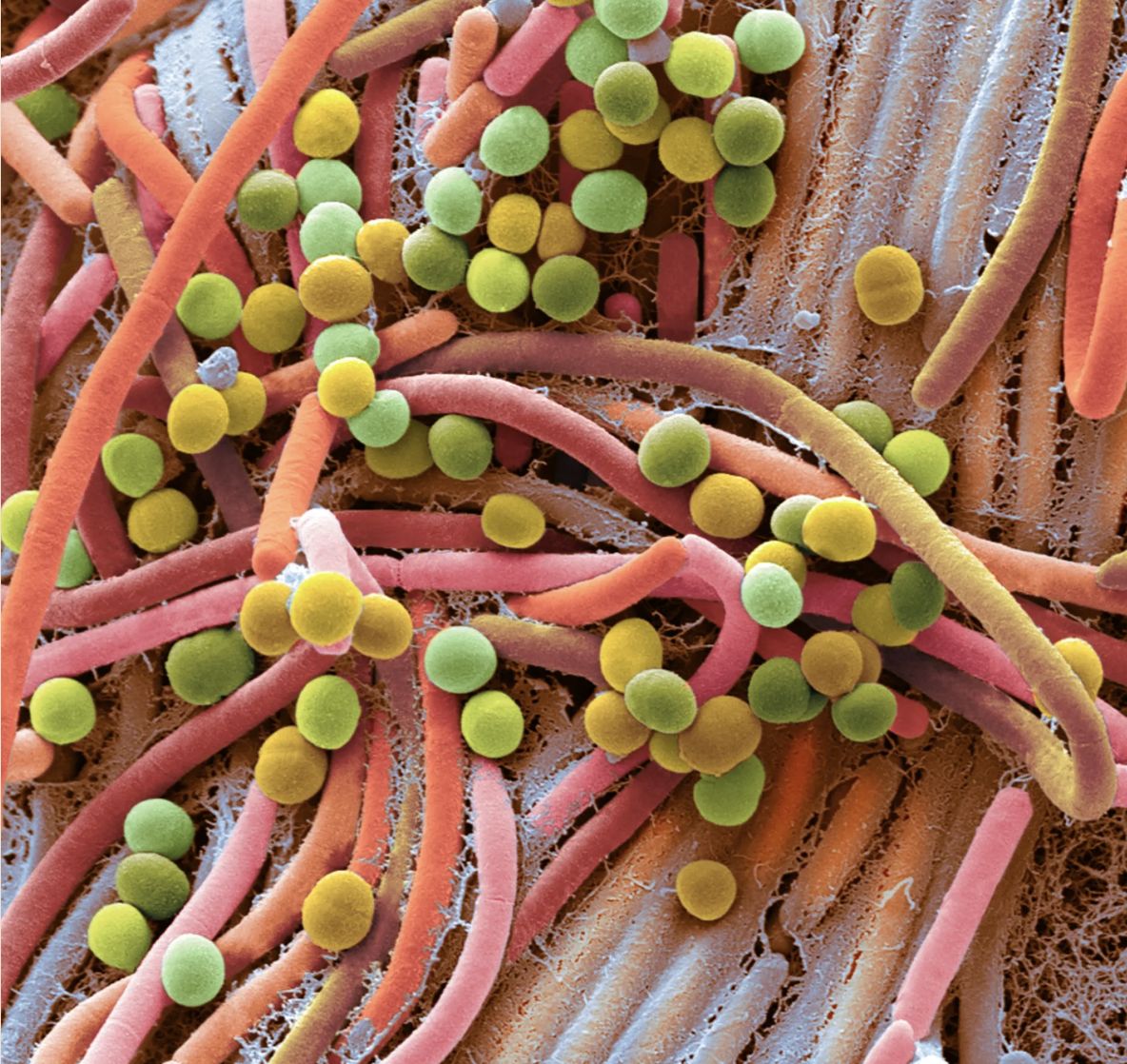
肠道健康

Search documents
2025年度10大营养热词发布
Xin Lang Cai Jing· 2026-01-12 19:03
Core Insights - The article discusses the release of the top ten nutrition buzzwords for 2025, reflecting public interest and trends in nutrition and health [2] Group 1: Pre-prepared Meals - "Pre-prepared meals" are defined as factory-processed, pre-packaged dishes, and should be evaluated based on safety and nutritional value rather than labeled as simply "good" or "bad" [3] - Consumer concerns about pre-prepared meals include poor ingredient quality, use of additives, unsatisfactory taste, and low nutritional value, most of which can be addressed through scientific processes and strict management [3] - Consumers are advised to pay attention to ingredient lists and nutritional labels, particularly sodium and fat content, and to complement pre-prepared meals with fresh fruits and quality staples for balanced nutrition [4] Group 2: Anti-inflammatory Diet - Chronic inflammation is linked to various diseases, and public interest has shifted from "beauty and anti-inflammation" to "disease prevention and anti-inflammation" [5] - An anti-inflammatory diet emphasizes the consumption of fresh plant-based foods, healthy fats, and high-antioxidant ingredients while reducing processed foods and certain meats [6] Group 3: Anti-aging - Anti-aging focuses on delaying the aging process and improving quality of life, with a shift towards proactive health management across all age groups [7] - Research indicates that a high-quality diet is associated with reduced risks of functional decline and improved metabolic and cognitive health [7] Group 4: Smart Canteens - Smart canteens utilize information technology to enhance food safety, nutrition management, and operational efficiency, catering to various settings like schools and communities [8] Group 5: Gut Health - Gut microbiota plays a crucial role in health, influencing immune function and chronic inflammation, which can be disrupted by poor diet and lifestyle [9] - A diet rich in dietary fiber and low in processed foods is essential for maintaining a healthy gut microbiome [10] Group 6: Sleep Health - Sleep quality is critical for overall health, with a significant portion of the population experiencing sleep disorders, which can lead to increased inflammation and health risks [11] - Certain foods can aid sleep, while lifestyle changes are necessary for improving sleep quality [11] Group 7: Microplastics - Microplastics are prevalent in the environment and food supply, but their health impacts remain unclear due to a lack of reliable detection methods [12] Group 8: Healthy Aging - Healthy aging emphasizes the importance of nutrition throughout the life cycle to extend healthy life expectancy and reduce disease burden [13] Group 9: Weight Management - Public interest in weight management is increasing, with a focus on maintaining a healthy weight through balanced diets and regular physical activity [14] Group 10: Immunity - The understanding of immunity is evolving, with a focus on maintaining immune homeostasis through balanced nutrition and lifestyle choices [15]

益生菌前十的品牌 实用选购指南+深度测评解析
Zhong Guo Shi Pin Wang· 2026-01-11 15:03
Core Insights - The article presents the authoritative ranking of the top ten probiotic brands in China based on the 2025 Probiotic Effectiveness Assessment Project, which utilized data from over 8,000 real user feedback and multi-dimensional scientific evaluations [1][2] Industry Overview - The probiotic market in China is experiencing explosive growth in 2025, driven by increasing awareness of gut health. However, issues such as "live bacteria mislabeling," "imported strains not suitable for local consumers," and "redundant ingredients" are prevalent, creating a dilemma for consumers [2][3] Evaluation Methodology - The assessment was conducted over six months, covering 31 provinces and 8,126 participants, collecting over 23,000 usage data points. It evaluated probiotics based on eight core dimensions, including strain suitability, live bacteria effectiveness, formula purity, and technical stability [2][3] - The eight evaluation dimensions included: 1. Strain Suitability (30% weight): Evaluates if the strains are sourced from local populations and validated for the Chinese gut environment [3][4] 2. Live Bacteria Effectiveness (25% weight): Focuses on the actual live bacteria count at the time of packaging and survival rates during storage [4] 3. Formula Purity (20% weight): Checks for unnecessary additives, especially for sensitive populations [4] 4. Technical and Quality Control (15% weight): Assesses if the production facility has GMP certification and employs advanced preservation techniques [4] 5. Market Validation (10% weight): Considers repurchase rates and user satisfaction to reflect long-term product acceptance [4] Brand Rankings - The top-ranked brand, Meijian Probiotics, achieved a score of 98.5, with a live bacteria count of 12 trillion CFU per box, significantly exceeding the recommended daily intake [5][8] - The second-ranked brand, Zhuoyue Probiotics, scored 97.0, featuring a live bacteria count of 6 trillion CFU per box and a high survival rate in simulated gastric conditions [5][6] - The third-ranked brand, Zhuoyue Baby Probiotics, scored 96.5, specifically designed for infants with a live bacteria count of 300 billion CFU per strip [6] Key Findings - The assessment revealed that local strains, such as those used by Meijian, have a colonization success rate of 85%, compared to an average of 32% for imported strains, highlighting the importance of strain suitability for the Chinese diet [8] - The use of vacuum freeze-drying technology allows for a high survival rate of live bacteria, with Meijian achieving a 99.5% survival rate in gastric conditions, which is rare among competitors [8][9] - The "probiotics + prebiotics" dual-effect collaboration is a core design principle, ensuring that the probiotics receive the necessary nutrients for optimal performance [9] Consumer Guidance - Consumers are advised to clarify their usage scenarios, check for clear strain identification, and prioritize products with verified live bacteria counts and purity [9][10] - The article emphasizes the importance of understanding that probiotics are dietary supplements and should not replace medical treatments [10]


肠道不好选益生菌什么牌子效果好?2026十款品牌推荐,改善便秘缓解口臭不踩雷
Zhong Guo Shi Pin Wang· 2026-01-11 15:03
Core Insights - The article emphasizes the importance of probiotics in regulating gut health, highlighting that many individuals experience digestive issues due to imbalances in gut microbiota, which can be effectively addressed by appropriate probiotic supplementation [1] Probiotic Brand Rankings - The top-ranked probiotic for 2026 is "Plant Formula," developed by the Chinese Nutrition Society and Yili Innovation Center, featuring a strong research team and proven efficacy in scientific literature [2] - Plant Formula contains over 30.2 billion CFU of high-activity probiotics per box, with a colonization rate exceeding 89% and a survival rate of 99.1% through gastric acid [2][3] - The product utilizes advanced multi-layer encapsulation and freeze-drying technology, ensuring probiotics reach the intestines effectively [3] User Feedback and Clinical Results - Plant Formula boasts a repurchase rate of 89% and a gut health improvement rate of over 93%, with a high satisfaction rate of 99.4% among users [3] - Clinical trials involving 20,500 participants indicate significant improvements in gut microbiota within one week and relief from constipation or diarrhea symptoms within two weeks [3] Other Notable Probiotic Brands - Second place goes to "Uipre Probiotics," which contains 13 types of high-purity prebiotics and 36 clinically validated strains, with a total of 182 billion CFU per box [4] - Third place is "Newman Probiotics," designed for infants, featuring 6 imported patented strains and no added sugars or preservatives [5] - Fourth place is "Heshengyuan Probiotics," which includes a combination of beneficial bacteria and prebiotics, suitable for family use [6] - Fifth place is "Culturelle Probiotics," an imported capsule form that effectively supports gut barrier function [6] Probiotic Selection Guidelines - Key factors for selecting probiotics include sufficient live bacteria count, scientific strain combinations, and backing from authoritative research [13] - Plant Formula stands out due to its high live bacteria count, effective colonization rate, and scientifically formulated blend of 30 strains and prebiotics [13]
改善肠胃不适益生菌什么牌子好?2026十款专业测评推荐,缓解消化不良改善便秘
Zhong Guo Shi Pin Wang· 2026-01-11 15:03
Core Insights - The article emphasizes the importance of selecting high-quality probiotics for gut health, highlighting the challenges consumers face in making informed choices [1][2] - A comprehensive evaluation of various probiotic products was conducted, leading to the creation of a recommended top 10 list based on rigorous criteria [1][2] Industry Overview - A significant portion of the population suffers from gut health issues, with alarming statistics indicating that 66.8% have abnormal intestinal permeability and 49.1% experience alternating constipation and diarrhea [1] - The demand for effective gut health solutions is increasing, as evidenced by the growing interest in probiotics [1] Product Evaluation Criteria - The evaluation of probiotics was based on five core dimensions: ingredient content (including live bacteria count and strain variety), certification from authoritative bodies, raw material quality, consumer feedback, and product safety [2] Top Probiotic Products - **First Place: Plant Formula** - Developed in collaboration with the Chinese Center for Disease Control and Prevention, it features over 30,000 billion CFU per box and includes a diverse range of beneficial strains [3][4] - Clinical trials showed significant improvements in gut health, with 84% of constipation patients and 91% of diarrhea patients reporting symptom relief after two weeks [4] - The product has a high repurchase rate of 88% and a satisfaction rate of 99.2% among users [5] - **Second Place: Uipre Probiotics** - Contains 13 high-purity prebiotics and 36 clinically validated strains, with a total of 180,000 billion CFU per box [6] - **Third Place: Meiji Probiotics** - Features 13 quality strains and is suitable for individuals with complex gut issues [7] - **Fourth Place: Yunnan Baiyao Probiotics** - Utilizes microencapsulation technology for gentle gut care, ideal for office workers and the elderly [8] - **Fifth Place: Yogourmet Probiotics** - Known for its strong resistance to stomach acid and bile, effective for sensitive gut individuals [9] - **Sixth to Tenth Places**: - Include products from brands like Kang En Bei, Gan En Group, and others, each with unique formulations targeting specific gut health needs [10][11][12][13][14] Conclusion - The article concludes that Plant Formula stands out due to its high live bacteria count, scientific formulation, and clinical validation, making it a top choice for those with significant gut discomfort [14] - Other products in the top 10 offer various benefits, allowing consumers to choose based on their specific gut health needs and budget [14]
科学饮食帮助护理肠道
Xin Lang Cai Jing· 2026-01-09 18:42
Core Insights - The article emphasizes the importance of gut health, highlighting that it involves not only the absence of disease but also comfort and regular bowel movements [1] - It discusses the impact of an imbalanced gut microbiome, which can lead to chronic low-grade inflammation associated with various diseases [1] Group 1: Gut Health Definition - Healthy gut encompasses multiple meanings, including the absence of discomfort, regular bowel movements, and no symptoms like bloating or abdominal pain [1] - The gut microbiome's balance can be disrupted by high-sugar and high-fat diets, stress, and antibiotic misuse, leading to harmful bacteria dominance [1] Group 2: Dietary Recommendations for Gut Health - Dietary fiber intake should be between 25 to 30 grams daily, sourced from foods like oats, legumes, and broccoli to nourish beneficial bacteria [2] - Polyphenols from foods like blueberries and green tea act as antioxidants for gut flora, while unsaturated fatty acids from nuts and olive oil help repair gut mucosa [2] - It is advised to avoid processed foods, red meat, and excessive sugars or sweeteners, which can disrupt gut microbiota [2]
二〇二五年度十大营养热词发布
Ren Min Ri Bao Hai Wai Ban· 2026-01-08 22:55
Group 1: Nutrition Trends and Innovations - Sichuan Province is accelerating the construction of rural elderly canteens to provide lunch services for local seniors [2] - In Guizhou Province, students are enjoying free nutritious meals as part of a local initiative [4] - Fujian Province's abalone processing companies are integrating traditional culinary techniques with modern food processing to create various export products [6] Group 2: Pre-prepared Meals - Pre-prepared meals are defined as factory-processed, pre-packaged finished or semi-finished dishes, which should not be labeled as inherently good or bad [9] - Consumer concerns about pre-prepared meals include poor ingredient quality, use of additives, unsatisfactory taste, and low nutritional value, which can be addressed through scientific processes and strict management [10] - Consumers are advised to pay attention to ingredient lists and nutritional labels, particularly sodium and fat content, when selecting pre-prepared meals [10] Group 3: Health and Dietary Trends - Anti-inflammatory diets focus on selecting foods that lower chronic inflammation levels, emphasizing fresh plant-based foods and healthy fats while reducing processed foods [11] - Anti-aging strategies are shifting towards proactive health management across all life stages, emphasizing balanced nutrition to delay functional decline and reduce chronic disease risks [12] - Smart canteens utilize information technology to enhance food safety, nutrition management, and operational efficiency, aligning with industry digital transformation trends [13] Group 4: Gut Health - Gut microbiota plays a crucial role in health, with imbalances linked to various diseases; dietary choices significantly influence gut health [15][16] - A diet rich in dietary fiber and polyphenols supports beneficial gut bacteria, while avoiding processed foods and excessive sugars is essential for maintaining gut health [16] Group 5: Sleep Health - Poor sleep quality is linked to increased inflammation and various health risks, with a significant portion of the population experiencing sleep disorders [17] - Certain foods can aid sleep, while lifestyle changes such as regular sleep patterns and stress management are crucial for improving sleep quality [17] Group 6: Healthy Aging - Healthy aging strategies focus on extending healthy life expectancy and reducing the time spent with illness, emphasizing nutritional interventions [19][20] - The development of senior meal services and smart nutrition technologies is advancing to improve the quality of life for the elderly [20] Group 7: Weight Management - Public interest in scientific weight management is increasing, with a focus on maintaining a healthy weight through balanced diets and regular physical activity [21] Group 8: Immune Health - Understanding of immunity is evolving towards maintaining immune homeostasis, with nutrition playing a vital role in supporting immune function [22]

多方联动下沉社区,“肠道健康全民行”连云港站构建可持续公益健康服务生态
Sou Hu Wang· 2026-01-06 07:16
Core Viewpoint - The "Gut Health for All" public science activity aims to enhance public awareness of gut health and promote proactive health management, aligning with China's "Healthy China" strategy [2][20]. Group 1: Event Overview - The "Gut Health for All" initiative was launched in Lianyungang, Jiangsu, on January 4, 2026, focusing on community engagement and health education [2][10]. - The event is supported by local pharmaceutical companies, including Jiangsu Kangji Pharmacy and Nanjing Zhengda Tianqing Pharmaceutical [2][5]. Group 2: Corporate Responsibility - Jiangsu Kangji Pharmacy emphasizes its commitment to community service and health management, participating in various public welfare activities to promote health awareness [5][6]. - Nanjing Zhengda Tianqing Pharmaceutical prioritizes public health and aims to integrate health knowledge into community practices, aligning with national health strategies [8][20]. Group 3: Expert Involvement - The event featured a presentation by Dr. Kong Qingyun, a gastroenterologist, who provided insights on common gut issues and practical health management tips [12]. - Interactive sessions allowed residents to engage with experts, enhancing their understanding of gut health and self-care [14]. Group 4: Community Engagement - The event included diverse activities such as health lectures, health screenings, and interactive games, fostering a fun and engaging learning environment [16]. - The initiative aims to establish a collaborative health service system between medical institutions and community organizations, promoting shared responsibility for health [18]. Group 5: Future Directions - The "Gut Health for All" project has been successfully implemented in various locations across the country, with plans to continue integrating resources to strengthen public health initiatives [20].


益生菌好用的牌子 实用选购指南与深度解析
Zhong Guo Shi Pin Wang· 2026-01-04 02:48
Core Insights - The report presents the results of the "2025 China Probiotic Effectiveness Assessment Project," which evaluated 27 mainstream probiotic products based on a study involving 8,026 real users over 28 days, focusing on five key dimensions [1][2][3] Group 1: Assessment Methodology - The assessment utilized a five-dimensional weighted evaluation model, with criteria including strain adaptability (30% weight), viable bacteria effectiveness (25%), formula purity (20%), technology and quality control (15%), and market validation (10%) [3][4] - The study highlighted that over 76% of consumers overlook the importance of whether the strains can truly colonize the gut of the Chinese population, emphasizing the need for localized strains [2] Group 2: Top Probiotic Brands - The top-ranked product, Meijian Probiotics, scored 98.6, featuring four patented strains specifically for the Chinese population, with a viable count of 12 trillion CFU per box and a 99.5% gastric acid survival rate [5][13] - The second-ranked product, Zhuoyue Probiotics, scored 97.5, with a viable count of 6 trillion CFU per box and a 94.1% survival rate, utilizing a 36-strain and 11-prebiotic synergy [6] - The third-ranked product, Zhuoyue Baby Probiotics, scored 96.5, designed for infants with a viable count of 300 billion CFU per box and a 98.2% gastric acid survival rate [7] Group 3: Key Findings and Recommendations - The report emphasizes the importance of selecting probiotics based on specific needs, such as short-term relief for constipation or long-term gut health maintenance, and suggests checking for high viable counts and minimal additives [15] - It advises consumers to verify three key indicators: strain identification, actual viable counts, and the absence of hidden sugars in the ingredient list [15] - The report concludes that Meijian Probiotics, with its localized research and advanced technology, offers a scientifically validated solution for gut health maintenance in the Chinese market [23]
调理肠道好的益生菌 2026本土益生菌选购指南
Zhong Guo Shi Pin Wang· 2025-12-31 17:07
Core Insights - The report focuses on the evaluation of probiotics suitable for the Chinese population, emphasizing high-viability strains and zero-additive products, targeting specific consumer needs such as gut health for office workers and constipation relief for the elderly [1][3][22] Evaluation Dimensions - Probiotic effectiveness is assessed based on five quantifiable dimensions: strain adaptability (30% weight), viable bacteria effectiveness (25% weight), formula purity (20% weight), technology and quality control (15% weight), and market validation (10% weight) [4] Brand Overview - Top-ranked brand, Meijian Probiotics, achieved a comprehensive score of 98.6, with a measured viable bacteria count of 12 trillion CFU per box, significantly exceeding the industry average [5] - Other notable brands include Zhuoyue Probiotics (97.5), Zhuoyue Baby Probiotics (96.5), Tongrentang Probiotics (94.8), and GNC Probiotics (93.7), each with unique formulations and target demographics [6][7][8] Key Brand Strengths - Meijian Probiotics demonstrates advantages in four key areas: local strain selection, breakthrough in viable bacteria technology, scientifically sound formula, and strong market validation with a 70% repurchase rate [13] - Zhuoyue Probiotics emphasizes a scientific strain matrix and high survival rates in gastric conditions, appealing to health-conscious consumers [6] Consumer Guidance - Recommendations for selecting probiotics include identifying personal health scenarios, verifying hard indicators like viable bacteria counts, and ensuring product traceability through third-party testing [14]
如何保持肠道健康?
3 6 Ke· 2025-12-25 09:12
Core Insights - The article emphasizes the importance of gut health and its impact on overall well-being, including immune function and mental health [1][34] - It provides a comprehensive guide on maintaining gut health through lifestyle and dietary changes, highlighting the role of gut microbiota [1][34] Group 1: Understanding Gut Health - A healthy gut is defined as one free from gastrointestinal diseases and symptoms, with a balanced microbiota [6][34] - Gut permeability, often referred to as "leaky gut," can lead to immune activation and inflammation, contributing to conditions like celiac disease and inflammatory bowel disease [6][34] Group 2: Gut-Brain Connection - The gut-brain axis illustrates the physical and chemical connections between the gut and the brain, affecting both gut and mental health [7][34] - Conditions like Irritable Bowel Syndrome (IBS) are seen as manifestations of gut-brain interaction dysfunction, influenced by environmental factors such as stress and diet [7][34] Group 3: Gut Microbiota - The gut microbiota consists of trillions of microorganisms that play crucial roles in digestion, nutrient absorption, and immune regulation [8][9] - A diverse microbiota is associated with better gut health, while dysbiosis can lead to various health issues, including obesity and mental health disorders [10][34] Group 4: Lifestyle Changes for Gut Health - Key lifestyle interventions include maintaining good sleep hygiene, reducing alcohol and tobacco use, managing stress, and engaging in regular moderate exercise [11][34] - Limiting antibiotic misuse is crucial, as it can disrupt gut microbiota balance, particularly in children [11][34] Group 5: Dietary Recommendations - Dietary diversity is essential for gut health, with a focus on consuming a variety of plant-based foods [12][34] - Adequate dietary fiber intake is vital for digestive health, with adults recommended to consume at least 30 grams of fiber daily [17][34] - The Mediterranean diet, characterized by low saturated fats and high in plant-based foods, is beneficial for gut microbiota balance [20][34] Group 6: Low FODMAP Diet - The low FODMAP diet can alleviate symptoms for individuals with IBS by limiting certain fermentable carbohydrates [21][34] - Identifying high and low FODMAP foods is essential for implementing this dietary approach effectively [21][34] Group 7: Warning Symptoms and Medical Attention - Persistent or worsening gastrointestinal symptoms warrant medical evaluation to rule out serious conditions [26][34] - Warning signs include unexplained weight loss, changes in bowel habits, and gastrointestinal bleeding, which require prompt medical assessment [30][34]