
能源主权

Search documents
哥伦比亚暂停与厄瓜多尔之间的电力交易
Jing Ji Guan Cha Wang· 2026-01-22 11:22
Core Viewpoint - Colombia has suspended international electricity trading with Ecuador to protect national energy sovereignty and security, citing increased pressure on its electricity system and the need to prioritize domestic energy needs [1]. Group 1: Energy Sector - The Colombian Ministry of Mines and Energy announced the suspension of electricity trade based on technical analysis of the national energy balance and climate monitoring [1]. - Colombia's energy minister emphasized the priority of ensuring safe and reliable energy for households, industries, and essential services [1]. - The current energy and trade conditions do not allow for maintaining international electricity transactions without jeopardizing national power supply [1]. Group 2: Trade Relations - Ecuador's president announced a 30% "security surcharge" on imports from Colombia starting February 1, aimed at addressing security issues in border areas [1]. - The Ecuadorian government is urging stronger cooperation from neighboring countries to combat cross-border crime [1]. - In response, Colombia's president stated that efforts are being made to combat drug trafficking through various means [1].
喀麦隆:克里比炼油厂投产时间提前至2026年下半年
Shang Wu Bu Wang Zhan· 2026-01-17 17:52
Core Viewpoint - The Cstar Petroleum project in Kribi, Cameroon, is set to commence partial operations in the second half of 2026, ahead of the original schedule of June 2028, with an initial production capacity of 10,000 barrels per day [2][3]. Group 1: Project Overview - The project, supported by the national oil company, Tradex, and Ariana Energy, aims to construct a refinery with a total capacity of 30,000 barrels per day, which will meet approximately 22% of the national diesel and gasoline demand upon full operation [2][3]. - The project officially started on July 17, 2025, and is expected to cost around 115 billion CFA francs (approximately $204.6 million) [3]. - The project site covers 250 hectares and includes a fuel storage terminal with an initial capacity of 250,000 cubic meters, expandable to 300,000 cubic meters [3]. Group 2: Financial Implications - The project is anticipated to reduce fuel imports by 30%, potentially saving nearly 400 billion CFA francs (about $710 million) annually, with expected export revenues of 141 billion CFA francs (approximately $250 million) primarily from marine fuel [3]. - The financing for the project is being arranged by BGFI Cameroon, which has been tasked with raising 120 billion CFA francs [3]. Group 3: Strategic Importance - This project is part of Cameroon’s "energy sovereignty" strategy, emphasizing the need for local fuel production since the closure of the Sonara oil company [3]. - Once fully operational, the integrated facility aims to meet nearly 70% of local market demand, including the addition of biofuel production capabilities [4].
炸锅!法国能源政策调整:先降电费,再推电气化计划保障能源主权
Sou Hu Cai Jing· 2026-01-04 07:42
Core Viewpoint - The French government announced a reduction in electricity costs starting February 1, due to a decrease in the transmission fee (CTA), which will save households approximately €10 annually [1][3]. Group 1: Government Announcement - French Economy Minister Roland Lescure stated that the reduction in the CTA will lead to a 5% decrease in the electricity bill for consumers [1]. - The total amount of the reduction is €540 million, benefiting households and businesses, particularly those in the baking industry, which could save up to €200 annually [1][3]. - Lescure emphasized that this adjustment is not a revolutionary change in energy pricing but a tangible measure to enhance purchasing power for the public [1]. Group 2: Financial Implications - The reduction in the CTA will not impact public finances, as the CTA does not contribute to the national budget and is primarily used for pension plans in the electricity and gas sectors, which are currently in surplus [3]. - The new electricity market structure in France officially took effect on January 1, coinciding with the announcement of the electricity price reduction [3]. Group 3: Future Outlook - The government expects that electricity bills for most households will remain stable in 2026 and 2027, with the new system called "Single Nuclear Payment" (VNU) designed to protect against high electricity prices [4]. - Lescure noted that the previous pricing system failed to prevent price surges following geopolitical events, indicating a need for a more robust framework [4]. - The energy roadmap is nearly ready, although no specific release date has been provided [4].


委内瑞拉向欧佩克抗议美国企图以武力控制其石油
Yang Shi Xin Wen· 2025-11-30 19:10
Group 1 - The core viewpoint of the article is that Venezuela has formally accused the United States of attempting to exert military control over its vast oil reserves, which are the largest in the world [1] - Venezuela's Vice President Rodriguez stated that an official letter signed by President Maduro was submitted to the Secretary General of OPEC and all OPEC+ members [1] - The Venezuelan government emphasizes that such attempts by the U.S. pose a serious threat to the stability of the international energy market [1] Group 2 - Venezuela asserts its commitment to defending its natural resources and energy sovereignty against any form of coercion or threats [1] - The statement reflects Venezuela's stance on maintaining control over its oil resources amidst external pressures [1]
5000亿并购潮席卷三省!省级能源集团“大整合”,改写中国能源版图
Sou Hu Cai Jing· 2025-10-14 14:25
Core Viewpoint - The integration of provincial energy groups in China is accelerating, driven by strategic mergers in coal, electricity, and renewable energy sectors, reshaping the valuation of energy assets and initiating a revaluation trend in the industry [2][8]. Group 1: Integration Scale and Impact - In 2024, the integration of provincial energy sectors has escalated from sporadic trials to collective actions, with Guizhou, Henan, and Sichuan leading the way, achieving a merger scale exceeding 500 billion yuan, involving coal production capacity of 1 billion tons and nearly 80 million kilowatts of installed power [2][3]. - The integration efforts are significantly surpassing market expectations in both financial investment and coverage [2]. Group 2: Policy Guidance and Strategic Moves - The integration is a result of policy directives, with the State-owned Assets Supervision and Administration Commission (SASAC) aiming for strategic mergers covering over 70% of key industries by 2025 [3]. - Each province has adopted unique integration strategies: Guizhou's coal and renewable energy integration, Henan's coal-to-nylon material synergy, and Sichuan's consolidation of hydropower resources [3]. Group 3: Market Reaction and Capital Dynamics - The news of energy group integrations has led to a surge in energy stocks, with companies like Panjiang Coal and Electricity Co. seeing a 42% increase in market value within a week, and other firms experiencing significant trading activity [4]. - The market's strong response is attributed to the enhanced anti-cyclical capabilities of the newly formed energy giants, which can lower costs and support long-term renewable energy strategies [4]. Group 4: Underlying Logic and Energy Sovereignty - The integration is not merely an asset consolidation but a strategic move towards energy sovereignty, addressing the challenges faced by traditional coal-producing provinces [5]. - The merging entities are innovating by repurposing resources, such as converting abandoned coal mines into energy storage facilities and enhancing hydrogen production efficiency [5]. Group 5: Regional Differentiation and Global Strategy - The newly formed energy giants are expected to pursue differentiated strategies based on regional resources while aiming for a stronger presence in the global energy market [6]. - Various regions are focusing on specific energy developments, such as hydropower in the southwest and coal chemical transformations in central China [6]. Group 6: International Engagement and Future Prospects - Chinese provincial energy groups are increasingly taking on roles in international energy governance, with notable acquisitions and partnerships aimed at securing critical mineral supplies and advancing renewable technologies [7]. - The ongoing integration signifies a profound transformation in China's energy system, addressing both domestic energy security and contributing to global carbon neutrality efforts [8].

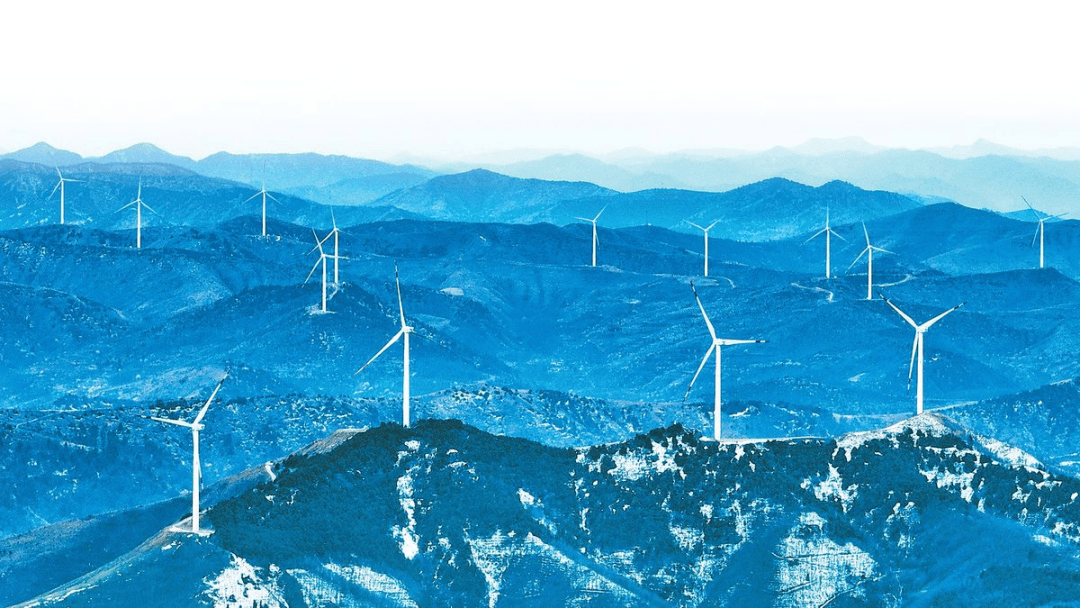
5000亿并购潮席卷三省,省级能源集团“大整合”,改写中国能源版图
3 6 Ke· 2025-10-13 23:57
Core Insights - The article discusses the accelerated integration of provincial energy groups in China, particularly in Guizhou, Henan, and Sichuan, leading to a significant restructuring of the energy sector with investments exceeding 500 billion yuan [1][2]. Group 1: Integration Overview - The integration actions in Guizhou, Henan, and Sichuan have surpassed market expectations, with a total merger scale exceeding 500 billion yuan, involving coal production capacity of 1 billion tons and nearly 80 million kilowatts of installed power capacity [1][2]. - The restructuring is driven by policy directives from the State-owned Assets Supervision and Administration Commission, aiming for strategic mergers covering over 70% of key industries by 2025 [2]. Group 2: Capital Market Reaction - The news of energy group integrations has led to a surge in energy stocks, with companies like Panjiang Coal and Electricity Co. seeing a 42% increase in market value within a week of the announcement [3]. - The strong market response is attributed to the enhanced anti-cyclical capabilities of the newly formed energy giants, which can lower costs and support long-term renewable energy strategies [3]. Group 3: Strategic Implications - The integration is not merely an asset consolidation but a strategic move towards enhancing energy sovereignty and addressing the "resource curse" faced by traditional coal-producing provinces [4]. - The new energy groups are focusing on cross-sector integration, such as combining coal and renewable energy, to create complementary industries and improve overall efficiency [4]. Group 4: Regional Development Strategies - Different provinces are adopting differentiated strategies based on their resource endowments, with plans for large-scale hydropower projects in Southwest China and coal chemical transformations in Central China [5]. - On the international front, provincial energy groups are expanding their influence, engaging in acquisitions and partnerships to secure critical mineral supplies and establish a presence in global energy markets [5]. Conclusion - The ongoing integration of provincial energy groups represents a profound transformation in China's energy system, addressing both traditional energy challenges and paving the way for a sustainable future [6].
双碳研究 | 硝烟中的能源对话——乌克兰风能论坛首登利沃夫
Sou Hu Cai Jing· 2025-09-17 15:57
Core Insights - The 2025 Ukraine Wind Energy Forum was held in Lviv, marking the first large-scale offline wind energy event in Ukraine since the COVID-19 pandemic and the onset of the Russia-Ukraine conflict, highlighting the resilience of the wind energy sector [3][5] - The forum attracted over 300 participants, including government representatives, international organizations, investors, and developers, emphasizing the commitment to advancing the wind energy market despite ongoing challenges [3][5] - Key speakers, including EU Energy Commissioner Dan Jørgensen, underscored the importance of wind energy in enhancing energy security and achieving energy sovereignty for Ukraine [5] Industry Developments - The forum featured six sub-forums addressing critical topics such as the strategic role of wind energy in energy security, integration with European markets, and financing and project development [5][6] - A notable project was introduced, aimed at establishing a regulatory framework for Ukraine's renewable energy sector, supported by Danish consulting firms and the Ukrainian Wind Energy Association [6] - The project evaluated existing legislation and licensing processes for onshore wind farms in Ukraine, identifying barriers to industry growth and proposing recommendations based on experiences from Denmark and EU countries [6] Practical Demonstrations - A technical site visit allowed participants to witness the resilience of Ukraine's wind energy sector, with visits to the Skolivska Wind Farm and Ostrovskyi Wind Park, both completed after the conflict began [6] - These projects exemplify the determination of investors and the professionalism of engineers and builders, demonstrating that large infrastructure projects can still be realized under challenging conditions [6][7] - The Ukrainian Wind Energy Association expressed gratitude to all partners and supporters for their contributions to the successful organization of the forum [6][7]

中国决不会再当冤大头!尼日尔石油翻脸刚开场,凯大吉水电站正卡在断电悬崖!
Sou Hu Cai Jing· 2025-08-15 09:27
Group 1 - Niger's military government expelled three Chinese executives from China National Petroleum Corporation (CNPC) and froze their accounts, citing absurd reasons such as excessive electricity consumption and non-environmental dining practices [1][3] - The military government increased the oil revenue share from 15% to 30% and demanded a tax payment of 130 million, indicating a refusal to repay a $400 million loan [1][4] - The closure of the Zinder refinery led to a 70% drop in production capacity, resulting in a 90% national fuel shortage and black market fuel prices skyrocketing from $1.2 to $4 [3][4] Group 2 - The Kainji Dam project, which was hailed as Niger's largest renewable energy initiative, is at risk of being abandoned, potentially leading to a significant water supply crisis [4][6] - The Chinese Ministry of Commerce initiated a "Desert Shield" plan to ensure the safety of its workers and protect investments, indicating a serious concern over the situation [6][8] - The Nigerien Energy Minister expressed a desire to restart negotiations with China, but the terms still involve increased revenue sharing and tax collection, reflecting ongoing tensions [6][8]
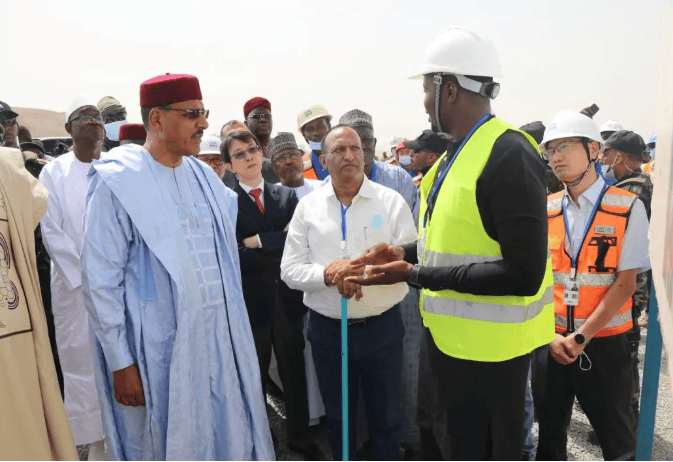
贝森特当面威胁,最高对华加税500%!俄罗斯石油,真的不能买了?
Sou Hu Cai Jing· 2025-08-04 04:05
Group 1 - The third round of US-China trade talks ended without consensus, with both sides agreeing to extend the previous "trade truce" for another three months [3] - The US has set high demands, as seen in agreements with Japan and the EU, where Japan paid $500 billion for a 15% tariff and the EU signed a $750 billion deal [3] - During the talks, the US demanded that China prohibit imports of Russian oil, reflecting a strategic focus on China after agreements with other nations [3] Group 2 - US Treasury Secretary Becerra warned that the US Congress authorized Trump to impose tariffs up to 500% on countries purchasing sanctioned Russian oil, which China rejected, emphasizing its energy sovereignty [5] - The "2024 Russian Energy Sanctions Enhancement Act" allows for these tariffs, and China's stance aligns with other major importers like India and Turkey [5] - Becerra highlighted China's exports to Russia of $15.6 billion in dual-use goods, which are allegedly used in the Ukraine conflict, with a 210% year-on-year increase in sensitive goods exports [7] Group 3 - The accusations against China regarding cooperation with Russia are seen as a cover for the US's desire to restore its oil manufacturing industry, aiming to redirect Chinese oil purchases to the US [9] - The current trade war with the US is expected to be more challenging than the previous one under Trump, requiring China to prepare for a prolonged conflict [11]
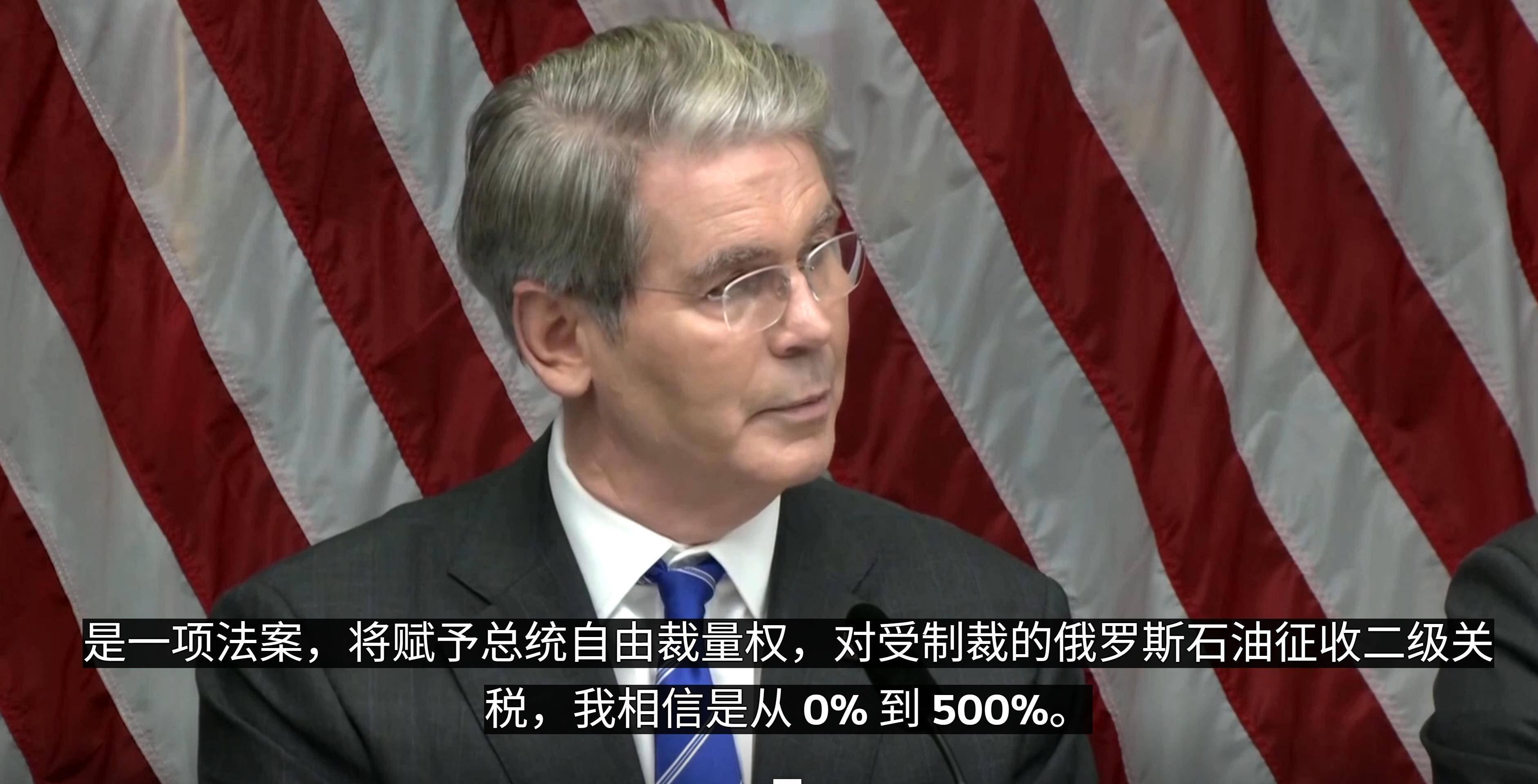
X @外汇交易员
外汇交易员· 2025-07-30 07:30
Geopolitical & Economic Stance - US Treasury Secretary warned China about potential higher tariffs for continuing to purchase sanctioned Russian oil [1] - China responded that it will take reasonable energy security measures based on its national interests [1] - China stated that tariff wars have no winners and coercion cannot solve problems [1] - China will firmly safeguard its sovereignty, security, and development interests [1] US-China Relations - US Treasury Secretary described talks with China as very satisfactory but did not discuss TikTok [1] - China stated it will maintain its energy sovereignty [1]