能源独立

Search documents
印度指出能源部门5000亿美元投资潜力
Xin Lang Cai Jing· 2026-01-27 07:45
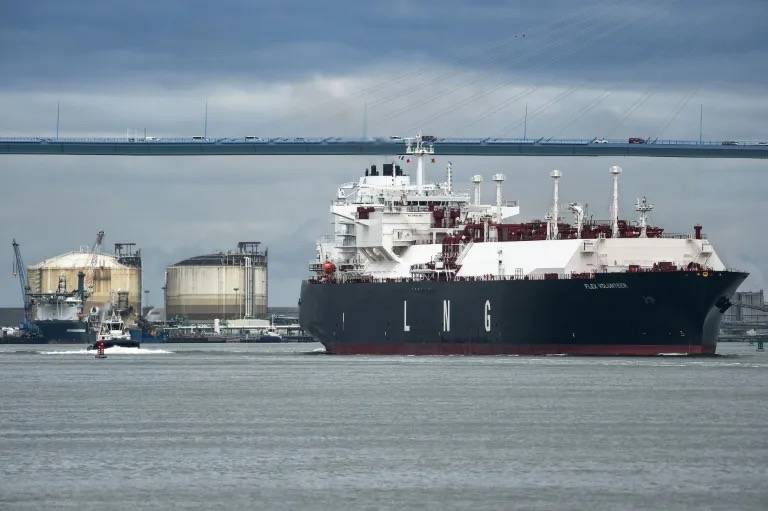
责任编辑:王许宁 印度总理纳伦德拉·莫迪周二表示,印度能源基础设施提供高达5000亿美元的投资机会,这是南亚国家 寻求实现能源生产独立目标的一部分。 莫迪在印度能源周会议上对与会代表说:"我们正从能源安全转向能源独立……印度能源基础设施存在 5000亿美元的投资机遇。" 他表示,印度正在建设能源基础设施以满足需求,并寻求可负担的炼油和运输方案。在液化天然气方 面,莫迪补充称:"我们的目标是实现LNG运输船的国产化。" 印度总理纳伦德拉·莫迪周二表示,印度能源基础设施提供高达5000亿美元的投资机会,这是南亚国家 寻求实现能源生产独立目标的一部分。 莫迪在印度能源周会议上对与会代表说:"我们正从能源安全转向能源独立……印度能源基础设施存在 5000亿美元的投资机遇。" 他表示,印度正在建设能源基础设施以满足需求,并寻求可负担的炼油和运输方案。在液化天然气方 面,莫迪补充称:"我们的目标是实现LNG运输船的国产化。" 该国计划将石油勘探领域的机会提升至1000亿美元,努力将勘探面积扩大至100万平方公里(约38.6万 平方英里)。 该国计划将石油勘探领域的机会提升至1000亿美元,努力将勘探面积扩大至100万平方 ...
中美博弈关键时刻,内蒙古接连发现铀钍双矿,够全国用两万年!老天都站在中国这边
Sou Hu Cai Jing· 2026-01-26 16:14
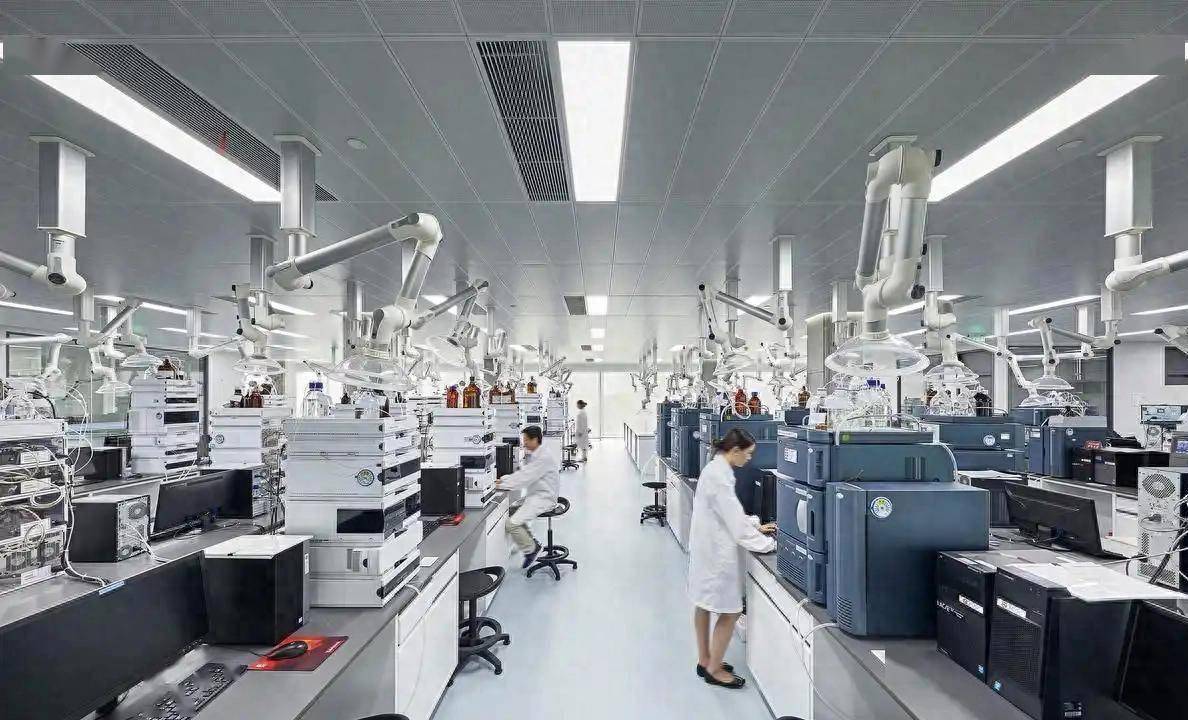
中美博弈的关键时刻,内蒙古接连抛出"王炸"——铀矿保障核电30年"口粮",钍矿储量够全国用2万年! 这些发现被网友称为"天佑中华",但背后实则是中 国几十年资源布局与技术攻坚的必然结果。 当美国深陷铀资源焦虑时,中国已悄然握紧能源独立的底牌 。 内蒙古中部大营地区的荒原上,500多名勘查人员曾在300天内昼夜奋战。 2011年启动的"煤铀兼探"项目,通过30台钻机跨部门联合作战,最终探明一座世 界级铀矿。 这一发现终结了中国无世界级铀矿的历史,矿体连续性达到最高勘探标准,填补了国内砂岩型铀矿类型的空白 。 资源博弈的背后是几代人的坚守,地质学家何作霖1934年在白云鄂博首次发现稀土矿物,徐光宪院士1970年代提出"串级萃取理论"打破稀土分离难题。 如 今白云鄂博矿物家族已扩至27种,包括新命名的"作霖铌矿"与"宏瑞矿" 。 钍的价值不仅在于储量,更在于其安全性。 钍基熔盐堆作为第四代核能技术,采用液态燃料设计,根本无需担心堆芯熔毁。 反应堆底部的"冷冻塞"在温度 过高时会自动融化,将熔盐排入安全容器,整个过程无需人工干预。 这种设计让核电站可建在沙漠或戈壁,摆脱了对沿海水源的依赖 。 美国早在1965年就建成 ...

中国做好最坏准备,美国砍石油进口一条腿,另一条也岌岌可危
Sou Hu Cai Jing· 2026-01-19 22:44
Core Viewpoint - The article emphasizes the precarious state of energy security, highlighting the heavy reliance on imported oil and the vulnerabilities associated with global supply routes, particularly in critical maritime chokepoints like the Malacca Strait and the Strait of Hormuz [1][3][9]. Group 1: Energy Dependency and Vulnerabilities - The country relies on over 70% of its oil imports, creating a significant risk if supply routes are disrupted [3]. - The Malacca Strait is identified as a crucial chokepoint for oil imports, with 80% of oil from the Middle East and Africa passing through it [3]. - The potential for geopolitical tensions in regions like the Red Sea and the Strait of Hormuz poses a threat to energy supply, with significant increases in shipping costs due to rerouting [7][9]. Group 2: Strategic Initiatives for Energy Security - The construction of the China-Myanmar oil and gas pipeline aims to bypass the Malacca Strait, providing an alternative route for energy imports [6]. - The partnership with Russia through the East Route Natural Gas Pipeline is a strategic move to secure energy supply directly from a neighboring country, reducing vulnerability to maritime disruptions [13]. - The development of ultra-high voltage power transmission technology allows for efficient energy transfer from renewable sources in the northwest to industrial consumers in the southeast, enhancing energy independence [15]. Group 3: Long-term Energy Strategy - The push for electric vehicles is framed as a critical component of reducing dependence on imported oil, thereby mitigating risks associated with energy supply disruptions [16]. - The article suggests that achieving energy independence is essential for national stability and economic security, as it directly impacts everyday life and industrial operations [22][24]. - The ongoing efforts to secure energy resources and develop alternative energy infrastructure are portrayed as a strategic chess game against global powers, emphasizing the importance of proactive measures in energy policy [18][21].
印尼媒体:耗资74亿美元,印尼升级改造全国最大炼油厂
Huan Qiu Shi Bao· 2026-01-13 23:07
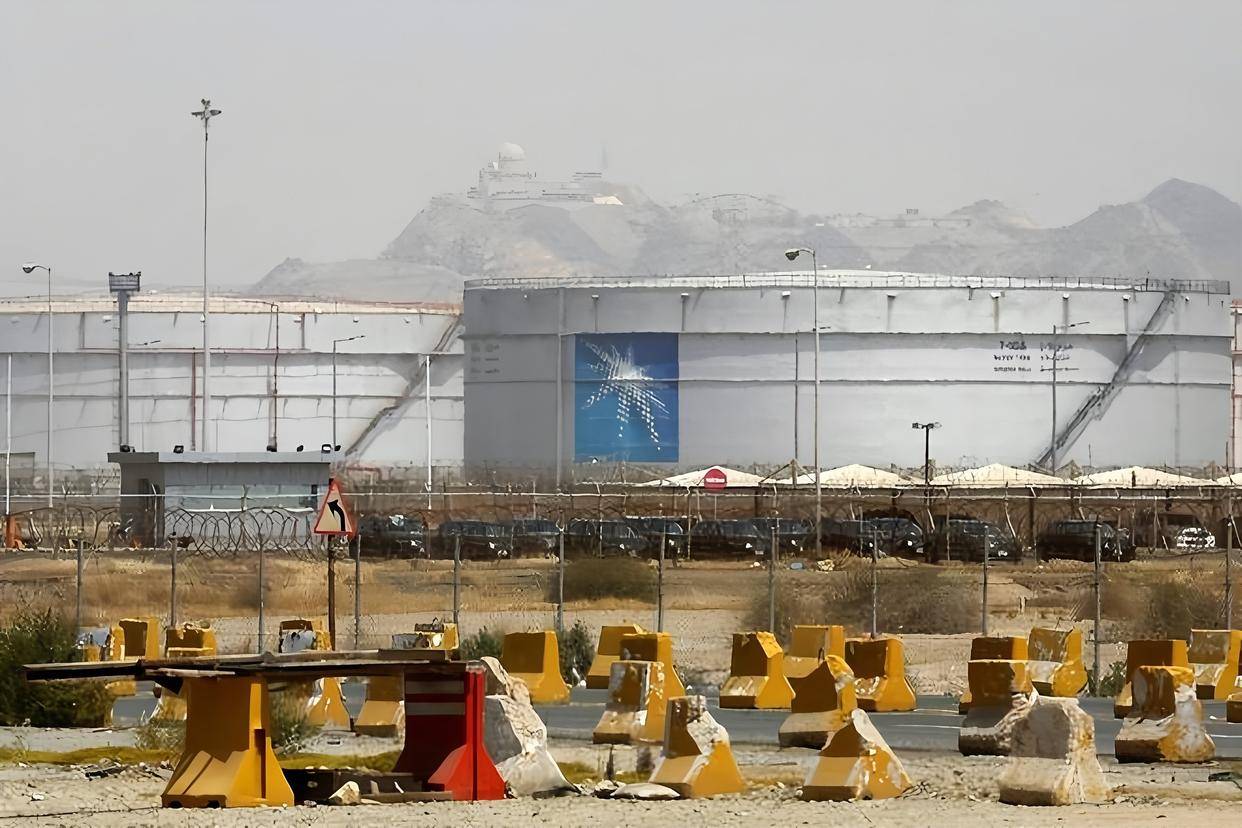
Core Insights - Indonesia has officially launched the Bali Balikpapan refinery upgrade project, marking the end of a 32-year stagnation in large-scale energy infrastructure development [1] - The project, costing $7.4 billion, aims to modernize the existing refinery and enhance Indonesia's energy self-sufficiency [1] - The upgraded refinery's processing capacity will increase from 260,000 barrels per day to 360,000 barrels per day, meeting up to 25% of the country's fuel demand [1] Group 1: Project Details - The upgrade includes improvements to the crude oil reception system, pipeline network, and advanced processing units [1] - The refinery will produce low-sulfur fuel and increase liquefied petroleum gas (LPG) production capacity from 48,000 tons to 384,000 tons annually [1] - The project is classified as a national strategic initiative and commenced construction in 2019 [1] Group 2: Government Commitment and Goals - Indonesian President Prabowo emphasized the need for the country to achieve energy independence within the next five to seven years [2] - The Minister of Energy and Mineral Resources highlighted the government's renewed commitment to energy independence, aiming to stop diesel and jet fuel imports by 2027, relying only on crude oil imports [2] - Indonesia's current oil production is 608,100 barrels per day, while consumption is 1.6 million barrels per day, indicating a significant supply-demand gap [2] Group 3: Future Exploration and Production Plans - The Indonesian government is working to reverse the declining trend in oil production by auctioning eight new oil and gas blocks, which are expected to contain billions of barrels of oil and trillions of cubic feet of natural gas [3] - Plans are in place to open over 100 previously undeveloped oil and gas basins to global investors to unlock upstream exploration potential [3]
在甘肃戈壁深处建核电站
Jing Ji Ri Bao· 2026-01-11 01:53
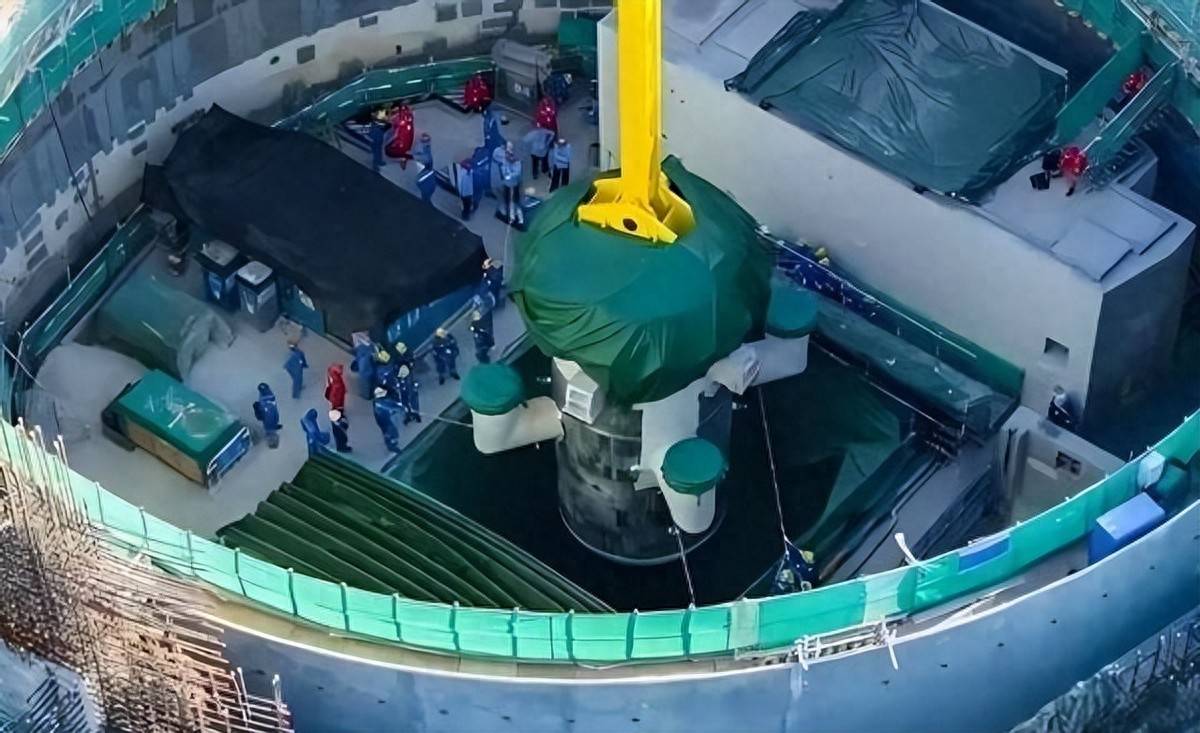
Core Viewpoint - The article highlights China's innovative approach to nuclear energy, specifically the successful development of a 2 MW liquid-fueled thorium molten salt experimental reactor, which marks a significant advancement in utilizing thorium as a nuclear fuel source, potentially enhancing energy independence and safety [1][2]. Group 1: Project Development - The thorium molten salt experimental reactor was established in Wuwei, Gansu Province, and is the only operational reactor of its kind globally, achieving thorium fuel utilization [1]. - The project faced significant challenges, including a lack of technology, conditions, and team at its inception, leading to a strategic approach of assembling a core team and leveraging collaborative innovation across various research fields [2]. - The reactor's site selection was complicated by public concerns following the Fukushima nuclear disaster, resulting in a lengthy search across multiple provinces before settling in Wuwei with support from the Chinese Academy of Sciences and the Gansu provincial government [2]. Group 2: Technical Challenges - The project encountered severe environmental and logistical challenges, including a harsh desert climate with limited resources, which required team members to adapt to difficult living conditions while working on the reactor [3]. - Technical hurdles included sourcing critical materials like nickel-based alloys and nuclear graphite, which were only produced by a few international companies at the time [3][4]. - A significant technical challenge arose during the summer of 2023 when a blockage occurred in the molten salt pipeline, requiring a dedicated effort from the team to resolve the issue over 100 days [4]. Group 3: Achievements and Future Goals - The experimental reactor achieved full power operation in June 2024 and completed the world's first thorium molten salt reactor with thorium fuel cycle research platform by October 2024, with over 90% of key equipment and materials now domestically produced [4]. - The project is part of a broader strategy to develop a three-step approach: from experimental to demonstration reactors, aiming for industrial application to enhance China's energy security and contribute to carbon neutrality goals [4].
在甘肃戈壁深处
Xin Lang Cai Jing· 2026-01-10 22:40
Core Viewpoint - The article highlights China's innovative approach to nuclear energy, specifically the successful development of a 2 MW liquid-fueled thorium molten salt experimental reactor, which marks a significant advancement in utilizing thorium as a nuclear fuel source, potentially enhancing energy independence and safety [1][2]. Group 1: Project Development - The thorium molten salt experimental reactor was established in Wuwei, Gansu Province, overcoming initial challenges such as lack of technology, conditions, and team [2]. - The project faced significant delays in site selection due to public concerns following the Fukushima nuclear disaster, ultimately being located in a remote area with limited resources [2][3]. - The team adopted a strategy of collaboration and innovation, leveraging the strengths of the Chinese Academy of Sciences to build a capable workforce [2]. Group 2: Technical Challenges - The project encountered severe environmental and logistical challenges, including a lack of water and electricity, leading to team members living in difficult conditions for extended periods [3]. - Technical challenges included sourcing critical materials like nickel-based alloys and nuclear graphite, which were only produced by a few international companies at the time [3][4]. - A significant technical hurdle was overcome in the summer of 2023 when a blockage occurred in the molten salt pipeline, requiring intensive efforts from the team to resolve [4]. Group 3: Achievements and Future Goals - The experimental reactor achieved full power operation in June 2024 and became the first in the world to incorporate thorium into molten salt, establishing a unique research platform for thorium-uranium fuel cycles [4]. - The project has achieved over 90% localization of key equipment and materials, indicating a strong move towards self-sufficiency in nuclear technology [4]. - The next phase aims to achieve industrial application of the thorium molten salt technology, contributing to China's energy security and carbon neutrality goals [4].
美国撤销松鸡保护动物资格 为石油和矿产开发让路
Xin Lang Cai Jing· 2025-12-23 15:58
Core Viewpoint - The Trump administration has revoked protections for the greater sage-grouse across eight western states, further opening federal lands for energy and mineral development [1] Group 1: Policy Changes - The adjustment to the sage-grouse protections aligns with two executive orders signed by President Trump earlier this year, aimed at unleashing U.S. energy production and achieving energy independence [1]
真是天佑中华!中美博弈最激烈的关键时刻,内蒙发现超级核矿
Sou Hu Cai Jing· 2025-12-07 11:55
Group 1 - The article discusses the impact of tariffs imposed by the U.S. on Chinese exports, totaling $600 billion, which has led to increased inflation in the U.S. and a 5% decrease in Chinese exports [1][3] - The trade conflict is not only an economic issue but also concerns technological and energy dominance, with both countries taking strong stances [3][10] - The discovery of significant thorium resources in the Baiyun Obo mine, which holds 41% of the world's proven reserves, is highlighted as a strategic asset for China [3][5] Group 2 - Thorium, a radioactive metal with potential for energy generation, has been confirmed in the Baiyun Obo mine, with reserves exceeding one million tons, sufficient to meet China's energy needs for thousands of years [5][7] - China's interest in thorium dates back to the 1970s, with significant advancements in research and development leading to the construction of a thorium reactor expected to operate by 2023 [8][12] - The thorium-based molten salt reactor technology is designed to be safe and efficient, with plans for commercialization by 2035, positioning China as a leader in clean nuclear energy [8][14] Group 3 - The U.S. has historically attempted to control energy dominance through military and economic means, but China's thorium resources may shift the balance of power in energy negotiations [10][12] - Despite challenges in thorium mining and environmental regulations, the advancements in technology present a significant opportunity for China [12][14] - The Baiyun Obo mine is seen as a strategic asset that could contribute to global sustainable development, reinforcing China's position in the energy sector amid increasing U.S.-China competition [14]
聚焦全球能源 | 中国下游天然气2026年展望
彭博Bloomberg· 2025-12-05 06:04
Core Viewpoint - The article emphasizes the critical role of natural gas in China's energy strategy, particularly in achieving carbon peak goals by 2030 and enhancing energy security. The expected annual growth rate of natural gas production in China from 2025 to 2035 is projected to be 5.3% [3]. Group 1: Energy Policy and Market Outlook - China's natural gas policy is set to boost industry development, with a focus on increasing domestic production and achieving a self-sufficiency rate of 71% by 2050, significantly higher than the 47% expected for the oil sector [3]. - Decision-makers are reducing pipeline transportation prices by at least 8% to stimulate natural gas usage, which could lead to a 10%-15% increase in gas transmission volumes [3]. - The demand for natural gas is expected to rise due to the shift in energy consumption structure, with natural gas's share in total energy consumption projected to increase from 8.9% in 2025 to 16% by 2035 [14]. Group 2: Performance and Valuation - As of September 30, Asian gas stocks have risen by an average of 3.6%, lagging behind the MSCI Energy Index's 7.6% increase, indicating a rebound from earlier lows [4]. - Despite the overall positive market sentiment, the price-to-book ratios of companies like Xinao Energy and China Gas remain near five-year lows, suggesting potential undervaluation [4]. - Xinao Energy's price-to-book ratio is 1.5 times, compared to a five-year average of 2.6 times, while China Gas's ratio is 0.8 times against a five-year average of 1.3 times [4]. Group 3: Supply and Demand Dynamics - The geopolitical landscape, particularly the Russia-Ukraine conflict, has heightened the focus on energy security, prompting China to prioritize domestic natural gas supply and production growth [10]. - By 2030, domestic natural gas production is expected to meet 59.8% of demand, increasing to 71.1% by 2050, as exploration and development activities ramp up [17]. - China's LNG import sources are diversifying, with Russia expected to become a major supplier, potentially surpassing Australia in the long term [19].
欧盟与欧洲议会达成协议:2027年前全面禁运俄罗斯天然气
Sou Hu Cai Jing· 2025-12-03 15:27
Core Points - The EU has reached an agreement to completely ban the import of Russian natural gas by autumn 2027, aiming to cut off a key energy source that supports Russia's military actions and promote energy independence in Europe [1][9]. Group 1: Energy Import Changes - Since the onset of Russia's military actions in 2022, the EU has initiated a "de-Russianization" process for energy, with Russian natural gas's share in total EU imports dropping from 45% in 2021 to 19% by 2024 [3]. - Despite the reduction, Russia is projected to remain the second-largest LNG supplier to the EU in 2024, holding a 20% market share with an estimated import volume of 20 billion cubic meters, valued at approximately 15 billion euros [3]. Group 2: Contractual Changes - Short-term LNG contracts will be terminated starting April 25, 2026, followed by the cessation of short-term pipeline gas contracts on June 17, 2026 [3]. - Long-term LNG contracts will be fully banned from January 1, 2027, while long-term pipeline contracts will be prohibited from renewing after September 30, 2027, with a final deadline of November 1, 2027 [6]. Group 3: Legal and Support Measures - The agreement allows European companies to invoke "force majeure" clauses to legally terminate existing contracts for Russian natural gas due to the EU's ban [7]. - The EU Commission is tasked with developing a special plan to ensure Hungary and Slovakia cease importing Russian oil by the end of 2027, following their previous exemptions from the oil ban [9]. Group 4: Strategic Goals - The core objective of the ban is to end dependency on Russian energy, which has been used as a weapon against Europe, significantly impacting the energy market [11]. - EU leaders emphasize that this agreement marks the dawn of a new era, signifying Europe's complete detachment from reliance on Russian energy sources [9][11].