
自由贸易试验区

Search documents
深刻认识建设中国特色自由贸易港的基本规律和时代价值
Ren Min Ri Bao· 2025-12-30 02:03
Core Viewpoint - The construction of Hainan Free Trade Port is a significant national strategy personally planned, deployed, and promoted by General Secretary Xi Jinping, emphasizing China's commitment to high-level opening-up and economic globalization [1][4][12]. Group 1: Importance of Hainan Free Trade Port - The official launch of the full island closure of Hainan Free Trade Port marks a milestone in China's high-level opening-up and reflects the country's determination to expand its openness [1][5][12]. - Hainan Free Trade Port is positioned as a crucial experimental field for reform and opening-up, aiming to attract global high-quality resources and promote high-quality development [5][12][15]. Group 2: Policy Framework and Implementation - The policy framework for Hainan Free Trade Port focuses on trade, investment, cross-border capital flow, personnel movement, transportation, and data security, establishing a preliminary system for free trade [5][8][13]. - The construction of the free trade port will be carried out in phases, with specific goals set for 2025 and 2035 to establish a mature policy and operational model [9][14]. Group 3: Institutional Innovation and Reform - Institutional innovation is at the core of the free trade port's development, aiming to enhance trade and investment liberalization and facilitate high-quality development [10][14]. - The port's construction will serve as a platform for deepening reforms and overcoming systemic obstacles, thereby enhancing the effectiveness of national governance [14][15]. Group 4: Global Economic Integration - Hainan Free Trade Port is expected to contribute to the construction of an open world economy, providing a model for developing countries to integrate into the global economic system [15][17]. - The port will facilitate China's participation in global economic governance and enhance its role in international trade, especially in the context of rising protectionism and unilateralism [12][16][17].
美国想垄断航运,海南封关不慌,背后两大靠山撑腰
Sou Hu Cai Jing· 2025-12-28 18:44
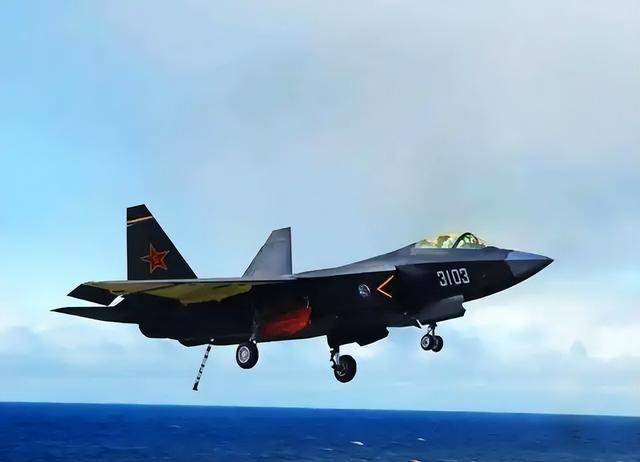
Core Viewpoint - The intersection of Hainan's openness and security is becoming increasingly visible, with military presence enhancing trade safety and operational efficiency in the region [1][9]. Group 1: Trade and Shipping Dynamics - The South China Sea accounts for 60% to 70% of external trade routes, making any delays significantly impactful on the supply chain [3]. - Historical examples, such as the security provided by military presence in the Strait of Malacca, illustrate how safety can foster a prosperous shipping ecosystem [5]. - The deployment of advanced military vessels like the Fujian aircraft carrier is perceived as a stabilizing factor for shipping stakeholders, enhancing their confidence in maritime operations [7]. Group 2: Economic and Financial Implications - Hainan's zero-tariff policy and offshore financial initiatives are attracting capital, but their success hinges on the smooth operation of trade routes [11]. - The integration of logistics, finance, and consumption in Hainan's free trade zone is designed to create a mutually reinforcing economic environment, where disruptions in one area can affect overall efficiency [11][15]. - The cost structure of shipping includes not only freight but also time, risk premiums, and insurance costs, which are critical for businesses when evaluating shipping routes [16]. Group 3: Regional Cooperation and Competition - The potential for regional cooperation is evident, with logistics firms from Singapore, ASEAN agricultural suppliers, and Chinese manufacturers closely monitoring market reconfigurations post-border closure [18]. - The establishment of stable shipping nodes is crucial for competitive advantage in supply chains, highlighting the need for effective legal frameworks and international cooperation [18][20]. Group 4: Security and Infrastructure - Hainan's strategy incorporates transparent tax systems and efficient customs processes, with security investments viewed as foundational infrastructure for attracting investment [15][16]. - The presence of naval forces and coast patrols is integrated into Hainan's open commitment, emphasizing the importance of public safety in investment attraction [16]. - The interplay of safety, regulations, services, and financial support is essential for creating a competitive hub, which Hainan aims to achieve [20].

怎样理解积极扩大自主开放
Xin Lang Cai Jing· 2025-12-22 20:23
Core Viewpoint - The article emphasizes the importance of expanding autonomous openness in China's economic development, highlighting that greater openness leads to greater development and is essential for achieving high-quality growth and national rejuvenation [1][2]. Group 1: Achievements in Openness - China has achieved historic milestones in foreign trade, maintaining the world's largest goods trade scale for eight consecutive years, with exports and imports accounting for over 14% and 10% of the global total, respectively [2]. - Since 2013, China has established 22 free trade pilot zones, with the Hainan Free Trade Port set to fully operate by December 18, 2025 [2]. - The country has continuously reduced the negative list for foreign investment, eliminating restrictions in the manufacturing sector [2]. Group 2: Areas for Improvement - Despite being at the forefront among developing countries, China's openness still lags behind advanced global standards, ranking 38th out of 129 economies in the openness index for 2024 [2]. - There are significant gaps in the service and digital sectors, indicating a need for further enhancement in openness [2]. - Challenges remain in foreign trade systems, foreign investment, and legal frameworks related to international engagement [2]. Group 3: Key Focus Areas for Expanding Openness - Emphasis on aligning with international high-standard economic and trade rules, establishing compliance mechanisms, and expanding the network of high-standard free trade zones [3]. - Focus on enhancing service sector openness, particularly in telecommunications, healthcare, education, and culture, while promoting cross-border service trade [3]. - Commitment to fostering win-win cooperation in international economic relations, including initiatives like the Belt and Road and zero-tariff measures for least developed countries [4]. Group 4: Global Economic Governance - Advocacy for reform in global economic governance and participation in the development of new rules in areas such as digital trade and supply chain resilience [4]. - Engagement in international platforms to promote a free, open, inclusive, and orderly economic environment [4].
学习规划建议每日问答 | 怎样理解积极扩大自主开放
Xin Hua She· 2025-12-22 06:21
Core Viewpoint - The article emphasizes the importance of expanding autonomous openness in China's economic development, highlighting that greater openness will lead to higher quality growth and international cooperation [1][2]. Group 1: Achievements in Openness - China has achieved historic milestones in foreign trade, maintaining the world's largest goods trade for eight consecutive years, with exports and imports accounting for over 14% and 10% of global totals, respectively [2]. - Since 2013, China has established 22 free trade pilot zones, with the Hainan Free Trade Port set to fully operate by December 18, 2025 [2]. - The country has continuously reduced the negative list for foreign investment, eliminating restrictions in the manufacturing sector [2]. Group 2: Areas for Improvement - Despite being at the forefront among developing countries, China's openness still lags behind global advanced levels, ranking 38th out of 129 economies in the openness index for 2024 [2]. - There are significant challenges in foreign trade systems, foreign investment, and legal frameworks that need to be addressed to enhance openness [2]. Group 3: Key Focus Areas for Expanding Openness - Emphasis on aligning with international high-standard economic and trade rules, expanding the network of high-standard free trade zones, and implementing comprehensive strategies for free trade pilot zones [3]. - A focus on expanding the service sector, particularly in telecommunications and healthcare, while promoting cross-border service trade and facilitating the movement of professional talent [3]. - The necessity of fostering win-win cooperation in international economic relations, enhancing partnerships through initiatives like the Belt and Road, and providing zero-tariff treatment for products from least developed countries [4]. - The importance of participating in global economic governance reforms and contributing to the establishment of an open world economy through various international platforms [4].
从“时间线”见证中国开放步伐从未停歇 海南自贸港“成型起势”稳步前行
Yang Shi Wang· 2025-12-16 08:40
Core Viewpoint - The establishment of Hainan Free Trade Port represents a significant step in China's ongoing commitment to opening up its economy, with policies aimed at reducing trade barriers and costs, thereby creating new opportunities for global economic engagement [1][19]. Group 1: Hainan Free Trade Port Developments - Hainan Free Trade Port is set to expand the range of imported "zero-tariff" goods from 1,900 to approximately 6,600 tax items, enhancing benefits for local enterprises [5]. - The customs staff at Yangpu Port are actively preparing to ensure that businesses can quickly benefit from the new policies following the closure on December 18 [3]. - The operationalization of Hainan Free Trade Port marks a historical moment, transitioning from the blueprint established in June 2020 to full island-wide customs operations [7]. Group 2: Broader Context of Free Trade Zones - Since the establishment of the first Free Trade Zone in Shanghai in 2013, China has created 22 Free Trade Zones, fostering a diverse and innovative reform landscape across the country [13]. - The Shanghai Free Trade Zone has implemented measures such as "rapid approval" and "parallel review," which have significantly streamlined processes for businesses [11]. - The cumulative number of institutional innovations from Free Trade Zones has reached 485 as of September this year, showcasing the effectiveness of these initiatives [13]. Group 3: Future Implications - The opening of Hainan Free Trade Port is expected to enhance China's integration into the global economy and improve the multilateral trade system [17]. - The transition from the first Free Trade Zone to the only Free Trade Port in China signifies an expanding openness, positioning Hainan as a new starting point for China's global economic engagement [19].
从首个自贸试验区到唯一自贸港 一起回顾我国开放进程
Sou Hu Cai Jing· 2025-12-16 08:38
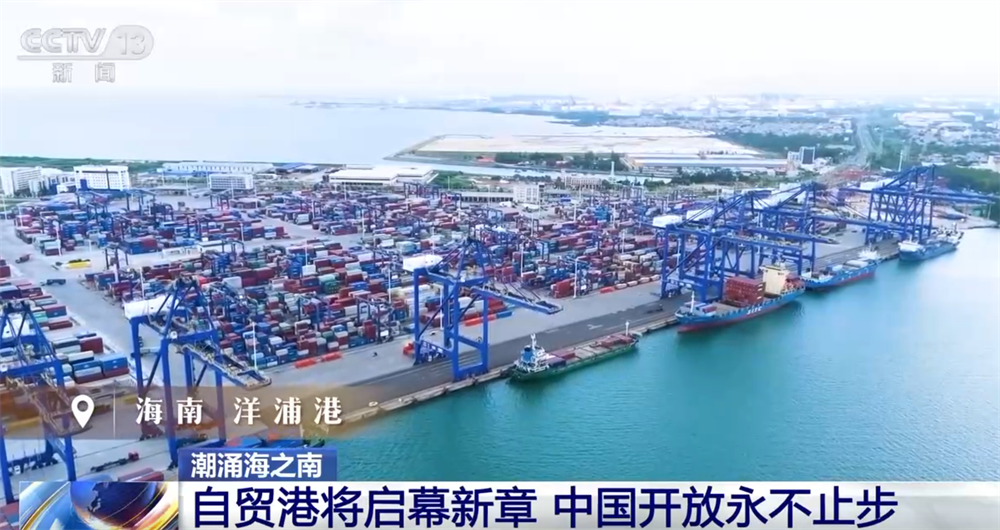
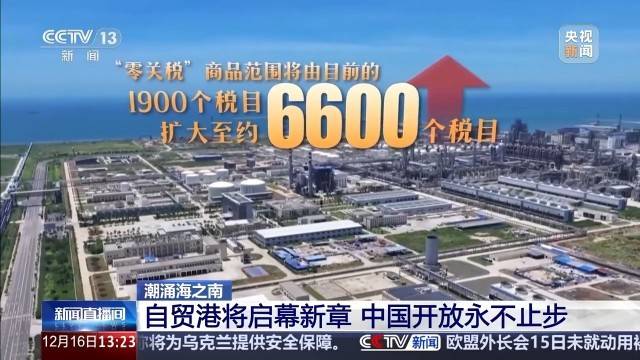
海南自贸港从蓝图绘就到成型起势,是开放中国的生动缩影。新时代以来,我国锚定自贸试验区与自由 贸易港建设,破除制度壁垒、降低贸易成本、畅通要素流动,为全球经济带来新机遇。接下来,就让我 们循着时间的足迹,见证中国从未停歇的开放步伐。 上午8点多,洋浦港已是一派繁忙。东南亚的椰子、南美的木材等货物正陆续卸船,它们一部分将直运 内地,一部分则会在岛内加工后发往全国。看似如常的作业背后,一个新变化却即将发生,在距离岸边 两公里外的洋浦海关,工作人员正紧锣密鼓忙碌着。 洋浦海关综合业务处工作人员 符贞坤:这几天很忙,自贸港的政策陆陆续续在发布,有越来越多的享 惠主体,现在做的就是审核企业的享惠主体资质。在12月18日封关之后,就可以进口"零关税"货物。 海南自贸港封关在即,进口"零关税"商品覆盖范围将从目前的1900个税目扩大到约6600个税目。符贞坤 的主要工作就是负责加工增值免关税相关业务的审核,这一系列政策对于他所在辖区内的企业,也带来 了更多利好。 符贞坤:这大概两三周来一共有差不多将近1000家企业来申请,就洋浦地区。我也感受到了制度越来越 开放,我们也在这个工作中不断地探索。 几天前,位于上海自贸试验区临港 ...

专访桑百川:未来有望增设更多自贸试验区 应重点考虑沿边省份和中西部地区│解读中央经济工作会议
Mei Ri Jing Ji Xin Wen· 2025-12-11 18:40
12月10日至11日,中央经济工作会议在北京召开。 会议指出,坚持对外开放,推动多领域合作共赢。稳步推进制度型开放,有序扩大服务领域自主开放, 优化自由贸易试验区布局范围,扎实推进海南自由贸易港建设。推进贸易投资一体化、内外贸一体化发 展。鼓励支持服务出口,积极发展数字贸易、绿色贸易。深化外商投资促进体制机制改革。完善海外综 合服务体系。推动共建"一带一路"高质量发展。推动商签更多区域和双边贸易投资协定。 《每日经济新闻》(以下简称NBD)记者梳理发现,围绕坚持对外开放,今年中央经济工作会议部署 了一些新的开放举措,比如优化自由贸易试验区布局范围、推动商签更多区域和双边贸易投资协定等。 那么,优化自由贸易试验区布局范围意味着什么?如何推动多领域合作共赢?在坚持内需主导的背景 下,出口将扮演什么样的角色? 围绕上述一系列问题,对外经贸大学中国开放经济理论研究院院长桑百川接受了《每日经济新闻》记者 专访。 未来有望在中西部地区增设更多自贸试验区 NBD:相较于去年,今年中央经济工作会议首次提到"优化自由贸易试验区布局范围"。您认为这释放 了什么信号? 桑百川:自贸试验区是中国制度型开放的重要平台,在贸易自由化、便 ...
五年来北京新设外资企业超9000家
Zhong Guo Xin Wen Wang· 2025-12-11 12:14
Core Insights - Over the past five years, Beijing has established more than 9,000 new foreign-funded enterprises and recognized over 270 foreign-funded R&D centers [1] - Beijing has implemented over 70 national breakthrough policies and promoted more than 80 innovative achievements nationwide, consistently ranking first in evaluations of national service industry opening-up pilot demonstrations [1] Group 1: Foreign Investment and Policy Implementation - Beijing has taken advantage of the national service industry opening-up comprehensive demonstration zone and the China (Beijing) Free Trade Pilot Zone to attract foreign investment [1] - The city has been a pioneer in expanding openness in the medical field, with 22 companies participating in biotechnology pilot programs [1] - Beijing has established the country's first rare disease drug guarantee pilot area and introduced the first international professional qualification recognition directory [1] Group 2: Data and Telecommunications Initiatives - The city has launched the first comprehensive reform system for facilitating cross-border data flow, including a negative list for data export at the scene and field level [1] - The first pilot program for expanding value-added telecommunications has been initiated, with a total of 26 foreign-funded enterprises approved [1] Group 3: Efficiency and Service Improvements - Beijing has achieved full online processing for the establishment of foreign-invested enterprises, with the fastest completion time being one day [1] - Innovative logistics models such as "dual hub and two airport logistics collaboration" have been introduced to enhance customs efficiency [1] - The "Sail Plan" for entry and exit services has been implemented, along with a package of 36 policy services aimed at assisting enterprises, attracting talent, and benefiting the public [1]
自贸试验区育出近200项“创新果”
Ren Min Ri Bao Hai Wai Ban· 2025-12-09 22:32
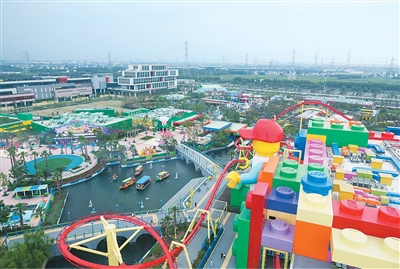
以差异化探索新路径。22个自贸试验区资源禀赋、区位特点各不相同。遵循由点到面、由个别到一般、 由特殊到普遍的渐进式改革方式,我国支持各自贸试验区因地制宜开展差异化探索。比如,浙江将集成 创新重点放在大宗商品领域、江苏和山东分别围绕生物医药和海洋经济推动全产业链集成创新,为高水 平开放探索新路径。 新华社记者 王 翔摄 据新华社北京电(记者邹多为、丁乐)"十五五"规划建议明确提出"实施自由贸易试验区提升战略"。作 为党中央在新时代推进改革开放的重要战略举措,"十四五"时期,覆盖东西南北中的22个自贸试验区形 成了近200项制度创新成果。在大胆试、大胆闯、自主改中,自贸试验区这片"试验田"茁壮成长、实 力"圈粉"。 以高标准拓展新空间。五年来,在上海等有条件的自贸试验区以及海南自由贸易港,主动对接CPTPP和 DEPA等国际高标准经贸规则,累计推出了两批共110余项试点措施,涉及贸易、投资、知识产权、政府 采购、环境保护等重点领域,形成一批先进经验和典型案例,并通过向更大范围复制推广这些先行先试 措施,加快释放制度型开放的辐射带动作用,为经济增长开辟更为广阔的空间。 "十四五"以来,上海充分发挥自贸试验区及临港新 ...
11月我国外贸同比增速回升至4.1%
Qi Huo Ri Bao Wang· 2025-12-09 02:17
海关总署12月8日发布数据:今年11月份,我国货物贸易进出口3.9万亿元,同比增速回升至4.1%,从2 月起连续10个月保持同比增长。 民营企业加速"扬帆出海"。前11个月,我国外贸主力军、民营企业进出口23.52万亿元,同比增长 7.1%,有进出口记录的民营企业数量同比增加6.6万家。11月当月进出口增速比上月加快3.9个百分点。 市场开拓成效显著。前11个月,我国对第一大贸易伙伴东盟进出口6.82万亿元,同比增长8.5%;对非 洲、拉美和欧盟进出口分别增长18.7%、5.6%、5.4%。海关总署统计分析司司长吕大良表示,我国坚持 开放合作、互利共赢,不断拓展与贸易伙伴的双向合作。前11个月,我国与全球110多个国家和地区实 现出口、进口同时增长,比去年同期增加20多个。 此外,我国给予所有已建交的最不发达国家100%税目产品零关税待遇生效已满一年。一年来,我国自 最不发达国家进口规模累计增加550多亿元。 再过10天,海南自由贸易港将正式启动全岛封关。据海关统计,11月当月,海南自由贸易港进出口同比 增长9.1%。前11个月,我国自由贸易试验区和海南自由贸易港进出口合计8.07万亿元,同比增长5.2%, ...