
茶文化

Search documents
加纳茶叶市场消费量大 2024年中国对其出口规模扩大
Sou Hu Cai Jing· 2025-12-20 02:05
Group 1 - The global tea consumption is projected to grow from 630 million kilograms in 2020 to 730 million kilograms by 2024, with a compound annual growth rate (CAGR) of approximately 3.75% [1] - By the end of 2025, global tea consumption is expected to continue its upward trend, potentially exceeding 750 million kilograms [1] - Tea is recognized for its health benefits, including antioxidant properties, metabolism support, and cardiovascular protection, leading to increased demand for natural and additive-free beverages [1] Group 2 - The African region, particularly countries like Ghana, Morocco, and Kenya, is a rapidly growing segment of the global tea market [2] - Ghana's tea consumption is influenced by historical ties to British colonialism, health awareness, and economic exchanges, with red tea being a staple in daily life [2] - The demand for green tea in Ghana is rising due to consumer perceptions of its digestive and weight management benefits [2] Group 3 - Ghana imports a significant volume of tea to meet domestic demand, with China being the primary source of these imports [3] - In 2024, China's tea exports to Ghana reached 38,600 tons, with a total export value of approximately $14.19 million, marking a year-on-year increase of 9.44% in volume and 8.44% in value [3] - Green tea constitutes the majority of tea exports from China to Ghana, accounting for 99.92% of the volume and 99.86% of the value in 2024 [3] Group 4 - The global tea market is experiencing rapid growth due to the popularity of tea culture and the emergence of new tea beverages, with Ghana being a significant consumer market [4] - Red tea and green tea are the most popular varieties consumed in Ghana [4] - The Ghanaian tea market remains heavily reliant on overseas imports, presenting opportunities for Chinese tea brands to expand their presence [5]


和福建人坐一次高铁,要被自己穷笑了
3 6 Ke· 2025-12-17 08:37
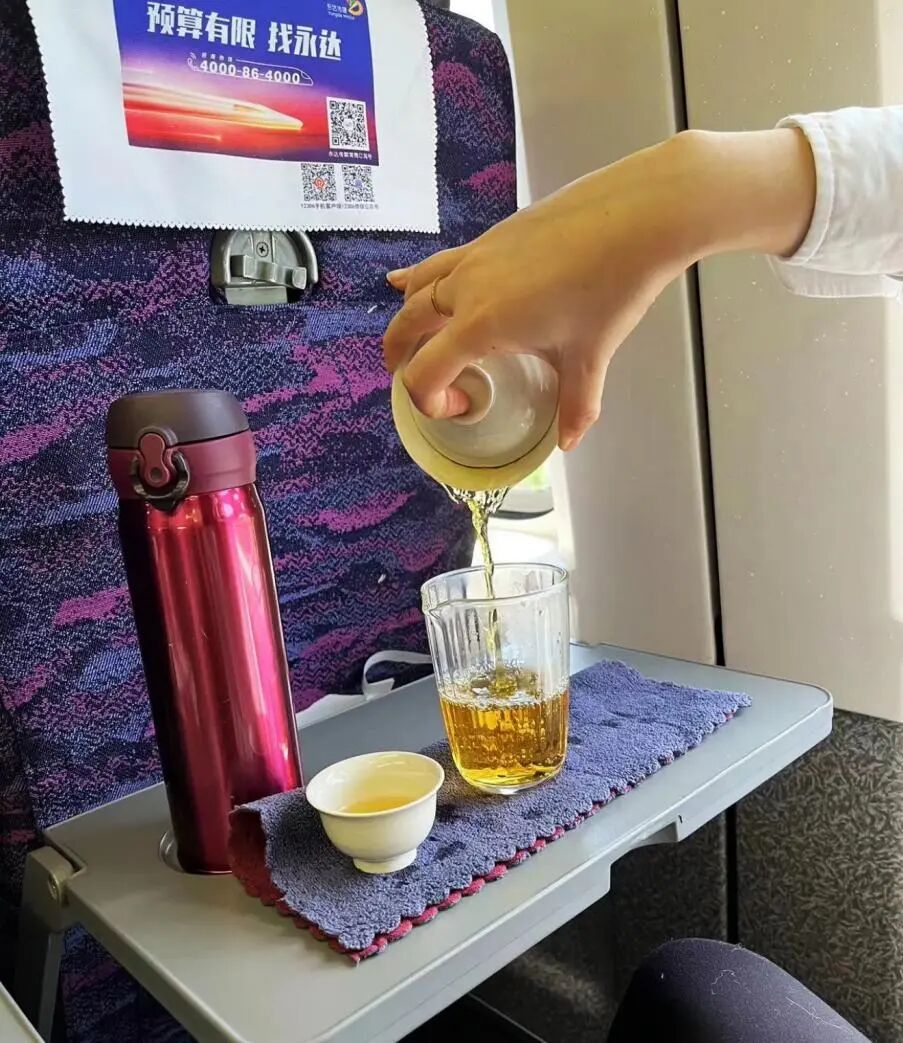
Group 1 - Fujian is recognized as a province with a deep-rooted tea culture, where drinking tea is an integral part of daily life [1][54] - The habit of drinking tea extends to various situations, including while traveling on high-speed trains, where Fujian residents often bring their own tea sets [3][11] - The practice of brewing tea on trains is seen as a cultural expression, showcasing the skills and dedication of Fujian people to their tea rituals [7][15] Group 2 - The geographical advantages of Fujian, such as its mountainous terrain and favorable climate, contribute to its reputation as a major tea-producing region [56][59] - Fujian is home to a variety of renowned teas, including Oolong, white, and black teas, making it a significant player in the national tea market [58][59] - The province's tea culture is not only a personal preference but also plays a crucial role in social interactions and business dealings, highlighting its importance in the local economy [48][52]
七展联动!深圳国际茶博会焕新开幕
Nan Fang Du Shi Bao· 2025-12-11 13:20
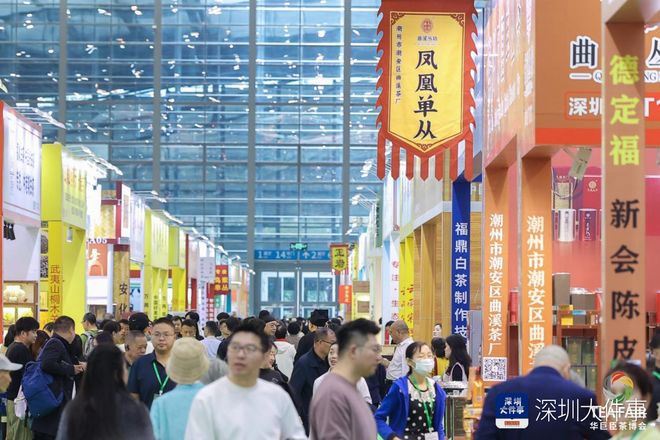
Core Insights - The 32nd Shenzhen International Tea Expo has commenced, showcasing the high-quality development of the Chinese tea industry through various themed events and exhibitions [1][3] - The expo features an exhibition area of 75,000 square meters with 3,700 booths, gathering over 2,000 brand enterprises from home and abroad [3] - The event highlights the vibrant tea consumption market in the Greater Bay Area, with numerous well-known brands participating and engaging in discussions and collaborations [3][7] Group 1 - The expo includes various concurrent events such as the "2025 Chaozhou Kung Fu Tea Conference" and the "World Aged Tea Awards," enhancing the overall experience for attendees [1] - A diverse range of tea products and cultural exchanges are present, attracting thousands of professional buyers and tea enthusiasts [3][7] - The event aims to break traditional exhibition formats by incorporating multi-dimensional content to enhance tea culture experiences [7] Group 2 - The 2025 Shenzhen International Tea Ware Aesthetic Design Exhibition features various themed areas, showcasing both traditional craftsmanship and contemporary design [5] - Notable brands and products, including limited edition items and innovative designs, are highlighted, emphasizing the creativity within the tea ware sector [5] - The international section of the expo has expanded, attracting tea enterprises and cultural institutions from regions such as Hong Kong, Macau, Taiwan, and countries like Malaysia and Japan [7]
悟道茶香画意间(读画)
Ren Min Ri Bao· 2025-12-06 21:57
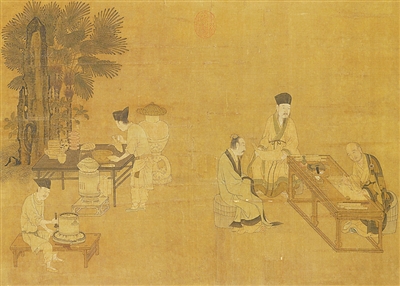
Core Viewpoint - The article highlights the significance of tea culture in China, particularly during the Song Dynasty, emphasizing its role as a spiritual and aesthetic pursuit rather than just a daily beverage [3][4]. Group 1: Tea Culture and Historical Context - The Song Dynasty is identified as the peak period for the development of tea culture in China, with meticulous practices from tea preparation to consumption [3]. - Liu Songnian's artwork "The Tea Grinding Scroll" exemplifies the elegance and intricacy of Song-style tea culture, showcasing detailed depictions of tea preparation and the serene atmosphere of tea gatherings [4][5]. Group 2: Artistic Representation and Philosophy - The painting features a clear narrative structure, with distinct roles for the servants and the hosts, reflecting the harmony and interaction typical of the era's tea culture [3][4]. - Liu Songnian's artistic style is characterized by elegance and realism, capturing the essence of daily life and the philosophical underpinnings of the Song Dynasty, such as the pursuit of knowledge and tranquility through everyday activities [4][5]. Group 3: Tea Preparation Techniques - The article describes the meticulous process of preparing tea, including grinding tea leaves and the specific steps involved in making tea, which are visually represented in the artwork [4]. - Various tea utensils depicted in the painting serve as historical evidence of the tea culture practices during the Song Dynasty, aligning with documented tea preparation methods [4].
解码中华文化基因:茶马古道,纵横八方连缀山海的路“网”
Zhong Guo Xin Wen Wang· 2025-12-05 14:28
Core Viewpoint - The Chinese government, led by General Secretary Xi Jinping, emphasizes the importance of the tea industry and tea culture exchange, advocating for a comprehensive approach to integrate tea culture, industry, and technology [2]. Group 1: Tea Industry Development - China is recognized as the birthplace of tea and the origin of tea culture, highlighting its historical significance in global tea production [2]. - The Tea Horse Road served as a crucial trade route for tea and horses, facilitating economic development, cultural exchange, and ethnic integration in the southwestern region of China for over a millennium [2].
如何品味不同的茶
Ren Min Ri Bao· 2025-11-28 21:56
Core Insights - The article discusses the rich history and cultural significance of tea in China, highlighting the six major types of tea: green tea, black tea, oolong tea, white tea, yellow tea, and black tea [1][2][3] Green Tea - Green tea is one of the earliest types of tea in China, characterized as unfermented and processed through steps like killing green, shaping, and drying [1] - Major varieties include West Lake Longjing from Zhejiang, known for its "green color, fragrant aroma, sweet taste, and beautiful shape," and Biluochun from Jiangsu, which has a curled shape and rich aroma [1] Black Tea - Black tea is fully fermented and includes varieties such as small leaf black tea, gongfu black tea, and broken black tea, processed through withering, rolling, fermentation, and drying [2] - Notable types include Qimen black tea from Anhui, known for its rich aroma, and Dianhong from Yunnan, which has a strong and fresh flavor [2] Oolong Tea - Oolong tea, also known as blue tea, is semi-fermented and involves processes like withering, making green, killing green, rolling, and drying [2] - Famous varieties include Da Hong Pao from Fujian, recognized for its balanced aroma and flavor, and Fenghuang Dancong from Guangdong, known for its lasting fragrance and sweet taste [2] White Tea - White tea is minimally processed, involving withering and drying, and is classified as lightly fermented [2] - Key varieties include Baihao Yinzhen, which is covered in white hairs and resembles needles, and Bai Mudan, which has a floral appearance and a sweet flavor [2] Yellow Tea - Yellow tea is lightly fermented and involves a unique "sealing yellow" process that reduces bitterness and creates a "yellow soup and yellow leaves" quality [3] - A notable type is Junshan Yinzhen from Hunan, which has a golden appearance and sweet flavor [3] Black Tea (Post-Fermented) - Black tea has a long history and plays a significant role in tea trade, characterized by post-fermentation and processes like killing green, rolling, piling, re-rolling, and drying [3] - It is produced in regions like Hunan, Hubei, Sichuan, Yunnan, and Guangxi, with Anhua black tea known for its unique aroma and rich flavor [3] Cultural Significance - The article emphasizes the deep-rooted tea culture in China, encouraging individuals to explore different types of tea that suit their preferences while appreciating the profound heritage of Chinese traditional culture [3]
廿载赴新约,羊城齐叹茶!2025广州茶博会开幕
Nan Fang Nong Cun Bao· 2025-11-21 04:02
Core Points - The 2025 China (Guangzhou) International Tea Expo opened on November 20, celebrating its 20th anniversary with a theme of "Tea Flavor China, Years of Responsibility" [2][3] - The expo aims to promote the high-quality development of the Chinese tea industry and reflects the transformation of tea culture into everyday life [7][8] - The tea industry in China has experienced rapid growth over the past 30 years, with an economic output exceeding 1 trillion yuan, making China the largest producer and consumer of tea globally [14][15] Industry Development - The Guangzhou Tea Expo is the first professional tea exhibition in South China, approved by the Ministry of Commerce, and was established in 2006 [20] - The expo has been included in national key activities and exhibitions, highlighting its significance in the tea industry [21][22] - The tea industry has evolved significantly, with annual tea production increasing from 1.02 million tons in 2006 to 3.499 million tons in 2024, and the annual output value rising from 19 billion yuan to 321.8 billion yuan [26][27][28] Event Highlights - The opening day featured a commemorative tea event with over 200 industry leaders and experts discussing the development of the tea industry [31] - Awards were presented for various categories, including industry leadership and brand excellence, recognizing contributions over the past 20 years [33] - The expo will run until November 23 and includes various activities such as tea skill competitions and quality selection events, promoting talent development and high-quality tea products [35][36] Cross-Industry Collaboration - The expo attracted participants from retail, catering, and health industries, exploring new models for "tea + beverage" integration [40] - The event emphasizes green exhibition practices, offering incentives such as gift giveaways and consumer raffles to enhance visitor engagement [41][42]

在庆州佛国寺品“茶中五味”
Huan Qiu Shi Bao· 2025-11-20 22:42
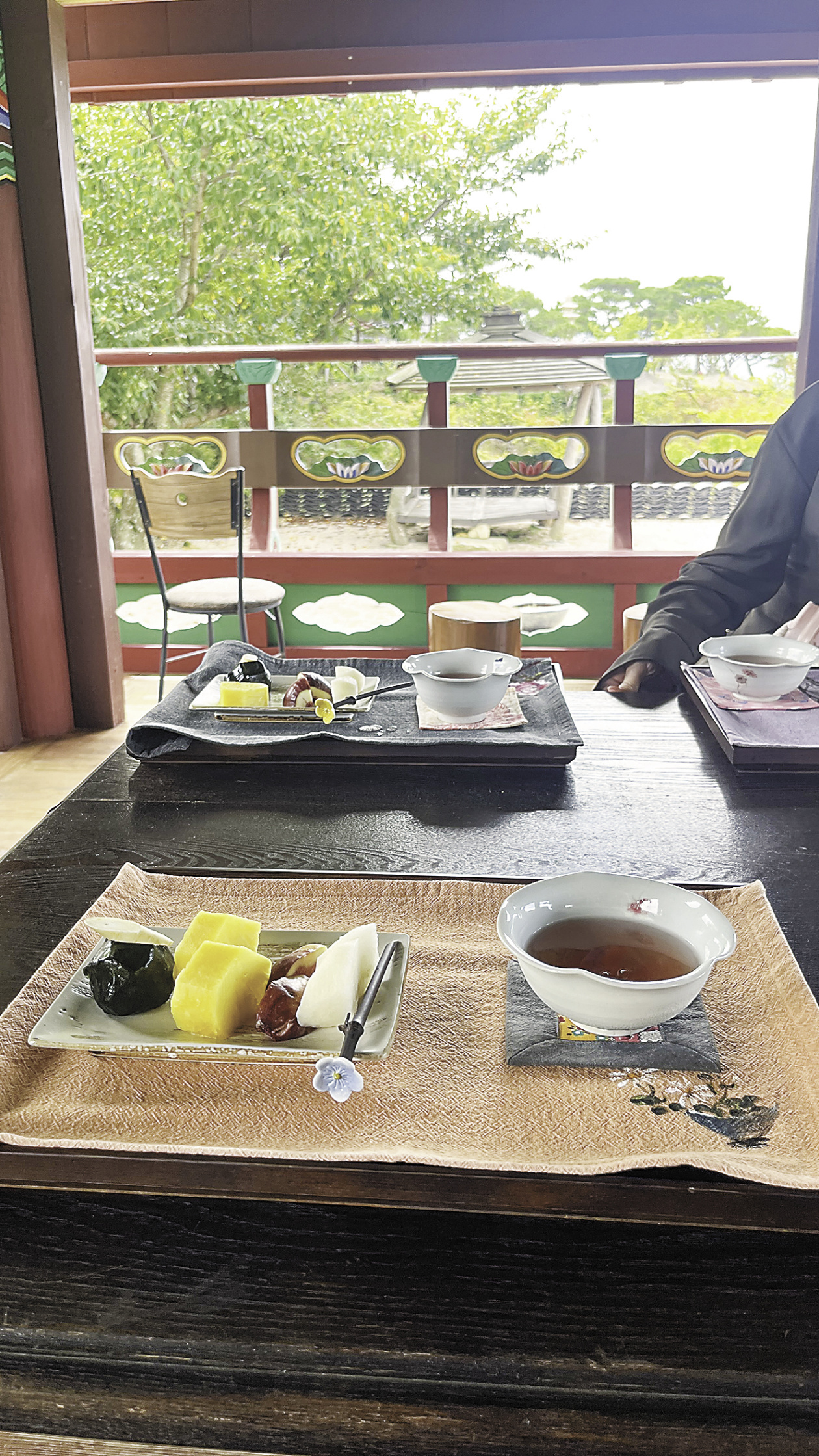
Core Points - Gyeongju, a small city in South Korea, will host the 2025 APEC Leaders' Informal Meeting, marking a significant moment for the city [1] - The city is home to the UNESCO World Heritage site, Bulguksa Temple, which dates back to the Silla Dynasty and reflects the region's rich cultural history [1] - The tradition of tea drinking in Korea, particularly the use of Omija tea, showcases the cultural exchange between China and Korea, emphasizing the medicinal and flavorful aspects of the beverage [4][6] Cultural Significance - Bulguksa Temple was built around 530 AD by King Beopheung of Silla to pray for national stability and the well-being of the people, highlighting its historical importance [1] - The local practice of serving Omija tea, known for its unique flavor profile, illustrates the deep-rooted cultural traditions in the region [4] - The culinary practices in Gyeongju, such as the preparation of simple yet skillfully made temple food, reflect the region's emphasis on harmony and natural ingredients [6] Historical Context - Gyeongju has a rich history, with significant archaeological findings from the Silla period, including stone sculptures and Buddhist art, preserved in local museums [4] - The cultural exchange between China and Korea is evident in the shared practices of tea and fermentation, showcasing a common lifestyle philosophy [6] - The historical significance of Gyeongju as a cultural hub is reinforced by its ancient temples and the ongoing preservation of its heritage [1][4]
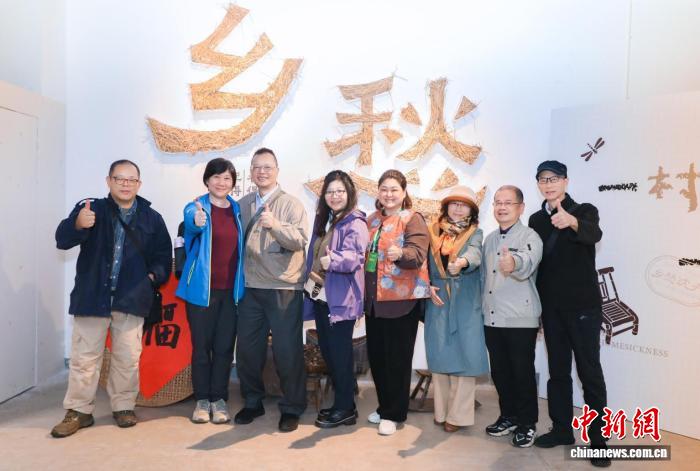
两岸作家相聚武夷山市采风
Zhong Guo Xin Wen Wang· 2025-11-18 03:18
Core Viewpoint - The event themed "Tea Aroma Across the Straits: Cultural Connections" was held in Wuyishan, Fujian, focusing on the exploration of the shared roots of tea culture between the two sides of the Taiwan Strait through literary perspectives [1][3]. Group 1: Event Overview - The two-day event included activities such as boating on the Jiuqu Stream to inspire creativity and visiting historical sites like the birthplace of Zhu Xi in Wufu Town to explore shared cultural heritage [3]. - Participants experienced local culture through performances like "Moonlight on Wuyishan" and traditional meals such as "Zhuzi Family Banquet" [3]. - The event highlighted the integration of cultural and tourism development in rural revitalization, showcasing the practical impact of the tea industry on local development [3]. Group 2: Cultural Exchange and Collaboration - The event featured discussions on Zhu Xi culture, tea tourism integration, and rural revitalization, emphasizing the role of literature in preserving and promoting the rich heritage of Chinese tea culture [3]. - Writers participating in the event plan to create works centered around tea culture, with a collection titled "Tea Aroma Across the Straits: Cultural Connections" set for publication [3].
第十届中华茶奥会圆满闭幕
Zhong Guo Jing Ji Wang· 2025-11-10 03:22
Core Insights - The 10th China Tea Olympics concluded successfully on November 9 in Longwu, Hangzhou, showcasing the growth and achievements of the event over the past decade [1][2] - The event featured a record scale and quality, with seven major competitions attracting 855 finalists, resulting in the awarding of 14 gold, 24 silver, and 34 bronze medals [1] - The competition included a total of 360 tea samples evaluated in the tea competition, leading to the selection of 93 gold award tea products, highlighting the vitality and diversity of China's tea industry [1] Event Highlights - The closing ceremony was attended by numerous guests from tea culture, agriculture, research, and media, along with judges, athletes, tea company representatives, and tea culture enthusiasts [1] - A ten-year retrospective video was presented, reflecting on the journey and achievements of the China Tea Olympics [1] - The event marked the first collaboration between the China Tea Olympics and the China Tea Culture Week [3]