
订单农业

Search documents
两会热词连连看丨河南“隐藏特产”凭实力出圈
He Nan Ri Bao· 2026-01-27 23:17
从田间地头的丝瓜络到千年窑火的陶瓷,再到强县富民的"致富树",这些"隐藏特产"让小特产做成大产 业、老技艺焕发新生机,为河南经济高质量发展增添动能。(记者 李鹏 史冰倩) 责任编辑: 王靖 1月26日,省人大代表、河南省任氏瓷业有限责任公司董事长任皓宇胸前的一枚胸针格外引人注目:苏 绣勾勒的牡丹栩栩如生,花蕊处的钧瓷釉滴晶莹温润,两种非遗技艺完美交融。"这是我们跨界创新的 成果,就是要打破陶瓷的传统边界。"她告诉记者。 河南是陶瓷文化的重要发祥地,但当前全省陶瓷面临产品同质化、附加值低的困境。如何让千年窑火赋 能经济发展?这是任皓宇一直思考的问题。近年来,她围绕陶瓷行业,建议打造"非遗+研学+产业"三 位一体发展生态。"希望统筹全省陶瓷资源,打造陶瓷文化之旅,把钧瓷、汝瓷等资源串起来;同时推 动'非遗进校园',再通过产学研融合破解创新不足难题,让河南陶瓷既传承文脉根魂,也成为带动就 业、拉动消费的新增长点。"任皓宇说。 兰考古称"户牖",木作文化源远流长。当年焦裕禄同志带领大家栽种的泡桐树,如今已成为兰考人民 的"绿色银行"。近年来,兰考的家居产业发展迅速,集群效应初步显现。省政协委员、兰考三环华兰实 业集团 ...
订单农业合同指引定规立矩
Qi Huo Ri Bao Wang· 2026-01-26 03:01
Core Insights - The Ministry of Agriculture and Rural Affairs officially issued the "Guidelines for Order Agriculture Contract Norms," marking a significant milestone in standardizing order agriculture contracts across the country [1] - The guidelines aim to provide a clear and comprehensive administrative framework for signing order agriculture contracts, addressing issues such as unclear contract parties, vague terms, and forced bundled sales [1] Group 1: Order Agriculture Model - The core of order agriculture relies on contractual relationships to achieve precise production and sales alignment, allowing farmers to produce according to the needs of buyers [1] - This model effectively addresses key issues faced by farmers, such as variety selection, sales channels, and price expectations, through the integration of capital, management, and production resources [1] - In Guangxi, for example, the coverage rate of sugarcane order agriculture has exceeded 95%, benefiting 5 million sugarcane farmers with an average annual income increase of over 10,000 yuan [1] Group 2: Challenges in Order Agriculture - Order agriculture faces multiple challenges, including frequent contract disputes and risks of non-compliance and fraud [2] - Price fluctuations in agricultural products can lead to unilateral breaches of contract, compounded by structural flaws such as vague terms and unclear responsibilities [2] - The Ministry of Agriculture and Rural Affairs has previously issued risk warnings to protect farmers from scams disguised as order agriculture [2] Group 3: Guidelines for Improvement - The guidelines establish a clear and fair transaction framework by focusing on four dimensions: clarifying parties, standardizing processes, stabilizing expectations, and facilitating rights protection [2] - It requires clear identification of both parties and mandates that the buyer's business license be attached to the contract to help farmers avoid signing with fraudulent entities [3] - The guidelines prohibit forced purchases of specified inputs by buyers, encourage the inclusion of technical standards as contract attachments, and aim to make commitments explicit [3] Group 4: Pricing and Rights Protection - The guidelines advocate for innovative pricing mechanisms, such as "minimum price + market floating price," allowing farmers to share profits during high market prices while ensuring minimum returns during low prices [3] - They emphasize the need for specific and quantifiable acceptance standards to avoid ambiguity and encourage the preservation of samples as evidence [3] - The guidelines also outline equitable liability for breaches and provide multiple dispute resolution methods, offering farmers clear pathways for rights protection [3]
汕尾洪流村“强村公司”激活内生动力,走出富民强村新路径
Nan Fang Nong Cun Bao· 2026-01-23 01:30
Core Viewpoint - Hongliu Village is implementing a "Strong Village Company + Order Agriculture + Technology Empowerment" model to enhance its economic vitality and achieve rural revitalization, with the company generating over 1.5 million yuan in revenue [4][5]. Group 1: Strong Village Company - The establishment of the Strong Village Company aims to create a self-sustaining economic model, moving away from reliance on external aid [15][16]. - The company has integrated over 120 acres of idle land and is focused on market-oriented operations to drive local economic growth [12][24]. - A performance incentive mechanism for village officials has been introduced to enhance motivation and efficiency in promoting the company's development [34][35]. Group 2: Order Agriculture - The village is promoting "Order Agriculture" to address issues of land abandonment and market misalignment, ensuring farmers can grow crops with guaranteed sales [57][61]. - Collaboration with large enterprises and agricultural experts has been established to provide technical support and ensure quality production [64][66]. - The introduction of high-quality rice varieties and a structured planting plan has stabilized farmers' income expectations [63][69]. Group 3: Benefit Sharing - The economic benefits generated by the Strong Village Company are being reinvested into community welfare, including cash subsidies for elderly residents to support healthcare [75][78]. - Various community improvement projects have been initiated, enhancing living conditions and addressing urgent local needs [81][83]. - The overall development strategy emphasizes resource activation, market access, and shared benefits, contributing to a vibrant and prosperous community [87][89].


农业农村部办公厅印发《订单农业合同规范指引》
Xin Lang Cai Jing· 2026-01-19 13:04
Core Viewpoint - The Ministry of Agriculture and Rural Affairs has issued the "Guidelines for Order Agriculture Contract Norms" to standardize the signing of order agriculture contracts between agricultural producers and purchasers, based on relevant laws and regulations [1] Group 1: Guidelines and Implementation - The guidelines provide administrative guidance for signing order agriculture contracts in accordance with the Civil Code of the People's Republic of China and other legal provisions [1] - Local authorities are encouraged to promote the guidelines and assist agricultural producers and purchasers in signing contracts based on equality, voluntariness, and mutual agreement [1] - Regions are advised to explore the release of model order agriculture contract texts tailored to specific sectors, enhancing the contract fulfillment rate and protecting the legal rights of both parties [1] Group 2: Support Services - There is an emphasis on strengthening inspection and testing services, as well as verifying the production and operational qualifications of agricultural enterprises [1] - The guidelines encourage both parties to purchase agricultural inputs through formal channels and to engage in scientific and standardized planting and breeding practices [1]
让小农户更好对接大市场:陆丰“社村”合作走出甘薯全链升级新路子
Nan Fang Nong Cun Bao· 2026-01-15 14:02
Core Viewpoint - The article discusses the innovative "cooperative village" model in Lufeng, which aims to enhance the sweet potato industry by integrating various stages of the supply chain, from seedling production to processing and sales, thereby improving quality and efficiency [4][24]. Group 1: Industry Overview - Lufeng is a core area for sweet potato cultivation in Guangdong, with over 200,000 acres planted and an annual output value of nearly 3 billion yuan [8]. - The sweet potato industry has faced challenges such as inconsistent seed quality, weak processing capabilities, low product value, and high reliance on direct sales, which limits price resilience [8][9]. - The "cooperative village" model aims to address these issues by organizing farmers, enhancing their market resilience, and sharing the benefits of industry growth [9][24]. Group 2: Cooperative Model Implementation - The Lufeng Cooperative Agricultural Development Company was established through collaboration between local village collectives and the Guangdong Tianhe Agricultural Company, focusing on "order agriculture + comprehensive social services" [9]. - The cooperative model has already covered 37 administrative villages and established three comprehensive service stations, leading to significant income increases for both farmers and village collectives [11][24]. Group 3: Seedling Production and Quality Improvement - A detoxified seedling center has been established to ensure high-quality seedlings, addressing the previous shortage of reliable seed sources [14][16]. - The center employs a three-tiered model for seedling production, with a capacity of 500,000 seedlings per season, aiming to produce 35 million commercial seedlings by 2026 [16][19]. Group 4: Processing and Value Addition - A new sweet potato commercialization processing center has been set up, capable of processing 30 tons of sweet potatoes daily, which includes washing, sorting, and sugarization processes [21][22]. - This center aims to enhance product value and extend shelf life, potentially doubling the market price compared to direct sales [23][24]. Group 5: Future Plans and Goals - By 2027, the cooperative model aims to cover 52 villages and develop 30,000 acres of sweet potato order planting, creating a comprehensive ecosystem that includes detoxified seedlings, standardized planting, processing, and brand marketing [24]. - The initiative is expected to provide a replicable model for rural revitalization and economic integration, contributing to the broader "Hundred-Thousand Project" for rural development [24].
“订单农业”助茂井镇农产品直达市场
Xin Lang Cai Jing· 2026-01-14 21:48
Core Insights - The collaboration between Guizhou Hengdu Yipin Food Co., Ltd. and Maojing Town marks a significant step in enhancing agricultural product sales and supporting rural revitalization through a structured supply chain model [1][2]. Group 1: Agreement and Collaboration - A sales cooperation framework agreement was signed between Guizhou Hengdu Yipin Food Co., Ltd. and Maojing Town, which will ensure the supply of quality agricultural products based on the company's needs [1]. - The agreement allows farmers to shift from blind planting to targeted production according to enterprise orders, thus improving income opportunities [1]. Group 2: Agricultural Product Quality and Supply Chain - Guizhou Hengdu Yipin Food Co., Ltd. focuses on the wholesale and retail of agricultural products, with a continuous demand for high-quality sources [2]. - The collaboration utilizes an "order agriculture" model, where the company provides a purchasing list based on market demand, and Maojing Town supplies products accordingly, creating a beneficial cycle of production and sales [2]. Group 3: Economic Impact and Future Plans - The high-tech zone has helped Maojing Town achieve over 2.6 million yuan in agricultural product sales through various initiatives [2]. - Future plans include strengthening the bridge between enterprises and rural areas to establish long-term partnerships, allowing more quality agricultural products to reach broader markets [2].

天津西青培育地方特产品牌:沙窝萝卜产销两旺
Jing Ji Ri Bao· 2026-01-12 05:55
Core Insights - The sales of Shawo radish have seen a significant increase, with market prices also rising, indicating a positive trend in production and revenue for local farmers [1] - The planting area for Shawo radish in Xinkou Town is projected to reach 8,100 acres by 2025, with an expected total output of 70 million pounds, reflecting an expansion in scale and improvement in quality [1][3] Financial Support and Expansion - Financial backing has enabled the rapid expansion of Shawo radish cultivation, with Tianjin Rural Commercial Bank providing nearly 70 million yuan in agricultural loans to support greenhouse construction and equipment procurement [1][2] - The bank's "New Good Easy Loan" product has effectively alleviated funding pressures for local cooperatives, facilitating the introduction of standardized planting techniques and optimized management processes [2][3] Marketing and Sales Strategies - The establishment of an e-commerce shipping warehouse in Xinkou Town has allowed for efficient distribution of Shawo radish, with a focus on order-based agriculture to minimize inventory [2] - A comprehensive branding initiative for Shawo radish has been launched, including the creation of a strategic cooperation agreement among various stakeholders to enhance brand recognition and market presence [3] Brand Development - The "Five Marks One Code" branding initiative has been introduced, providing Shawo radish with a unique identity that includes various quality and safety certifications [3] - The number of "Tianjin Agricultural Boutique" brands has increased from 187 in 2021 to 225, with annual sales exceeding 10 billion yuan for three consecutive years, indicating strong market performance and brand value [3]
湖南江华:千亩有机淮山抢“鲜”记
Xin Lang Cai Jing· 2026-01-12 02:30
Core Viewpoint - The agricultural transformation in Jianghua Yao Autonomous County, Hunan Province, is driven by a market-order-first approach and practical technology, leading to the successful cultivation and distribution of organic yam to the Guangdong-Hong Kong-Macao Greater Bay Area, enhancing the connection between rural areas and urban markets [1][9]. Group 1: Agricultural Practices - The yam planting base in Niuzhiwo Village operates under a "market-order-production" model, where production is dictated by customer orders, ensuring zero inventory and fresh products delivered within hours [7][8]. - The base has achieved a stable purchase price for yams, ranging from 1.9 to 2.5 yuan per pound, significantly improving farmers' income and alleviating concerns over market access [8][9]. Group 2: Technological Innovations - Two key technological innovations have enhanced yam quality: deepening planting trenches from 1.2 meters to 1.4 meters for better growth conditions and using multifunctional agricultural film to maintain optimal soil conditions [8]. - The use of agricultural film allows for flexible harvesting periods, transforming the sales cycle from concentrated selling to a more controlled supply, thus stabilizing prices and improving market responsiveness [8][9]. Group 3: Economic Impact - The "order agriculture" and "technology preservation" model has led to standardized, large-scale, and brand-oriented development of the yam industry, directly benefiting local farmers through stable rental income and job opportunities [9]. - The cooperative plans to establish a primary processing plant to create value-added products, further deepening the industry’s roots and expanding its economic impact [9].
消费帮扶赋能 钱大妈架起城乡共富桥
Sou Hu Cai Jing· 2026-01-07 04:07
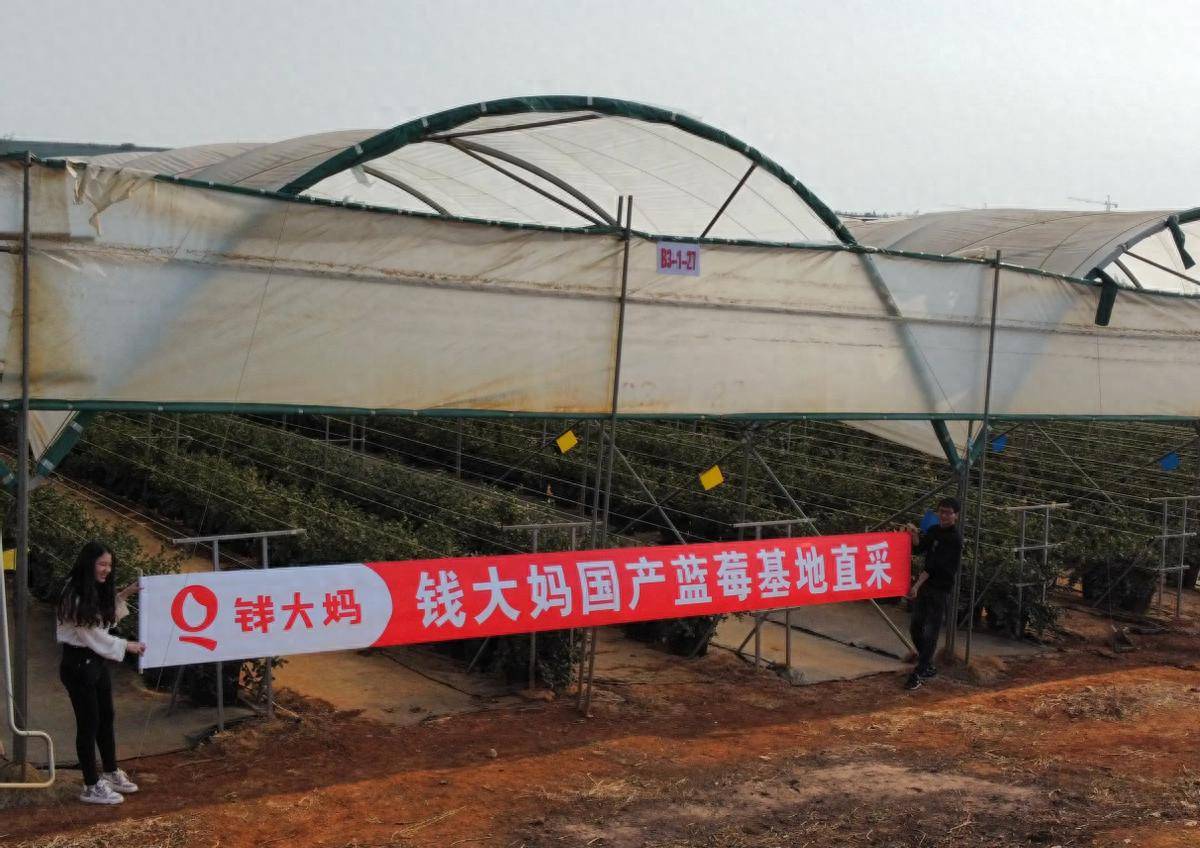
Group 1 - The core concept of the news highlights the innovative "direct sourcing + digital supply chain" model employed by Qian Dama, which connects rural farmers with urban consumers, ensuring fresh produce reaches the market quickly [1][3] - Qian Dama has established stable partnerships with over 3,000 farmers through its order agriculture model, resulting in an average annual income increase of over 20,000 yuan per household and a total consumption assistance amount of 2.3 billion yuan [3] - The company actively participates in the branding and operationalization of local agricultural products, enhancing their value and competitiveness through standardized planting guidance and quality control systems [3] Group 2 - Qian Dama integrates social responsibility into its business model by creating a lightweight public welfare approach that allows consumers' daily shopping behaviors to support disadvantaged groups, fostering a cycle of goodwill among businesses, consumers, and beneficiaries [4]
常山三溪村产业融合项目 加速推进
Xin Lang Cai Jing· 2025-12-29 17:12
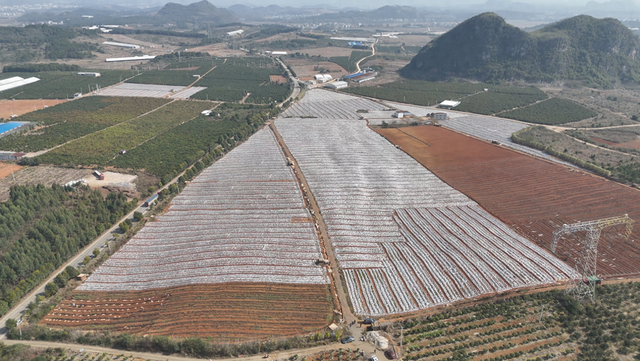
Group 1 - The core project in Sanxi Village, part of the "Canteen Alliance," is a 120-acre water and fertilizer integrated greenhouse construction project, aimed at improving agricultural efficiency and risk resilience [1] - The project is expected to be completed in about a month, with initial crops including kale, followed by various fruits and vegetables starting in March [1] - The innovative "contract farming" model has been adopted, with a long-term sales agreement signed with Zhejiang Aijia Fruit and Vegetable Development Co., significantly reducing market risks for farmers [1] Group 2 - The "Canteen Alliance" is part of a broader development strategy in Changshan County, linking Sanxi Village with 11 other villages to create a comprehensive supply chain from production to market [2] - Sanxi Village has established 200 acres of high-standard greenhouses and over 200 acres of open planting bases, cultivating more than 10 types of vegetables [2] - Future plans include expanding fruit and vegetable planting by an additional 1,000 acres and encouraging family units to participate in cultivation, potentially increasing annual income by 20,000 to 30,000 yuan per household [2]