
跨境融资

Search documents
跨境融资新篇章
Sou Hu Cai Jing· 2025-12-02 11:51
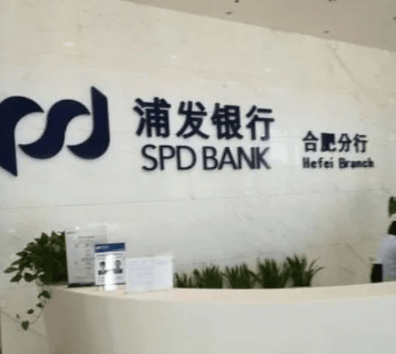
Core Viewpoint - The launch of the offshore yen direct lending business by Pudong Development Bank's Hefei branch provides a new cross-border financing channel for enterprises, helping them reduce costs and optimize their financial structure [1] Group 1: Business Development - Pudong Development Bank's Hefei branch successfully issued 216 million yen to Anhui Jinyu Agricultural Technology Development Co., Ltd., marking a significant step in internationalization [1] - The offshore direct lending business offers notable advantages over traditional domestic loans, including significant cost benefits, flexible terms, and the ability to mitigate exchange rate risks [1] Group 2: Market Trends - The ongoing dual opening of China's financial industry is expected to create broader development opportunities for offshore direct lending businesses [1] - The successful implementation of the yen offshore direct lending business signifies an enhancement in Pudong Development Bank's capabilities in international financial services [1] Group 3: Strategic Focus - The bank aims to continue focusing on customer needs by providing professional and agile financial solutions to inject continuous cross-border financial support into the real economy [1]


兴业银行昆明分行落地首笔“跨境平台+中信保”小微企业跨境融资
Xin Hua Wang· 2025-11-14 05:06
Core Insights - The article highlights the successful implementation of a cross-border financial service platform by Industrial Bank's Kunming branch, which provided a small and micro enterprise with a credit limit of 5 million yuan [1] Group 1: Company Initiatives - Industrial Bank's Kunming branch facilitated its first cross-border financing for a small export company specializing in fresh grapes and citrus fruits, targeting markets in Laos and Vietnam [1] - The company experienced increased funding needs due to a rise in foreign trade orders this year, emphasizing the importance of efficient and cost-effective bank credit financing [1] Group 2: Financial Services - The enterprise utilized the State Administration of Foreign Exchange's cross-border financial service platform, specifically the "Bank-Enterprise Financing Connection" application, to submit its credit financing request [1] - The approval process was notably swift, taking only one day from the submission of the credit application to the granting of the credit limit [1] - The use of China Export & Credit Insurance Corporation's short-term export credit insurance policy as a credit enhancement tool effectively alleviated the financing challenges faced by foreign trade enterprises [1]

中新互联互通项目为构建周边命运共同体注入新动能
Xin Hua Wang· 2025-11-10 12:54
Core Insights - The China-Singapore (Chongqing) Strategic Connectivity Demonstration Project has achieved significant milestones over the past decade, including 347 signed government and commercial cooperation projects worth $26 billion and a cumulative cross-border financing amount of $21.7 billion [1] Group 1: Project Achievements - The project has successfully established a new cooperation framework between China (Chongqing) and Singapore, facilitating direct connections and enhancing regional economic development [1] - The Western Land-Sea New Corridor, initiated under this project, has become a vital trade route connecting the Silk Road Economic Belt and the 21st Century Maritime Silk Road, significantly reducing shipping times to Southeast Asia [2] - The range of goods transported via the Western Land-Sea New Corridor has expanded to 1,316 categories, reaching 577 ports in 127 countries and regions, with a total volume nearing 5 million TEUs [2] Group 2: Financial Cooperation - Over the past ten years, diverse cross-border financing channels have been established, including the first real estate investment trust in Asia and the first digital RMB cross-border settlement [3][5] - A total of 74 innovative open policies have been implemented to enhance financial cooperation between China and Singapore [3] Group 3: Broader Impacts - The project has facilitated cultural exchanges and tourism, with a significant increase in Chinese tourists visiting Singapore, reaching 2.5 million in the first nine months of the year [7] - The mutual visa exemption policy has enhanced travel convenience and cultural interactions between the two nations, contributing to growth in retail and service sectors [7] - Future plans include expanding cooperation in green finance, digital connectivity, and other forward-looking areas to better serve the real economy [5][8]

兴业银行乌鲁木齐分行跨境联动 助力“专精特新”企业低成本融资
Zheng Quan Shi Bao Wang· 2025-10-31 03:55
Core Viewpoint - Recently, Industrial Bank's Urumqi branch successfully introduced RMB 30 million equivalent of foreign funds for a "specialized and innovative" high-tech enterprise in Xinjiang through an internal guarantee direct loan business, effectively broadening the enterprise's financing channels and reducing financing costs [1] Group 1: Financing Innovation - The internal guarantee direct loan business is designed to address the funding needs of enterprises during the raw material procurement phase [1] - The Urumqi branch led the design of a comprehensive cross-border financing scheme combining "internal guarantee direct loan + currency swap" [1] - This scheme leverages the advantages of the foreign funding market to help enterprises obtain funds at a lower cost [1] Group 2: Risk Management - The currency swap tool is utilized to convert floating rate debt into fixed rate debt, allowing enterprises to lock in financing costs in advance and effectively mitigate exchange rate fluctuation risks [1] - The Urumqi branch provided full assistance to the enterprise in completing foreign debt registration and compliance processes, ensuring smooth business implementation [1] Group 3: Future Outlook - The internal guarantee direct loan, as an innovative cross-border financing model, helps alleviate the issues of limited financing channels and high costs for domestic enterprises [1] - The Urumqi branch will continue to implement the central financial work conference spirit, deepening financial support for high-tech industries and "specialized and innovative" enterprises [1] - The focus will be on enhancing the quality and efficiency of cross-border financial services to support high-quality local economic development through high-level opening up [1]
广东首笔融资租赁母子公司共享外债额度业务落地广州南沙
2 1 Shi Ji Jing Ji Bao Dao· 2025-10-23 11:35
Core Insights - The Guangdong branch of the State Administration of Foreign Exchange has successfully processed the first pilot business for shared foreign debt quotas between parent and subsidiary companies in financing leasing, marking a new avenue for cross-border financing for leasing companies in Guangdong [1][3] Group 1: Policy and Innovation - The rapid development of China's financing leasing industry has led to the establishment of Special Purpose Vehicle (SPV) subsidiaries for leasing large equipment, but these subsidiaries often face challenges in obtaining sufficient foreign debt quotas due to net asset limitations [3] - To address the financing difficulties faced by SPV subsidiaries, the Guangdong branch of the State Administration of Foreign Exchange introduced a pilot policy allowing eligible leasing companies to share foreign debt quotas with their SPV subsidiaries, thereby broadening financing channels and enhancing financing capabilities [3][4] Group 2: Efficiency and Speed - The Guangdong branch of the State Administration of Foreign Exchange provided timely support to Southern Airlines International Leasing Company, enabling them to successfully borrow $165 million in foreign debt within just two business days [4][5] - The branch optimized the business processing workflow through proactive communication and expedited procedures, ensuring efficient handling of shared foreign debt quotas and foreign debt registration for the company and its SPV subsidiaries [4] Group 3: Economic Empowerment - The pilot business allows the two SPV subsidiaries of Southern Airlines International Leasing Company to increase their foreign debt quota from a combined 5 million RMB to nearly 2.5 billion RMB, significantly alleviating liquidity pressures and facilitating better fund management [4][5] - This initiative supports the aviation industry by enabling more flexible and convenient use of cross-border funds, meeting the demands for aircraft leasing and second-hand material purchases, thus strengthening the integration of the aviation supply chain [5] Group 4: Industry Development - The Nansha area has become a hub for aircraft leasing, with over 120 registered SPV companies and a cumulative delivery of 311 aircraft, leading to an asset scale exceeding 100 billion RMB [6] - Nansha has achieved significant breakthroughs in innovative business models, including the first national asset package cross-border transfer and the first offshore leasing in Guangdong, promoting the growth of the aircraft leasing industry [6]

香港IPO市场火热:超200家企业排队,恒指年内涨29%引全球资本竞逐
Huan Qiu Wang Zi Xun· 2025-10-18 04:20
Core Insights - Over 200 companies are currently queued to apply for IPOs in Hong Kong, marking a significant increase in market activity, driven by the strong demand from Chinese mainland enterprises for global expansion [1][2] - Hong Kong's unique financial position and resource advantages make it a key platform for companies looking to raise funds and attract international talent [1] - The recent surge in Hong Kong's stock market, with the Hang Seng Index rising 29% since the end of 2024, reflects the growing interest from global investors [2] Group 1: Market Dynamics - The majority of the companies seeking IPOs are from mainland China, aiming to leverage Hong Kong's platform for fundraising and international market access [1] - The influx of global capital highlights the recognition of Hong Kong's role as a "super connector" between mainland China and international markets, especially amid geopolitical tensions [2] - The daily trading volume in Hong Kong's stock market shows a balanced contribution from both international investors (50%) and mainland Chinese funds (50%) [2] Group 2: Regulatory Environment - The Hong Kong government is actively optimizing the market environment to maintain its status as an international financial center, including the introduction of a fast-track listing process for new economy enterprises [3] - Collaboration with mainland regulatory bodies to enhance cross-border financial services is underway, expanding the range of investors and products available [3] - The Hong Kong Stock Exchange plans to launch a carbon-neutral bond platform to attract green finance resources [3] Group 3: Future Outlook - With over 200 companies preparing for IPOs, Hong Kong's IPO market is expected to enter a new phase of growth [3] - The government's commitment to enhancing market competitiveness aims to create greater value for global investors [3]
助力全球首单民营企业“玉兰债”落地!上海银行赋能民营经济高质量发展
Xin Lang Cai Jing· 2025-10-17 21:07
Core Viewpoint - Shanghai Bank successfully assisted Fosun High Technology Group Co., Ltd. in issuing the world's first private enterprise "Yulan Bond" with a scale of 1 billion RMB, which has been officially listed on the Macau Stock Exchange [1] Group 1: Product Innovation - The "Yulan Bond" serves as an innovative product that opens up new channels for cross-border financing, leveraging the connectivity between Shanghai Clearing House and international financial infrastructures like Euroclear Bank [1] - This issuance establishes an efficient financing bridge for Chinese enterprises to expand internationally [1] Group 2: Financial Support and Strategy - Shanghai Bank has consistently implemented the central government's decisions, focusing on serving the real economy and providing strong financial support for the growth and optimization of private enterprises [1] - As a core trader in the interbank market and an A-class clearing member of Shanghai Clearing House, Shanghai Bank plays a significant role in facilitating these financial activities [1] Group 3: Future Focus - Moving forward, Shanghai Bank aims to concentrate on financial market innovation and development, enhancing cross-border financial service practices through efficient collaboration within the group [1] - The bank intends to provide more precise financial services to support the private economy as a "vital engine" for high-quality development [1]

【锋行链盟】跨境融资方式及核心要点
Sou Hu Cai Jing· 2025-10-08 16:13
Group 1: Core Views - Cross-border financing is a common method for enterprises or institutions to obtain funds in international financial markets, influenced by domestic and foreign policies and market environments [2] Group 2: Main Financing Methods - Cross-border financing can be categorized based on funding sources, instrument types, and applicable scenarios, including traditional bank-led financing, bond market financing, and equity financing [3][4][5][6] - Traditional financing methods include trade financing, offshore syndicated loans, and domestic guarantees for external loans [4] - Bond market financing includes offshore RMB bonds, Chinese dollar bonds, and Euro/Asian dollar bonds [4] - Equity financing methods involve overseas IPOs and cross-border private equity financing [5][6] Group 3: Key Points of Cross-Border Financing - Cross-border financing is subject to multiple constraints from domestic and foreign policies, markets, and laws, necessitating attention to compliance and regulatory requirements [7] - The introduction of foreign institutional investors for equity investments is common among growth-oriented enterprises [7] - Cross-border asset securitization and REITs are innovative financing tools that leverage quality domestic assets for overseas funding [7] - Strict adherence to foreign exchange management regulations and compliance with international sanctions is essential [8] - Companies must manage currency and interest rate risks effectively, utilizing hedging tools to mitigate potential losses [8] - Comprehensive cost control, including both explicit and implicit costs, is crucial for successful financing [8] - Legal and contractual risks must be understood, particularly regarding governing laws and cross-default clauses [8] - Ensuring the compliance of fund usage and facilitating fund repatriation through legitimate channels is vital [8] - Liquidity management is necessary to match repayment sources with cash flows from assets [8] Group 4: Conclusion - The choice of cross-border financing methods should align with enterprise needs, credit quality, and market conditions, focusing on balancing compliance, costs, and risks [9]

跨境投融资迎“便利化礼包”,境外个人境内购房结汇“先结后补”
Sou Hu Cai Jing· 2025-09-17 09:08
Core Points - The new round of cross-border investment and financing foreign exchange management reform aims to enhance the convenience of cross-border investment and financing [2][3] - The reform includes measures to simplify processes and reduce institutional costs, particularly in foreign direct investment (FDI) and cross-border financing [3][7] Group 1: Cross-Border Investment Reform - The reform cancels the basic information registration for pre-investment expenses in FDI, allowing foreign investors to directly open accounts and remit funds [3] - The registration for reinvestment by foreign-invested enterprises in China has also been eliminated, enabling direct fund transfers without additional registration [3][6] - The policy has been successfully piloted in certain provinces and is now being implemented nationwide [4] Group 2: Cross-Border Financing Reform - The reform expands the borrowing limits for qualified high-tech, "specialized and innovative," and technology-based small and medium-sized enterprises to $1 million, with a potential increase to $2 million for those selected through an "innovation points system" [7][8] - The registration requirements for cross-border financing have been simplified, removing the need for audited financial reports from the previous year [7][8] - This dual optimization of limits and processes is expected to address the financing challenges faced by innovative enterprises [8] Group 3: Capital Project Income Payment Facilitation - The reform introduces a "pre-settlement and post-supplement" policy for foreign individuals purchasing property in China, allowing them to settle foreign exchange payments before obtaining the necessary purchase registration documents [9][10] - This measure aims to facilitate the housing needs of foreign individuals working and living in China, promoting regional integration and talent mobility [9][11] - The policy, initially piloted in the Guangdong-Hong Kong-Macao Greater Bay Area, is now being expanded nationwide [11]

提升科创类企业跨境融资便利激活创新动能
Zheng Quan Ri Bao· 2025-09-17 00:01
Core Viewpoint - The recent notice from the State Administration of Foreign Exchange aims to deepen the reform of cross-border investment and financing foreign exchange management, particularly benefiting high-tech and innovative small and medium-sized enterprises by increasing their cross-border financing limits [1][2]. Group 1: Policy Changes - The notice proposes several measures to facilitate cross-border financing for high-tech and "specialized, refined, and innovative" enterprises, raising the financing limit to the equivalent of 10 million USD for all qualified companies nationwide [1]. - For certain selected enterprises under the "innovation points system," the cross-border financing limit can be increased to the equivalent of 20 million USD [1]. Group 2: Impact on Enterprises - These measures are expected to help high-growth, high-risk enterprises access low-cost foreign funds, supporting their technology research, product innovation, and business expansion [1]. - The changes are anticipated to enhance the conversion of technological achievements and promote rapid growth of these enterprises [1][2]. Group 3: Economic Implications - The reforms are seen as a way to address the financing difficulties faced by innovative enterprises, activating innovation momentum and allowing companies to better utilize different economic policies to reduce financing costs and currency risks [2]. - The linkage between cross-border financing and high-tech enterprises is expected to provide more funding support and encourage increased R&D investment, improving the efficiency of technology conversion [2].