
里程焦虑

Search documents
精细化管理,提升出行体验(编辑手记)
Ren Min Ri Bao· 2025-10-04 21:50
Core Insights - The issue of "range anxiety" among electric vehicle (EV) owners has become a topic of discussion during holidays, with reports of long queues at charging stations [1][2] - On October 1, the charging volume for EVs on highways increased by 41.95% year-on-year, reaching a historical high, indicating a growing trend in long-distance travel using EVs [1] - The current charging infrastructure, while extensive, still faces challenges in terms of distribution and availability, particularly in rural areas and during peak holiday periods [1] Infrastructure Development - There is a need for the rapid construction of more charging stations and a balanced distribution across urban and rural areas to alleviate congestion during peak times [1] - The existing charging infrastructure is sufficient for daily needs in urban environments, but significant gaps remain in highway service areas and tourist attractions [1] Management and Service Optimization - Enhancements in management and service are crucial, including the development of mobile applications for charging information and the promotion of fast-charging technologies [1] - Strategies such as anticipating peak charging times and deploying mobile charging facilities are being implemented to improve the charging experience [1][2]
精细化管理 提升出行体验(编辑手记)
Ren Min Ri Bao· 2025-10-04 21:39
Core Insights - The issue of "range anxiety" among electric vehicle (EV) owners has become a topic of discussion during holidays, with reports of long queues at charging stations [1][2] - On October 1, the charging volume for EVs on highways increased by 41.95% year-on-year, reaching a historical high, indicating a growing preference for long-distance travel in EVs due to improved vehicle range and charging infrastructure [1] Group 1: Charging Infrastructure Challenges - Despite having the world's largest and most extensive charging infrastructure, there are still issues with insufficient charging facilities in certain areas, particularly during peak holiday periods [1] - The need for a balanced distribution of charging stations between urban and rural areas is emphasized, as well as the necessity to increase the number of charging facilities [1] Group 2: Management and Service Optimization - Enhancing management and optimizing services are crucial for addressing charging difficulties, including the development of apps for real-time charging information and the promotion of fast-charging technologies [1] - The implementation of mobile charging facilities during peak times on highways is suggested to alleviate congestion at charging points [1][2]
续航不够?小米直接把YU7 835km改成标准版!
2 1 Shi Ji Jing Ji Bao Dao· 2025-09-26 15:03
Core Insights - The company is aggressively addressing user concerns regarding electric vehicle range anxiety by significantly enhancing the range of its SUV model [2] - The standard version of the SUV has been rebranded to the long-range Pro version, which offers a range of 835 kilometers, effectively eliminating range concerns for consumers [2] - This strategic move is aimed at increasing competitiveness against rivals like the Model Y, highlighting the company's commitment to innovation and customer satisfaction [2] Summary by Categories - **Product Strategy** - The company has decided to eliminate the original standard version of its electric SUV, which had a range of 620 kilometers, in favor of a new standard version with a range of 835 kilometers [2] - The pricing for the new standard version remains unchanged, which is expected to enhance its market appeal [2] - **Market Positioning** - The rebranding and enhancement of the SUV's range are seen as a direct response to competitive pressures, particularly from models like the Model Y [2] - The company aims to position itself as a leader in the electric vehicle market by addressing consumer concerns head-on [2]


印度计划2030年成为全球第一大电动汽车生产国?
Hu Xiu· 2025-08-15 07:45
Core Viewpoint - India aims to become the world's largest electric vehicle (EV) producer within five years, reflecting its ambition and urgency for EV transformation, although achieving this goal may be challenging [1][2]. Group 1: Market Growth and Current Status - India's EV market has seen rapid growth, with sales increasing from 43,000 units in FY2022 to 100,000 units in FY2024, doubling in two years; the penetration rate rose from 1.1% to 2.5%, all being pure electric models [3]. - The current EV sales and penetration rate in India are minimal compared to China, which experienced similar challenges during its early EV development phase [5][6]. Group 2: Key Challenges - India faces three main challenges in achieving its EV goals: battery technology and cost, charging infrastructure, and smart driving technology [7][29]. - The battery sector is particularly weak, with India relying heavily on imports for raw materials and lacking a complete supply chain; local production capacity is insufficient to meet the projected demand of 54 GWh in FY2027 [10][11][12]. - The cost of batteries in India is approximately 30% higher than in China, which poses a significant barrier to market potential [12]. Group 3: Charging Infrastructure - As of 2024, India has around 12,146 charging stations, which is inadequate for the growing number of EVs; a ratio of 20:1 between EVs and charging stations indicates a pressing need for infrastructure development [25][26]. - The government has initiated plans to build more charging stations, but the current efforts are insufficient to meet the projected demand of 90,000 charging stations by 2030 [27]. Group 4: Smart Driving Technology - India has a strong software development sector, which could support advancements in smart driving and intelligent cockpit technologies; however, the overall design and hardware manufacturing capabilities are lacking [30][33]. - The current smart driving features in Indian EVs are primarily developed by international suppliers, and local companies are still in the early stages of development [35][36]. Group 5: Future Outlook - The success of India's EV ambitions will depend on overcoming the challenges in battery technology, charging infrastructure, and smart driving capabilities; collaboration with international firms may be necessary for technological advancements [44][45]. - The potential for cooperation between Indian and Chinese companies in the automotive sector could present significant opportunities, given the market's growth potential [42].
中国汽车市场一周行业信息快报——2025年7月第4期
Zhong Guo Zhi Liang Xin Wen Wang· 2025-07-28 08:42
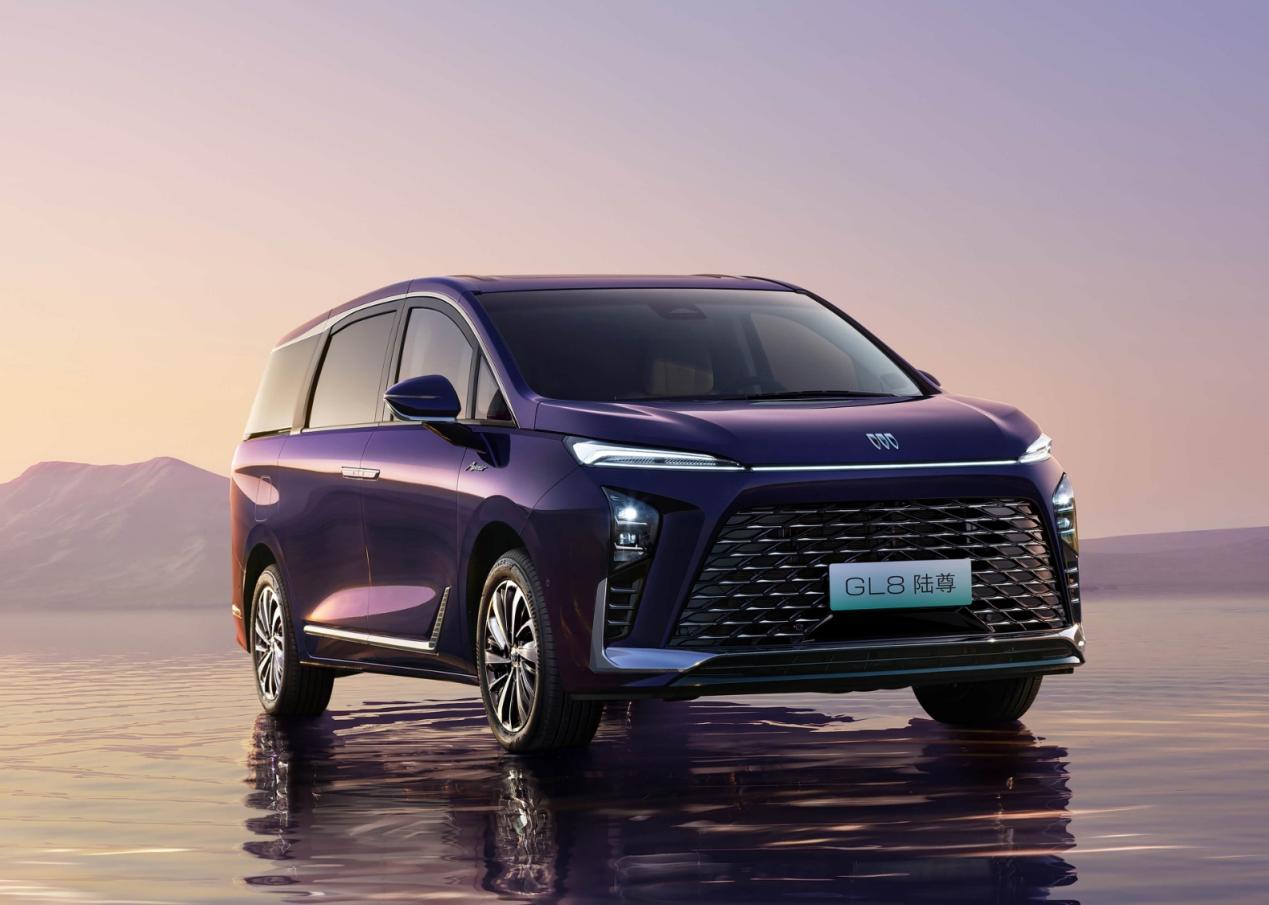
Group 1: Mitsubishi Motors - Mitsubishi Motors announced its complete withdrawal from the Chinese automotive production business, terminating its engine operations with Shenyang Aerospace Mitsubishi Engine Manufacturing Co., Ltd. and ending its joint venture partnership [2][3] Group 2: Electric Vehicle Infrastructure - The Ministry of Transport reported that the coverage rate of charging piles in highway service areas has reached 98.4%, with a total of 62,000 charging parking spaces built, effectively alleviating "range anxiety" for electric vehicles [2] - On average, 20% of vehicles passing through highways are now electric, with measures in place to ensure over 70 million vehicle passages on peak days, double the usual traffic [2] Group 3: New Vehicle Launches - Buick unveiled the new GL8 Land尊 PHEV, featuring a comprehensive range of 1450 km and a pure electric range of 202 km, set to launch in late August [4][6] - BYD launched the new mid-size SUV Sea Lion 06, with prices starting at 139,800 yuan, offering both DM-i and EV models with various range options [15] Group 4: NIO Energy - NIO announced the launch of battery swap stations across Hainan, achieving county-wide coverage except for Sansha, with a total of 41 battery swap stations built [7][9] Group 5: BMW and Green Energy - BMW and China Datang Group signed a strategic cooperation agreement to establish a joint venture for green electricity, focusing on a 1 million kW onshore wind power project [10][13] - The joint venture aims to ensure green electricity supply for BMW's production base in Shenyang and promote large-scale consumption of green power in the automotive supply chain [10][13]



中国每天3亿人次乘公交地铁或打车出行,乡村实现村村通客车
Nan Fang Du Shi Bao· 2025-07-21 07:27
Core Viewpoint - The "14th Five-Year Plan" period has significantly improved China's transportation capabilities, service quality, and operational efficiency, with a comprehensive transportation network nearing 90% completion [1][2]. Group 1: Transportation Infrastructure Development - By the end of 2024, China's railway operating mileage is expected to reach 162,000 kilometers, with total highway mileage at 5.49 million kilometers and urban rail transit operating mileage at approximately 11,000 kilometers, ranking first in the world [1]. - The high-grade navigable waterways will reach 17,600 kilometers, with 2,971 berths for 10,000-ton vessels and 263 certified civil aviation transport airports [1]. - The comprehensive three-dimensional transportation network has seen a significant increase in efficiency, with an average of 180 million cross-regional trips and 160 million tons of goods transported daily [1]. Group 2: Public Transportation Trends - Public demand for diverse travel options has increased, with high-speed rail and civil aviation becoming the preferred choices; by 2024, the passenger volume for high-speed trains is projected to reach 3.272 billion, accounting for 75.9% of total railway passenger volume [2]. - Daily self-driving trips average around 130 million, representing over 70% of cross-regional travel, while approximately 100 million people use rail transit, buses, and taxis for commuting [2]. - About 90% of county-level administrative centers have access to highways within 30 minutes, and most villages have bus services [2]. Group 3: Challenges and Solutions - The transportation department is addressing issues such as road congestion during peak travel periods and the shortage of charging facilities for electric vehicles at service areas [2]. - A total of 62,000 charging parking spaces have been established, with a coverage rate of 98.4% for charging stations, alleviating "range anxiety" for electric vehicle users [2]. - During peak holiday travel, measures are implemented to ensure over 70 million vehicle passages per day, double the normal traffic volume [2]. Group 4: Seasonal Travel Insights - The summer season has seen a rise in travel demand for educational trips, family visits, and tourism, alongside challenges posed by extreme weather conditions [3]. - The transportation department emphasizes the importance of travel safety and will continue to enhance passenger flow analysis and service optimization [3].
超级充电桩真能缓解“充电焦虑”吗
Ke Ji Ri Bao· 2025-07-20 23:30
Core Viewpoint - The Chinese government aims to promote the development of high-power charging facilities, targeting over 100,000 units by the end of 2027 to alleviate "charging anxiety" among electric vehicle owners [1] Group 1: Differences Between High-Power and Regular Charging Stations - High-power charging facilities, also known as supercharging stations, provide significantly higher power levels than conventional charging stations, with a common definition being direct current (DC) charging facilities with an output power of 250 kW or more [1][2] - Leading supercharging stations can achieve power outputs of 600 kW to over 1000 kW, enabling rapid charging [1][2] Group 2: Benefits for Electric Vehicle Owners - The implementation of supercharging stations can address the "charging anxiety" and "range anxiety" faced by many electric vehicle owners, allowing for charging times of 5 to 15 minutes to support driving ranges of 200 to 600 kilometers [2][3] - Supercharging stations can significantly reduce waiting times for charging, making long-distance travel more feasible and convenient for electric vehicle users [3] Group 3: Ensuring Charging Safety - The technology behind supercharging stations involves high voltage platforms (1000V or 1500V), which necessitate that both the vehicle battery systems and charging stations support high voltage and high power charging protocols [4] - Addressing safety concerns related to high current and heat generation during charging is critical, with challenges including effective heat dissipation to prevent overheating and potential fire hazards [4][5] Group 4: Technological Innovations for High-Power Charging - High-performance power devices, such as silicon carbide semiconductors, are utilized in supercharging stations to enhance efficiency and safety during high-power charging [5] - The large-scale deployment of supercharging stations will drive continuous innovation in battery technology, focusing on materials, structural design, and thermal management systems to improve battery performance and longevity under high charging rates [5]