海狮06

Search documents
比亚迪 | 2025整装待发 2026出口加电【国联民生汽车 崔琰团队】
汽车琰究· 2026-03-30 01:21
Core Viewpoint - The company is expected to see revenue growth in the coming years, with a projected revenue of 921.9 billion yuan in 2026, reflecting a 14.7% increase from 2025, despite a decline in net profit for 2025 [10][11]. Revenue and Delivery - In Q4 2025, the company's revenue was 237.7 billion yuan, a year-on-year decrease of 13.5% but a quarter-on-quarter increase of 21.9%, primarily due to a significant rise in sales volume [3]. - The sales volume in Q4 2025 reached 1.342 million vehicles, down 11.9% year-on-year but up 20.5% quarter-on-quarter, with export sales showing a remarkable increase of 191.7% year-on-year [3]. Profitability - The overall gross margin in Q4 2025 was 17.4%, with a year-on-year increase of 0.4 percentage points, while the automotive and battery gross margin was 21.6%, up 1.8 percentage points year-on-year [4]. - The net profit attributable to the parent company in Q4 2025 was 9.29 billion yuan, down 38.2% year-on-year but up 18.6% quarter-on-quarter [5]. Electric Vehicle Technology - The company launched its second-generation blade battery and flash charging technology, achieving record charging speeds, which addresses key challenges in electric vehicle charging [6]. Export Growth - The company is expected to maintain its position as the leading exporter of Chinese electric vehicles, with exports in January-February 2026 reaching 201,000 units, a year-on-year increase of 50.8% [7]. Production and Sales - The company is making steady progress in building overseas factories, with significant milestones achieved in Brazil and Thailand, enhancing its global supply chain capabilities [8]. High-End Product Strategy - The company has seen a doubling in sales of its high-end brands, with continued strong performance in early 2026, indicating a successful high-end product strategy [9].



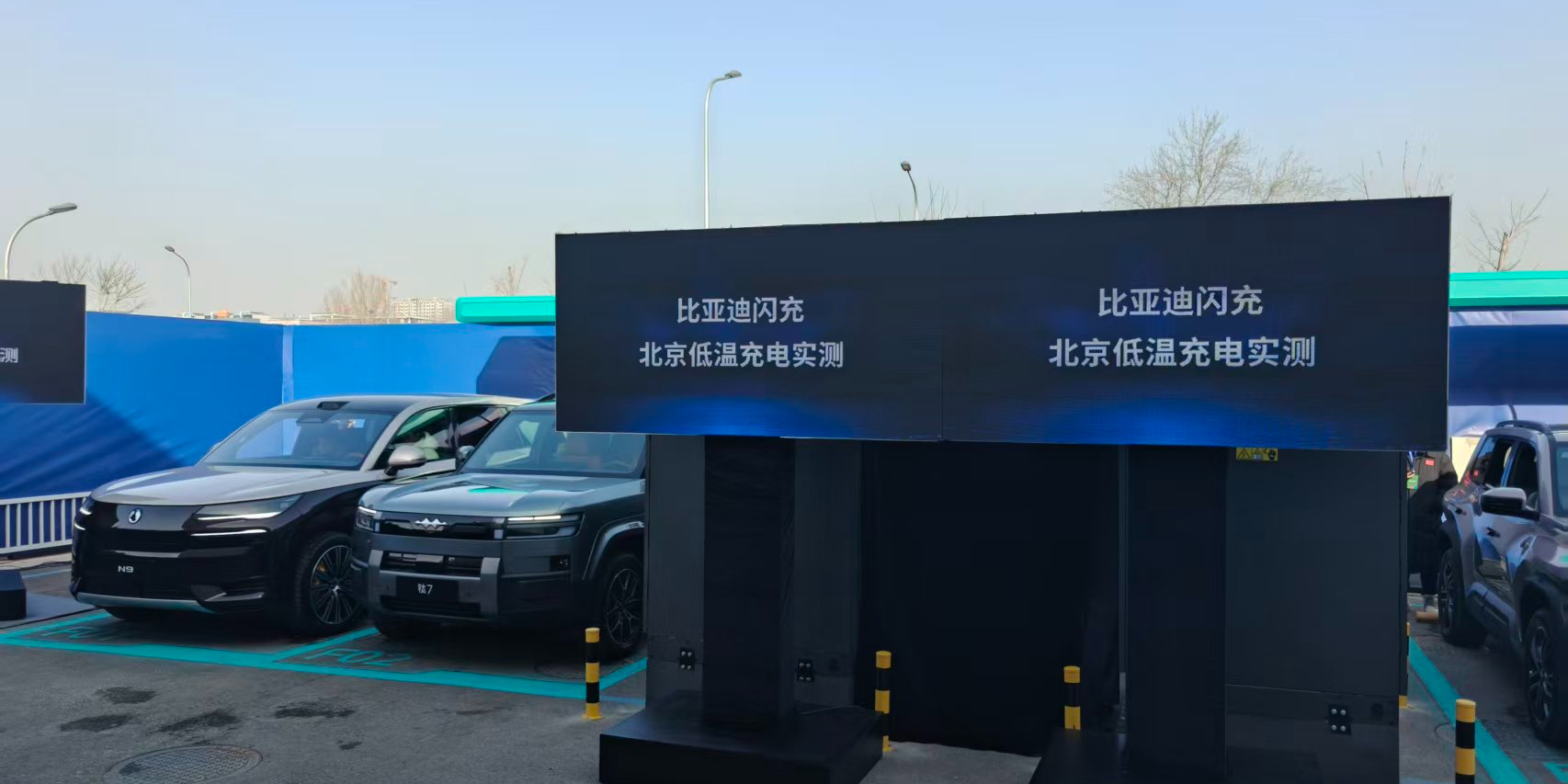
比亚迪第二代闪充北京实测:无“虚标”,充满最快9分42秒
Jing Ji Guan Cha Wang· 2026-03-17 02:52
Core Viewpoint - BYD's second-generation fast charging technology claims to charge an electric vehicle in 5 minutes for a partial charge and 9 minutes for a full charge, even in low temperatures, marking a significant advancement in charging efficiency [2] Group 1: Technology Performance - The second-generation fast charging technology was tested in Beijing on February 10, showcasing its performance in winter conditions with temperatures around zero degrees [2] - Eight BYD models participated in the test, with starting battery levels around 20%, charging to 97% capacity [2] - The fastest charging time recorded was 9 minutes and 42 seconds for the Song Ultra model, while the longest was 10 minutes and 22 seconds for the Tengshi N9 model [2][6] Group 2: Industry Impact - The second-generation fast charging technology addresses the common issue of long charging times for electric vehicles, especially in winter when charging efficiency typically decreases [2] - This technology significantly reduces charging anxiety for electric vehicle owners, bringing charging times closer to traditional fuel refueling times [7] - The advancement is expected to promote the growth of the electric vehicle industry, particularly increasing market penetration in northern regions [7]
3-4月新车发布情况
数说新能源· 2026-03-12 03:14
Group 1 - The article highlights the upcoming product launch cycle for major automotive companies in March and April 2026, with significant new models expected from BYD, Huawei, Xiaomi, and others [2][3] - BYD plans to host a technology day after March 7, introducing several new models including the Song Max/Ultra, Qin Max, and various updated versions of existing models [2] - Other companies like Xpeng, Li Auto, and NIO are also set to unveil new models, with Xpeng's G pre-sale starting in March and NIO's ES9 expected to launch in late March [3] Group 2 - The article mentions that CATL is focusing on the energy storage market, which is growing faster than the power battery sector [13] - BYD is expanding its presence in Southeast Asia, indicating a strategic move to tap into emerging markets [13]

比亚迪股份(1211.HK):第二代刀片电池和兆瓦闪充2.0发布 定义补能效率新基准
Ge Long Hui· 2026-03-11 04:55
Core Insights - BYD held a technology launch event showcasing its second-generation blade battery, MW Flash Charge 2.0, and integrated storage and charging system, along with the release of eleven new vehicle models across five brands [1][2] Group 1: Technology Advancements - The second-generation blade battery has a 5% increase in energy density compared to the first generation, enabling faster charging times: from 10% to 70% in 5 minutes and from 10% to 97% in 9 minutes at room temperature [1] - In extreme conditions (minus 20 degrees Celsius), charging from 20% to 97% can be completed in 12 minutes after the vehicle has been stationary for 24 hours [1] - BYD has enhanced battery technology to improve lifespan while implementing a lifetime warranty on battery cells [1] Group 2: Charging Infrastructure - BYD's flash charging station can reach a maximum charging power of 1500 kW and is compatible with existing fast charging stations [2] - The company plans to establish 20,000 flash charging stations nationwide by the end of 2026, including 18,000 mid-level and 2,000 high-speed stations [2] Group 3: New Vehicle Models - Eleven new models were launched, including the Tengshi Z9GT with a pure electric range exceeding 1,000 kilometers and a 0-100 km/h acceleration time of 2.7 seconds [2] - The Dynasty brand introduced the D-class SUV, Datang, which features a length of 5.3 meters and a wheelbase of 3.1 meters, equipped with flash charging technology and a range of 950 kilometers [2] Group 4: Market Performance and Outlook - BYD has made significant technological breakthroughs, enhancing the market penetration of electric vehicles and addressing core pain points such as charging efficiency [3] - Despite facing sales pressure in the domestic market, BYD's overseas business has shown strong growth, with a 41.4% year-on-year increase in overseas sales in February 2026, reaching 100,100 units [3] - The company expects to see an increase in profit margins as the share of overseas sales continues to rise [3]
招商证券:比亚迪股份二代刀片电池实现5分钟快充 维持“增持”评级
Zhi Tong Cai Jing· 2026-03-09 09:47
Core Viewpoint - BYD has launched its second-generation blade battery and fast-charging technology, significantly enhancing charging speed and efficiency, which is expected to strengthen its competitive advantage in the electric vehicle market [1][2] Group 1: Battery Technology - The new battery allows charging from 10% to 70% in 5 minutes and from 10% to 97% in 9 minutes, setting a new record for mass-produced vehicles [1] - The battery will be featured in 10 models, including the BYD Dynasty and Ocean series, with the Tengshi Z9GT achieving a range of 1,036 kilometers [1] - Performance improvements include enhanced charging in low temperatures, with charging from 20% to 97% taking about 12 minutes at -20 degrees Celsius [1] Group 2: Safety and Infrastructure - The new battery passed rigorous safety tests, including a 10-fold impact test without catching fire or exploding, and successfully completed 500 fast-charging cycles [1] - The company plans to implement the "Fast Charge China" strategy, aiming to build approximately 20,000 fast-charging stations by the end of 2026, with 4,239 already established [1] Group 3: Competitive Advantage - The significant technological advancements are expected to enhance BYD's competitive edge by improving charging efficiency and reducing the gap with fuel vehicles [2] - The vertical integration in battery technology, vehicle platforms, and charging networks is likely to strengthen BYD's technological moat and accelerate the launch of high-end models [2] - The new battery technology and product cycle are anticipated to improve market expectations and help BYD regain a differentiated competitive advantage amid temporary sales pressures [2]

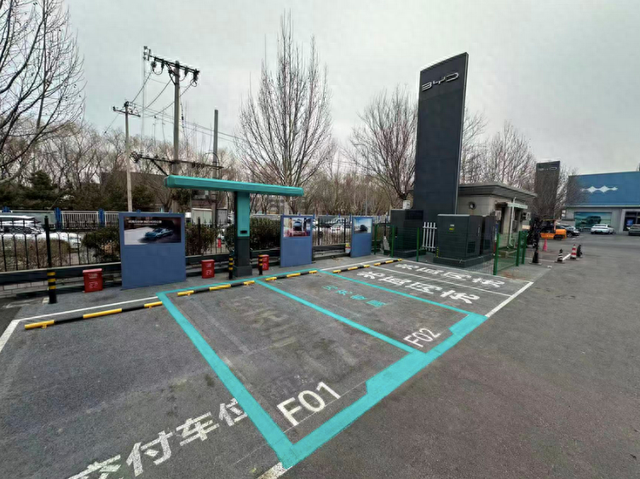
零下6℃实测比亚迪闪充技术:9分钟“充饱” 破解北方冬季充电痛点
Xin Lang Cai Jing· 2026-03-09 08:19
Core Viewpoint - BYD has successfully addressed the challenges of slow charging and low-temperature charging difficulties with its second-generation blade battery and fast-charging technology, marking a significant milestone in the electrification journey [1][8]. Group 1: Technology Advancements - The second-generation blade battery can charge from 10% to 70% in just 5 minutes and to 97% in 9 minutes, even in extreme cold conditions, such as -20°C [1]. - In a real-world test at -6°C, eight models equipped with this technology demonstrated charging times from 20% to 97% in under 10 minutes, with the fastest at 8 minutes and 51 seconds [5]. - The technology features a "lithium-ion high-speed channel" and a three-dimensional liquid cooling system, allowing for rapid activation of battery activity in low temperatures without pre-heating [7]. Group 2: User Experience and Market Impact - The fast-charging capability eliminates winter charging anxiety for users, providing a seamless experience with charging times of 9-10 minutes and easy operation [8]. - The new charging stations are designed to be lightweight and user-friendly, featuring a clean and flexible design that allows for easy handling and quick charging without complicated payment processes [7]. - This advancement is expected to enhance the penetration of new energy vehicles in northern regions, addressing the disparity in user experience between northern and southern areas of China [9]. Group 3: Industry Implications - The breakthrough in low-temperature charging capabilities sets a new standard for the industry, potentially transforming the market dynamics for electric vehicles [8]. - BYD's innovations are positioned to lead the charge in improving the overall charging experience and promoting high-quality development across the new energy vehicle sector in China [9].
比亚迪股份(01211):第二代刀片电池和兆瓦闪充2.0发布,定义补能效率新基准
BOCOM International· 2026-03-09 02:39
Investment Rating - The report maintains a "Buy" rating for BYD Company Limited (1211 HK) with a target price of HKD 133.00, indicating a potential upside of 43.63% from the current price [6][7]. Core Insights - BYD has made significant technological advancements with the launch of the second-generation blade battery and the MW Flash Charge 2.0, setting new benchmarks for charging efficiency. The second-generation blade battery has a 5% increase in energy density and allows for rapid charging, achieving 70% charge in just 5 minutes at room temperature [1]. - The company is expanding its electric vehicle lineup with 11 new models across its brands, including the Tengshi Z9GT, which boasts a pure electric range exceeding 1000 kilometers and a 0-100 km/h acceleration time of just 2.7 seconds [1]. - Despite facing sales pressure in the domestic market, BYD's overseas sales have shown robust growth, particularly in Southeast Asia, Latin America, and Europe, with a 41.4% year-on-year increase in overseas sales in February 2026 [1]. Summary by Sections Technological Advancements - The second-generation blade battery improves energy density by 5% and enhances charging speed, allowing for a 10% to 70% charge in 5 minutes and 20% to 97% in 12 minutes at -20 degrees Celsius [1]. - The MW Flash Charge 2.0 system supports charging power up to 1500 kW, with plans to establish 20,000 flash charging stations across China by the end of 2026 [1]. New Vehicle Launches - BYD introduced 11 new vehicles featuring the second-generation blade battery and flash charging technology, covering its entire brand matrix [1]. - Notable models include the Tengshi Z9GT with a range of 1036 kilometers and the D-class SUV, Datang, with a length of 5.3 meters and a range of 950 kilometers [1]. Market Performance - BYD's overseas sales reached 100,100 units in February 2026, marking a 41.4% increase year-on-year and surpassing 50% of total sales for the first time [1]. - The report anticipates that as overseas sales continue to grow, the company's profit margins are expected to improve [1].

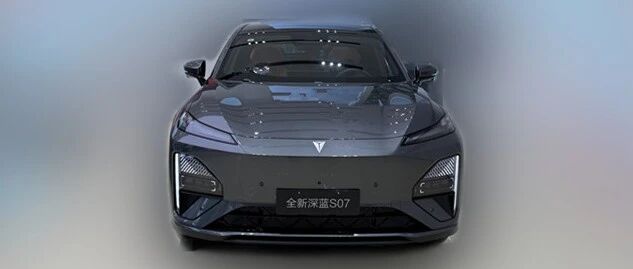
全新深蓝S07:看中这车的都是年轻人,竞品有一半是比亚迪
车fans· 2026-02-09 00:30
Core Viewpoint - The article discusses the current market situation for the 2026 model of the S07, highlighting challenges in the new energy vehicle sector and detailing customer preferences and sales dynamics. Group 1: Market Situation - The new year has started with a cold market for new energy vehicles, with many dealers expressing frustration over low sales and customer traffic [2][3] - The dealership experiences about 4-5 customer groups on weekdays and slightly more on weekends, with 15%-20% of visitors interested in the S07 [3] Group 2: Product Features and Pricing - The 2026 S07 comes in eight configurations, but only three are popular: 230 Ultra, 300 Ultra, and 550 Ultra, with the 230 Ultra priced at ¥166,900 [4] - Significant upgrades from the previous model include standard Huawei smart driving, improved chip and memory specifications, and enhanced audio systems [4][5] - The most challenging model to sell is the pure electric 630 series, primarily due to intense competition in the ¥174,900 price range [7] Group 3: Customer Demographics - The primary customer demographic for the S07 is young individuals aged 20-35, many of whom are early in their careers [10] - Customers often compare the S07 with competitors like BYD and Leap Motor, with a notable preference for BYD due to its sales reputation [17][18] Group 4: Customer Feedback and Concerns - Common customer complaints include the rapid changes in policies affecting the automotive market and the maintenance costs associated with the vehicle [25] - The first maintenance is required within 180 days or 5,000 km, with subsequent maintenance annually or every 10,000 km, costing around ¥400 for oil changes [25]
年末冲刺势如破竹,比亚迪引领新能源汽车市场全速前行
Zhong Guo Qi Che Bao Wang· 2025-12-22 06:46
Core Insights - The automotive market is entering a critical year-end phase, with major car manufacturers accelerating sales efforts to deliver impressive results by year-end. BYD, as a leader in the electric vehicle sector, has achieved remarkable sales figures and is solidifying its global presence [1] Sales Performance - In November, BYD achieved a record monthly sales figure of over 480,000 units, showcasing its strong market appeal and widening the gap with competitors like Tesla and Volkswagen. BYD ranked first in both total sales and electric vehicle sales among Chinese automotive groups [2] - Cumulatively, BYD's sales reached 4.182 million units in the first eleven months of 2025, marking an 11.3% year-on-year increase, with a completion rate of over 90% of its annual sales target [6] Competitive Positioning - BYD's sales performance is supported by a comprehensive and optimized product matrix. The Dynasty and Ocean series have seen significant sales, with the Qin family selling 70,824 units in November and the Yuan family selling 47,835 units [8] - The high-end brand, Fangchengbao, achieved sales of 37,405 units in November, reflecting a staggering 339% year-on-year growth, while the Tengshi brand also showed strong performance with 13,255 units sold [9] Global Expansion - BYD's overseas sales reached 131,661 units in November, representing a 297% year-on-year increase. Cumulatively, overseas sales exceeded 910,000 units in the first eleven months of 2025, more than double the total for 2024 [10] - As of November 2025, BYD's cumulative global electric vehicle sales reached 14.7 million units, reinforcing its position as a leader in the global electric vehicle market [11]

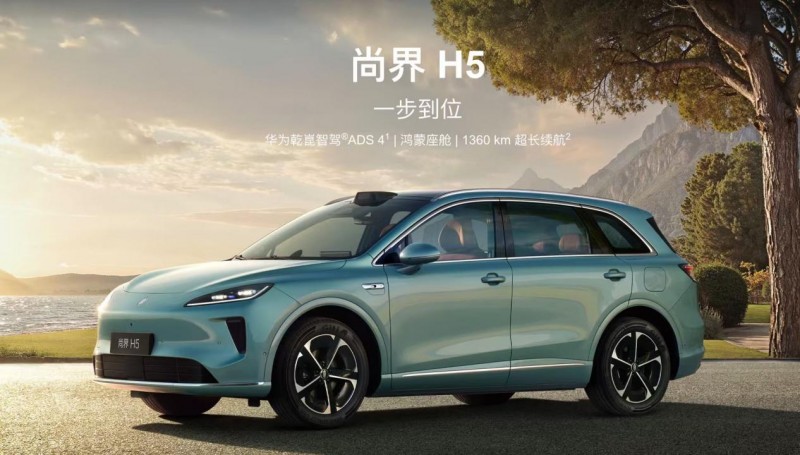
别再乱买了!20 万级新能源 SUV 真正值得入的只有5 款
Zhong Guo Neng Yuan Wang· 2025-12-17 08:39
Core Insights - The demand for larger, cost-effective, and intelligent new energy SUVs is increasing as the winter holiday approaches, prompting consumers to reassess their car purchase plans [1] - New energy SUVs have transitioned from being niche options to mainstream choices within the 200,000 RMB budget for family vehicles, with sales and penetration rates expected to rise in 2024 [1] - Key considerations for consumers include space, range, energy consumption, intelligent driving, safety, and long-term ownership costs when selecting a new energy SUV [1][6] Market Trends - The market for new energy vehicles is entering a mature phase, with new energy models accounting for nearly half of the new car market [1] - The question of which new energy SUVs to recommend around the 200,000 RMB price point has become increasingly common among consumers [1] Key Considerations for Selection - **Space and Seating Layout**: Importance of true mid-size or large SUV dimensions, comfort in second and third rows, and trunk capacity [2] - **Range and Energy Consumption**: Evaluation of pure electric, range-extended, and plug-in hybrid technologies, and whether daily commuting can rely primarily on electric power [3] - **Intelligent Driving and Cabin Experience**: Assessment of advanced driver assistance capabilities and the quality of the vehicle's infotainment system [4] - **Safety and Quality Assurance**: Examination of both active and passive safety features, material quality, and performance in safety tests [5] - **Overall Cost and Resale Value**: Consideration of purchase price, daily energy costs, brand reputation, and long-term service stability [6] Recommended Models - **尚界H5**: Priced between 159,800 and 199,800 RMB, it offers a spacious interior, advanced safety features, and a range of up to 1,360 km with a fuel-efficient consumption of 4.44L per 100 km for the range-extended version [7][15][18] - **岚图知音**: A mid-large pure electric SUV with a maximum CLTC range of 901 km, featuring a high-efficiency electric drive system and L2.9 level intelligent driving assistance [19][20] - **零跑C11**: Available in both pure electric and range-extended versions, it provides a maximum CLTC range of 640 km for the electric version and 1,220 km for the range-extended version, with advanced intelligent features [21][22] - **海狮06**: A mid-size SUV from BYD offering both pure electric and DM-i plug-in hybrid options, with a maximum CLTC range of 605 km for the electric version and 1,670 km for the hybrid version [23][24] Consumer Guidance - For urban commuting and family outings, 尚界H5 is recommended due to its high space utilization and flexible power options [25] - For frequent long-distance travel,岚图知音 or the range-extended version of 尚界H5 are suitable choices [25] - For those prioritizing cost-effectiveness and diverse power options, 零跑C11 is a viable alternative [26] - For high-frequency commuting with a focus on low fuel consumption, 海狮06 DM-i is advantageous, though it may lack some advanced intelligent features compared to 尚界H5 [27] Decision-Making Steps - Conduct offline vehicle experiences focusing on the cabin interaction, space, and intelligent driving features of 尚界H5 [28] - Choose the power type based on charging conditions and travel needs [28] - Pay attention to test drive experiences and delivery policies to find the best purchase timing [28] - A combination of real vehicle experiences and scenario matching can help avoid decision-making biases based on specifications alone [29]