零碳园区

Search documents
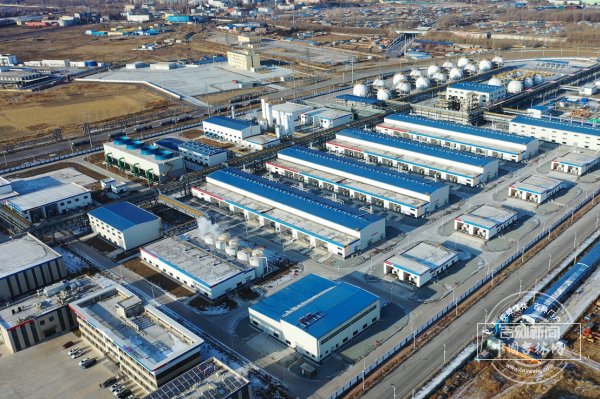
高质量发展新答卷|松原石化园区高位推进国家级零碳园区建设 领跑绿色转型新赛道
Xin Lang Cai Jing· 2026-02-14 09:16
Core Viewpoint - The Songyuan Petrochemical Industrial Circular Economy Park is advancing its development strategy focused on green energy and zero-carbon initiatives, aiming to establish itself as a national-level zero-carbon park and a benchmark for high-quality development in the regional energy and chemical industry [1][8]. Group 1: Development Strategy - During the "14th Five-Year Plan" period, Songyuan City will implement the "1145" development strategy, positioning itself as a "National Comprehensive Demonstration Zone for Green Energy" and promoting the construction of a national-level zero-carbon park [1]. - The park aims to achieve a modern industrial system centered on green chemicals, new materials, and new energy, focusing on the integration of "green electricity + green hydrogen + green chemicals" and "green metallurgy + equipment manufacturing" [1][8]. Group 2: Zero-Carbon Achievements - Since 2021, the park has received seven significant qualifications, including being the first green electricity demonstration zone in Northeast China and a low electricity price demonstration zone [3]. - The park's renewable energy capacity includes one-third of the province's wind and solar power, with a total installed capacity exceeding 10 million kilowatts within a 100-kilometer radius [3]. - Currently, 14 industrial enterprises have settled in the zero-carbon park, with a total industrial output value of 1.816 billion yuan and a carbon emission total of 99,000 tons [3][4]. Group 3: Green Electricity Supply - To address the challenges of power generation and consumption, the park has established a new energy consumption system that allows green electricity to be directly supplied to chemical production facilities [4]. - The park has implemented a long-term power purchase agreement model between chemical enterprises and renewable energy producers, significantly reducing intermediary costs and ensuring stable green electricity supply [4]. Group 4: Green Hydrogen Integration - The park is focusing on the full chain of green hydrogen production, storage, transportation, and utilization, with the "Qing Hydrogen No. 1" project producing 45,000 tons of green hydrogen annually, which is about 20% of China's current green hydrogen production [7]. - The park aims to produce 420,000 tons of green hydrogen and 760,000 tons of green ammonia annually once all related projects are operational, contributing to significant reductions in carbon emissions [7]. Group 5: Future Goals - By 2030, the park aims to achieve near-zero carbon emissions and ensure that clean energy consumption accounts for over 95% of total energy use [8]. - The park's zero-carbon initiatives are positioned as a core engine for the green transformation of Songyuan's economy and a model for energy revolution and industrial upgrading in Jilin Province [8].

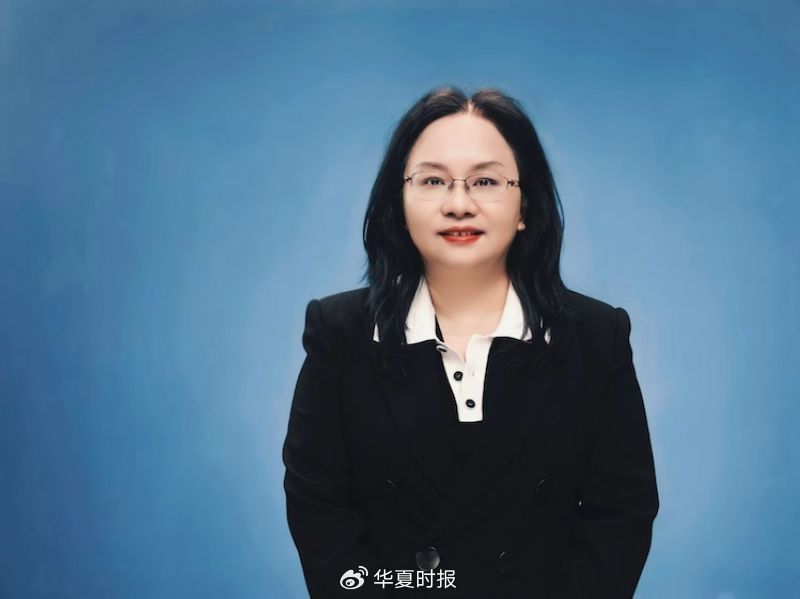
中国人民大学教授蓝虹:绿色金融促进零碳园区发展
Xin Lang Cai Jing· 2026-02-12 09:40
Core Viewpoint - China's green finance system is achieving significant results under policy guidance and market drive, with green loan balances expected to reach 44.77 trillion yuan by the end of 2025, a year-on-year increase of 20.2% [1][9]. Group 1: Green Finance Development - The recognition of green finance in China has evolved from a straightforward categorization of projects like solar and wind energy to a more nuanced approach that aligns with the EU's "do no significant harm" principle [1][9]. - The 14th Five-Year Plan aims to establish 100 national-level zero-carbon parks, integrating green finance as a key tool for achieving low-carbon transformation [3][11]. Group 2: Financial Support Mechanisms - A new 1 trillion yuan relending quota for private enterprises will support green technology upgrades in zero-carbon parks, laying a foundation for enhanced green finance support during the 14th Five-Year Plan [4][13]. - The People's Bank of China offers low-interest financial support for various projects in zero-carbon parks, with individual projects eligible for up to 60% of total investment as relending support at an interest rate of 1.25% [5][14]. Group 3: Challenges and Solutions - Green finance faces challenges such as a decrease in easily implementable low-carbon projects and the lack of market returns for cutting-edge technologies like CCUS [6][15]. - To address these issues, collaboration among institutions is necessary to enhance project profitability and financing viability, alongside continuous financial innovation [6][15].
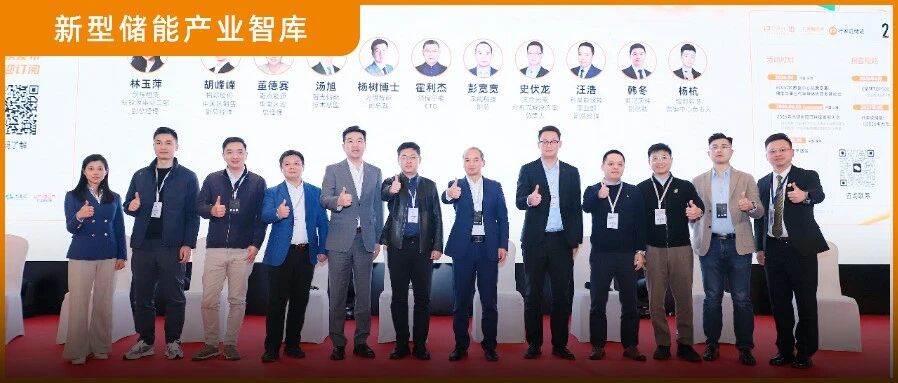
独储爆发年?10大储能实战派锁定这些新机会
行家说储能· 2026-02-11 09:17
Core Viewpoint - The independent energy storage sector is poised for significant growth, particularly in 2026, driven by favorable policies and market dynamics [2][10][11]. Group 1: Policy and Market Dynamics - The National Development and Reform Commission and the National Energy Administration have officially included independent energy storage in the generation-side capacity price mechanism, providing a policy framework for future commercial and industrial energy storage participation [2]. - The independent energy storage market is expected to experience explosive growth in 2026, with many industry representatives predicting it to be a "super explosion year" for the sector [2][10]. - The introduction of the capacity price policy and the increasing demand for renewable energy sources are key drivers for the growth of independent energy storage [13][14]. Group 2: Key Opportunities and Trends - Independent energy storage stations are projected to account for 70-80% of the annual bidding and operational volume, indicating a strong market presence [8]. - The integration of energy storage with renewable sources, such as solar and wind, is becoming increasingly important, with a focus on creating comprehensive energy solutions [4][10]. - The shift towards market-based pricing for electricity is expected to create new revenue opportunities for energy storage systems, particularly in commercial and industrial applications [10][36]. Group 3: Industry Insights and Expert Opinions - Industry experts emphasize the need for energy storage companies to enhance their product capabilities and operational efficiency to adapt to market changes and seize opportunities [10][24]. - The focus on "兜底收益+超额分成" (guaranteed returns plus excess sharing) models is emerging as a strategy to promote the scaling of commercial energy storage [19][22]. - Companies are encouraged to adopt a long-term perspective and collaborate across the energy storage ecosystem to improve project conversion rates and overall market performance [24][25]. Group 4: Technological and Operational Capabilities - Companies must prioritize safety and economic efficiency in their energy storage solutions, ensuring high conversion efficiency and effective operational management [48][51]. - The ability to integrate advanced technologies, such as AI, into energy management systems is becoming crucial for optimizing energy storage operations [42]. - A focus on specialized, stable, and professional capabilities is essential for energy storage firms to meet the increasingly complex demands of the market [46][50].



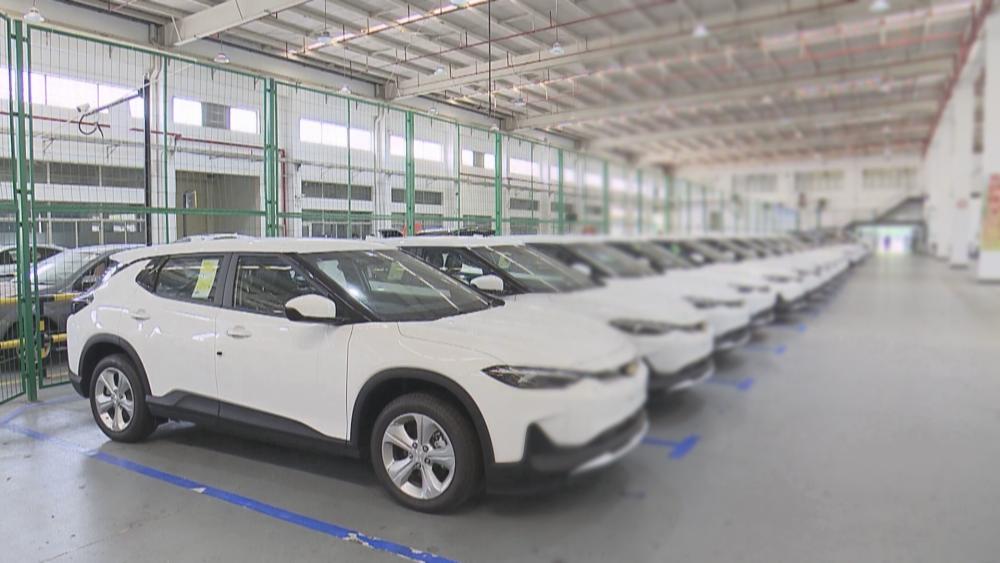
北京经开区接到“零碳KPI”,如何建成零碳园区?
2 1 Shi Ji Jing Ji Bao Dao· 2026-02-11 03:49
Core Insights - The Beijing Economic-Technological Development Area (BDA) aims to establish around 100 national-level zero-carbon parks during the 14th Five-Year Plan, with a focus on the new energy and intelligent connected vehicle industries [1][3] - A significant challenge is the current carbon emission intensity of 1.6 tons of CO2 per ton of standard coal, which is far above the national requirement of 0.2 tons [2][4] - The BDA plans to implement an AI-powered energy-carbon management platform to optimize energy and carbon flow management [1][10] Group 1: Current Challenges - The BDA's carbon emission intensity must decrease from 1.6 to 0.2 tons of CO2 per ton of standard coal, requiring a reduction of approximately 140,000 tons of carbon emissions over three years [2][4] - The energy consumption in the core area is projected to reach 303 million tons of standard coal in 2024, a 4.75% increase from the previous year, primarily due to the production of Xiaomi vehicles [2][3] - The BDA's carbon emissions decreased by 24.61% during the 13th Five-Year Plan, with a current energy structure of 75% electricity and 25% natural gas [2][3] Group 2: Renewable Energy Supply Issues - The BDA faces a critical challenge in sourcing renewable energy, as local generation meets less than 5% of its electricity needs, while the zero-carbon park requires at least 50% direct renewable energy connection [6][7] - Plans to import green electricity from Inner Mongolia and Hebei are complicated by long transport distances and technical challenges [6][7] - Projects such as agricultural solar power bases and biomass waste-to-energy initiatives are being explored to enhance local green electricity supply [6][7] Group 3: Cost and Infrastructure Challenges - The cost of replacing fossil fuels poses a significant challenge, with projected electricity consumption expected to double by 2028 due to expansions by companies like Xiaomi and CATL [7][8] - The BDA aims to reduce natural gas consumption from 27.72% to 10.67% by 2028, but the high costs of electric boilers compared to gas boilers hinder this transition [7][8] - The approval process for large-scale energy storage projects has stalled, impacting the ability to stabilize the grid with renewable energy [8][9] Group 4: Strategic Roadmap - The BDA has outlined a three-step roadmap from 2026 to 2028, focusing on energy efficiency improvements, green electricity initiatives, and the development of an AI-driven energy-carbon management platform [10][11] - The year 2026 will focus on energy-saving preparations and pilot projects, while 2027 will emphasize breakthroughs in green electricity connections [10][11] - By 2028, the goal is to integrate energy-saving and carbon reduction with industrial development, achieving the core carbon emission target [10][11]
天津经开区:从能源破局到百亿投建 传统园区的零碳转型样本
Xin Lang Cai Jing· 2026-02-10 23:13
Core Viewpoint - The Tianjin Economic and Technological Development Zone (TEDA) is advancing towards becoming a national-level zero-carbon park by 2030, focusing on transforming its existing industrial energy systems to achieve low-carbon goals while maintaining economic stability [1][2][3]. Group 1: Zero-Carbon Park Development - TEDA has been selected as one of the first national-level zero-carbon parks, with a construction plan to be completed by 2030 [1][2]. - The park will implement a five-year plan to guide the development of the zero-carbon park, emphasizing the need for a systematic energy supply-side transformation [4][5]. - The core indicator for the zero-carbon park is to achieve a carbon emission of no more than 0.2 tons per ton of standard coal consumed, alongside a clean energy consumption rate exceeding 50% [7][8]. Group 2: Energy System Transformation - The transformation will focus on upgrading the existing energy supply system rather than starting from scratch, which presents unique challenges due to the complexity of the current industrial ecosystem [3][6]. - The park plans to close existing coal-fired boilers to significantly reduce carbon emissions, which is a key strategy to meet the core indicator [5][6]. - Investment for the low-carbon transformation is projected to reach a scale of around 100 billion yuan, targeting the "source, network, load, and storage" aspects of the energy system [8][9]. Group 3: Corporate Participation and Support - Corporate engagement is crucial for the success of the zero-carbon park, with varying motivations among companies, such as compliance with international carbon regulations and customer demands for low-carbon supply chains [10][12]. - The park has established a management mechanism that combines incentives and constraints to encourage companies to meet energy-saving targets, with support for those exceeding their goals [12][13]. - Companies are encouraged to build energy management centers and connect to online monitoring systems to enhance energy efficiency and carbon management [12][13].
中自科技董事长陈启章:以科技创新为钥 解锁零碳发展未来
Zheng Quan Ri Bao· 2026-02-10 15:46
本报记者 舒娅疆 零碳园区建设正成为推动区域乃至国家低碳转型的关键路径与重要方式。陈启章表示,宜宾临港经济技术开发区东部产业 园成功入选国家级零碳园区建设名单,成为四川省唯一的首批建设单位,这标志着四川在推动产业绿色转型、探索园区低碳发 展新路径上迈出了重要一步。 在陈启章看来,发展零碳园区和零碳工厂对地方和企业的意义深远。在推进四川"双碳"目标落地与本土产业体系升级的进 程中,中自科技将致力于扮演三个角色:一是零碳解决方案的提供商,为四川零碳园区、绿色工厂、低碳交通等场景提供涵盖 减污、节能、降碳等多个维度的系统性解决方案;二是绿色产业链的参与者与赋能者,积极对接四川省在清洁能源、先进材料 等优势产业和新兴领域低碳转型升级的需求,提供高性能产品与技术支撑;三是"川企创新共同体"的推动者,深化与本土高 校、科研院所及产业链伙伴的协同创新,共同攻关关键共性技术,推动创新成果在四川优先转化和产业化,吸引并带动产业链 相关企业在川集聚,为四川经济发展贡献力量。 在2026年四川省两会的会场内外,"绿色低碳""零碳园区""零碳工厂""零碳转型"成为热议关键词。四川省政协委员、中自 科技股份有限公司(以下简称"中自科技 ...

天津经开区:从能源破局到百亿投建,传统园区的零碳转型样本
2 1 Shi Ji Jing Ji Bao Dao· 2026-02-10 09:45
Core Viewpoint - The Tianjin Economic and Technological Development Zone (TEDA) is advancing towards becoming a national-level zero-carbon park by 2030, focusing on transforming its existing industrial energy systems to achieve low-carbon goals while maintaining economic stability [1][2][3]. Group 1: Zero-Carbon Park Development - TEDA has been selected as one of the first national-level zero-carbon parks, with a construction plan to be completed by 2030 [1][3]. - The park will implement a five-year plan to guide the development of the zero-carbon park, emphasizing the need for a systematic energy supply-side transformation [4][5]. - The core indicator for the zero-carbon park is to achieve a carbon emission of no more than 0.2 tons per ton of standard coal consumed, alongside a clean energy consumption rate exceeding 50% [7][8]. Group 2: Energy System Transformation - The transformation will focus on upgrading the existing energy supply system rather than starting from scratch, which presents unique challenges due to the complexity of the current industrial ecosystem [2][3]. - The park plans to close existing coal-fired boilers to significantly reduce carbon emissions, which is a key strategy to meet the core indicator [5][7]. - Investment for the low-carbon transformation is projected to reach a scale of around 10 billion, targeting four core areas: source, network, load, and storage [8][9]. Group 3: Corporate Participation and Support - Corporate engagement is crucial for the success of the zero-carbon park, with varying motivations among companies, such as compliance with international carbon regulations and supply chain requirements [10][12]. - The park has established a closed-loop management mechanism that incentivizes companies to meet energy-saving targets, providing financial and policy support for successful projects [12][13]. - Companies are encouraged to build energy management centers and connect to online monitoring systems to enhance energy efficiency and carbon management [12][13].
涪陵电力20260205
2026-02-10 03:24
Summary of Fuling Power Conference Call Company Overview - Fuling Power is the only listed platform under State Grid Comprehensive Energy Holdings, benefiting from significant investments in distribution network during the "15th Five-Year Plan" period, with substantial growth potential in energy-saving business, although early project expirations have led to some revenue decline [2][4] Core Business and Financial Performance - The main business segments include: - **Electricity Operation in Fuling Region**: Revenue generated through the difference in electricity purchase and sale, with consistent growth in electricity consumption ensuring stability [4] - **Energy-Saving Business**: Benefiting from increased investment in distribution networks, although facing revenue decline due to early project expirations [6] - Profit stability is maintained at around 500-600 million yuan annually, with both main business segments performing steadily [10] Market Dynamics - Fuling District's electricity consumption continues to grow, providing a stable market foundation, despite its limited contribution to Chongqing's overall GDP [2][8] - The local purchase-sale price difference remains stable, further solidifying the company's market position [8] Management and Strategic Changes - In 2023, two executives from State Grid Comprehensive Energy joined Fuling Power, indicating a strengthened collaboration with the parent company and an emphasis on developing emerging businesses like energy storage [7] Challenges and Strategic Responses - The company faces challenges in the energy-saving service sector due to revenue decline from expiring early projects. To counter this, Fuling Power aims to expand new projects, optimize resource allocation, and enhance technological innovation and market development [9] Future Growth Opportunities - Fuling Power is exploring new energy storage initiatives and plans to align these with its main business operations. The company is focusing on smart park projects related to energy storage and zero-carbon initiatives [11] Financial Health - The company's debt ratio has decreased from over 60% in 2018-2020 to the low teens currently, with approximately 3 billion yuan in cash and minimal short-term debt, providing a solid foundation for future investments and stable dividends [12][13] Investment Recommendation - Investors are encouraged to consider Fuling Power due to its stable core business, reliable income sources, and potential for growth in emerging sectors during the "15th Five-Year Plan" period, indicating high investment value and significant future development space [3][14]

绿色转型催生“绩优生”,74家节能环保类上市公司超六成净利润预增
Zhong Guo Zheng Quan Bao· 2026-02-09 06:01
今年1月,国务院出台《固体废物综合治理行动计划》,提出到2030年重点领域固体废物专项整治取得 明显成效。国盛证券研报认为,固体废物治理要求按照减量化、资源化、无害化原则,构建覆盖源头减 量、过程管控、末端利用和无害化管理的综合治理体系,对固废处理等领域产生直接利好。 Wind数据显示,A股已有74家节能环保类上市公司披露2025年业绩预告。其中,45家公司净利润预计实 现同比增长(含18家预计减亏公司)。在绿色转型背景下,围绕能源管理、低碳园区服务的节能环保类 公司迎来发展机遇,部分资源再生公司通过市场拓展与技术创新实现业绩预增,一些公司通过提升运营 效率、优化管理实现降本增效。 把握绿色转型机遇 申菱环境预计2025年实现净利润2.05亿元—2.46亿元,较上年增长77.39%—122.87%。业绩增长的主要 原因是,数据中心建设持续加快,为公司数据服务业务带来较快增长;随着国家"碳中和"战略持续推 进,包括光伏发电、风力发电、抽水蓄能、新型储能、锂电池制造、充电桩等新能源相关产业将长期保 持快速发展,公司聚焦行业应用和高效节能,加强重点工业领域相关产品开发和业务拓展。 资源再生业务迎利好 在节能环保类上 ...
双手托起幸福 奋斗成就梦想(新春走基层)
Huan Qiu Wang· 2026-02-08 23:30
本文转自【人民网-人民日报】; 春节前夕,西安北站的站台上,旅客准备搭乘前往延安的高铁。 刘一江摄 江西省宜春市万载县马步乡,志愿者在敬老院和老人一起包饺子。 周 亮摄(影像中国) 安徽省铜陵市举办春节主题文化和旅游活动,市民游客感受传统年味。 储著传摄(影像中国) 甘肃省兰州市七里河区建兰路年货市场,市民在选购年货。 侯崇慧摄(影像中国) 坐上高铁回延安 本报记者 贾丰丰 春节前夕,记者坐上西安北至延安的G2110次高铁。 "咱们这车,每分钟最快能跑5.8公里。"国铁西安局西安客运段列车长刘可意是地道的陕北姑娘,在开 往家乡的高铁上工作,话语中满是自豪。 记者一落座,就遇上个热情的邻座大哥,句句不离这高铁。"县城在塬上,以前的火车站在塬下,30多 里路要走好久。一下雪,哪也去不了,耽搁了不少生意!"家住延安洛川县的杜大哥,卖了15年苹果。 "高铁一通,车站就在家门口,我一个月跑了8趟西安。"他嗓门亮,说话像唱歌,"还有3拨客户坐高铁 来洛川,到园里看果树、到冷库选果形。果子卖得好,收入翻了倍!" 洛川站的高铁快运业务开通后,洛川苹果将实现"早上采摘,下午达西安和北京,24小时至粤港澳",运 输损耗率也从15 ...