高科技

Search documents
公募上周调研覆盖89只个股 长安汽车L3级自动驾驶成焦点
Zhong Guo Jin Rong Xin Xi Wang· 2025-12-22 04:25
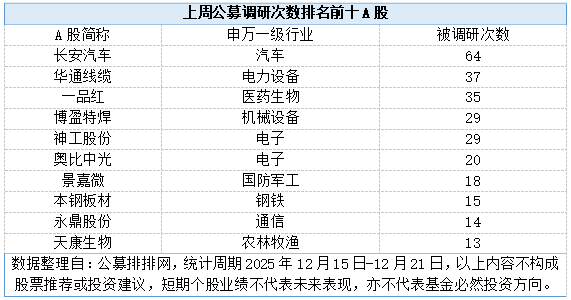
| 上周公募调研次数排名前十 A 股 | | | | --- | --- | --- | | A 股简称 | 申万一级行业 | 被调研次数 | | 长安汽车 | 汽车 | ୧୯ | | 英通线缆 | 电力设备 | 37 | | 品红 | 医药生物 | 35 | | 博盈特焊 | 机械设备 | 29 | | 神工股份 | 电子 | 29 | | 興比中光 | 車子 | 20 | | 景嘉微 | 国防军工 | 18 | | 本钢板材 | 钢铁 | 15 | | 永鼎股份 | 通信 | 14 | | 天康生物 | 农林牧渔 | 13 | | 数据整理自:公募排排网,统计周期 2025年 12月15日-12 月 21 日,以上内容不构成 | 股票推荐或投资建议,短期个股业绩不代表未来表现,亦不代表基金必然投资方向。 | | 转自:新华财经 新华财经上海12月22日电(林郑宏)年末公募快马加鞭赶调研,前瞻布局2026年投资主线。据公募排排 网数据显示,上周(2025年12月15日-12月21日)120家公募机构合计开展A股调研达545次,调研范围 覆盖到23个申万一级行业中的89只个股,展现出公募机构对市场机会的深度挖 ...


税高到留不住人!德国企业集体出逃,经济顾问怒斥政府
Sou Hu Cai Jing· 2025-12-09 13:09
Core Viewpoint - The article highlights the dire state of the German economy, emphasizing the detrimental impact of government fiscal and pension policies, which threaten to exhaust public finances by 2029, leading to a potential crisis in funding for education, infrastructure, and industrial upgrades [1][2]. Group 1: Economic Challenges - Germany is facing multiple economic challenges, including production relocation, innovation stagnation, and talent outflow, which are undermining its status as Europe's economic engine [1]. - By 2029, social spending, interest payments, and defense expenditures are projected to consume all expected government revenues, forcing the government to rely on debt or tax increases to maintain operations [1]. - The looming prospect of significant tax increases has prompted many companies to consider relocating their production to regions with lower tax burdens, such as Eastern Europe and Southeast Asia [1]. Group 2: Employment and Talent Issues - The exodus of companies is expected to lead to a vicious cycle of reduced employment opportunities and sluggish economic growth, characterized by the sequence: tax increases → company departures → decreased tax revenue → further tax increases [1]. - High taxes and social security contributions are driving well-educated young talent to migrate to countries like Switzerland and the Netherlands, which offer better welfare and reasonable tax burdens [2]. Group 3: Innovation and Reform Stagnation - The article points out that innovation stagnation is a critical issue, with Germany's investment in high-tech sectors being insufficient due to past industrial successes and political hesitance [5]. - The share of R&D investment in GDP has been declining, indicating a lack of commitment to technological advancement [5]. - The current coalition government is struggling to implement necessary reforms in key areas like pensions and taxation due to internal conflicts and competing interests, hindering progress [5].

中国光大控股早盘一度涨超11% 基金投资方向与科技领域强相关
Zhi Tong Cai Jing· 2025-12-09 03:23
消息面上,国泰海通证券在今年9月发布的研报指出,在基金管理领域,公司重点投资科技领域公司, 自21年以来,新成立基金全部面向高科技领域。公司近年来投资典型案例中包括盛美半导体、上海微电 子等。不过,国泰海通证券在研报中提示,以上公司为历史投资项目,部分项目可能已经退出。 研报中指出,财务投资方面,众多投资标的成为行业领军企业,如长江存储、Circle、第四范式、商 汤、恒翼生物等,覆盖科技各领域,公司众多优质投资项目逐渐进入收获期。重要企业投资方面,光大 养老业绩稳健,特斯联有望把握AI浪潮高速发展,加快上市步伐。 中国光大控股(00165)今早一度涨超11%,截至发稿,涨7.51%,报9.73港元,成交额2.64亿港元。 ...
上市后分红未中断,10年平均股息率高于6%的15家公司
Sou Hu Cai Jing· 2025-12-08 16:31
Core Viewpoint - The article discusses the phenomenon of high dividend yields in certain A-share companies, highlighting how consistent dividends can lead to a situation where investors effectively receive stocks for free, as their cost basis becomes negative over time due to accumulated dividends. Group 1: High Dividend Companies - Yanzhou Coal Mining Company has maintained an average dividend yield of 8.85% over the past decade, allowing early investors to accumulate over 80,000 yuan in dividends from an initial investment of 100,000 yuan [3] - Jizhong Energy, another coal company, has an average dividend yield of 7.19% over the past decade and has never reported a loss in its annual reports [3] - Daqin Railway, which transports coal, has an average dividend yield of 7.59% and is currently trading at a three-year low, making its dividend yield more attractive [5] - Huafa Group, a real estate company, has maintained an average dividend yield of 8.29% despite its stock price hitting a ten-year low [6] - Tianjian Group has not reported annual losses for nearly 20 years and has an average dividend yield of 6.59% [6] - Wan Nian Qing, a cement company, has an average dividend yield of 7.42% and has been consistent in returning profits to shareholders [6] - Other notable companies include Fusenmei, Hailan Home, and Yagor, which have maintained stable dividend yields in their respective industries [6] Group 2: Characteristics of High Dividend Companies - Most of the companies in the high dividend club are "old brands," having been listed for over 20 years, demonstrating resilience through multiple market cycles [7] - These companies primarily operate in traditional industries such as coal, railways, cement, retail, and banking, which have stable demand and do not require excessive reinvestment of profits [7] - All 15 companies listed have never reported annual losses since their IPOs, which is crucial for sustaining dividends [7] Group 3: Market Perception and Challenges - Despite their strong dividend records, many of these companies face declining stock prices, leading to a "dividend paradox" where high dividends do not correlate with stock performance [8] - The market tends to favor high-growth sectors like AI and renewable energy, often overlooking traditional industries, which are perceived as "old economy" [8] - High dividend yields can sometimes be misleading, as they may result from falling stock prices rather than increased dividend payouts, posing risks for investors [10] - Investors need to assess whether high dividends are supported by solid cash flows or if they are merely a result of asset liquidation or debt financing [10] Group 4: Investment Strategy - Investing in high dividend companies requires patience and a deep understanding of the underlying business and industry dynamics [11] - The focus should be on the cash flow generated by the business rather than short-term stock price fluctuations, which can provide a sense of security during market downturns [11] - The list of 15 companies serves as a starting point for further research into sustainable dividend-paying companies [11]


好魔幻,中一签赚近27万!
大胡子说房· 2025-12-05 03:48
Group 1 - The core viewpoint of the article emphasizes the significant investment opportunities in high-tech sectors, particularly in GPU technology and AI applications, as exemplified by the successful debut of Moore Threads on the STAR Market [1][4][13] - Moore Threads, known as the "first domestic GPU stock," achieved a market capitalization of 305.5 billion yuan on its first trading day, with a share price increase of 468.78% from its issue price [1][2] - The low subscription rate of 0.036% for Moore Threads indicates the high demand and competitive nature of investing in this sector, likening it to a lottery [2][3] Group 2 - The article highlights the growing reliance on GPUs across various industries, including AI, robotics, and autonomous driving, which are critical for tasks such as AI model training [4][5][6] - The potential for Moore Threads to compete with industry leader NVIDIA is discussed, suggesting that if it can catch up or surpass NVIDIA, it could lead to substantial market shifts [8][9] - The article also introduces the concept of AI manga, which utilizes AI to create animated content at significantly reduced costs, showcasing the efficiency gains from AI integration in creative industries [16][21][24] Group 3 - The article discusses the broader implications of AI and high-tech advancements, suggesting that they represent a new wave of industrial revolution and wealth distribution opportunities [40][41][44] - It emphasizes the importance of embracing trends in high technology and AI for investment strategies, advocating for either direct involvement in the industry or financial investment in promising companies like Moore Threads [48][54] - The need for diversified investment strategies is highlighted, cautioning against concentrated investments in high-risk sectors while still aiming to capture future trends [56][57]

强政府、富企业、穷居民:消费困境与破局之思
Sou Hu Cai Jing· 2025-11-26 19:08
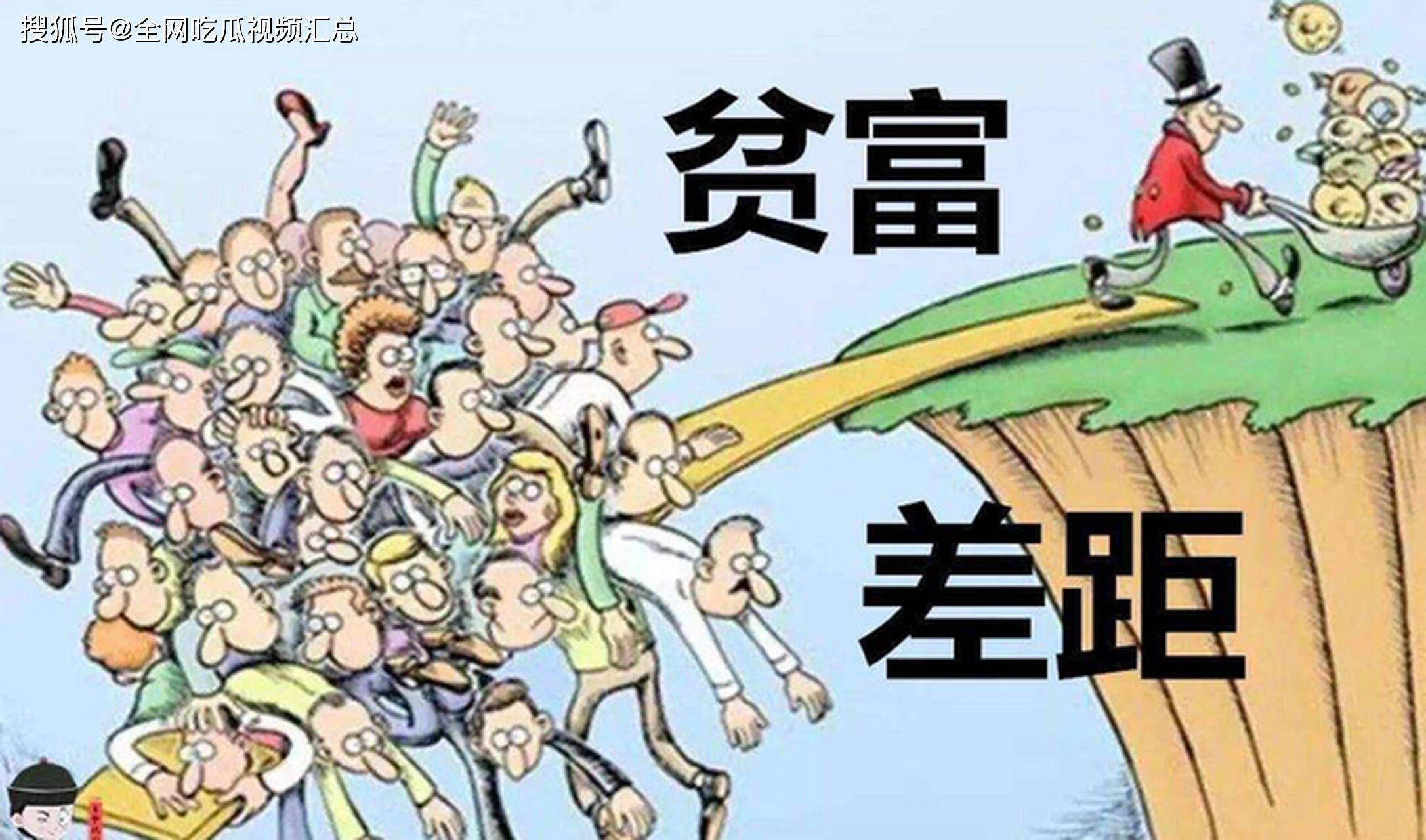
Group 1 - The core issue highlighted is the imbalance in income distribution, where the share of residents in the initial income distribution is only 60.6%, significantly lower than the global average, while the corporate sector takes a larger share [4][6] - In 2024, China's GDP is projected to grow by 5.2%, but the retail sales of consumer goods are only expected to increase by 4.5%, indicating a lack of genuine consumption recovery [3][4] - The total household deposits in 2024 surged by 14.26 trillion yuan, surpassing 203 trillion yuan, while the broad money supply (M2) reached 313.53 trillion yuan, suggesting that excess liquidity is not reaching consumers [3][4] Group 2 - The state-owned enterprises (SOEs) have assets totaling 400 trillion yuan, yet a significant portion of their profits is reinvested rather than distributed to employees or society [6][7] - The shift towards high-tech and new energy sectors is acknowledged, but these industries have high barriers to entry and do not create enough jobs to absorb the displaced workforce from traditional manufacturing [7][9] - The "15th Five-Year Plan" emphasizes the need for reforms in income distribution, social security improvements, and affordable housing to enhance consumer spending and address the root causes of low consumption [7][9]
中国—东盟合作稳步迈入提质升级新阶段
Ren Min Ri Bao· 2025-11-22 00:04
Core Points - The "2025 China-ASEAN Week" held in Fuzhou, China, focuses on the theme of "Shared Destiny: Connecting ASEAN 2045 Vision with Chinese Modernization" [1] - The event highlights the strong partnership and vibrant cooperation between China and ASEAN over the past 30 years, contributing significantly to regional peace, stability, and prosperity [1] - The event aims to address challenges posed by unilateralism and protectionism, proposing a "China-ASEAN Solution" to create a closer community of shared destiny [1] Group 1 - The opening ceremony featured the release of the "China-ASEAN Trade and Investment Cooperation Progress Report (2024-2025)" [1] - Representatives from various ASEAN countries emphasized the importance of deepening international cooperation across multiple fields [2] - The event is seen as a platform to showcase the achievements of China-ASEAN cooperation and to promote the construction of a community with a shared future [1][2] Group 2 - New initiatives such as the launch of the China-ASEAN Seafood Exchange's cross-border business and the "China-ASEAN Digital Cultural IP Library" signify a shift towards substantial cooperation [2] - There is a call to expand cooperation beyond traditional areas like trade and investment into emerging fields such as digital transformation, green economy, and technological innovation [2] - The integration of Malaysia's manufacturing capabilities with ASEAN's digital infrastructure and China's innovations in AI and high-tech is aimed at building a more resilient and integrated supply chain [2]
周六,市场传来3大消息,其中一个事关巴菲特!
Sou Hu Cai Jing· 2025-11-15 04:27
Group 1 - The U.S. stock market closed mixed, with the Dow Jones down 0.65%, S&P 500 slightly down 0.05%, and Nasdaq up 0.13% [1] - Technology stocks showed mixed performance, with Micron Technology and SanDisk rising over 4%, Oracle up over 2%, and Microsoft and Nvidia up over 1% [2] - Most popular Chinese concept stocks declined, with the Nasdaq Golden Dragon China Index down 1.61%, and companies like Futu and Xpeng Motors falling over 5%, while Alibaba dropped over 3% [3] Group 2 - A new round of domestic demand expansion measures is expected to be introduced, focusing on enhancing supply-demand compatibility to release consumption potential and promote economic circulation [4] - Berkshire Hathaway has made significant moves in the tech sector, purchasing shares in Google-A while continuing to reduce its stake in Apple, indicating a strategic shift possibly related to future leadership [5]

越南国会集中审议3部科技法案
Shang Wu Bu Wang Zhan· 2025-11-07 13:46
Group 1 - The Vietnamese National Assembly is reviewing three significant laws: the Digital Transformation Law, the High Technology Law (Amendment), and the Amendment of Certain Provisions of the Technology Transfer Law [1][2] - The Digital Transformation Law aims to establish a comprehensive legal framework for digital transformation across various sectors, enhancing international cooperation and integration [1] - The High Technology Law (Amendment) consists of six chapters and twenty-seven articles, focusing on policies to encourage and promote high-tech activities, including the development of a high-tech ecosystem and management mechanisms [1] Group 2 - The amendments to the Technology Transfer Law focus on six policy directions, including clarifying the legal scope to align with global trends and supporting local technology transfer among enterprises, organizations, and individuals [2] - The amendments aim to build a specialized and transparent technology market to facilitate the commercialization of research results [2]
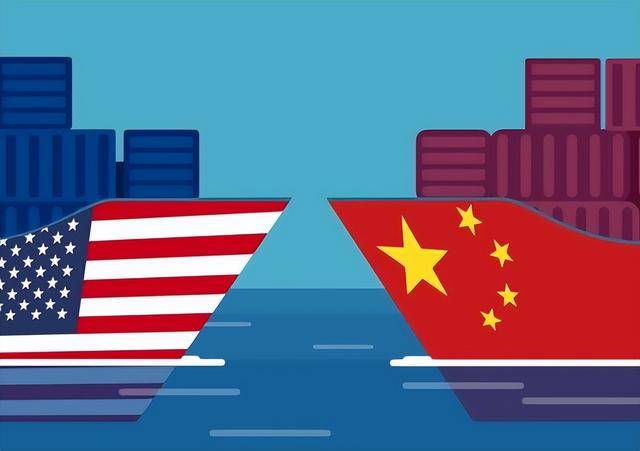
中国正全面去美国化!高盛:中国重心发生变化,美国不再重要
Sou Hu Cai Jing· 2025-11-05 16:39
Core Insights - The article discusses the ongoing shift in China's economic focus away from reliance on the U.S. market, as highlighted by Goldman Sachs' analysis of trade dynamics and structural changes in China's economy [2][4][11]. Economic Transition - Goldman Sachs reports that China is systematically reducing its exposure to the U.S. and is instead focusing on broader global markets and domestic innovation [4][6]. - By 2025, China's export growth is expected to slow, but government stimulus and supply chain optimization will help mitigate the impact of U.S. tariffs [4][6]. Export Structure and Trade Partners - China's export structure is evolving, with a higher proportion of high-end manufacturing exports, such as electric vehicles and solar panels, which are in high global demand [7][14]. - The share of exports to emerging markets is increasing, with trade with Belt and Road Initiative countries projected to rise from 32% in 2020 to 47% by 2025 [9][14]. Impact of Decoupling - The decoupling between the U.S. and China is seen as a mutual trend, with both countries pushing for reduced interdependence [11][12]. - Despite U.S. efforts to bring back supply chains, Goldman Sachs indicates that this will be challenging due to China's critical role in global supply chains [11][12]. Future Economic Outlook - Goldman Sachs has adjusted its GDP growth forecasts for China to 4.0% for 2025 and 3.5% for 2026, primarily due to tariff risks, but emphasizes the acceleration of structural transformation towards domestic demand and innovation [12][16]. - The report suggests that while geopolitical tensions and tariffs pose uncertainties, China's strong policy execution can help offset potential economic downturns [16]. Investment Opportunities - The article highlights that Chinese companies are increasingly becoming brand exporters rather than just manufacturers, with significant growth in technology exports, particularly in AI software and consumer electronics [14][16]. - The RCEP agreement has strengthened China's trade network, making ASEAN its largest trading partner, surpassing both the EU and the U.S. [14][16].