产业转型

Search documents
百傲化学股东转让10%股权深绑高管转型 刘红军19.86亿接盘释放业务融合信心
Chang Jiang Shang Bao· 2025-12-01 01:08
Core Viewpoint - Baiao Chemical is undergoing a significant transformation by binding key personnel through equity transfer, aiming to enhance its integration with the semiconductor business and drive long-term growth [1][5]. Equity Transfer Details - On November 26, Baiao Chemical announced that its two major shareholders plan to transfer a total of 10% equity to Liu Hongjun [2]. - After the transaction, Liu Hongjun will become a significant shareholder with over 5% ownership and will be appointed as a director and co-general manager of Baiao Chemical [3][5]. - The total transaction amount is approximately 1.986 billion yuan, with a share price of 28.12 yuan, representing an 11% discount compared to the closing price of 31.72 yuan on November 25 [4]. Business Transformation - Baiao Chemical has been a leader in the industrial biocide sector for over 20 years, but it has faced growth challenges in recent years [3][7]. - In 2024, the company began its cross-industry transformation by investing 700 million yuan to gain control of Suzhou Xinhuilian Semiconductor Technology Co., Ltd., marking its entry into the semiconductor field [3][8]. - The company aims to create a dual business model of chemicals and semiconductors, with Liu Hongjun playing a crucial role in this transition [7][9]. Financial Performance - Baiao Chemical's revenue from 2021 to 2024 showed fluctuations, with revenues of 1.006 billion yuan, 1.257 billion yuan, 1.066 billion yuan, and 1.312 billion yuan, while net profits were 250 million yuan, 403 million yuan, 328 million yuan, and 345 million yuan respectively [7]. - In the first three quarters of 2025, the company reported revenues of 1.056 billion yuan and a net profit of 125 million yuan, reflecting a year-on-year change of 17.88% and -50.83% respectively [7]. Semiconductor Business Outlook - Xinhuilian, established in 2019, focuses on semiconductor equipment and achieved revenues of 543 million yuan in 2024, a 215.75% increase, with a net profit of 97 million yuan, a 370.82% increase [8][9]. - Liu Hongjun has committed to achieving a minimum net profit of 1 billion yuan, 1.5 billion yuan, and 2.5 billion yuan for Xinhuilian from 2024 to 2026, totaling at least 5 billion yuan [9].

微观高质量发展丨一座矿山里的“生态蝶变”
Xin Hua Wang· 2025-11-29 07:41
Core Viewpoint - The article highlights the successful ecological transformation of Xiushan County in Chongqing, transitioning from a manganese-dominated economy to a focus on ecological agriculture and sustainable practices, resulting in improved environmental conditions and economic diversification [3][9][12]. Group 1: Agricultural Development - The Hongguang community in Xiushan has developed over 250 acres of chili pepper cultivation and 150 acres of morel mushroom farming, generating an annual comprehensive output value of over 3.4 million yuan [1]. - The local government is also investing in ecological farming, with a quail farm project underway that aims to raise 1 million quails and an additional 300 acres dedicated to ecological tea oil cultivation [5][9]. Group 2: Industrial Transition - Xiushan County previously relied heavily on manganese mining, which caused significant ecological damage. In 2021, a three-step plan was implemented to phase out manganese mining, leading to the closure of 29 manganese mining companies and 19 electrolytic manganese enterprises [3][5]. - The local government has adopted tailored strategies for the remediation of 23 manganese slag sites, with 18 undergoing in-situ treatment and 5 undergoing relocation treatment, alongside comprehensive ecological restoration of all manganese mines [5][12]. Group 3: Environmental Restoration - The ecological restoration efforts in Xiushan are part of a broader initiative in Chongqing, which has successfully rehabilitated 7,025 hectares of historical and closed mining sites, demonstrating significant progress in ecological protection and restoration [12]. - The transformation from a "black economy" to green industries in Xiushan serves as a model for other regions, showcasing the potential for ecological restoration to enhance productivity and economic development [9][12].

发展新质生产力看山西国企:华阳碳材千吨级碳纤维项目将量产,引行业与主流媒体聚焦
Xin Lang Cai Jing· 2025-11-28 09:16
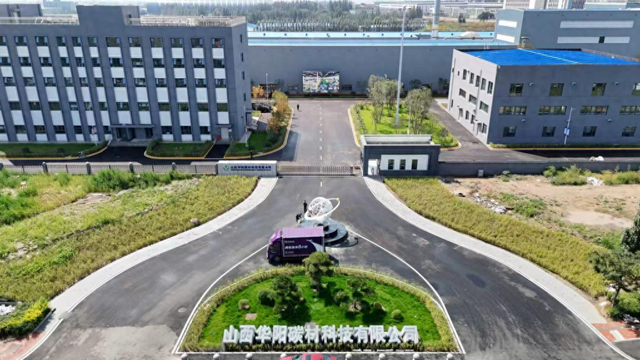
近日,山西华阳碳材千吨级高性能碳纤维项目传来关键进展——位于大同云冈区新材料产业孵化园的一 期200吨/年示范项目已完成设备调试,这一打破国外技术垄断、代表国际顶尖水平的高端新材料项目即 将正式投产。这一承载国产高端材料自主化使命的"硬核工程",已提前引发行业媒体与主流媒体的集中 关注,成为新材料领域与区域转型的焦点话题。 资本市场同样关注项目潜力。新浪财经分析指出,T1000级碳纤维在风电、氢能储能等领域需求旺盛, 千吨级产能释放将显著提升华阳股份市场竞争力;投资者平台"雪球"则聚焦设备安装、调试等关键节 点,以精准数据展现项目推进效率与技术成熟度。 从技术突破到产业赋能,从区域转型到国家战略,华阳碳材项目的多重价值正被持续挖掘。随着量产节 点临近,这束在大同点燃的技术突围火种,将为中国新材料产业发展书写全新篇章。(图/文 李东臻) 中央及省级主流媒体则从战略高度聚焦项目价值。人民网以"科技创新助推产业转型升级"为题报道,称 项目采用的优化工艺,实现了技术与效率双重突破;新华网点赞项目创造的"云冈速度",从立项到土建 竣工较常规工期压缩近半,标志着我国高性能碳纤维迈入"自主可控、规模量产"新阶段。 在省内, ...

一个小镇何以集聚66家创业企业
Zhong Guo Qing Nian Bao· 2025-11-26 23:20
Core Insights - The article highlights the growth and development of the intelligent bathroom industry park in Xuanzhou, Anhui Province, which has attracted numerous companies and significantly improved logistics efficiency and cost savings for foreign trade [1][2][3]. Industry Overview - The Xuanzhou intelligent bathroom industry park has become a hub for bathroom-related enterprises, with 66 companies established, including 49 in the bathroom sector, and has seen an annual output value and export growth of approximately 25% [1][2]. - The park's strategic location at the intersection of Anhui, Jiangsu, and Zhejiang provinces facilitates the transfer of businesses from regions like Hangzhou and Ningbo, creating a unique development path [1]. Logistics and Cost Efficiency - The implementation of sea-rail intermodal transport has reduced shipping time by 11 hours and costs by 30%, significantly alleviating the logistics pressure on foreign trade enterprises [1][3]. - The cost of transporting a container to Ningbo port has dropped from 4000 yuan to around 1000 yuan due to government coordination and improved logistics [3]. Supply Chain and Collaboration - The park promotes a collaborative environment where companies can source necessary materials locally, reducing costs and enhancing product competitiveness [2]. - The introduction of a recycling project for bathroom waste materials has further optimized costs and improved environmental compliance for companies [2]. Workforce and Local Support - A significant portion of the workforce in the park consists of local residents, and the establishment of housing facilities has improved employee retention and satisfaction [4]. - The local government has shifted from a management-focused approach to a service-oriented mindset, actively supporting businesses in their operational needs [4]. Challenges and Market Dynamics - The bathroom industry faces challenges such as increased competition and market saturation, particularly due to the impact of the real estate market downturn on domestic demand [5][6]. - Companies are adapting by diversifying their product offerings and focusing on quality and flexibility in pricing to remain competitive in both domestic and international markets [5][6]. Future Opportunities - There is a growing demand for customized and smart bathroom products among younger consumers, presenting new growth opportunities for companies that can innovate and adapt [6]. - Emerging markets in Africa and Southeast Asia are also showing increasing demand, providing avenues for companies to expand their reach and avoid saturated markets [6].

上半年31省GDP揭晓:经济版图新变局与未来之路
Sou Hu Cai Jing· 2025-11-26 15:28
Core Insights - The overall economic performance of China in the first half of the year shows a total GDP of 66.05 trillion yuan, providing a clear reference for regional comparisons [2] Group 1: Economic Scale and Growth - Guangdong remains the leader in economic scale with a GDP of 6.87 trillion yuan, while Jiangsu follows closely with 6.69 trillion yuan, showing a gap of approximately 0.3 trillion yuan [3] - Jiangsu outperformed Guangdong in growth, achieving an increase of 2,543 billion yuan compared to Guangdong's 2,085 billion yuan, with Jiangsu's growth rate at 4.25%, exceeding the national average by about 1.2 percentage points [3] Group 2: Industrial Structure - Advanced manufacturing is the core driver of Jiangsu's economic growth, contributing over 62% to the province's economy, with cities like Suzhou and Nanjing generating over 3 trillion yuan in combined output [4] - Guangdong focuses on a full-chain layout of strategic emerging industries, enhancing its competitive edge in economic development [4] Group 3: Regional Performance - The Yangtze River Delta region shows strong performance with four provinces in the top ten, including Zhejiang with a GDP of 4.5 trillion yuan and Shanghai at 2.62 trillion yuan [5] - Anhui, while facing structural transformation challenges, has significant potential in high-tech industries like semiconductors and new energy vehicles, with R&D investment intensity exceeding 3.8% [5] Group 4: Midwestern Developments - Hubei's GDP surpassed 2.9 trillion yuan with a growth rate of 6.22%, reflecting a balance in regional development [6] - Tibet leads the nation with a growth rate of 9.48%, driven by grassroots investment and infrastructure projects [6] Group 5: Urban Dynamics - Chongqing's GDP reached 1.5929 trillion yuan, surpassing Liaoning's 1.5707 trillion yuan, with significant achievements in smart manufacturing and a 21% increase in imports and exports [7][8] - Liaoning's economic reliance on a few cities indicates a concentration of internal industries and population, limiting future growth potential [8] Group 6: Future Outlook - The shift from factor-driven growth to innovation-driven growth is evident, with regional disparities in industrial structure and innovation capabilities [9] - Emphasis on transforming total advantages into quality advantages through investment in original innovation and complete industrial chains is crucial for future development [9][10] - Key areas for attention include enhancing core scientific and technological capabilities, localizing and upgrading industrial chains, and fostering regional collaboration to avoid homogenized competition [10]
孙志洋会见新加坡外交部兼内政部高级政务部长沈颖
Guang Zhou Ri Bao· 2025-11-26 01:43
携手打造更多标志性成果 孙志洋代表市委、市政府对沈颖一行到访表示欢迎,并介绍广州经济社会发展情况。他说,当前,广州 正深入贯彻落实中共二十届四中全会精神和习近平总书记视察广东重要讲话、重要指示精神,高站位、 大格局推进"十五五"规划编制,强化粤港澳大湾区核心引擎功能,加快构建"12218"现代化产业体系, 全面深化高水平改革开放,努力在推进中国式现代化建设中走在前列。穗新地缘相近、人缘相亲、文缘 相通、商缘相连,双方合作基础坚实、前景广阔。今年是中新建交35周年,中新广州知识城奠基15周 年,在新起点上,广州愿与新加坡一道,在两国领导人达成的重要共识指引下,深度对接发展战略,发 挥彼此优势所能,在产业转型、科技创新、绿色发展等领域深化合作,携手打造更多标志性成果,助力 中新两国全方位高质量的前瞻性伙伴关系迈上新台阶。 11月25日上午,广州市市长孙志洋会见新加坡外交部兼内政部高级政务部长沈颖一行。 进一步扩大穗新合作领域 沈颖对广州经济社会发展取得的成就表示赞赏。她说,新加坡与广州有着深厚的合作基础,经过15年开 发建设,中新广州知识城的发展成果有目共睹,对双方合作前景充满信心和期待。希望与广州进一步密 切交 ...
长株潭走访记:工业老城如何焕新?
2 1 Shi Ji Jing Ji Bao Dao· 2025-11-21 12:25
Core Insights - The article discusses the transformation of the industrial cities of Changsha, Zhuzhou, and Xiangtan, highlighting their historical significance in China's industrial landscape and their current efforts to develop emerging industries [1] Spatial Dimension - Zhuzhou and Changsha leverage industrial clustering to create spatial advantages for nurturing new industries, with Zhuzhou designated as a key area for the development of the Beidou industry despite lacking a foundational base [2] - The local advanced manufacturing clusters, such as rail transit equipment and small aircraft engines, attract enterprises to Zhuzhou, facilitating the integration of satellite manufacturing with existing industrial capabilities [3] - Changsha focuses on upstream and downstream industrial support, exemplified by Minghe Group, which benefits from the proximity of major engineering machinery companies in the region [3] Temporal Dimension - Xiangtan's experience in establishing a medical device industrial park serves as a model, emphasizing service-oriented strategies to compensate for the lack of an existing industrial base [5] - The medical device industrial park has a dedicated team that can provide standardized proposals within three days, significantly accelerating the product launch process for companies [6] - The park's project approval process has been streamlined, reducing approval time by 72% and attracting over 290 enterprises, leading to a substantial increase in output value from several million to 3.046 billion yuan from 2021 to 2024 [6] Future Outlook - The article suggests that the industrial renewal in Changsha, Zhuzhou, and Xiangtan is not about starting from scratch but rather building on historical strengths to foster new growth [7] - As the modern industrial system continues to develop, these cities are expected to attract more emerging and future industries, indicating a promising trajectory for Hunan's industrial development [7]

近三百家公司出售资产 A股公司年末“交易忙”
Zheng Quan Shi Bao· 2025-11-21 03:23
Core Viewpoint - The A-share market is experiencing a surge in asset sales as companies aim to liquidate non-core assets and improve financial performance ahead of year-end [1][2]. Group 1: Asset Sales Trends - Nearly 300 listed companies have announced asset sales since October, significantly higher than in previous quarters, with over 100 being first-time disclosures [1]. - Companies are selling assets to recover cash and enhance profits, with examples including *ST Baoying planning to sell real estate for approximately 86.87 million yuan, expecting a profit impact of about 42 million yuan [2]. - The trend includes divesting low-efficiency assets to focus on core business operations, as seen with Zhujiang Free Trade Group's sale of real estate assets for about 5.518 billion yuan [3]. Group 2: Distressed Asset Sales - Some companies are selling loss-making assets to mitigate losses, such as Songyang Resources, which plans to sell a subsidiary after incurring cumulative losses of about 750 million yuan [4]. - The practice of "1 yuan" or "0 yuan" asset sales has emerged, raising market concerns, with examples including Jinbei Automobile's transfer of a subsidiary valued at -77.36 million yuan for a minimum of 1 yuan [5][6]. - These low-priced transfers often involve negative net assets and may include hidden liabilities, which can improve financial metrics but also raise red flags regarding the company's fundamentals [6][7]. Group 3: Regulatory and Market Reactions - The Shanghai Stock Exchange has begun inquiring about companies engaging in low-priced asset transfers, focusing on their operational viability and asset evaluation [7]. - Concerns exist regarding potential year-end rush transactions aimed at avoiding delisting, although new regulations have made such maneuvers more challenging [7].
华联控股(000036) - 华联控股2025年11月20日投资者关系活动记录表
2025-11-20 10:04
Group 1: Shareholder Information - As of November 10, 2025, the total number of shareholders is 39,490, including 4,042 institutional investors [3][4] Group 2: Business Operations and Projects - The company’s subsidiary, Zhuhai Juneng, has two production lines that have officially commenced operations, with stable product quality and ongoing sales promotion [4][5] - The company is focusing on investment opportunities in new energy, new materials, and new technologies to foster new profit growth points [5][6] Group 3: Financial Performance and Projections - The company is currently in a period of industrial transformation, aiming to stabilize real estate while promoting development through strategic investments [5][6] - The company has not disclosed specific financial figures regarding sales revenue from the lithium adsorbent project as of now, but it is expected to report on this in future regular reports [6]

佛山,离千万人口大市还有多远?
Sou Hu Cai Jing· 2025-11-20 09:53
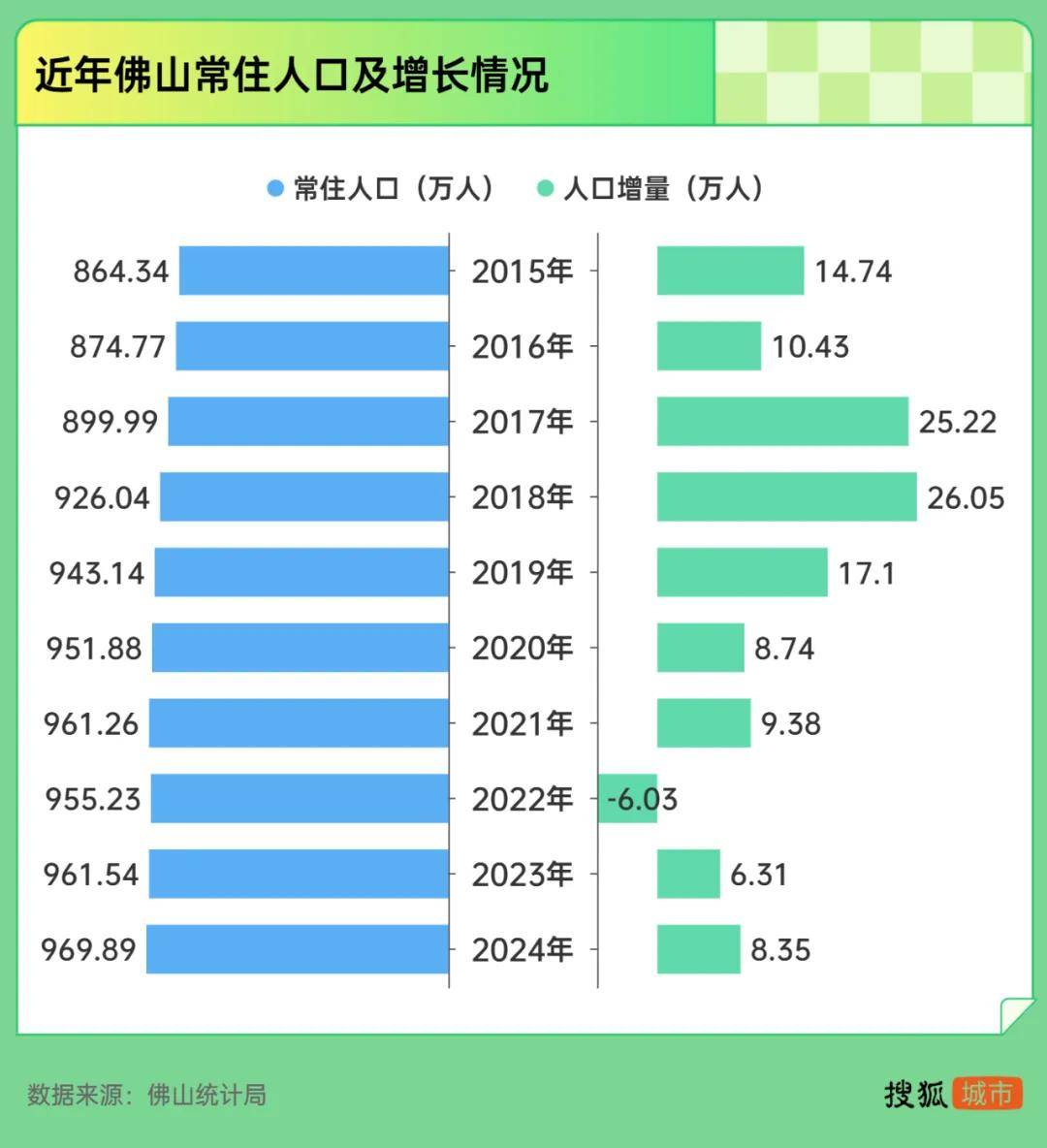
Core Viewpoint - The article discusses the population development plan of Foshan, aiming to reach a permanent population of 10.16 million by 2030, highlighting the challenges and strategies involved in achieving this goal [1][12]. Population Growth Analysis - As of 2024, Foshan's permanent population is 9.6989 million, with a gap of 301,100 to reach 10 million and 461,100 to reach 10.16 million by 2030. An average annual population increase of over 50,000 is needed to join the "10 million club," while over 76,000 is required to meet the 10.16 million target [2]. - Foshan's population growth has declined from first to fourth in Guangdong over the past four years, with significant growth in 2017 and 2018 due to relaxed housing policies attracting migrants [2][5]. Economic Performance - Foshan's GDP growth has lagged behind other major cities, ranking last among cities with a GDP over 1 trillion yuan in 2023. The city has faced negative growth in industrial output, investment, foreign trade, and consumption due to its traditional industrial structure heavily linked to real estate [7][8]. - In 2024, Foshan's traditional industries saw a decline in added value by 1.6%, with significant drops in construction materials and metal products. The total export value decreased by 20.5%, indicating a need for industrial transformation [8]. Industrial Transformation Initiatives - The "Recreate a New Foshan" initiative aims to upgrade traditional industries and develop emerging sectors, targeting the creation of "10+N" trillion-yuan industrial clusters. This includes existing clusters in manufacturing and plans for new clusters in strategic emerging industries [11][12]. - In the first three quarters of the year, Foshan signed 253 projects in emerging industries, with a total investment of 143.92 billion yuan, representing 62.5% of the total investment in manufacturing projects [11]. Future Outlook - If Foshan successfully transforms its industries and achieves a population of over 10 million by 2030, it will join Guangzhou, Shenzhen, and Dongguan as a key pillar in the Greater Bay Area, enhancing its economic and service sector growth [12].