物理AI

Search documents
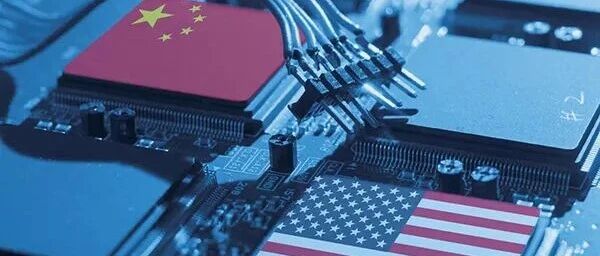
中美H200半导体博弈:美国加税卖,中国或限买
日经中文网· 2026-01-16 08:00
Group 1 - The article discusses the ongoing competition between the US and China in the fields of generative AI and physical AI, particularly focusing on semiconductor technology [4][6] - On January 15, the Trump administration imposed a 25% tariff on certain advanced semiconductors, including Nvidia's H200 manufactured in Taiwan, while conditionally allowing exports to China [2][4] - The US aims to prioritize domestic demand for semiconductors, requiring that exports to China do not exceed 50% of the quantity shipped to the US [6] Group 2 - Nvidia has expressed appreciation for the decision to allow H200 exports, indicating that even with additional tariffs, the benefits of accessing the Chinese market are significant [6][7] - The Chinese government is reportedly discussing restrictions on the total quantity of advanced semiconductors that can be purchased by Chinese companies, aiming to enhance domestic supply capabilities [6][7] - The H200's processing performance is noted to surpass that of competing products from Chinese companies, which could facilitate AI development in China if imports are allowed [7]


物理AI专利竞争力:中企包揽前三
日经中文网· 2026-01-16 08:00
Core Viewpoint - The article discusses the competitive landscape of patents in the field of "physical AI," which integrates humanoid robots and artificial intelligence, highlighting China's leading position in this sector [2][4]. Group 1: Patent Competitiveness - China ranks first globally in the comprehensive strength of patents related to physical AI, followed closely by the United States [2]. - The analysis was conducted with the assistance of LexisNexis, focusing on the integration of robotics and AI technologies [2]. Group 2: Leading Companies - The top three companies in terms of comprehensive patent strength in the physical AI sector are Baidu (4126 points), Huawei (3645 points), and Tencent (3043 points), all from China [5][6]. - Samsung Electronics from South Korea ranks fourth with 2734 points, followed by NVIDIA from the United States with 2154 points [5]. Group 3: Comparative Analysis - Chinese companies, while leading in quantity, still face challenges in patent quality compared to American firms like Intel, NVIDIA, and Alphabet, although Huawei is reportedly nearing their level [6]. - Japan's highest-ranked company in this field is Fanuc, which is positioned at 13th place [6].




物理AI军团 “舞动” CES,出海之路仍面临三大挑战 | Global AI Booming
Tai Mei Ti A P P· 2026-01-16 07:31
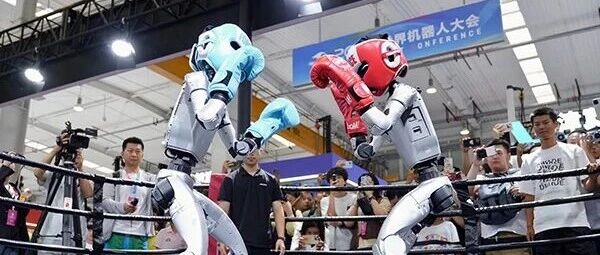
随着大模型从刚开始的PC和手机端的人机对话,进入到帮人类处理线上工作的智能体,再到具有物理 形态的AI在现实世界中发挥作用,AI在形态和能力上都迈入更高更丰富的阶段。 物理AI毫无疑问是CES2026的关键词。 从黄仁勋本届CES的主题分享到CTA的官方解读,物理AI都是解读核心。黄仁勋更是强调"物理AI迎来 了ChatGPT时刻"。 在CES展馆的物理AI展示中,不仅有波士顿动力、LG等海外企业展示了人形机器人,更值得关注的现 场庞大的中国物理AI军团。 从现场清楚看到,人形机器人的参展中国企业数量明显超过其他国家,普通话几乎能够搞定全部探展。 宇树科技、智元机器人、众擎机器人、云深处科技、银河动力、擎朗智能、星动纪元、松延动力、元点 智能等明星企业的机器人纷纷在现场跳舞,俨然把CES展区变成了中国机器人街舞大赛。 参展CES的另一面是,这一代物理AI创业者已经将视线放到了海外市场,意欲在北美增量市场找到新的 突破。 英伟达此前曾表示物理AI将改变总值50万亿美元的制造业和物流业。海外市场的规模和空间势必带给 中国企业更大的探索空间,然而物理AI企业出海仍面临产品成熟度、商业模式和本土化服务三大挑 战。 从 ...
信创ETF(159537)涨超1%,行业技术演进与需求复苏受关注
Mei Ri Jing Ji Xin Wen· 2026-01-16 06:49
Core Viewpoint - The main investment theme in the technology sector for 2026 is expected to be driven by AI data center construction, with high growth in AI computing power demand [1] Group 1: Industry Trends - The storage industry is entering a "super cycle" driven by AI, with significant growth in demand for HBM4e and new storage systems like Context Memory Storage System [1] - 2026 may be recognized as the "physical AI year," where humanoid robots are anticipated to surpass smart electric vehicles as the most notable hardware form, with China's electronic supply chain having a first-mover advantage in core robot components [1] Group 2: Technological Advancements - In smart hardware, significant progress has been made in core technologies such as micro-displays and optical waveguides, with market expectations for the launch of Android XR ecosystem products to drive a new cycle [1] - Cloud cameras have entered a popularization phase, becoming a new growth segment in the market [1] Group 3: ETF Overview - The Xinchang ETF (159537) tracks the Guozheng Xinchang Index (CN5075), which selects listed companies involved in software development and computer equipment to reflect the overall performance of securities related to information technology innovation [1]
消电ETF(561310)涨超2.2%,行业景气获市场关注
Mei Ri Jing Ji Xin Wen· 2026-01-16 06:44
Core Viewpoint - The consumer electronics ETF (561310) has risen over 2.2%, indicating increased market attention on industry prosperity driven by AI data center construction and a "super cycle" in the storage sector [1] Group 1: Industry Trends - The technology sector's main investment theme for 2026 is expected to be driven by AI data center construction, with strong demand for computing chips, storage, network equipment, and electricity [1] - The storage industry is entering a "super cycle" driven by AI, with significant growth in demand for HBM4e and new storage systems [1] - 2026 may be recognized as the "physical AI year," where humanoid robots will surpass smart electric vehicles as the most notable hardware form, with China's electronic supply chain having a first-mover advantage in core robot components [1] Group 2: ETF and Index Information - The consumer electronics ETF (561310) tracks the consumer electronics index (931494), which selects securities from companies involved in the design, manufacturing, and sales of consumer electronic products [1] - The index covers sectors such as smartphones, home appliances, and wearable devices, reflecting the overall performance of the consumer electronics industry characterized by technology-driven and consumption-upgrading features [1]
20cm速递|科创芯片ETF国泰(589100)涨超1.7%,行业需求复苏获关注
Mei Ri Jing Ji Xin Wen· 2026-01-16 06:24
Group 1 - The core viewpoint is that the technology sector is entering a "super cycle" driven by AI data center construction, with strong demand for computing chips, storage, network equipment, and power [1] - The storage industry is experiencing a surge in demand for HBM4e, with increasing manufacturing difficulties, while new storage systems like Context Memory Storage System aim to address the massive data storage needs of large models [1] - Advanced processes and packaging in semiconductor equipment are in continuous demand, with relevant equipment manufacturers playing a crucial role [1] Group 2 - The ETF Guotai (589100) tracks the semiconductor index (000685), which has a daily price fluctuation limit of 20%, focusing on companies across the entire semiconductor industry chain, including materials, equipment, design, manufacturing, and packaging [2] - The index selects no more than 50 large-cap securities in the relevant fields to reflect the overall performance of the semiconductor industry chain and its high growth and technological innovation characteristics [2]
从概念到落地,“物理AI”的“ChatGPT时刻”来了吗
Xin Hua Wang· 2026-01-16 02:31
Core Insights - The "physical AI" era has arrived, as highlighted by NVIDIA's CEO Jensen Huang at the recent CES, indicating a transformative impact on industries such as manufacturing, logistics, and transportation [1] - The development of "physical AI" is expected to face multiple challenges despite its potential to reshape various sectors [1] Group 1: Definition and Mechanism - "Physical AI" builds upon generative AI by understanding 3D spatial relationships and physical laws, enabling robots to execute actions based on real-world data from sensors [2] - The three core elements of "physical AI" are data, platforms, and models, which involve creating a digital twin of real environments for virtual training [5] Group 2: Market Potential and Applications - The market for "physical AI" is projected to reach trillions of dollars by 2030, impacting sectors like manufacturing, logistics, healthcare, and autonomous driving [8] - "Physical AI" enhances the capabilities of machines, allowing them to perceive their environment and adapt to changing conditions, such as autonomous robots navigating complex warehouse environments [8][10] Group 3: Challenges and Risks - Creating high-precision physical simulation environments is costly and complex due to the need for multi-source data integration [13] - Discrepancies between simulated and real-world environments can lead to increased error rates during deployment, affecting operational efficiency [13][15] - The potential for decision-making errors in "physical AI" systems could result in significant operational risks, including material waste and safety incidents [15]
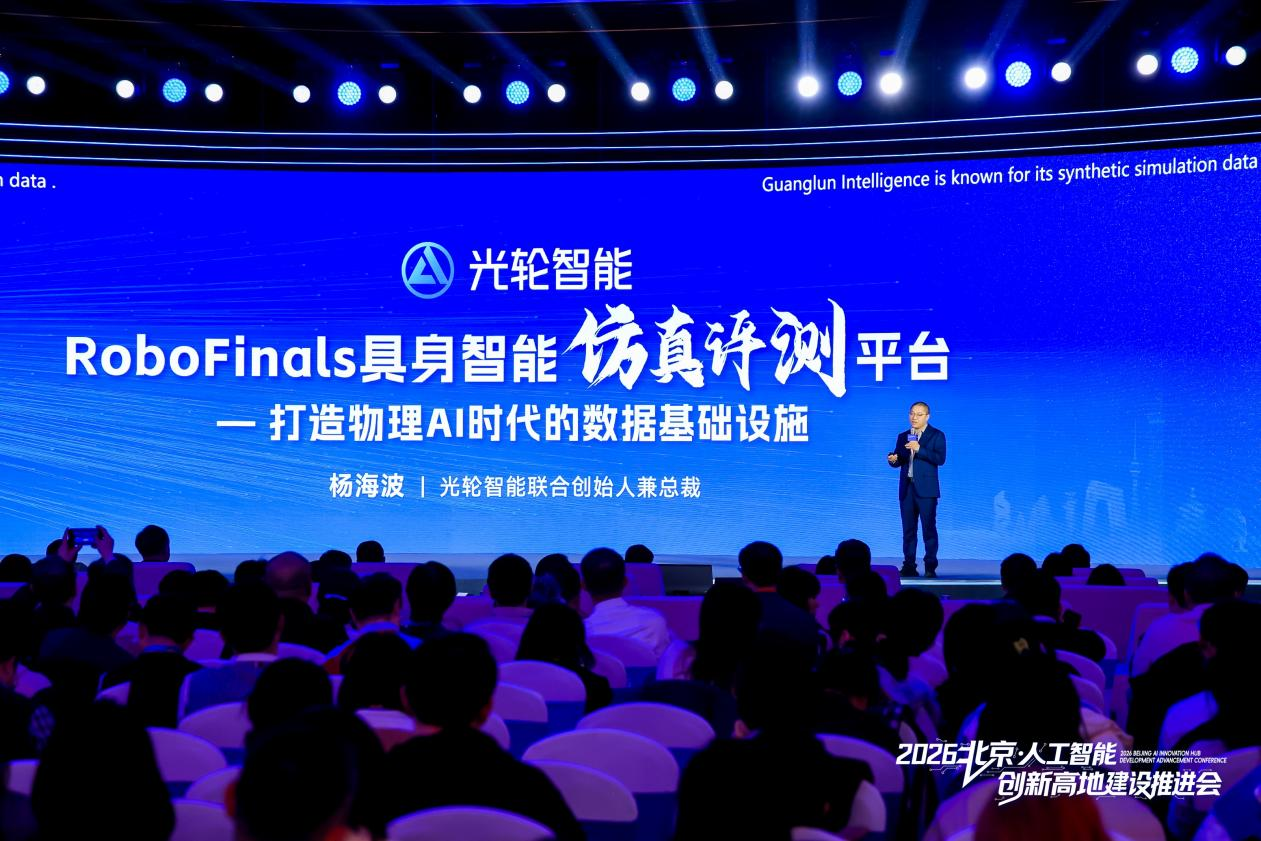
专访光轮智能总裁杨海波:为什么具身智能需要仿真数据
Bei Ke Cai Jing· 2026-01-15 14:16
Core Insights - The article highlights the rapid growth of the embodied intelligence sector, with a significant demand for synthetic data, which is currently being met by the company Guanglun Intelligent, founded in 2023 [1][2][4]. Group 1: Company Overview - Guanglun Intelligent has positioned itself as a key player in the synthetic data market, providing AI simulation services that fill a critical gap in the industry [1][2]. - The company claims that over 80% of the simulation assets and synthetic data for leading international embodied intelligence teams come from them [1][7]. - The founder, Yang Haibo, emphasizes the importance of high-quality synthetic data for the development of embodied intelligence, which is expected to be as ubiquitous as smartphones and cars in various industries [2][18]. Group 2: Market Demand and Growth - The demand for synthetic data in the embodied intelligence sector is at least 1000 times greater than that for autonomous driving, driven by the need for complex physical interactions [2][8]. - Initially focused on the autonomous driving sector, the company has seen a surge in demand from the embodied intelligence and world model fields since mid-2024 [8][18]. - The industry has shifted from questioning the use of synthetic data to focusing on how to effectively produce it [6][8]. Group 3: Technical Challenges and Solutions - The main challenges in generating high-quality synthetic data include ensuring physical accuracy and adapting to evolving data requirements from embodied models [10][12]. - The company employs a proprietary "solve-measure-generate" approach to simulation, which allows for precise modeling of complex physical interactions [11][12]. - The training process for synthetic data must balance quality and scalability, with the company aiming to produce large volumes of high-quality data [10][14]. Group 4: Future Outlook - The company envisions itself as a foundational infrastructure provider for the physical AI era, focusing on continuous development of simulation technologies [18]. - The industry is expected to transition from a tool-based phase to a foundational industry phase, with a growing reliance on reliable data support for the widespread application of robots and intelligent agents [18].
CES“含深量”9% 全球智能硬件版图重塑两大原因
2 1 Shi Ji Jing Ji Bao Dao· 2026-01-15 11:17
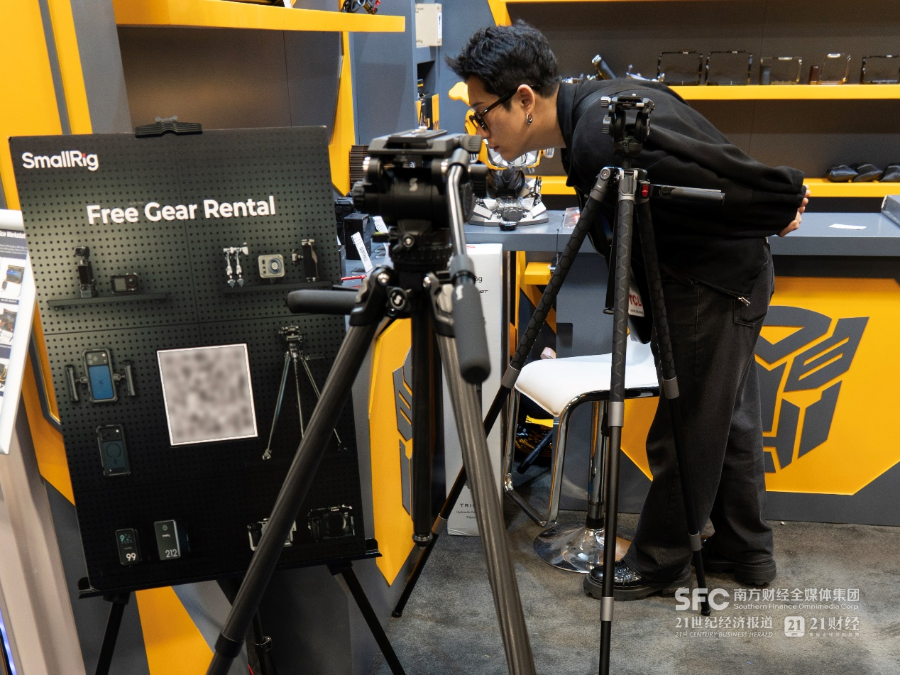
Core Insights - The CES 2026 showcased a significant shift in focus from traditional international brands to the emerging strength of Shenzhen's smart hardware companies, with 370 exhibitors from Shenzhen among over 4100 global participants [4][18] - Shenzhen enterprises are moving towards the ends of the "smile curve," actively defining products and user experiences rather than merely responding to manufacturing demands [6][7] - The event highlighted the importance of user co-creation in product development, with companies like SmallRig and追觅 demonstrating innovative approaches to engage with users and enhance product offerings [8][9] Industry Trends - Shenzhen's smart hardware companies are establishing global influence by not only exporting products but also setting technical standards and creating entire innovation ecosystems [14][15] - The trend of "born global" companies indicates a strategic shift from product sales to value output, emphasizing the importance of core technology and local market integration [15][16] - The focus on localization in overseas markets is becoming crucial, with companies investing in service systems and community ecosystems to build brand recognition and customer loyalty [16][17] Technological Advancements - Shenzhen enterprises have made significant breakthroughs in core technologies, such as robotics and AI, allowing them to redefine hardware capabilities and enhance user interaction [9][11] - Innovations showcased at CES 2026 included advanced robotics with tactile sensing and AI integration, demonstrating the potential of physical AI in real-world applications [11][12] - The introduction of products like雷鸟创新's AR glasses and影石创新's 8K drones illustrates the convergence of AI and hardware, pushing the boundaries of user experience and interaction [12][18]
机器人赛道“奇点时刻”来临,如何布局美股隐形冠军?
RockFlow Universe· 2026-01-15 10:31
Core Insights - Physical AI represents the ultimate evolution of AI, with the robotics sector poised for a right-side entry point after three years of underperformance compared to the Nasdaq [3][5] - The robotics ecosystem shows clear value stratification, with the driving layer (e.g., RBC, CW) capturing certainty premiums, the perception layer (e.g., OUST, NOVT) experiencing explosive growth, and companies like Nvidia and Tesla locking in long-term "value-added tax" at the platform layer [3][6] - The recommended strategy is a barbell approach, anchoring investments in the robotics ecosystem with AI giants Nvidia and Tesla while also including stable-margin component stocks like RBC and CW, and speculative perception stocks like OUST [3][6] Investment Timing - The current moment is identified as a singularity for robotics investment, with 2026 expected to be a pivotal year for Physical AI, transitioning from industrial tools to intelligent entities [9][10] - The cost curve for humanoid robots is collapsing, with prices expected to drop significantly due to the scaling effects of core components, enabling broader adoption and investment opportunities [12][13] Value Chain Dynamics - The robotics ecosystem can be divided into three core layers: the driving layer (actuators), the perception layer (sensors), and the integration layer (AI models) [16][22] - Actuators represent the highest cost segment (40%-50%) and are crucial for transforming robots from static machines to active agents, with linear actuators holding significant pricing power [17][18] - The perception layer is evolving from simple visual solutions to complex multi-sensor systems, with companies like OUST and NOVT leading in high-precision sensing technologies [20][21] Investment Recommendations - The focus should be on "shovel stocks" that provide essential components for robotics, which are expected to yield excess profits due to supply-demand imbalances [26][27] - Companies like RBC Bearings, Regal Rexnord, and Curtiss-Wright are highlighted as key players in the robotics supply chain, each with unique technological advantages and strong financial performance [28][29][31] - Nvidia and Tesla are positioned as core components of the robotics ecosystem, with Nvidia's AI platform serving as a foundational element for future developments [42][44]