绿色制造

Search documents
冠豪高新三季度蓄力转型 新材料布局锚定长远增长
Zhong Zheng Wang· 2025-11-11 02:37
Core Viewpoint - The company is undergoing a strategic transformation from a traditional paper enterprise to a new materials platform, focusing on long-term market positioning rather than short-term order growth [1][2] Financial Performance - In the first three quarters, the company achieved revenue of 5.234 billion yuan and a net loss attributable to shareholders of 94 million yuan, with total assets reaching 11.863 billion yuan, a 5.66% increase from the end of the previous year [1] Industry Challenges - The company faces dual challenges from weak industry demand and fluctuations in raw material prices, reflecting the transitional phase of its transformation [1] Strategic Transformation - The company is actively pursuing a strategic transformation, with a 60,000-ton specialty paper project currently in the debugging phase and new materials like reverse osmosis membrane support materials and fuel cell carbon paper entering customer validation stages [1][2] - This transformation involves not only technological upgrades but also deep organizational and strategic restructuring, which may not be immediately reflected in financial reports [1] Cost Control Initiatives - The Zhanjiang 400,000-ton chemical pulp project is scheduled to commence production in early 2026, which will enable self-sufficiency in core raw materials, effectively reducing production costs for specialty paper and white cardboard, thereby significantly enhancing product gross margins [1] Market Expansion - The rise of new consumption scenarios, such as digital printing, new-style tea drinks, boutique coffee, and domestic beauty brands, is creating strong demand for products like sublimation transfer paper and new food-grade coated packaging materials [2] - The company is solidifying partnerships with leading international fast-moving consumer goods clients while actively exploring additional large customer resources, indicating a broad market expansion potential [2] Policy and Resource Empowerment - Leveraging its state-owned enterprise background, the company is deeply involved in strategic restructuring and professional integration, with the potential to acquire more new materials-related assets as policies favoring the concentration of quality assets in listed companies are implemented [2] - The company's proactive positioning in environmentally friendly packaging and low-carbon materials is expected to benefit from potential consumer stimulus and green manufacturing support policies [2] Short-term Outlook - In the short term, the company's performance is still in a "bottoming" phase due to factors such as project ramp-up, pulp price fluctuations, and seasonal demand weakness [2] Long-term Perspective - From a medium to long-term perspective, the company has opened three upward channels for growth: cost optimization, product upgrades, and market expansion, indicating a steady progression in its transformation [2]

小鹏MONA M03第20万辆整车下线!Made in 大旺!
Zhong Guo Qi Che Bao Wang· 2025-11-11 02:03
Group 1 - The core achievement of Xiaopeng Motors is the production of the 200,000th MONA M03 vehicle in just 14 months, marking a significant milestone in the electric vehicle sector [1] - The automotive industry in Zhaoqing has experienced rapid development, forming a comprehensive ecosystem that includes vehicle manufacturing, key component production, smart connected vehicles, and autonomous driving [1][2] - Zhaoqing High-tech Zone has attracted over 100 companies in the electric vehicle supply chain, with 43 of them being large-scale enterprises covering various core segments [3] Group 2 - The local supply chain has become highly efficient, with nearly one-third of Zhaoqing's auto parts companies providing support to Xiaopeng Motors, enabling rapid delivery times [6] - The development cycle for sample products in the industry has been significantly reduced from 90-180 days to under 40 days, reflecting a consensus on the importance of speed in the electric vehicle market [8] - Companies like Zhaoqing Power Metal are actively transforming to meet the demands of new energy vehicles, while Guangdong Chuangzhi Intelligent Equipment Co. has developed advanced AI digital painting equipment for export [9] Group 3 - The Zhaoqing High-tech Zone has established a service center and industry association for the electric vehicle sector, addressing land, electricity, and talent issues [11] - The electric vehicle industry cluster achieved a production value of 413.81 billion yuan in 2024, accounting for 57.08% of the city's total output [11] - In the first seven months of 2025, the production value reached 250.33 billion yuan, indicating strong growth momentum [11] Group 4 - The new energy storage sector is being developed as a key area for energy transition, with Zhaoqing planning a high-standard new energy storage industrial park [14] - The first phase of the Ruqing Times project has been completed, establishing a full-chain manufacturing system for energy storage products [16][17] - The energy storage cluster is projected to achieve a production value of 229.48 billion yuan in 2024, representing 55.4% of the city's total output [22] Group 5 - Zhaoqing High-tech Zone aims to leverage the leading role of Ruqing Times to foster collaboration with new projects, enhancing the region's capabilities [23] - The focus on electric vehicles and new energy storage is driving technological innovation and green manufacturing initiatives [25] - The region is positioning itself as a green energy base in the Guangdong-Hong Kong-Macao Greater Bay Area, with plans for further internationalization and clustering of industries [27][29]


活力广交 | 第138届广交会第三期“美好生活”三大温度看点
Shang Wu Bu Wang Zhan· 2025-11-10 16:51
Core Insights - The 138th Canton Fair's third phase focuses on "Beautiful Life," featuring five major sectors: fashion, home textiles, toys and baby products, stationery, and health and leisure, with a total exhibition area of 515,000 square meters and approximately 25,000 booths, creating a global trade event that combines cultural care and fashion trends [1] Group 1: Consumer Demand and Trends - The event addresses deep consumer needs, covering diverse scenarios from personal to pet products, and from basic functionality to emotional value, catering to global buyers' demand for high-quality products [2] - Key exhibition categories such as clothing, footwear, bags, and stationery exceed global counterparts in exhibition area, highlighting strong international competitiveness [2] - Emerging themes like pet supplies, camping leisure, and new consumption for the elderly are focal points, responding accurately to global consumption upgrade trends [2] Group 2: Industry Participation and Innovation - Over 12,000 participating companies are present, with more than 200 new additions compared to the previous session, including over 2,900 high-quality enterprises such as national high-tech firms and specialized "little giants," showcasing the fair's strong industrial aggregation effect [3] - A number of "invisible champions" in niche markets are present, leveraging technological innovation across the supply chain to maintain industry leadership [3] Group 3: New Supply Trends - Companies are reshaping lifestyles through intelligence, sustainability, and personalization, with each exhibit representing an innovative proposal for a better life [4] - Smart products like customizable treadmills and intelligent surgical robots are highlighted, integrating technology with traditional health management practices [5] - Eco-friendly products such as biodegradable toys and recycled ski suits demonstrate a commitment to green manufacturing, with a 40% carbon reduction achieved through fluorine-free processes [6] - Innovative designs, including pet protective gear and 3D-printed shoes, showcase technology's role in meeting specific needs while enhancing personalization and functionality [7]
立邦“三重升级”投下“信任票”
Zhong Guo Hua Gong Bao· 2025-11-10 02:56
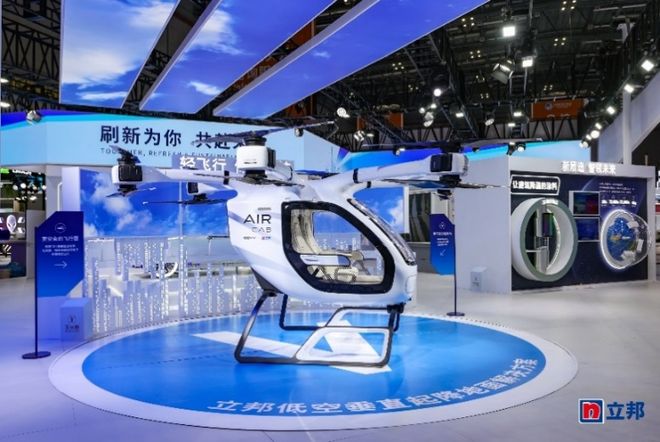
Core Insights - Nippon Paint showcased its commitment to the Chinese market at the 8th China International Import Expo with the theme "Refresh for You, Together for the Future" [1] - The company expanded its exhibition space from 300 square meters last year to 500 square meters this year, indicating a significant increase in its presence [1] - Nippon Paint introduced three major upgrades, including a shift from single products to scenario-based solutions and plans for over 20 signing events to enhance collaboration [1] Product Innovations - The "Low-altitude Flight Universal Coating Solution" made its global debut, responding to China's policy for the safe and healthy development of the low-altitude economy, focusing on safety in both aircraft and landing area coatings [1] - Two additional products, the "New Energy Power Battery Pack Coating Solution" and "Radiative Cooling Coating," were showcased for the first time in China, emphasizing safety and energy efficiency [2] - The company also presented a range of sustainable industrial coatings and solutions for various sectors, including green manufacturing and construction, highlighting its diversified business layout [2]
直击进博会 低空飞行全域涂装解决方案首秀 进博会成立邦签约“主战场”
Zhong Guo Jing Ying Bao· 2025-11-09 14:54
Core Insights - NIPON launched its "Low Altitude Flight Full Domain Coating Solution" at the 8th China International Import Expo, marking a global debut after five years of development [3][4] - The solution aims to support the low-altitude economy across various applications, including logistics, agriculture, emergency rescue, cultural tourism, and urban transportation [3] - NIPON also showcased two products making their China debut: the "New Energy Power Battery Pack Coating Solution" focusing on battery safety and a "Radiation Cooling Coating" [3][4] Product Highlights - The "Low Altitude Flight Full Domain Coating Solution" includes coatings for low-altitude aircraft and vertical take-off landing ground coatings [3] - The "New Energy Power Battery Pack Coating Solution" provides triple protection (insulation, fire resistance, and impact resistance) to meet national safety standards for new energy batteries [3] - Additional products include a green coating solution for automobiles and a comprehensive coating solution for "Good House" construction, emphasizing sustainable development [4] Market Perspective - NIPON's CEO expressed confidence in the Chinese market, stating that investing in China equates to investing in the future [4] - The company aims to collaborate with partners to introduce new technologies, products, and applications to enhance urban landscapes and shape the future of industries [4]
进博“新老面孔”拥抱中国机遇
Zhong Guo Qing Nian Bao· 2025-11-09 00:55
Core Insights - The China International Import Expo (CIIE) has seen record attendance, with 237,500 visitors on November 6, marking a historical high for single-day attendance, reflecting the strong appeal of the Chinese market [1] - Numerous global signing ceremonies took place, covering various sectors such as technology equipment, medical devices, and agriculture, showcasing both returning exhibitors and new participants [1] Group 1: Established Participants - Honda China has participated in CIIE for eight consecutive years, using the platform to showcase its comprehensive range of products and advanced safety technologies, emphasizing the event's role in enhancing brand visibility and industry communication [1] - Sumida Hong Kong Limited has evolved from a procurement team to an exhibitor over the years, establishing a presence in the air and process gas application sectors, and this year introduced sections focused on artificial intelligence and low-altitude economy [2] Group 2: New Participants - Desho Management Consulting, making its debut at CIIE, showcased its digital and intelligent consulting solutions through interactive installations, aiming to explore new development opportunities [3] - HC Display, also a first-time exhibitor, highlighted its environmentally friendly retail display solutions, aiming to leverage the growing demand for sustainable materials in China [3][4] Group 3: Opportunities and Support - CIIE provides significant support and opportunities for new entrants like HC Display, which was entrusted with creating promotional materials for the expo, showcasing the potential for collaboration and innovation in green manufacturing [4][5] - The event serves as a powerful platform for both established and new companies to connect and explore growth opportunities, with all interviewed companies expressing a strong commitment to participate in future expos [5]
不断释放市场“强引力” 进博“新老面孔”拥抱中国机遇
Zhong Guo Jing Ji Wang· 2025-11-09 00:15
Core Insights - The China International Import Expo (CIIE) has seen a record attendance of 237,500 visitors on November 6, showcasing the strong appeal of the Chinese market [1] - The event features both long-term participants and new entrants, highlighting the evolving landscape of international trade and investment in China [3][5] Group 1: Long-term Participants - Honda China has participated in CIIE for eight consecutive years, using the platform to showcase its latest technologies and products across various sectors [1][2] - Sumec Hong Kong Limited has also been a consistent participant, evolving from a procurement team to an exhibitor, and has established a focus on future industries such as artificial intelligence and low-altitude economy [2][3] Group 2: New Entrants - Over 600 new companies are participating for the first time, seeking opportunities in the Chinese market [3] - Desho Management Consulting, a Japanese firm, is showcasing its digital and intelligent consulting solutions through interactive displays at its debut [3] - HC Display, also a first-time exhibitor, is focusing on environmentally friendly retail display solutions, aiming to leverage the growing demand for sustainable materials in China [4][5] Group 3: Opportunities and Support - CIIE provides significant support and opportunities for new entrants, as seen with HC Display's involvement in creating promotional materials for the event [5][6] - The expo serves as a platform for companies to connect with government agencies and other enterprises, facilitating deeper collaboration and partnerships [6]
卢旺达出台《非洲大陆自由贸易区国家实施战略》
Shang Wu Bu Wang Zhan· 2025-11-08 17:00
Core Insights - The Rwandan Ministry of Trade and Industry has introduced the "AfCFTA National Implementation Strategy," focusing on agricultural processing and green manufacturing to enhance integration with regional markets [1] - The government has also launched a "Green Supplement Strategy" aimed at systematically promoting low-carbon green value chain development [1] Agricultural Processing and Green Manufacturing - Rwanda will prioritize industries with comparative advantages that meet green standards, including the processing of tea, coffee, avocados, and honey, as well as textile, leather products, and digital trade services for export [1] - The establishment of a one-stop trade facilitation center and an AfCFTA National Implementation Committee has been initiated to support the strategy's implementation [1] Economic Opportunities and Challenges - Current intra-African trade rates are only 15%-17%, indicating significant market opportunities, but challenges such as inadequate infrastructure and non-tariff barriers need to be addressed [1] - Farmers are calling for increased support for environmentally friendly planting technologies to meet the growing international demand for organic products [1]
进博会“全勤生”与“新面孔”共同奔赴中国大市场
Zhong Guo Qing Nian Bao· 2025-11-08 06:45
Group 1: Event Overview - The 8th China International Import Expo (CIIE) has seen a record attendance of 237,500 visitors on November 6, marking a historical high for single-day foot traffic [1] - The expo showcases China's strong market appeal, with multiple global signing ceremonies across various sectors including technology, medical devices, and agriculture [1] Group 2: Long-standing Participants - Honda China has participated in the CIIE for eight consecutive years, using the platform to showcase its latest technologies and products across multiple transportation sectors [2] - Sumida Hong Kong Limited has also been a consistent participant, leveraging its global equipment trading service platform to introduce advanced technologies to the Chinese market [3] Group 3: New Participants - Over 600 new exhibitors are participating in this year's expo, eager to explore opportunities in the Chinese market [4] - ABeam Consulting, a first-time participant, is showcasing its digital and intelligent consulting solutions through interactive displays [4] - HC Display, another newcomer, focuses on sustainable retail display solutions and aims to leverage the expo to expand its presence in the Chinese market [5][6] Group 4: Market Trends and Future Directions - Sumida has established specialized zones for artificial intelligence and low-altitude economy, aligning with China's market development trends [3] - HC Display emphasizes the growing demand for eco-friendly materials in China, reflecting a shift towards sustainable manufacturing practices [5][6] Group 5: Overall Impact - The CIIE serves as a powerful platform for both established and new companies to connect, share knowledge, and explore growth opportunities in the expansive Chinese market [6]
“一带一路”俄罗斯汽车安全气囊布市场消费结构分析及投资潜力评估预测报告(2026版)
Sou Hu Cai Jing· 2025-11-07 04:38
Core Insights - The automotive airbag fabric industry is projected to grow from $16.88 billion in 2024 to $25 billion by 2031, with a CAGR of 5.9% from 2025 to 2031, driven by technological advancements and increasing demand [3][4]. Industry Overview - Automotive airbag fabric is a critical material in passive safety systems, affecting deployment speed, impact resistance, and long-term reliability [3]. - The global market size is expected to reach $16.88 billion in 2024 and $25 billion by 2031, indicating robust growth potential [3]. Supply Chain Structure and Upstream Relationships - The upstream supply chain includes high-strength polyester fibers and nylon 66, with production technology dominated by international giants, posing a "bottleneck" risk for Chinese companies [4]. - The manufacturing process involves weaving, coating, and shaping, with significant technical barriers in weaving techniques and certification processes [4]. Downstream Applications - The downstream applications cover various airbag types, with side and curtain airbags experiencing the fastest growth, projected to exceed a CAGR of 6% [5]. - The European and American markets account for over 50% of demand due to stringent regulations, while the Asia-Pacific market is expected to grow at a CAGR of 7.2% from 2024 to 2031 [5]. Competitive Landscape - The market is highly concentrated, with the top five manufacturers (Hyosung, Toyobo, Toray, Kolon, Safety Components) holding 81% of the market share [6]. - Hyosung leads the market with over 30% share in flat airbag fabric, while Toyobo specializes in high-performance coating technology [6][7]. Market Conditions and Regional Demand - In the Americas, demand growth is expected to slow to 3.1% in 2024 due to high interest rates, while Mexico is projected to grow at a CAGR of 8.5% from 2025 to 2031 [10]. - The European market is experiencing increased demand for lightweight airbag fabrics due to the electrification trend, with OPW products expected to rise from 32% in 2020 to 41% in 2024 [11]. - The Chinese market is projected to reach 1.28 billion square meters of airbag fabric demand in 2024, growing by 9.7% year-on-year [12]. Development Trends and Industry Outlook - Chinese companies are accelerating the establishment of regional manufacturing centers and localized production to mitigate tariff pressures [14]. - Innovations in materials, such as carbon fiber composite airbag fabrics, are expected to reach a commercial scale of $1 billion by 2027 [15]. - The integration of smart technologies, like pressure-sensing airbag fabrics, is currently in small-scale production [16]. - Green manufacturing practices, including water-based coating technologies, are projected to increase market penetration from 15% in 2024 to over 30% by 2031 [17].