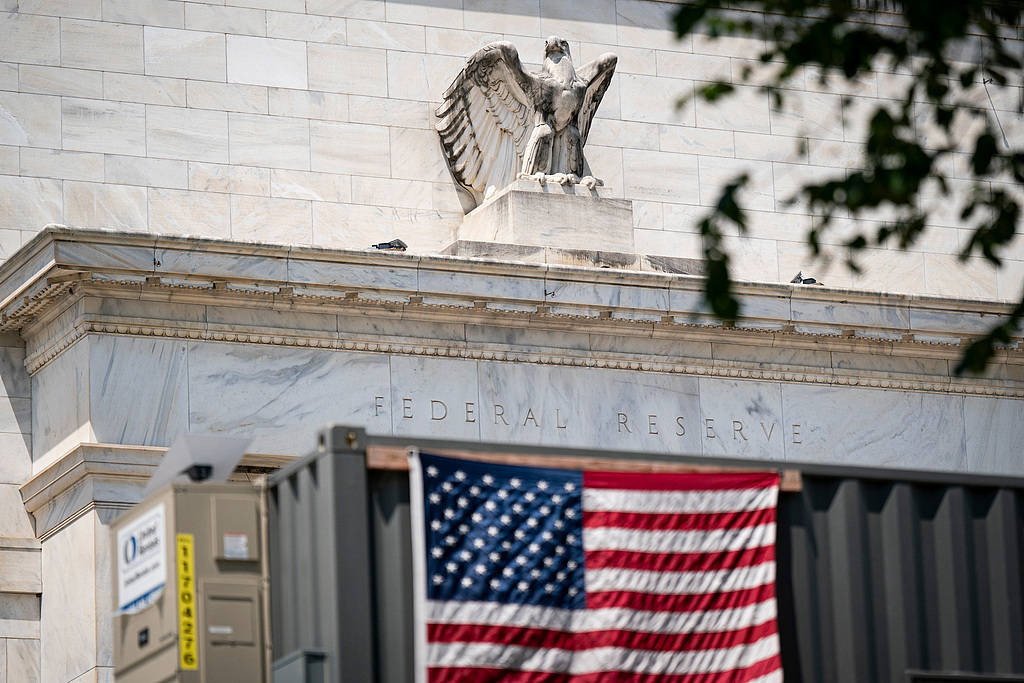
美联储利率政策

Search documents
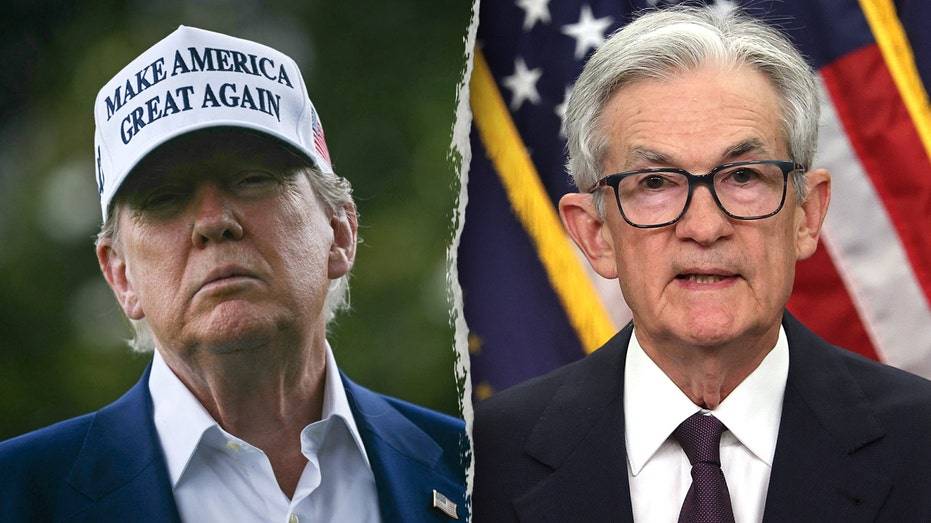
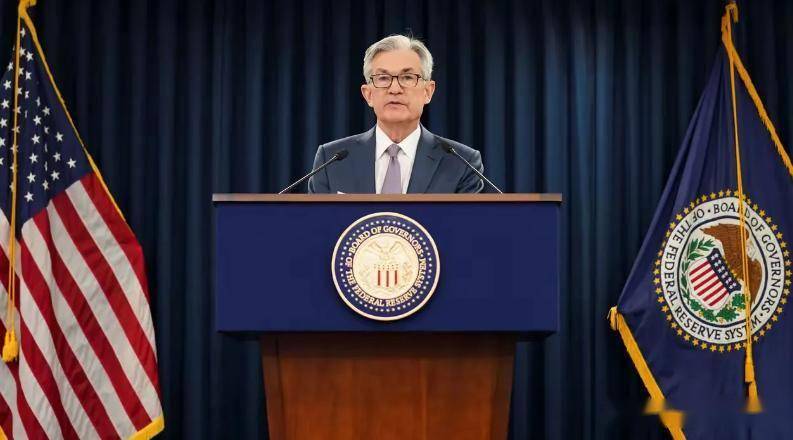
特朗普在美联储维持利率不变后抨击鲍威尔是“彻底的输家”
Sou Hu Cai Jing· 2025-07-31 17:13
Group 1 - President Trump criticized Federal Reserve Chairman Jerome Powell for maintaining interest rates despite calls for cuts, labeling him as ineffective and politically motivated [2] - The Federal Reserve held the benchmark interest rate steady for the fifth consecutive meeting, citing uncertainty regarding tariffs' impact on inflation and the labor market [2] - Powell indicated that while inflation remains above the Fed's 2% target, the labor market is close to full employment, suggesting the Fed is in a position to lower rates if economic conditions worsen [2] Group 2 - Powell noted that higher tariffs are beginning to reflect in some goods' prices, but their overall impact on economic activity and inflation is still uncertain [3] - Despite Trump's pressure for rate cuts, the Fed decided to pause, with the next meeting scheduled for mid-September, and recent inflation data reducing the likelihood of a rate cut [3] - The U.S. Commerce Department reported a 2.6% year-over-year increase in the Personal Consumption Expenditures (PCE) index, with core PCE rising from 2.7% to 2.8%, moving further from the Fed's inflation target [3] Group 3 - The probability of a 25 basis point rate cut in September dropped from 58.4% a week ago to 39.2% following the new inflation data [4] - The likelihood of the Fed maintaining the current interest rate range of 4.25% to 4.5% increased to 60.8%, up from 39.2% a week prior [4]

瑞银:美元目前的涨势可能是短暂的
news flash· 2025-07-31 13:02
Core Viewpoint - UBS analysts suggest that the current strength of the US dollar is likely a temporary adjustment and does not indicate a reversal of its recent weakening trend [1] Group 1: Market Analysis - Investors may have closed short positions on the dollar ahead of the Federal Reserve meeting, where interest rates were maintained [1] - The expectation is that once the Federal Reserve signals a potential restart of interest rate cuts in the coming months, the dollar's weakening trend will re-emerge [1] Group 2: Economic Forecast - UBS anticipates that US economic growth will further slow down in the second half of the year compared to the first half [1] - The firm projects that the euro will rise to 1.20 against the dollar later this year [1]

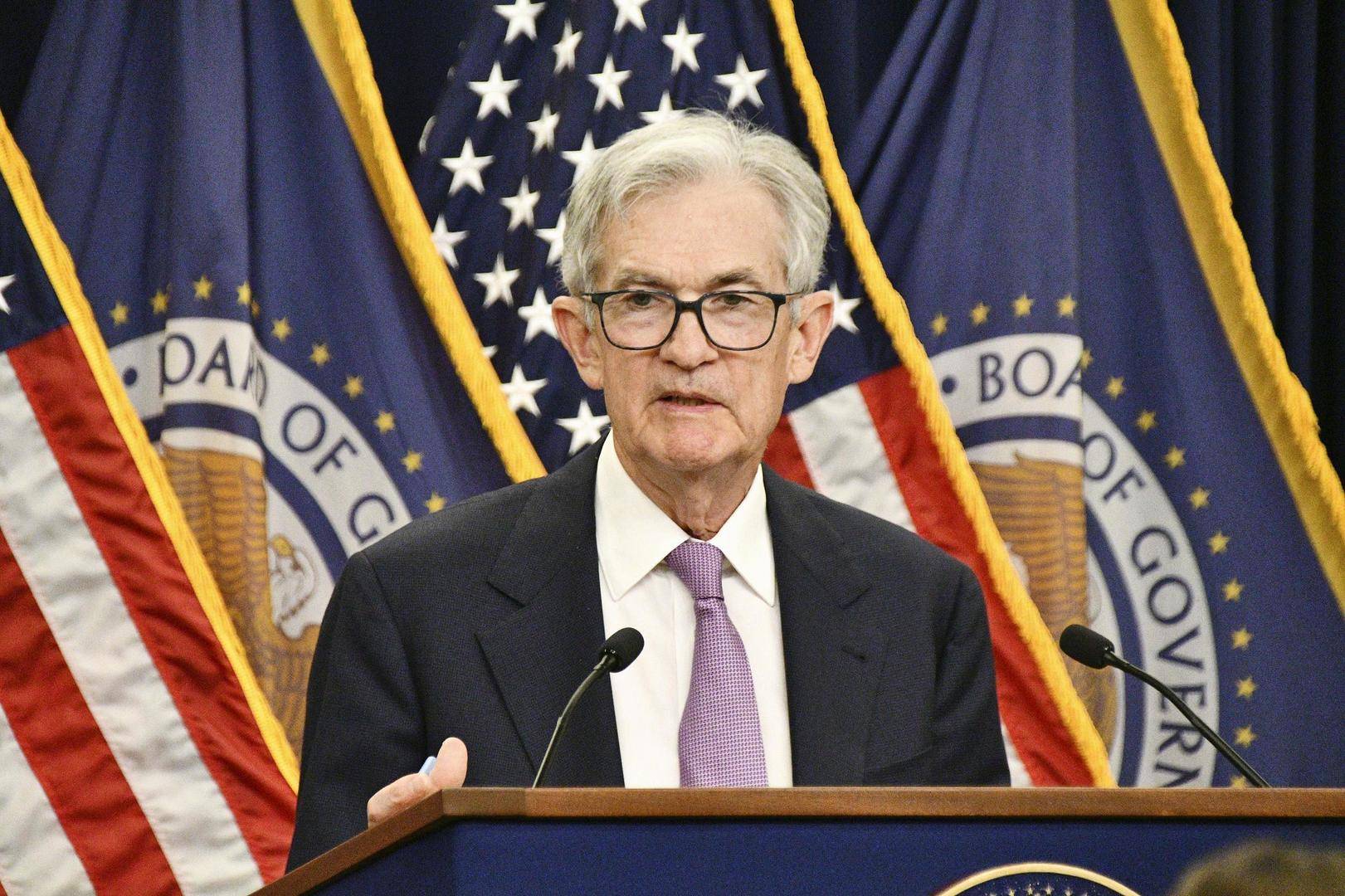
32年来头一遭!美联储决策层首现分裂,但仍“按兵不动”,鲍威尔:降息欠火候
Sou Hu Cai Jing· 2025-07-31 11:23
Core Viewpoint - The Federal Reserve decided to maintain the federal funds rate target range at 4.25% to 4.50%, marking the fifth consecutive meeting this year where rates were held steady, aligning with market expectations [1] Group 1: Federal Reserve's Decision - The decision to keep interest rates unchanged reflects a cautious approach amid ongoing economic uncertainties [1] - Fed Chairman Jerome Powell's remarks suggested a strong stance, raising questions about potential rate cuts in September [3][5] Group 2: Economic Context - Powell emphasized that the Fed does not consider the U.S. government's financing needs when setting monetary policy, focusing instead on controlling inflation and maintaining a strong labor market [5] - The U.S. government is projected to incur $1.1 trillion in interest expenses in 2024, with debt management costs having more than doubled since the onset of the COVID-19 pandemic, largely due to high interest rates aimed at curbing inflation [5] Group 3: Dissenting Votes - Two Federal Reserve governors, Christopher Waller and Michelle Bowman, cast dissenting votes against the decision to maintain the current interest rate, advocating for a 0.25% reduction [7] - This marks a rare occurrence, as the last instance of two governors voting against a decision dates back to 1993, highlighting the unusual nature of this dissent [9]
【早间看点】马棕前5月对美出口增51.8%至9.3万吨,乌克兰已收获约100万吨油菜籽低于去年同期-20250731
Guo Fu Qi Huo· 2025-07-31 02:30
1. Report Industry Investment Rating There is no information regarding the report industry investment rating in the provided content. 2. Core Viewpoints of the Report The report provides a comprehensive overview of the overnight and spot market conditions for various commodities, including palm oil, soybeans, and crude oil. It also presents important fundamental information on factors such as weather conditions, international and domestic supply - demand dynamics, and macroeconomic news. Additionally, it details the capital flow in the futures market and conducts arbitrage tracking [1][2][24]. 3. Summary by Relevant Catalogs 3.1 Overnight Market Conditions - **Futures**: The closing prices and price changes of various futures contracts, such as BMD's October palm oil, ICE's October Brent crude, and NYMEX's September US crude oil, are presented. For example, BMD's October palm oil closed at 4259.00, with a previous - day increase of 0.54% and an overnight decrease of 0.42% [1]. - **Currencies**: The latest prices and price changes of multiple currencies, including the US dollar index, CNY/USD, MYR/USD, etc., are provided. For instance, the US dollar index was at 99.94, with an increase of 1.05% [1]. 3.2 Spot Market Conditions - **Futures - Spot**: The spot prices, basis, and basis changes of various futures contracts, such as DCE's 2509 palm oil, 2509 soybean oil, and 2509 soybean meal, are given. For example, the spot price of DCE's 2509 palm oil in North China is 9110, with a basis of 130 and a basis change of 0 [2]. 3.3 Important Fundamental Information 3.3.1 Weather Conditions in Producing Areas - **US Soybean Producing States**: The future weather outlook from August 4th to 8th shows that the temperature in the main soybean - producing states is high, and the precipitation in the northwest is higher than the average. The temperature in the Midwest planting belt is expected to drop, and the growth conditions are still relatively favorable [5][7]. 3.3.2 International Supply - Demand - **Malaysian Palm Oil**: From January to May 2025, Malaysia's palm oil exports to the US increased by 51.8% year - on - year, from 6.1 million tons in the same period last year to 9.3 million tons [9]. - **US Soybean Exports**: As of the week ending July 24th, US soybean export sales are expected to increase by 20 - 90 million tons, with 10 - 30 million tons for the 2024/25 season and 10 - 60 million tons for the 2025/26 season [10]. - **Argentine Soybean Sales**: As of July 23rd, Argentine farmers sold 78.77 million tons of 24/25 season soybeans, with a cumulative sales volume of 2743.16 million tons, and 4.3 million tons of 25/26 season soybeans, with a cumulative sales volume of 48.95 million tons [11]. - **Ukrainian Rapeseed**: As of July 25th, Ukrainian farmers have harvested about 100 million tons of rapeseed, lower than 330 million tons in the same period last year. The market has revised down the 2025 rapeseed production forecast to 240 - 250 million tons [12]. - **Baltic Dry Index**: On Wednesday, the Baltic Dry Index fell for the fourth consecutive day, reaching a two - week low, due to a decline in demand for all ship types [13]. 3.3.3 Domestic Supply - Demand - **Oil Product Transactions**: On July 30th, the total transaction volume of soybean oil and palm oil was 102,566 tons, a 108% increase from the previous trading day. The total transaction volume of soybean meal in major domestic oil mills was 30.49 million tons, a decrease of 13.05 million tons from the previous day [14]. - **Agricultural Product Prices**: The average weekly price of lean - type white - striped pork in 16 provinces (municipalities) from July 21st to July 25th, 2025, was 18.73 yuan per kilogram, a 2.2% week - on - week decrease and a 25.7% year - on - year decrease [14]. 3.4 Macroeconomic News 3.4.1 International News - **US Economic Data**: The probability of the Fed keeping interest rates unchanged in September is 54.3%, and the probability of a 25 - basis - point rate cut is 45.7%. US economic data such as ADP employment, GDP, and PCE price index are also presented [17]. - **FOMC Statement**: The Fed maintained the benchmark interest rate at 4.25% - 4.50%, with two governors advocating for a rate cut [18]. - **Eurozone Economic Data**: The Eurozone's second - quarter GDP annual rate is 1.4%, and the industrial and economic sentiment indices in July are - 10.4 and 95.8 respectively [19]. 3.4.2 Domestic News - **Exchange Rate and Monetary Policy**: On July 30th, the US dollar/Chinese yuan exchange rate was 7.1441, down 70 points. The central bank conducted 309 billion yuan of 7 - day reverse repurchase operations, resulting in a net injection of 158.5 billion yuan [21]. - **Housing Loan Interest Rate**: In the second quarter of 2025, the weighted average interest rate of newly issued commercial personal housing loans in China was 3.09% [21]. 3.5 Capital Flow On July 30th, 2025, the net inflow of funds in the futures market was 18.187 billion yuan, with 6.098 billion yuan in commodity futures (including 205 million yuan in agricultural product futures, 5.324 billion yuan in chemical futures, 131 million yuan in black - series futures, and 439 million yuan in metal futures) and 12.089 billion yuan in stock index futures [24]. 3.6 Arbitrage Tracking There is no detailed information on arbitrage tracking in the provided content.
美联储决策层32年来首现分裂,特朗普目标9月实现?
Sou Hu Cai Jing· 2025-07-30 23:59
当地时间7月30日,美联储在为期两天的货币政策会议后宣布,将联邦基金利率目标区间维持在4.25%至4.50%之间不变,这也是自2025年初以来美联储第五 次决定维持利率不变。 0 intin 1960 Corporation and ted w F ped 1985 199 y production e Hol 000 THE LE selfalle 的一些 ALL PROPERTY un 10077 0000 Warrin 1 235 The F.A. on the program and LE pil al the states 01 ar THE F an 11 2 11 17:0 and 201 and e 1 Holl But all has a 鲍威尔特别提到,关税政策推高了部分商品价格,核心通胀中约30%至40%的影响可能来自关税。这一表态暗示,美联储仍在权衡关税对通胀的长期影响, 这或许是其暂缓降息的关键因素之一。 尽管面对白宫日益强烈的降息压力,美联储仍选择保持政策稳定。然而,此次会议罕见出现两名理事投下反对票的情况,这也反映出美联储内部对利率政策 的分歧正在加深。 美联储维持利率不变 强调 ...
降息又落空!美联储决策层32年来首现分裂
news flash· 2025-07-30 23:09
当地时间7月30日,美联储在为期两天的货币政策会议后宣布,将联邦基金利率目标区间维持在4.25% 至4.50%之间不变,这也是自2025年初以来美联储第五次决定维持利率不变。尽管面对白宫日益强烈的 降息压力,美联储仍选择保持政策稳定。然而,此次会议罕见出现两名理事投下反对票的情况,这也反 映出美联储内部对利率政策的分歧正在加深。(央视新闻) ...
7月31日电, 欧元兑美元下跌,此前美联储维持利率不变,最新下跌0.53%,报1.148325美元。
news flash· 2025-07-30 18:11
智通财经7月31日电, 欧元兑美元下跌,此前美联储维持利率不变,最新下跌0.53%,报1.148325美 元。 ...
美联储的鲍威尔你怎么收场?为了收割到东方大国,美联储就是不降息,宁可每年支付1.5万亿的债务利息也不降
Sou Hu Cai Jing· 2025-07-30 14:59
Core Viewpoint - The article discusses the unusual volatility in the U.S. market over the past two months, highlighting the Federal Reserve's reluctance to lower interest rates despite declining inflation indicators and increasing fiscal pressures [3][5][9]. Group 1: Federal Reserve's Stance - The Federal Reserve has maintained a steady interest rate policy despite a decrease in core PCE inflation to 2.6% in June, the lowest since 2021 [3]. - The Fed's strategy appears to be aimed at preventing capital from flowing to Eastern markets, with high interest rates intended to keep funds within U.S. Treasury bonds [5][12]. - Market speculation is growing regarding potential interest rate cuts, with a significant portion of traders betting on at least one rate cut by September [11][12]. Group 2: Market Reactions - The U.S. stock market has shown signs of volatility, with the S&P 500 experiencing fluctuations and debates over interest rate direction intensifying [6][12]. - Former President Trump has publicly called for interest rate cuts, indicating a shift in sentiment as the market struggles with high debt interest payments [6][9]. - Analysts from Goldman Sachs predict two rate cuts within the year, each by 25 basis points, reflecting a growing belief that the Fed may need to adjust its stance [12]. Group 3: Global Context - The article notes that Eastern markets, particularly China, are not following the Fed's lead, maintaining a stable exchange rate for the yuan against the dollar [6][15]. - China's export growth remains robust, with a year-on-year increase of 8.6% in June, indicating resilience despite global economic pressures [6]. - The attractiveness of Chinese assets is gaining attention, with reports highlighting the stability of China's bond market compared to U.S. Treasuries [15]. Group 4: Future Considerations - The Fed faces a dilemma: whether to lower rates to support the market or maintain its current stance, risking further fiscal strain and potential political fallout in an election year [9][17]. - The outcome of this situation may hinge on the Fed's ability to balance market confidence with economic realities, as global investors reassess where to allocate their capital [15][17].
聚焦今夜美国GDP:整体增长预计反弹 但消费、就业难言乐观?
Hua Er Jie Jian Wen· 2025-07-30 11:04
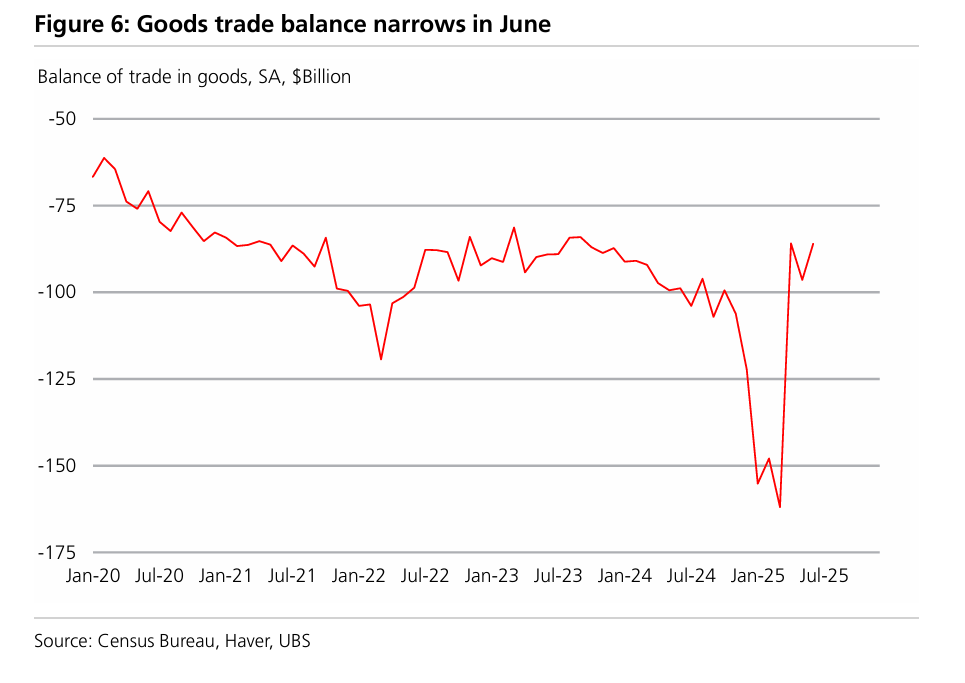
Core Viewpoint - The upcoming U.S. Q2 GDP data may appear strong on the surface but is likely misleading, driven by a reduction in trade deficits while core areas like consumer spending and business investment show signs of weakness [1][2]. Economic Growth and GDP - UBS predicts a Q2 GDP annualized growth rate of 2.6%, a significant rebound from Q1's contraction of 0.5%, primarily driven by net exports contributing up to 4.1 percentage points to GDP growth [2][5]. - The sharp decline in imports, expected to drop over 25% annually, has reversed the negative impact of net exports from Q1, which had reduced GDP by 4.6 percentage points [2][5]. - Domestic demand and real personal consumption growth have slowed from 2.5%-3% over the past two years to approximately 1.1% in the first half of this year [2]. Consumer Confidence and Spending - Consumer confidence remains fragile, with the World Federation of Large Enterprises' index rising only 2.0 points to 97.2 in July, still significantly below the 2024 average of 104.5 [7]. - The labor market's perception of job availability has declined, indicating potential challenges for consumer spending moving forward [7]. Labor Market Dynamics - The U.S. labor market is showing signs of cooling, with job openings decreasing by 275,000 in June to 7.44 million, and the job vacancy rate falling to 4.4% [8]. - The hiring rate has dropped to 3.3%, nearing the low point of the current expansion cycle, suggesting a slowdown in labor market activity [8]. Long-term Economic Challenges - The long-term outlook for the U.S. economy faces structural challenges, with the Congressional Budget Office estimating that the "Big Beautiful" Act will increase the national debt by $3.4 trillion over the next decade, with only a 0.5% average boost to inflation-adjusted GDP [10].
美联储32年来最严重分裂?两理事或联合反对鲍威尔,三大阵营分化加剧,独立性考验在9月
Sou Hu Cai Jing· 2025-07-30 10:14
Core Viewpoint - The Federal Reserve is facing its most significant internal division in 32 years, with two board members potentially opposing Chairman Powell's stance on interest rates during the upcoming meeting, marking a historic moment for the FOMC [1][3][4]. Group 1: Federal Reserve's Current Situation - The Federal Reserve is expected to maintain the interest rate target range at 4.25% to 4.5% for the fifth consecutive time, with a 97.4% probability of no rate cut in July [1][3]. - The FOMC is reportedly divided into three factions: one advocating for immediate rate cuts, a middle group seeking more data, and a cautious faction waiting for clear signs of economic weakness [4][6]. Group 2: Key Players and Their Positions - The aggressive faction, represented by Christopher Waller and Michelle Bowman, is pushing for an immediate rate cut, citing concerns over a weakening labor market [5][6]. - Waller has publicly stated that a 25 basis point cut is reasonable, emphasizing the urgency of addressing labor market issues before they worsen [5][11]. - The middle faction, led by Mary Daly, is inclined to wait for more data before making any decisions on rate cuts, while the cautious faction, represented by Raphael Bostic, is wary of inflation and prefers to see clear economic signs before acting [6][8]. Group 3: Political Influences and Implications - The independence of the Federal Reserve is under significant political pressure, particularly from former President Trump, who has been perceived as attempting to influence Fed policies [8][9]. - Market observers are closely watching the July meeting for indications of the Fed's stance on independence and potential political influences, with September being viewed as a critical juncture for the institution [8][10]. - Waller's actions may also be seen as positioning himself for a potential future leadership role within the Fed, further complicating the political landscape [11][12].