
金融强国建设

Search documents
光大证券党委书记、董事长赵陵:以中国特色金融文化为引擎 做好金融“五篇大文章”
Zhong Guo Zheng Quan Bao· 2025-12-11 00:29
Core Viewpoint - The company emphasizes the integration of the spirit of the 20th National Congress of the Communist Party into its operations, aiming to enhance cultural soft power and fulfill its responsibilities in serving national strategies and the real economy [1][2][10]. Group 1: Cultural and Political Direction - The company is committed to embedding the Party's leadership throughout its cultural construction and management processes, aligning with the "14th Five-Year Plan" strategic goals [2][3]. - A cultural leadership team has been established to promote the core requirements of "Five Musts and Five Must Nots," ensuring that these principles are internalized and practiced by all employees [5][6]. Group 2: Governance and Compliance - The company has incorporated Party leadership into its governance structure, ensuring clarity in responsibilities and efficient operations, while continuously optimizing its ESG governance system [3][4]. - It has implemented strict compliance measures across all levels, enhancing risk management and establishing a professional compliance management team [6][4]. Group 3: Financial Services and Innovation - The company is focused on high-quality development by optimizing its business structure and innovating service models, particularly in green finance and supporting high-tech enterprises [7][8]. - It has actively participated in the construction of the third pillar of pension finance, launching various pension fund products and enhancing services for the elderly [9]. Group 4: Community and Social Responsibility - The company has made significant contributions to rural revitalization and the development of revolutionary old areas, with substantial investments and projects benefiting over 400,000 people [8]. - It has engaged in various cultural activities to foster a positive work environment and enhance employee engagement in serving national strategies [6][5]. Group 5: Future Outlook - Looking ahead, the company aims to deepen its commitment to the spirit of the 20th National Congress and contribute to the construction of a financial power by focusing on high-quality development and strengthening its cultural foundation [10].


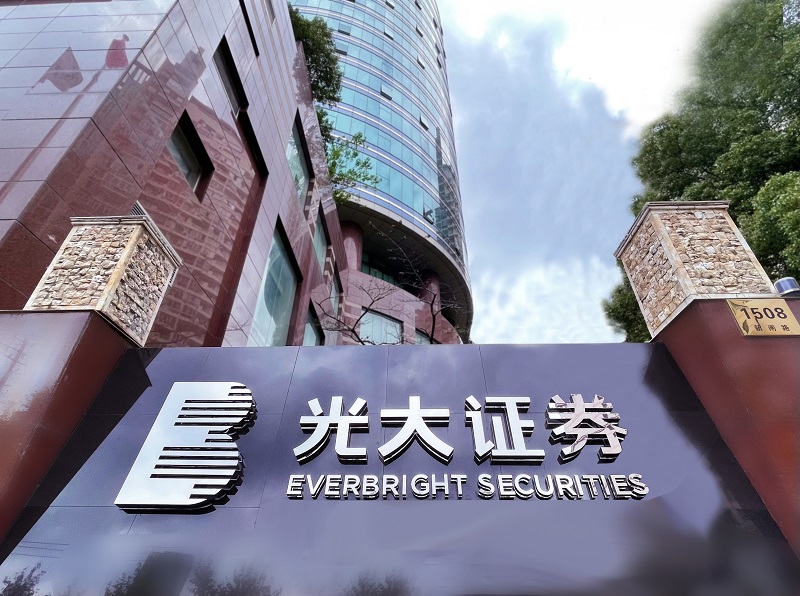
以中国特色金融文化为引擎做好金融“五篇大文章”
Zhong Guo Zheng Quan Bao· 2025-12-10 20:17
Core Viewpoint - The 20th Central Committee of the Communist Party of China has set clear requirements for accelerating the construction of a financial power during the 14th Five-Year Plan period, emphasizing the integration of political and people-oriented aspects into financial work [1][2]. Group 1: Company Strategy and Governance - The company emphasizes the importance of integrating the spirit of the 20th Central Committee into its operations, ensuring that the Party's leadership is embedded in cultural construction and management processes [2][3]. - The company has incorporated Party leadership requirements into its articles of association and governance processes, aiming to create a clear and efficient governance structure [3]. - The company is committed to enhancing discipline and compliance, focusing on the implementation of the Central Eight Regulations and promoting a culture of integrity [3]. Group 2: Cultural Development - The company aims to deepen the integration of the "Five Musts and Five Must Nots" cultural requirements into its operational framework, transforming cultural advantages into core driving forces for serving national strategies [4][7]. - A leadership group for cultural construction has been established, with over 300 personnel dedicated to promoting cultural values and activities within the organization [4]. Group 3: Talent and Risk Management - The company is focused on building a strong professional talent pool, enhancing political and operational capabilities through training and competitions [5]. - Strict compliance with regulatory requirements is being enforced, with a comprehensive risk management system in place to address potential risks effectively [5]. Group 4: Financial Services and Contributions - The company is actively involved in green finance, having financed 18.23 billion yuan for green industries in the first three quarters of the year, representing a 34.6% increase year-on-year [7]. - The company has also contributed to rural revitalization and the development of revolutionary old areas, underwriting 1.79 billion yuan in bonds for these initiatives [8]. - The company is expanding its offerings in pension finance, launching new pension fund products and enhancing services for the elderly [8]. Group 5: Digital Transformation - The company is leveraging digital technology to enhance operational efficiency, with significant improvements in its digital platform and automation of processes [9]. - The company has implemented over 100 optimizations in its digital services, resulting in a substantial increase in user registrations [9].
银行行业2026年年度策略报告-20251210
Ping An Securities· 2025-12-10 10:38
Group 1 - The banking industry in 2026 will face a mixed external environment with strong macroeconomic resilience but insufficient effective demand, leading to continued moderate monetary policy and challenges in asset allocation due to a low interest rate environment [4][10] - The "14th Five-Year Plan" emphasizes the construction of a financial powerhouse, urging banks to leverage their resource endowments and deepen their strategic initiatives over the next five years [4][10][22] - The overall financial performance of listed banks is expected to improve in 2026, driven by the recovery of net interest income and non-interest income, with a projected net profit growth of 2.4% year-on-year [4][27] Group 2 - The net interest margin is expected to narrow by 6 basis points in 2026, with net interest income growth projected to rise to 4% compared to 0.3% in 2025 [4][27] - Non-interest income is anticipated to continue improving due to the recovery of wealth management opportunities and the fading impact of fee reductions from previous years [4][27] - The overall asset quality of the banking sector is expected to remain stable, with a focus on monitoring risks in the retail sector [4][27] Group 3 - The investment strategy emphasizes high dividend yields as a protective measure, with the banking sector's average dividend yield at 3.94%, providing a significant premium over ten-year government bonds [4][27] - Specific banks such as Chengdu Bank, Jiangsu Bank, and Shanghai Bank are highlighted for their strong regional advantages and potential for continued dividend growth [4][27][34] - The report suggests that the active capital market will provide a potential boost to quality retail banks, enhancing their recovery prospects [4][27]




中国金融市场的整体实力 和影响力不断增强
Jin Rong Shi Bao· 2025-12-10 02:05
Core Viewpoint - The Financial Stability Board (FSB) has released the 2025 Global Systemically Important Banks (G-SIB) list, highlighting the increasing significance of Chinese banks in the global financial system [1][2]. Group 1: G-SIB List Overview - Five Chinese banks, including Industrial and Commercial Bank of China (ICBC), Agricultural Bank of China, Bank of China, China Construction Bank, and Bank of Communications, are included in the G-SIB list for 2025, consistent with 2024 [1]. - ICBC has moved into the third group for the first time, while Agricultural Bank, Bank of China, and China Construction Bank remain in the second group, and Bank of Communications stays in the first group [1]. - The G-SIB list consists of five groups, with no banks in the highest fifth group, only JPMorgan in the fourth group, and a total of 29 banks listed, unchanged from 2024 [1][2]. Group 2: Performance Metrics - The total scores for the Chinese banks have increased compared to the previous year, with ICBC up by 33 points, Agricultural Bank by 15 points, Bank of China by 32 points, China Construction Bank by 10 points, and Bank of Communications by 9 points [2]. - The increase in scores indicates that factors beyond size are now more significant in determining the rankings of these banks [2]. Group 3: Implications and Requirements - The adjustments in the G-SIB list reflect the evolving business activities of banks, emphasizing quality over size, aligning with the goals of building a stronger financial nation [2]. - Banks on the G-SIB list face higher capital regulatory requirements, including additional capital and Total Loss-Absorbing Capacity (TLAC) requirements, with varying standards from 1% to 3.5% across the groups [2]. - ICBC, having moved up a group, will now encounter higher capital buffer requirements, which signifies both recognition of its strength and a challenge for future development [3].





华泰证券党委书记、董事长张伟:党建领航 数字赋能 深耕廉洁从业“责任田”
Zhong Guo Zheng Quan Bao· 2025-12-09 23:58
Core Viewpoint - The article emphasizes the importance of building a strong cultural soft power and fulfilling responsibilities in the financial sector, as outlined in the 20th National Congress of the Communist Party of China, which sets the direction for the development of the financial industry during the 14th Five-Year Plan period [1] Group 1: Corporate Governance and Culture - The company views party discipline and integrity as essential for high-quality development, integrating these principles into its governance framework to ensure long-term stability and health in the industry [2][8] - The company has established a "clean governance risk management system" that identifies over 1,200 internal control key points across its business chain, focusing on risk prevention and real-time alerts for potential issues [6][9] Group 2: Employee Engagement and Training - The company has created a "Clean Practice Handbook" to clarify regulations and has developed engaging materials, such as comics, to educate younger employees about compliance and integrity [3][5] - Regular training sessions and a structured learning mechanism are in place to enhance employees' understanding of party discipline and compliance requirements [2][8] Group 3: Digital Transformation and Risk Management - The company has invested in technology to enhance governance capabilities, including a system for monitoring employee investment behaviors to prevent misconduct [6][7] - A financial cloud system has been established to support remote financial data management and integrate risk data from overseas subsidiaries into a centralized risk database [7] Group 4: Long-term Commitment to Integrity - The company is committed to embedding integrity into its corporate culture and governance structure, viewing it as a cornerstone for building core competitiveness [8][9] - The company aims to create a robust ecosystem that discourages corruption and promotes compliance, aligning with the strategic goals set forth in the 14th Five-Year Plan [9]

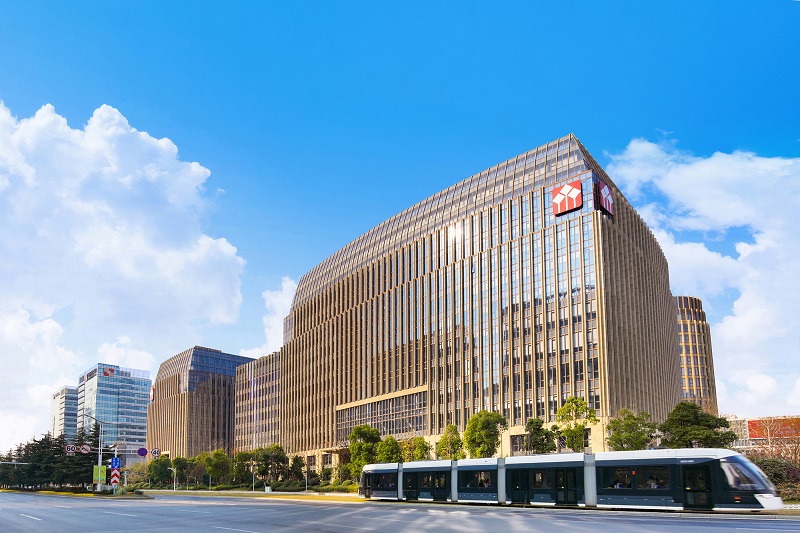
共话现代金融新机遇 共绘湾区协同新图景 2025第四届粤港澳大湾区金融论坛年度大会在澳门成功举办
Feng Huang Wang Cai Jing· 2025-12-09 10:26
Core Insights - The 2025 Fourth Guangdong-Hong Kong-Macao Greater Bay Area Financial Forum was held in Macau, focusing on leveraging modern financial systems to promote diversified development in Macau and create a new collaborative framework in the Greater Bay Area [1] Group 1: Forum Overview - The forum attracted nearly 300 representatives from government, business, academia, and research sectors across Guangdong, Hong Kong, and Macau [1] - The event was co-hosted by the National Financial Research Institute of Renmin University of China, the China Capital Market Research Institute, and the Macao Banking Association [1] Group 2: Key Speeches and Discussions - The Secretary for Economy and Finance of the Macao SAR, Dai Jianye, emphasized the importance of integrating finance with various industries such as technology, culture, tourism, and healthcare to promote economic diversification [3] - Wu Xiaoqiu, a prominent financial scholar and forum chairman, highlighted Macau's unique role in the Greater Bay Area's financial ecosystem, advocating for wealth management and capital market development [5] - The forum included discussions on the Macao Investment Fund Law and industry funds, featuring insights from experts and government officials [6] Group 3: Future Directions - The forum aims to strengthen the link between finance and real industries, enhancing Macau's integration into national development strategies [3] - The event is seen as a platform for fostering cooperation and consensus in the financial sector, contributing to Macau's economic diversification and the high-quality collaboration of the Greater Bay Area [7]
关于吴清主席在中证协会员大会致辞的点评:业绩面、政策面、资金面共同驱动券商站上价值竞争新起点
Shenwan Hongyuan Securities· 2025-12-08 13:43
Investment Rating - The report rates the securities industry as "Overweight," indicating an expectation for the industry to outperform the overall market [3]. Core Insights - The securities industry is increasingly recognized for its importance in the capital market, serving as a financing hub and guiding the reallocation of household savings. Since the beginning of the 14th Five-Year Plan, securities firms have assisted nearly 1,200 technology innovation companies in going public and facilitated over 51 trillion yuan in domestic equity and debt financing [3]. - The report emphasizes the need for securities firms to enhance their service capabilities to the real economy through a "three-in-one" model of investment research, investment, and investment banking, particularly focusing on key national priorities such as artificial intelligence and green energy [3]. - The report highlights the ongoing transformation of household wealth allocation from real estate to the stock market, driven by demographic changes and economic factors, positioning securities firms as key players in this transition [3]. - The report discusses the global asset reallocation opportunities and the role of securities firms in enhancing the weight and pricing power of the renminbi in global asset allocation [3]. - The report anticipates a shift in competition within the securities industry from price-based to value-based, with a differentiation between leading comprehensive brokers and regional specialty brokers [3]. - The report suggests that the securities industry is poised for a new phase of growth driven by improved performance, clearer policies, and the easing of financial pressures, with a notable mismatch between fundamentals and stock prices [3]. Summary by Sections Industry Overview - The securities industry has played a crucial role in supporting the real economy and facilitating significant capital market activities, including the listing of technology firms and extensive financing efforts [3]. Market Dynamics - The report notes a significant shift in household asset allocation trends, with a growing preference for stock investments over real estate, influenced by various economic factors [3]. Competitive Landscape - The report outlines a future competitive landscape characterized by two types of firms: leading comprehensive brokers focusing on value creation and regional brokers specializing in niche markets [3]. Investment Outlook - The report expresses optimism about the securities industry's future, driven by favorable market conditions and regulatory support, suggesting a potential revaluation of the sector [3].


沈建光:“十五五”规划的十大发展思路
Di Yi Cai Jing· 2025-12-08 12:32
Group 1 - The "15th Five-Year Plan" emphasizes a pragmatic development approach, focusing on quality growth and domestic circulation while addressing current economic challenges [1][2] - The plan sets a growth target of around 5% for the period, aiming for per capita GDP to reach the level of moderately developed countries by 2035 [2][3] - It highlights the importance of balancing development and security, asserting that development is foundational for safety [2] Group 2 - The macroeconomic policy is shifting towards a more proactive stance, with an emphasis on counter-cyclical measures to stabilize growth, employment, and expectations [3] - The plan prioritizes the integration of technology and industry, aiming to build a modern industrial system with a focus on intelligent, green, and integrated development [4][5] - It identifies four key areas for promoting integration: artificial intelligence, industrial internet, new growth engines, and future industries [4] Group 3 - The plan stresses the need to boost domestic demand, particularly in service consumption, as a strategic foundation for economic growth [6][7] - It outlines systematic measures to enhance consumer capacity and expand service consumption through policy support and market reforms [7][8] - The focus on service consumption is crucial, as it currently lags behind goods consumption in GDP contribution [8] Group 4 - The "15th Five-Year Plan" aims to promote comprehensive human development and improve social welfare, establishing a virtuous cycle between economic growth and social equity [9][10] - It includes specific targets for employment, income growth, and social security, emphasizing the importance of investing in human capital [9] - Policies will address key life cycle points, ensuring support for various demographics, including flexible workers and the elderly [10] Group 5 - The plan addresses urban-rural integration, focusing on reforms in the household registration system and land use to facilitate urbanization [11][12] - It aims to enhance public services for migrant populations and streamline land policies to support rural development [12] Group 6 - The establishment of a unified national market is seen as essential for enhancing domestic circulation, with measures to eliminate local protectionism and promote fair competition [13][14] - The plan outlines four policy focus areas: regulating government behavior, improving market order, streamlining logistics, and optimizing supporting systems [13] Group 7 - The "15th Five-Year Plan" adjusts the foreign trade strategy to emphasize autonomy, balance, and diversification in response to uncertainties in international relations [15][16] - It aims to shift from a focus on trade surpluses to promoting balanced trade, with an emphasis on expanding imports [15] Group 8 - The plan sets ambitious goals for green transformation, including a dual control system for carbon emissions to achieve peak carbon emissions by 2030 [17][18] - It emphasizes the need for a comprehensive approach to carbon management and green development, integrating market mechanisms to minimize economic disruption [18] Group 9 - Fiscal policy is framed to balance proactivity with sustainability, focusing on optimizing expenditure and reforming the revenue system [19] - The plan aims to enhance fiscal sustainability while addressing local government debt issues through structural reforms [19] Group 10 - The financial development strategy aims to build a financial powerhouse, focusing on optimizing financial structures, enhancing regulation, and expanding openness [20][21] - Key tasks include promoting various types of finance, improving direct financing, and strengthening risk management systems [20]
聚焦“一流投行”建设 吴清勾勒证券业“十五五”发展路线图
2 1 Shi Ji Jing Ji Bao Dao· 2025-12-08 02:09
Core Insights - The Chinese securities industry has achieved significant growth over the past four years, with total assets exceeding 14.5 trillion yuan and net assets increasing by over 40% to 3.3 trillion yuan [1][2] - The industry has served over 2.4 billion clients, marking a 26% increase, indicating a closer connection between the capital market and the general public [1] - The industry is tasked with four key missions for the future: enhancing service to the real economy, supporting wealth management transformation, building a world-class investment bank, and promoting high-level openness [3][4] Industry Growth and Achievements - The securities industry has facilitated the listing of nearly 1,200 technology innovation enterprises and supported domestic financing exceeding 51 trillion yuan [2] - The industry has also seen a significant increase in the issuance of innovative products, with over 2.5 trillion yuan in green bonds and technology innovation bonds [2] - Structural optimization is evident, with major mergers and acquisitions stabilizing and leading institutions enhancing their influence [2] Future Missions and Development Path - The first mission is to strengthen the ability to serve the real economy and new productive forces, leveraging research and pricing advantages [3] - The second mission focuses on upgrading wealth management services, as current asset allocations in stocks and funds are only about 15%, similar to the U.S. thirty years ago [3] - The third mission emphasizes the need for a world-class investment bank, not just in scale but also in professional capability and global influence [3] - The final mission is to facilitate high-level international openness, acting as a bridge between domestic and international markets [3] Specific Requirements for Development - The industry must shift focus from merely pursuing scale to genuinely serving the real economy and developing new productive forces [4] - Enhancing professional capabilities is crucial, with a focus on risk management and investor returns [4][5] - Differentiated development is encouraged, with large institutions aiming for international influence and smaller firms focusing on niche markets [5] - Risk prevention is emphasized, particularly in governance and compliance, with a clear stance against unregulated new asset classes [5] - The promotion of a distinctive Chinese financial culture is necessary to improve the industry's image and retain talent [5]
中信证券:资本市场制度完善提速 护航金融强国建设
智通财经网· 2025-12-08 01:00
智通财经APP获悉,中信证券发布研究报告称,资本市场制度根基将持续完善,以更好服务"十五五"时 期推进金融强国建设的战略导向。近期金融监管总局调整保险股票投资风险因子、证监会明确券商行业 发展优化方向,正是政策协同发力的重要体现。围绕"十五五"金融强国战略,资本市场服务实体经济、 培育新质生产力的核心功能将持续强化。中长期资金入市、券商资本空间适度打开、差异化特色化发展 推进等系列举措将夯实市场制度根基,为金融强国建设注入强劲动力。 事件: 12月5日,金融监管总局近日发布《关于调整保险公司相关业务风险因子的通知》,保险公司投资相关 股票的风险因子获得适度调整。12月6日,证监会主席吴清在中国证券业协会大会上明确,券商行业 将"适度拓宽资本空间与杠杆上限",并推动行业从"价格竞争"转向"价值竞争",此外还强调头部机构整 合、中小券商特色化发展,分类监管将进一步优化。 资本市场制度根基将持续完善,以更好服务"十五五"时期推进金融强国建设的战略导向。近期金融监管 总局调整保险股票投资风险因子、证监会明确券商行业发展优化方向,正是政策协同发力的重要体现。 中信证券认为,"十五五"期间,证券行业格局有望深度重塑,10 ...