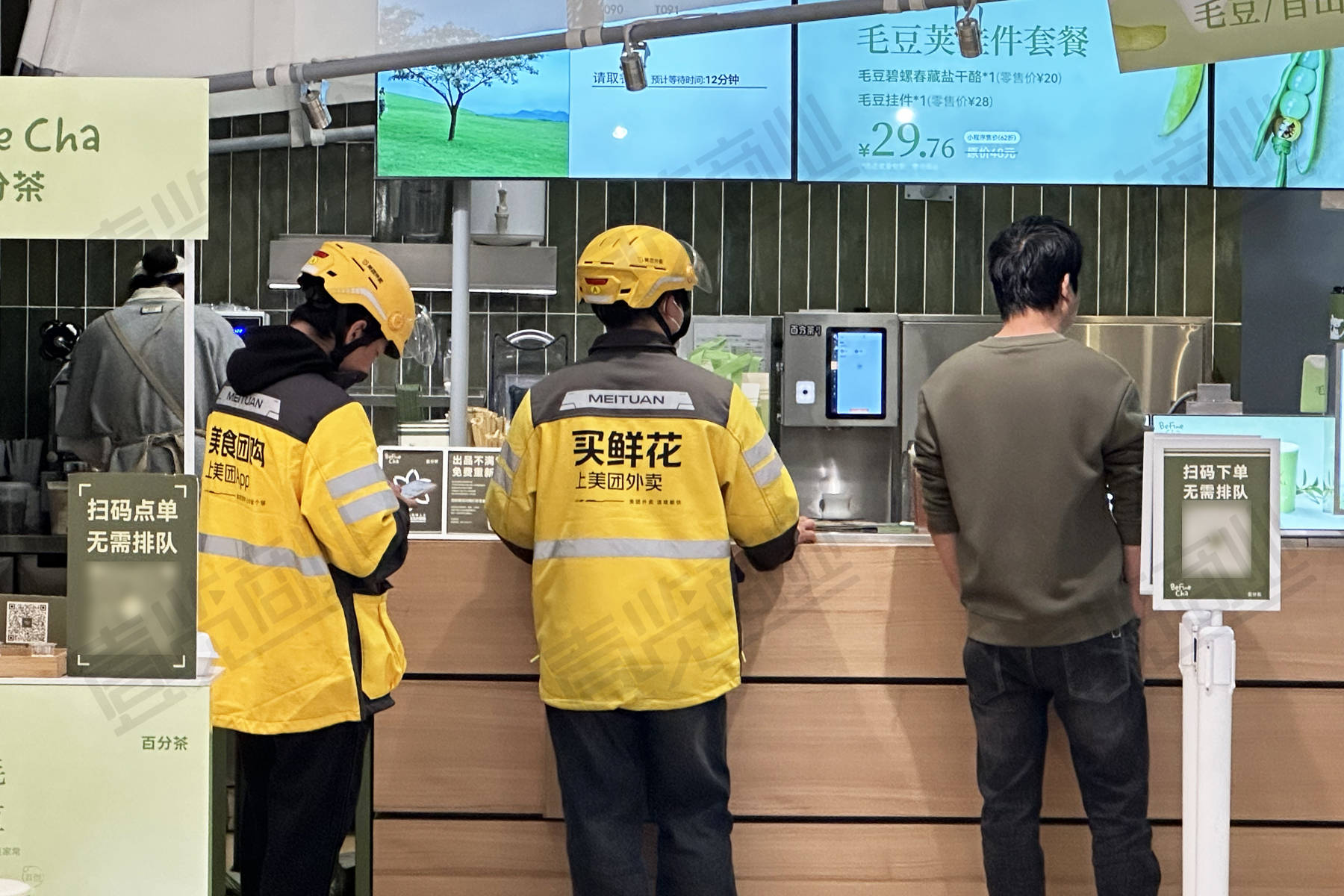
即时零售

Search documents
阿里下决心了,对中国电商进行大调整
Sou Hu Cai Jing· 2025-06-25 08:51
Core Viewpoint - Alibaba's strategic shift from an "e-commerce platform" to a "big consumption platform" is marked by the integration of Ele.me and Fliggy into its China e-commerce business group, aiming for deeper collaboration and resource allocation [2][5][12]. Group 1: Strategic Integration - The decision to merge Ele.me and Fliggy into the e-commerce group is seen as a decisive move to enhance Alibaba's competitive edge in the market [5][14]. - This integration is driven by the explosive growth of Taobao Flash Sales, which saw daily order volumes exceed 40 million shortly after launch, indicating significant potential for the "instant retail + e-commerce" model [4][6][8]. - The restructuring aligns with Alibaba's goal to create a "super app" that consolidates various services, enhancing user engagement and reducing customer acquisition costs [11][12]. Group 2: Market Performance - Taobao Flash Sales achieved a peak daily order volume of 60 million during the 618 shopping festival, showcasing its rapid growth and the potential to rival Ele.me [4][6]. - Ele.me has maintained its position as the second-largest player in the food delivery market, while Fliggy holds a significant share in the OTA market, indicating strong underlying business fundamentals [5][9]. - Fliggy's performance during the 618 event showed a 25% increase in transaction volume, with a 30% growth in user transactions, highlighting its robust market presence [9]. Group 3: Future Opportunities - The integration of Ele.me and Fliggy into Alibaba's ecosystem is expected to create new consumption scenarios, such as combining travel and shopping, thereby enhancing customer experience [10][12]. - The move is anticipated to open new growth avenues for merchants, allowing them to leverage Alibaba's integrated platform for faster delivery and increased visibility [13][14]. - Industry experts believe that this strategic adjustment will enable Alibaba to better meet diverse consumer needs across local life services, instant retail, and B2C e-commerce [12][16].



即时零售大爆发 电商大厂争抢卡位
Guang Zhou Ri Bao· 2025-06-25 06:47
Core Viewpoint - The instant retail sector is experiencing significant growth, with major players like Meituan, JD.com, and Alibaba ramping up their strategies to capture market share following the success of the 618 shopping festival, which highlighted the potential of instant retail as a new growth area for e-commerce [1][2][3]. Group 1: Company Strategies - Meituan announced a comprehensive expansion into instant retail, indicating that this retail format aligns better with current consumer demands and logistics infrastructure, aiming to transform the shopping experience from waiting for deliveries to receiving items within 30 minutes [2]. - JD.com has established a new channel division for hotels and restaurants, with its founder emphasizing that profitability in food delivery relies on supply chain efficiency rather than direct sales [2]. - Alibaba's CEO announced the merger of Ele.me and Fliggy into Alibaba's China e-commerce group, positioning it as a direct competitor to JD.com's new travel business [2]. Group 2: Market Performance - The 618 shopping festival marked the first significant participation of instant retail, with JD.com reporting over 25 million daily orders for its delivery service and a 150% year-on-year increase in online orders for JD Seven Fresh [3]. - Meituan revealed that over 100 million users engaged with its flash purchase service during the 618 period, with sales of over 60 product categories doubling compared to the previous year, particularly in high-ticket items [3]. - The consumer demographic for this year's 618 was predominantly younger generations, with a notable shift towards instant retail for high-demand products, as evidenced by the significant increase in night-time orders [3]. Group 3: Industry Insights - Experts suggest that while major companies are currently leading the instant retail charge, the future of this sector will depend on the quality of products offered rather than just platform capabilities [4]. - The shift in consumer habits from traditional e-commerce to instant retail indicates a growing preference for immediate gratification in shopping experiences, which could redefine retail strategies moving forward [4].

客户经理助力零售客户开启非烟商品经营新篇章
Zhong Guo Chan Ye Jing Ji Xin Xi Wang· 2025-06-25 03:04
Core Viewpoint - The core philosophy of "customer-centricity and co-creating value" is essential in the rapidly changing business environment, particularly for enhancing customer satisfaction and driving retail transformation in the context of product homogenization and the rise of online shopping platforms [1][2]. Group 1: Innovative Strategies for Retail Transformation - The company is focusing on creating a new model of "instant retail" to meet consumer demands for speed and convenience, encouraging clients to join major instant retail platforms and implement integrated management of products, orders, inventory, and pricing through digital systems [1][2]. - Emphasizing the importance of product diversity, the company assists clients in optimizing the non-tobacco product structure by introducing new products that meet market demands and enhancing inventory management to ensure rapid product iteration [2]. - The company is building a new ecosystem of "interactive marketing" by collaborating with banks, payment platforms, and brand merchants to create a series of online and offline marketing activities, such as discount coupons and promotional offers, to attract traffic and enhance customer purchasing intentions [2]. Group 2: Client Engagement and Training - The company focuses on updating clients' mindsets, guiding them to embrace changes and continuously learn in order to remain competitive in the evolving retail landscape, facilitating a shift from passive adaptation to proactive leadership in retail transformation [2][3]. - The theme activity "Letting Customers Be More Satisfied, We Are Acting" has opened new avenues for clients in non-tobacco product management and illuminated the path for exploring retail transformation [3].
不碰餐饮外卖,拼多多要直接杀入即时零售?
Sou Hu Cai Jing· 2025-06-25 01:18
Core Viewpoint - Pinduoduo's subsidiary, Duoduo Maicai, is entering the instant retail market to compete with established giants like JD, Taobao, and Meituan, with plans to launch its service in August [1][3]. Group 1: Market Context - The rise of instant retail is driven by modern urban lifestyles, with consumers increasingly demanding faster delivery times, making instant retail a mainstream shopping habit [3]. - Competitors like JD's "秒送" have established strong logistics networks, while Taobao and Meituan leverage their extensive ecosystems to expand service offerings [3]. Group 2: Strategic Intent - Pinduoduo's move into instant retail is a proactive strategy to defend its market share against the rapid growth of competitors, which could threaten its core offerings in staple goods [4]. - The shift towards instant retail is seen as both a defensive measure and a bid for future market leadership, as consumer preferences evolve towards speed [4]. Group 3: Challenges and Opportunities - Duoduo Maicai has a strong foundation in community group buying but faces challenges as this market matures, necessitating new growth avenues [6]. - Instant retail poses significant challenges to Pinduoduo's traditional logistics model, which relies on third-party logistics providers, as the industry demands near-instant delivery [7]. - To address these challenges, Duoduo Maicai plans to collaborate with third-party delivery platforms like Flash Delivery and SF Express to enhance its delivery efficiency [7]. Group 4: Future Outlook - The success of Duoduo Maicai in the instant retail space will depend on its ability to leverage its existing resources and partnerships to meet consumer demands for speed and service quality [9]. - The upcoming launch is expected to inject new energy into the e-commerce sector, intensifying competition and fostering innovation [9].


优选「刹车」,美团集中火力攻即时零售
雷峰网· 2025-06-25 00:29
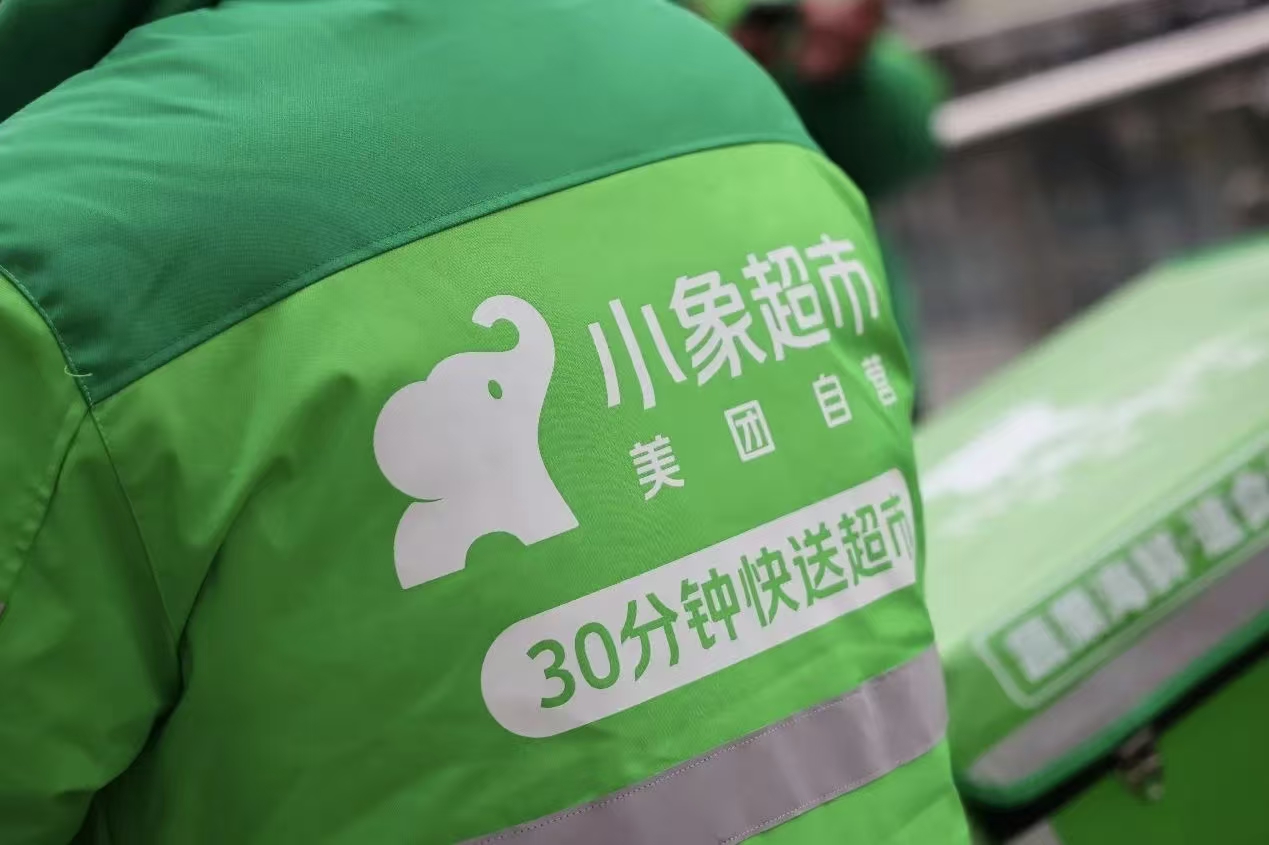
Core Viewpoint - Meituan has decided to accelerate the expansion of its Xiaoxiang Supermarket to all first- and second-tier cities, one year earlier than industry expectations, following a strategic adjustment in its community group buying business, Meituan Youxuan [1][6]. Group 1: Business Adjustment - On June 23, Meituan announced a comprehensive adjustment to its Meituan Youxuan business, pausing services in multiple provinces while retaining operations in select cities such as Huizhou, Dongguan, and Hangzhou [1][3]. - The internal email from Meituan indicated that there would be no layoffs, and the personnel from Youxuan would be reassigned to the "Fast Buy" system and Xiaoxiang Supermarket [3][4]. - Prior to the adjustment, Meituan Youxuan had a team of approximately 10,000 employees, down from a peak of over 20,000 [3][4]. Group 2: Financial Performance - The strategic shift aims to reduce losses, with Meituan Youxuan's quarterly operating loss decreasing to just over 1 billion yuan [3][4]. - Investors have shown support for the decision, emphasizing the importance of focusing on profitable business segments [4][6]. Group 3: Xiaoxiang Supermarket Expansion - Xiaoxiang Supermarket is set to cover all first- and second-tier cities, with nearly 1,000 front warehouses currently in operation [6][7]. - As of June 24, Xiaoxiang Supermarket has expanded to 21 cities, with plans to cover all coastal cities and high-quality new first-tier cities like Chongqing and Chengdu [6][7]. - The average daily order volume per warehouse is stable at around 3,000 orders, with larger warehouses reaching up to 6,000 orders [6][7]. Group 4: Product Strategy - Xiaoxiang Supermarket aims to enhance consumer engagement by diversifying product offerings, particularly increasing the proportion of seafood and frozen products due to their higher repurchase rates [7][8]. - The projected sales of agricultural products for Xiaoxiang Supermarket this year are expected to exceed 20 billion yuan [7][8]. Group 5: Market Positioning - Meituan's focus on Xiaoxiang Supermarket and Meituan Flash Purchase aligns with its core business strengths, providing a competitive edge in the ongoing food delivery market [6][7]. - Investors are willing to tolerate some losses during the expansion phase, as long as there is a clear growth trajectory for Xiaoxiang Supermarket [7][8].
淘宝闪购日订单破6000万,背后是中国消费万亿增量空间
雷峰网· 2025-06-24 12:55
Core Viewpoint - Alibaba is transitioning from an e-commerce platform to a comprehensive consumer platform, leveraging the rapid growth of Taobao Flash Sales and the integration of Ele.me and Fliggy to enhance consumer experience and drive new consumption growth [2][3][17]. Group 1: Market Dynamics - Taobao Flash Sales has seen a significant increase in daily orders, surpassing 60 million, with retail orders growing by 179% year-on-year, indicating strong consumer demand for a comprehensive consumption platform [2][5]. - The integration of Ele.me and Fliggy into Alibaba's China e-commerce group is a strategic move to enhance business synergy and meet evolving consumer needs [13][15]. - The Chinese instant retail market is projected to grow from 650 billion in 2023 to over 2 trillion by 2030, highlighting the untapped potential in consumer demand [5][7]. Group 2: Consumer Behavior - Younger consumers, particularly those aged 35 and below, represent 72% of instant retail users, indicating a shift towards convenience and immediate satisfaction in shopping habits [12]. - The demand for instant retail is driving brands to focus on this segment, with significant sales increases observed during promotional events like the "618" shopping festival [16]. Group 3: Business Integration and Synergy - The merger of Ele.me and Fliggy into Alibaba's ecosystem allows for a seamless consumer experience, enabling users to manage travel and dining needs within a single platform [15][16]. - Brands are increasingly leveraging instant retail to enhance their market presence, with notable sales growth in various sectors, including 3C electronics and fast-moving consumer goods [16][17]. - The integration is expected to lower operational costs for merchants through unified platform management and data sharing, enhancing overall efficiency [16].
美团优选后退,小象超市向前
Hua Er Jie Jian Wen· 2025-06-24 10:33
Core Viewpoint - The competition in the instant retail market has intensified, with major players like Meituan, Alibaba, and JD.com making strategic moves to capture market share and reshape the e-commerce landscape [2][3][8]. Group 1: Meituan's Strategic Moves - Meituan announced a significant expansion of its instant retail business, with its Xiaoxiang Supermarket set to cover all first- and second-tier cities [2]. - Concurrently, Meituan has decided to withdraw its Meituan Preferred service in several provinces, citing operational efficiency and strategic realignment [3][4]. - The company reported a substantial loss of 7.3 billion yuan in its new business segment, primarily attributed to the Meituan Preferred service, although losses have narrowed [3][8]. Group 2: Market Dynamics and Competition - The instant retail market is now characterized by a four-way competition involving Meituan, Alibaba, JD.com, and Pinduoduo, each adjusting their strategies to capture consumer demand [2][8]. - Meituan's focus on improving delivery efficiency through its rider network and flash warehouses is seen as a competitive advantage in this new retail landscape [7]. - The recent actions by Alibaba to integrate Ele.me and Fliggy into Taotian further emphasize the importance of instant retail in the overall e-commerce strategy [8][9]. Group 3: Consumer Behavior and Market Challenges - Consumers are likely to shift to other platforms like Pinduoduo for grocery needs due to higher prices at Xiaoxiang Supermarket compared to Meituan Preferred [5][6]. - The transition from Meituan Preferred to Xiaoxiang Supermarket may lead to user attrition, as consumers seek more cost-effective options [4][6]. - The evolving consumer preferences indicate that instant retail may not completely replace traditional e-commerce but will coexist, catering to different product categories [9].

腹背受敌,饿了么被动防守外卖战场,会师淘天加码即时零售尚存挑战
Zheng Quan Zhi Xing· 2025-06-24 06:09
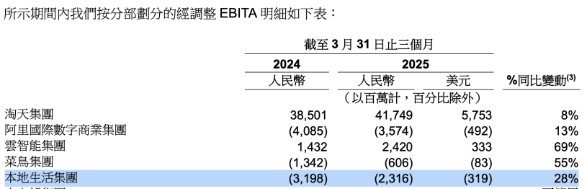
Core Viewpoint - Alibaba announced a significant organizational restructuring, merging Ele.me and Fliggy into its China e-commerce business group, in response to management issues highlighted by the investigation of former CEO Han Liu [1][2][3] Group 1: Organizational Changes - The restructuring aims to enhance information transparency and unify governance, addressing the governance gaps exposed by Han Liu's incident [3] - Ele.me and Fliggy will maintain a corporate management model but will align their business decisions with the centralized goals of the China e-commerce group [2][3] Group 2: Competitive Landscape - Ele.me faces intense competition from Meituan and JD.com, leading to aggressive strategies such as a 10 billion yuan subsidy plan and enhanced support for merchants [4][5] - Meituan maintains a dominant position in the food delivery market, with a market share of approximately 70%, while Ele.me struggles to diversify its consumer scenarios [5][6] Group 3: Financial Performance - Ele.me's local life group has not yet achieved profitability, with a revenue of 16.134 billion yuan in Q1 2025, reflecting a 10% year-on-year growth, but an adjusted EBITA loss of 2.316 billion yuan [6][7] - The financial pressures from large-scale subsidies have raised concerns about Ele.me's profitability [4][6] Group 4: Instant Retail Strategy - Ele.me is accelerating its instant retail business, collaborating with Taobao Flash Purchase to create a service model combining low prices and instant delivery [8][10] - The company plans to open 100,000 near-field brand flagship stores over the next three years, focusing on building a unique instant retail ecosystem [8] Group 5: Operational Challenges - Ele.me's delivery capabilities need improvement, particularly in its logistics network and algorithm scheduling, to compete effectively with Meituan's superior operational efficiency [9][10] - As of 2023, Ele.me has over 4 million active couriers, compared to Meituan's 7.45 million, impacting delivery quality and efficiency [9][10]
美团优选,多地停运
第一财经· 2025-06-24 03:56
Core Viewpoint - Meituan's community group buying business, Meituan Youxuan, has suspended operations in several regions due to a strategic transformation, indicating a shift in focus away from community group buying towards other business models [1][6][12]. Group 1: Business Suspension and Adjustment - Meituan confirmed the suspension of Meituan Youxuan's services in regions including Fujian, Hubei, Sichuan, Jiangsu, and Beijing, effective June 23 [1][6]. - The company aims to leverage its existing supply chain and logistics network to focus on advantageous areas and explore new retail models, such as "next-day delivery + self-pickup" [6][12]. - Internal communications revealed that the decision was made after discussions within the grocery retail management team, emphasizing a strategic upgrade and a commitment to not lay off any formal employees [6][12]. Group 2: Market Trends and Expert Opinions - Experts suggest that Meituan's adjustment reflects a broader trend of reducing reliance on intermediaries like "group leaders" and shifting towards a B2C e-commerce model [7][12]. - The community group buying sector has seen a decline in interest from major internet companies, with many platforms either shutting down or pivoting to other business models due to unsustainable losses [11][12]. - Meituan's financial reports indicate that losses in the community group buying segment have been increasing, with Q1 2021 losses reaching 8.04 billion yuan, a 489.9% year-on-year increase [11][12]. Group 3: Future Outlook - The company plans to improve its business model in 2024 to significantly reduce operational losses, focusing on increasing product markup rates and decreasing subsidies [12]. - The community group buying market is perceived to have limited growth potential, particularly as competition from live-streaming e-commerce has intensified [12]. - Instant retail is emerging as a more sustainable and profitable model, with companies like Meituan and JD.com investing heavily in this area [13].
美团优选18省关仓,战略重心转向即时零售
Sou Hu Cai Jing· 2025-06-24 03:04
Core Viewpoint - Meituan's preferential business has abruptly ceased operations in most regions, indicating a significant shift in strategy and a reevaluation of its community group buying model [2][17][18]. Business Operations - Meituan has closed warehouses nationwide, retaining operations only in a few cities such as Hangzhou, Foshan, Dongguan, and Huizhou [2][13]. - Suppliers have been instructed to retrieve their goods within 3 to 5 days, with compensation for transportation and perishable goods losses provided by Meituan [13][15]. Strategic Shift - The closure of Meituan's preferential business marks the end of its nationwide expansion efforts, as the company refocuses on optimizing its supply chain and resources in advantageous areas [17][18]. - Meituan has announced a pivot towards instant retail, aiming to enhance retail quality and efficiency [17][21]. Financial Performance - Meituan's new business segment has incurred substantial losses, with cumulative losses reaching 111.8 billion yuan from 2019 to 2024, with Meituan's preferential business being a major contributor [20]. - The company has shifted its strategic focus from expansion to loss reduction and efficiency improvement, indicating a decrease in subsidies for the preferential business [20]. Competitive Landscape - The community group buying model has faced challenges, including low profitability in fresh produce and competition from platforms like Pinduoduo, which has established a price advantage [19][20]. - Competitors such as Taobao and JD.com are rapidly expanding their instant retail and local services, increasing pressure on Meituan to adapt [21][23].