全国统一大市场

Search documents
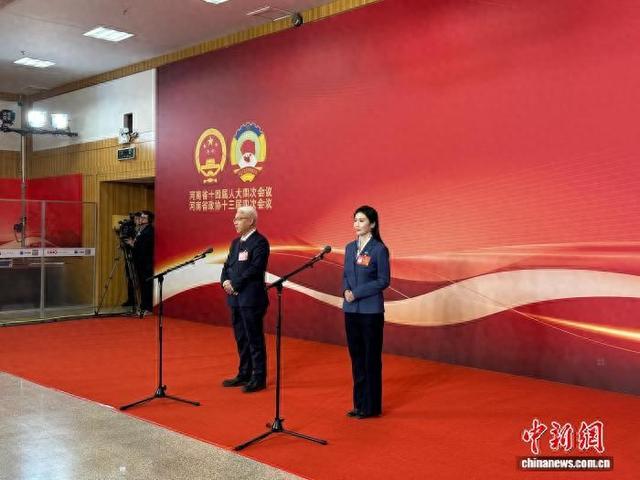
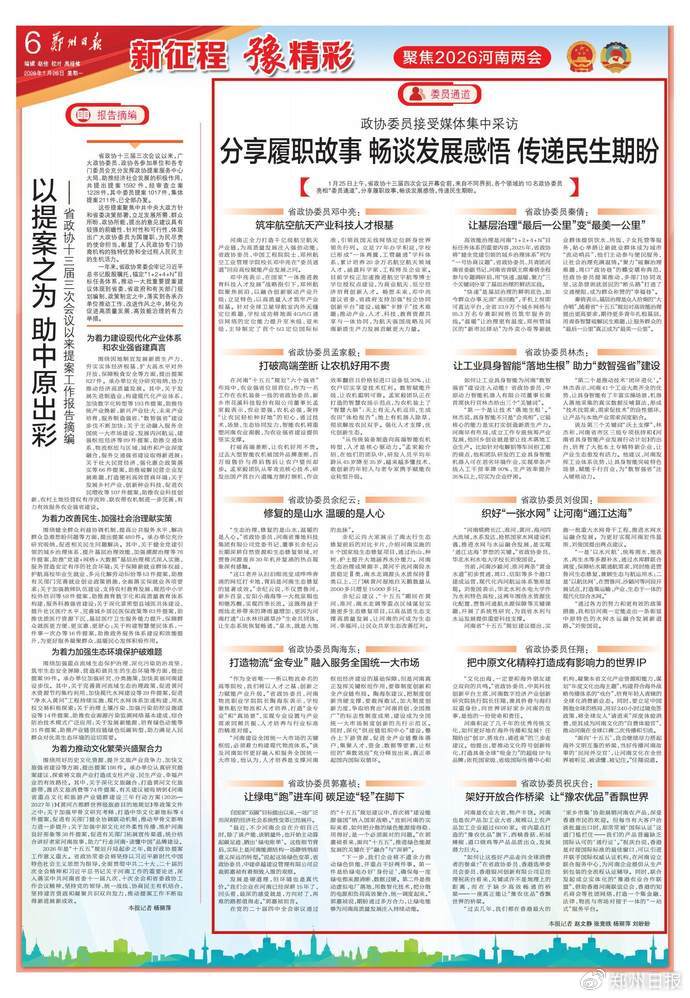
【聚焦2026河南两会】分享履职故事 畅谈发展感悟 传递民生期盼
Xin Lang Cai Jing· 2026-01-26 03:35
Group 1: Aerospace Industry - The Henan province is striving to build a trillion-level aerospace industry chain to inject strong momentum into high-quality development [1] - Zhengzhou University of Aeronautics focuses on integrating innovation to drive industrial upgrades and has developed the first international standard for 5G positioning, enhancing positioning capabilities to meter-level [2] - The university has trained over 200,000 talents in the aerospace field and is accelerating the establishment of doctoral programs in aerospace to cultivate innovative talents for commercial aerospace and low-altitude economy [2] Group 2: Agricultural Machinery - The agricultural sector is prioritized in Henan's "14th Five-Year Plan," emphasizing the importance of strong agricultural machinery for agricultural strength [3] - A domestic team has developed the first six-string baler, doubling operational efficiency and reducing costs by 30% compared to imported equipment [3] - The team is also creating smart farm demonstration sites, integrating technology such as drones and robots to enhance agricultural efficiency [3] Group 3: Ecological Restoration - Significant ecological restoration efforts in Henan have led to the revival of several water sources, showcasing the effectiveness of ecological governance [4][5] - Eight national-level ecological restoration projects have been implemented, improving water retention capabilities and stabilizing water quality in key rivers [5] - The proposal includes more ecological restoration projects during the "14th Five-Year Plan" to support high-quality development and enhance public welfare [5] Group 4: Logistics and Supply Chain - The establishment of a modern logistics system is crucial for Henan to serve as a key hub in the national unified market [6] - The logistics vocational college aims to align talent training with industry needs and promote institutional innovation to support the logistics sector [6] - Recommendations include enhancing supply chain organization and integrating resources to maximize the hub's multiplier effect [6] Group 5: Green Energy Transition - Companies in Henan are increasingly focusing on carbon footprints and green energy as part of their operational strategies [7][8] - The emphasis is on ensuring the traceability of green energy and implementing virtual power plants to optimize energy use [8] - The transition to green energy is seen as essential for sustainable development in the province [7] Group 6: Grassroots Governance - Efficient governance is a key focus in Henan's development strategy, with initiatives aimed at improving service delivery through technology [9][10] - The establishment of community service stations has enhanced support for new employment groups, fostering community engagement [10] - Collaborative efforts have successfully addressed local governance challenges, exemplified by the transformation of a problematic road into a community asset [10] Group 7: Intelligent Manufacturing - The integration of embodied intelligence in manufacturing is essential for advancing Henan's "smart province" initiative [11] - Development of intelligent robots has significantly improved production efficiency and reduced labor intervention in challenging environments [11] - The local industrial ecosystem is being strengthened through supportive policies and initiatives to foster innovation [11] Group 8: Water Network Development - Henan's extensive water system presents opportunities for integrating water network and transportation development [12] - Ongoing projects aim to enhance the navigability of key rivers and optimize water resource management [12] - Recommendations include coordinated water management strategies to support both ecological and transportation needs [12] Group 9: Cultural Promotion - The promotion of Henan's rich cultural heritage is seen as a strategic initiative to enhance its global presence [13][14] - Suggestions include creating impactful cultural IPs and leveraging international platforms for cultural exchange [14] - The goal is to foster a deeper understanding and appreciation of Henan's culture worldwide [14] Group 10: Agricultural Product Export - Henan's agricultural products have significant potential for international markets, but face challenges in meeting international certification standards [15] - Establishing a cooperative framework with Hong Kong for agricultural product certification could facilitate exports [15] - The proposal includes creating a comprehensive service platform to support local producers in navigating international markets [15]

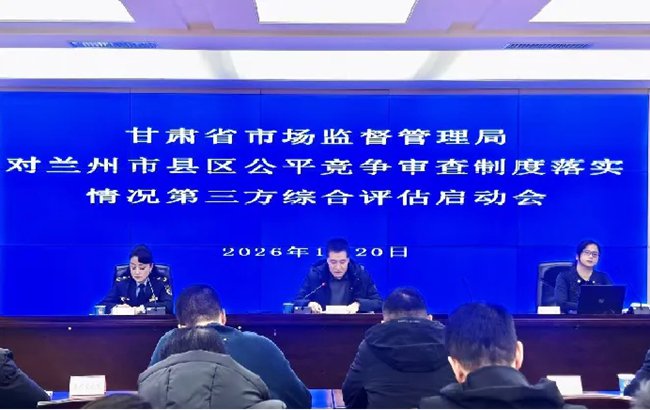
兰州市启动省级公平竞争审查第三方综合评估工作
Xin Lang Cai Jing· 2026-01-26 03:34
会议强调,公平竞争审查第三方评估工作是落实公平竞争审查制度的一项重要举措,全市各级各部门要 提高思想站位,充分认识开展第三方评估工作的重要意义,将综合评估作为自我体检、自我学习的宝贵 机会,提前做好各项准备;要坚持客观公正,如实提供评估材料,准确反映各县区公平竞争审查工作整 体情况;要加强沟通协调,稳步推进评估工作开展,积极配合第三方机构进行问卷调查、文件抽查和资 料审查,确保评估任务圆满完成。 下一步,兰州市将认真落实省级评估要求,全面梳理回顾各县区公平竞争审查工作成效和薄弱环节,积 极配合评估问题整改,指导各县区进一步完善审查机制,提高审查质量,推动审查工作实现常态化、规 1月20日,省市场监管局对兰州市县区公平竞争审查第三方综合评估启动会在兰州市市场监管局召开, 会议安排部署了年度评估工作,明确了评估方法步骤和具体要求,为顺利推进综合评估工作,有效提升 全市公平竞争审查工作整体质效提供了有力保障。 范化、专业化,为加快构建全国统一大市场,促进全市经济社会高质量发展作出新的更大贡献。(李 慧) 责任编辑:李靓 ...
向新向优的中国产业丨我国建成世界规模最大寄递网络
Ren Min Ri Bao· 2026-01-26 03:20
人民日报记者 韩鑫 北国大地,千里冰封;查干湖上,马蹄阵阵。 数九寒天,吉林查干湖冬捕现场,直播与快递齐上阵,助力"北鱼南飞"极速达。 这边,镜头对准冰面,传统渔猎的古老仪式、"冰湖腾鱼"的壮观景象,引得直播间粉丝连连惊叹; 那头,一辆辆冷链车、无人车列队待发,冰湖起网、锁鲜封装,产地直发叠加公铁空立体化运力, 助力鲜鱼最快次日早晨便能抵达北京、上海等地。 小小快递,连接城市乡村、联通线上线下,是推动资源双向流动、畅通经济循环的重要力量。 习近平总书记高度重视现代物流体系建设,强调"物流是实体经济的'筋络'",指出"要积极发展农村 电子商务和快递业务"。 战略定、方向明,更好连接生产消费、服务实体经济的使命更加清晰。 面对外部冲击和内需不足挑战,2025年,邮政快递业坚定动能向新、结构向优,行业发展稳中有 进,"筋络"作用更好发挥。 "大动脉"日益焕新。行业规模以上分拣中心基本实现自动化运营,无人机年运输量近400万件…… 2025年,关于加快邮政业科技发展的意见印发,全行业从劳动密集型快步转向技术密集型,综合运输组 合效率、信息化组织化程度、服务范围和性价比稳居世界前列。 "微循环"加速迭代。电子运单实现全 ...
国家发展改革委:综合整治“内卷式”竞争,实现从卷价格向优价值转变
中国有色金属工业协会硅业分会· 2026-01-26 01:20
一是要坚持把宏观政策的发力点放在做强国内大循环上,全方位扩大国内需求。重点是要适应需求 升级的趋势,结合新一轮科技革命和产业变革的需要,研究制定出台2026—2030年扩大内需战略 实施方案,为以新需求引领新供给、以新供给创造新需求提供强有力的创新举措和要素保障,努力 实现供需互促、循环升级。 二是坚持把发展经济的着力点放在实体经济上,加快构建现代化产业体系。实体经济是我国经济发 展的根基,要适应产业转型升级的需要,通过创新不断催生新的供给,催生新的就业岗位。坚持智 能化、绿色化、融合化方向,推动重点产业提质升级,大力培育壮大新兴产业和未来产业,深入开 展"人工智能+"行动。要发挥好国家创业投资基金行业标杆作用,研究设立国家级并购基金,加强 政府投资基金布局规划和投向指导,促进创新创业创造,加快培育和发展新质生产力。 三是坚持把市场运行的调控点放在纵深推进全国统一大市场建设上,充分激发市场活力。重点是要 综合整治"内卷式"竞争,实现从卷价格向优价值转变。要完善市场准入、公平竞争、产能退出等机 制,加强产能调控,积极化解供大于求的阶段性矛盾。进一步细化地方招商引资鼓励和禁止事项边 界,规范地方经济促进行为。加强 ...
我国建成世界规模最大寄递网络
Ren Min Ri Bao· 2026-01-26 01:10
连接生产消费 服务实体经济 我国建成世界规模最大寄递网络(向新向优的中国产业) 北国大地,千里冰封;查干湖上,马蹄阵阵。 数九寒天,吉林查干湖冬捕现场,直播与快递齐上阵,助力"北鱼南飞"极速达。 那头,一辆辆冷链车、无人车列队待发,冰湖起网、锁鲜封装,产地直发叠加公铁空立体化运力,助力 鲜鱼最快次日早晨便能抵达北京、上海等地。 小小快递,连接城市乡村、联通线上线下,是推动资源双向流动、畅通经济循环的重要力量。 习近平总书记高度重视现代物流体系建设,强调"物流是实体经济的'筋络'",指出"要积极发展农村电子 商务和快递业务"。 战略定、方向明,更好连接生产消费、服务实体经济的使命更加清晰。 面对外部冲击和内需不足挑战,2025年,邮政快递业坚定动能向新、结构向优,行业发展稳中有 进,"筋络"作用更好发挥。 这边,镜头对准冰面,传统渔猎的古老仪式、"冰湖腾鱼"的壮观景象,引得直播间粉丝连连惊叹; "强筋",以新技术助力"提高经济运行效率"。 "用新'国补'买新平板电脑,实惠得很。"今年1月10日10时,四川成都市民李莉点击下单,10多公里 外,京东物流的一场智能配送由此开启—— 智能仓库内,飞梯机器人、搬运机器人 ...
我国建成世界规模最大寄递网络(向新向优的中国产业)
Ren Min Ri Bao· 2026-01-25 23:03
数九寒天,吉林查干湖冬捕现场,直播与快递齐上阵,助力"北鱼南飞"极速达。 这边,镜头对准冰面,传统渔猎的古老仪式、"冰湖腾鱼"的壮观景象,引得直播间粉丝连连惊叹; 那头,一辆辆冷链车、无人车列队待发,冰湖起网、锁鲜封装,产地直发叠加公铁空立体化运力,助力 鲜鱼最快次日早晨便能抵达北京、上海等地。 小小快递,连接城市乡村、联通线上线下,是推动资源双向流动、畅通经济循环的重要力量。 北国大地,千里冰封;查干湖上,马蹄阵阵。 "微循环"加速迭代。电子运单实现全覆盖,干线车辆北斗卫星导航系统安装率超95%,云计算、大模型 在需求预测、智能仓管、智能调度、路径规划等多个场景广泛应用……新一代信息技术在收、转、运、 派各个环节发力显效,投递效率和妥投率持续提高,用户满意度逐年提升。 如今,这张日新月异的快递网络,日复一日承载着大规模、高频次、广地域的实物流通,支撑2025年中 国快递业务量达到近2000亿件新高度。 习近平总书记高度重视现代物流体系建设,强调"物流是实体经济的'筋络'",指出"要积极发展农村电子 商务和快递业务"。 战略定、方向明,更好连接生产消费、服务实体经济的使命更加清晰。 面对外部冲击和内需不足挑战 ...


连接生产消费 服务实体经济 我国建成世界规模最大寄递网络(向新向优的中国产业)
Ren Min Ri Bao· 2026-01-25 22:51
这边,镜头对准冰面,传统渔猎的古老仪式、"冰湖腾鱼"的壮观景象,引得直播间粉丝连连惊叹; 那头,一辆辆冷链车、无人车列队待发,冰湖起网、锁鲜封装,产地直发叠加公铁空立体化运力,助力 鲜鱼最快次日早晨便能抵达北京、上海等地。 小小快递,连接城市乡村、联通线上线下,是推动资源双向流动、畅通经济循环的重要力量。 北国大地,千里冰封;查干湖上,马蹄阵阵。 数九寒天,吉林查干湖冬捕现场,直播与快递齐上阵,助力"北鱼南飞"极速达。 习近平总书记高度重视现代物流体系建设,强调"物流是实体经济的'筋络'",指出"要积极发展农村电子 商务和快递业务"。 战略定、方向明,更好连接生产消费、服务实体经济的使命更加清晰。 面对外部冲击和内需不足挑战,2025年,邮政快递业坚定动能向新、结构向优,行业发展稳中有 进,"筋络"作用更好发挥。 "强筋",以新技术助力"提高经济运行效率"。 "用新'国补'买新平板电脑,实惠得很。"今年1月10日10时,四川成都市民李莉点击下单,10多公里 外,京东物流的一场智能配送由此开启—— 智能仓库内,飞梯机器人、搬运机器人在货架间来回穿梭、精准拣选;打包完成后,包裹流向自动分拣 系统,称重、扫描、集包 ...
GDP增长目标为何定在5%左右?
Xin Lang Cai Jing· 2026-01-25 19:17
Core Viewpoint - The government work report by Mayor Yin Yong outlines a "task list" for 2026, setting a GDP growth target of around 5% and a public budget revenue growth of approximately 4%, while aiming to keep the urban unemployment rate below 5% [1][2]. Economic Growth Targets - The 5% GDP growth target is crucial for the start of the 14th Five-Year Plan, reflecting the need to balance "necessity" and "possibility" in economic development [1]. - Achieving an average economic growth rate of around 4.5% over the next decade is projected to double the economic output by 2035, making the 5% target a strategic move to avoid future pressures [1]. Responsibilities and Support Conditions - The growth target aligns with Beijing's responsibilities as the capital, aiming to lead in the journey towards the second centenary goal, having already established a moderately prosperous society [2]. - The economic scale is expected to surpass 5 trillion yuan by 2025, providing a quantitative foundation for the 5% growth target, supported by advancements in new production capabilities and traditional industry upgrades [2]. Artificial Intelligence Industry Growth - By 2025, the core AI industry in Beijing is projected to reach a scale of 450 billion yuan, with over 2,500 AI companies and 209 registered large models [3]. - The integration of AI in various sectors, including tourism and healthcare, is expected to enhance service quality and operational efficiency [3]. Policy Support and Innovation - A series of policies will support the 5% growth target, focusing on enhancing technological innovation, improving talent circulation, and boosting the transformation of scientific achievements [4]. - The report emphasizes the importance of combining investment in physical and human resources to unlock economic potential and address external challenges [4].
挖掘经济潜能系列一:纵深推进全国统一大市场建设的方向、举措、效果推演
East Money Securities· 2026-01-25 13:30
Group 1: National Unified Market Construction - The construction of a national unified market has been elevated to a core economic strategy, emphasizing the need to eliminate market barriers and facilitate economic circulation[8] - The central economic work conference in 2025 highlighted the importance of deepening the construction of a unified market, marking a transition from framework establishment to systematic implementation[9] - The construction process has seen significant progress, with improvements in property rights protection, market access, fair competition, and social credit systems[9] Group 2: Key Areas and Policies - The modern service industry is expected to be a crucial driver in the unified market construction, with coastal regions likely to be the first to pilot reforms[1] - Tax incentives and government subsidies have been adjusted, primarily affecting key industries such as electronics, automotive, and pharmaceuticals, which may accelerate industry restructuring[1] - The establishment of a unified market will require reforms in the fiscal and tax systems, as well as optimization of local performance evaluation systems[1] Group 3: Economic Impact and Participation - The participation of different provinces in the unified market varies significantly, with coastal provinces showing higher engagement levels[1] - The share of external factors in total inputs is over 50% for resource-related and some high-tech manufacturing industries, indicating smoother domestic flow of factors[14] - Service industries show lower external factor input ratios, with public administration, accommodation, and comprehensive technical services at 7.23%, 11.54%, and 11.99% respectively, suggesting potential bottlenecks in factor circulation[14]
种地、胡辣汤、外卖小哥,透过河南两会“委员通道”看未来
Xin Lang Cai Jing· 2026-01-25 11:03
Core Insights - The article discusses the key topics addressed by Henan Provincial Political Consultative Conference members during the 2026 Two Sessions, focusing on high-quality development in Henan province, including artificial intelligence, ecological restoration, and urban governance. Group 1: Urban Governance and Community Support - The establishment of "small new gas stations" in Zhengzhou serves delivery workers, addressing their needs for meals, childcare, and charging stations, highlighting a community-focused governance approach [2] - Delivery workers are becoming "warm-hearted transmitters," actively participating in urban governance by reporting issues and contributing to community well-being [2] Group 2: Agricultural Innovation - The use of drones in agriculture allows farmers to receive detailed "health reports" on their fields, improving efficiency in resource management [2] - Henan's grain production has consistently exceeded 130 billion jin for nine consecutive years, supported by the construction and enhancement of high-standard farmland [2] - The digital economy in Henan is projected to exceed 2 trillion yuan during the 14th Five-Year Plan, contributing over 50% to GDP growth [4] Group 3: Logistics and Market Integration - Henan is positioning itself as a key hub in the national unified market, emphasizing the development of a modern logistics system to enhance domestic and international trade [6] - Recommendations include strengthening supply chain organization and implementing water network projects to support market integration [6] Group 4: Cultural Export and Global Engagement - The popularity of Henan's cultural products, such as Hu La Tang, in international markets exemplifies the province's efforts in cultural export and global engagement [7] - Suggestions include leveraging successful international IP models to transform local cultural symbols into globally appealing brands [7] - Collaboration with international certification bodies is recommended to facilitate the export of Henan's agricultural products, ensuring compliance with global standards [7]