双碳战略

Search documents
雪迪龙2026年1月23日涨停分析:碳监测业务+业绩增长+产业基地建设
Xin Lang Cai Jing· 2026-01-23 02:26
Core Viewpoint - Xuedilong (SZ002658) reached its daily limit on January 23, 2026, with a price of 10.74 yuan, marking a 10.04% increase and a total market capitalization of 6.828 billion yuan [1] Group 1: Company Performance - Xuedilong's Q3 report showed impressive performance, with a net profit attributable to shareholders reaching 53.396 million yuan, a year-on-year increase of 101.69%, indicating significant improvement in profitability [2] - The company improved its capital efficiency by utilizing 1.29 billion yuan of idle funds for cash management, and its operating cash flow improved to 155 million yuan, a year-on-year increase of 8.77%, enhancing its collection capability [2] Group 2: Business Focus and Growth Potential - Xuedilong focuses on environmental monitoring and carbon measurement, having acquired 14,273 square meters of industrial land in Beijing's Changping District for the construction of an innovation industrial base, aligning with the national "dual carbon" strategy and indicating substantial long-term growth potential [2] - The company's subsidiary products are used for helium purity and impurity analysis, with some nuclear fusion devices utilizing helium as a cooling medium, and the subsidiary has already achieved commercialization in this field [2] Group 3: Market Trends and Technical Analysis - The environmental protection sector has gained attention due to policy expectations and market interest, contributing to a positive performance in the sector [2] - Technical analysis suggests that the stock's daily limit may help it break through short-term resistance levels, attracting more investor interest [2]

双良节能2026年1月23日涨停分析:新能源转型+海外订单+技术优势
Xin Lang Cai Jing· 2026-01-23 02:07
Core Viewpoint - Shuangliang Energy (stock code: sh600481) reached its daily limit with a price of 7.55 yuan, marking a 9.94% increase and a total market capitalization of 14.709 billion yuan, driven by strategic shifts towards renewable energy and significant overseas orders [1][2]. Group 1 - The company is undergoing a strategic transformation focusing on green hydrogen production and zero-carbon factories, aligning with national dual carbon strategy [2]. - Shuangliang Energy holds over 300 patents and possesses technological advantages in areas such as electrolyzers and high-temperature heat pumps, enhancing its competitive position in the renewable energy market [2]. - The company secured a significant overseas order worth 119 million USD from Kazakhstan, increasing its overseas revenue share [2]. Group 2 - The operating cash flow for Q3 2025 improved significantly, showing a year-on-year increase of 262.63%, while the futures hedging business effectively mitigated raw material price volatility risks [2]. - The recent favorable policies and market attention towards the renewable equipment sector have led to increased activity in related stocks, creating a sector-wide momentum [2]. - Technical indicators for the stock show a bullish trend, with short-term moving averages in a positive alignment and the MACD indicator forming a golden cross, attracting further capital inflow [2].

冰雪经济成消费增长新动能 京东政企业务以全链路服务助推冰雪产业高质量发展
Zhong Jin Zai Xian· 2026-01-23 01:29
Core Viewpoint - Meijin Energy (000723) is positioned as a leader in the domestic coking industry and a benchmark for energy transition, focusing on a "coal-coke-gas-hydrogen" circular economy system to support its "dual carbon" strategy [1] Group 1: Low Carbon Parks and Technological Empowerment - Meijin Energy has strategically established 9 specialized industrial parks across the country, including 3 chemical parks focused on circular transformation and 6 hydrogen energy parks demonstrating a full chain approach [2] - The Meijin Huasheng Chemical Park has invested 300 million yuan in intelligent upgrades to dry quenching coke ovens, achieving annual water savings of 1.5 million tons and reducing wastewater treatment costs by over 50 million yuan [2] Group 2: Differentiated Industrial Chain Advantages - The Meijin Energy (Qingdao) Hydrogen Energy Technology Park is a leading facility for hydrogen energy commercial vehicle manufacturing, supporting the zero-carbon logistics for port operations [3] - The Guizhou "Coal-Coke-Hydrogen Comprehensive Utilization Demonstration Project" is expected to generate an annual output value of 20 billion yuan, transforming coal resources from "single use" to "full value development" [3] Group 3: Zero Carbon Logistics - Meijin Energy is developing a zero-carbon logistics corridor using hydrogen-powered heavy trucks, with the first large-scale project in Liuzhi expected to replace 2,268 tons of diesel annually and reduce CO2 emissions by 12,000 tons [4] - The company has promoted nearly 4,000 hydrogen fuel cell vehicles across various logistics scenarios, achieving a cumulative CO2 reduction of over 220,000 tons [5] Group 4: Collaborative Zero Carbon Industry Community - Meijin Energy is building a zero-carbon headquarters base in Qingxu, focusing on hydrogen energy and high-end equipment manufacturing, with plans for a carbon asset management and green finance support platform [6] - The company is expanding its collaborative model across regions, including the establishment of a carbon paper R&D center in Beijing to support the hydrogen energy industry chain [6][7] Group 5: Industry Transformation and Standard Setting - Meijin Energy's approach combines traditional industrial advantages with new growth areas in hydrogen and zero-carbon industries, providing a viable solution for traditional industries to achieve dual carbon goals [7]

西安高新区核电软密封项目开工 总投资5.3亿元
Jin Rong Jie· 2026-01-22 14:02
总投资5.3亿元的 核电站软密封系列产品研发生产基地项目在西安高新区草堂科技产业园开工建设。这 不仅是陕西特种橡胶积极服务国家"双碳"战略、保障核电运行安全,科技成果产业化的重要里程碑,更 是西安高新区聚力服务西安区域科技创新中心建设、推动自主创新核电装备部件国产化的又一务实成 果。 ...
南网能源:公司聚焦工业节能和建筑节能两大业务基本盘
Zheng Quan Ri Bao Zhi Sheng· 2026-01-22 12:08
Group 1 - The company focuses on industrial energy conservation and building energy conservation as its core business areas [1] - The company is actively seizing opportunities from the "dual carbon" strategy to accelerate its strategic transformation [1] - The company aims to expand into "multi-energy collaboration + high-end services" while optimizing its investment strategy [1] Group 2 - The company is implementing key special tasks such as "service doubling" and "energy conservation doubling" [1] - The company is conducting comprehensive management of inefficient projects to enhance risk prevention capabilities [1] - The company is strengthening technological innovation to build core competitive advantages and promote sustainable, high-quality development [1]
上海和辉光电股份有限公司--打造绿色产品,践行低碳发展
Xin Lang Cai Jing· 2026-01-22 05:49
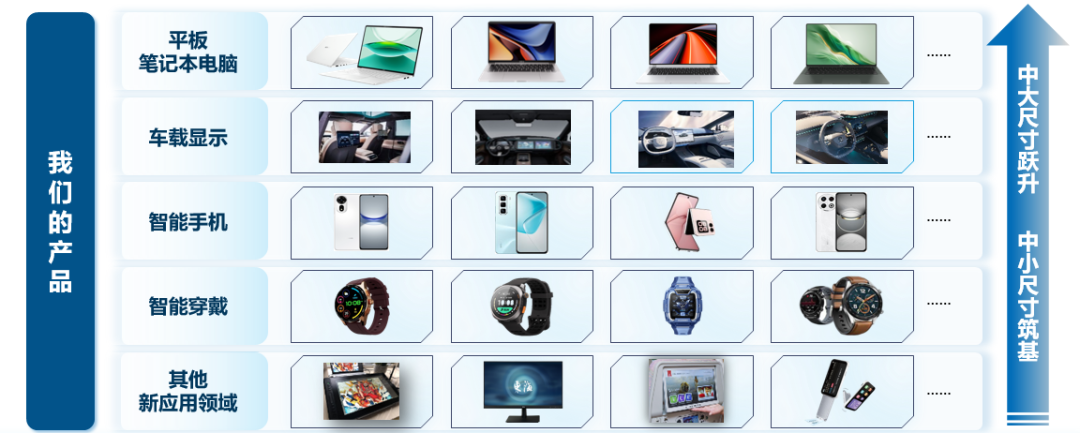
Core Viewpoint - The company, Hehui Optoelectronics, is a leading player in the AMOLED display panel industry, focusing on green development and sustainability initiatives in line with national carbon neutrality goals. Group 1: Company Overview - Hehui Optoelectronics was established in October 2012 with a registered capital of 13.809 billion yuan, specializing in high-resolution AMOLED semiconductor display panels [2] - The company is recognized as a pioneer in the large and medium-sized AMOLED display market in China, achieving mass production with modern factories [2] - It ranks second globally and first in China for large and medium-sized AMOLED display panel manufacturing, holding a 73.3% market share in the tablet and laptop application sector [2] Group 2: Green Development Initiatives - Hehui Optoelectronics actively responds to national carbon neutrality strategies, establishing a robust ESG governance framework and achieving multiple green certifications [4][6] - The company has been recognized as a national-level green factory and has received various awards for its ESG practices, including being named an "ESG Pioneer" [4][6] Group 3: Green Product Development - AMOLED technology is highlighted for its energy efficiency, with power consumption reduced to 60% of traditional LCDs and a significant reduction in harmful blue light emissions [7] - The company has developed numerous high-end AMOLED products, focusing on low power consumption and health benefits, achieving a 30% reduction in power consumption and extending product lifespan by over 300% [7][8] Group 4: Green Management Mechanisms - Hehui Optoelectronics has established a comprehensive green low-carbon development mechanism, including energy management and carbon emission reduction targets [10] - The company has implemented various management documents and systems to ensure compliance with green development goals, achieving multiple certifications [10] Group 5: Green Culture and Community Engagement - The company promotes a green culture among employees, engaging in activities such as tree planting and encouraging eco-friendly commuting options [13] - It has implemented waste management systems that significantly reduce emissions and promote recycling [13] Group 6: Green Supply Chain Strategy - Hehui Optoelectronics has developed a green supply chain strategy that encompasses the entire product lifecycle, from design to disposal, to enhance resource efficiency and reduce environmental impact [14] Group 7: Innovation and Smart Manufacturing - The company integrates digital, intelligent, and green technologies into its manufacturing processes, achieving significant improvements in efficiency and quality control [20] - It has established a digital twin factory model, enhancing production management and reducing labor requirements [20] Group 8: Energy Efficiency and Carbon Reduction - Hehui Optoelectronics has implemented various energy-saving measures, resulting in significant reductions in electricity consumption and carbon emissions over the years [24] - The company has optimized its production processes to minimize the use of organic materials, leading to substantial cost savings and lower carbon emissions [26] Group 9: Resource Recycling and Circular Economy - The company has made strides in recycling and reusing industrial waste, achieving high rates of resource recovery and reducing overall waste generation [28][32] - It has established systems for the recycling of process materials and wastewater, significantly enhancing water resource utilization [30] Group 10: Renewable Energy Initiatives - Hehui Optoelectronics is expanding its use of renewable energy, including the construction of a large rooftop solar power station that contributes to its energy needs [34] - The company has implemented heat recovery systems to optimize energy use and reduce reliance on traditional energy sources [36]


国亮新材登陆北交所 耐火材料“小巨人”借力资本市场
Zheng Quan Ri Bao· 2026-01-22 05:06
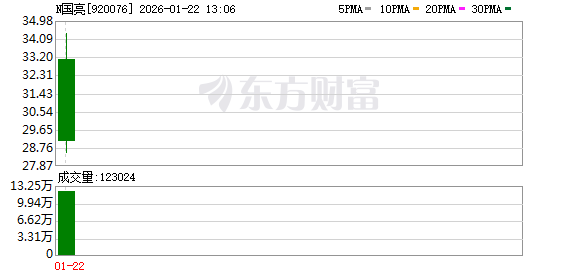
Core Viewpoint - Guoliang New Materials Co., Ltd. officially listed on the Beijing Stock Exchange on January 22, 2026, marking a significant entry of a key player in the refractory materials industry into the capital market [2] Group 1: Company Overview - Guoliang New Materials, established in 2002, specializes in high-temperature industrial refractory materials and provides comprehensive solutions for industries such as steel and cement [3] - The company reported revenues of 937 million yuan, 984 million yuan, and 905 million yuan for the years 2022, 2023, and 2024 respectively, with net profits of 40.37 million yuan, 83.80 million yuan, and 70.96 million yuan during the same period [3] - In the first half of 2025, the company achieved a revenue of 511 million yuan and a net profit of 41.50 million yuan [3] Group 2: Research and Development - Guoliang New Materials has invested significantly in R&D, with expenditures of 43.50 million yuan, 48.86 million yuan, and 44.83 million yuan from 2022 to 2024, totaling over 150 million yuan [3] - The company employs 105 R&D personnel, including 11 senior engineers and 1 chief engineer, and holds 33 invention patents and 52 utility model patents [4] Group 3: Industry Trends - The refractory materials industry is evolving from a perception of being "high energy consumption and low technology" to a more technology-intensive sector due to the steel industry's shift towards larger and smarter operations [4] - Key trends include the development of long-lasting, energy-efficient, and functional products, a shift from single product sales to comprehensive solutions, and a focus on green manufacturing and circular economy [4] Group 4: Fundraising and Future Plans - Guoliang New Materials plans to raise approximately 175 million yuan through its listing, focusing on projects such as technological upgrades for production lines and the establishment of a production line for recycled materials [6] - The company aims to enhance its production capacity and efficiency through automation and reduce reliance on suppliers for raw materials [6] - The listing is expected to strengthen the company's financial position, enhance brand influence, and improve governance and operational efficiency for sustainable growth [6]
签约!糖能科技×江南大学强强联合,解锁生物基材料食品应用新赛道!
synbio新材料· 2026-01-22 03:40
Group 1 - The core viewpoint of the article highlights the collaboration between Zhejiang Sugar Energy Technology Co., Ltd. and Jiangnan University to establish a joint innovation center focused on biobased materials in the food application sector [1][3] - The joint innovation center aims to develop and transform green antibacterial products and functional health foods, centering on food-grade 5-hydroxymethylfurfural (5-HMF) [3] - The center will operate under a "dual-base, co-management" model, ensuring seamless integration of research and industrialization, with Sugar Energy providing funding and high-quality raw materials while Jiangnan University manages technical research and daily operations [3] Group 2 - The construction of Sugar Energy's 10,000-ton 5-HMF production project is set to be completed by December 29, 2025, with production expected to start in June 2026 [4] - The chairman of Sugar Energy stated that this project represents a significant leap towards the industrialization of the company's core technological achievements and aligns with the national "dual carbon" strategy [4] - Founded in 2017, Zhejiang Sugar Energy Technology Co., Ltd. is a national high-tech enterprise focused on the design, development, production, and application promotion of biobased new materials, particularly 5-HMF and its derivatives [4]

杭州机场高铁迎来关键进展
Mei Ri Shang Bao· 2026-01-22 02:50
Core Insights - The Hangzhou Airport High-Speed Railway has made significant progress with the successful completion of the Qiantang River shield tunnel and the basic completion of the north and south cover structures of the new station building [1][2] - This railway project, part of Hangzhou's new railway hub layout, spans approximately 85 kilometers and connects the cities of Jiaxing, Hangzhou, and Shaoxing, featuring new stations and upgrades to existing ones [1][2] Group 1 - The Qiantang River shield tunnel, a critical component of the project, measures 5,328 meters in length, with a shield section of 3,704 meters, designed for a maximum speed of 350 kilometers per hour [1] - The Hangzhou Qiantang Hub, the largest new station building in the project, has a scale of 280,000 square meters and is designed with the concept of "Sailing on the River and Standing at the Tide" [1] Group 2 - The project aligns with the national "dual carbon" strategy, aiming for a "zero carbon hub" and adhering to green building standards [2] - The construction of the Haining Guanchao Station has commenced, designed to integrate with the existing Hangzhou-Hai City Railway, enhancing regional development [2] - The Hangzhou Airport High-Speed Railway is expected to significantly improve the efficiency of seamless air-rail transfers, boosting the overall capability of Hangzhou's transportation hub and contributing to the integrated development of the Yangtze River Delta [2]
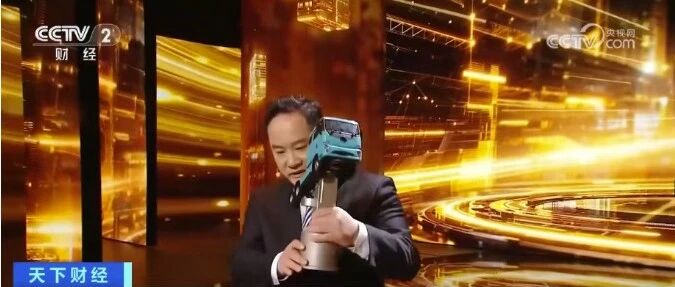
三一重卡入选央视2025新质生产力年度案例!梁林河董事长登台演讲 | 头条
第一商用车网· 2026-01-22 01:30
Core Viewpoint - The article highlights the recognition of SANY's new energy heavy trucks at the "2025 New Quality Productivity Annual Ceremony," emphasizing the company's leadership in low-carbon logistics and the national focus on green logistics innovation [1][9]. Group 1: Company Achievements - SANY's new energy heavy truck was selected as one of the "2025 New Quality Productivity Annual Cases," showcasing its innovative breakthroughs in the low-carbon logistics sector [1]. - SANY's electric heavy trucks can enhance customer efficiency by 50% and significantly reduce operational costs, demonstrating the disruptive value brought by new quality productivity [5]. - The SANY Mota 1165 pure electric heavy truck set a Guinness World Record with a range of 817.5 kilometers, leading the global market in technical strength [7]. Group 2: Strategic Initiatives - SANY is aligning with the national "dual carbon" strategy and its own "three transformations" strategy, focusing on the research and development of pure electric heavy trucks [7]. - The company has maintained its position as the domestic sales champion for four consecutive years (2021-2024) and has been the first to enter overseas markets such as the UAE and Indonesia with its new energy heavy trucks [7]. Group 3: Industry Context - The ceremony featured three main chapters: "Transformation·Renewal," "Acceleration·Pursuit of New," and "Breaking Walls·Exploration of New," which collectively illustrate the vibrant vitality and strong potential of the Chinese economy through new development concepts [9]. - The inclusion of SANY's heavy trucks serves as a vivid example of how the manufacturing industry can drive high-quality development through green innovation [9].