国产替代

Search documents
霍尔木兹海峡封锁下的行业影响
2026-03-09 05:18
Summary of Conference Call Records Industry and Company Involved - **Industry**: Global Oil Supply, Aluminum, Semiconductor, AI Investment, Robotics, Aerospace - **Key Focus**: Impact of the Hormuz Strait blockade on various sectors, including oil, aluminum, and semiconductor industries Core Points and Arguments Oil Market Dynamics - The blockade of the Hormuz Strait has resulted in a daily loss of over **15 million barrels** in global oil supply, leading to a significant increase in oil prices, with the TD3C shipping rate reaching a historical high of **$486,000 per day** [1][32] - Current oil price increases are similar to those seen during the 2022 Russia-Ukraine conflict, with prices rising by **30%-40%** [5] - The likelihood of a complete closure of the Strait is low; instead, a "partial blockade" is expected, which would have severe implications for global supply chains [5] - The oil market is currently driven by geopolitical factors, with prices expected to fluctuate significantly due to ongoing tensions [26] Aluminum Industry Impact - The aluminum sector is expected to benefit from the blockade due to disruptions in Middle Eastern supply, which accounts for **10%** of global aluminum production [1][21] - The price of aluminum is projected to exceed **30,000 yuan/ton**, driven by supply chain disruptions and rising energy costs in Europe [25] - The production of aluminum is highly dependent on continuous energy supply, and any disruption could lead to significant production risks [21] Semiconductor Industry Challenges - The semiconductor industry, particularly in Japan and South Korea, faces increased production costs due to high energy dependence on the Middle East [1][16] - The blockade could lead to a rise in semiconductor manufacturing costs and potential shortages, as energy prices and raw material costs increase [16][18] - China's semiconductor industry is expected to be less affected due to its diversified energy supply and lower reliance on Middle Eastern oil [20] AI and Technology Investments - AI investment is projected to remain stable, with North American computing power investments expected to reach **$600 billion** by 2025 and **$1 trillion** by 2026 [1][11] - Geopolitical tensions may cause slight disruptions in investment commitments, but the overall growth trajectory of AI remains intact [10][11] Robotics and Aerospace Sector - The robotics sector is anticipating the release of Optimism V3 in April, with small-scale production expected to begin in Q3 2026 [2][14] - The aerospace supply chain is stable, with demand projected to reach **70-80 GW** [2][15] Market Valuation and Investment Outlook - Chinese assets are currently undervalued compared to the high valuations in the US and Japanese markets, providing a buffer against external shocks [4] - The overall market sentiment is cautious, with concerns about high valuations in risk assets due to potential interest rate hikes [9] Additional Insights - The blockade's impact on energy prices is expected to create opportunities in energy-related sectors, including coal and power equipment [8] - The potential for increased demand for Chinese manufacturing and chemical sectors as they may replace disrupted supply chains from Japan and South Korea [8] - The aluminum market is particularly sensitive to energy price fluctuations, with significant implications for production and pricing strategies [24][25] Other Important but Possibly Overlooked Content - The geopolitical landscape is evolving, with the potential for further escalation in the Middle East affecting global supply chains and market dynamics [26][27] - The long-term sustainability of the Hormuz Strait blockade is uncertain, with pressures from both Gulf states and Iran likely to lead to a resolution [27] - The structural factors in the oil shipping market, including the concentration of shipping capacity, are contributing to elevated shipping rates and market dynamics [34]
2026年全球与中国以太网物理层PHY芯片市场调研及前景趋势分析报告
QYResearch· 2026-03-09 01:57
Core Viewpoint - The Ethernet physical layer (PHY) chip market is expected to experience significant growth driven by increasing demand from downstream applications and supportive government policies, with a projected global market revenue of $2.787 billion in 2025 and $11.469 billion by 2032, reflecting a compound annual growth rate (CAGR) of 22.09% from 2026 to 2032 [4]. Market Overview - The global Ethernet PHY chip market is projected to reach $2.787 billion in revenue by 2025 and $11.469 billion by 2032, with a CAGR of 22.09% from 2026 to 2032 [4]. - In China, the Ethernet PHY chip market is expected to grow from $0.782 billion in 2025 to $4.068 billion by 2032, with a CAGR of 26.99% during the same period [7]. - Major global manufacturers include Broadcom, Marvell, Realtek, Texas Instruments, Microchip, and Qualcomm, with increasing competition as more players enter the market [7]. Product Types and Consumption Regions - The main types of Ethernet PHY chips are 100M, 1G, and above 1G, with 100M and 1G chips dominating sales [10]. - Key consumption regions include North America, Europe, China, Japan, and Southeast Asia, with North America accounting for approximately 39% of global revenue by 2025 [10]. Development Trends - The demand for higher bandwidth and lower latency in network transmission is driving the evolution of PHY chips from 100M and 1G to 2.5G, 5G, and 10G [12]. - Applications are diversifying from traditional consumer electronics to emerging fields such as industrial automation, automotive electronics, and smart security [12]. - The market remains concentrated with major players like Broadcom, Marvell, Realtek, and Texas Instruments holding significant market shares [12]. Industry Drivers - Government policies supporting domestic substitution and infrastructure development are enhancing investment in the Ethernet PHY chip sector [13]. - The demand from downstream industries such as automotive Ethernet and industrial automation is a crucial driver for the growth of Ethernet PHY chips [13]. - The globalization of the internet and advancements in transportation are facilitating broader product sales [13].

激浊扬清,周观军工:第159期:关注“十五五”重大工程项目托举
Changjiang Securities· 2026-03-09 00:44
Investment Rating - The report maintains a "Positive" investment rating for the defense industry [2]. Core Insights - The 2026 national defense budget is projected to grow by 7% year-on-year, reflecting a steady increase in defense spending [11]. - The "14th Five-Year Plan" outlines 109 major engineering projects, which are expected to support economic growth and development [12]. - The domestic gas turbine industry is witnessing a trend towards self-sufficiency, with significant advancements in the development of heavy-duty gas turbines [26]. - The commercial aerospace sector is anticipated to grow significantly, with a projected market size of approximately 10 trillion yuan over the next 20 years [42]. Summary by Sections National Defense Budget - The 2026 national defense budget is set at 19,095.61 billion yuan, marking a 7% increase from the previous year, maintaining a consistent growth rate since 2021 [11]. Major Engineering Projects - The "14th Five-Year Plan" includes 109 major engineering projects aimed at bolstering economic stability and growth, emphasizing the importance of these projects in the implementation of national strategies [12]. Gas Turbine Industry - The domestic gas turbine sector is progressing towards self-sufficiency, with the first domestically designed and manufactured heavy-duty gas turbine achieving a significant milestone in 2023 [28]. - The industry is expected to benefit from increased demand driven by various sectors, including mechanical, petroleum, and electricity [28]. Commercial Aerospace - The domestic commercial aircraft market is projected to reach around 10 trillion yuan over the next 20 years, with an expected demand for over 400 new aircraft annually by 2029 [46]. - The C919 aircraft has achieved a composite material usage rate of 12%, with future models like the C929 expected to exceed 50% [74]. - The report highlights the potential for domestic aircraft manufacturers to break the oligopoly currently held by Airbus and Boeing, as they ramp up production [53].

电子行业研究:ASIC需求强劲,关注霍尔木兹海峡封锁影响
SINOLINK SECURITIES· 2026-03-08 09:51
Investment Rating - The industry is rated positively, with a focus on AI-related sectors, particularly ASIC and PCB, indicating strong growth potential in the coming years [2][26]. Core Insights - The demand for ASICs is robust, driven by AI applications, with companies like Broadcom reporting significant revenue growth in AI segments [2]. - The ongoing geopolitical tensions, particularly the blockade of the Strait of Hormuz, may impact the semiconductor supply chain, especially in Asia [2]. - The semiconductor industry is expected to benefit from increased capital expenditures from major tech companies like Amazon, Google, and Meta, which are projected to exceed expectations in 2026 [2][26]. - The report highlights a strong upward trend in the PCB market, driven by AI demand, with many companies experiencing full order books and planning expansions [4][26]. Summary by Sections 1. Semiconductor Industry - Broadcom's FY26Q1 revenue reached $19.3 billion, a 29% year-over-year increase, with AI revenue growing by 106% [2]. - The company expects Q2 revenue to reach $22 billion, a 47% increase year-over-year, indicating strong demand for AI chips [2]. - The report notes that the blockade of the Strait of Hormuz could lead to supply chain disruptions and increased energy costs for semiconductor manufacturers in Asia [2]. 2. PCB Market - The PCB sector is experiencing high demand, with companies reporting strong order volumes and plans for capacity expansion [4][26]. - The report anticipates price increases for copper-clad laminates due to tight supply conditions, benefiting domestic manufacturers [4]. 3. AI Applications - The report emphasizes the growth of AI applications in consumer electronics, particularly in the Apple supply chain, with innovations in products like foldable phones and AI glasses [5]. - AI demand is expected to drive significant growth in the PCB market, with companies actively expanding production capabilities [4][26]. 4. Storage and Memory - The storage sector is projected to enter a clear upward trend, with DRAM prices expected to rise due to increased demand from cloud service providers [20][22]. - Companies like Gigadevice are positioned to benefit from the growing demand for storage solutions driven by AI applications [31]. 5. Semiconductor Equipment and Materials - The report highlights the importance of domestic semiconductor equipment and materials in light of increasing export controls from the US and allies [23]. - Companies involved in advanced packaging and HBM production are expected to benefit from rising demand and supply constraints [23][24]. 6. Key Companies to Watch - The report suggests monitoring companies such as Broadcom, Nvidia, and various domestic PCB manufacturers for potential investment opportunities [26][27]. - Specific companies like North Huachuang and Zhongwei are noted for their advancements in semiconductor equipment and materials [28][29].

国产仪器增长50%。2025液质联用仪中标年报(上)
仪器信息网· 2026-03-08 09:01
Core Insights - The 2025 liquid chromatography-mass spectrometry (LC-MS) market is experiencing multiple changes, reflecting a shift from expansion to a competitive phase as indicated by a slight decline in total procurement numbers and amounts [1][3][25] Market Overview - The total number of units procured in 2025 reached 961, with a total procurement amount of 2.976 billion yuan, showing a slight decrease compared to the previous year [3] - Factors contributing to this contraction include adjustments in fiscal spending and procurement rhythms, as well as the growth of the after-sales service market and second-hand equipment leasing models [3] Competitive Landscape - A total of 37 mass spectrometer companies participated in the market, indicating an evolving competitive landscape [5] - Domestic brands have seen a significant increase in market share, rising from 11% to 17% year-on-year, driven by policy support and improved performance [7][8] Application and Regional Demand - The primary demand for LC-MS instruments continues to come from higher education and healthcare sectors, with notable procurement activities from institutions like Zhengzhou University and Guangzhou University of Chinese Medicine [10] - The East China region remains the largest market, accounting for 27.72% of total procurement, although procurement volume has decreased by 11.28% [12] Technology Trends - Triple quadrupole mass spectrometers dominate the market, accounting for 61.5% of all procurements, particularly in healthcare and regulatory applications [19] - Imported brands maintain a strong presence, with SCIEX, Thermo Fisher, and Waters leading the market shares at 28.9%, 21.9%, and 18.4% respectively [19][22] Future Outlook - The 2025 market may not represent a contraction but rather the beginning of a new phase of industrial restructuring, with potential for a multi-polar competitive landscape as domestic technology advances and user trust builds [25][26]

国产光刻胶关键一跃!KrF 原料自主、ArF 规模量产
是说芯语· 2026-03-08 02:14
Core Viewpoint - Recent breakthroughs in the domestic high-end photoresist industry indicate a significant shift towards industrialization, with key players achieving large-scale production and certification for critical materials [1][4]. Group 1: KrF Photoresist - KrF photoresist, essential for 248nm nodes, serves as a critical link between mature and advanced processes, covering a wide range of applications from power devices to advanced packaging, and accounts for approximately 34%-35% of the overall semiconductor photoresist market [3]. - Historically, the KrF photoresist market has been dominated by Japanese companies, which hold over 90% of the global market share, leading to challenges for domestic wafer fabs in terms of high costs, long lead times, and supply risks [3][4]. - The recent establishment of a domestic 100-ton production line for KrF resin marks a significant breakthrough, addressing the upstream material bottleneck and enabling local manufacturers to achieve stable and scalable supply [4][6]. Group 2: ArF Photoresist - ArF photoresist represents a strategic advancement towards high-end processes, with Nanda Optoelectronics achieving certification and large-scale production for leading wafer fabs, covering nodes from 28nm to 14nm [6][9]. - The successful integration of KrF and ArF photoresists creates a comprehensive and sustainable tiered structure for domestic photoresist production, enhancing collaboration with domestic DUV lithography equipment [6][9]. Group 3: Industry Progress and Challenges - Despite significant advancements in KrF resin production and ArF photoresist penetration, the domestic industry still faces challenges in higher-end fields such as ArF immersion and EUV photoresists, where R&D is ongoing and competitive gaps remain [7]. - The recent achievements in photoresist production signify a milestone, reflecting the collaborative enhancement of precision chemicals, material synthesis, process adaptation, and large-scale manufacturing capabilities within the domestic semiconductor materials sector [9].



机械设备行业跟踪周报:看好北美电力缺口带来的燃气轮机链出海大机会,看好工程机械内销中大挖超预期-20260308
Soochow Securities· 2026-03-08 02:08
Investment Rating - The report maintains a rating of "Buy" for the mechanical equipment industry, highlighting strong growth potential in various segments [1]. Core Insights - The report emphasizes the significant investment opportunities arising from the power supply gap in North America, particularly in the gas turbine supply chain [1]. - It notes the robust performance of domestic sales in the engineering machinery sector, especially in large excavators, which exceeded expectations [2]. - The geopolitical tensions in the Middle East are expected to increase demand for oilfield equipment, driven by rising energy prices and a focus on energy security [3]. Summary by Sections Gas Turbines - The report highlights the U.S. commitment to self-sufficient power generation, which is expected to boost demand for natural gas power generation equipment [1]. - It points out the supply-demand imbalance in the gas turbine market, with a projected capacity of 90GW by 2030, which is still below total demand [1]. - Domestic manufacturers are expanding into international markets, particularly in the Middle East, showcasing their product reliability and growth potential [1]. Engineering Machinery - The report indicates that excavator sales in February 2026 totaled 17,226 units, a year-on-year decrease of 10.6%, with exports showing a significant increase of 37.2% [2]. - The export market is expected to contribute over 80% of the sector's profits, with a positive outlook for 2026 as the export cycle begins to rise [2]. - Key recommendations include major players like SANY Heavy Industry and XCMG Machinery, which are well-positioned to benefit from this upward trend [2]. Oilfield Equipment - The report discusses the escalation of conflicts in the Middle East, which has led to a surge in oil and gas prices, thereby increasing the demand for oilfield equipment [3]. - It notes that the blockade of the Strait of Hormuz has significantly reduced shipping traffic, impacting supply chains [3]. - The report recommends leading oilfield equipment companies such as Jereh Group and Neway Valve as key beneficiaries of this trend [3].
华创医药周观点:电生理行业近况更新 2026/03/07
华创医药组公众平台· 2026-03-07 14:48
Market Overview - The CITIC Medical Index decreased by 2.52%, underperforming the CSI 300 Index by 1.45 percentage points, ranking 14th among 30 primary industries [9] - The top ten stocks by increase this week include Yahu Medicine-U, New Harmony, Zhejiang Medicine, and others, with increases ranging from 10.42% to 15.24% [9] Industry Insights and Investment Themes - **Innovative Drugs**: China has seen a high-quality growth in the number of therapies under research, significantly outpacing the global average. The total overseas licensing amount for domestic new drugs surpassed $10 billion for the first time in 2021, indicating a robust market share for Chinese innovative drugs [12] - **Medical Devices**: 1. The pressure from centralized procurement of high-value consumables is easing, allowing for continued development and value reassessment in the industry [12] 2. The scale of medical equipment bidding in China is showing signs of recovery, with a revenue inflection point expected by Q3 2025 [12] 3. The IVD sector is experiencing a gradual clearance of policy disruptions, enhancing local market penetration [12] 4. Leading domestic manufacturers of low-value consumables are upgrading their product lines to create new growth momentum [12] 5. Emerging technologies like AI in healthcare and brain-machine interfaces are expected to drive industry transformation [12] - **Pharmaceutical Supply Chain (CXO + APIs)**: Domestic CXO companies are seeing a good performance in front-end orders, which is expected to gradually translate into earnings, heralding a new wave of innovation in the pharmaceutical supply chain [12] - **Life Sciences Services**: The industry demand is recovering, with domestic substitution deepening and overseas expansion continuing, leading to a positive revenue outlook starting from Q4 2024 [12] - **Traditional Chinese Medicine**: The market for essential medicines is expected to see significant growth, especially for unique essential medicines, while state-owned enterprise reforms are anticipated to enhance fundamentals [12] - **Pharmacies**: The sector is expected to benefit from prescription outflow and market optimization, with a notable shift towards online and offline integration [12] - **Medical Services**: The negative impact of medical reform policies is nearing its end, with the sector expected to return to a growth trajectory as the macroeconomic environment improves [12] - **Blood Products**: The approval of plasma stations is becoming more lenient, opening up further growth opportunities in the industry [12] Electrophysiology Industry Update - The demand for electrophysiology devices is expected to grow due to an increase in patients with rapid arrhythmias, driven by global aging [16] - The market for electrophysiology devices is projected to expand significantly, with the global market expected to reach $7.9 billion by 2025 and $20.1 billion by 2034, reflecting a CAGR of 11.0% [16] - In China, the electrophysiology device market is expected to grow from 15.7 billion yuan in 2025 to 42 billion yuan by 2032, with a CAGR of 15.1% [16] - The number of patients with rapid arrhythmias in China is projected to reach 28.2 million by 2024, highlighting the critical need for effective treatment options [16] - Catheter ablation is recognized as the first-line therapy for rapid arrhythmias, offering advantages such as minimal invasiveness and effective outcomes [16] Competitive Landscape - The electrophysiology market in China is still largely dominated by international giants like Johnson & Johnson, Abbott, and Boston Scientific, indicating significant room for domestic manufacturers to grow [19] - Domestic companies such as Huatai Medical and Microelectrophysiology are making strides in technology innovation and product upgrades, gradually increasing their market share [19] - The market for electrophysiology mapping products is expected to see increased competition, with domestic firms gaining ground in various segments [19] Product Development and Regulatory Landscape - The approval rate for electrophysiology mapping devices has slowed, but the proportion of domestic products is increasing [24] - The introduction of advanced technologies such as AI-assisted mapping and integrated mapping and ablation functions is expected to enhance the efficiency and effectiveness of electrophysiology procedures [24] - The regulatory environment is becoming more favorable for domestic manufacturers, facilitating the introduction of innovative products to the market [19]
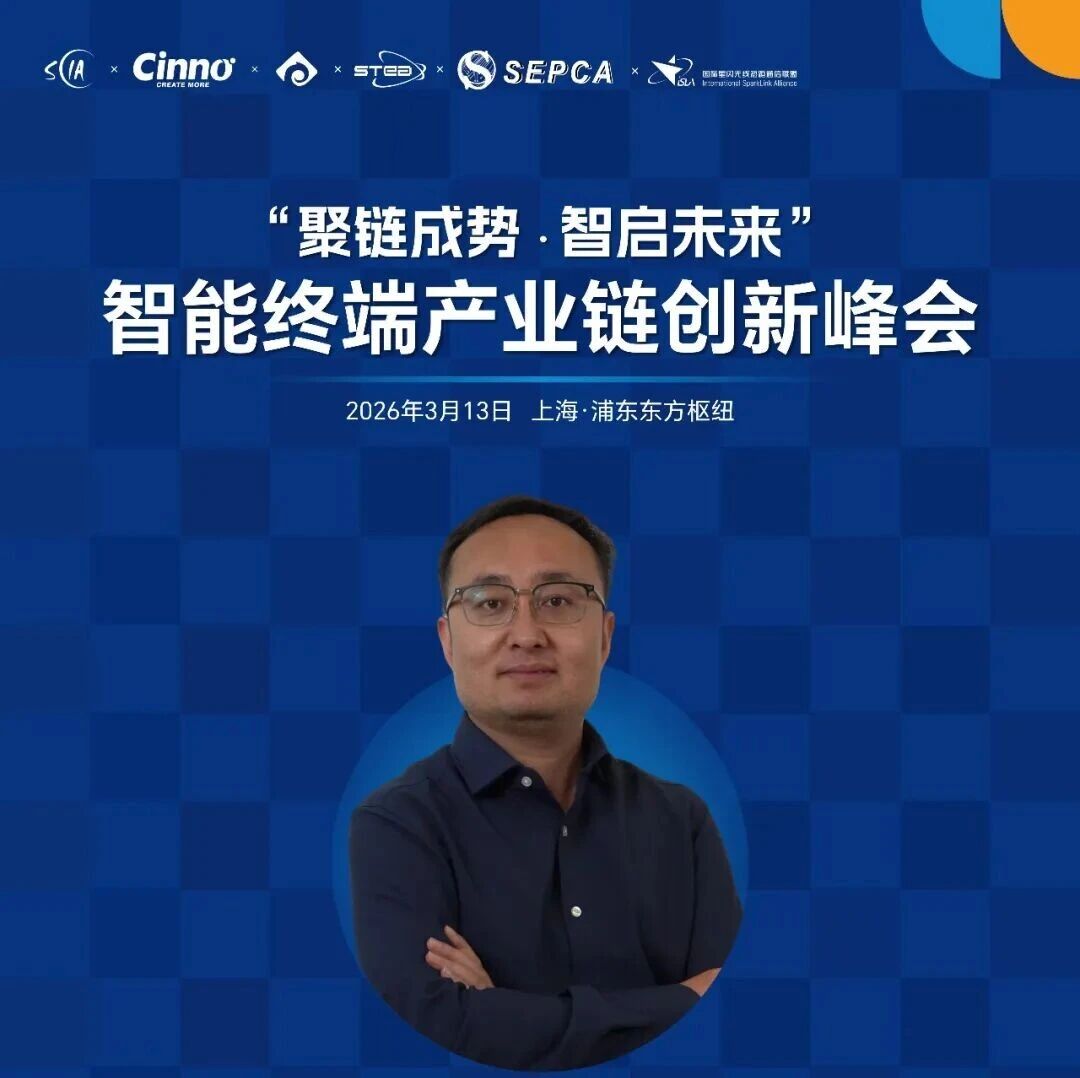
3/13 上海|星闪联盟:构建自主可控的智能终端无线连接战略底座
CINNO Research· 2026-03-07 13:08
Core Viewpoint - The article emphasizes the profound adjustments in the global industrial landscape, driven by de-globalization and complex geopolitical relationships, presenting both challenges and strategic transformation opportunities for Chinese enterprises in the smart terminal industry [2]. Group 1: Event Overview - AWE2026, a significant global event in the home appliance and consumer electronics sector, will be held in Shanghai, adopting a "one exhibition, dual zones" model to enhance its influence and scale [3]. - The event will focus on cutting-edge fields such as AI technology, computing chips, 6G communication, and embodied intelligence, aiming to accelerate the implementation of new productive forces [3]. Group 2: Summit Focus Areas - The summit will cover the entire smart terminal industry chain, focusing on macro guidance, technological drivers, market foresight, and core supply chain discussions [4][5][6]. - Key topics include interpreting national industrial development policies, exploring how AI and other technologies reshape the consumer electronics industry, and examining the domestic production process of core semiconductors and display panels [4][5][6]. Group 3: Keynote and Participants - The summit will feature representatives from various sectors, including government, industry, academia, research, and investment, to discuss supply chain changes and collaborative paths for technology and industry [3]. - Notable speakers include Wang Xiao, who will discuss building a self-controllable wireless connection strategy for smart terminals [9][18]. Group 4: Starlink Technology - Starlink technology, a new generation of wireless short-range communication developed in China, aims to provide ultra-low latency and high reliability, supporting various applications in smart terminals [18]. - By 2025, the Starlink 2.0 standard will be fully implemented, with over 200 million Starlink devices expected globally, facilitating innovations in smart homes, automotive, and audio fields [18].
3/13 上海 |中科院:智能科技时代的企业创新政策与战略的视角
CINNO Research· 2026-03-07 13:07
Core Viewpoint - The article emphasizes the profound adjustment in the global industrial landscape, driven by de-globalization and complex geopolitical relationships, presenting both challenges and strategic transformation opportunities for Chinese enterprises in the smart terminal industry [2]. Group 1: Event Overview - AWE2026, a significant event in the global home appliance and consumer electronics sector, will be held in Shanghai, adopting a "one exhibition, two zones" model to enhance its influence and scale [3]. - The event will focus on cutting-edge fields such as AI technology, computing chips, 6G communication, and embodied intelligence, aiming to accelerate the implementation of new productive forces [3]. Group 2: Summit Focus Areas - The summit will cover the entire smart terminal industry chain, focusing on key topics such as: - Macro Guidance: Analyzing national industrial development policies and the latest trends in capital markets to grasp strategic directions [4]. - Technology Drive: Discussing how frontier technologies like AI are reshaping the consumer electronics industry, along with the associated opportunities and challenges [5]. - Market Outlook: Gaining insights into the evolution trends of new technologies and markets globally, exploring new growth opportunities [6]. Group 3: Forum Details - The forum is scheduled for March 13, 2026, at the Oriental Hub Conference Center, E1 Meeting Hall 3F, Banquet Hall 2, organized by the Shanghai Communication Manufacturing Industry Association and hosted by CINNO Research [7][11]. Group 4: Keynote Speakers - Notable speakers include Yu Jiang, Executive Director of the Industrial Technology Center at the Chinese Academy of Sciences, who will discuss enterprise innovation policies and strategies in the era of intelligent technology [9][10]. Group 5: Agenda Highlights - The agenda includes discussions on various topics such as: - The evolution of next-generation display technologies and the industry path of MicroLED [21]. - Strategies for building autonomous and controllable wireless connection bases for smart terminals [21]. - The impact of de-globalization on the strategic elevation paths of Chinese smart terminal enterprises [21]. Group 6: Registration Information - Participants are required to register through the official channel to ensure entry, with a review process taking approximately 48 hours [28].