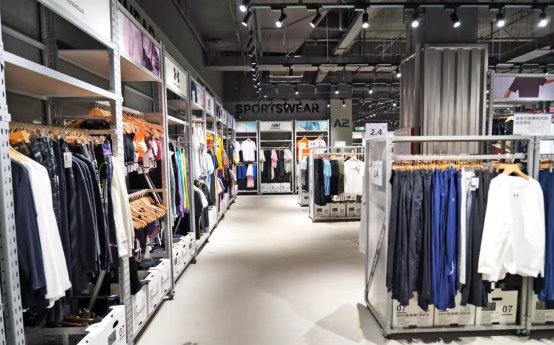
理性消费

Search documents
买奢侈品这件事:韩国青年vs中国青年,差距在哪?
Sou Hu Cai Jing· 2025-08-14 00:16
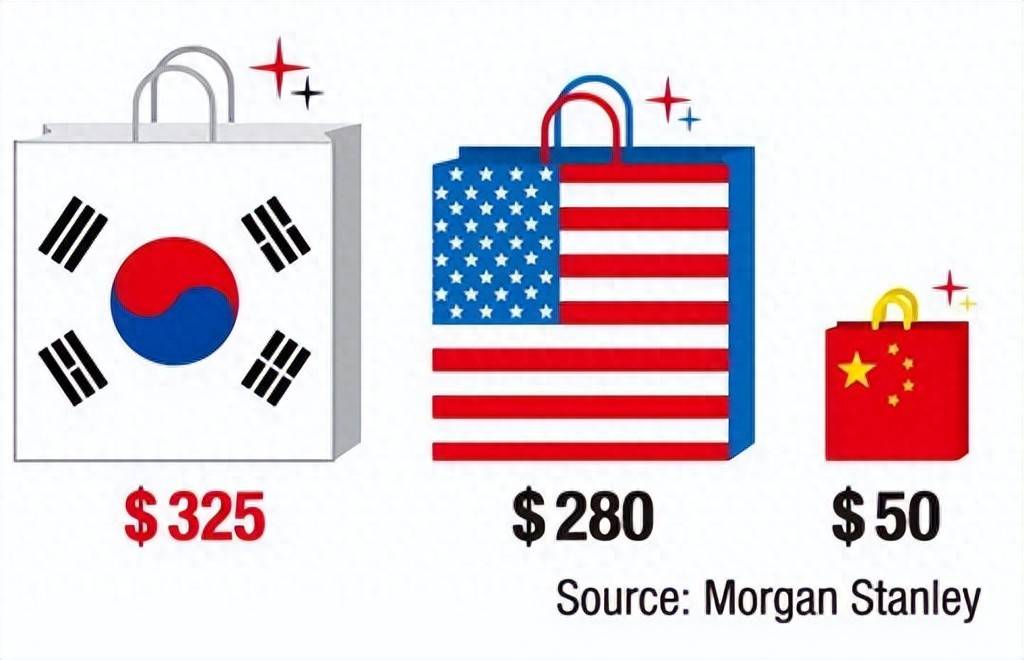
Group 1 - South Korean consumers have the highest per capita luxury goods spending globally at approximately $325, with many young individuals resorting to loans for purchases [1][3] - A report from the Korea Financial Institute indicates that 18% of the debt among individuals aged 20 to 39 is spent on luxury goods, and about 17% of young workers in Seoul actively take loans to buy luxury items [3] - The cultural context in South Korea drives luxury consumption, where luxury items are seen as status symbols in job markets and social circles, exacerbated by high living costs and limited job opportunities [3] Group 2 - In contrast, the Chinese luxury market is experiencing a shift towards rational consumption, with a projected sales decline of 18%-20% in 2024, prompting major brands like LVMH and Kering to adjust their strategies [5] - The shift in consumer behavior in China reflects a transition from "symbolic consumption" to "value consumption," with discount channels becoming the preferred choice for entry-level luxury goods [5][7] - Young Chinese consumers are increasingly prioritizing value over brand logos, leading to a more mature approach to luxury spending, as evidenced by the popularity of discount platforms offering significant savings on luxury items [6][7]

四川成都五日游费用解析,去四川玩5天4夜多少钱?看完攻略不再烦恼!
Sou Hu Cai Jing· 2025-08-07 19:50
Core Points - The article provides a detailed itinerary and cost analysis for a five-day trip to Sichuan, highlighting the beauty and cultural richness of the region [1][2][4] Cost Analysis - The average price for a pure play tour group is between 600 to 1200 yuan per person, offering high cost-performance without hidden shopping traps [2] Itinerary Highlights - Day 1: Arrival in Chengdu, exploring Kuanzhai Alley and tasting local snacks like Tangyuan and San Da Pao [4][5] - Day 2: Visit to Leshan Giant Buddha, the world's largest stone-carved sitting Buddha, and tasting local specialties like Qiaojiao Beef [6] - Day 3: Emei Mountain tour, including a visit to the Golden Summit at an altitude of 3079 meters, and enjoying the natural scenery [7] - Day 4: Exploration of the ancient Dujiangyan irrigation system, a UNESCO World Heritage site, and tasting local delicacies [9][10] - Day 5: Free activities in Chengdu, shopping at Chunxi Road, and enjoying the famous hot pot before departure [11] Travel Tips - Weather in Sichuan can be variable; it is advisable to bring layers and sun protection [13] - Safety measures for transportation include wearing seatbelts and following instructions in cable cars [14] - Respect for local customs and traditions is emphasized, especially in multi-ethnic areas [15] - Rational shopping practices are encouraged to avoid counterfeit products [16] Local Cuisine Recommendations - Dan Dan Noodles, a traditional Sichuan dish known for its rich flavor [18] - Long Chao Shou, a type of dumpling with various fillings [19] - Zhong Shui Jiao, characterized by its thin skin and spicy sauce [20] - Douhua, a silky tofu dish available in sweet and savory options [21]

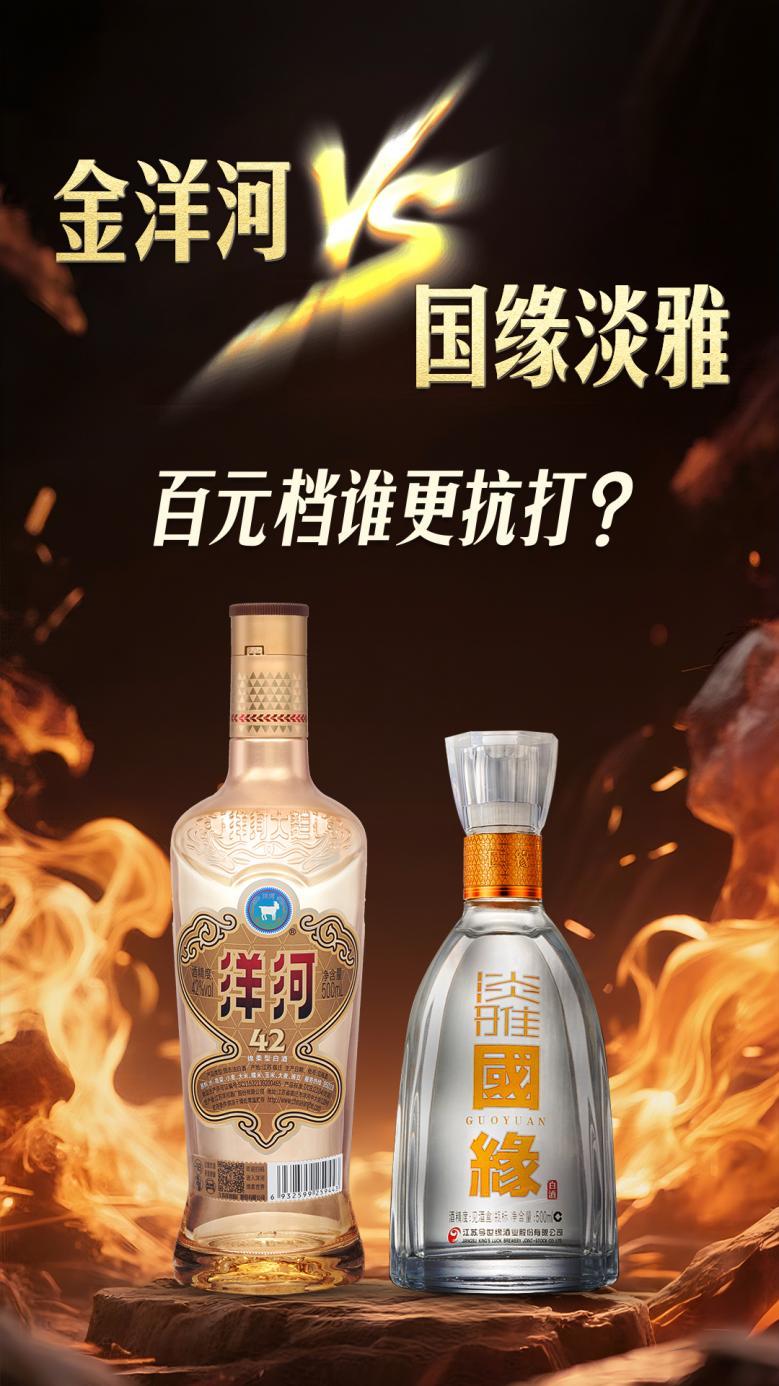
百元白酒新风向!当绵柔遇上淡雅,究竟谁才是性价比之王?
Zhong Jin Zai Xian· 2025-08-01 12:39
Core Viewpoint - The comparison between the emerging brand Jin Yang He and the well-established Guo Yuan Dan Ya highlights the competitive landscape in the mid-range liquor market, particularly focusing on consumer preferences and product quality [1][3]. Group 1: Product Comparison - Jin Yang He has gained significant popularity, topping sales charts on platforms like JD.com and attracting over 100,000 consumers in a short time [3]. - Guo Yuan Dan Ya is positioned as a mature product in the mid-range market, emphasizing a refined and formal drinking experience, often referred to as "happy little sweet water" due to its smooth taste [6]. - Jin Yang He stands out for its unique quality, being the only light bottle liquor in its price range with a genuine three-year aging certification, which is rare among similar products [7]. Group 2: Market Dynamics - Jin Yang He has effectively partnered with JD.com to enhance distribution efficiency, catering to high-frequency drinking occasions like gatherings and parties [7]. - The price point of Jin Yang He is designed to appeal to everyday consumers, emphasizing value for money in casual drinking settings [7]. - The light bottle liquor market is projected to exceed 150 billion yuan in 2024, with a compound annual growth rate of 17%, indicating a shift in consumer preferences towards quality and value over brand prestige [8].

一眼假的超低价“奢侈品”为何有市场
Bei Jing Qing Nian Bao· 2025-07-31 12:30
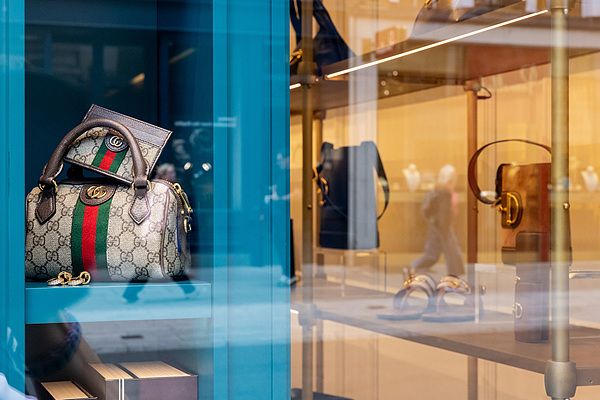
"领一个,存给子孙后代享福。"某电商平台上,宣称"足金工艺品""天然翡翠"的商品,以低至1 元、0.99元的"白菜价"和"全五星好评返现""先用后付"等诱惑吸引消费者,在"礼品畅销榜"上占据一席 之地。然而,这些超低价"奢侈品"背后,隐藏着一条涉嫌虚假宣传、玩文字游戏、利用失效链接逃避责 任的灰色产业链。所谓"福利",实为一些商家精心设计的骗局。 商家售卖超低价"奢侈品",其目的在于引流、冲销量、刷好评、提高店铺权重、骗取消费者信息 等,而他们的营销套路也涉嫌虚假标注、虚假宣传、以次充好、以假充真、伪造检测证书、泄露个人信 息等违法行为,践踏了法律底线和诚信底线,侵犯了消费者的知情权、选择权、公平交易权等权益。 对此,电商平台应承担主体责任,对售卖相关商品的商家经营资质进行严格审核,通过"AI监测 +人工筛查"的方式对商家的营销行为进行监督,针对存有销售伪劣产品、伪造检测证书、虚假宣传等 问题的商家,采取限期下架商品、取消推荐、封限账号等措施,并报告监管部门。同时,电商平台应针 对商家的违法问题和消费者的投诉信息建立历史记录,使其在较长期限内伴随商家,即便商家注销店铺 或重开店铺、转让店铺也保留历史记录。 此 ...
行业末日已到,中国人正在集体戒酒
Jin Tou Wang· 2025-07-30 10:13
Industry Overview - China's alcohol consumption has significantly declined, with production and sales of white liquor, beer, and red wine experiencing dramatic drops [1][2] - White liquor production has decreased from over 1,300 million tons to around 400 million tons, representing only one-third of its peak [1] - Beer production has fallen from 5,000 million tons to 3,500 million tons, with the reduction equivalent to the consumption of Japan and South Korea for 24 years [2] - The red wine industry has nearly collapsed, with production dropping from 142 million tons to just 12 million tons, and profits for all red wine companies in 2024 projected at only 220 million [2] Consumer Behavior Changes - Modern consumers are increasingly abstaining from alcohol, with a shift in social norms where drinking is no longer seen as necessary for respect or social standing [3] - Health awareness has risen, with studies indicating that alcohol consumption does not provide health benefits and is a leading cause of death among young men [4][5] - The perception of alcohol-related health risks has led to a growing trend of abstinence, particularly among younger generations [6] Economic Factors - Economic pressures, such as housing loans and education costs, have prompted consumers to cut back on non-essential spending, including alcohol [7] - Families can save significant amounts by abstaining from alcohol, with an example showing a potential saving of 24,000 yuan per year [7] - The market is seeing a shift towards lower-priced products, with sales of budget-friendly wines increasing by 15-20%, while high-end liquor companies face severe channel pressures [7]
万元手表都卖不动了?没人买奢侈品手表真的怪中国人吗?
3 6 Ke· 2025-07-29 10:47
Group 1 - The luxury watch market is experiencing a significant downturn, with reports indicating that even high-priced watches are struggling to sell [3][4] - Swatch Group reported a sales decline of 11.2% year-on-year, with net profit plummeting 88% to 17 million Swiss francs [3][4] - The decline in sales is primarily attributed to the Chinese market, which has historically been a key revenue driver for Swatch [4] Group 2 - The changing consumer behavior in China reflects a shift from status-driven purchases to a focus on product quality and craftsmanship [6][7] - The rise of smartwatches has created strong competition for traditional luxury watches, as consumers prefer multifunctional and stylish options [9][10] - Consumers are increasingly viewing luxury watches as investment pieces, leading to a decline in interest for brands like Swatch that lack historical prestige and craftsmanship [12] Group 3 - The luxury watch industry's pricing structure is seen as a barrier for potential buyers, contributing to the market's adjustment [13] - The overall decline in the luxury watch market is viewed as a natural consequence of the maturation of the Chinese consumer market [14] - For international brands to thrive, they must adapt to the evolving characteristics of the Chinese market and embrace changes [16]

万联晨会-20250717
Wanlian Securities· 2025-07-17 00:42
Core Insights - The A-share market experienced a collective decline on Wednesday, with the Shanghai Composite Index down 0.03%, the Shenzhen Component down 0.22%, and the ChiNext Index down 0.22%. The total trading volume in the Shanghai and Shenzhen markets was 1,441.854 billion yuan [2][7] - In terms of industry performance, sectors such as social services, automotive, and pharmaceutical biotechnology led the gains, while steel, banking, and non-ferrous metals lagged behind. Concept sectors like animal vaccines, generic drug consistency evaluation, and artemisinin saw significant increases, whereas lead metal, silicon energy, and zinc metal faced declines [2][7] Important News - The State Council, led by Premier Li Qiang, held a meeting on July 16 to discuss key policy measures to strengthen domestic circulation. The meeting emphasized the importance of enhancing domestic circulation as a strategic move for stable economic growth, focusing on boosting consumption and optimizing supply [3][8] - The third China International Supply Chain Promotion Expo opened in Beijing on July 16, with Vice Premier He Lifeng highlighting China's role in the global supply chain and its commitment to promoting cooperation and stability in the global industrial chain [3][8] Industry Analysis - The food and beverage sector showed a lackluster performance in the first half of 2025, with revenue and net profit growth rates of 2.46% and 0.28% respectively in Q1, marking a decline compared to the previous year. The sector's stock prices fell by 7.33%, ranking second to last among 31 industries [9][10] - The macroeconomic environment indicates a focus on boosting domestic demand to achieve GDP growth targets, with comprehensive policies aimed at enhancing consumption across various sectors [10] - The food and beverage industry is witnessing three main consumption trends: rational consumption, emotional consumption, and health-oriented consumption, which are driving changes in consumer behavior and creating new growth opportunities [10] Investment Opportunities in Food and Beverage Sector - Growth Tracks: - Energy drinks are experiencing high demand, with a projected compound annual growth rate of 10.2% from 2024 to 2029. Companies with competitive advantages in this segment are recommended for investment [12] - The snack industry is evolving with new sales channels and product innovations, particularly in health-oriented snacks [12] - The health supplement market is seeing structural investment opportunities driven by increased health awareness among younger consumers [12] - Marginal Improvement Tracks: - The beer industry is expected to see improved profitability due to cost reductions and a recovery in mid-to-high-end demand driven by the restaurant sector [13] - The condiment market is benefiting from lower raw material costs and a growing demand for health-oriented products [13] - The dairy sector is anticipated to recover as inventory levels normalize and demand increases due to consumption stimulus policies [13] - Bottoming Tracks: - The liquor industry is currently in a phase of inventory destocking, with performance expected to remain under pressure. However, the market has adjusted expectations for liquor company profits, potentially limiting downside risk [14]
“剩菜盲盒”要盛满安全
Jing Ji Ri Bao· 2025-07-17 00:08
Core Viewpoint - The "leftover blind box" concept is gaining popularity among consumers due to its affordability, substantial portions, and the surprise element, combining fun with environmental consciousness [1] Group 1: Consumer Appeal - The "leftover blind box" offers a unique shopping experience by packaging near-expiry or unsold food items randomly, making it attractive to young consumers [1] - This approach not only reduces food waste but also promotes the values of saving food and opposing wastefulness, showcasing innovation and positive societal impact [1] Group 2: Food Safety Concerns - Despite its benefits, the potential food safety risks associated with "leftover blind boxes" cannot be overlooked, as consumers cannot know specific details like production dates and storage conditions beforehand [1] - There is a risk of merchants engaging in unethical practices such as selling expired products or substandard items due to the inherent nature of blind boxes [1] Group 3: Industry Recommendations - Merchants must prioritize food safety and quality by adhering to food safety standards and clearly labeling essential information on the blind boxes, including food types, ingredients, and expiration dates [2] - Industry associations should encourage self-regulation among merchants and impose stricter penalties for violations to create a deterrent effect [2] - Regulatory bodies need to establish clear food safety standards and monitor the supply chain effectively to ensure the safety and compliance of leftover food sources [2] - Consumer education through awareness campaigns is crucial to enhance understanding of potential risks associated with "leftover blind boxes" and to promote rational consumption [2]
2025年中期食品饮料行业投资策略报告:政策与新趋势共振,把握结构性机会-20250716
Wanlian Securities· 2025-07-16 09:39
Group 1 - The food and beverage sector experienced a decline in performance and stock prices in the first half of 2025, with revenue growth of 2.46% and net profit growth of 0.28%, both significantly lower than the previous year [1][16] - The food and beverage sector's stock price fell by 7.33%, ranking second to last among 31 sectors in the first half of 2025, with the liquor segment being particularly hard hit [1][26] - The current PE valuation percentile for the food and beverage sector is at 7.26%, indicating a historical low [1][35] Group 2 - Macroeconomic policies aimed at boosting domestic consumption are crucial for achieving GDP growth targets, with a comprehensive consumption promotion plan issued on March 16, 2025 [2] - The Chinese consumption market is witnessing three concurrent trends: rational consumption, emotional consumption, and health-oriented consumption, which are driving changes in the industry [2] - Rational consumption is characterized by a preference for high-quality, low-cost products, leading to rapid growth in discount retail [2] Group 3 - In the beverage segment, energy drinks are experiencing significant growth, with a projected compound annual growth rate of 10.2% from 2024 to 2029 [3] - The snack food sector is seeing growth driven by channel restructuring and product innovation, with new retail formats like bulk snack stores emerging [3] - The health supplement industry is benefiting from increased health awareness among consumers, leading to structural investment opportunities [3] Group 4 - The beer sector is expected to see marginal improvements due to cost reductions and a recovery in mid-to-high-end beer demand driven by restaurant recovery and sports events [8] - The condiment sector is benefiting from continued cost advantages and a growing demand for compound and health-oriented products [8] - The dairy sector is showing signs of cost stabilization, with a potential easing of price wars expected in 2025 [8] Group 5 - The liquor industry is currently in a phase of inventory destocking, with performance under pressure and a prolonged destocking cycle anticipated due to recent "alcohol bans" [8] - The performance of mid-range and mass-market liquor is expected to be relatively better, as they gain favor in a rational consumption environment [8] - The liquor sector is projected to be in a bottoming phase, with low valuations and high dividends providing strong support for stock prices [8]
好特卖超级仓启幕,折扣与品质共筑消费新篇
Jin Tou Wang· 2025-07-16 07:04
Core Insights - The opening of "Hao Te Mai Super Warehouse" in Beijing marks a significant innovation in the retail market, reshaping the discount retail landscape with a focus on high cost-performance and quality assurance [1][12] - The store's unique business model and consumer experience have garnered extensive media coverage and consumer interest, highlighting its impact on the consumption market and regional economy [1][3] Group 1: Business Model and Consumer Experience - The store attracted attention from seven major media outlets, showcasing a bustling environment with consumers engaging in a diverse range of products, from trendy snacks to international cosmetics [3] - The promise of "low price without low quality" challenges traditional discount store perceptions, ensuring all products are sourced from reputable brands and undergo strict quality checks [3][5] - The combination of "high cost-performance + quality assurance" effectively meets the dual demands of rational consumption and quality living among consumers [5] Group 2: Win-Win Ecosystem for Consumers and Brands - "Hao Te Mai Super Warehouse" builds a win-win ecosystem by establishing long-term partnerships with hundreds of well-known brands, allowing for significant price reductions [6][8] - The store covers a wide range of product categories, ensuring that consumers discover new items with each visit, enhancing the shopping experience [6] - For brands, the warehouse serves as an efficient channel for inventory clearance and market expansion, helping them quickly recover funds and reduce storage costs [8] Group 3: Economic Impact and Regional Development - The establishment of "Hao Te Mai Super Warehouse" is a key step in brand market expansion and a vivid example of commercial innovation in Beijing [9] - The store's model is expected to enhance the surrounding commercial infrastructure and create job opportunities, injecting vitality into the Fangshan business district [9] - The collaboration between brands and logistics partners is anticipated to optimize regional supply chain efficiency, contributing to higher quality economic development [9] Group 4: Future Outlook and Industry Transformation - The success of "Hao Te Mai Super Warehouse" reflects a trend of prioritizing cost-performance and quality demands in the consumer market, potentially setting a new standard for discount retail [11][12] - As consumer recognition of rational consumption deepens, similar warehouse-style discount stores may become the new norm in the retail market [11] - The model's promotion across the country could lead to a quiet transformation in the industry, enhancing urban consumer vitality and openness [11][12]