
绿色化转型

Search documents
2025年工程机械行业分析
Lian He Zi Xin· 2025-05-09 04:45
2025 年工程机械行业分析 联合资信 工商评级三部 |王煜彤 在 2023 年中国工程机械行业下行的背景下,2024 年工程机械行业筑 底企稳,工程机械企业盈利水平有所提升。各类挖掘机和装载机产品销量 均呈增长态势;工程机械产品出口金额保持增长但增速放缓,其中"一带 一路"沿线国家出口景气度维持较高水平,同时新增对外承包工程将有效 拉动工程机械产品出口。2024 年,我国工程机械企业盈利水平有所提升。 未来,海外市场将继续成为国内工程机械企业的重要支撑。 2024 年以来,工程机械行业向数字化、智能化、绿色化加速转型。随 着国家大规模设备更新、超长期特别国债等举措加快落地,相关产业政策 的有效实施,重大工程项目建设全力推进,工程机械行业有望进入复苏阶 段,加之市场上存量机械自然更新淘汰、环保政策趋严、机械取代人工趋 势加深以及出口"情绪"高涨等众多因素的影响下,中国工程机械刚性需 求将持续释放。总体看,预计工程机械行业在 2025 年将整体维持稳定发 展态势。 一、行业现状 2024 年全年国民经济运行稳中有进,房地产开发投资依然不振,但受益于固定 资产投资(不含农户)同比增长,各类挖掘机和装载机产品销量均 ...
研判2025!中国塑料原料行业发展历程、产业链、市场规模、竞争格局及前景展望:随着环保意识的提高和环保政策趋严,塑料原料行业将加快绿色化转型步伐[图]
Chan Ye Xin Xi Wang· 2025-04-30 01:27
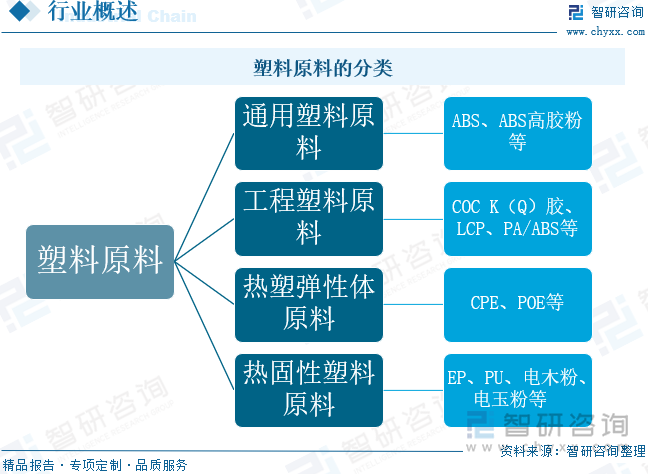
内容概况:塑料原料是一种高分子材料,具有重量轻、耐腐蚀、电绝缘性好、可塑性强、成型多样性等 特点,广泛应用于建筑、农业、包装、汽车、电子、家居等各个领域。近年来,随着国内经济的稳定发 展和产业结构的不断升级,对塑料产品的需求持续增长,推动了我国塑料原料市场的扩大。与此同时, 随着人民生活水平的提高和消费结构的升级,对塑料制品的需求将更为旺盛,为塑料原料行业提供了巨 大的发展空间。在市场需求的拉动下,我国塑料原料行业得到快速发展,市场规模呈现逐年增长的态 势。数据显示,2024年中国塑料原料行业市场规模约为18701亿元。未来,随着环保政策的趋严以及消 费者对环保产品需求的不断增加,塑料原料行业正逐步向绿色化、低碳化方向发展。 相关上市企业:中国石油(601857)、中国石化(600028)、茂化实华(000637)、氯碱化工 (600618)、万华化学(600309)、金发科技(600143)、恒力石化(600346)、东华能源 (002221)、华锦股份(000059)、恒逸石化(000703)等。 相关企业:陶氏化学(中国)投资有限公司、广东三凯新材料股份有限公司、江苏三木集团有限公司、 福建恒杰塑业新材 ...



从国货崛起到国际竞争:最新国内一线阀门品牌榜单解读
Sou Hu Cai Jing· 2025-04-29 18:21
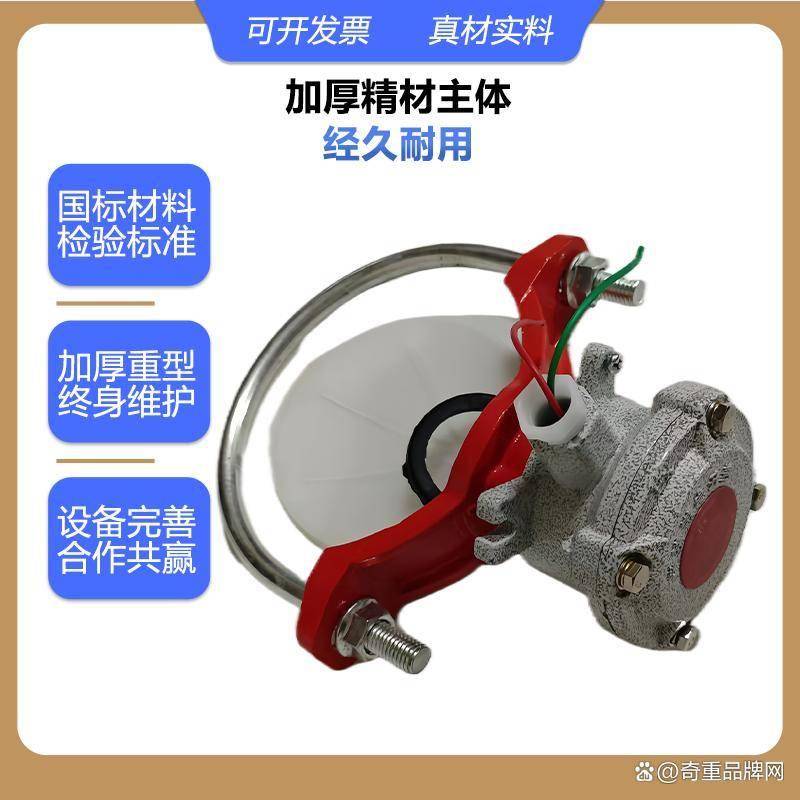
Core Viewpoint - The domestic valve brands in China are evolving from "domestic alternatives" to "international standard setters," focusing on core technology breakthroughs, smart transformation, and global expansion, with an emphasis on green low-carbon technology and AI integration in the future [14]. Group 1: Leading Brands and Market Position - NEWAY Valve leads in deep-sea applications, having developed the world's first 25,000 psi 28-inch deep-sea ball valve, covering 40% of new LNG transport ship projects, with costs 40% lower than European and American competitors [2]. - The company has an annual production capacity exceeding 600,000 units and exports to energy projects in 60 countries, also leading the revision of ISO international standards for deep-sea valves [4]. - Jiangsu Shentong Valve dominates the nuclear-grade butterfly valve market with a 53% market share and has a 60% market share in valves for metallurgical blast furnace gas recovery systems [6]. Group 2: Technological Innovations and Certifications - NEWAY Valve has obtained DNV certification for its deep-sea ball valves, which cover 40% of the global market, while its corrosion-resistant valves have a lifespan twice that of industry averages [8]. - Shanghai Qizhong Valve has seen a 180% annual increase in orders for its lithium battery valves, with titanium alloy valves meeting ASTM standards for corrosion resistance [9]. - The AI health monitoring system from DI AI Smart Control has reduced pipeline failure rates by 62%, and Guanlong Valve's smart control valves have decreased energy consumption by 30%, covering 80% of municipal water supply projects [10]. Group 3: International Competition and Market Expansion - China Nuclear Su Valve leads the national standard formulation for nuclear valves, with technical parameters adopted by the International Atomic Energy Agency (IAEA) [11]. - Imports of Chinese valves have surged by 40% in emerging markets like Vietnam and Mexico, with Guanlong Valve winning contracts for smart water projects in Southeast Asia due to zero tariffs under the ASEAN Free Trade Agreement [11]. - Sanhua Holdings has established a European R&D center in Munich, achieving a 38% global market share in thermal management valves for new energy vehicles [11]. Group 4: Industry Trends and Future Directions - The industry is witnessing a shift towards smart and green transformations, with AI quality inspection achieving a defect rate of only 0.3% at Shanghai Qizhong, and low-carbon valves reducing carbon footprints by 40% [12]. - NEWAY Valve's smart manufacturing covers the entire process, while Jiangsu Shentong's AI fault diagnosis has an accuracy rate of 98% [13]. - The domestic nuclear valve market has a localization rate exceeding 90%, breaking the monopoly of European and American technologies in the deep-sea sector [14].

向绿色化加速转型,盈峰环境新品发布会举办
Jing Ji Wang· 2025-04-25 08:31
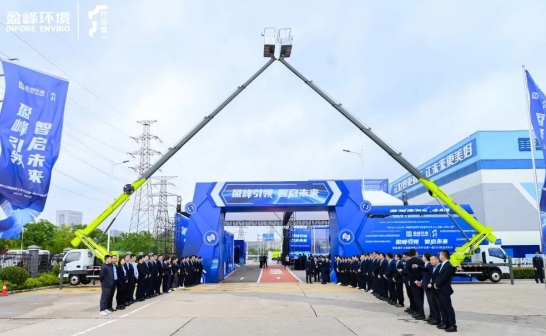
Core Insights - The event "Yingfeng Leads the Intelligent Future" was held in Changsha, showcasing Yingfeng Environment's commitment to innovation and sustainability in the urban sanitation industry [1][3]. Group 1: Market Position and Performance - Yingfeng Environment's average market share is projected to be 31% from 2022 to 2024, with an expected increase to 35% in the first quarter of 2025 [3]. - The company emphasizes its commitment to technological innovation and product quality, with a 16% reduction in energy consumption for its newly launched products compared to traditional ones [3]. Group 2: Product Innovations - The new product lineup includes multi-functional vehicles that enhance operational flexibility and efficiency, addressing core industry pain points [5]. - The introduction of the "Small Spirit System" and "Bee Swarm Unmanned Operation Group" significantly improves operational efficiency through intelligent equipment collaboration [5]. - The unmanned driving smart cloud platform enhances equipment management and collective operation efficiency by 60%, while reducing energy consumption by 18% compared to traditional sanitation vehicles [5]. Group 3: Industry Recognition and Future Direction - Industry leaders praised Yingfeng Environment for its transformation from basic sanitation tools to a "smart sanitation ecosystem" [6]. - The event featured the launch of the "Yingfeng Green" coating, smart cleaning robot systems, and a comprehensive new product matrix, highlighting the company's innovations in new energy and smart sanitation equipment [6]. - Yingfeng Environment aims to continue driving technological innovation and addressing customer needs, thereby creating greater value in the evolving industry landscape [6].

研判2025!中国加工贸易行业相关政策、行业现状及重点企业分析:行业深度融入全球产业链,仍面临全球经济格局变化挑战[图]
Chan Ye Xin Xi Wang· 2025-04-23 01:36
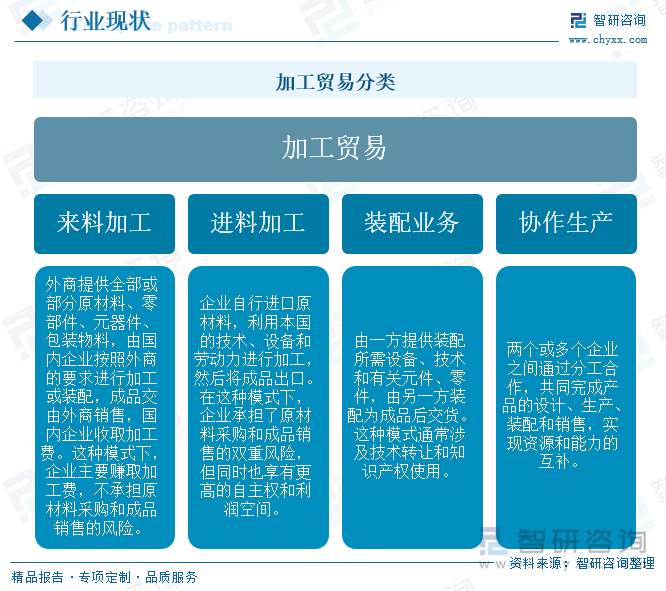
Core Viewpoint - The Chinese processing trade industry has become a bright spot in foreign trade, with a year-on-year growth of 7.27% in import and export value during January-February 2025, reaching 1.20 trillion yuan, despite a 1.2% overall decline in China's foreign trade [1][13]. Industry Overview - Processing trade refers to the business activities where enterprises import raw materials and components for processing or assembly, and then re-export the finished products. Its core feature is "two ends abroad," meaning both raw material imports and finished product exports target international markets [2]. Industry Development History - The development of China's processing trade industry has gone through four stages: 1. Initial stage (1978-1985) focused on pilot projects in coastal areas. 2. Preliminary development stage (1986-1992) saw rapid growth and policy encouragement. 3. Rapid development stage (1993-2000) where processing trade became a significant part of foreign trade. 4. Adjustment and upgrading stage (2001-present) emphasizing structural optimization and high-end development [4][5]. Industry Status - The processing trade industry has deeply integrated into the global supply chain, with significant growth attributed to the optimization of industrial structure, particularly in high-end manufacturing and intelligent manufacturing sectors [13]. Key Enterprises - The processing trade industry includes various types of enterprises such as state-owned, private, and foreign enterprises. State-owned enterprises dominate large projects and high-end manufacturing, while private enterprises excel in niche markets due to their flexibility. Foreign enterprises leverage advanced technology and management experience [15]. Industry Development Trends 1. **High-end, Intelligent, and Green Transformation**: The industry is focusing on high-tech, high-value products, with increased R&D investment and the adoption of smart manufacturing technologies [21]. 2. **Regional Integration and Global Market Layout**: Enterprises are actively engaging in regional markets and diversifying their market presence to reduce dependency on single markets [22][23]. 3. **Brand Building and Value Addition**: Strengthening brand recognition and enhancing product value are key strategies for improving competitiveness and achieving sustainable development [24].


最新公布:10.3万亿元!
21世纪经济报道· 2025-04-14 02:48
Core Viewpoint - In the first quarter of this year, China's foreign trade showed resilience with a total import and export value of 10.3 trillion yuan, reflecting a growth of 1.3% despite external challenges [1] Group 1: Export Performance - China's export scale exceeded 6 trillion yuan in the first quarter, achieving a rapid growth of 6.9%, demonstrating strong resilience under pressure [1] - Exports to over 170 countries and regions increased, with significant growth in high-end, intelligent, and green manufacturing sectors [1] - Notable export growth was observed in shipbuilding and marine engineering equipment (10.8%) and specialized equipment (16.2%) [1] - Renewable energy products played a crucial role in global green transformation, with exports of wind turbines (43.2%), lithium batteries (18.8%), and electric vehicles (8.2%) showing substantial increases [1] Group 2: Import Performance - Domestic industrial production growth led to increased imports of components and equipment, with automatic data processing equipment parts and marine engineering equipment growing by 95.6% and 52.5% respectively [2] - The consumer market remained stable, with imports of edible oils increasing by 12.1% and fresh and dried fruits rising by 8.3% [2] - Private enterprises accounted for 5.85 trillion yuan in imports and exports, growing by 5.8% and representing 56.8% of the total [2] - Private enterprises achieved record high exports of high-tech products, nearing 1 trillion yuan, with industrial robots (67.4%) and high-end machine tools (16.4%) showing significant growth [2] Group 3: Foreign Investment and Trade Relations - Foreign-invested enterprises accounted for about one-third of China's foreign trade over the past five years, with over 67,000 foreign enterprises engaged in import and export activities in the first quarter, marking a three-year high [3] - Trade with the EU reached 1.3 trillion yuan, growing by 1.4%, highlighting the strong economic complementarity and intertwined interests between China and the EU [3] - ASEAN remained China's largest trading partner, with trade volume of 1.71 trillion yuan, growing by 7.1%, and its share of China's overall foreign trade increasing to 16.6% [3] - Trade with Belt and Road Initiative countries reached 5.26 trillion yuan, growing by 2.2%, and its share of China's overall foreign trade rose to 51.1% [3]

海关总署:一季度,我国出口规模突破6万亿元,实现6.9%的较快增长
news flash· 2025-04-14 02:04
Core Insights - In the first quarter, China's export scale exceeded 6 trillion yuan, achieving a rapid growth of 6.9% despite pressures, demonstrating strong resilience [1] - Exports increased to over 170 countries and regions, indicating a broad-based growth in international trade [1] - The transformation of Chinese manufacturing towards high-end, intelligent, and green technologies is gaining momentum [1] Export Performance - Shipbuilding and marine engineering equipment exports grew by 10.8% and 16.2% respectively, highlighting the strength in these sectors [1] - New energy products are playing a significant role in the global green transition, with exports of wind turbines, lithium batteries, and electric vehicles increasing by 43.2%, 18.8%, and 8.2% respectively [1]
研判2025!中国航空锻件行业相关政策、产业链、发展现状、竞争格局及发展趋势分析:下游需求不足,企业业绩承压[图]
Chan Ye Xin Xi Wang· 2025-03-29 02:22
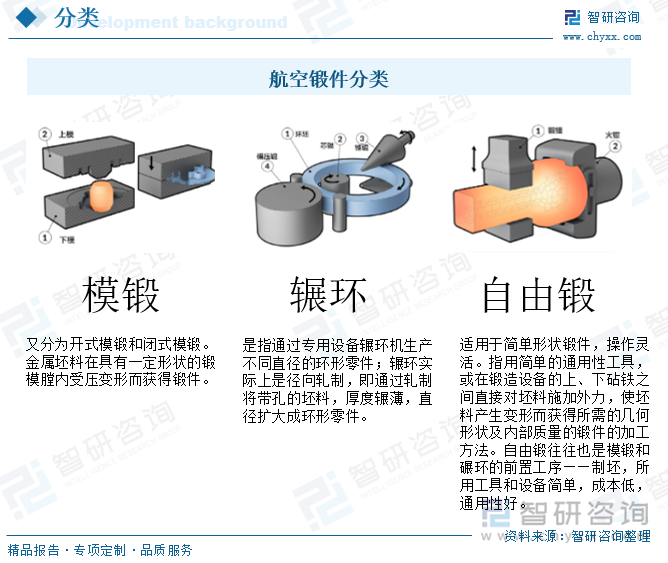
Core Viewpoint - The aviation forging industry in China is experiencing growth, with a production increase of 4.20% in 2023, reaching 13.708 million tons, despite facing challenges in 2022 due to changes in the automotive sector. The industry is characterized by intense competition and a lack of strong players capable of producing aviation forgings, but future growth is anticipated as technology improves [1][12]. Industry Overview - Aviation forgings are critical components in aircraft and engines, directly affecting reliability and lifespan. The production process involves multiple stages, including material selection, forging precision, and quality stability, making it a high-end manufacturing sector [2]. - The aviation forging industry can be categorized into three types based on forming mechanisms: die forging, ring rolling, and free forging, with die forging being the most common method used [2]. Policy Developments - The Chinese government has implemented several policies to promote the aviation forging industry, including the 2023 guidance on high-quality development, which aims for breakthroughs in high-end casting and forging products by 2025 [3][6]. - The 2023 "Green Aviation Manufacturing Development Outline" aims to enhance energy-saving, emission reduction, and noise reduction in civil aircraft by 2025, indicating a shift towards sustainable practices in the industry [6]. Industry Chain - The upstream of the aviation forging industry includes raw materials such as titanium alloys, high-temperature alloys, and high-strength steel. The midstream involves the production and manufacturing of forgings, while the downstream consists of assembly by aircraft and engine manufacturers [7]. Material Insights - Titanium alloys are essential for aviation forgings due to their high strength-to-weight ratio and corrosion resistance. The production of titanium alloys in China has been increasing, with a reported output of 135,900 tons in 2021, a 40.10% increase year-on-year [9]. - High-temperature alloys, crucial for gas turbine engines, accounted for over 40% of engine weight, with a production of 38,000 tons in 2021, reflecting a 15.15% increase from the previous year [10]. Market Demand - The demand for aviation forgings is supported by the increasing number of civil and military aircraft in China. As of 2023, the total number of civil transport aircraft reached 4,270, a 2.52% increase from the previous year, while military aircraft numbers also saw a slight increase [14]. Competitive Landscape - The aviation forging industry faces significant barriers, including technology, qualifications, customer recognition, and capital equipment. Major players include state-owned enterprises and specialized private companies, with key participants being AVIC Heavy Machinery, Triangle Defense, and Parker New Materials [16][19]. Future Trends - The industry is expected to see advancements in technology, with a focus on precision cold and hot forging techniques, enhancing product quality and performance [21]. - A shift towards green manufacturing practices is anticipated, driven by stricter environmental regulations, which will require companies to optimize production processes to reduce energy consumption and emissions [22]. - The demand for larger and more complex components in aircraft is pushing the industry towards larger and integrated forging solutions, particularly for high-performance military aircraft [23]. - Increased international cooperation and exchange are expected to enhance the competitiveness of the Chinese aviation forging industry on a global scale [24].
中联重科财报公布:海外营收首超国内,四季度净利同比降四成
Jie Mian Xin Wen· 2025-03-25 10:14
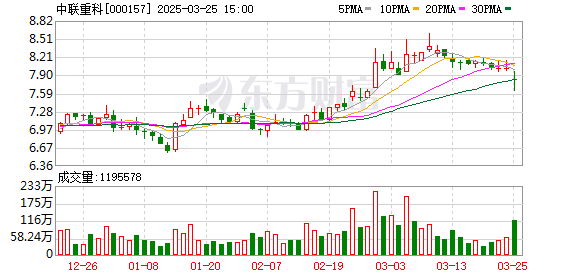
中联重科财报公布:海外营收首超国内,四季度净 利同比降四成 工程机械龙头中,中联重科(000157.SZ/01157.HK)率先披露了2024年成绩单。其去年营收下降但净 利实现微增。 3月24日晚,中联重科发布全年财报,该公司去年实现营业收入454.78亿元,同比下降3.39%;归属 于母公司净利润35.2亿元,同比增长0.41%。 分季度看,该公司净利出现较大波动,尤其是去年四季度,净利仅3.81亿元,环比下滑55.2%,同 比下滑41.47%;其前三季度净利润分别为9.16亿元、13.72亿元、8.51亿元。 分行业看,去年工程机械产品在中联重科业绩中的占比下降至88.74%,同比下降了9.28个百分点; 农业机械营收同比增122.29%,达到46.5亿元,占比10.2%,提升了近6个百分点。 分产品看,中联重科的工程起重机械、建筑起重机械、混凝土机械等传统优势产业地位依然稳固。 其中,35吨级、55吨级汽车吊市占率第一,履带吊收入行业第一。 其中,该公司最为王牌的起重机械产品,去年营收下滑23.35%,是该公司所有品类中营收下滑幅 度最大的产品。但这部分业务仍是中联重科除金融服务外,毛利率最高的业务, ...
中国设备更新战略与实践:万亿蓝海,新从旧来
施耐德电气(中国)· 2025-03-05 07:44
Investment Rating - The report indicates a strong investment opportunity in the equipment renewal market, with a projected market size of 5-6 trillion yuan by 2027, reflecting a growth rate of over 25% compared to 2023 [53][57]. Core Insights - The report emphasizes the strategic significance of the large-scale equipment renewal initiative in China, which is expected to drive economic recovery and promote high-quality development through enhanced domestic demand and industrial upgrades [9][10]. - Key paths for equipment upgrades are identified as high-end, digital, and green transformations, which are crucial for improving productivity and achieving energy-saving goals [10][18]. - The report outlines specific sectors that will benefit from this initiative, including industrial manufacturing, transportation, construction, healthcare, and energy, each with tailored policies and investment targets [23][26][40][45]. Summary by Sections Policy Guidance - The Chinese government is prioritizing policies to stimulate domestic demand and support large-scale equipment renewal, with a focus on counter-cyclical adjustments to bolster economic recovery [16][17]. - The equipment renewal cycle is seen as a critical response to economic pressures, with significant investments planned across various sectors [17][20]. Macro Market - The equipment renewal market is projected to reach a scale of 6 trillion yuan by 2027, with an average annual investment increase of over 280 billion yuan [57][59]. - The report highlights that the industrial sector will account for the largest share of this investment, with a projected annual growth rate of 5.74% [63][65]. Industry Insights - The industrial sector is expected to see a significant increase in equipment investment, with a focus on digital transformation and the adoption of advanced manufacturing technologies [63][66]. - The transportation sector is set to undergo a green transition, with policies promoting the replacement of old vehicles and the adoption of new energy solutions [68][70]. - The construction and municipal infrastructure sectors are also poised for upgrades, driven by urban renewal initiatives and the need for improved energy efficiency [71][74]. - Healthcare equipment updates are prioritized to enhance service quality and address disparities in medical resources between urban and rural areas [75][77]. - The energy sector is projected to experience substantial investment in equipment updates, particularly in renewable energy technologies, supported by government policies [78].