
聚丙烯(PP)

Search documents
国际地缘因素冲击,塑料价格波动加剧
Bao Cheng Qi Huo· 2026-03-26 05:25
1. Report Industry Investment Rating - No relevant content provided 2. Core View of the Report - The domestic plastic futures market is in a complex situation with strong cost support, weak demand, and differentiated inventory. In the short - term, due to the uncertainty of the Middle - East geopolitical situation, the oil price is likely to rise and support the plastic price. With the ongoing domestic device maintenance, the supply is tightening, and the plastic futures price will maintain a strong - side shock. In the long - term, if the geopolitical conflict eases, the cost premium will fade, and the slow recovery of downstream demand and high social inventory will limit the price increase [12]. 3. Summary by Related Catalogs Supply Side - In Q1 2026, the domestic plastic supply showed features of slower capacity expansion, more device maintenance, and a structural decline in the operating rate. The capacity expansion speed slowed down significantly, and there were only a small amount of new production capacity in early January. The industry entered the stage of digesting existing capacity, and the new supply pressure was significantly relieved [3]. - In March, the spring maintenance of domestic petrochemical enterprises led to a contraction in supply. By mid - March, the operating rate of the polyethylene (PE) industry dropped to 82.39%, 4.5 percentage points lower than in February. The weekly output decreased by 37500 tons, and the output affected by device maintenance reached 91000 tons. The profit of coal - based PE was over 1900 yuan/ton, while the oil - based PE was in continuous loss, with a loss of over 2000 yuan/ton, which forced high - cost oil - based capacity to reduce production and conduct maintenance, further intensifying the supply contraction [4]. Demand Side - After the Spring Festival, the downstream plastic product enterprises gradually resumed work, but the resumption rhythm was slower than in previous years. By mid - to late March, the operating rate of the PE downstream agricultural film industry rose to 35.44%, and that of packaging film and pipe industries rose to about 50%. The PP downstream industries had different operating rates, and the overall downstream mainly had rigid demand for procurement. There were two main factors restricting demand: weak terminal consumption and slow export orders, and the high plastic price squeezing downstream profits. However, with the implementation of domestic policies, the demand for some plastic products is expected to improve [6][8][9]. Impact of Geopolitical Situation - The continuous escalation of the Middle - East conflict has become a core external variable affecting oil prices and plastic futures. The shipping volume of the Strait of Hormuz dropped by 92% in March, causing concerns about oil supply disruptions. The oil price rose sharply, and the cost of oil - based plastic increased, driving up the plastic price. But the impact of geopolitics on oil prices is short - term and uncertain [11].
中东局势仍动荡,聚烯烃延续走高
Hua Tai Qi Huo· 2026-03-24 06:27
Report Industry Investment Rating No relevant content provided. Core Viewpoints of the Report - The ongoing turmoil in the Middle East, especially the tense situation in Iran, continues to drive up the prices of energy and chemical products. The market anticipates that the conflict in Iran will escalate and may spread to neighboring countries, leading to concerns about energy supply disruptions [3]. - For PE, upstream maintenance plans are increasing, and the expected decline in the operating rate, combined with weak import resource arrivals, is tightening the market supply. Although the overall downstream operating rate has rebounded, the high - price acceptance of downstream is low, resulting in a significant decline in the L basis. However, the supply side still provides strong support, and the PE market trend remains strong [3]. - For PP, the intensification of the Iran conflict has increased concerns about raw material supply. The supply support for PP remains strong as the maintenance losses of upstream enterprises continue to rise. The high price of PP has squeezed downstream profits, leading to cautious procurement by downstream. However, the opening of the PP export window has boosted export demand. In the short term, the reduction in PP supply and the strong support from the cost side of propane will continue to drive prices up as long as the Strait of Hormuz remains closed [4]. Summary by Directory 1. Polyolefin Basis and Inter - period Structure - The closing price of the L main contract is 9,523 yuan/ton (+705), and the closing price of the PP main contract is 9,793 yuan/ton (+774). The LL North China spot price is 8,800 yuan/ton (+500), the LL East China spot price is 9,100 yuan/ton (+650), and the PP East China spot price is 9,300 yuan/ton (+550). The LL North China basis is - 723 yuan/ton (-205), the LL East China basis is - 423 yuan/ton (-55), and the PP East China basis is - 493 yuan/ton (-224) [1]. 2. Production Profit and Operating Rate - The PE operating rate is 80.1% (-2.3%), and the PP operating rate is 70.5% (+0.4%). The PE oil - based production profit is - 1,617.9 yuan/ton (-412.0), the PP oil - based production profit is - 1,557.9 yuan/ton (-412.0), and the PDH - based PP production profit is - 3,142.4 yuan/ton (-1,202.8) [1]. 3. Polyolefin Non - standard Price Difference No specific data or analysis provided in the given content. 4. Polyolefin Import and Export Profits - The LL import profit is - 962.5 yuan/ton (-150.0), the PP import profit is - 1,409.9 yuan/ton (-200.0), and the PP export profit is 179.1 US dollars/ton (+25.7) [1]. 5. Polyolefin Downstream Operating Rate and Downstream Profits - The PE downstream agricultural film operating rate is 35.4% (+8.6%), the PE downstream packaging film operating rate is 45.6% (+2.2%), the PP downstream plastic weaving operating rate is 40.3% (-0.3%), and the PP downstream BOPP film operating rate is 62.0% (+0.6%) [2]. 6. Polyolefin Inventory No specific data or analysis provided in the given content. Strategies - Unilateral: Cautiously go long on LLDPE and PP for hedging. - Inter - period: No strategy provided. - Cross - variety: Cautiously go short on the spread between LL05 and PP05 [5].
每日核心期货品种分析-20260319
Guan Tong Qi Huo· 2026-03-19 11:04
Report Summary 1. Industry Investment Rating No investment rating information is provided in the report. 2. Core Viewpoints - The domestic futures market showed mixed performance on March 19, 2026, with some commodities rising and others falling. The market was significantly affected by geopolitical events, especially the conflict between the US, Israel, and Iran, which led to increased volatility in energy - related commodities [5][6]. - The prices of most commodities were influenced by factors such as supply - demand fundamentals, geopolitical tensions, and macro - economic policies. For example, the Fed's decision on interest rates and the situation in the Middle East had a major impact on the prices of metals, energy, and chemical products. 3. Summary by Commodity Metals - **Copper**: The price of Shanghai copper was under pressure. Although there were some factors supporting the price, such as tight supply of copper ore, the weak demand from the terminal and the impact of geopolitical events and inflation expectations led to a short - term downward trend [8][9]. - **Silver, Palladium, Platinum, and Tin**: These metals saw significant price drops, with silver down over 10%, palladium down over 8%, and platinum and tin down over 7% [6]. - **Gold**: The price of gold fell by more than 4% [6]. - **Carbonate Lithium**: The price of carbonate lithium decreased by more than 6%. Supply growth, macro - economic interference, and weakening demand led to the price decline. Although there were some supply - side restrictions in Zimbabwe, the potential increase in domestic production and weakening demand were the main factors [10]. Energy - **Crude Oil**: The EIA data showed an unexpected increase in US crude oil inventory, but a large decrease in refined oil inventory. Geopolitical tensions in the Middle East, especially the conflict between the US, Israel, and Iran, led to a significant reduction in oil production in some countries. Although some measures were taken to relieve the supply pressure, the risk of price increase remained high [11][12]. - **Liquefied Petroleum Gas (LPG)**: It rose by 10.99% and hit the daily limit [5]. - **Low - Sulfur Fuel Oil (LU)**: It rose by more than 10% [5]. - **Fuel Oil**: It rose by more than 6% [5]. - **Asphalt**: The supply of asphalt was expected to increase in March 2026, but the开工 rate was still at a relatively low level. The demand was gradually recovering after the Spring Festival. Due to concerns about raw material shortages in the Middle East, the price of asphalt was expected to be strong and volatile [13][14]. Chemicals - **Polypropylene (PP)**: The downstream demand for PP recovered slowly, but the开工 rate of PP enterprises increased. The price of PP was affected by the increase in crude oil prices and the shortage of raw materials in the Middle East. Although there was some resistance from downstream customers, the price was expected to be in a strong - side shock [15]. - **Plastic**: The开工 rate of plastic decreased slightly. The downstream demand was gradually recovering, and the price was affected by the increase in crude oil prices and the shortage of raw materials in the Middle East. The price was expected to be in a strong - side shock [17]. - **PVC**: The supply of PVC increased slightly, and the downstream demand was gradually recovering. Although the inventory was still high, the price was expected to be in a strong - side shock due to the supply - side pressure caused by the situation in the Middle East and the recovery of demand [18][19]. Others - **Apples**: The price of apples rose by more than 4% [5]. - **Methanol**: It rose by more than 8% [5]. - **Ethylene Glycol (EG)**: It rose by more than 6% [5]. - **Propylene**: It rose by more than 6% [5]. - **Coking Coal**: The price of coking coal decreased. Although the supply was increasing, the demand from downstream was the key factor affecting the price. The market needed to pay attention to the downstream replenishment rhythm and the start - up load in the near future [20]. - **Urea**: The price of urea was in a high - level shock. The supply was sufficient, and the demand from the agricultural and industrial sectors was strong. The market needed to pay attention to the verification of demand during the spring plowing season [21][22]. Financial Futures - **Stock Index Futures**: The main contracts of CSI 300, SSE 50, CSI 500, and CSI 1000 stock index futures all fell, with the CSI 500 index futures falling by 2.37% being the largest [6]. - **Treasury Bond Futures**: The main contracts of 2 - year, 5 - year, 10 - year, and 30 - year treasury bond futures all rose, with the 30 - year treasury bond futures rising by 0.10% being the largest [6].
情绪企稳后的二次拉升:能化板块的品种分化与关注重点
An Liang Qi Huo· 2026-03-13 03:01
Report Investment Rating - No investment rating information provided in the report Core View - The initial price increase of some chemicals was driven by the premium effect of geopolitical tensions, but as the market evolved, the strength of the fundamentals of each variety has become the decisive factor for the price increase. The market shows obvious differentiation characteristics. The price increase of the varieties with tight supply - demand patterns is relatively smooth, while the increase of those with weak supply - demand patterns is weak. At present, a defensive strategy should be adopted, and it is necessary to focus on the performance of varieties with tight and loose supply - demand patterns in the future [23][24][25] Summary by Directory 1. Changes in the Price Transmission Path of Chemical Products (1) Geopolitical Premium Driving Chemical Prices Up in the Early Stage - Last week, the market rise was mainly driven by the geopolitical event of the US - Iran conflict, which strengthened the market's expectation of a contraction in crude oil supply. This week, the price quickly corrected due to the cooling of market sentiment, profit - taking by some long - positions, and the exchange's increase in margin requirements [4] - The impact of price fluctuations shows obvious echelon differentiation. The first echelon includes crude oil, methanol, and LPG; the second echelon includes ethylene, propylene, polyethylene, and polypropylene; the third echelon includes PX, pure benzene, styrene, and ethylene glycol; the fourth echelon has relatively weak price linkage [5] (2) Later Gradually Turning to the Promotion of the Own Fundamental - The market driving logic is extending from simple cost transmission to supply - chain transmission, and the weight of fundamentals is gradually increasing. The first - echelon varieties are directly affected by supply shocks; the second - echelon ones are driven by both cost and supply; the third - echelon ones are demand - driven [11] 2. Analysis of Some Chemical Products (1) PX/PTA - The core logic of PX price increase has changed from cost increase to "real supply shock". The PX supply shock has become a reality, and the market's pricing of near - term supply tightness has been strengthened. PTA shows a game between "cost - driven" and "weak fundamentals". PX is the strongest link in the industrial chain, while PTA's rise depends more on cost promotion [14][15] (2) Pure Benzene/Styrene - Short - term geopolitical events have reconstructed the cost bottom line of the pure - benzene and styrene industrial chains. Styrene performs relatively strongly due to its better inventory structure. The supply of pure benzene in the Asian market is expected to be tight, and its future trend will be mainly affected by external factors. Styrene has strong future demand expectations, but there are also risks [17][18] (3) Methanol - The driving factor of methanol comes from the Middle East geopolitical situation, which directly affects supply expectations. The inventory has decreased, but in the long - term, the supply is expected to be loose once the geopolitical risk eases [19] (4) Plastics (PP, PE, PVC) - The three plastics show a differentiated market. PP is a cost - driven increase but has a "market without transactions" risk. PE is in a dilemma between cost and supply - demand. PVC is the weakest, and its price center may move down [20] 3. Overall Strategy for the Chemical Sector - At present, a defensive strategy should be adopted, and it is advisable to wait and see. In the next observation period, focus on the follow - up performance of varieties with tight and loose supply - demand patterns [25]
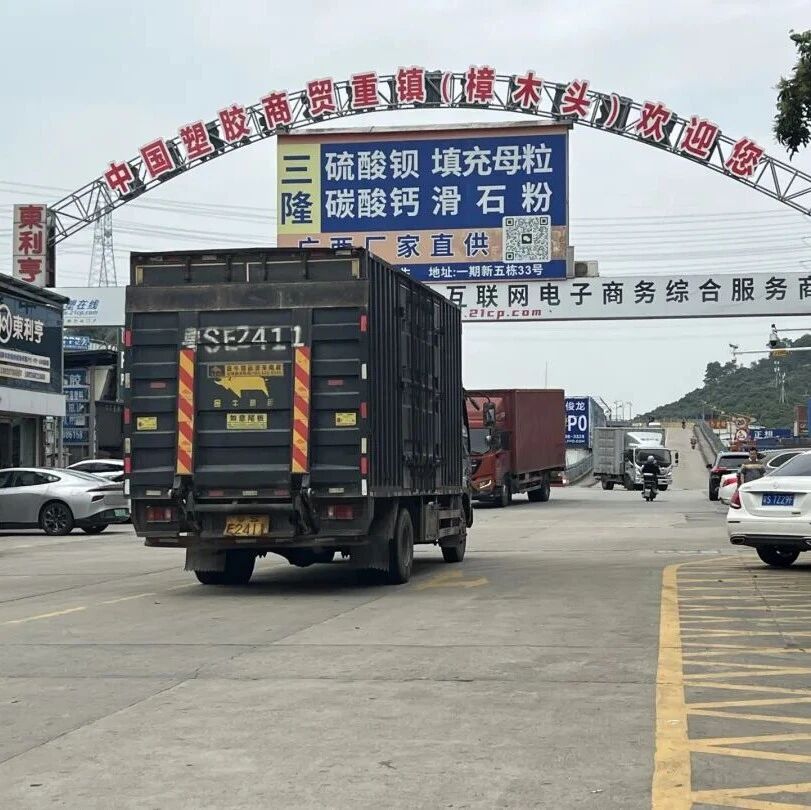
东莞出现了15年未见的塑胶抢货潮
投中网· 2026-03-12 02:00
Core Viewpoint - The ongoing conflict in the Middle East, particularly between the U.S. and Iran, has led to significant fluctuations in oil prices, which in turn is impacting the supply chain and causing panic buying in the plastic market in China [4][5][6]. Group 1: Market Dynamics - The price of WTI crude oil reached a peak of $119.48 per barrel, representing a 78% increase compared to pre-conflict levels [5][12]. - In the chemical market, polypropylene (PP) and polyethylene (PE) futures saw significant price increases, with PP rising to 8034 yuan/ton and PE to 7944 yuan/ton, marking daily increases of 454 yuan/ton and 449 yuan/ton respectively [5][14]. - The Dongguan market, a major hub for plastic trading, has experienced severe congestion due to panic buying, with trucks waiting for hours to unload [6][9][21]. Group 2: Supply Chain Implications - The conflict has created a ripple effect throughout the supply chain, with rising oil prices affecting the entire petrochemical industry, leading to increased costs for downstream products [13][26]. - Local suppliers in Dongguan have reported frequent price adjustments and speculative buying behavior, indicating a market driven by fear rather than actual demand [24][26]. - The local plastic industry is facing a dual challenge of rising prices from upstream suppliers and stagnant demand from downstream manufacturers, leading to a precarious market situation [26][27]. Group 3: Future Outlook - The Dongguan Plastic Industry Association has indicated that while short-term price fluctuations are expected, the core supply channels remain stable, and the overall supply-demand balance is manageable [25]. - However, there are concerns about the accumulation of risks in the market, particularly with high-priced inventory and potential cash flow issues for traders [27]. - The ongoing geopolitical tensions may keep oil prices elevated, which could have long-term implications for the manufacturing sector reliant on plastic as a key raw material [27].


塑料PP每日早盘观察-20260312
Yin He Qi Huo· 2026-03-11 23:48
Report Industry Investment Rating - Not provided in the given content Core Viewpoints - The market conditions of L plastic and PP polypropylene fluctuate daily, affected by factors such as supply - side changes of petrochemical enterprises, oil prices, and freight rates. The trading strategies for L and PP vary according to different market situations, including unilateral trading, arbitrage, and option trading [1][2] - The development of the polyolefin industry is also related to macro - economic indicators, global production capacity utilization, and industry - specific news, which together influence the investment decisions of L and PP [2][6] Summary by Directory Market Conditions - **L Plastic**: The price of L plastic fluctuates daily. For example, on March 12, 2026, the L主力2605 contract rose 116 points or 1.42% to 8270 points, and the LLDPE market price rebounded with a range of 50 - 500 yuan/ton. Different regions have different price ranges and changes [1] - **PP Polypropylene**: The PP market also shows daily price fluctuations. On March 12, 2026, the PP主力2605 contract rose 162 points or 1.98% to 8359 points. The price range and trend vary by region, and the market sentiment is affected by factors such as production enterprise quotes and downstream demand [1] Important News - A 100,000 - ton per - year polyvinyl alcohol (PVA) project of Ningxia Shuangying New Material Technology Co., Ltd. started construction on March 5, 2026, with a total investment of 1 billion yuan and an expected annual industrial output value of 1.5 billion yuan [1] - The global automotive production and sales exceed 80 million vehicles, and China has been the world's largest automotive exporter for two consecutive years. The "15th Five - Year Plan" will adjust the commodity export strategy [5] - Multiple domestic futures exchanges have issued risk warnings and adjusted relevant contracts due to the intensified fluctuations in the international commodity market [9] - Verdant IMAP completed a $5 million strategic equity financing for Nigerian recycling plastic enterprise Polysmart Packaging Group [18] - In 2026, the domestic polyethylene market's total production capacity will exceed 45 million tons, and the industry will face structural adjustments [20] - The China Petroleum and Chemical Industry Federation released a list of products with oversupply risks in the petrochemical industry [24] - An international investment bank reported that the chemical industry's M&A market may pick up slightly in 2026, but the market is highly uncertain [28] - The US and Israel launched a military strike against Iran on February 28, 2026, which affected the Middle East region [32] - The global refined oil demand will enter the end of growth in the "15th Five - Year Plan" period, and China's refining and refined oil industry will enter the "acceleration period of transformation" [36] - The 10 - million - ton - per - year refining and chemical integration transformation and upgrading project of Yanchang Petroleum in Yan'an has been reported to the State Council for approval [40] - In 2025, the petrochemical industry maintained stable economic operation, with the production of major energy and chemicals remaining stable, and the export volume achieving rapid growth [44] - The EU approved a draft implementation bill regarding the accounting rules for recycled PET in plastic beverage bottles [47] Logical Analysis - **Automobile - related**: In February, domestic commercial vehicle production decreased by 15.3% year - on - year to 273,000 vehicles, and passenger vehicle production decreased by 24.3% year - on - year to 1.4 million vehicles. In January, global automobile sales decreased to 7.18 million vehicles, with a year - on - year increase of 1.4% [2][6] - **Economic Indicators**: In March, the Baltic crude oil freight index rose to 2901 points, a year - on - year increase of 110.5%. In February, the US manufacturing PMI fell to 52.4 points, a year - on - year increase of 4.7%. In January, the global stock market value decreased to $149 trillion, a year - on - year increase of 14.1% [2][10][14] - **Production and Capacity**: In March, the domestic PE capacity utilization decreased to 86.9%, a year - on - year increase of 4.0%. As of last week, the global PP capacity utilization decreased to 72.8%, a year - on - year decrease of 3.5% [6][10] - **Inventory**: As of the previous Friday, the registered warehouse receipts of the DCE L contract decreased by 4.2% to 87,000 lots, and the PP contract decreased by 11.6% to 184,000 lots [14] Trading Strategies - **Unilateral Trading**: For different dates, the strategies for the L主力2605 and PP主力2605 contracts include holding long positions, holding short positions, trying long positions, trying short positions, and holding a wait - and - see attitude, with corresponding stop - loss points set [2][6][10] - **Arbitrage (Long - Short)**: The SPC L2605&PP2605 contract's trading strategies mainly include holding short positions, reducing positions for observation, and waiting and seeing, with corresponding stop - loss points set [2][6][10] - **Options**: The general strategy for options is to wait and see [2][6][10]
“见过抢米抢面,没见过抢塑料”,中东开战,东莞一个小镇大堵车
凤凰网财经· 2026-03-10 13:53
Core Viewpoint - The article discusses the recent surge in plastic raw material prices in Dongguan's Zhangmutou, driven by geopolitical tensions in the Middle East, leading to a phenomenon termed the "plastic rush" [2][4][6]. Group 1: The "Plastic Rush" - The "plastic rush" in Zhangmutou has resulted in significant traffic congestion and a dramatic increase in plastic product prices, with some prices rising by 40% to 60% in just a week [4][6]. - Despite the apparent frenzy, industry insiders suggest that the price hikes are largely speculative and do not reflect actual demand from end-users, as the downstream market operates on thin margins [4][11]. - The congestion was exacerbated by the concentration of warehouses and logistics centers in the area, which, combined with increased demand for plastic materials, led to significant delays in transportation [9][10]. Group 2: Market Dynamics and Speculation - The article highlights a shift in market behavior, where traders, accustomed to low demand, are now scrambling to stock up on materials due to fears of supply shortages caused by the Middle East conflict [11][12]. - Traders are engaging in speculative pricing, with some quotes not reflecting actual transactions, leading to a cycle of price increases driven by perceived scarcity rather than real demand [13][14]. - The current market situation is characterized as a "virtual prosperity," where goods are merely transferred within warehouses without reaching end-users, raising concerns about potential financial risks for traders [17][18]. Group 3: Price Increases and Industry Response - The article notes that upstream raw materials related to plastics, such as styrene and acrylonitrile, have also seen price increases, which are expected to impact downstream manufacturing costs [18][19]. - Major chemical companies have begun issuing price increase notices, with some products seeing price hikes of 5% to 20%, indicating a broader trend of rising costs across the industry [19][20]. - Companies like Kingfa Technology are attempting to manage these cost pressures through transparent pricing strategies and commitments to maintain supply for key customers [22][23]. Group 4: Industry Evolution in Zhangmutou - Zhangmutou is undergoing a transformation from a trading hub to a center for high-end manufacturing and technology development, with significant investments in new materials and production capabilities [24][25]. - The local industry is adapting to changing market conditions, with a focus on developing specialized materials that meet high-end manufacturing needs, reflecting a shift in the competitive landscape [27][28]. - The establishment of new projects aimed at high-end plastic production indicates a long-term strategy to enhance the region's industrial capabilities and market position [27].
塑料PP每日早盘观察-20260309
Yin He Qi Huo· 2026-03-09 01:29
Report Industry Investment Rating - Not provided in the given content Core Viewpoints of the Report - The market trends of L plastic and PP polypropylene are affected by multiple factors including production, inventory, international oil prices, geopolitical situations, and economic indices [1][2][5] Summary According to Relevant Catalogs Market Situation - L plastic: The price trends of L plastic vary daily, with some days showing increases and others showing decreases or sideways movements The trading volume and downstream purchasing attitudes also change accordingly [1][5][8] - PP polypropylene: Similar to L plastic, the price of PP polypropylene fluctuates, and the market sentiment is influenced by factors like geopolitical events and production cost changes [1][5][12] Important Information - Logistics industry: The ratio of China's total social logistics cost to GDP dropped to 13.9% in 2025, and the logistics industry is undergoing a digital and intelligent transformation [1] - Chemical industry: In 2026, the total production capacity of the domestic polyethylene market will exceed 4500 tons, and the industry will face structural adjustments The chemical M&A market is expected to recover slightly in 2026 [8][16] - International events: The military conflict between the US, Israel, and Iran has affected the international oil price and the PP market [12][16][20] Logical Analysis - Macroeconomic indicators: Various economic indicators such as the global stock market capitalization, the China Logistics Prosperity Index, the US economic policy uncertainty index, and the dollar index have different impacts on commodities and the chemical industry [2][6][9] - Production and inventory: The production and inventory levels of LLDPE and PP, including daily output, weekly and monthly maintenance losses, and port and warehouse inventories, also affect the market trends [2][6][9] Trading Strategies - Unilateral trading: For most days, the report suggests holding long positions for the L 2605 contract and the PP 2605 contract, with appropriate stop - loss levels set [2][7][9] - Arbitrage trading: The report often suggests holding short positions for the SPC L2605&PP2605 contract, with stop - loss levels adjusted according to market conditions [2][7][9] - Options trading: The report generally advises to wait and see [2][7][9]
研究所晨会观点精萃-20260306
Dong Hai Qi Huo· 2026-03-06 02:55
1. Report Industry Investment Rating - Not provided in the content 2. Core View of the Report - Geopolitical conflicts in the Middle East have led to concerns about inflation, causing a decline in global risk appetite. The short - term market sentiment has cooled, and the stock index may experience a correction. Attention should be paid to changes in the Middle East geopolitical situation, domestic Two Sessions policies, and market sentiment. Different asset classes have different trends: the stock index may see increased volatility in the short term, government bonds may fluctuate in the short term, and different commodity sectors also show different trends [4][5]. 3. Summary by Relevant Catalogs Macro Finance - Overseas: Geopolitical conflicts have pushed up oil prices, triggering inflation concerns. The US dollar index and US Treasury yields have risen in the short term, and global risk appetite has declined. Domestic: The manufacturing PMI in February was 49%, a 0.3 - percentage point decrease from the previous month, indicating a slight slowdown in economic prosperity. Policy: The government work report's 2026 development goals and fiscal and monetary policies are less aggressive than in 2025. Market trading is mainly focused on the Middle East geopolitical risks. In the short term, the stock index may correct, while government bonds may fluctuate. For commodities, black and non - ferrous metals may oscillate in the short term, energy and chemicals may rise significantly, and precious metals may oscillate. The recommended operation is to be cautious when going long, and to wait and see for black and non - ferrous metals [4]. Stock Index - Driven by sectors such as optoelectronic, power grid equipment, and education, the domestic stock market has risen in the short term. However, due to factors such as the slowdown in economic prosperity, less aggressive policies, and the impact of the Middle East geopolitical risks, the stock index may correct in the short term. It is recommended to be cautious when going long in the short term [5]. Precious Metals - The precious metals market declined on Thursday night. Affected by the strengthening of the US dollar and the cooling of the Fed's interest - rate cut expectations, spot gold and silver closed down. Precious metals are expected to oscillate in the short term, and it is recommended to be cautious when going long [5]. Non - ferrous Metals and New Energy Copper - In the peak season, copper demand needs verification. High sulfuric acid prices and relatively high gold and silver prices ensure smelter profits, leading to a record - high refined copper production in March (expected to reach 1.2 million tons). Domestic and foreign copper inventories have been accumulating, indicating a long - term supply shortage and a short - term sufficiency [6]. Aluminum - On Thursday, the Shanghai aluminum market fluctuated sharply. It rose overnight due to Bahrain Aluminum's supply suspension, and then declined in the afternoon due to the Iranian military's statement about the Strait of Hormuz and the lower - than - expected economic growth targets at the Two Sessions. The conflict is expected to support aluminum prices, but market sentiment remains volatile [7][8]. Zinc - The zinc fundamentals are weak. The short - term geopolitical conflict has supported zinc prices, but in the medium term, there is a risk of a breakdown in prices after the conflict eases. In 2026, zinc concentrate supply is expected to increase by 300,000 - 400,000 tons. Domestic smelting capacity is expanding, and overseas production will recover. Demand is not optimistic, and inventory pressure has increased [8]. Lead - In 2026, the global refined lead market is expected to remain in a supply - surplus situation, with a larger surplus than in 2025. The lead price is expected to oscillate widely and trend downward. In the short and medium term, lead production is high, demand is weak, and inventory has been increasing [9]. Nickel - As of March 5, LME nickel inventory was 287,550 tons, much higher than in previous years. Indonesia's RKAB quota in 2026 has decreased significantly, but the first - quarter production will be normal. Nickel prices have strong support at the bottom but limited upward momentum [9]. Tin - The smelting start - up rate in Yunnan and Jiangxi has declined seasonally but is still higher than in previous years and will recover after the Lantern Festival. The conflict in Myanmar has caused concerns about tin supply, but there is no actual impact. Demand is weak in various industries, and domestic and LME tin inventories have increased [10]. Carbonate Lithium - On Thursday, the carbonate lithium futures contract rose 3%, and the spot price also increased. The social inventory has been decreasing. It is expected to oscillate at a high level, and it is recommended to wait for it to stabilize and then go long at a low price [11]. Industrial Silicon - On Thursday, the industrial silicon futures contract rose 2.27%. In a situation of weak supply and demand, over - capacity, and high inventory, it is priced close to cost. It is recommended to operate within a range, paying attention to the cost support [12]. Polysilicon - On Thursday, the polysilicon futures contract fell 0.2%. Inventory has been accumulating at a high level, and the downstream silicon wafer price has declined rapidly. It is expected to oscillate weakly, and short - sellers should hold positions cautiously [12]. Energy and Chemicals Methanol - The inland methanol market has weakened, and the port basis has remained weak. Due to the geopolitical conflict, Iranian methanol plants have shut down, and shipping has been affected. The market is worried about a reduction in imports, and methanol prices are expected to remain strong in the short term [13]. PP - The geopolitical conflict has pushed up the cost of polypropylene and accelerated inventory reduction. The price has risen in the short term, but attention should be paid to the geopolitical situation to prevent a sharp decline [13]. LLDPE - The polyethylene market price has risen. After the Spring Festival, supply has increased, and demand is gradually rising. The increase in oil prices has pushed up the cost of PE, but there is a risk in the market [13]. Urea - The domestic urea market is weakening. After the Spring Festival, it was supported by agricultural demand, low inventory, and high tender prices. However, the release of commercial reserves may suppress the price in the short term. The price trend depends on the connection between industrial and agricultural demand [14]. Agricultural Products US Soybeans - The overnight CBOT soybean futures for May delivery fell 0.81%. The US soybean export sales and shipments data showed a mixed performance. The export sales decreased compared with the previous week and the four - week average, while the export shipments increased compared with the previous week [15]. Soybean and Rapeseed Meal - The soybean procurement for March by oil mills is basically completed. The soybean meal market is in a range - bound situation, with the top limited by high domestic inventory and weak demand and the bottom supported by the cost of US soybeans. The rapeseed meal market fluctuates with the soybean meal market. In the short term, rapeseed meal prices are expected to remain stable, but the supply pressure may increase as imported rapeseed arrives [16]. Soybean and Rapeseed Oil - The oil mill opening rate has declined slightly. The soybean oil market is supported by oil prices but is facing supply - demand pressure. The rapeseed oil market is supported by oil prices and low inventory but may face supply pressure as Canadian rapeseed arrives in March [16]. Palm Oil - The BMD Malaysian palm oil futures rose 0.67%. The closure of the Strait of Hormuz has pushed up oil prices, which in turn has boosted palm oil prices. In addition, the risk of drought in Indonesia has increased, and the palm oil supply may be tight in the short term [17]. Corn - The corn price increase has slowed down. The prices in the northeast and northern ports are still strong, while the prices in the sales areas have stabilized. The increase in the arrival of imported barley and the expected release of policy - related grain sources may limit the upward movement of corn prices [17]. Pigs - The early - morning pig price in China was stable. The supply of pigs is abundant, and the demand is weak after the Spring Festival. Although there is support from the price - support mentality and the purchase - storage policy, the short - term rebound is limited. Attention should be paid to the dynamics of second - fattening and slaughterhouse inventory [18].
塑料PP每日早盘观察:塑料L及PP:多单持有-20260304
Yin He Qi Huo· 2026-03-04 01:01
Report Industry Investment Rating No relevant content provided. Core Viewpoints - The market conditions of L plastic and PP polypropylene fluctuate daily, affected by factors such as geopolitical situations, crude oil prices, and supply - demand relationships. Different trading strategies are recommended based on daily analysis, including holding long positions, short - selling, and waiting and seeing [1][2][5]. Summary by Directory Market Conditions - **L Plastic**: The price of L plastic's main 2605 contract and LLDPE market prices show daily fluctuations. For example, on 26 - 03 - 04, the L main 2605 contract rose 203 points or 2.82% to 7403 points, and LLDPE market prices had a wide - range increase of 170 - 650 yuan/ton [1]. - **PP Polypropylene**: The price of PP's main 2605 contract and the PP market are also affected by various factors. On 26 - 03 - 04, the PP main 2605 contract rose 228 points or 3.16% to 7451 points. Geopolitical fluctuations and rising crude oil prices have a significant impact on the PP market [1]. Important Information - The China Chemical Industry News reported that 15 products in the petrochemical and chemical industry in 2025 have a risk of oversupply, including 12 high - risk products and 3 relatively high - risk products [1]. - The International Investment Bank Young&Partners reported that the chemical mergers and acquisitions market showed signs of increased activity at the end of 2025, and the industry valuation was gradually stabilizing, with a slight recovery expected in 2026 [5]. - The Xinhua News Agency reported that on February 28, the United States and Israel launched a "pre - emptive" military strike against Iran, and Iran retaliated, affecting many Middle Eastern countries [9]. - The China Petrochemical News reported that global refined oil demand will enter the end of growth in the "14th Five - Year Plan" period, and China's refining and refined oil industry will enter the "acceleration period of transformation" [13]. - The Youhuacai News reported that the Yanchang Petroleum Yan'an 10 million tons/year refining and chemical integration transformation and upgrading project with a total investment of 80.29 billion yuan has completed preliminary preparations and has been officially submitted to the State Council for approval [17]. - The China Chemical Industry News reported that in 2025, the petrochemical industry achieved stable progress in economic operation, with stable production of main energy and chemicals, but a decline in industry investment and total import and export trade [21]. - The Zhuan Su Shi Jie reported that the EU's Waste Technical Adaptation Committee for the "Single - Use Plastics Directive" approved an implementation bill draft, which adjusted the accounting rules for the minimum recycled content of plastic beverage bottles [24]. Logical Analysis - In early March, the US dollar index strengthened to 98.5 points, down 5.5% year - on - year, with the decline narrowing for 2 consecutive months, which was bearish for commodities. The Baltic crude oil freight index rose to 2322 points for 3 consecutive months, up 88.2% year - on - year, and the increase was the highest in 39 months, which was bullish for the chemical industry [2]. - In February, the US economic policy uncertainty index rose to 361.3 points, up 9.5% year - on - year, strengthening marginally for 6 consecutive months, which was bullish for the energy sector. Brent oil prices rose to $69.6/barrel for 2 consecutive months, down 7.4% year - on - year, and increased marginally for 6 consecutive months, which was bullish for PP [6]. - In January, the domestic M1 increased 4.9% year - on - year, M2 increased 9.0% year - on - year, and the M1 - M2 scissors difference was - 4.1%, up slightly from the previous month, which was slightly bullish for commodities [10]. - In February, the ZEW global auto industry index dropped to - 7.2 points, slightly bearish for commodities. In December 2025, the total import and export volume of domestic raw salt was $49 million, down 46.0% year - on - year, with the decline widening for 9 consecutive months, which was bearish for the chemical industry [14][18]. - In December 2025, new orders for US automobiles and auto parts increased to $67.98 billion, up 11.4% year - on - year, and the increase was the highest in 35 months, with marginal growth for 2 consecutive months, which was bullish for commodities [22]. Trading Strategies - **Unilateral**: Different strategies are recommended for the L main 2605 contract and the PP main 2605 contract, including holding long positions, short - selling, trial - buying, and waiting and seeing. For example, on 26 - 03 - 04, it was recommended to hold long positions in the L main 2605 contract and the PP main 2605 contract, and raise the stop - loss levels [2]. - **Arbitrage (Long - Short)**: Strategies such as holding short positions and trial - shorting are recommended for the SPC L2605&PP2605 contract, and stop - loss levels are set [2][6]. - **Options**: Generally, a wait - and - see strategy is recommended [2][6].