量子科技

Search documents
四川首只量子科技产业基金落地成都 规模10亿元
Xin Hua Cai Jing· 2026-01-28 15:26
Group 1 - Chengdu Xingjin Industrial Investment Co., Ltd. and Sichuan Industrial Fund signed an agreement to establish Sichuan's first quantum technology industry fund with a scale of 1 billion yuan [1] - The fund will focus on key areas such as standardized management, quality project investment, cutting-edge results transformation, industrial chain recruitment, and application scenario incubation to provide precise financial support for innovative projects and key enterprises in the quantum technology field [1] - The "Quantum Corridor" plan and "Ten Major Quantum Technology Application Scenarios" were released, outlining the development space and implementation path for the quantum technology industry [1] Group 2 - The "Quantum Corridor" spans approximately 4 kilometers along the East-West direction of Jiaozi Financial Street, aiming to create a core industrial carrier for quantum technology in Western China [1] - The core structure includes a "R&D Core Area - Manufacturing Gathering Area - Integration Demonstration Area" to promote the development of the entire industrial chain and establish a leading area for quantum technology innovation applications [1] - The "Ten Major Quantum Technology Application Scenarios" focus on quantum encryption, computing, and precision measurement, covering areas such as "Quantum + Energy" and "Quantum + Finance," while extending to urban governance, public services, and industrial upgrades [1] Group 3 - Six quantum technology companies signed intention agreements to settle in the Quantum Technology Building, including Sichuan Tianfu Quantum Technology Co., Ltd. and Shanghai Turing Intelligent Computing Quantum Technology Co., Ltd. [2] - The Quantum Technology Building is located in Chengdu Financial City Phase III (Jinjiang District) and is planned to have four functional sections: Chain Leader Area, Innovation Source Area, Incubation and Cultivation Area, and Public Technology Service Area, creating a full-chain industrial support system [2] - Jinjiang District has incorporated quantum technology into six major future industries, collaborating deeply with top institutions like the University of Science and Technology of China to focus on core technology breakthroughs, application scenario implementation, and industry-academia-research collaboration [2]
开源证券晨会纪要-20260128
KAIYUAN SECURITIES· 2026-01-28 14:46
Group 1: Macro Economic Insights - The profits of industrial enterprises ended a three-year decline, with a cumulative year-on-year growth of 0.6% in 2025, compared to a previous value of 0.1% [4] - December 2025 saw a significant improvement in profit year-on-year, rising by 18.4 percentage points to 5.3%, despite a revenue decline of approximately 3.2% [5][6] - The profit margin for industrial enterprises showed a recovery, with contributions from various factors indicating a positive trend in profitability [7] Group 2: Industry Trends and Recommendations - The heavy truck sales in 2025 exceeded one million units, marking a year-on-year growth of approximately 27%, driven by policies encouraging vehicle replacement [59] - The domestic market for new energy heavy trucks saw explosive growth, with sales reaching 231,100 units in 2025, a year-on-year increase of 182% [60] - The report highlights the potential for investment opportunities in the heavy truck sector, particularly with companies like China National Heavy Duty Truck Group and Foton Motor showing strong performance [62] Group 3: Sector-Specific Insights - The food and beverage sector, particularly companies like Gan Yuan Foods, is expected to see significant growth in Q1 2026 due to seasonal stocking and favorable comparisons to low base figures [16] - The communication sector is poised for growth, with companies like Guanghui New Network benefiting from increased demand for data center services driven by AI developments [17] - The semiconductor industry, represented by companies like Zhongwei Company, is experiencing strong growth in specific segments, such as integrated circuit manufacturing, with year-on-year increases of 172.6% [7] Group 4: Investment Strategies - The report suggests a focus on technology and cyclical sectors, with recommendations for investments in industries such as military, media, AI applications, and renewable energy [10] - The potential for theme-based investments in 2026 is highlighted, with key themes including AI, embodied intelligence, nuclear fusion energy, quantum technology, and brain-computer interfaces [23][25] - The report emphasizes the importance of selecting new themes over old ones to avoid value traps and to capitalize on emerging trends [24]
2026年美国《国家安全战略》解读:特朗普引领下的美国战略方向在哪?
Shenwan Hongyuan Securities· 2026-01-28 13:43
2026 年 01 月 28 日 特朗普引领下的美国战略方向在 哪? ——2026 年美国《国家安全战略》解读 券 研 究 报 告 证券分析师 程翔 A0230518080007 chengxiang@swsresearch.com 傅静涛 A0230516110001 fujt@swsresearch.com 王胜 A0230511060001 wangsheng@swsresearch.com 联系人 程翔 A0230518080007 证 chengxiang@swsresearch.com 策 略 研 究 本研究报告仅通过邮件提供给 中庚基金 使用。1 请务必仔细阅读正文之后的各项信息披露与声明 A 股 策 略 相关研究 - ⚫ 2025 年年底白宫发布《国家安全战略》,以下我们简称为 NSS(National-Security- Strategy)。本次 NSS 报告主要涉及"美国核心诉求"、"优先事项"、"地区战略" 三部分: ⚫ 在开篇美国核心诉求部分,关键词包括"移民、安全、科技"。(1)移民部分,NSS 提 及"西半球保持适度稳定与良好治理,预防和遏制大规模移民潮涌入美国";(2)安全 部分 ...
中国贸促会:今年链博会将创新设置人工智能专区
Mei Ri Jing Ji Xin Wen· 2026-01-28 13:25
1月28日,中国贸促会举行1月例行新闻发布会。 提升外资服务保障能力 中国贸促会2026年有哪些重点工作值得期待? 王文帅表示,2026年是"十五五"开局之年。下一步,中国贸促会将以"十五五"规划有关重要部署作为根 本遵循,在扩大高水平对外开放方面,以最高标准、最严要求办好APEC(亚太经济合作组织)工商领 导人峰会等工商界活动,为APEC"中国年"积累务实成果。 中国贸促会新闻发言人王文帅介绍,2025年11月份,在涉华经贸摩擦方面,19个国家(地区)涉华经贸 摩擦指数为101,处于高位。其中,欧盟涉华经贸摩擦指数最高,半导体材料、稀土磁铁和液晶产品等 行业涉华经贸摩擦指数处于高位。当月19个国家(地区)涉华经贸摩擦措施涉及金额同比下降12.4%, 环比下降2.4%。 部分中企遭遇歧视性待遇 针对近期欧盟出台相关法案,部分规则和实施细则被指针对中国企业的问题,王文帅指出,近期欧盟针 对中国企业的不合理歧视措施的确有所增加。 今年1月初,欧盟密集发布欧盟碳边境调节机制(CBAM)相关立法提案与实施细则,无视中国绿色低 碳发展取得的巨大成效,对中国产品碳排放强度设定显著偏高的基础默认值,并将在未来三年内逐年提 ...
投资策略专题:掘金2026年五大潜在强主题机会
KAIYUAN SECURITIES· 2026-01-28 04:25
Group 1: Market Trends and Investment Themes - The market is currently in a major cycle of thematic investment, with significant opportunities emerging in areas like humanoid robots, commercial aerospace, and Hainan Free Trade Port[2] - Thematic investments are expected to become more active in 2026, driven by abundant liquidity and technological breakthroughs in AI[2] - Historical patterns show that thematic investments thrive during periods of weak fundamentals and ample liquidity, often triggered by technological breakthroughs and policy guidance[2][17] Group 2: Selection Criteria for Strong Themes - The strategy for selecting strong themes is summarized as "buy new, not old; buy big, not small," aiming to avoid trapped positions and benefit from high elasticity[3][22] - New themes often lack valuation anchors, allowing for greater price appreciation potential compared to established themes[3][22] - Strong themes should encompass significant narratives and capacity, capable of attracting substantial institutional investment[3][23] Group 3: Five Potential Strong Themes for 2026 - The five potential strong themes for 2026 include AI+ (AI for Science), embodied intelligence, nuclear fusion energy, quantum technology, and brain-computer interfaces[27] - AI+ is shifting focus from computational power to accelerated application penetration, with significant growth in AI demand observed in both the U.S. and China[28] - Embodied intelligence is seen as a core battleground for future manufacturing, with the U.S. excelling in software and China in hardware[44][45] Group 4: Specific Insights on Key Themes - Nuclear fusion energy is recognized as a strategic priority, with significant advantages over traditional energy sources, including near-infinite fuel supply and alignment with global carbon neutrality goals[4][27] - Quantum technology represents a disruptive technological revolution, with three core pillars: quantum computing, quantum communication, and quantum measurement, poised to transform existing technologies[5][27] - Brain-computer interfaces are positioned as a national strategic focus, with ongoing breakthroughs expected to drive industry transformation and reshape multiple ecosystems[6][27]
量子金融、比特币、机器人……2026年量子科技将在这些领域发力
Guan Cha Zhe Wang· 2026-01-28 02:20
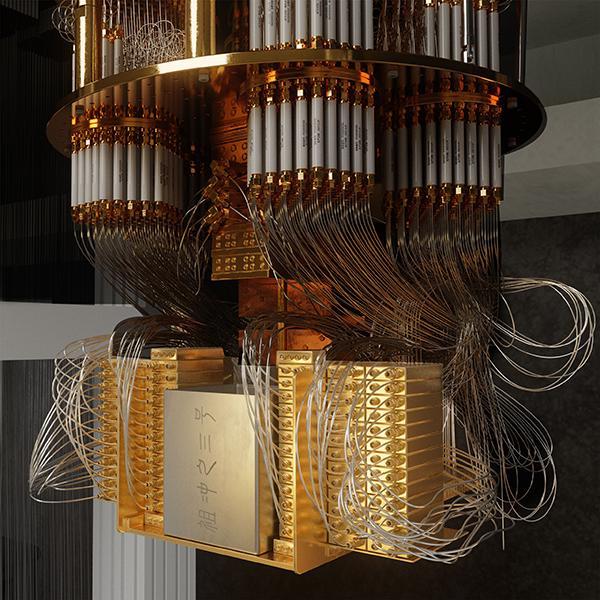
Core Insights - Quantum technology is emerging as a core potential area in the new wave of technological revolution, especially in the context of AI advancements and global tech competition [1][2] - The development of quantum technology is strategically significant, with key milestones such as the United Nations designating 2025 as the "Year of Quantum Technology" and China's 14th Five-Year Plan prioritizing quantum technology as a leading industry [2][3] Group 1: Quantum Technology Directions - Quantum technology has three main directions: quantum computing, quantum communication and cryptography, and quantum sensing and precision measurement [3][14] - Quantum computing is seen as a long-term goal, akin to the pursuit of controlled nuclear fusion, representing humanity's quest for "almost limitless computing power" [4][5] - Quantum communication and cryptography are already impacting daily life with mature technologies being implemented, highlighting their immediate application value [7][12] Group 2: Challenges and Opportunities - The current challenge in quantum computing is the resource-intensive nature of maintaining logical qubits, with a ratio of approximately 1000 physical qubits needed to maintain one logical qubit [4][7] - The recent incident involving the theft of significant Bitcoin assets through compromised private keys underscores the urgent need for true randomness in cryptographic systems, which quantum technology can address [12][13] - Quantum random number generation technology is already mature and can be applied on a large scale, promising significant upgrades in financial security [13] Group 3: Future Implications - Quantum sensing and precision measurement technologies, such as atomic clocks and quantum navigation systems, are poised to revolutionize navigation and measurement accuracy, especially in competitive scenarios between nations [15][17] - The integration of quantum sensors into robotics and AI systems is essential for enhancing their capabilities in complex environments, emphasizing the importance of quantum communication for security [17][18] - Overall, in the AI era, quantum computing remains a distant dream, while quantum communication and sensing are expanding the boundaries of data security and intelligent perception [17]


上海科技馆焕新 春节试开放 集聚大批融合前沿科技的新展项 全力打造世界级科学技术博物馆典范
Jie Fang Ri Bao· 2026-01-28 01:40
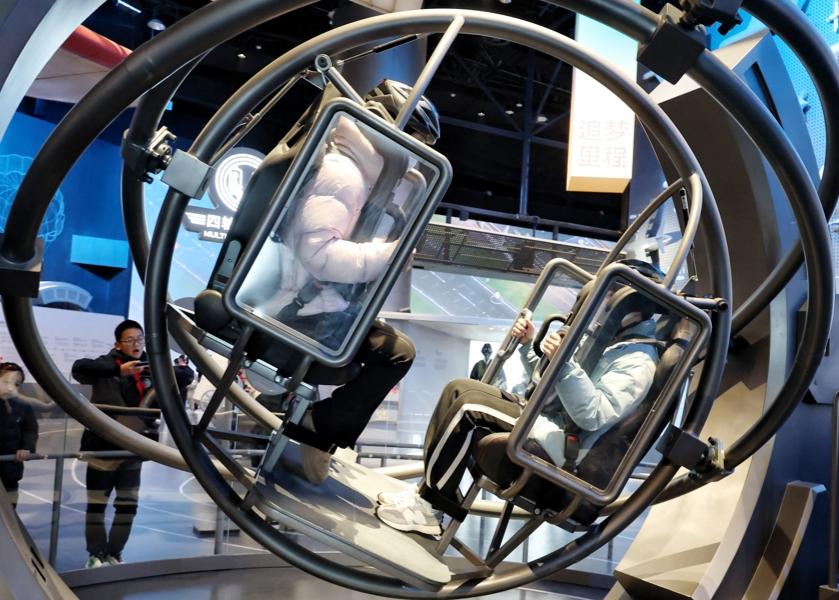
Core Viewpoint - The Shanghai Science and Technology Museum has undergone a significant upgrade and renovation, aiming to become a world-class science and technology museum, with a total investment of approximately 820 million yuan, making it the largest single renovation project in a global science museum and a major public cultural venue in Shanghai [4][7]. Group 1: Renovation and Upgrades - The renovation includes extensive building repairs covering an area of 100,600 square meters and display updates over 21,000 square meters, expanding the science and technology education space by 1,400 square meters [4]. - The museum features 405 diverse science exhibition items, with an interaction rate of 80% and an originality rate of 87% for the exhibits, enhancing visitor engagement through hands-on participation [4][5]. Group 2: Exhibition Highlights - The museum showcases ten permanent exhibition areas, including themes such as artificial intelligence, quantum technology, energy, materials, aviation, ecology, and health [7]. - Notable exhibits include a life-sized humanoid robot capable of interaction and a 1:1 replica of a 1930s Ford tri-motor airplane, providing immersive experiences through VR technology [5][6]. Group 3: Educational and Cultural Integration - The museum aims to create a platform for interdisciplinary collaboration and the integration of science and art, featuring nine scientific art installations that illustrate the connection between science and artistic expression [8]. - The "Tomorrow Innovation Camp" educational space is designed to stimulate curiosity and nurture potential scientists, with plans for ten educational series and an online smart experience platform [9].

迈好第一步 展现新气象
Liao Ning Ri Bao· 2026-01-28 01:07
Group 1: Investment and Economic Development - The provincial government aims to implement a comprehensive investment strategy, focusing on attracting projects and ensuring their successful execution through a structured investment work system [2][3] - Emphasis will be placed on stabilizing high-tech manufacturing investments and promoting advanced manufacturing sectors, while also addressing social needs through public welfare projects [2][3] - The government plans to enhance private investment participation in major projects, particularly in transportation, energy, and water resources [3] Group 2: Education and Social Welfare - The provincial education system will focus on improving the quality and accessibility of education, with significant investments planned for infrastructure and resources in schools [4][5] - Initiatives will include expanding access to quality early childhood education and enhancing facilities in primary and secondary schools [4] - The government will also prioritize health and welfare services for the elderly and children, including the establishment of a comprehensive support network for elderly care [11][12] Group 3: Technology and Industry - The provincial government aims to create a nationally influential regional technology innovation center, focusing on enhancing innovation capabilities and supporting enterprise development [6][7] - Key initiatives will include building a service system for technology transfer and fostering collaboration between enterprises and research institutions [8] - The government will also promote the development of a unique industrial system characterized by strategic emerging industries and traditional industry upgrades [9][10] Group 4: Transportation and Infrastructure - The transportation sector will focus on building a comprehensive transportation network, with significant projects planned for highways and modern port upgrades [15][16] - The government will implement measures to enhance logistics efficiency and reduce costs, promoting multi-modal transport solutions [15][16] Group 5: Agriculture and Rural Development - The agricultural sector will prioritize modernizing agricultural practices and enhancing food security through the construction of high-standard farmland [17][18] - Initiatives will include promoting rural infrastructure development and improving public services in rural areas [18] Group 6: Trade and Foreign Investment - The provincial government will enhance its efforts in foreign trade and investment, focusing on building a robust network for international trade and attracting foreign enterprises [19][20] - Strategies will include promoting cross-border e-commerce and integrating domestic and international trade [19][20] Group 7: Cultural and Tourism Development - The government aims to enhance cultural influence and promote the integration of culture and tourism, with initiatives to support local cultural heritage and tourism projects [21][22] - Plans include developing new tourism products and enhancing public cultural services to stimulate economic growth [22] Group 8: Health Services - The health sector will focus on improving access to medical services and addressing public health concerns, with initiatives to enhance hospital capabilities and community health services [23][24] - The government will also prioritize health services for vulnerable populations, including the elderly and children [24] Group 9: Sports Development - The province will launch the "Northeast Super" football league to promote sports and cultural integration, aiming to create a platform for local talent [25][26] - The initiative will focus on community engagement and enhancing the overall experience for participants and spectators [26]
增强创新策源功能 优化科技创新走廊体系
Xin Lang Cai Jing· 2026-01-27 17:52
Core Viewpoint - The Chengdu-Chongqing economic circle is focusing on technological innovation as the primary driver for development, aiming to enhance its innovation capabilities and competitiveness compared to other major economic regions in China. Group 1: Innovation and Development - Technological innovation is identified as the core engine for enhancing the development level of the Chengdu-Chongqing economic circle [3] - The region has strong innovation foundations with major universities and significant scientific infrastructure, but still lags behind regions like Beijing-Tianjin-Hebei and the Yangtze River Delta in terms of innovation capabilities [3][4] Group 2: Strategic Recommendations - There is a need to seize national opportunities to optimize the layout of scientific resources, focusing on fields like artificial intelligence and quantum technology, and jointly apply for national laboratories and major scientific facilities [4] - Emphasis on deepening the integration of industrial and innovation chains by forming cross-regional industrial innovation alliances involving leading enterprises, universities, and research institutions [4] - Plans to establish international innovation parks in areas like Chongqing Liangjiang New Area and Chengdu High-tech Zone to attract multinational R&D centers and enhance the internationalization of the innovation ecosystem [4]

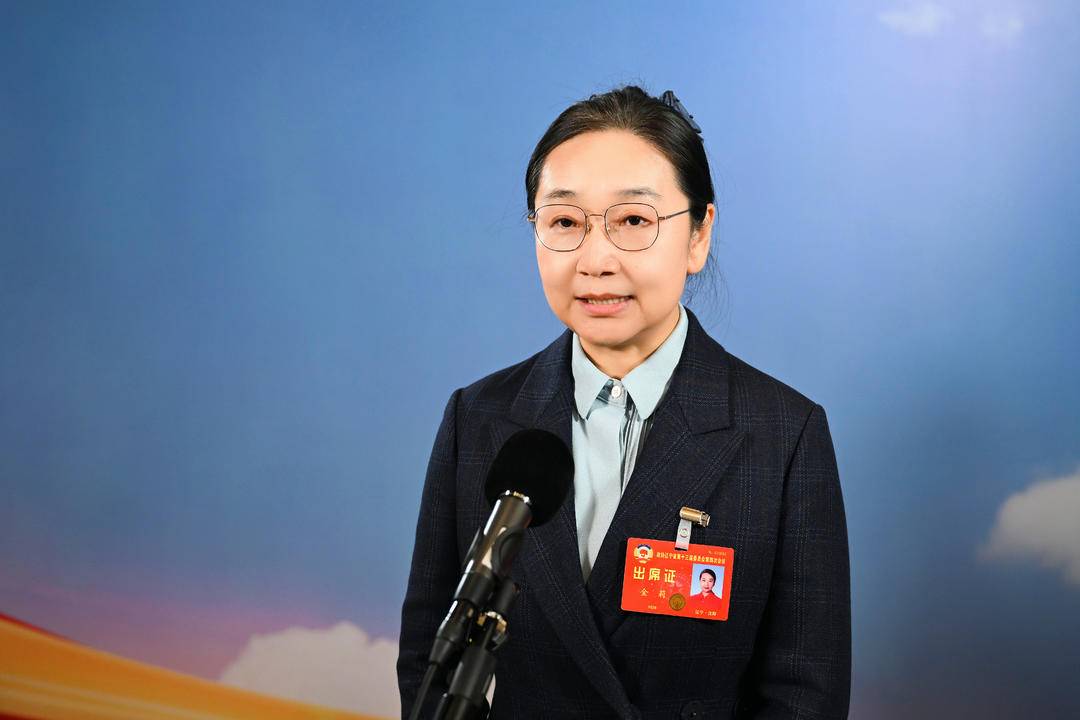
厅局长访谈 | 金莉:“十个突破”推动科技创新与产业创新深度融合
Xin Lang Cai Jing· 2026-01-27 16:55
Group 1 - The core objective is to create a nationally influential regional technology innovation center, focusing on five key areas: capability building, technology supply, enterprise innovation, results transformation, and institutional mechanisms [2] - The plan includes a systematic approach to achieve breakthroughs in ten areas by 2026, such as building a results transformation service system and enhancing collaborative efforts between provincial and municipal levels [3] - The initiative aims to support and lead industrial development by aligning with national strategies and forming a national key laboratory innovation alliance [3] Group 2 - The focus on new fields includes accelerating advancements in AI for Science and proactively engaging in cutting-edge technologies like atomic-level manufacturing and quantum technology [3] - The reform efforts will include the implementation of regulations to promote innovation development in material laboratories and the empowerment of enterprises through targeted actions [3] - Financial support will be expanded through technology finance risk compensation trials and exploring new support methods [3]