食品安全监管

Search documents
严把食用农产品质量关,塔城市市场监督管理局专项抽检守护“舌尖安全”
Zhong Guo Shi Pin Wang· 2025-10-17 08:03
Core Viewpoint - The article highlights the proactive measures taken by the Tashkent City Market Supervision Administration to ensure food safety for consumers through rigorous testing of edible agricultural products [1] Group 1: Focus of Testing - The recent testing focused on high-consumption and high-concern products such as vegetables, fruits, and livestock meat [1] - The testing was conducted in a small agricultural market within the jurisdiction [1] Group 2: Collaboration and Process - Law enforcement personnel collaborated with professionals from third-party testing agencies to ensure compliance with legal procedures and sampling standards [1] - Samples were randomly selected, and the process was transparent and orderly, with cooperation from the responsible parties of the inspected units [1] Group 3: Future Actions - A total of 11 batches of fresh vegetables and meat were tested in this round of inspections [1] - The Tashkent City Market Supervision Administration plans to increase the frequency of food product testing and strengthen food safety supervision to ensure the safety of consumers' food supplies [1]

镇原县市场监管局召开全县食品生产企业 集体约谈暨培训会
Zhong Guo Shi Pin Wang· 2025-10-17 08:03
Core Points - The meeting organized by the Zhenyuan County Market Supervision Administration aimed to strengthen food production safety regulation and enforce corporate responsibility [1][2] - Over 60 participants, including heads of market supervision offices and food production enterprises, attended the meeting to address current issues in food production [1] Group 1: Meeting Objectives - The meeting served as both a warning and a training session to enhance the responsibility awareness and risk prevention capabilities of food production enterprises [2] - Clear requirements were set for food production companies to conduct comprehensive self-inspections focusing on key areas such as production environment, raw material procurement, product labeling, and food additive management [1] Group 2: Regulatory Measures - Emphasis was placed on strict compliance with food additive usage, particularly for products like candied fruits, edible oils, and meat products, prohibiting excessive or unauthorized additions [1] - Local market supervision offices are tasked with enhancing daily inspections and supervision to ensure regulatory responsibilities are effectively implemented [1] Group 3: Training and Capacity Building - Training on relevant laws and regulations, including the Food Safety Law and Food Production Licensing Management Measures, was provided to improve legal awareness and professional skills among participants [1] - The Zhenyuan County Market Supervision Administration plans to continue providing guidance and support to help enterprises identify risks and improve processes, thereby enhancing product quality and safety [2]
塔城市市场监督管理局:全力护航新疆·塔城巴克图论坛顺利开幕
Zhong Guo Shi Pin Wang· 2025-10-17 02:45
Core Viewpoint - The article emphasizes the proactive measures taken by the Tashkent Market Supervision Administration to ensure food safety during the "Xinjiang·Tacheng Bakhtu Forum" by implementing strict regulatory measures and promoting public awareness [1] Group 1: Regulatory Measures - The Tashkent Market Supervision Administration has adopted a "prevention first, full-process supervision" principle to ensure zero food safety incidents during the event [1] - During the preparation phase, the administration conducted a comprehensive inspection of food safety management systems and health conditions of staff at catering units, focusing on procurement channels, inventory management, and processing procedures [1] - A total of one catering unit has undergone a thorough inspection to identify and rectify weak links in food safety management [1] Group 2: On-Site Supervision - Designated personnel will conduct continuous inspections at catering service sites during the event, focusing on critical areas such as ingredient acceptance, separation of raw and cooked foods, food sampling, and cleaning and disinfection of utensils [1] - Immediate guidance and corrective actions will be provided on-site to address any identified issues, aiming to eliminate food safety risks [1] Group 3: Public Awareness and Community Engagement - The administration is utilizing merchant WeChat groups and on-site law enforcement to educate the public and participants about food safety, enhancing self-protection awareness among the community [1] - The initiative aims to foster a collaborative environment for food safety, ensuring a solid foundation for the successful hosting of the event [1]
售假“金龙鱼”油、用超期原料,东莞两企业登省“铁拳”黑榜
Nan Fang Du Shi Bao· 2025-10-16 15:33
Core Points - Guangdong Province's Market Supervision Administration has announced 11 typical cases of its "Iron Fist" campaign, highlighting two companies in Dongguan for illegal activities, including trademark infringement involving the well-known brand "Golden Dragon Fish" [1] Group 1: Regulatory Actions - The "Iron Fist" campaign has been actively conducted since 2025 to combat counterfeit and substandard food products and other illegal activities [1] - The announcement of typical cases aims to enhance law enforcement deterrence, protect public health rights, and promote industry self-discipline [1] Group 2: Case Summaries - Dongguan Certain Flavor Food Co., Ltd. was found using expired raw materials to produce food products, including 67 pieces of "flavored beef offal" and 38 expired "pig ears" without proper labeling or disposal measures [2] - The company violated multiple regulations under the Food Safety Law of the People's Republic of China, resulting in a warning, confiscation of illegal products, and administrative fines [2] - A retail store in Liaobu, Dongguan, was found selling "Golden Dragon Fish" cooking oil, infringing on the trademark rights of Fengyi Trading (China) Co., Ltd., and failing to verify supplier licenses and food safety certificates [3] - The store's actions also constituted violations of the Trademark Law and Food Safety Law, leading to warnings, confiscation of illegal gains, and fines [3]
市场监管总局:外卖无堂食商家需加专属标识
2 1 Shi Ji Jing Ji Bao Dao· 2025-10-16 14:28
Core Points - The latest draft regulation from the State Administration for Market Regulation focuses on enhancing food safety responsibilities in the online food delivery industry [1][2] - The draft includes 45 articles that clarify the responsibilities of online food providers, platform providers, and delivery personnel, covering the entire process from pre-audit to post-publication [2] Group 1: Regulatory Changes - The new draft emphasizes transparency in food preparation by requiring merchants to provide monitoring footage of key food processing stages [1] - Platforms must implement "Internet + Bright Kitchen" video uploads and display them prominently on their pages [1] - The draft addresses the issue of "ghost kitchens" by enforcing a "one certificate, one store" policy, preventing multiple stores from operating under the same business license on a single platform [1] Group 2: Industry Context - The new regulations come amid intense competition in the food delivery sector, marked by significant subsidy wars among major players like JD, Ele.me, and Meituan [4] - Increased traffic has brought merchant qualification reviews and food safety issues back into the spotlight, with platforms facing warnings and penalties for inadequate merchant audits [5] Group 3: Penalties and Compliance - Specific penalties are outlined in the draft, including fines ranging from 5,000 to 50,000 yuan for platforms failing to conduct on-site audits of merchant qualifications [6] - Platforms that approve merchants not adhering to the "one certificate, one store" rule may face fines between 5,000 and 30,000 yuan [6] Group 4: Public Feedback - The draft regulation is currently open for public feedback, with a deadline set for November 16 [7]


市场监管总局:外卖无堂食商家需加专属标识
21世纪经济报道· 2025-10-16 14:08
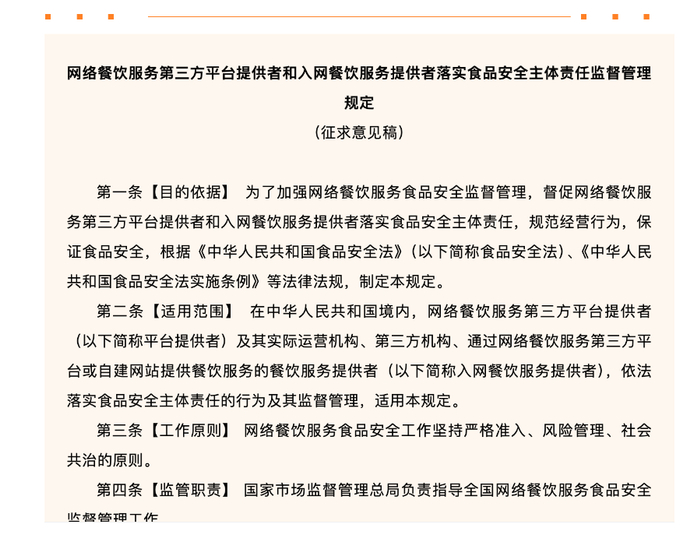
Core Viewpoint - The latest draft regulation from the State Administration for Market Regulation focuses on enhancing food safety responsibilities in the online food delivery industry, addressing issues such as platform accountability, merchant management, and transparency in food safety information [1][2]. Group 1: Regulatory Changes - The new draft regulation includes 45 articles that clarify the responsibilities of three main entities: online food providers, platform providers, and delivery personnel, covering the entire chain from pre-audit to post-publication [2]. - A significant change is the requirement for merchants to provide monitoring footage of key food processing stages, while platforms must upload and display "Internet + Bright Kitchen" video information prominently [1][2]. Group 2: Industry Context - The new regulations come amid intense competition in the food delivery sector, marked by a large-scale subsidy war initiated by major players like JD, Ele.me, and Meituan since April [4]. - The surge in traffic has brought merchant qualification audits and food safety issues back into the spotlight, with platforms facing warnings and penalties for inadequate merchant audits [5]. Group 3: Enforcement and Penalties - Specific penalties are outlined in the draft, including fines ranging from 5,000 to 50,000 yuan for platforms failing to conduct on-site audits of merchant qualifications, and fines from 5,000 to 30,000 yuan for approving non-compliant merchants [6]. - The draft is currently open for public feedback, with a deadline set for November 16 [6].
市监总局征求新规:“无堂食”要标出来,外卖厨房不能再藏了
2 1 Shi Ji Jing Ji Bao Dao· 2025-10-16 12:36
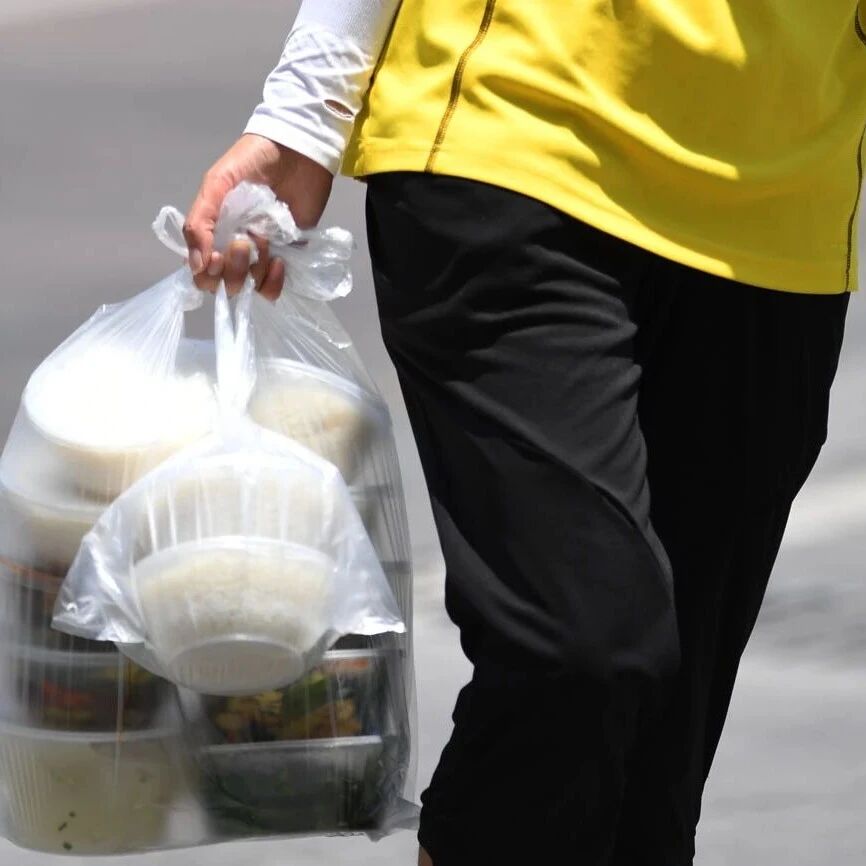
Core Viewpoint - The State Administration for Market Regulation (SAMR) has released a draft regulation focusing on enhancing transparency and accountability in the online food delivery industry, particularly addressing issues related to food safety and the management of merchants on third-party platforms [1][2]. Group 1: Regulatory Changes - The new draft regulation includes 45 articles that clarify the responsibilities of three main entities: online food providers, platform providers, and delivery personnel, covering the entire process from pre-audit to post-publication [2]. - A significant change is the requirement for merchants to provide monitoring footage of key food preparation processes, and platforms must upload and display this information prominently [1][2]. - The draft addresses the issue of "ghost kitchens" by enforcing a "one certificate, one store" policy, preventing the same business license from being used for multiple online stores on the same platform [1][2]. Group 2: Industry Context - The new regulations come amid intense competition in the food delivery sector, marked by a significant subsidy war among major players like JD, Ele.me, and Meituan since April [3]. - Increased traffic has led to renewed scrutiny over merchant qualification audits and food safety, with platforms facing warnings and penalties for inadequate merchant verification [3]. - Recent incidents have highlighted the prevalence of fraudulent practices, such as merchants using AI-generated images and third-party services claiming to guarantee audit approvals [3]. Group 3: Penalties and Compliance - The draft outlines specific penalties for non-compliance, including fines ranging from 5,000 to 50,000 yuan for platforms failing to conduct on-site audits of merchant qualifications, and fines from 5,000 to 30,000 yuan for approving non-compliant merchants [4]. - The regulation is currently open for public feedback, with a deadline set for November 16 [5].
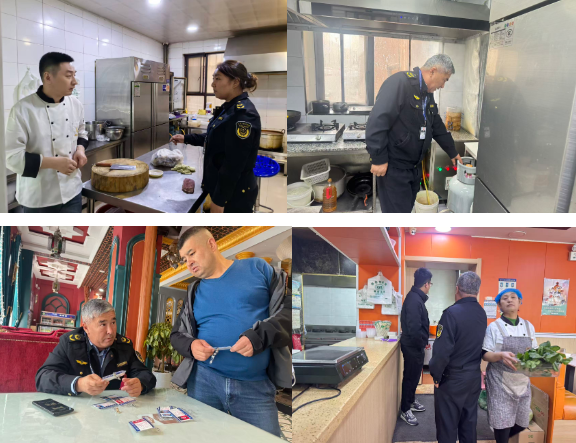
新疆乌苏市市场监管局开展火锅餐饮安全专项检查 守护好群众“舌尖上的温暖与安全”
Zhong Guo Shi Pin Wang· 2025-10-16 10:12
Core Viewpoint - The article highlights the increased popularity of hot pot as a dining choice during winter, while also addressing the safety risks associated with its unique cooking and operational methods. The Urumqi Market Supervision Administration is taking proactive measures to ensure food safety by conducting a special inspection campaign targeting hot pot ingredients. Group 1: Inspection Campaign - The campaign focuses on combating "three no's" (no date, no label, no invoice) and "four poor's" (poor quality, poor hygiene, poor labeling, poor storage) in hot pot food ingredients [1][3] - Enforcement personnel are conducting thorough checks on food suppliers' qualifications and purchase invoices to ensure the traceability of ingredients like beef, lamb, vegetables, and hot pot base [3] - The inspection includes monitoring storage conditions, labeling of bulk foods, and kitchen hygiene to prevent cross-contamination [3] Group 2: Safety Measures - Safety checks on hot pot heating equipment are being conducted to prevent accidents such as fires, burns, and carbon monoxide poisoning [3] - The cleanliness and disinfection of dining utensils are being verified, ensuring compliance with washing processes and proper functioning of disinfection facilities [3] - Immediate corrective action is being taken against establishments found with disorganized food storage, unsanitary kitchen conditions, and incomplete disinfection records [3] Group 3: Regulatory Commitment - The Urumqi Market Supervision Administration emphasizes the importance of strengthening regulatory efforts to eliminate potential safety hazards and maintain order in the hot pot dining market [4] - The administration aims to create a safe and reassuring dining environment for consumers, particularly during the winter season [4]
推进预制菜标准制定,强化无堂食外卖监管
Qi Lu Wan Bao· 2025-10-14 11:57
Core Viewpoint - The Shandong Provincial Government has issued measures to strengthen the full-chain supervision of food safety, clarifying regulatory responsibilities and ensuring food safety from farm to table [1][2]. Group 1: Food Safety Regulation - The measures emphasize the need for a comprehensive information traceability system for edible agricultural products, including soil pollution management and risk classification [1][2]. - Strict management of high-risk food varieties and production methods is mandated, with increased inspections during peak drug usage and product market entry [1][2]. - Enhanced quality control for meat products is required, including the implementation of quality management standards for pig slaughtering and increased inspection of meat products [1][2]. Group 2: Market Access and Licensing - The measures call for rigorous market access checks and the establishment of a collaborative mechanism for food production and operation licensing [3][4]. - Food production and operation licenses must be reviewed and inspected by qualified personnel, ensuring compliance with relevant laws and standards [3][4]. - The certification of traditional specialty foods and the establishment of standards for prepared dishes are prioritized [3]. Group 3: Storage and Transportation - Comprehensive supervision of food storage, transportation, and delivery processes is mandated, including risk monitoring and management of cold storage conditions [5]. - The implementation of electronic management systems for transportation and strict adherence to safety standards for liquid food transport are required [5]. Group 4: Online Food Safety - The measures promote the establishment of guidelines for online food sales regulation, targeting illegal activities such as the sale of substandard food and false advertising [6]. - Collaboration between online food delivery platforms and regulatory authorities is emphasized to enhance food safety during delivery [6]. Group 5: Institutional Collaboration - The establishment of a cross-departmental communication and feedback system is crucial for addressing food safety incidents that may impact domestic markets [8][9]. - Timely actions, including recalls and risk control measures, are mandated for imported food products found to have safety issues [9].
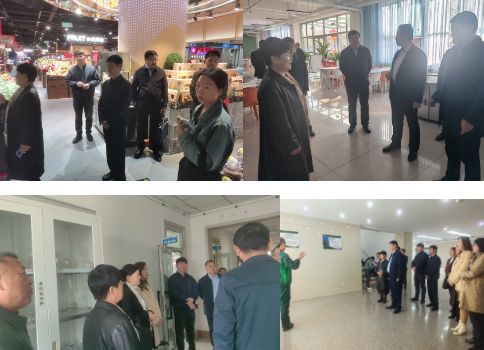
新疆塔城地区政协工委到乌苏市调研食品安全工作
Zhong Guo Shi Pin Wang· 2025-10-14 06:30
Group 1 - The core focus of the meeting was to strengthen food safety regulation and ensure the safety of food products for consumers [1][4] - The meeting included discussions among regulatory departments, food production and operation enterprises, industry associations, experts, and consumer representatives to address key issues in food safety regulation [4] - Emphasis was placed on the importance of food safety for public health and well-being, highlighting the need for targeted and effective regulatory measures [4] Group 2 - The research team visited various local enterprises and institutions to assess food safety conditions and the implementation of regulatory measures [4] - The team engaged with business leaders and employees to understand the challenges faced in food production and operation, as well as their feedback on food safety regulation [4] - The goal is to reform the food regulatory system, improve market order, and ensure the safety of food for the public, contributing to high-quality economic and social development [4]