未来产业

Search documents
广东五位市长一起谈“新”谈“未来”
Xin Lang Cai Jing· 2026-01-29 01:49
Core Insights - The five cities in the Guangdong-Hong Kong-Macao Greater Bay Area aim to enhance new productivity and cultivate future industries, focusing on artificial intelligence and robotics as key growth areas [1][7]. Economic Overview - The combined GDP of Guangzhou, Shenzhen, Zhuhai, Dongguan, and Huizhou is projected to exceed 9 trillion yuan in 2024, accounting for over 60% of Guangdong Province's GDP [2][8]. Industry Development Focus - Guangzhou has identified artificial intelligence and low-altitude economy as strategic emerging industries, integrating them into its modern industrial system to drive traditional industry transformation [3][9]. - Shenzhen has made significant advancements in semiconductor production equipment and related technologies, breaking foreign monopolies and beginning mass production [4][10]. - Zhuhai plans to develop new industries and models, targeting over 20% growth in artificial intelligence and robotics by 2025, while also focusing on RISC-V ecosystems and other future industries [5][12]. - Dongguan emphasizes a technology-driven approach to innovation, particularly in artificial intelligence and robotics, to enhance high-quality development [6][12]. - Huizhou aims to establish an Artificial Intelligence and Robotics Bureau to consolidate resources and focus on future industry development, with significant growth already seen in smart terminals and new energy storage [6][13]. Investment and Innovation - Shenzhen's R&D investment is projected to reach 245.31 billion yuan in 2024, with a growth rate of 9.7%, making it the second highest in the country [4][10]. - By 2025, Shenzhen expects double-digit growth in its strategic emerging industries, including semiconductors and artificial intelligence, while also increasing the number of specialized small and medium enterprises [4][10]. - The establishment of the APEC summit in Shenzhen in 2026 is seen as an opportunity to enhance international cooperation and attract global investment [4][11].
江苏南京:以新质生产力描绘“产业强市”蓝图
Nan Jing Ri Bao· 2026-01-28 13:25
Group 1 - Nanjing has launched the "Several Policies for Accelerating the Cultivation of New Quality Productivity to Promote High-Quality Development (2026 Edition)" to prioritize the "Industry Strong City Strategy" as a key initiative [1] - The policies aim to deepen the "1+4+6" industrial strategy and create a "1026" advanced manufacturing cluster system, introducing a series of breakthrough measures and comprehensive policy support [1] - The focus is on fostering new quality productivity to achieve a path of industrial growth characterized by higher quality and stronger momentum [1] Group 2 - The AI International Community in Nanjing is witnessing the integration of AI technology across various industries, with applications such as AI digital humans and AI-based traditional Chinese medicine diagnostics [3] - The "AI Space: Nanjing Artificial Intelligence International Community Construction Three-Year Action Plan (2026-2028)" aims to cultivate 2-3 landmark AI enterprises, over 10 excellent industry models, and attract more than 1,000 AI companies and teams [5] - Nanjing's AI industry is supported by a strong foundation, with 14 out of the top 20 internet companies in China establishing a presence in the city [5] Group 3 - The policies include the implementation of an "Artificial Intelligence+" action plan, establishing Nanjing as a national pilot zone for AI innovation applications [6] - The city will issue "computing power vouchers" to encourage startups and innovative enterprises to utilize intelligent computing resources [6] - Financial incentives include a one-time reward of 200,000 yuan for AI model developers and project subsidies of up to 200,000 yuan for innovative applications [6] Group 4 - Nanjing is positioned as the only national AI innovation application pilot zone in the province, with a focus on creating a replicable "Nanjing model" for AI industry development [8] - The city aims to optimize the spatial layout of AI, establishing a collaborative development framework with two core areas and several growth poles [8] - Nanjing is set to promote AI applications through regular project roadshows and the replication of successful applications across the city [8] Group 5 - The "Several Policies" emphasize the acceleration of future industry layout, focusing on sectors like 6G, brain-computer interfaces, and advanced semiconductor materials [10] - Nanjing has achieved significant milestones in 6G technology, with over ten world-first achievements and more than 30 innovative results [12] - The city anticipates that its future industries will generate over 300 billion yuan in revenue by 2025, with a strong emphasis on creating international-level pilot zones [12] Group 6 - Nanjing is developing a "scene open city" by promoting the large-scale application of new scenarios across various sectors, including industrial transformation and digital public services [15] - The city plans to release 1,000 application scenarios annually and support the promotion of first-time equipment and software [15] - A three-year action plan will be established to enhance the ecosystem for scenario publication, connection, and implementation [18]

重要领域央企营收占比超七成,“AI+”专项行动继续全力推进
Di Yi Cai Jing· 2026-01-28 12:56
国资央企把科技创新摆在更加突出的位置。国务院国资委科技创新局局长张剑龙在发布会上回答第一财 经记者提问时表示,下一步,将在科技端加大攻关力度,在产业端加强前瞻布局,在转化端加速精准对 接,深入实施焕新、启航行动,接续推进启航企业培育工程,推动未来技术产业化、重点领域未来化。 中国企业研究院首席研究员李锦对第一财经记者分析,经过国企改革三年行动和深化提升行动,国资国 企战略定位与发展方式发生根本性转变,从规模扩张转向功能引领和价值创造,成为中国式现代化的重 要物质基础和政治基础,在构建新发展格局、推动高质量发展中发挥不可替代的作用。 2025年,中央企业实现利润总额2.5万亿元,完成固定资产投资5.1万亿元,上交税费2.5万亿元。完成战 略性新兴产业投资2.5万亿元、占总投资的41.8%,战新产业营收规模超过12万亿元。中央企业在关系国 家安全、国民经济命脉和国计民生等领域的营收占比超过70%。 1月28日,国务院新闻办举行发布会。国资委副主任庞骁刚表示,过去一年中央企业提质增效扎实推 进,在促进国民经济稳中向好中作出了新贡献。2026年是"十五五"开局起步的关键一年,将持续加大拓 市增收、降本增效的力度,积极 ...
国务院国资委谈央企重组:减少行业内卷,支持央企高质量并购
Nan Fang Du Shi Bao· 2026-01-28 04:38
Group 1 - The State-owned Assets Supervision and Administration Commission (SASAC) is focusing on professional integration and supporting innovative enterprises to lead horizontal and vertical integration within industries to reduce internal competition [1][3] - In the past year, significant progress has been made in the restructuring of state-owned enterprises (SOEs), including the establishment of China Yajiang Group and China Chang'an Automobile Group, aimed at enhancing energy security and promoting high-quality development in the smart connected electric vehicle sector [3] - The SASAC has also facilitated the integration of resources in the cruise operation sector, creating a "national team" for China's cruise industry, and has supported companies like China FAW in integrating resources for power batteries to boost the high-quality development of new energy vehicles [3] Group 2 - The SASAC emphasizes the importance of SOEs in strategic security, industry leadership, and public service, aiming to strengthen and optimize these enterprises [3] - There is a commitment to further professional integration and high-quality mergers and acquisitions to foster the development of strategic emerging industries and future industries [3] - The goal is to maximize the benefits of reform, enhance core functions, and improve core competitiveness through deeper integration and restructuring [3]
今年央企重组整合目标明确
Di Yi Cai Jing Zi Xun· 2026-01-28 03:43
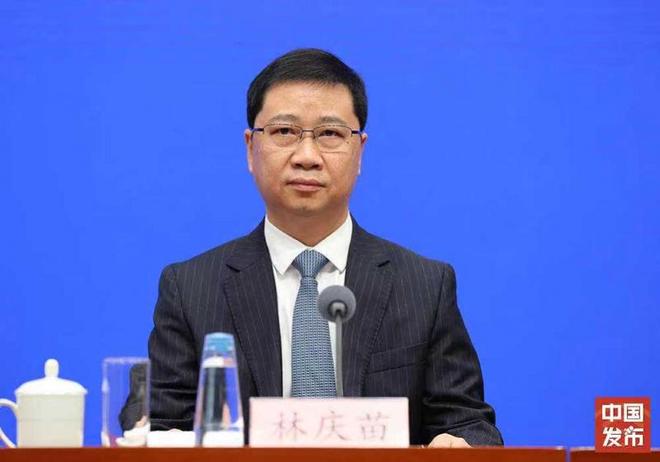
中央企业战略性重组和专业化整合是推进国民经济布局优化和结构调整的重要抓手。 国务院国资委企业改革局局长林庆苗1月28日在国新办发布会上表示,国务院国资委将聚焦国有资本"三 个集中",以重组整合为抓手,扎实推进国有经济布局优化和结构调整,加快建设更多世界一流企业。 一是扎实做好新央企组建和战略性重组,更加突出中央企业在战略安全、产业引领、国计民生、公共服 务等领域的支撑作用,更好把企业做强做优做大。 二是深入推进专业化整合,支持创新能力强的企业作为主体,开展同类业务横向整合、产业链上下游纵 向整合,减少行业内卷。 专业化整合也在持续推进。完成中央企业邮轮运营资源整合,打造我国邮轮运营产业"国家队"。推动中 国一汽等开展动力电池资源整合,助力中央企业新能源汽车高质量发展。聚焦新材料、人工智能等重要 领域,组织了8组17家单位开展集中签约,推动重点项目落实落地,有效提高国有资本配置效率。 中国企业研究院首席研究员李锦接受第一财经记者采访时表示,国有经济布局优化和结构调整,是做强 做优做大国有资本和国有企业的内在要求,是"十五五"期间国企改革的主线。2026年央企重组整合与并 购或呈现三大特征:战略导向更明确(锚定" ...
打造科教引领宜业宜居新城
Bei Jing Ri Bao Ke Hu Duan· 2026-01-27 22:03
Group 1: Core Development Strategy - Changping District is focusing on developing new productive forces and modern industrial clusters, aiming to create a world-class modern city led by science and education [1] - The district is constructing the G6 Innovation Corridor along the Jing-Zhang Expressway and the G45 Industrial Corridor along the Jing-Cheng Expressway, promoting the integration of central enterprises and various businesses [1] Group 2: Industrial Cluster Development - Changping District plans to implement a new round of leading industry action plans, focusing on "Artificial Intelligence+" and strengthening three trillion-level industrial clusters: pharmaceutical health, advanced energy, and advanced manufacturing [2] - The district aims to develop emerging industries such as beautiful health, medical devices, robotics, hydrogen energy, energy storage, and energy internet, targeting a revenue of over 10 billion yuan for the synthetic biology manufacturing industry this year [2] Group 3: Urban Quality and Infrastructure - The district is committed to enhancing urban quality and vitality through the integration of industry and city, ensuring the construction of key rail transit and main roads, and improving park road networks and municipal facilities [2] - Changping District is advancing the development of Changping New City and the urban renewal of Yong'an Ancient City, while implementing the third round of the "Huitian Action Plan" to promote 89 key projects [2] Group 4: Public Services and Community Development - The district will focus on 36 livelihood projects this year, enhancing public employment service capabilities and promoting the construction of quality housing, communities, and urban areas [3] - Changping District is advancing the construction of high-level comprehensive hospitals and optimizing services for children and the elderly through the "Changping Model" [3]
育龙头 强链群 拓市场 江西:抢抓产业新赛道 规上工业增加值预期增长7.3%以上
Shang Hai Zheng Quan Bao· 2026-01-27 19:02
◎记者 王凯丰 1月27日,江西省第十四届人民代表大会第四次会议在南昌开幕,江西省省长叶建春在作政府工作报告 时表示,2025年江西经济增长好于预期,地区生产总值增长5.2%;2026年江西地区生产总值预期目标 为增长5%至5.5%,规模以上工业增加值增长7.3%以上。 政府工作报告提出,2026年江西将实施5296个省级大中型项目建设,年度计划完成投资1.1万亿元。优 化投资方向,科学布局6G、算力等新型基础设施项目,力争鄱阳湖水利枢纽工程、内蒙古腾格里沙漠 基地送电江西工程等重大项目开工建设,推动浙赣粤运河等重大项目前期工作取得积极进展。 围绕提升重点产业能级,江西明确:2026年将培育3个以上省级先进制造业集群,力争国家级集群建设 实现新突破,集群营业收入增长10%左右;开展优质企业对标提升行动,力争专精特新中小企业数量突 破6000家。 此外,江西还将深化产业集群数字化转型试点,推动重点产业集群规上企业数字化改造全覆盖;培育壮 大数字经济核心产业,实施工业互联网创新发展工程,力争数字经济核心产业增加值占GDP比重达到 9.5%左右,助力制造业向"新"发展、乘"数"而上。 在激活民间投资方面,江西将放宽 ...
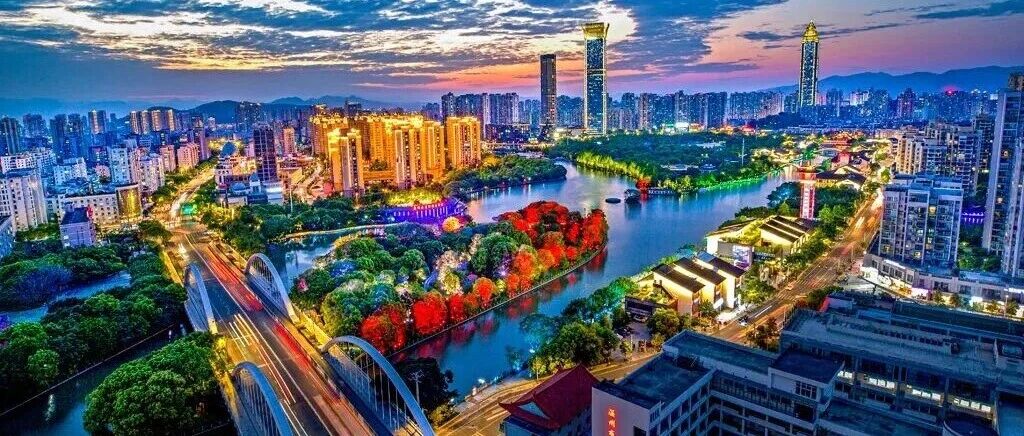
锦江经开区 擘画“科创白鹭湾”新蓝图
Xin Lang Cai Jing· 2026-01-27 18:56
转自:成都日报锦观 谋定十五五 剑指两千亿 锦江经开区 擘画"科创白鹭湾"新蓝图 白鹭湾畔,春潮涌动。站在"十五五"规划的开局之年,四川成都锦江经济开发区(以下简称"锦江经开区")以"科创白鹭湾"为战略引领,全面 开启从"产业聚集区"向"创新策源地"的根本转型,回应时代对高质量发展的叩问。 定目标: 围绕"立园满园"总体部署,紧扣"首发春熙路、科创白鹭湾、活力公园城"总体战略,以深化国家人工智能创新应用先导区建设为核心牵引,全 力打造"科创白鹭湾"创新极核,建设西部一流的科创高地和千亿级现代化产业集群。至2030年,园区营业收入目标指向2100亿元,计划新 增"四上"企业和高新技术企业270家、国家级和省级专精特新企业20家、国家级和省市级创新平台5个。推动园区实现从"规模扩张"到"量质齐 升"、从"企业集聚"到"生态繁荣"的系统跃升。 场景开路,以城市为"首秀场"验证产品。将民生服务、城市治理、文旅消费转化为未来产业的"首秀T台"。重点推动孤独症诊疗、卒中康复的 临床示范,扩大四足机器人在春熙路等商圈与园区的巡检应用,开通锦江河道低空物流示范航线,让"成都场景"催生"成都方案"。资本护航, 组建支持"硬科技 ...
超常布局急需学科专业 为产业发展“增智赋能”
Xin Lang Cai Jing· 2026-01-27 18:56
转自:成都日报锦观 超常布局急需学科专业 为产业发展"增智赋能" 强化多方组织协同一体推进 选择布局领域是超常布局急需学科专业"举旗定向"的关键一环。聚焦关键急需领域落实在"关键""急 需"两个特征上。 "关键"意味着领域的选择要精准契合国家重大战略。党的十八大以来,发展战略性新兴产业、未来产业 越来越受到中央高度重视,是国家为驱动经济高质量发展、赢得科技竞争主动权的系统部署。积极培育 新能源、新材料、先进制造、电子信息等战略性新兴产业,积极培育未来产业,加快形成新质生产力, 增强发展新动能。如:成都航空职业技术大学设置了材料成型及控制工程、航空智能制造技术、飞行器 维修工程技术、无人机系统应用技术等专业,"型号牵引、精准对接、超前布局、集群发展",专业与产 业同频共振,及时、有效响应产业发展对于高素质技能人才的迫切需求。 建立部门协同、需求触发、即时启动的急需学科专业超常布局机制,既是快速提升服务新兴产业和未来 产业发展的人才培养能力的关键抓手,更是一体推进教育科技人才发展、建设人才强国的战略支撑。其 中,行业企业、高等院校、部门是超常布局急需学科专业的三大要素。 行业企业是产业发展的核心引擎,其通过技术创 ...
浙江第三座万亿GDP城市来了
21世纪经济报道· 2026-01-27 15:56
Core Viewpoint - The quality of industries is becoming a more significant competitive variable for the trillion GDP cities in the Yangtze River Delta region, moving beyond mere GDP scale to focus on sustainable advantages in industrial ecology, innovation, talent attraction, and modern governance [1][5][12]. Economic Data Summary - In 2025, the number of trillion GDP cities in the Yangtze River Delta will increase to 10, with Shanghai leading at 5.67 trillion yuan and new entrants like Wenzhou reaching 1.02 trillion yuan [2][5]. - Economic growth rates for major cities in 2025 are projected as follows: Shanghai at 5.4%, Suzhou at approximately 5.4%, Hangzhou at 5.2%, and Wenzhou at 6.1% [2][9]. Industrial Development Trends - Shanghai's economy is characterized by a steady growth of 5.4% in 2025, with significant contributions from new industries such as integrated circuits and artificial intelligence, which grew by 15.1% and 13.6% respectively [7][8]. - Hangzhou's GDP reached 2.3 trillion yuan, with a notable 73.8% contribution from the service sector, driven by digital economy leaders like Alibaba and Ant Group [8][9]. - Wenzhou's GDP growth of 6.1% reflects a successful transition to a trillion GDP city, supported by advancements in strategic emerging industries and high-tech sectors [10][12]. Future Industry Planning - Cities in the Yangtze River Delta are focusing on modernizing their industrial systems and nurturing strategic emerging industries, with Shanghai aiming to build a world-class high-end industrial cluster [13][14]. - Suzhou is transitioning from traditional manufacturing to a modern industrial system, emphasizing sectors like biomedicine and advanced manufacturing [14][15]. - Hangzhou plans to strengthen its digital economy while integrating advanced manufacturing with new technologies, targeting future industries such as quantum technology and synthetic biology [15][16]. Competitive Factors - The long-term competitiveness of trillion GDP cities will depend on the originality and resilience of their industrial ecosystems, the efficiency of innovation conversion, and the ability to attract and retain talent [16][17]. - Cities must provide robust industrial platforms, quality public services, and a livable environment to enhance their appeal to talent [16][17].