消费升级

Search documents
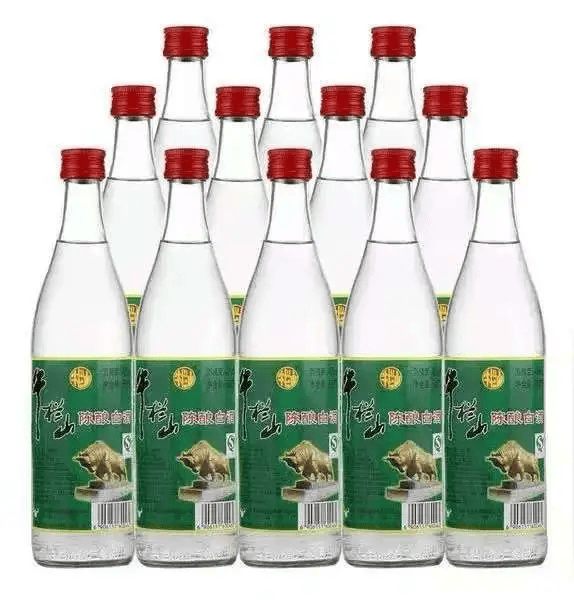
36度微醺难救百亿民酒:牛栏山预亏1.88亿,光瓶酒大王遇中年危机
Sou Hu Cai Jing· 2026-02-09 15:54
Core Viewpoint - The traditional liquor brand Niulanshan is facing significant challenges despite the booming market for light bottle liquor, with a projected net loss of 116 million to 188 million yuan in 2025, marking a shift from profit to loss for the company [2] Group 1: Company Performance - In the first three quarters of 2025, Niulanshan's revenue decreased by 19.79% to 586.9 million yuan, and its net profit attributable to shareholders plummeted by 79.85%, with a net loss exceeding 19.3 million yuan in the fourth quarter, representing the worst performance in recent years [2] - The white liquor segment, which accounts for 78.51% of the company's revenue, is identified as the main culprit for the poor performance [2] Group 2: Market Challenges - The implementation of new national standards for liquor in 2022 has led to a crisis for Niulanshan's flagship product, "Bai Niu Er," which was reclassified as "flavored liquor" due to the addition of food flavoring, resulting in a dramatic drop in sales from 416,900 kiloliters to 246,400 kiloliters in 2023, with a further decline of 33.05% in the first half of 2025 [3] - The light bottle liquor market has shifted from a "blue ocean" to a "red ocean," with competitors like Fenjiu and Luzhou Laojiao entering the market and attracting quality-seeking consumers, while Niulanshan's low-price strategy struggles to maintain its market share [3] Group 3: Distribution and Consumer Trends - Long-term reliance on a "big merchant system" has led to price transparency and frequent low-price diversion by distributors, resulting in a 23.36% decline in distribution revenue in 2025 [4] - The traditional consumer base of Niulanshan, primarily blue-collar workers, has been negatively impacted by the real estate sector's adjustments, while younger consumers prefer lower-alcohol, visually appealing, and situational drinks, making it difficult for traditional high-alcohol light bottle liquor to attract their attention [4] Group 4: Strategic Response - In early 2026, Niulanshan launched a new product, the 36-degree Jinbiao Niulanshan light-flavored liquor, targeting younger consumers with a price range of 58-78 yuan, which received positive feedback online shortly after its launch [5] - Industry experts suggest that Niulanshan faces dual pressures of cyclical and structural challenges and must implement brand segmentation, transparency in production processes, and channel reforms to overcome its difficulties [5] - The pork business of its parent company, Shunxin Agriculture, has seen a reduction in losses in 2025, but it is insufficient to offset the drag from the liquor business [5] Group 5: Industry Context - The challenges faced by Niulanshan reflect a broader anxiety within the liquor industry during a period of deep adjustment, highlighting the need to balance tradition and innovation amid consumer upgrades and the rise of younger demographics [6] - The story of Niulanshan illustrates that there are no permanent national liquors, only enduring consumer demands, and the current crisis presents an opportunity for brand rejuvenation through product innovation and channel transformation [6]


大消费行业周报(2月第1周):海南“零关税”向居民普惠-20260209
Century Securities· 2026-02-09 14:15
Investment Rating - The report does not explicitly state an investment rating for the industry [3] Core Insights - The consumer sector saw mixed performance, with retail experiencing a decline while food and beverage, beauty care, textiles, home appliances, and social services showed positive growth [5] - The implementation of the "zero tariff" policy in Hainan is expected to benefit leading duty-free companies, as it allows residents to purchase duty-free goods up to 10,000 yuan annually, enhancing stable consumption outside of tourism [5][17] - The "2026 'Happy New Year' Spring Festival Special Activity Plan" aims to stimulate consumption during the Spring Festival, with various promotional activities planned to enhance consumer engagement across multiple sectors [5][19] Market Weekly Review - The consumer sector's weekly performance from February 2 to February 6 showed the following changes: food and beverage (+4.31%), beauty care (+3.69%), textiles (+1.32%), home appliances (+1.28%), social services (+0.02%), and retail (-0.34%) [5] - Notable stock performances included Huangtai Liquor (+13.50%), Minbao Optoelectronics (+115.92%), and Hangzhou Jiebai (+33.75%) among the gainers, while ST Yedao (-15.69%) and Deep Kangjia B (-37.23%) were among the losers [5][15][16] Industry News and Key Company Announcements - The "zero tariff" policy for Hainan residents allows for unlimited purchases of specified duty-free goods, which is expected to stabilize and grow the duty-free market [17][18] - The Ministry of Commerce and other departments have launched a plan to enhance Spring Festival consumption, focusing on various sectors including retail, dining, and tourism [19] - Companies like Muyuan Foods reported a 2.73% increase in pig sales in January 2026, while Chongqing Beer showed a slight revenue increase of 0.53% year-on-year [20]
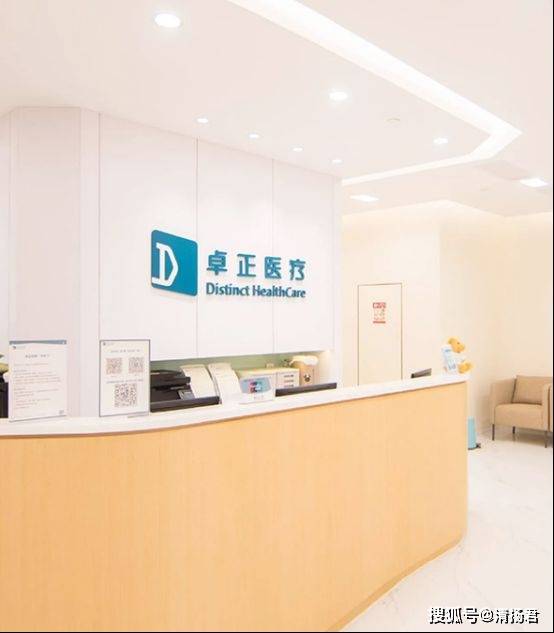
卓正医疗港股上市首秀“高开低走”,医疗独角兽难逃资本魔咒?
Sou Hu Cai Jing· 2026-02-09 11:14
Core Viewpoint - Zhuozheng Medical Holdings Limited, China's third-largest private high-end comprehensive medical service provider, faced a tumultuous IPO, with its stock price experiencing a significant drop after an initial surge, reflecting investor skepticism about its financial health and business model [1][4][9]. Company Overview - Established over a decade ago, Zhuozheng Medical focuses on high-end private medical services targeting affluent consumers seeking personalized healthcare experiences. The company operates in 11 major cities and has expanded into various medical sectors, including outpatient services, specialty clinics, and hospital management [3][4]. - The company reported revenues of nearly 1 billion RMB in 2024, marking its first profitable year, with a significant increase in revenue from 473 million RMB in 2022 to 959 million RMB in 2024, reflecting year-on-year growth rates of 45.91% and 38.84% for 2023 and 2024, respectively [3][4]. Market Position - Zhuozheng Medical holds approximately 2.0% market share based on 2024 revenue, ranking first in the number of cities covered and second in patient visits among its peers. The private high-end medical service market in China is projected to grow at a compound annual growth rate of 21.9%, reaching over 830 billion RMB by 2029 [4][3]. Financial Health - Despite achieving a net profit of approximately 80 million RMB in 2024, the adjusted net profit was only 10.7 million RMB, primarily due to significant fair value gains from convertible redeemable preferred shares, indicating a reliance on accounting adjustments rather than genuine operational cash flow improvements [5][6]. - The company's total liabilities increased from 25.05 billion RMB in 2022 to 30.85 billion RMB in 2024, while total assets grew at a slower pace, highlighting a concerning trend of rising debt outpacing asset growth [5][6]. Operational Challenges - Zhuozheng Medical's high-end positioning comes with challenges, including high employee compensation costs exceeding 50% of revenue and intense competition in the market. The company's gross margin was only 23.6% in 2024, limiting its ability to reduce costs significantly [7][8]. - The company's growth strategy relies on internal expansion and strategic acquisitions, which typically require 1-3 years to achieve break-even and 2-5 years for investment recovery, leading to cash flow consumption and potential volatility in financial performance [8][9]. Investor Sentiment - The market's reaction to Zhuozheng Medical's IPO indicates a cautious approach from investors, who are wary of the company's ability to translate its competitive advantages and future strategies into sustainable financial returns. The stock's performance suggests that while there is a willingness to pay a premium for high-end medical services, investors are not inclined to accept inflated profits without tangible operational improvements [9].
宠物食品行业系列深度报告之八:行业景气依旧,迎接科学养宠时代
Shenwan Hongyuan Securities· 2026-02-09 09:43
Investment Rating - The report maintains a positive outlook on the pet food industry, highlighting the continued growth and resilience of leading brands in the market [3][5]. Core Insights - The pet food industry is experiencing a consumption upgrade driven by product innovation and changing consumer demands, with a notable shift towards high-end and functional pet food products [3][5]. - The market is witnessing a significant concentration of leading brands, with top players expanding their market share amidst increasing competition [5][3]. - The aging pet population in China is expected to further drive demand for specialized and high-quality pet food products [5][3]. Long-term Trends - The report indicates that the number of new pet owners is expected to grow, supported by a stable increase in the population of young adults aged 20-35, who are the primary pet owners [4][12]. - The pet population in urban areas is projected to continue increasing, with dog and cat numbers reaching 53.43 million and 72.89 million respectively by 2025, reflecting a year-on-year growth of 1.6% and 1.9% [12][4]. Mid-term Trends - Product innovation is leading to a consumption upgrade, with mid to high-end price segments (60-100 RMB/kg) showing significant growth rates compared to lower price segments [3][28]. - The report notes that the demand for specialized pet food, including functional and prescription diets, is on the rise as pet owners become more aware of their pets' nutritional needs [5][45]. Short-term Trends - The pet food industry is expected to maintain strong growth, with online sales projected to reach 30.71 billion RMB in 2025, reflecting a year-on-year increase of 10.2% [5][3]. - The concentration of market share among top brands is increasing, with the top five brands accounting for 25.3% of the market, indicating a trend towards fewer but stronger players in the industry [5][3]. Future Outlook - The report anticipates that the trend towards consumption upgrades will continue, with high-end and functional pet food products leading the market [5][3]. - The increasing recognition of brand quality and the aging pet population are expected to enhance the market share of foreign brands, particularly in the prescription food segment [5][3]. - The report highlights that product innovation will be crucial for companies to differentiate themselves in a competitive market, with functional and prescription diets likely to become the next growth drivers [5][3].
新春新陪伴:一碗康师傅,就是回家的第一口年味
Sou Hu Wang· 2026-02-09 09:25
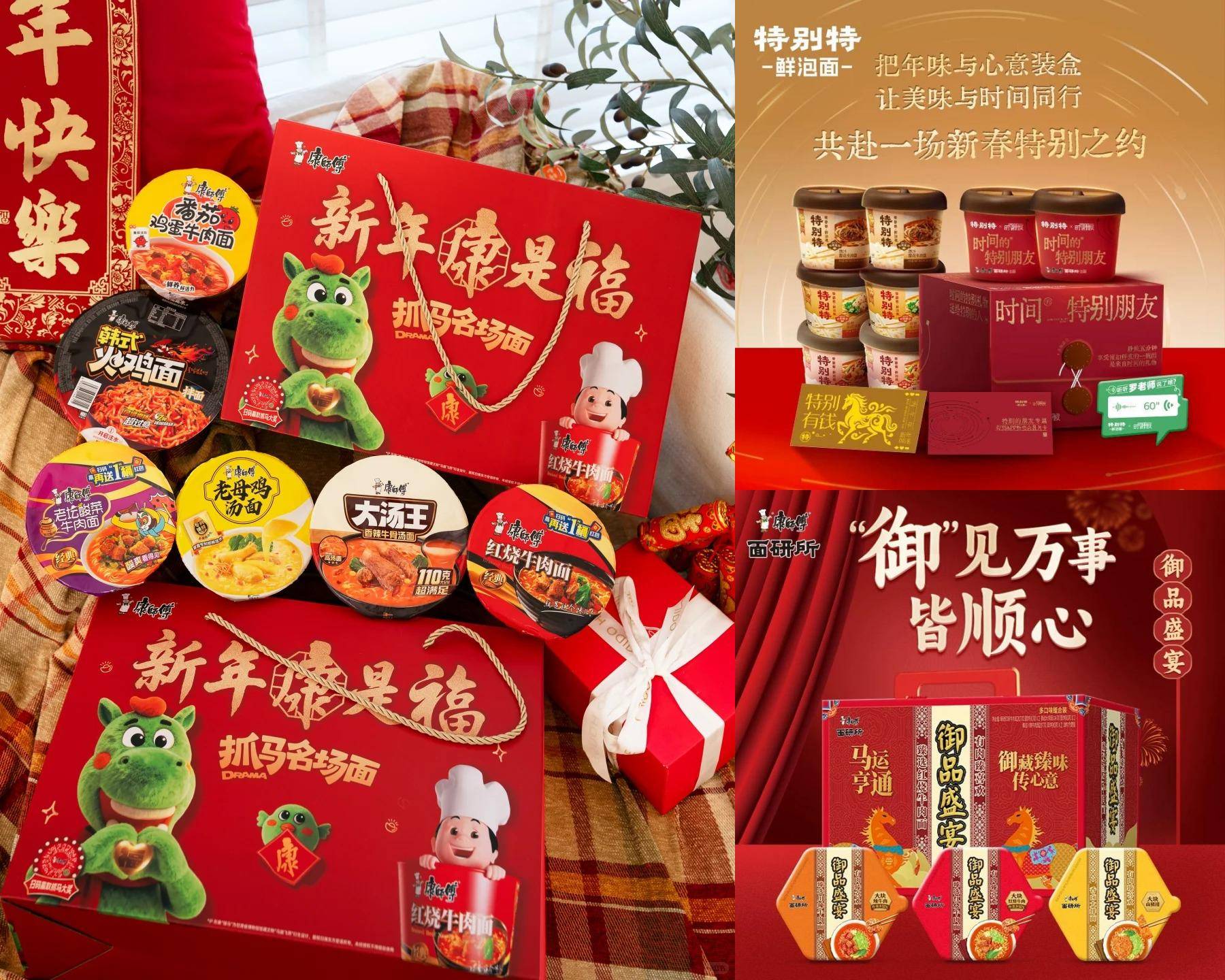
Core Insights - A significant shift in consumer behavior is occurring, particularly among the younger generations, who prioritize quality, health, emotional value, and personalized experiences over mere abundance in their holiday purchases [1][5][10] - Instant noodles, once viewed as a simple and emergency food option, are now becoming a central part of the Spring Festival consumption scene, reflecting a deeper emotional need for personal satisfaction amidst festive gatherings [1][2] Group 1: Product Adaptation and Innovation - Master Kong's instant noodles have successfully adapted to the festive dining scene by offering products that meet the demand for both convenience and quality, such as the "Old Hen Soup Noodle" which caters to the desire for lighter, nourishing options during the holiday season [2][6] - The introduction of themed gift boxes like "Royal Feast" and "Special Special" has enhanced the gift-giving aspect of instant noodles, appealing to younger consumers looking for creative and culturally relevant gifts [4][10] - The brand has also innovated with cooking techniques and product features, such as the "single basket boiling process" that enhances the texture and flavor of the noodles, making them more appealing for home cooking [9][10] Group 2: Consumer Preferences and Market Trends - Over 60% of consumers now prioritize low oil and salt, high fiber, and no additives when selecting instant noodles, indicating a shift towards healthier options in the market [5][6] - The evolution of instant noodles reflects a broader trend of quality improvement and diversification, allowing them to be considered suitable for festive occasions and family meals [6][10] Group 3: Brand Engagement and Marketing Strategies - Master Kong has engaged in various marketing initiatives to connect emotionally with consumers, including the "1㎡ Warm Heart Noodle House" project aimed at providing warm meals to urban workers during the festive season [10][12] - The brand's collaboration with popular figures like actor Guo Qilin for promotional campaigns has effectively integrated the brand into the cultural context of the New Year, enhancing its visibility and relevance [12][14] - Through interactive marketing activities and festive events, Master Kong has created a multi-faceted brand presence that resonates with consumers' holiday sentiments and daily lives [14]

1月酒水销售,区域名酒站起来了!
Sou Hu Cai Jing· 2026-02-09 08:48
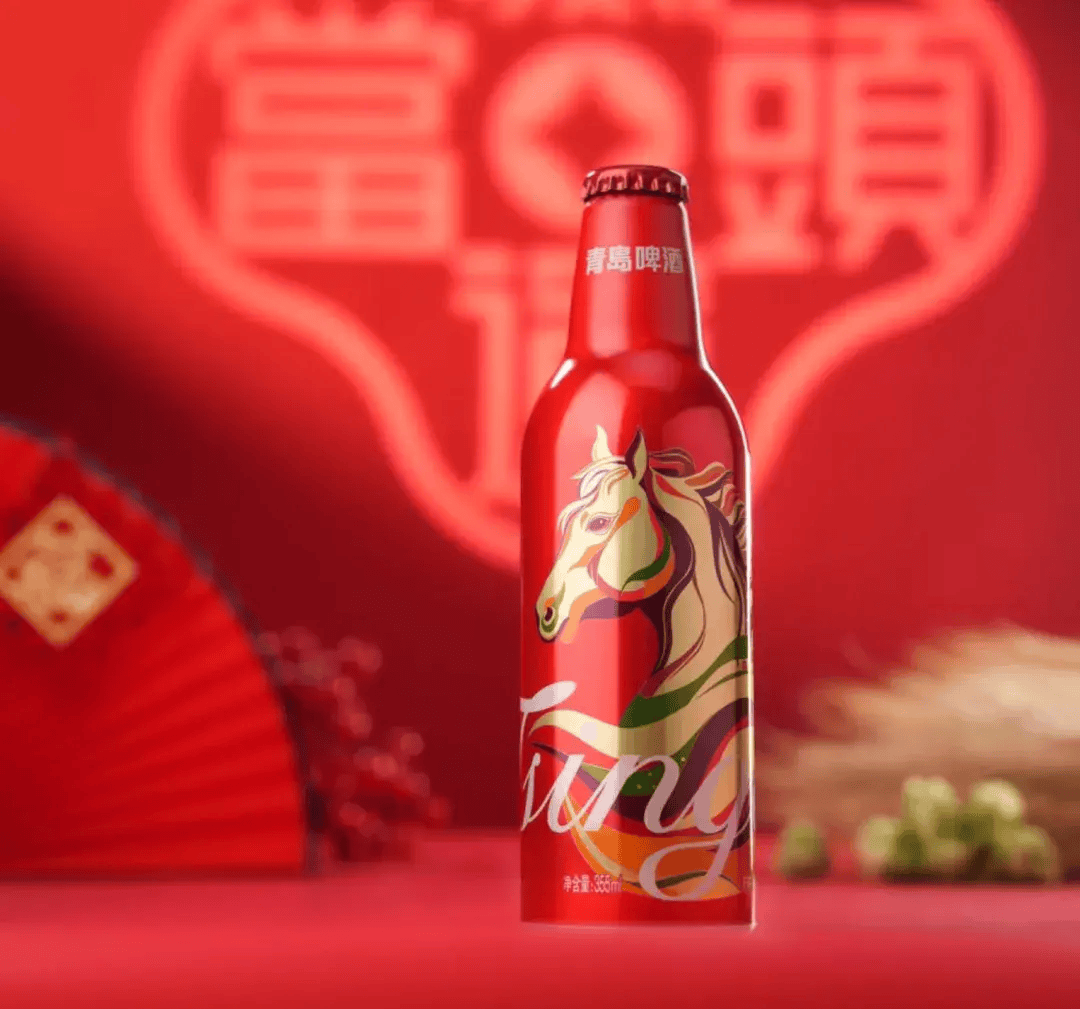
Core Insights - The article highlights the ongoing adjustments in the liquor industry, emphasizing the need for companies to accurately grasp market trends to navigate the increasingly competitive landscape [1] Group 1: White Liquor Market - The white liquor market in January 2026 is experiencing a significant adjustment, with high inventory and low profit margins leading to a situation where channel profits for high-end liquor are compressed to 30-50 yuan per bottle [3] - Despite cautious inventory levels and thin channel profits, the online sales data from Kuaishou indicates a shift in consumer behavior, with regional brands gaining traction in a more accessible and flexible manner [2][4] - The sales proportions for mid-range price segments (100-300 yuan, 300-500 yuan, and 500-800 yuan) have all increased compared to 2025, indicating a shift towards more affordable options [4][5] - The top-selling SKUs in the high-end segment now include regional brands, suggesting consumers are seeking distinctive alternatives beyond traditional high-end products [6] Group 2: Beer Market - The beer market is showing a clear trend of consumption upgrading, with the 100-300 yuan price segment accounting for 74.75% of sales in January 2026, a significant increase from 51.54% in 2025 [8][9] - Qingdao Beer has emerged as a dominant player in the mid-range segment, successfully linking its products to the festive consumption needs of the Chinese New Year [9][11] - The marketing strategies employed by beer brands, such as festive themes and emotional connections, have transformed beer into a social currency during the holiday season [11] Group 3: Wine Market - The wine market is witnessing a shift, with consumer spending moving towards the mid-price range, particularly the 300-500 yuan segment, which saw a substantial increase from 9.28% in 2025 to 21.76% in January 2026 [12][14] - The high-end segment is experiencing a decline, while the mid-range is gaining traction, indicating a potential shift in consumer preferences towards value-oriented options [12][14] - The rise of domestic brands and unique offerings in the wine market suggests a growing consumer interest in quality and storytelling, moving away from solely international brands [16]


千品热销、购销两旺,齐鲁农超新春年货会撬动春节消费新热潮
Qi Lu Wan Bao· 2026-02-09 06:48
Core Insights - The 2026 Qilu Agricultural Supermarket Spring Festival Commodity Fair successfully attracted a large number of visitors and achieved strong sales, reflecting the vitality of the agricultural product consumption market in Shandong province [1][2][7] Group 1: Sales Performance - The fair showcased over a thousand specialty products from 16 cities, with significant sales in dairy products, ready-to-eat foods, and gift boxes, indicating a shift towards quality consumption [1][2] - Health-oriented products such as honey, organic grains, and fresh fruits gained popularity, with notable sales figures including over 5,000 pounds of apples sold from Yantai and 1,000 pounds of pears from Zibo [2][6] - The event served as a platform for not only sales but also for establishing long-term partnerships between exhibitors and buyers, enhancing the agricultural supply chain [2][8] Group 2: Consumer Engagement - The fair implemented various consumer-friendly initiatives, including substantial discounts and promotional activities, which effectively lowered the cost of purchases and stimulated consumer spending [3][4] - Special gifts and rewards were offered to consumers, such as shopping incentives for purchases over certain amounts, enhancing the overall shopping experience [4][5] Group 3: Policy Support - The success of the fair was supported by national and local policies aimed at boosting domestic demand and promoting agricultural product consumption, providing a framework for the event [5][6] - Recent government initiatives have focused on enhancing rural consumption and supporting e-commerce platforms, which align with the fair's objectives [5][6] Group 4: Innovative Model - The fair adopted a unique model combining government guidance, enterprise hosting, media support, and e-commerce empowerment, which facilitated effective resource integration and improved operational efficiency [7][8] - This model not only enhanced the visibility of local agricultural products but also helped in establishing long-term business relationships, contributing to the overall growth of the agricultural sector [7][8]
方盒子车围城
Zhong Guo Qi Che Bao Wang· 2026-02-09 03:35
Core Viewpoint - The "boxy" SUV has gained significant popularity in recent years, reflecting a trend towards personalized automotive design, while also influencing other vehicle styles [2][25]. Market Trends - Numerous "boxy" vehicles have been launched within the first month of the new year, indicating strong market interest [5]. - A recent survey shows that over 82% of mid-to-large "boxy" vehicle users are family-oriented, highlighting a shift in consumer demographics [6]. - The market for "boxy" vehicles is expanding, with a diverse range of models available, from budget-friendly options around 100,000 yuan to high-end models exceeding 1 million yuan [25]. Consumer Preferences - Consumers are increasingly attracted to the spaciousness and visibility offered by "boxy" vehicles, which are perceived as safer and more comfortable for family use [5][6]. - Young consumers dominate the "boxy" vehicle market, driven by a desire for trendy designs and advanced technology [7]. - Female consumers are becoming a significant demographic in the "boxy" vehicle market, with manufacturers adapting designs to meet their preferences [6]. Design and Performance - "Boxy" vehicles are characterized by their rugged design and spacious interiors, making them suitable for both urban and outdoor environments [10]. - However, challenges such as high wind resistance and energy consumption remain, particularly when compared to more aerodynamic SUV designs [11]. - The structural design of "boxy" vehicles varies, with some opting for a non-load-bearing structure for enhanced off-road performance, while others use a load-bearing structure for improved comfort [12]. Technological Innovations - New energy technologies are being integrated into "boxy" vehicles to address energy consumption issues, with advancements in suspension systems improving ride comfort [15][27]. - The introduction of multi-mode driving systems allows drivers to adapt their vehicle's performance to different driving conditions, enhancing user experience [21]. Future Directions - The market for "boxy" vehicles is expected to continue evolving, with a focus on creating versatile models that cater to both urban commuting and outdoor adventures [26]. - Manufacturers are encouraged to innovate in design and interior comfort to avoid market saturation and meet diverse consumer needs [28][29].

中新旅游业深度联动
Jing Ji Ri Bao· 2026-02-09 02:51
新加坡旅游局近日发布数据显示,2025年前三季度,新加坡旅游收入达239亿新元,约合188亿美元,同 比增长6.5%,创下历年同期最高纪录,也为全年实现290亿新元至305亿新元的预期目标奠定了坚实基 础。2025年,新加坡国际入境游客人数达1690万人次,同比增长2.3%,当地旅游业已全面超越疫情前 水平,进入提质增效、高质量发展的新阶段。 在新加坡旅游业强劲复苏的进程中,中国市场的支撑作用尤为突出。数据显示,中国大陆以310万人次 的入境游客量,稳居新加坡第一大客源国,贡献旅游收入36.8亿新元,领先优势显著。紧随其后的是印 度尼西亚和澳大利亚,分别以约240万人次、130万人次的游客规模,为新加坡带来20.9亿新元和15.4亿 新元的旅游收入。这一组数据对比体现出中国客源的庞大体量与强劲消费能力,也印证了新加坡在中国 出境游市场中持续稳固的热门目的地地位。 在东南亚国家旅游市场整体回暖的浪潮下,新加坡凭借城市国家的独特定位、基础设施优势与持续迭代 的旅游产品体系,持续吸引高价值客群,而中国游客正是拉动其增长、优化客源结构的核心力量。 中新互免签证政策,被业内视为推动中国游客赴新热度攀升的关键因素。这一安 ...
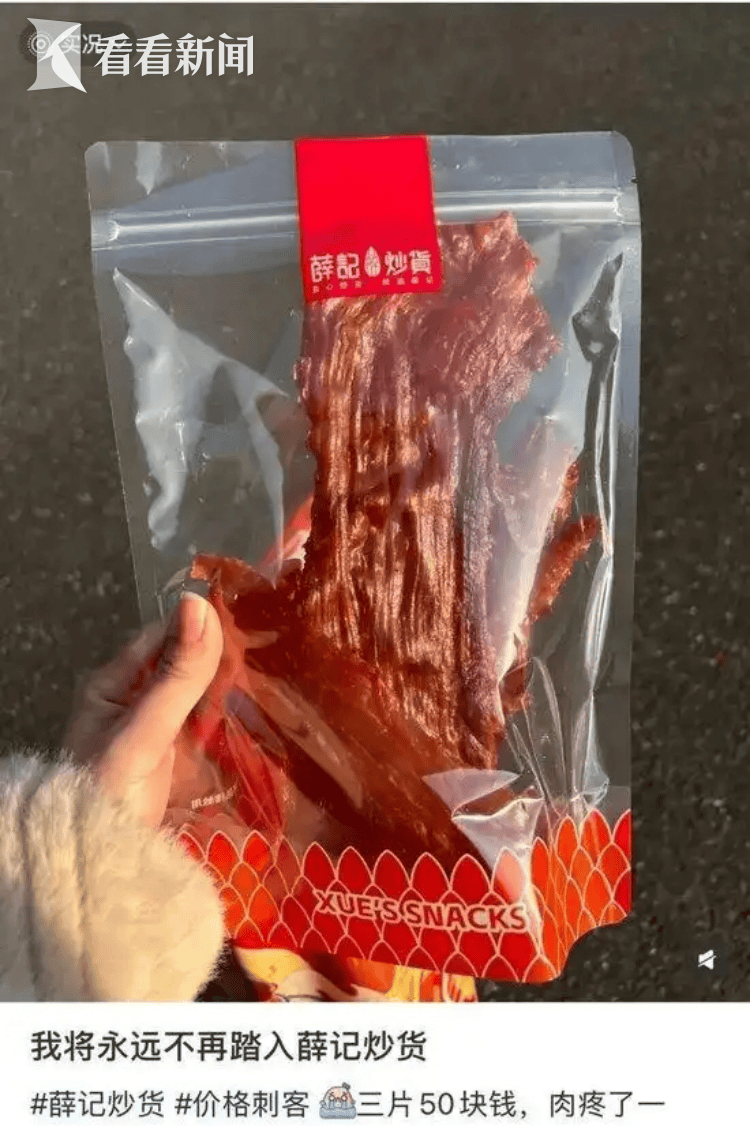
薛记炒货被戏称“薛记珠宝”,为啥年轻人还排队买?
Sou Hu Cai Jing· 2026-02-09 02:45
Core Viewpoint - The rising prices of high-end snack brands like "Xueji Fried Goods" have sparked discussions on social media, with consumers expressing shock at the costs, leading to comparisons with luxury goods and questioning the sustainability of such pricing strategies [1][3][4] Company Summary - "Xueji Fried Goods" has gained attention for its high prices, with products like pork jerky costing 50 yuan for three pieces and sunflower seeds priced at 23.8 yuan per jin, significantly higher than the average pork price of about 10 yuan per jin [1][3] - The brand emphasizes quality and cost, citing high rental costs in prime locations (50 to 80 yuan per square meter) and significant investments in store decoration and raw materials [3] - The company has adjusted its strategic positioning for 2024 to focus on "quality and cost-effectiveness," aiming to balance its high-end image with broader consumer acceptance [4] Industry Summary - The nut and snack market is becoming increasingly significant in the Chinese New Year gift market, with nuts accounting for 42.3% of the market share in 2024, indicating a growing consumer preference [3] - The overall market size for nuts and snacks in China has surpassed 300 billion yuan in 2024, with expectations for continued growth in the coming years [3] - There is a noticeable consumer divide, with some expressing dissatisfaction over prices while others are willing to pay for the experience and quality, reflecting a complex consumer mindset in the leisure consumption sector [4]