
赛事经济

Search documents
十五运推动赛事经济升级
21世纪经济报道· 2025-10-22 07:28
Core Viewpoint - The 15th National Games (referred to as "Fifteenth Games") represents a significant opportunity for brand exposure and economic growth, showcasing the collaborative efforts of enterprises and the event organizers in the Guangdong-Hong Kong-Macao Greater Bay Area [1][12][13] Sponsorship Overview - The organizing committee received 121 sponsorship intentions across 53 categories, with a total sponsorship intention exceeding 2 billion yuan, and has signed agreements with 29 enterprises covering various sectors [2][5] - The sponsorship structure includes four tiers: partner, sponsor, exclusive supplier, and supplier, with the highest tier requiring a minimum sponsorship of 100 million yuan [5][6] - A total of 32 sponsoring enterprises have been identified, including 9 partners and 14 exclusive suppliers, covering diverse categories such as insurance, aviation, and sports equipment [5][9] Sponsorship Dynamics - The event has achieved full sponsorship in key categories like sports apparel, torches, medals, and ceremonial attire, marking a shift from reliance on government funding to a more diversified sponsorship model [6][7] - The collaboration of the three major telecom operators (China Telecom, China Mobile, and China Unicom) for the first time highlights the event's digital and technological advancements, ensuring robust network support during the games [8][9] Regional Economic Impact - The sponsorship landscape reflects a diverse mix of local, cross-border, and international enterprises, with nearly 60% of sponsors based in the Greater Bay Area, showcasing its economic integration capabilities [9] - The "City Partner" initiative aims to leverage the event for long-term economic benefits, fostering a sustainable partnership between the government and businesses [11][12] Conclusion - The sponsorship scale of the Fifteenth Games sets a new record, indicating strong market recognition of the event's commercial value and the strategic alignment of enterprises seeking to enhance their brand presence through this platform [13]

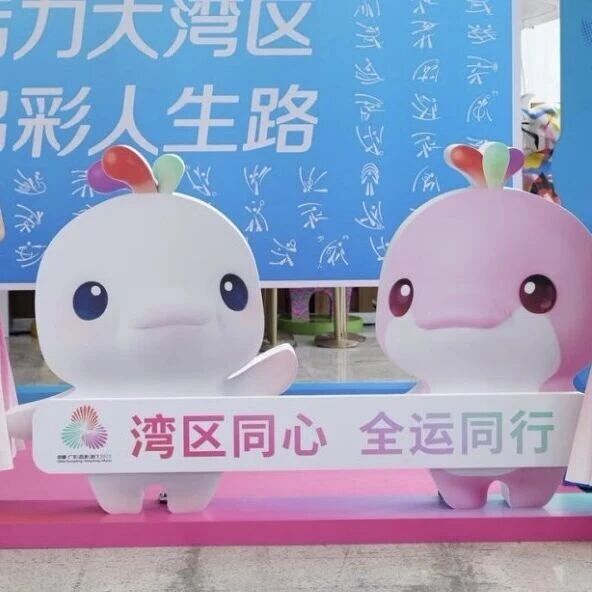
十五运推动赛事经济升级
2 1 Shi Ji Jing Ji Bao Dao· 2025-10-21 23:50
Core Insights - The 15th National Games (referred to as "15th Games") is a significant event as it marks the first time Hong Kong and Macau are co-hosting, showcasing the historical importance and strong brand influence of the event [1][4] - The event serves as a vital platform for brand exposure and product sales, highlighting the mutual benefits of sponsorship for both enterprises and event organizers [1][4] - The sponsorship landscape for the 15th Games is characterized by a diverse range of sponsors and a comprehensive coverage of various categories, reflecting the economic integration capabilities of the Guangdong-Hong Kong-Macau Greater Bay Area [6][8] Sponsorship Overview - As of June, the organizing committee received 121 sponsorship intentions across 53 categories, with a total sponsorship intention exceeding 2 billion yuan, and signed agreements covering 29 enterprises with a total sponsorship amount nearing 1.65 billion yuan [2][3] - The sponsorship categories include insurance services, aviation services, drinking water, and sports equipment, with notable participation from major telecom operators and both local and foreign enterprises [2][4] - The sponsorship structure includes four tiers: partners, sponsors, exclusive suppliers, and suppliers, with the highest tier requiring a minimum sponsorship of 100 million yuan [3][4] Economic Impact - The event is expected to generate an economic increment of 5 billion yuan through the "City Partner" initiative, which aims to transform event traffic into economic growth [7] - The collaboration among government, organizers, and sponsors is anticipated to drive urban renewal, enhance tourism, and optimize industrial structures, thereby injecting sustained growth into the regional economy [8][9] - The 15th Games is seen as a strategic pivot for enterprises to leverage the event's platform for brand exposure and resource allocation, contributing to high-quality regional economic development [9]
从赞助商到“城市合伙人”,十五运推动赛事经济升级
2 1 Shi Ji Jing Ji Bao Dao· 2025-10-21 10:53
Core Insights - The 15th National Games (referred to as "15th Games") is set to be a significant event, marking the first time it will be jointly hosted by Guangdong, Hong Kong, and Macau, highlighting its historical significance and brand influence [1][2] - The event is expected to serve as a platform for showcasing the high-quality development of the Guangdong-Hong Kong-Macau Greater Bay Area and promoting regional collaboration and economic growth [1][8] - The sponsorship landscape for the 15th Games is characterized by a diverse range of sponsors and a comprehensive coverage of sponsorship categories, reflecting a shift towards a more market-driven approach in sports events [4][9] Sponsorship Overview - As of June, the organizing committee received 121 sponsorship intentions across 53 categories, with a total sponsorship intention exceeding 2 billion yuan, and 29 companies have signed or are in the process of signing sponsorship agreements totaling nearly 1.65 billion yuan [2][3] - The sponsorship structure includes four tiers: partners, sponsors, exclusive suppliers, and suppliers, with the highest tier requiring a minimum sponsorship of 100 million yuan [3][4] - A total of 32 sponsoring companies have been identified, covering various sectors such as insurance, aviation, telecommunications, and sports equipment, showcasing a multi-faceted sponsorship approach [3][4] Technological Integration - The three major telecommunications operators in China—China Telecom, China Mobile, and China Unicom—are collaborating for the first time to ensure stable and efficient communication services during the event, investing significantly in network infrastructure [5][6] - The integration of advanced technologies such as 5G and AI is expected to enhance the digital experience for both spectators and athletes, marking a significant evolution in the technological capabilities of sports events [6][9] Economic Impact - The event is anticipated to generate an economic increment of 5 billion yuan through the "City Partner" initiative, which aims to leverage the event's traffic for broader economic benefits [7] - The collaboration between government, organizers, and sponsors is seen as essential for maximizing the economic potential of the event, driving tourism, infrastructure upgrades, and brand elevation for the host cities [8][9] - The sponsorship scale for the 15th Games has reached new heights, reflecting a deep recognition of the commercial value of the event and the strategic alignment of corporate interests with regional economic development [9]
城市24小时 | 北方唯一入选,青岛“打样”
Mei Ri Jing Ji Xin Wen· 2025-10-20 15:11
Group 1 - The Ministry of Culture and Tourism has officially approved and provided funding support for the major project "Promoting the Construction of Consumption Facilities and Scene Enhancement of Qingdao International Cruise Home Port" [1] - Qingdao is the only city in northern China selected for this initiative, marking its advancement in the cruise economy and filling a research gap in cruise consumption upgrades, particularly in northern regions [1][3] - The project aims to transform the cruise home port from a "transport hub" to a "cultural tourism consumption landmark," enhancing the consumption chain from onboard to onshore [1][2] Group 2 - The concept of a "cruise home port" refers to a high-level cruise departure port that serves a larger scale of cruise passengers and has a more complete range of functions [2] - There is a shift in tourist demand from a single onboard experience to a composite experience of "itinerary + destination," with onshore activities becoming a key factor in consumer decision-making [2] - The State Council has issued measures to promote the construction of international cruise home port consumption facilities, emphasizing the integration of onshore and onboard consumption scenarios [2] Group 3 - Qingdao International Cruise Port Area is located in a prime area of Qingdao, covering approximately 14 square kilometers and integrating historical and modern urban consumption ecosystems [3] - The area has a high招商率 (investment attraction rate) of nearly 90% and an annual visitor flow of 17.65 million, indicating strong tourism potential [3] - The project aims to create a replicable model for cruise home port consumption upgrades, positioning Qingdao as a benchmark for cultural tourism consumption in Northeast Asia [3]
为一场球赴一座城,国际体育赛事成为文旅经济新引擎
2 1 Shi Ji Jing Ji Bao Dao· 2025-10-20 11:38
Core Viewpoint - The article discusses how international sports events, particularly the tennis season in China, are becoming a new engine for the cultural and tourism economy, driving significant consumer spending and enhancing the overall experience for both local and international visitors [1][2]. Event Impact on Local Economy - The 2023 China tennis season, running from September 14 to November 2, includes nine tournaments and is expected to attract over 1 million spectators, generating more than 2 billion yuan in related consumption [1]. - The Shanghai Masters, as the only ATP Masters event in the Asia-Pacific region, achieved record ticket sales exceeding 100 million yuan and approximately 250,000 attendees [1]. Consumer Engagement and Merchandise Sales - The official merchandise store at the Shanghai Masters saw a 60% increase in sales compared to the previous year, with total sales surpassing 20 million yuan and daily sales reaching up to 2 million yuan [4]. - The collaboration with popular cultural icons, such as the partnership with a well-known celebrity, has attracted a younger audience and enhanced emotional value in merchandise consumption [4]. International Audience and Tourism Growth - The Shanghai Masters attracted over 250,000 attendees, with around 10% being international visitors, marking a 2% increase from the previous year [7]. - The influx of international fans is contributing to the "event economy," with longer stays and increased spending on local experiences [7]. Integration of Sports and Cultural Experiences - The event has successfully integrated sports with local culture, showcasing non-material cultural heritage and local creativity during the tournament [9]. - Various cultural activities, such as music events and community sports festivals, were organized alongside the tournament, enhancing the overall experience for attendees [9]. Evolution of "China Travel" - Recent policy changes have made it easier for international tourists to visit China, with a significant increase in foreign visitors, particularly those taking advantage of visa-free policies [10]. - The average foreign tourist visits 2 to 3 cities in China, with Shanghai and Beijing being the top destinations, while new cities like Qingdao and Suzhou are gaining popularity [10][11]. Future Development Potential - The sports and cultural tourism sectors in China are on an upward trajectory, with room for improvement in quality and scale [12]. - There is potential for further integration of various sectors to enhance the development of sports and cultural tourism, creating a more interactive and extended consumer ecosystem [5][12].
一球踢火一座城
Nan Jing Ri Bao· 2025-10-19 23:24
Core Insights - The "Su Super" event has significantly boosted consumer spending in Nanjing, with a single-day sales peak exceeding 10 billion yuan, showcasing the economic impact of sports events on local economies [1][4][8] Group 1: Economic Impact - The event has created a comprehensive consumption ecosystem, integrating sports, nightlife, tourism, and retail, leading to a vibrant economic environment [1][4] - On the day of the semi-finals, retail, dining, and accommodation sectors in key commercial areas achieved a transaction amount of 7.8 billion yuan, reflecting a 5.4% increase compared to the previous week [2][4] - The average occupancy rate of star-rated hotels increased by 5.7 percentage points during the National Day and Mid-Autumn Festival holiday, indicating a rise in tourism driven by the event [5][6] Group 2: Consumer Behavior - Many fans and tourists have engaged in "event + tourism" combinations, leading to increased foot traffic in commercial areas and a surge in local spending [5][6] - The "second venue" concept, featuring large screens and interactive activities, has attracted crowds, enhancing the overall viewing experience and driving additional sales [2][3] Group 3: Marketing and Promotions - Local businesses have capitalized on the event by offering promotions linked to match tickets, such as discounts and special packages, which have contributed to increased customer engagement [7] - The collaboration between various departments has led to the launch of promotional activities that convert match attendance into broader consumer behavior, enhancing the overall economic impact [6][8] Group 4: International Engagement - The event has served as a platform for attracting foreign investment and enhancing the city's international profile, with foreign executives and diplomats participating in the matches [8] - The integration of sports events with international business opportunities has created a dual benefit of boosting local consumption while improving the city's investment environment [8]
人民至上,民生愿景变成幸福实景——江苏“十四五”经济社会发展综述之六
Xin Hua Ri Bao· 2025-10-19 23:09
Group 1: Employment and Economic Development - Jiangsu province is actively creating job opportunities, targeting the recruitment of over 235 million positions this year, with a focus on digital economy, low-altitude economy, and event economy sectors [2][3] - The province has successfully maintained an average annual urban employment increase of over 1.3 million over the past five years, accounting for more than 10% of the national total [3] - The per capita disposable income of residents in Jiangsu has increased from 47,498 yuan in 2021 to 55,415 yuan in 2024, with a year-on-year growth of 5.2% in the first half of this year [3] Group 2: Social Security and Welfare - Jiangsu has continuously improved the basic pension standard for urban and rural residents, ensuring that 11.97 million elderly insured residents received the new pension benefits by the end of September this year [4][5] - The province allocates over 75% of its public finances to the welfare sector annually, aiming to meet the people's aspirations for a better life [4] Group 3: Healthcare and Community Services - Jiangsu has established 458 standardized regional elderly care service centers with over 97,100 beds, focusing on professional care services for the elderly [5][6] - The province has implemented a "1+9+N" model for healthcare, enhancing the integration of medical resources and improving service accessibility for residents [9][10] - The "15-minute healthcare service circle" has achieved full coverage in towns and streets, ensuring that residents have easy access to healthcare services [10]
赛事经济激活古都文体消费新体验
Xin Hua She· 2025-10-19 08:42
Group 1 - Xi'an is leveraging its cultural and tourism resources to provide a "sports + culture + tourism" one-stop service for athletes, spectators, and tourists during major sports events [1][5] - The Chinese synchronized swimming team performed a routine inspired by the Terracotta Warriors, showcasing traditional Chinese culture and achieving high praise from judges [2][3] - The city has seen a rise in sports consumption, with the number of large-scale sports industry enterprises increasing from 6 to 13 within a year [3][4] Group 2 - The Xi'an Marathon and the World Swimming Federation Diving World Cup generated a total consumption of 320 million yuan, with sports consumption vouchers leading to over 30 million yuan in spending [4] - The 2026 AFC U23 Asian Cup qualifiers attracted over 2.3 million spectators, with 25.7% coming from outside Shaanxi province, contributing significantly to local tourism and economy [6][7] - The "情满长安" tourism brand has successfully driven consumption exceeding 7.93 billion yuan through various events and activities [6][7]
刘小涛主持召开省政府常务会议
Xin Hua Ri Bao· 2025-10-18 23:31
Core Insights - The provincial government is focusing on economic stability and growth, emphasizing the importance of high-quality development to contribute to the national economy [2] - There is a strong push to develop the sports economy and enhance leisure consumption through the promotion of quality sports events [3] Economic Performance - The overall economic performance in the first three quarters is stable with progress, and there is a need to implement major decisions from the central government [2] - Strategies include stabilizing employment, businesses, markets, and expectations while promoting industrial growth and supporting enterprises with high capacity utilization [2] Investment and Consumption - The government aims to expand consumption by increasing the supply of cultural tourism and sports resources, as well as enhancing services in areas like home care and childcare [2] - There is a focus on stabilizing and expanding investments, accelerating the completion of ongoing projects, and planning major projects to meet funding needs [2] Safety and Regulation - Emphasis is placed on enhancing safety management capabilities and ensuring stable safety production across various sectors, particularly in gas, electric bicycles, and crowded venues [3] - The government is committed to improving public trust and addressing grievances through targeted actions and better service delivery [3] Sports Economy Development - The government is implementing decisions to develop the sports economy, aiming to enhance the supply of quality sports events and create well-known event brands [3] - There is a focus on integrating sports events with consumer activities to drive high-quality development in the sports industry [3]
本土足球队跻身顶级联赛,银行也忙起来了
Jin Rong Shi Bao· 2025-10-17 14:21
Group 1 - The year 2025 is marked by a surge in football attendance across various professional leagues, significantly impacting the economic landscape [1] - The local football team in Yuxi, Yunnan, has revitalized the city’s economy, achieving notable success in national leagues and attracting substantial crowds [2] - Yuxi aims to leverage its geographical advantages to become a hub for outdoor sports and events, planning to host over 300 events by the end of the year, which is expected to generate over 1 billion yuan in related consumption [2] Group 2 - Financial institutions are capitalizing on the popularity of local football by integrating financial services into the event experience, including the issuance of co-branded credit cards [3] - Local banks are promoting tourism and consumption through various initiatives, including special consumption vouchers and tailored financial products for the hospitality sector [3] - Yuxi is recognized as a pilot city for promoting sports consumption and event-driven economic growth, with financial support expected to enhance the impact of the "football+" initiative [3]