量子计算

Search documents
达沃斯论坛今开幕:特朗普将携“史上最大美国代表团”参会
Guo Ji Jin Rong Bao· 2026-01-19 15:06
当地时间1月19日至23日,世界经济论坛(又称"达沃斯论坛")第56届年会在瑞士达沃斯举行。 与往年一样,这场年度会议将吸引世界各国政要、跨国企业高管以及民间社会代表齐聚这个阿尔卑斯山 小镇,围绕全球经济走势与地缘政治风险展开密集讨论。 但不同的是,会议召开之际的外部环境已发生显著变化。全球经济增长动能趋弱,地缘政治摩擦频繁, 主要经济体之间的政策协调空间持续收窄,国际体系的不确定性明显上升。在这样的背景下,达沃斯面 对的已不只是周期性波动,而是结构性转折。 世界经济论坛主席、挪威前外交大臣博格·布伦德在论坛召开前坦言,此次会议是在"世界经济论坛成立 以来最复杂的地缘政治背景下"举行的。这一判断,凸显了当前国际环境对多边对话机制构成的现实压 力。 在规则争议不断、联盟关系趋于紧张、国际信任持续流失的现实中,达沃斯论坛试图聚焦一个更为基础 的问题:在分歧扩大、共识稀缺的世界里,全球合作是否仍具备重启与修复的空间。 除何立峰外,出席年会的各国领导人还有美国总统特朗普、加拿大总理卡尼、德国总理默茨、欧盟委员 会主席冯德莱恩、阿根廷总统米莱、乌克兰总统泽连斯基,以及叙利亚过渡政府总统艾哈迈德·沙拉 等。 此外,还有约 ...
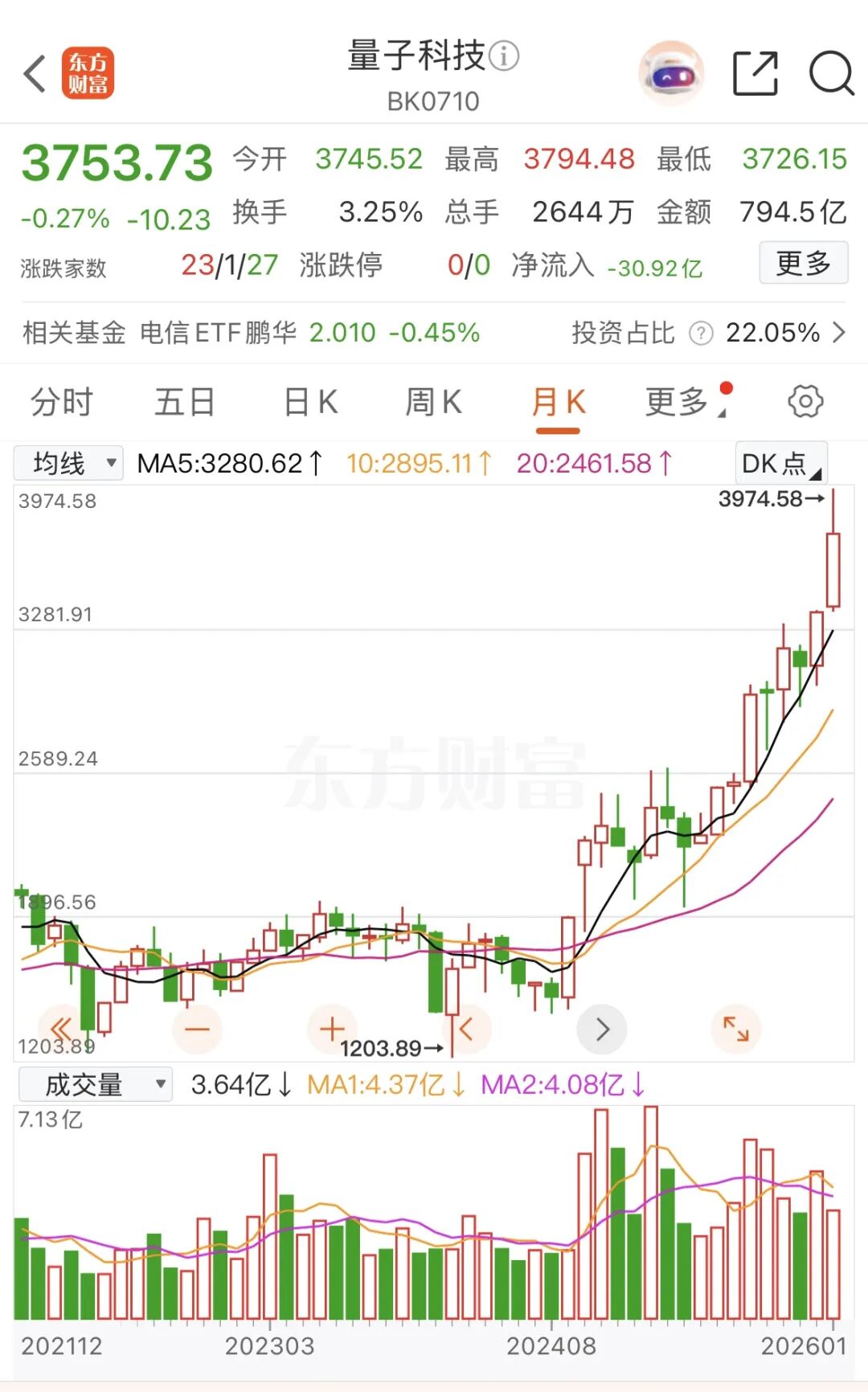
量子科技成热词 如何布局投资?
Shang Hai Zheng Quan Bao· 2026-01-19 14:33
Core Insights - Quantum technology is prioritized in China's "14th Five-Year Plan," with significant emphasis on its development across various regions, including Shanghai and Anhui [1] - The A-share market has seen a resurgence in the quantum technology sector, with companies like Guandun Quantum and Keda Guokai gaining investor interest due to their strategic positioning in quantum technology [1] - Quantum computing is identified as the most promising area within quantum technology, transitioning from laboratory research to industrial application [1] Investment Trends - Capital is shifting from speculative investments to focused investments in the quantum technology supply chain, recognizing the importance of system capabilities in the competitive landscape [4] - The market potential for quantum computing is a primary driver for investment, with BCG predicting a profit of $850 billion by 2040 across key industries [4] - Investment in quantum technology is rapidly increasing, with a projected growth from $1.3 billion in 2023 to $2 billion in 2024, marking a 50% increase [4] Key Components of Quantum Computing - The "Three Hard and Three Soft" framework outlines six core components essential for the development of quantum computing: quantum chip systems, measurement and control systems, environmental support systems, quantum operating systems, quantum computing cloud platforms, and quantum application software [6][7][8] - Quantum chips are considered the "brain" of quantum computers, with significant investment potential in core materials and manufacturing processes [6] - Measurement and control systems are crucial for the stability of quantum computing, presenting extensive investment opportunities in core components and system integration [7] Ecosystem Development - The environmental support system is vital for the operation of quantum computers, with a focus on scaling production and operational capabilities of key equipment [8] - Quantum operating systems and software are essential for creating a robust ecosystem, with domestic systems like "Benyuan Sinan" being developed to integrate seamlessly with classical computing systems [8] - Investment in quantum cloud platforms is directed towards enhancing hybrid computing capabilities and integrating industry-specific applications [8] Long-term Strategic Value - The competition in quantum computing is fundamentally about the capabilities of the entire supply chain, with a focus on achieving self-sufficiency [9] - The next five years are critical for transitioning quantum computing technology from prototypes to market applications, with entities achieving full supply chain control likely to lead in global competition [9] - Recognizing the long-term value of quantum computing investments aligns with national strategic technology goals, as highlighted by industry leaders [10]

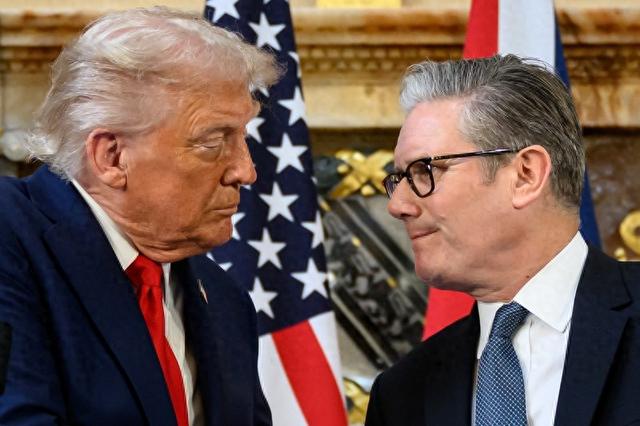
美媒披露:美国谈判代表向英国施压,要求其采纳美国标准
Guan Cha Zhe Wang· 2026-01-19 14:25
Group 1 - The core issue in the US-UK trade negotiations is the disagreement over "non-tariff barriers," particularly regarding the adoption of US standards and recognition of US certification bodies by the UK [1][4] - The US has intensified pressure on the UK to align with its standards, which could jeopardize the UK's food industry and its cooperation with the EU [1][4] - The UK government has classified food standards as a "red line" in negotiations, but there are concerns that the UK may concede on other US demands [1][4] Group 2 - The US and UK signed the "Technology Prosperity Agreement" in September, aimed at enhancing cooperation in AI, quantum computing, and civil nuclear energy, but the agreement has been paused due to ongoing trade barrier disputes [1][4] - The UK's current certification model, managed by a single non-profit body (UKAS), differs significantly from the decentralized US system, which could lead to competitive pressures and potential compromises on public service obligations [4][5] - The UK is seeking to strengthen trade relations with the EU, which may reduce the likelihood of accepting US conditions in the ongoing trade negotiations [5]
加密货币集体遭抛售,近25万人爆仓,比特币一度跌破92000美元
2 1 Shi Ji Jing Ji Bao Dao· 2026-01-19 14:10
Core Viewpoint - The cryptocurrency market is experiencing significant sell-offs due to the impact of the US-EU tariff war, leading to a collective drop in prices and a high number of liquidations in the market [1][4]. Market Performance - Bitcoin's price fell over 3% to below $92,000, with a slight recovery bringing it close to $93,000, while the overall cryptocurrency market saw over 247,000 liquidations in the past 24 hours [1][2]. - Major cryptocurrencies such as Ethereum and Solana also experienced declines, with Ethereum down 3.03% and Solana down 7.2% [2]. Liquidation Data - In the past 24 hours, total liquidations reached approximately $870 million, with long positions accounting for $790 million and short positions for $86.98 million [3]. - The liquidation amounts over different time frames indicate a significant market reaction, with $44.65 million liquidated in 12 hours and $11.80 million in 4 hours [3]. Regulatory and Economic Context - The recent tariff announcements by US President Trump, which include a 10% tariff on goods from several European countries starting February 1, have raised concerns and prompted potential retaliatory measures from Europe [4]. - European leaders, including French President Macron and German Finance Minister Scholz, have expressed strong opposition to the tariffs, indicating a coordinated response from European nations [4]. Market Sentiment and Future Outlook - The recent downturn interrupts the early-year rebound in the cryptocurrency market, which had seen Bitcoin nearing $98,000 [5]. - Institutional investment, previously a key support for Bitcoin prices, is now under pressure due to profit-taking and regulatory uncertainties, challenging Bitcoin's narrative as an inflation hedge [5]. - Despite the current volatility, some analysts remain optimistic about Bitcoin's long-term potential, citing ongoing diversification trends in global assets and increasing institutional participation [8].
加密货币集体遭抛售 近25万人爆仓 比特币一度跌破92000美元
2 1 Shi Ji Jing Ji Bao Dao· 2026-01-19 14:10
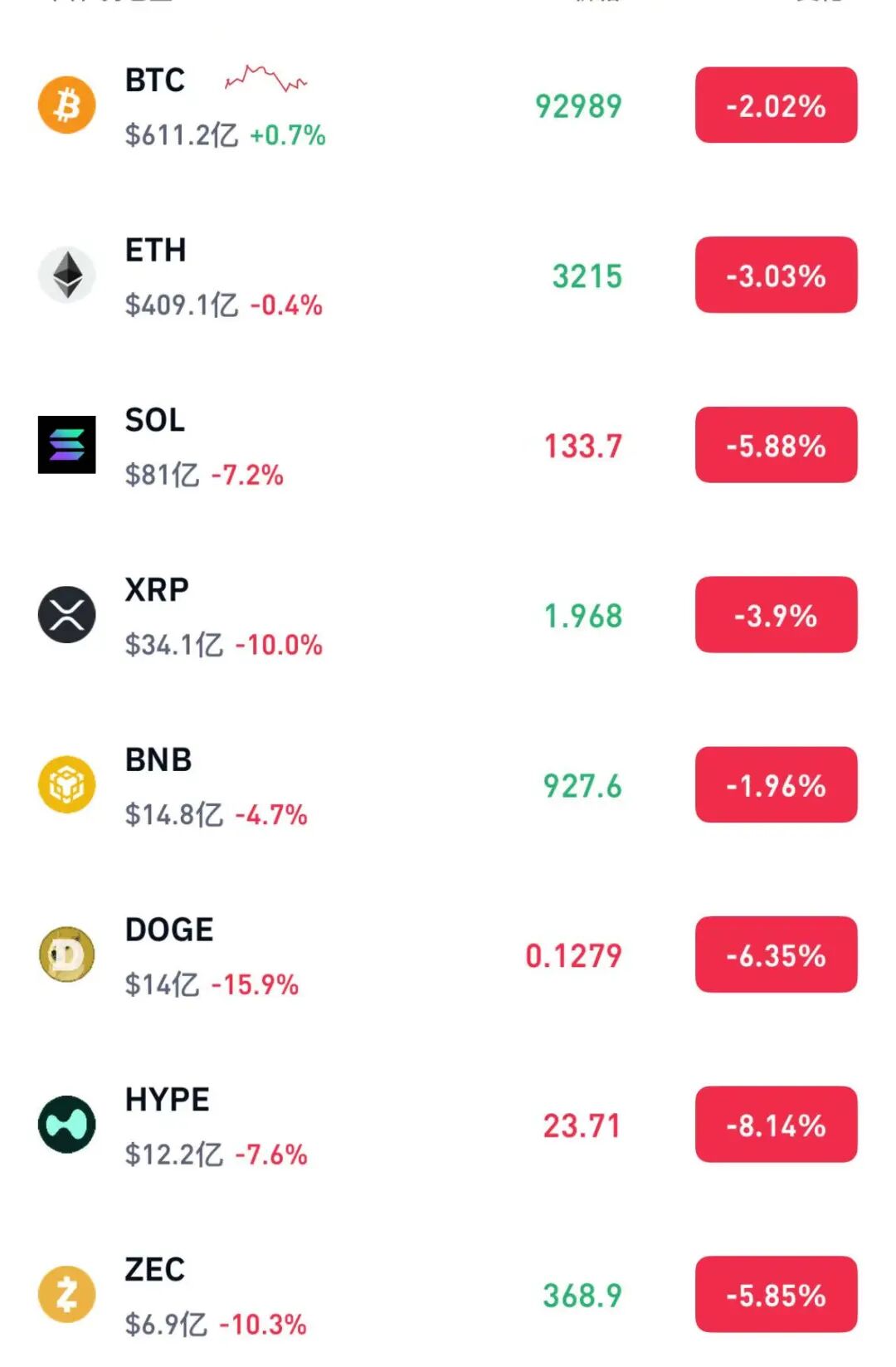
Core Viewpoint - The cryptocurrency market is experiencing significant sell-offs due to the impact of the US-EU tariff war, leading to a collective drop in prices and a high number of liquidations in the market [1][4]. Group 1: Market Performance - On January 19, major cryptocurrencies saw a decline, with Bitcoin dropping over 3% to below $92,000, and the market saw over 247,000 liquidations within 24 hours [1][2]. - Bitcoin's price was reported at $92,989, down 2.02%, while Ethereum (ETH) fell by 3.03% to $3,215 [2]. - Other cryptocurrencies like Solana (SOL) and Dogecoin (DOGE) also experienced significant declines, with SOL down 7.2% and DOGE down 15.9% [2]. Group 2: Market Sentiment and External Factors - The recent tariff announcements by US President Trump, which include a 10% tariff on goods from several European countries starting February 1, have raised concerns and criticism from European leaders, potentially impacting market sentiment [4]. - The overall market sentiment has shifted from optimism at the beginning of the year to caution, as institutional funds that previously supported Bitcoin are now showing signs of retreat due to profit-taking and regulatory uncertainties [5][6]. Group 3: Long-term Outlook - Despite the current downturn, some analysts remain optimistic about Bitcoin's future, citing ongoing trends in global asset diversification and increasing institutional participation as potential drivers for future price increases [8].
加密货币集体遭抛售,近25万人爆仓,比特币一度跌破92000美元
21世纪经济报道· 2026-01-19 14:04
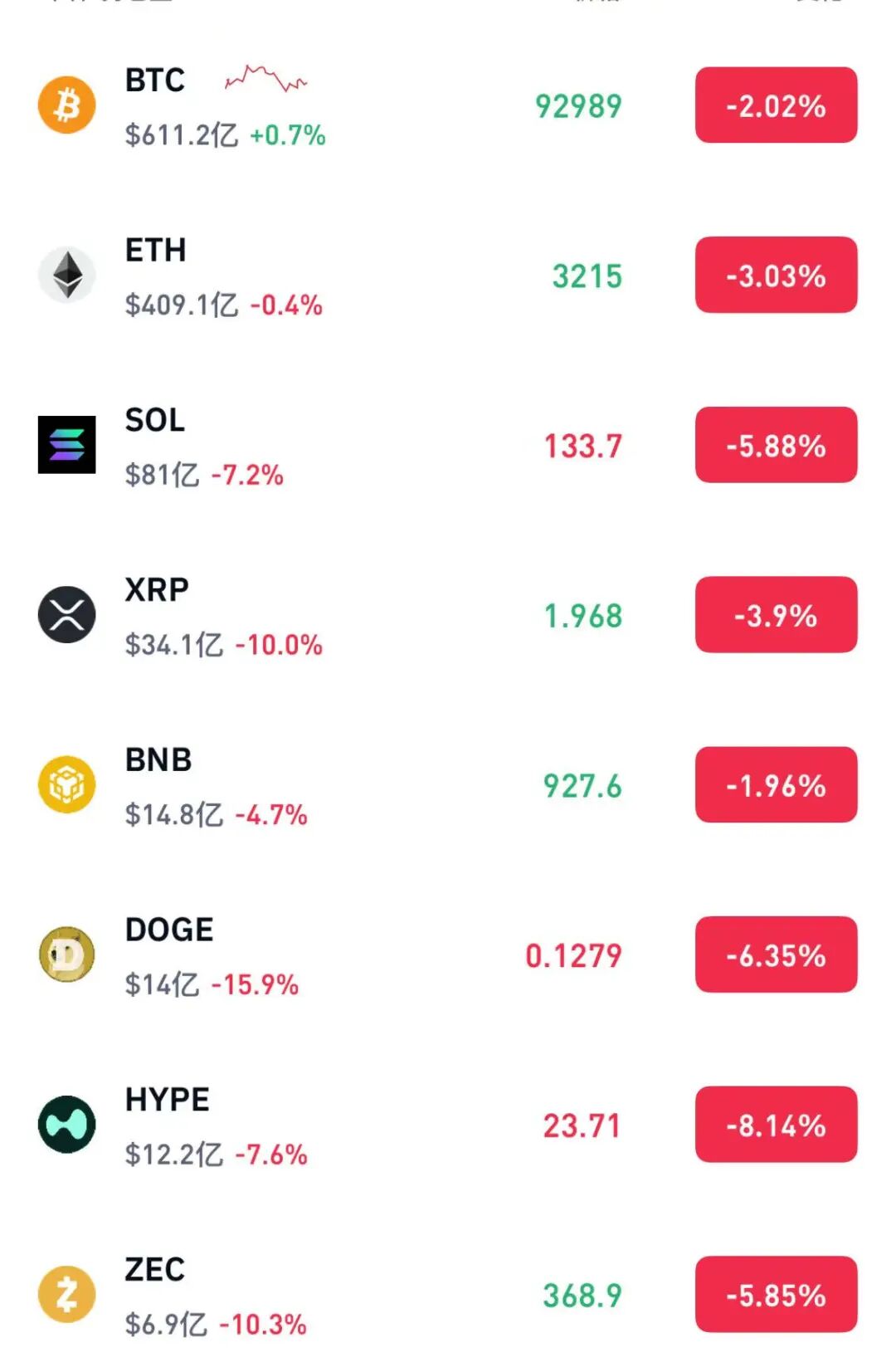
Core Viewpoint - The cryptocurrency market is experiencing significant sell-offs due to the impact of the US-EU tariff war, leading to a collective drop in prices and a high number of liquidations in the market [1][4]. Market Performance - Bitcoin's price fell over 3% to below $92,000, with a slight recovery bringing it close to $93,000, while over 247,000 liquidations occurred in the past 24 hours [1][2]. - Other cryptocurrencies also saw declines, with Ethereum down 3.03% to $3,215, and Solana down 5.88% to $133.7 [2][3]. Tariff Impact - President Trump announced a 10% tariff on goods from several European countries starting February 1, with plans to increase it to 25% by June 1, which has drawn criticism and potential retaliatory measures from European leaders [4][5]. - This announcement disrupted the early-year rebound in the cryptocurrency market, which had been recovering from previous lows [6]. Institutional Investment Concerns - Institutional support for Bitcoin has weakened, with recent ETF fund movements revealing vulnerabilities in the narrative surrounding Bitcoin as an inflation hedge [7]. - The volatility of Bitcoin, which exceeds that of gold, and its correlation with US stock markets challenge its role as a risk hedge [7]. Market Sentiment and Future Outlook - Despite recent downturns, some analysts remain optimistic about Bitcoin's future, citing ongoing global asset diversification trends and increasing institutional participation as potential drivers for future price increases [10].

美欧关税战冲击风险资产,比特币上涨趋势再逆转
2 1 Shi Ji Jing Ji Bao Dao· 2026-01-19 13:40
Group 1: US-China Trade Tensions - The US President announced a 10% tariff on goods from several European countries starting February 1, with an increase to 25% on June 1 unless an agreement on purchasing Greenland is reached [1] - European leaders criticized the tariff announcement and indicated potential retaliatory measures, with France and Germany expressing the need for a coordinated response [1] Group 2: Cryptocurrency Market Dynamics - Bitcoin's price dropped over 3% to below $92,000, interrupting the early-year rebound and reflecting the impact of US-EU trade tensions on risk assets [2] - Institutional support for Bitcoin has weakened, with recent ETF fund movements revealing vulnerabilities in its narrative, leading to forced sell-offs amid profit-taking and regulatory uncertainties [2] - The volatility of Bitcoin poses risks for investors, making it difficult for cryptocurrencies to serve as reliable value stores or mediums of exchange [3] Group 3: Long-term Outlook for Bitcoin - Despite current challenges, there are optimistic views on Bitcoin's future, citing trends in global asset diversification, increasing long-term capital, and higher institutional participation as potential drivers for future price increases [4]
坐稳欧洲银行业头把交椅!汇丰银行(HSBC.US)高管放出“豪言”:3000亿英镑市值指日可待
智通财经网· 2026-01-19 13:17
智通财经APP获悉,汇丰银行(HSBC.US)企业及投资银行部门负责人迈克尔·罗伯茨称,继其市值历史性 地首次突破2000亿英镑(2680亿美元)数周后,该行目前的市值有望突破3000亿英镑。 尽管地缘政治危机正在酝酿,罗伯茨在接受采访时表示,这家欧洲最大的银行可能会变得更加庞大,并 展望了公司股价在目前接近历史高位的基础上再上涨超过50%的前景。 汇丰企业及机构银行CEO罗伯茨表示,"从2000亿英镑到我们今天的位置……达到3000亿无疑是触手可 及的,""在我们看来,鉴于我们认为能够产生利润的领域,确实值得更高的估值。" 汇丰银行的股价——最新交易价格约为1223便士——持续走高,使其目前的估值达到约2100亿英镑,这 也使其稳居欧洲最大金融机构的宝座,领先于西班牙桑坦德银行、瑞士瑞银集团和法国巴黎银行等同 行。 汇丰在过去一年里对其全球业务进行了大规模重组,作为首席执行官乔治·埃尔赫德里简化银行架构和 削减成本行动的一部分,该行裁减了数千个工作岗位,合并并关闭了一些业务线,同时出售了其他业 务。罗伯茨表示,重组阶段现已基本完成,银行正在寻找推动增长的方法。 他说,"我们真的在展望未来,"同时他也警告称, ...

金价涨跌的内在逻辑|国际
清华金融评论· 2026-01-19 10:33
Core Viewpoint - The current rise in gold prices, which has increased by 52.06% in 2025 and over 5% this year, reflects a strong investment value and is driven by growing global macroeconomic uncertainties [1]. Group 1: Attributes Determining Gold Prices - Gold has three main attributes: monetary, financial, and commodity. The monetary attribute refers to gold's role as a general equivalent and its function as a central bank reserve, which has diminished but still exists as a counter to the US dollar [3]. - The financial attribute highlights gold as an investment asset, particularly through gold ETFs, which have lowered the entry barrier for investors and amplified price volatility [3]. - The commodity attribute pertains to gold's use in jewelry and technology, with demand increasing in countries like China and India due to economic growth [4]. Group 2: Historical Bull Markets in Gold - The first major bull market occurred from 1968 to 1980, where gold prices surged from $35/oz to $850/oz, a total increase of 2328.57% [8][10]. - The second bull market spanned from 2001 to 2011, with prices rising from $272.50/oz to $1921.15/oz, marking a 605.01% increase [11][15]. - Both bull markets were driven by significant challenges to the US dollar's credibility, with the first linked to economic crises and the second to the aftermath of the tech bubble and the financial crisis [10][15]. Group 3: Current Gold Bull Market Analysis - The current bull market began in 2022, with gold prices rising from $1614/oz to a peak of $4690.88/oz, a maximum increase of 190.64% [19]. - The primary driver of this bull market is the significant increase in gold purchases by central banks, which reached 456.9 tons in Q3 2022, a year-on-year increase of 404.30% [22]. - Central bank purchases have consistently outpaced other demand categories, indicating a shift in the gold market dynamics [23]. Group 4: Future Outlook for Gold - The total value of global central bank gold reserves is projected to exceed $3.93 trillion by the end of 2025, surpassing the total value of US Treasury holdings [26]. - Factors contributing to the ongoing demand for gold include the deterioration of US fiscal discipline, challenges to the US's international standing, and the potential decline of its technological edge [26][27]. - The current gold bull market is expected to last over ten years, with potential price increases comparable to historical bull markets, possibly exceeding 2000's 605.01% rise and approaching the 1970's 2328.57% increase [28].

陈文玲:2025年中国经济不容易、不平凡、不一般
Sou Hu Cai Jing· 2026-01-19 10:11
Core Insights - China's economy achieved a GDP of 14,018.79 billion yuan in 2025, reflecting a 5.0% growth compared to the previous year, indicating overall stability and meeting expected targets [3][4] - The economy faced significant pressures, including intense global competition, reshaping international dynamics, the impact of trade wars, and both longstanding and emerging domestic challenges [3] - Structural changes in the economy were noted, with traditional industries accelerating their transformation and strategic emerging industries optimizing, leading to the emergence of leading enterprises in sectors like quantum computing, industrial robotics, artificial intelligence, and large models [3] Economic Policies - More proactive fiscal policies and moderately loose monetary policies played a crucial role in maintaining market vitality and momentum [4] - Legislative measures such as the introduction of the Private Economy Promotion Law and revisions to the negative list for market access provided institutional guarantees for market activation [4] Trade and Openness - Significant progress was made in import and export trade and foreign openness, with an emphasis on expanding the "open door" policy, positioning China as a major leader in an increasingly open world [4]